How Local Conditions Play In
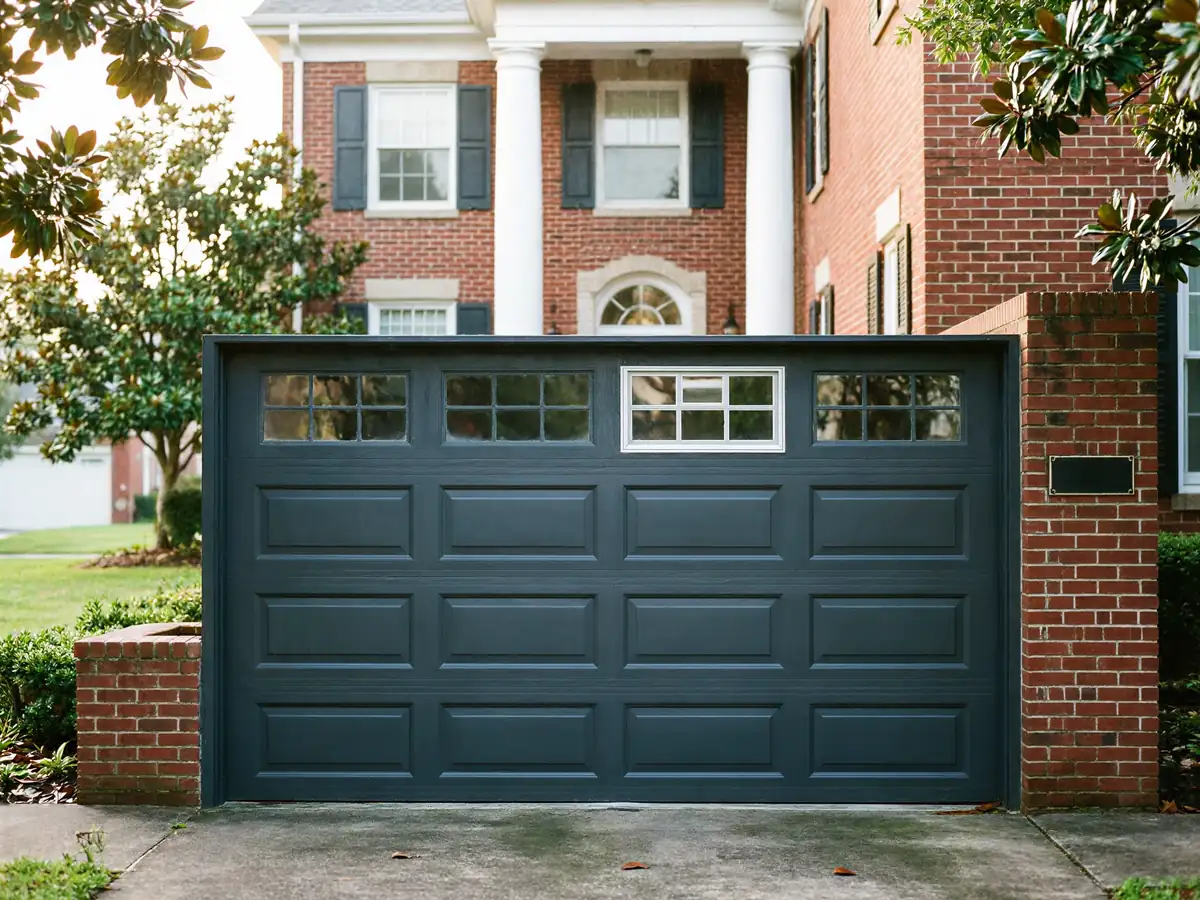
Opelika sits in a mild climate band with occasional freezes, not the deep-freeze cycles that crack steel or seize galvanized cable up north. That matters for what a tech checks first. We're not hunting for ice-cracked rollers or frost-swollen panels. What we do see is lubricant that's dried out from heat and humidity swings, and hardware that's rusted slow and steady over decades rather than failed fast. A freeze snap here and there still stresses an already-weak spring or a worn cable, so a cold morning can be the final push on a part that was already going. The call isn't about storm damage. It's about gradual wear catching up with a door that's been sitting through forty-plus Alabama summers and the occasional cold front. That's the baseline we work from on every job, whether it's a spring, an opener, or a track that's walked out of alignment.
The Cost of This Job
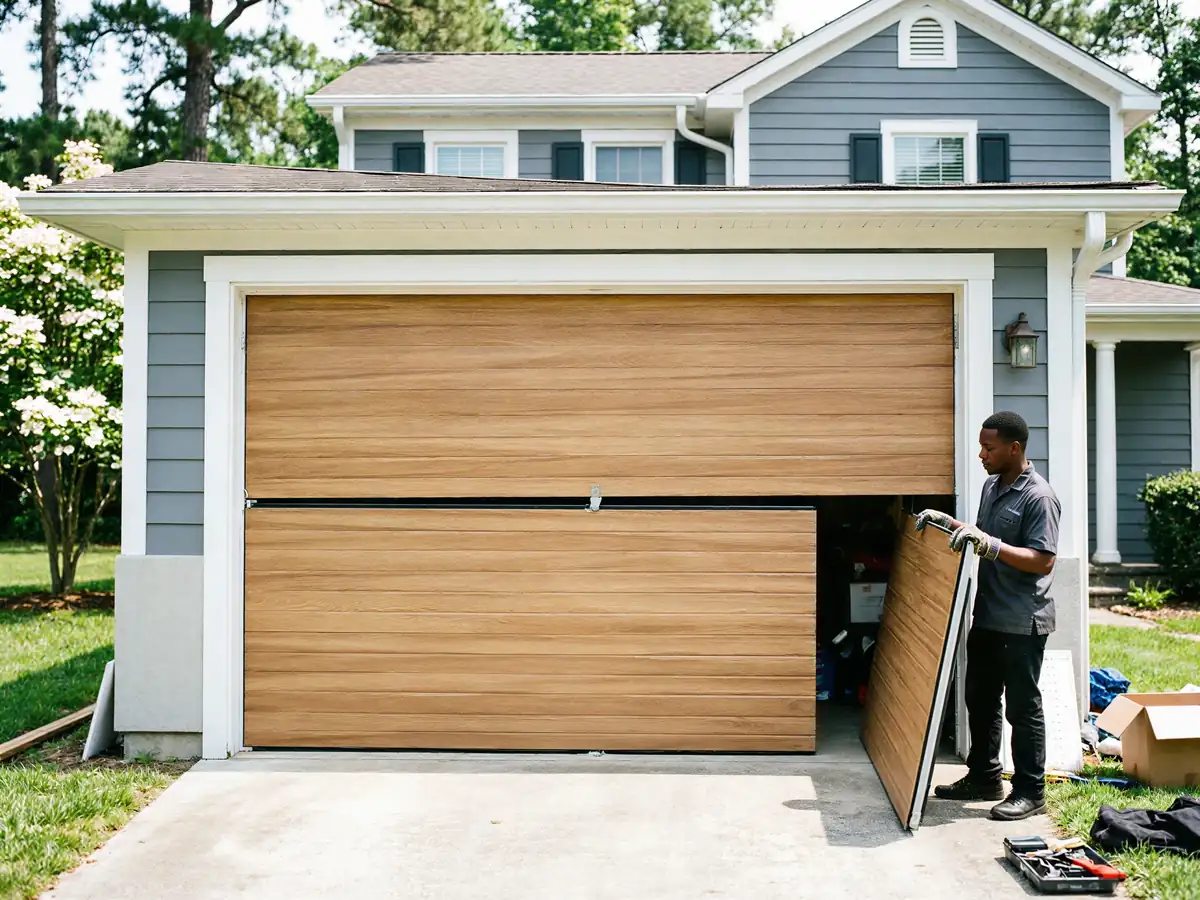
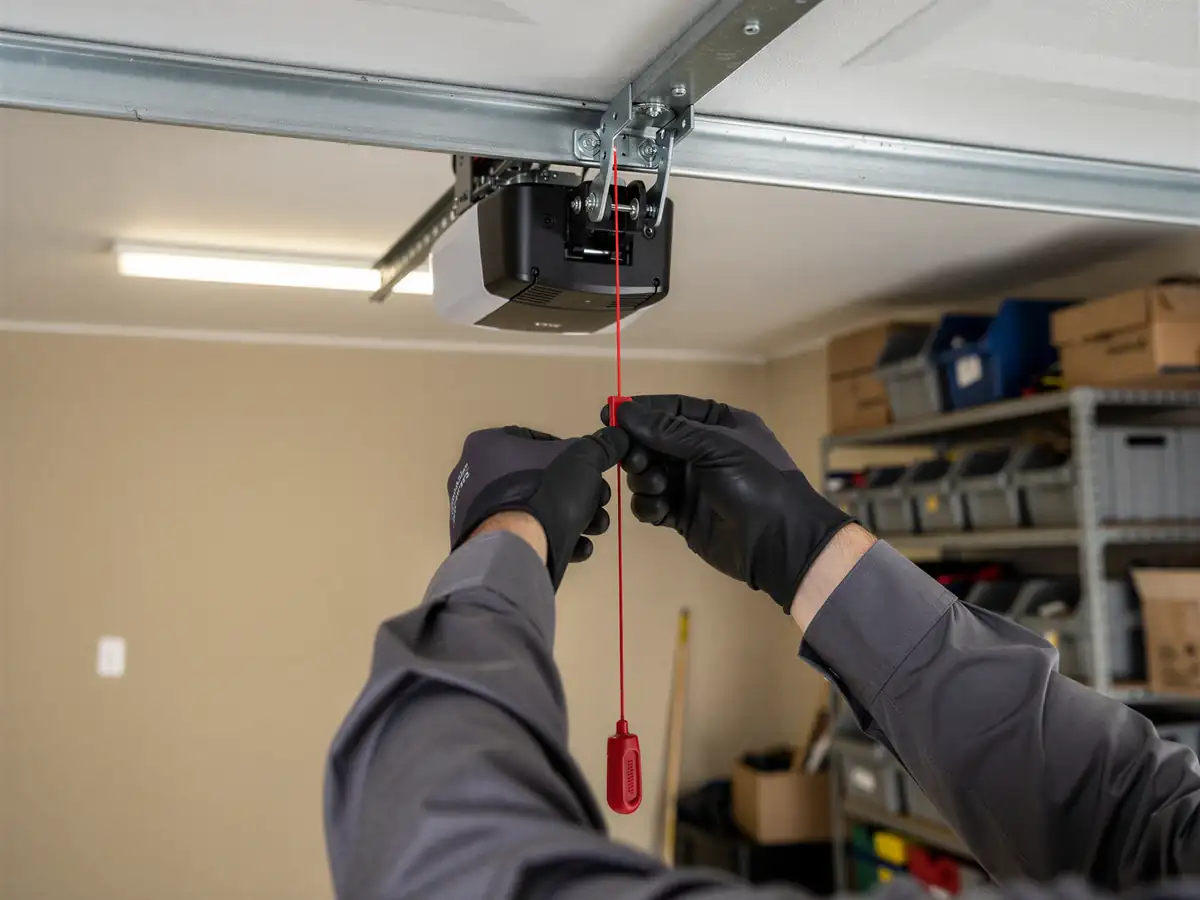
We don't have a price list to hand you here, and we're not going to invent one. What we can tell you is what drives the number up or down: whether it's a spring swap on a standard door versus a full opener replacement, whether the track needs realigning or replacing outright, and how much of the hardware is original versus already been touched. Opelika's median household income sits around $45,493, and across the roughly 11,241 households in the service area, most garage doors are original builder-grade equipment from the 1965-1991 era. That means a lot of repairs involve matching old hardware to parts that aren't made the same way anymore, which can push a simple-sounding fix into a longer job. We'll always tell you upfront if a repair is going to cost close to what replacement runs, because on a door this old, that's often the honest answer.
What to Look At First
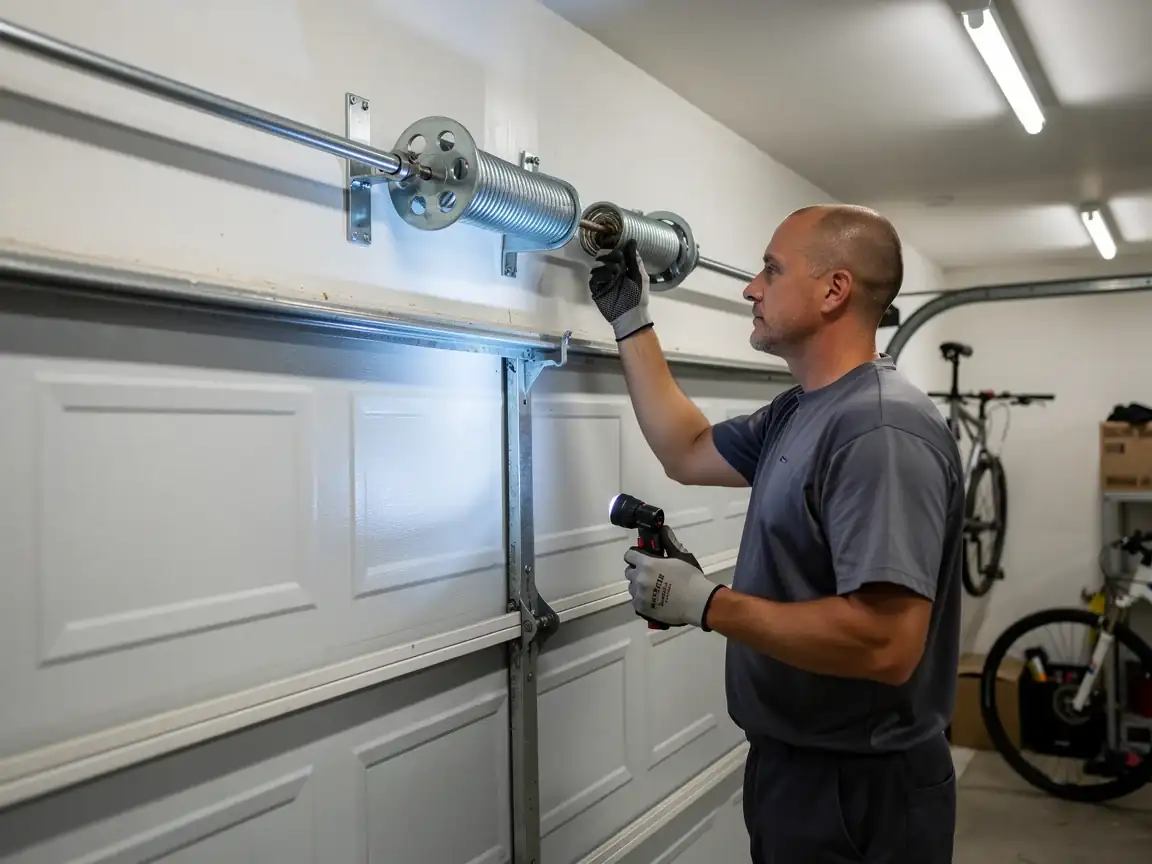
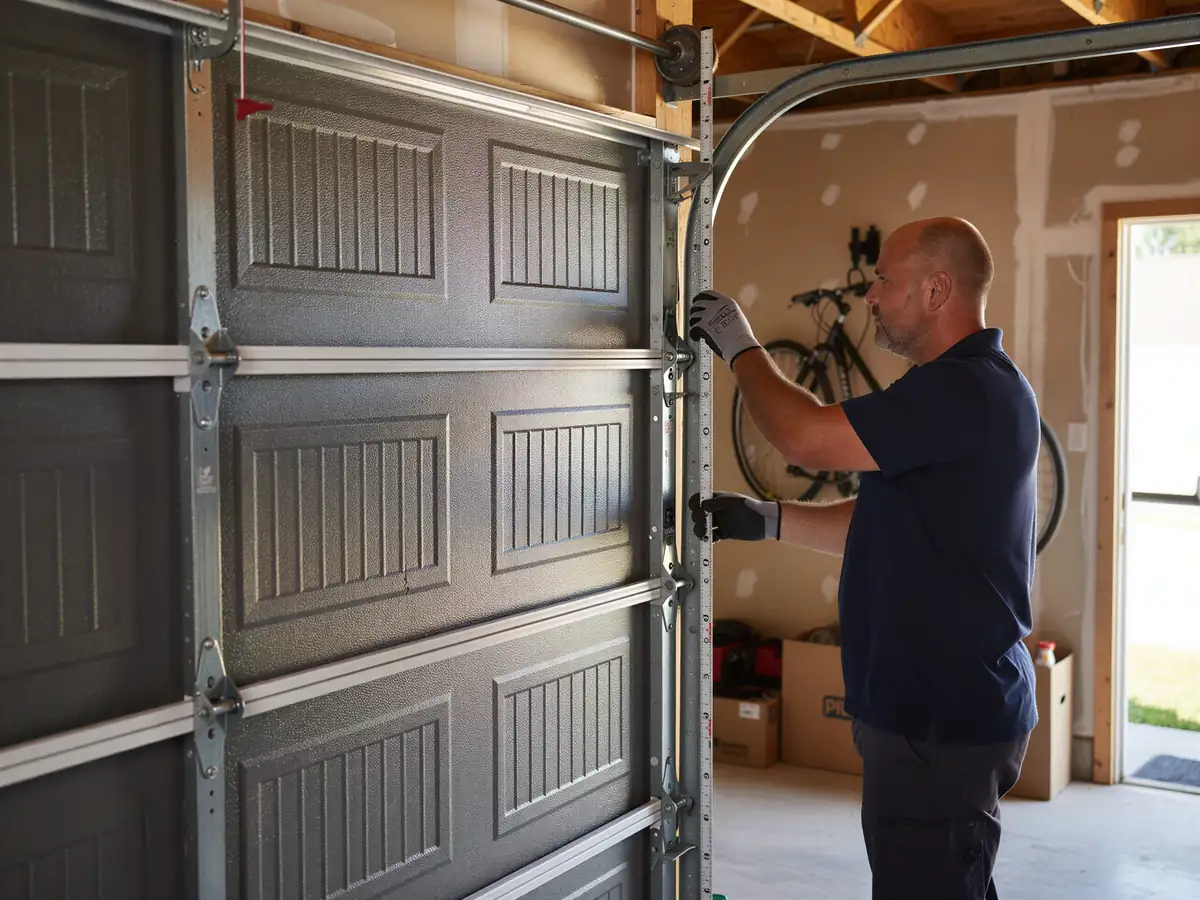
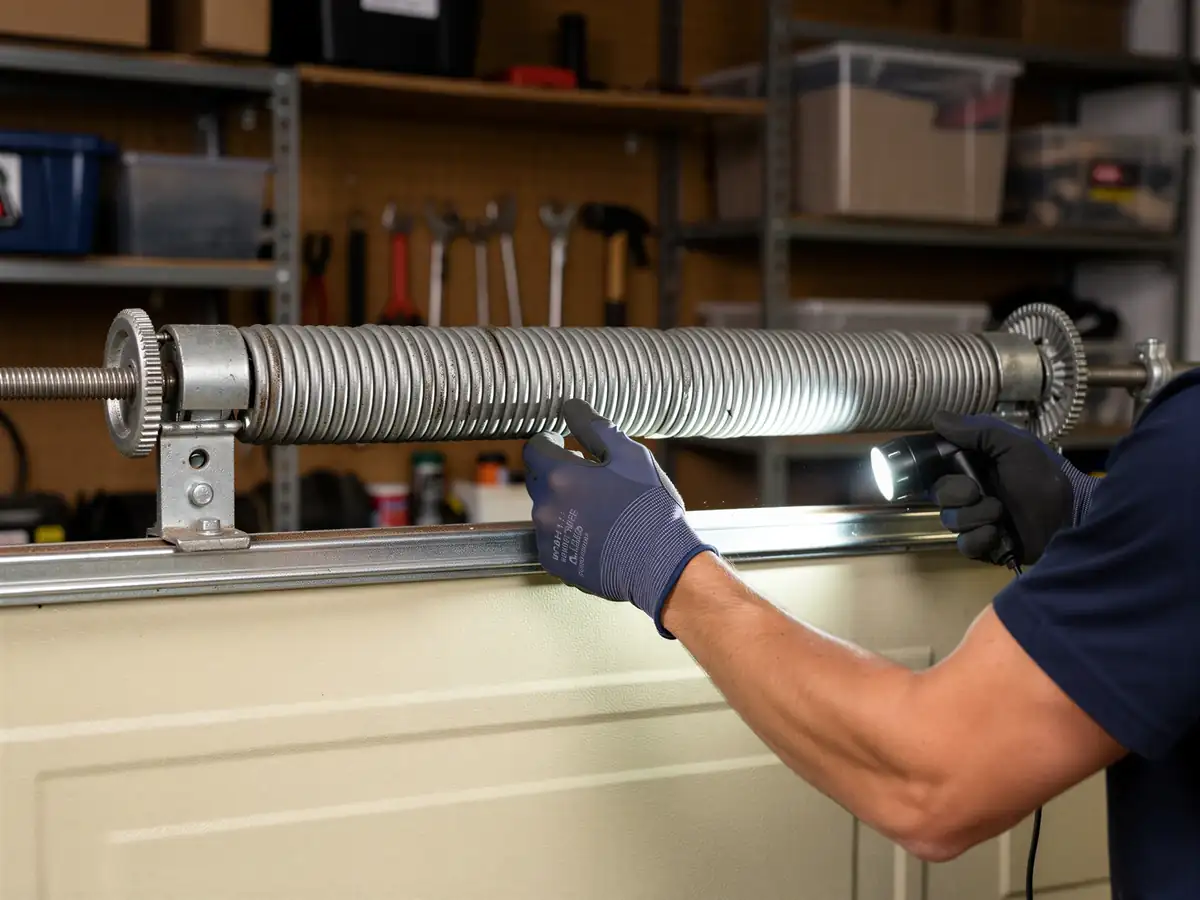
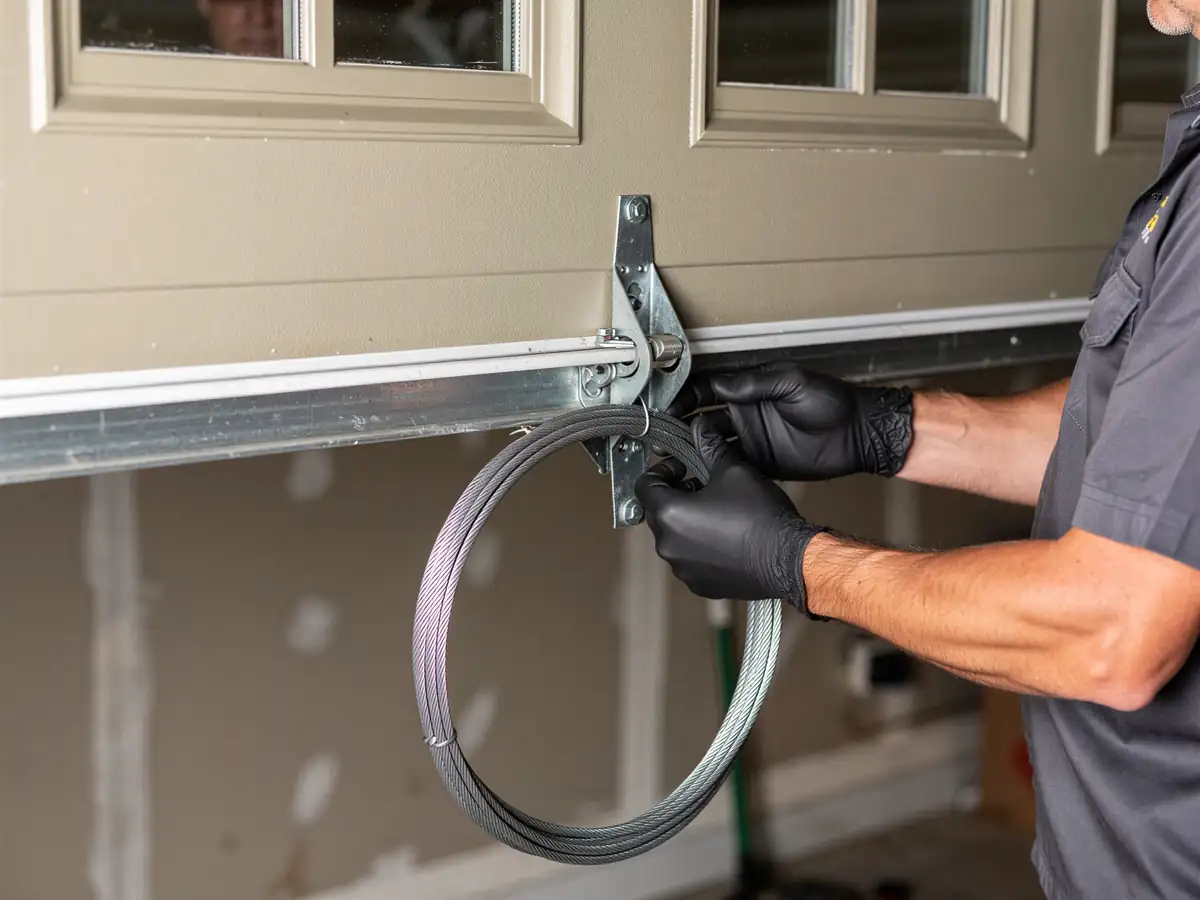
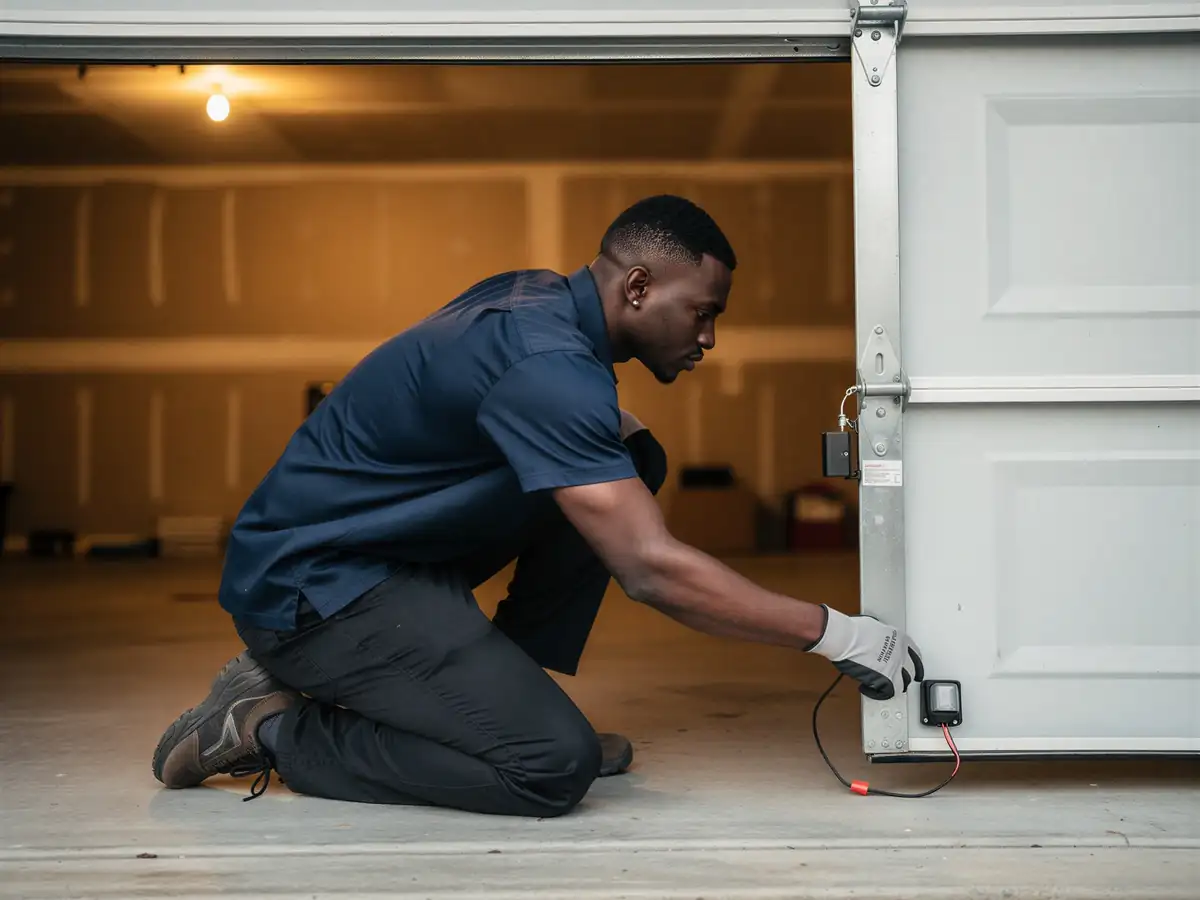
Start with the spring. On a door built in the 1965-1991 window, a torsion spring is either original or was last swapped years ago, and a spring that's lost tension will show up as a door that feels heavier to lift by hand or an opener that strains and stalls partway up. Next, check the cables for fraying near the drum, especially on houses that haven't had any garage door work done since they were built. Then look at the track mounting brackets; on older construction they're often lag-bolted into framing that's shifted slightly over decades, and that shows up as a door that binds or rubs on one side. We don't recommend tearing into spring tension yourself. That part of the job carries real risk, and it's the one place where a service call earns its cost instead of being optional.