The Symptom
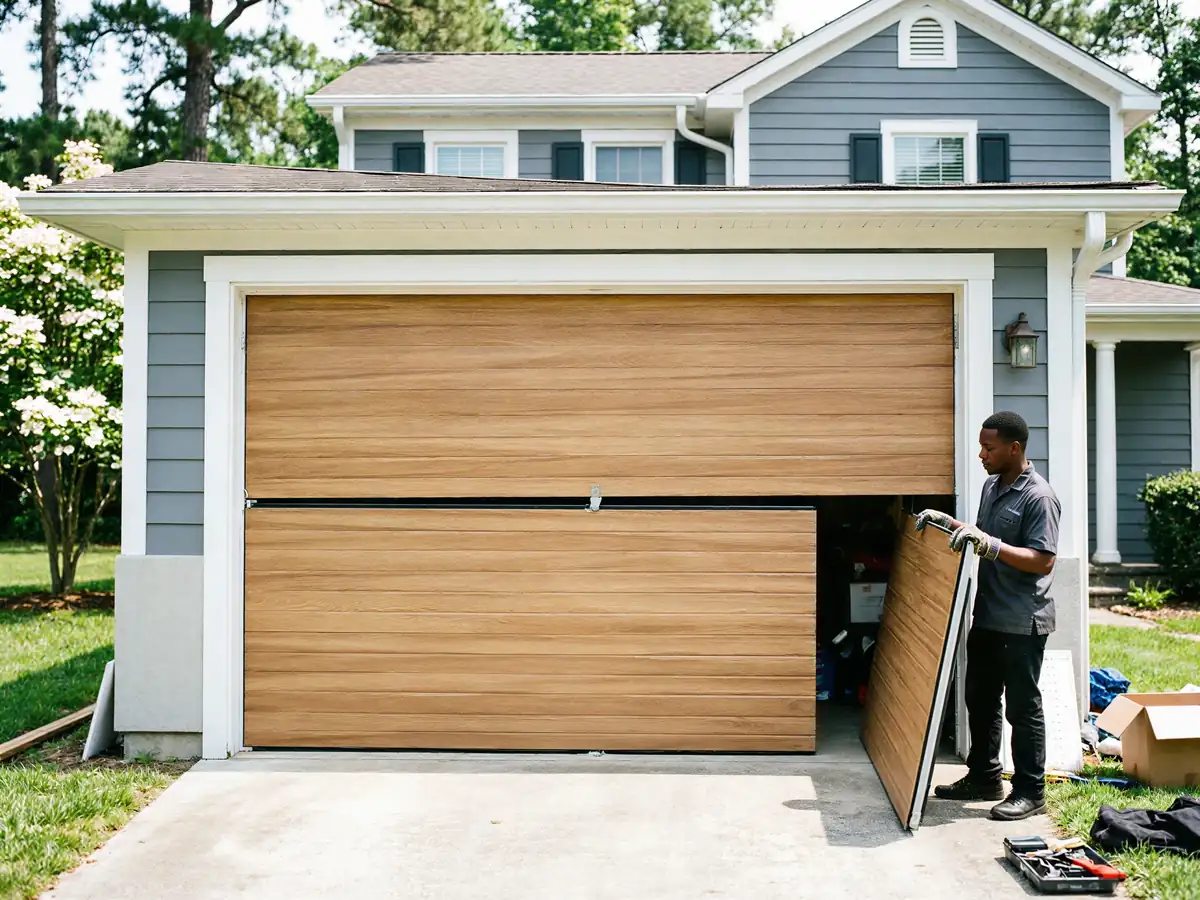
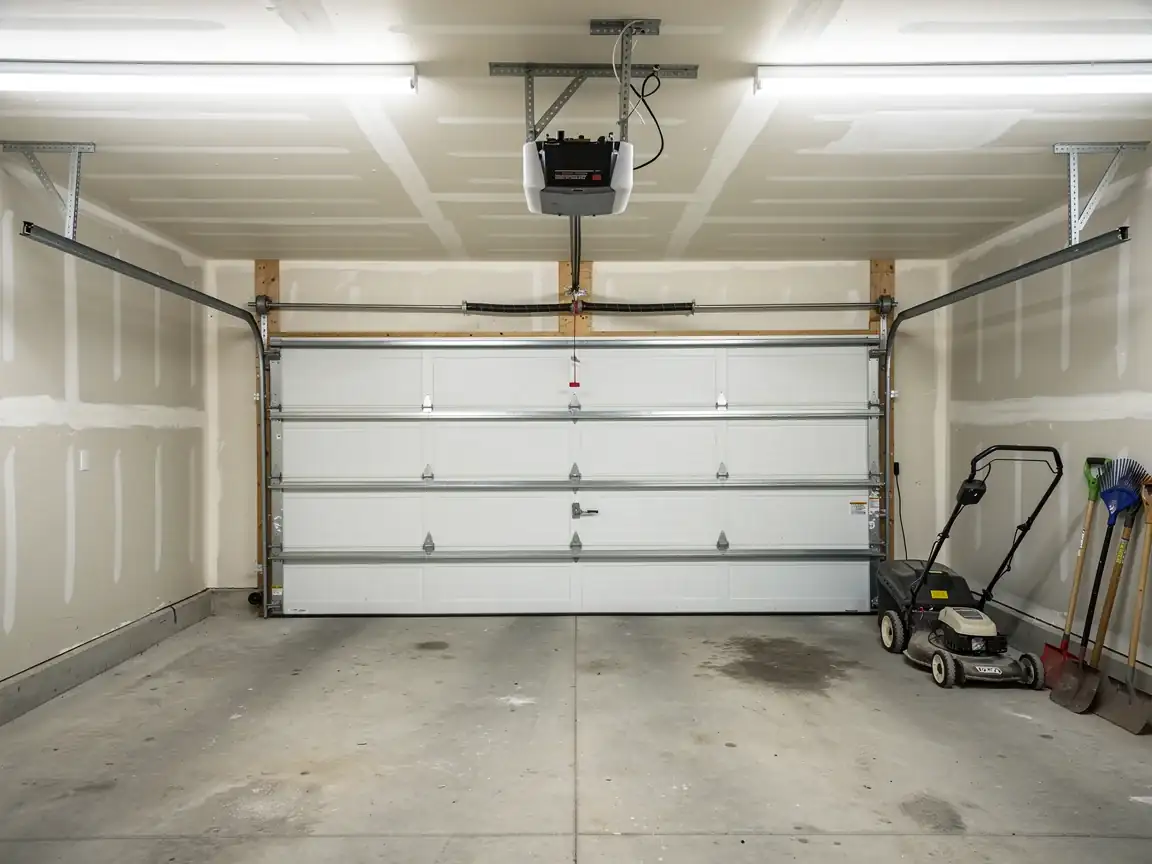
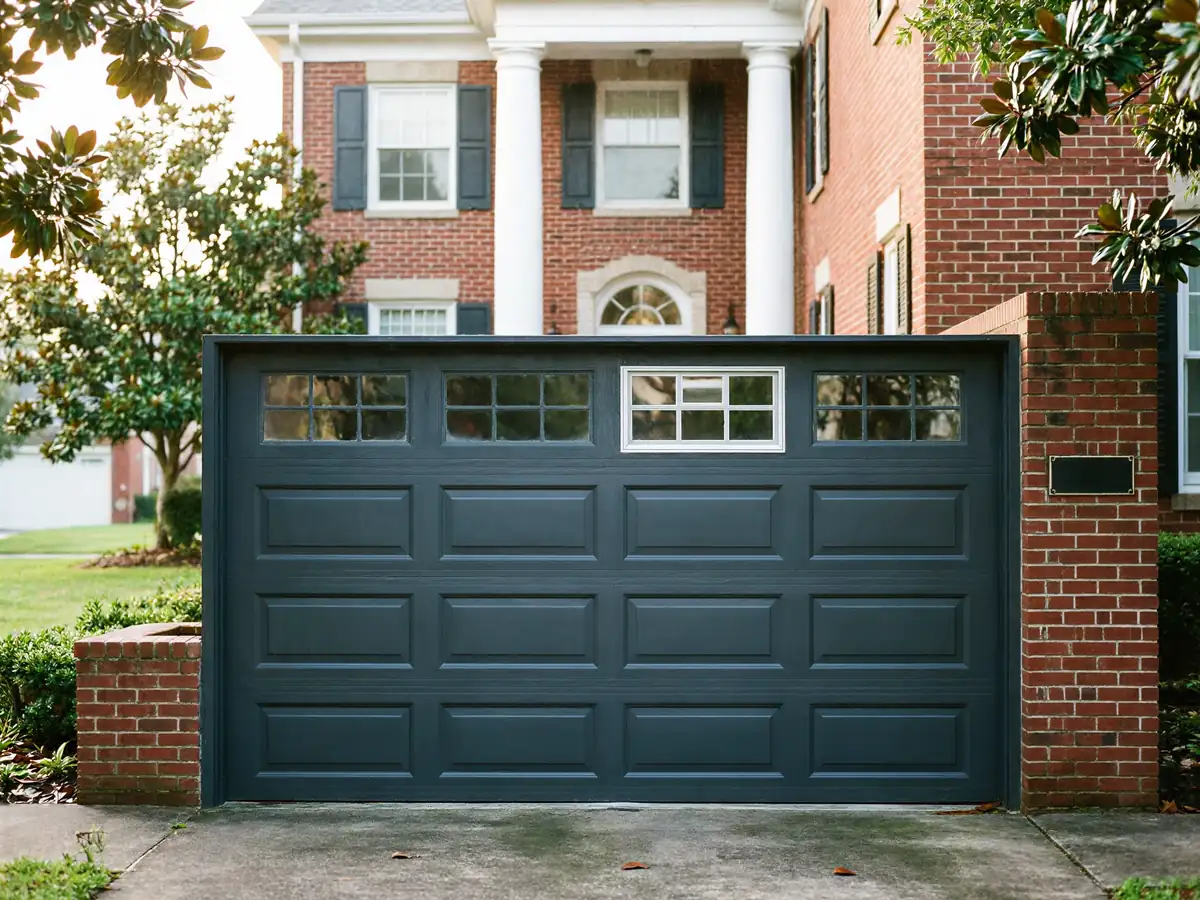
You notice it from the driveway before you notice anything else: a dent that caught the evening light wrong, a crack running along a seam, or a panel that's bowed enough that the door doesn't sit flush in the track anymore. Sometimes it's one panel on a double door that took a hit from a trailer hitch or a basketball. Sometimes it's not one panel at all - it's three or four, rusted through at the bottom where water sits against the slab, on a door that's been painted over twice.
Either way, the door usually still runs. That's what throws people off. A bent panel doesn't always stop the opener from working, so it sits there for months looking worse and worse while the track alignment quietly gets worse underneath it. By the time the door starts binding or the rollers start chirping on the way up, the panel problem has usually become a panel-plus-track problem.
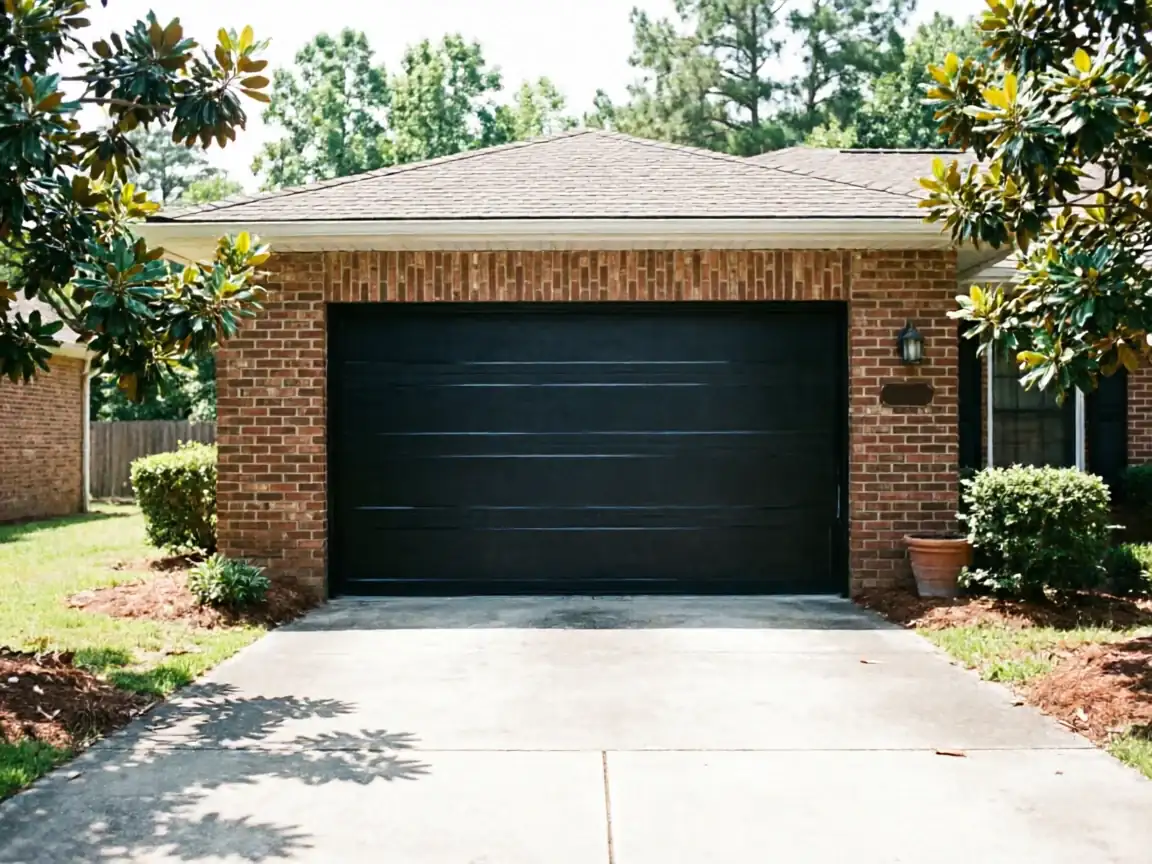
Across the houses we work on in the Opelika area, this shows up most on doors original to the home or close to it - steel panels from an era when garage doors weren't insulated and the gauge of steel was thinner than what's sold today. Those panels dent easier and rust faster once the paint starts to go.
Where This Job Goes Sideways
Panel replacement sounds simple - swap the bad section, leave the rest alone. It is simple, until the door is old enough that nobody makes that panel anymore. A lot of the housing stock across this service area went up between 1965 and 1991, with the bulk of it landing around the mid-1970s. Doors from that run are often a size, a rib pattern, or a color that current manufacturers don't stock as a single replacement panel.
When that happens, you've got two options: a close-enough match that never looks quite right next to the original sections, or replacing the whole door. We'll tell you straight which situation you're in before you pay for anything, because matching a panel on a door that old sometimes isn't worth the search.
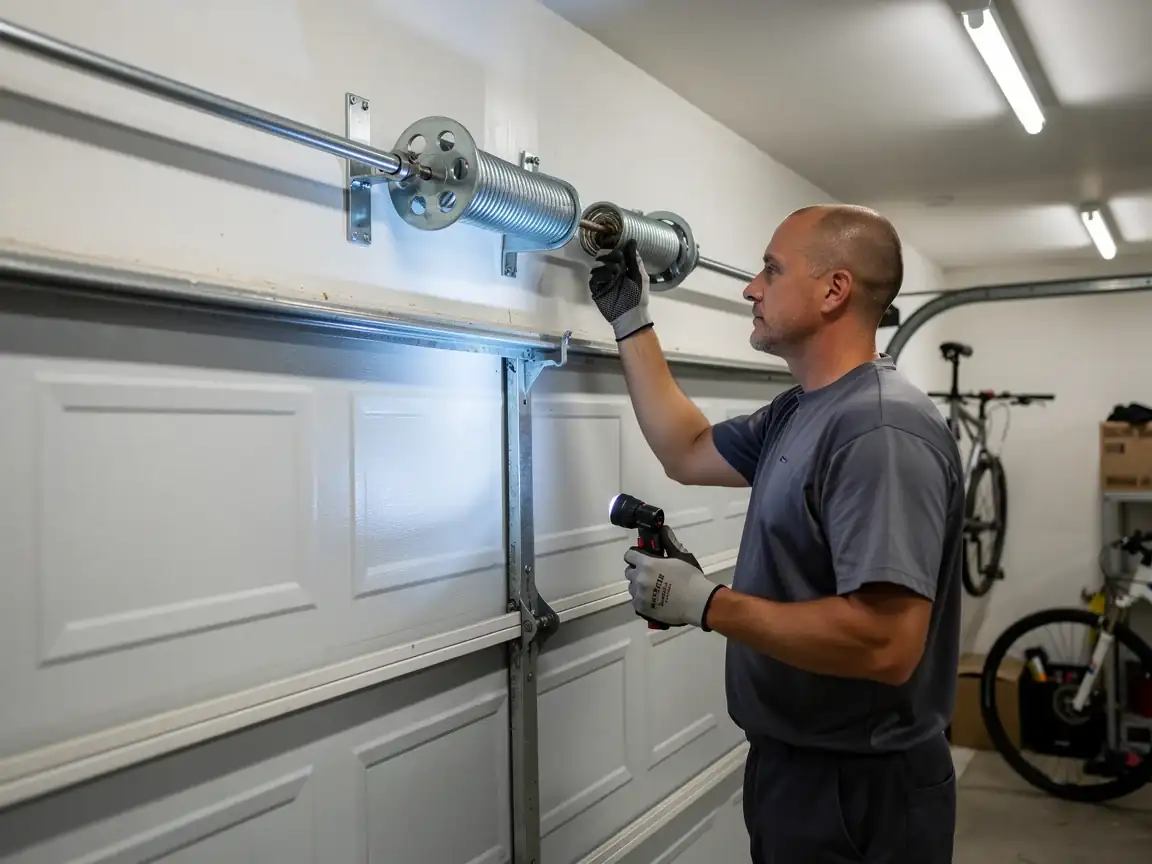
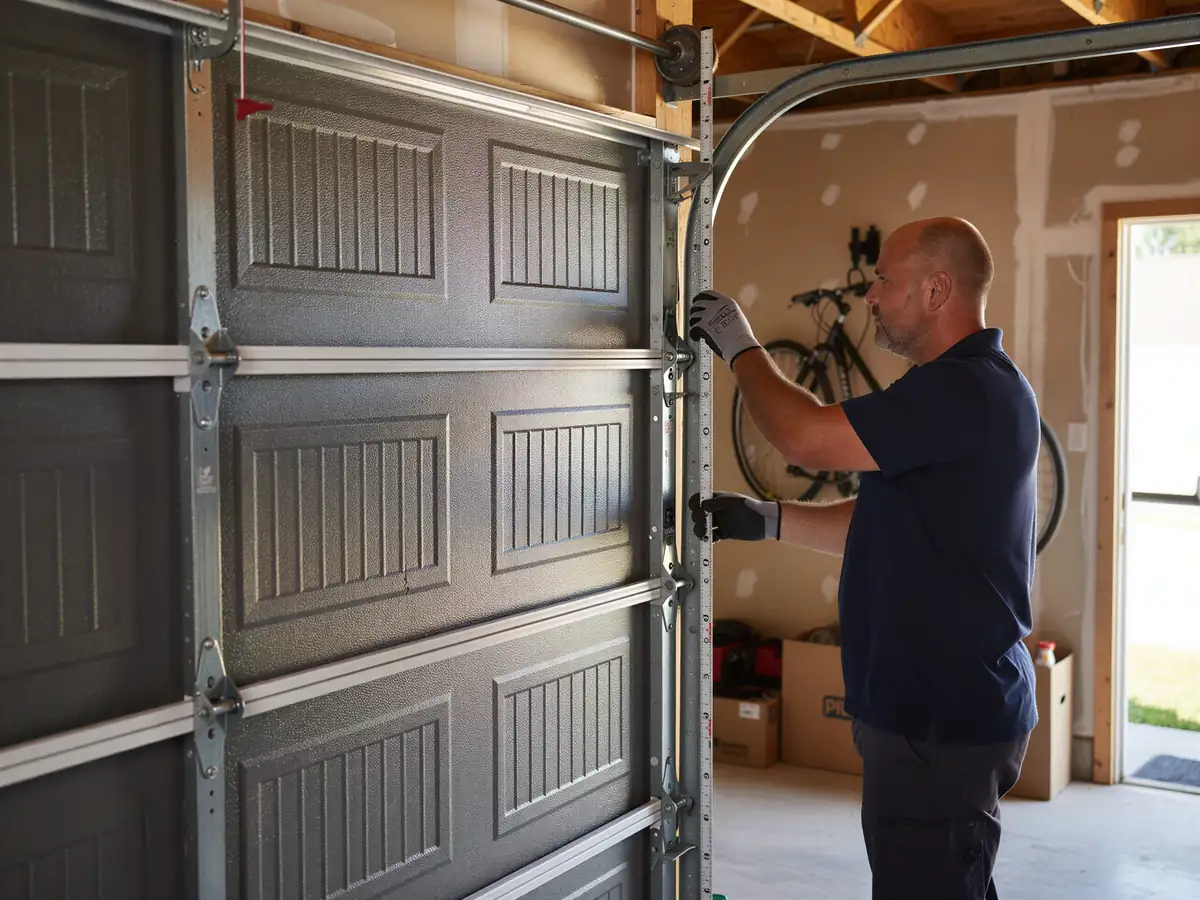
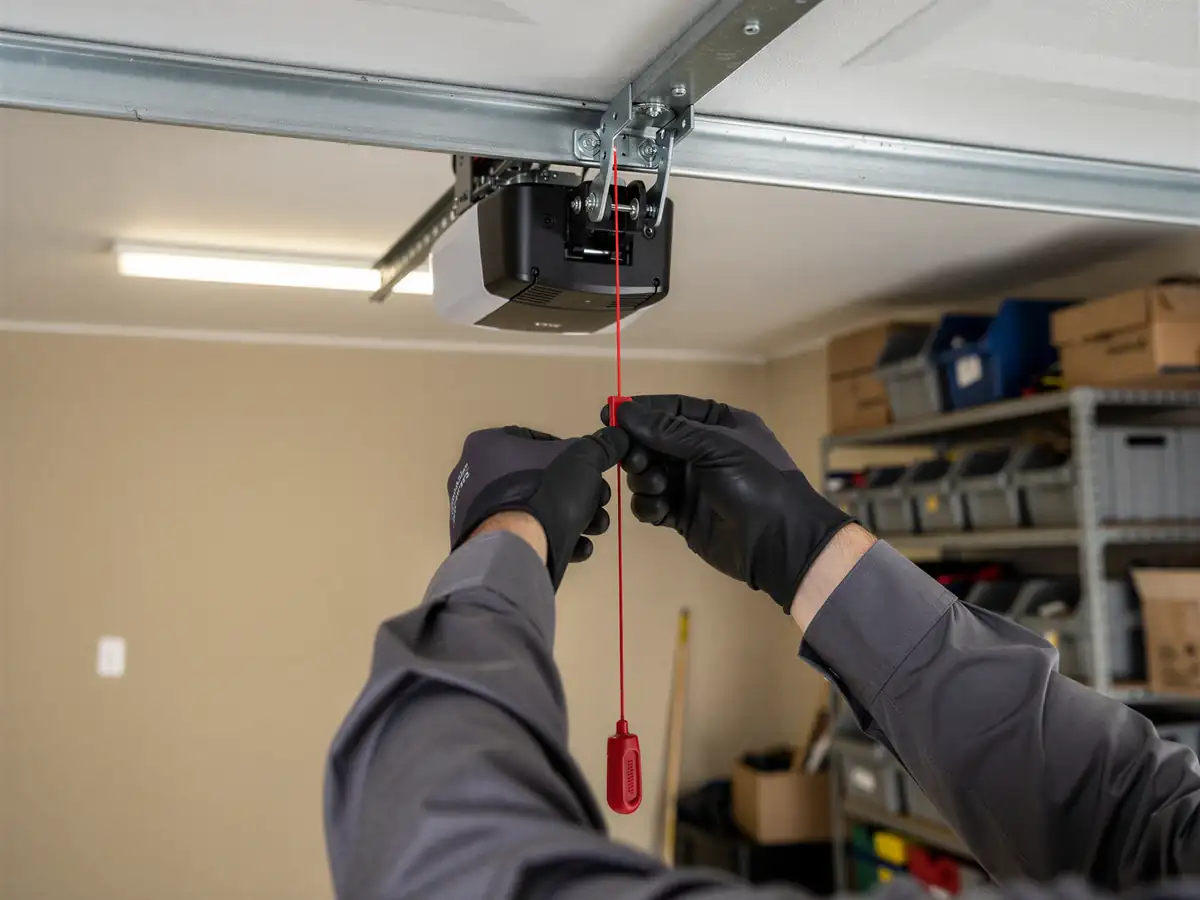
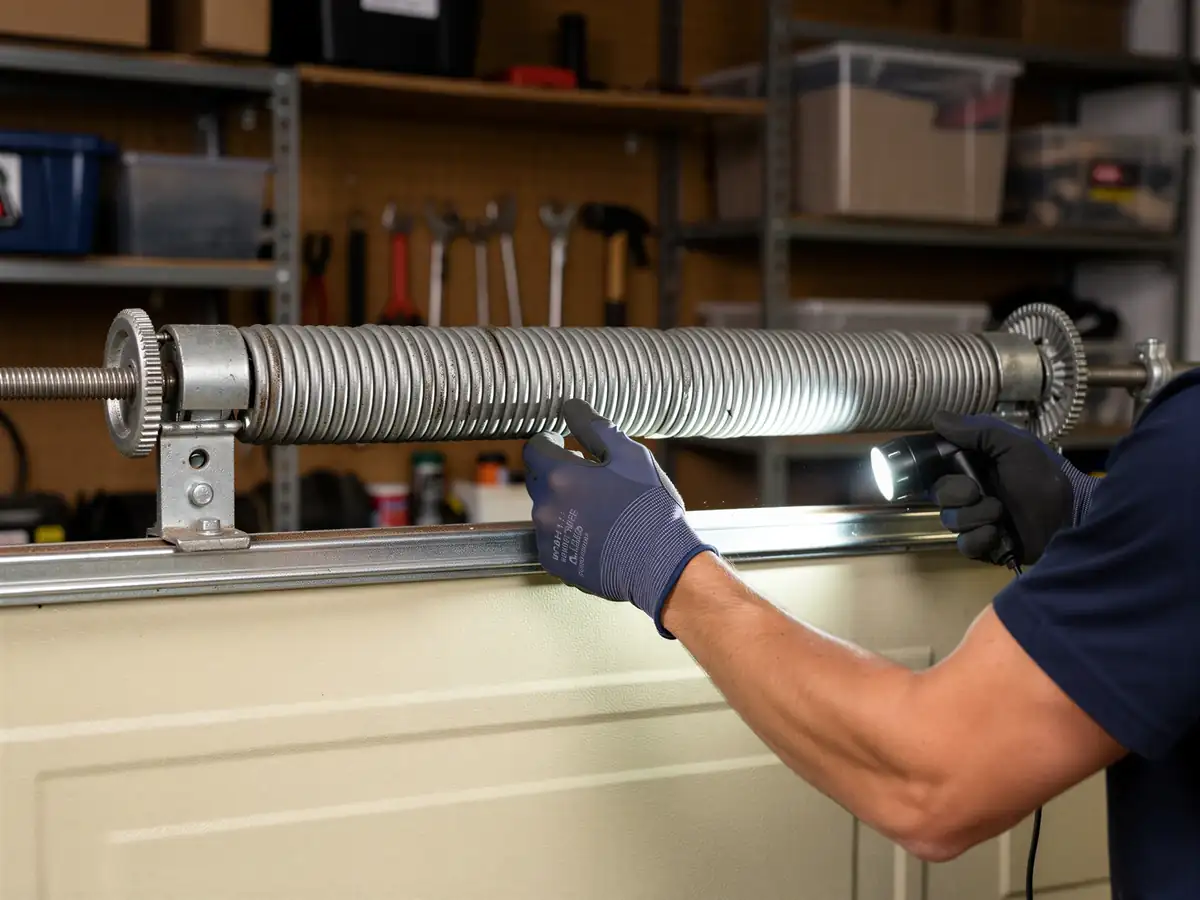
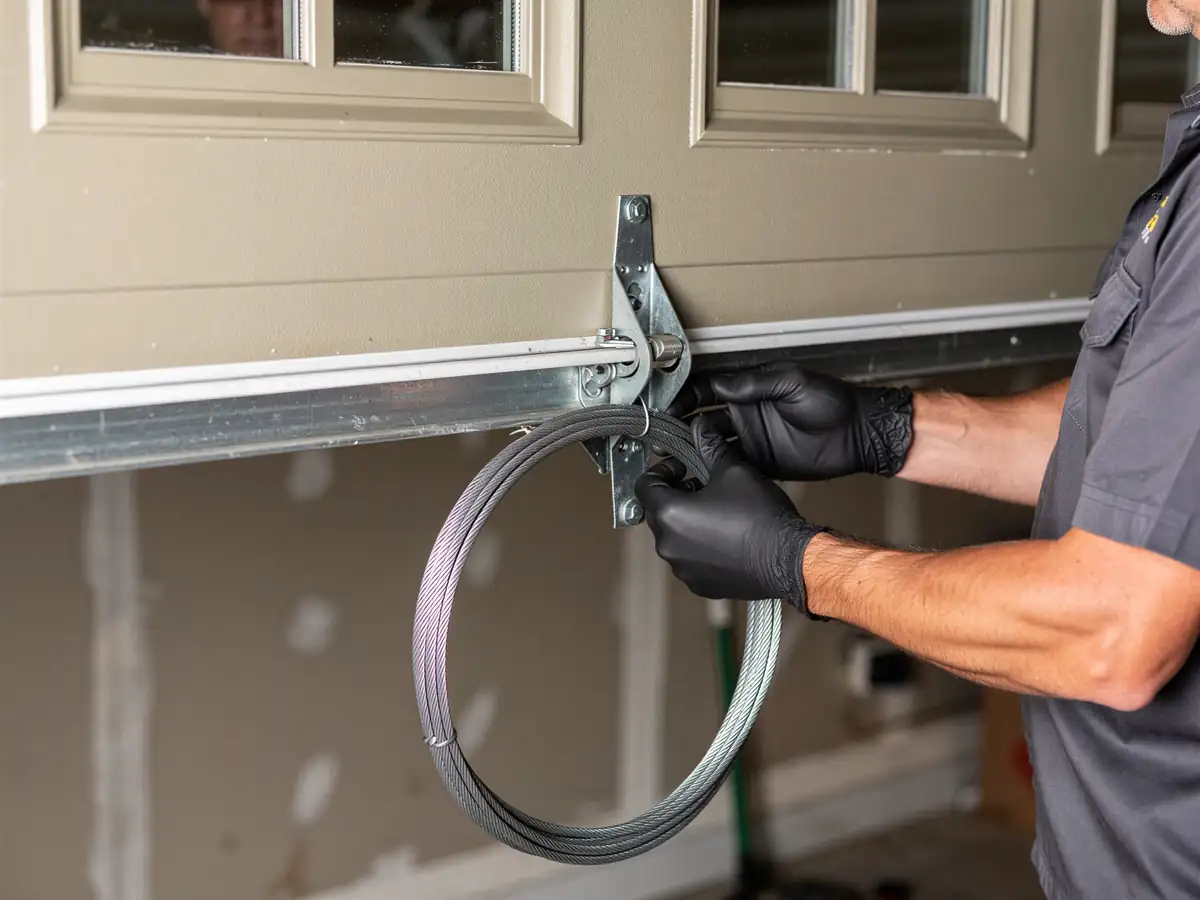
The other place this goes sideways is hardware. A damaged panel on an older door is sometimes also carrying hinges, rollers, or a section of track that's been flexing out of true for years. Swap the panel without checking the rest and you can end up back at the same door in six months with a different complaint. That's a 20-minute check we do on every panel call before we quote the job, not after.
The Cost of This Job
We're not going to give you a number here that doesn't hold up once we're standing in your driveway
Because panel replacement cost swings on things you can't see from the street: whether the panel is still manufactured, whether it's an end panel or a center section, whether the door is insulated, and whether there's hardware damage riding along with it.
What we can tell you is what drives the cost up or down
A single center panel on a common size, still in production, is the cheapest version of this job. An end panel with a window cutout costs more because of the extra trim work. A door old enough that the panel's discontinued pushes you toward a full door replacement, which is a different job and a different price entirely.
Household budgets across this area run on a median income around $45,493
And we keep that in mind when we lay out options - we'd rather show you the patch-it-now, replace-it-later path than talk you into a full door you don't need yet. If the door's structurally sound and it's one panel, that's usually the cheaper road and we'll say so.
- $45,493 median household income
What Causes It Around Here
Three things line up against garage door panels in this area. First, the age of the housing. With most of the stock built between 1965 and 1991 and a median year around 1976, a lot of doors are either original or are a first replacement from decades back - steel that's thinner, less rust-resistant, and more prone to denting than what's made today.
Second, the climate band here is mild with occasional freeze. That doesn't sound like much, but it means panels go through repeated cycles of damp, dry, and the occasional hard freeze without the deep winter that would make an owner replace a whole door proactively. Instead, rust and seam fatigue creep in slowly at the bottom panel, where splash-back and ground moisture do their work year after year.
Third, it's just the math of households. Across the roughly 6,300 owner-occupied houses and 11,241 households in the service area, a meaningful share of them are sitting on 1970s-era doors that have had one or two dents added every few years - a mower, a bike, a bumper - until one of those dents finally crosses into 'this needs a new panel' instead of 'that's just how it looks.'