The Symptom
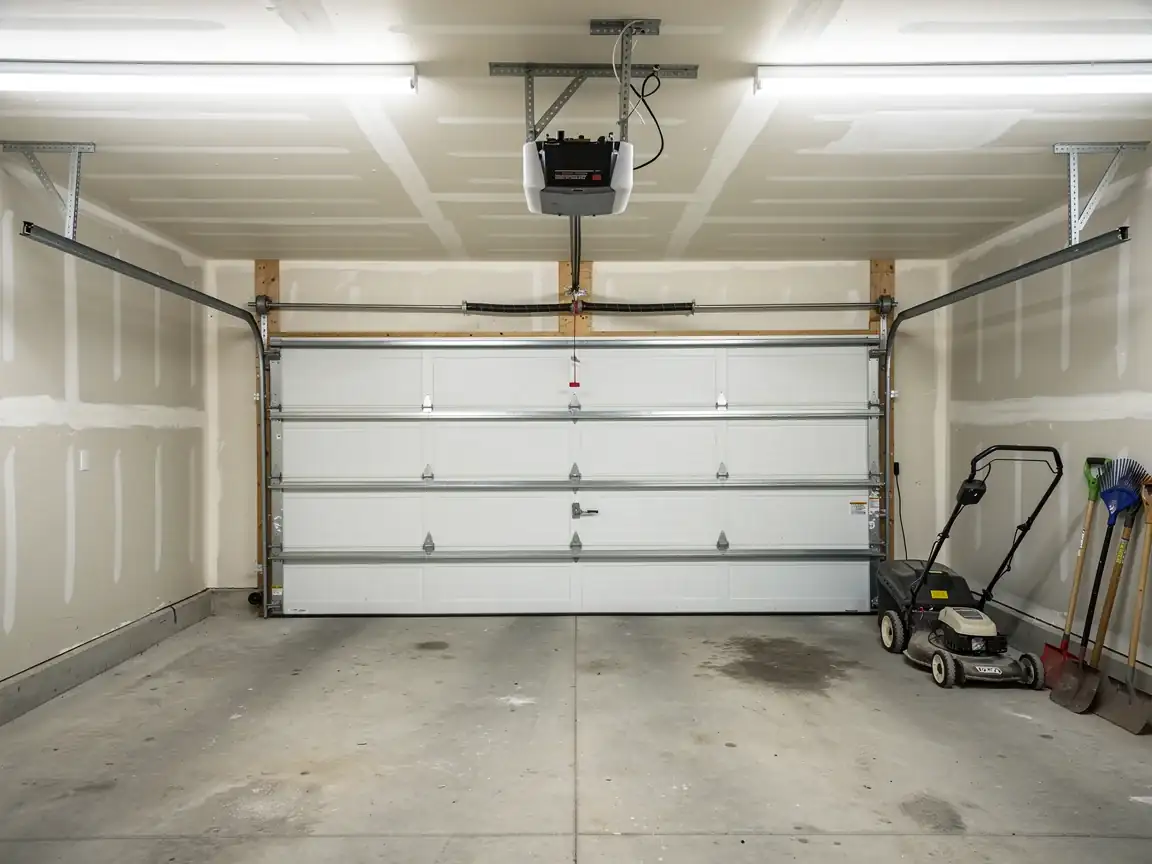
The door starts slow. It used to snap shut in two seconds and now it eases down like it's thinking about it, or it jerks partway and stutters the rest of the way. Sometimes it's a grinding roller, sometimes a flat spot on the track where the cable has worn a groove over the years. On a lot of Opelika doors, the first sign is just noise - a pop or a rattle on the way up that wasn't there a year ago.
None of that means the door is dying. It usually means the lubrication dried out, a hinge worked loose, or the spring tension drifted from where it was set when the door went in. Because most of the houses across this service area were built between 1965 and 1991, with a lot of that stock dating to the mid-1970s, a good share of what we find on a maintenance call is original hardware that's simply aged past its last service - not broken, just neglected.
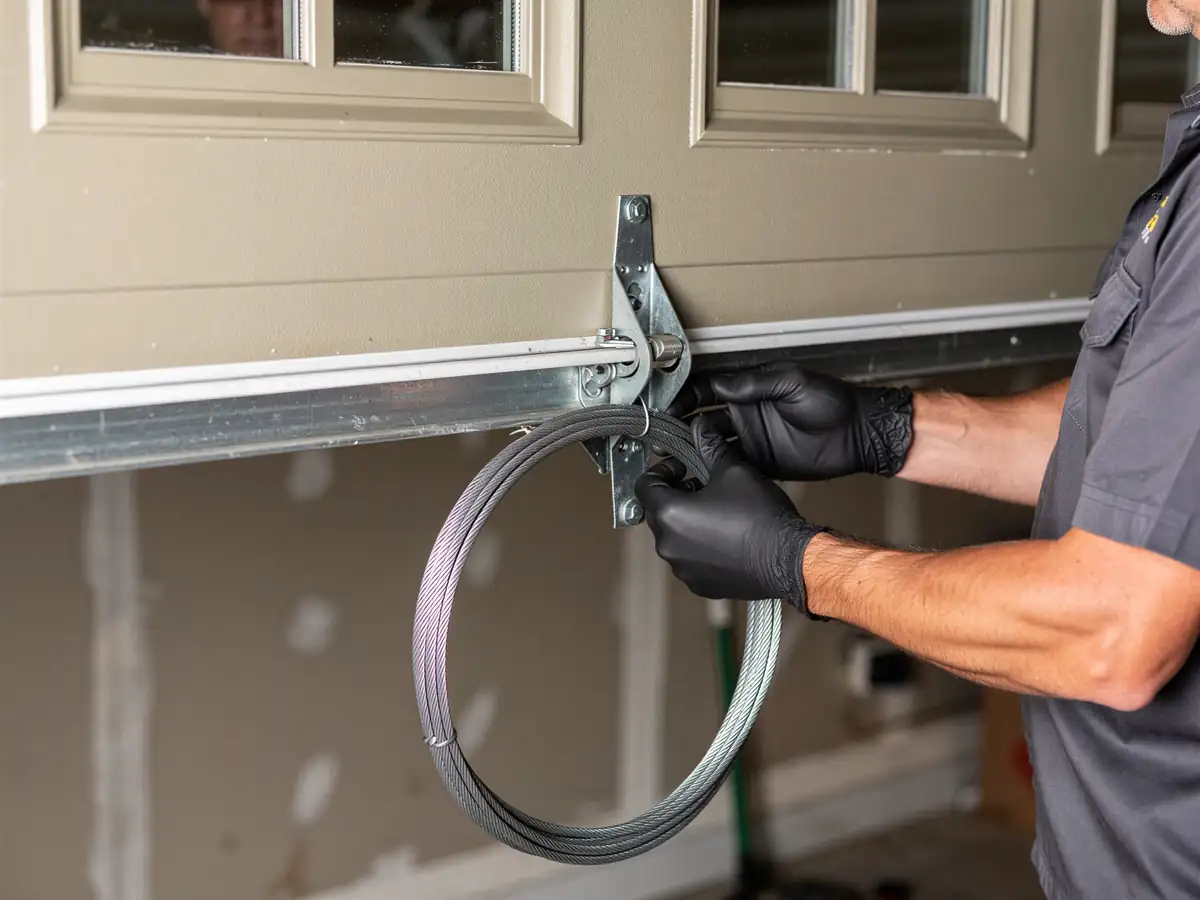
If you catch the slow-down early, it's a lube-and-adjust call. If you wait until the door won't move at all, it's usually a spring or cable replacement instead. The symptom is cheap to listen to and expensive to ignore.
Where This Job Goes Sideways
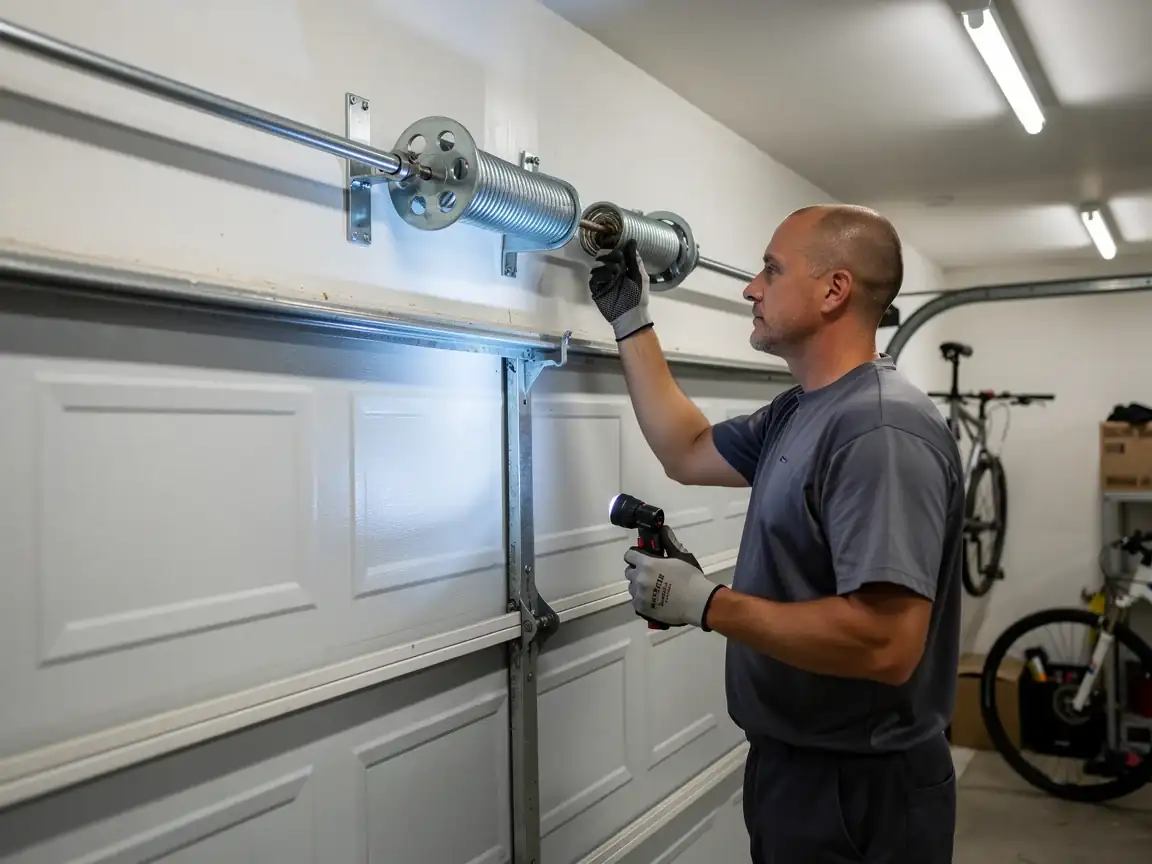
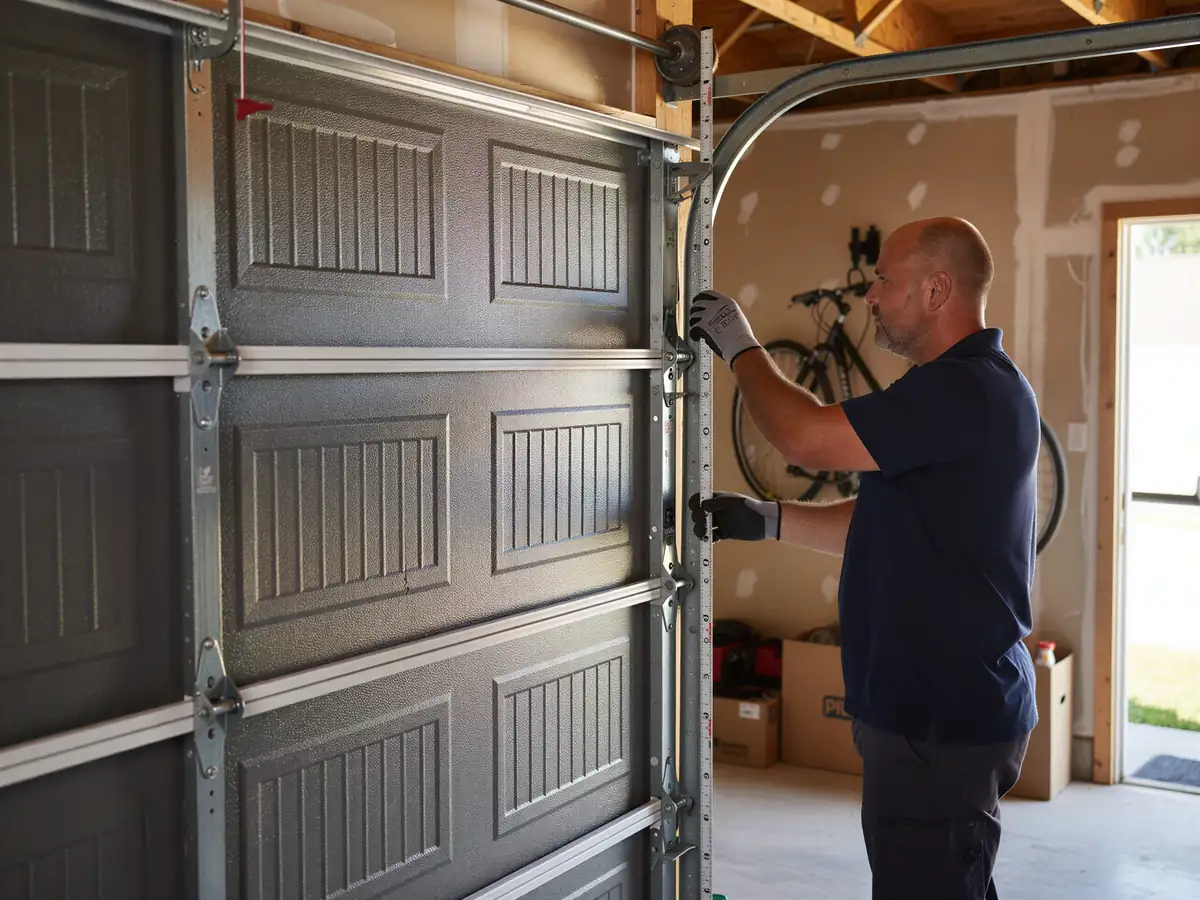
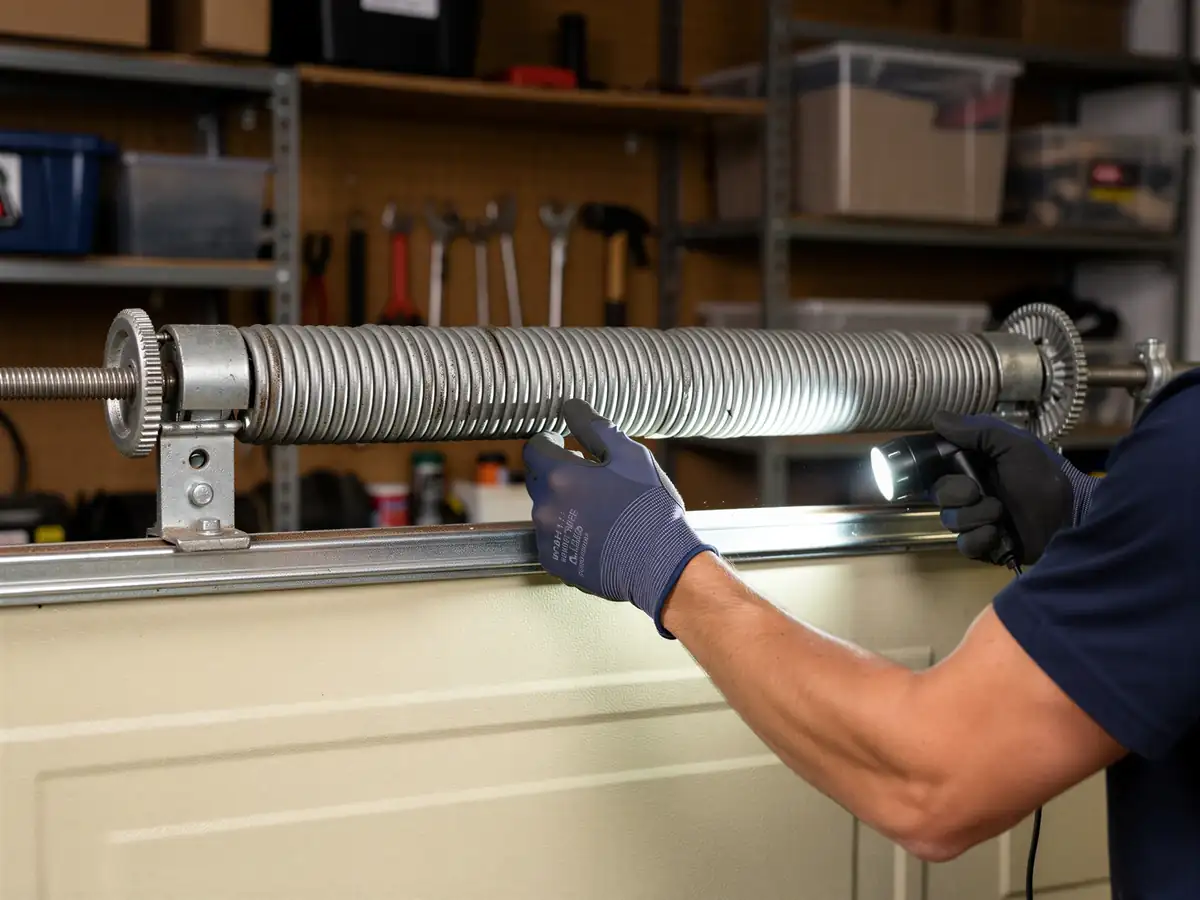
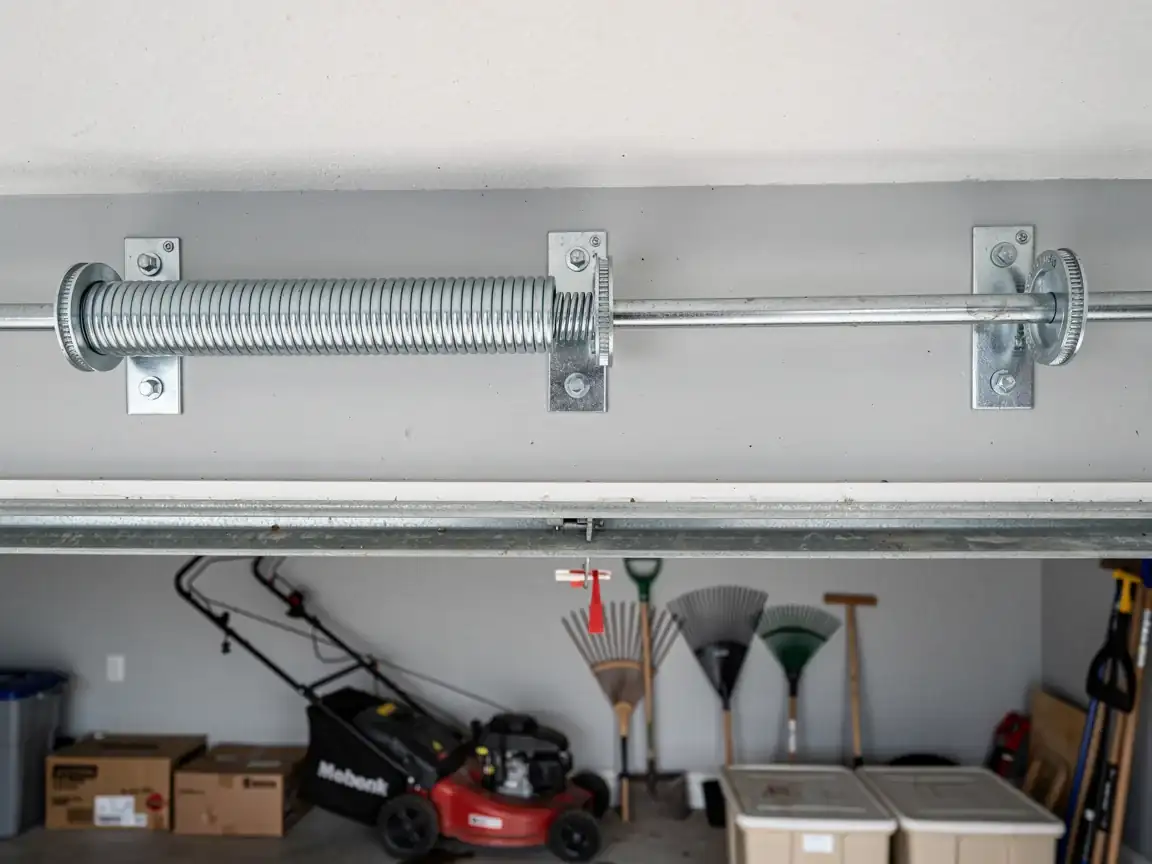
Maintenance on an older door isn't always a straight tune-up. Across the eight named areas that make up most of this region's 1960s-70s housing, we run into galvanized torsion springs that were never sized to the door they're on - someone swapped a panel section or added insulation over the years and nobody rebalanced the spring. Tightening and lubing that door without checking the balance first just hides a problem that'll show up as a snapped cable later.
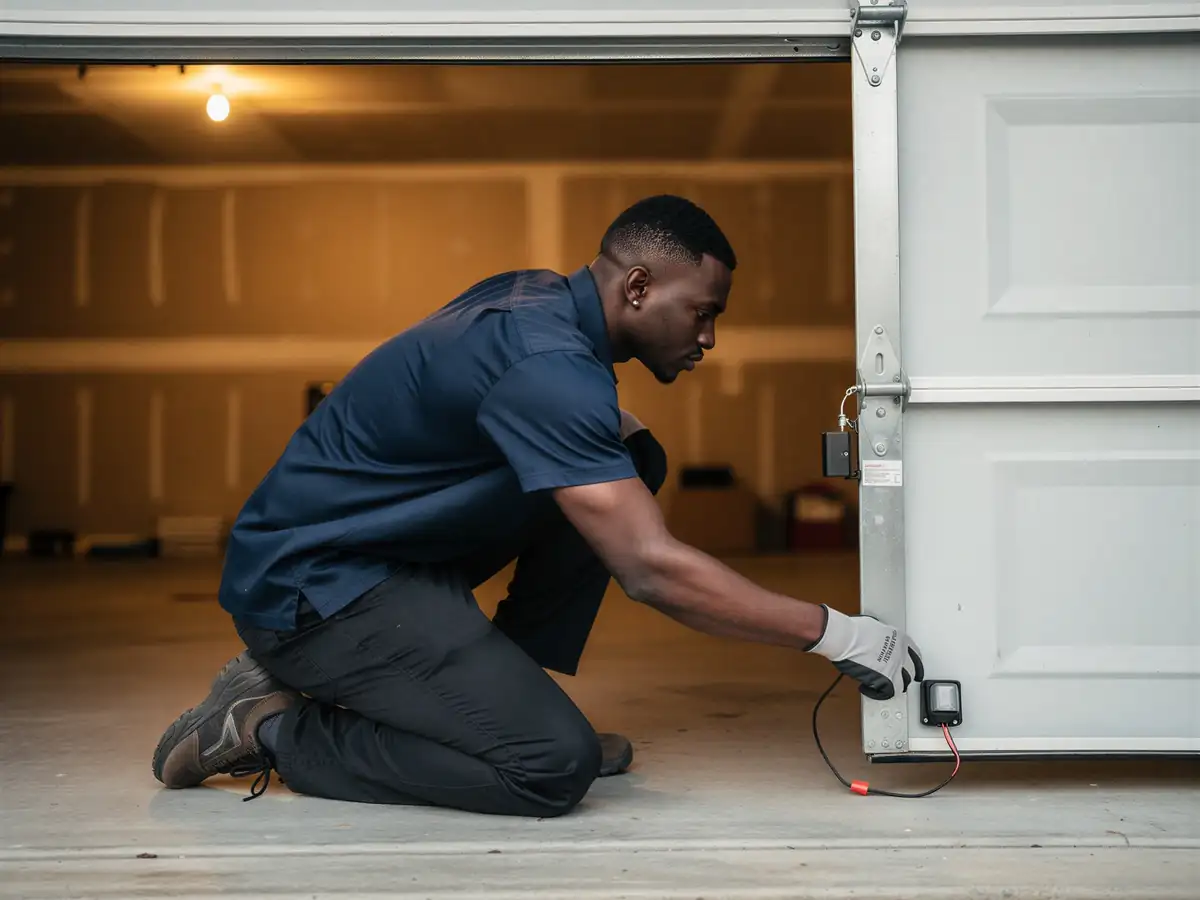
The other place this goes sideways is track alignment on slab additions or converted carports, common enough in homes from this era that we check for it on every visit. A track that's a quarter-inch out doesn't look wrong to the eye, but it chews through rollers fast and throws off the whole system under hard mild-climate humidity swings.
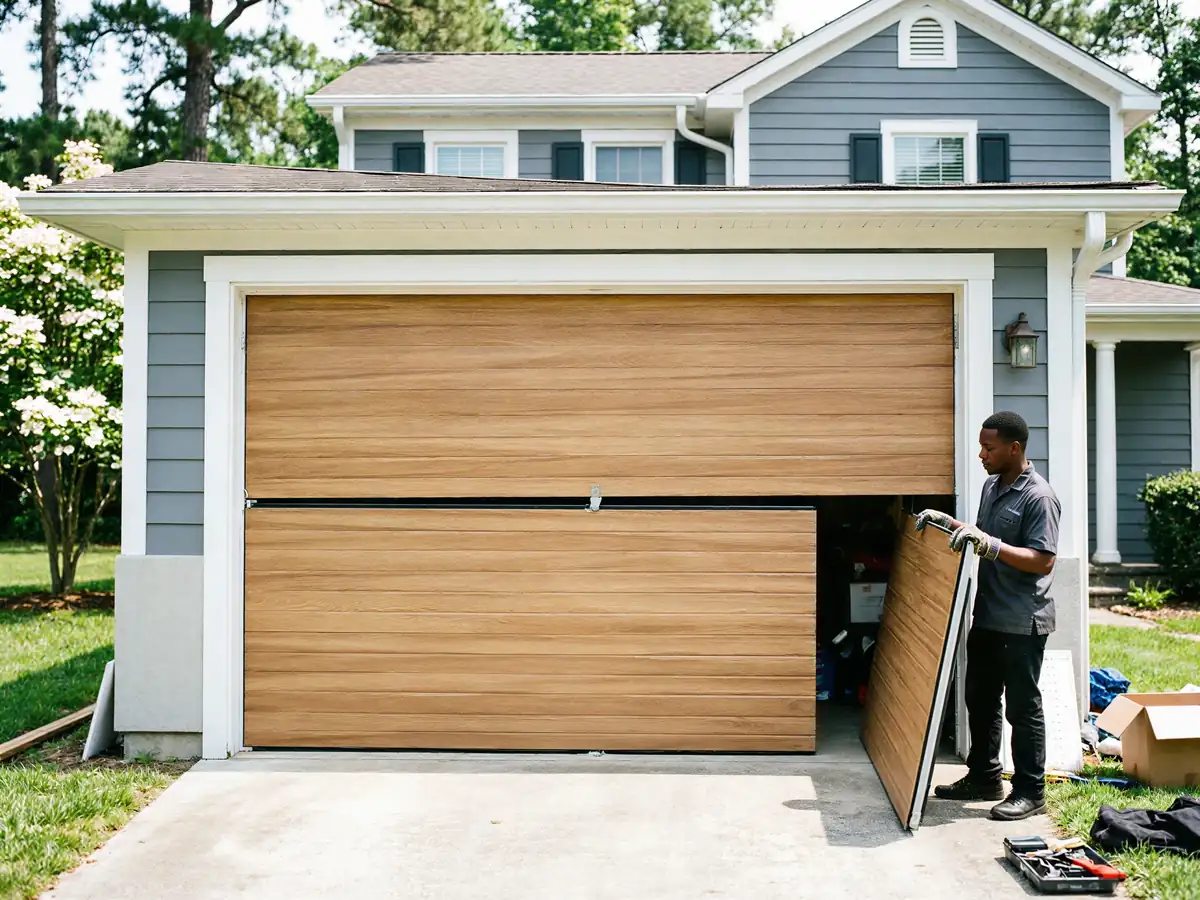
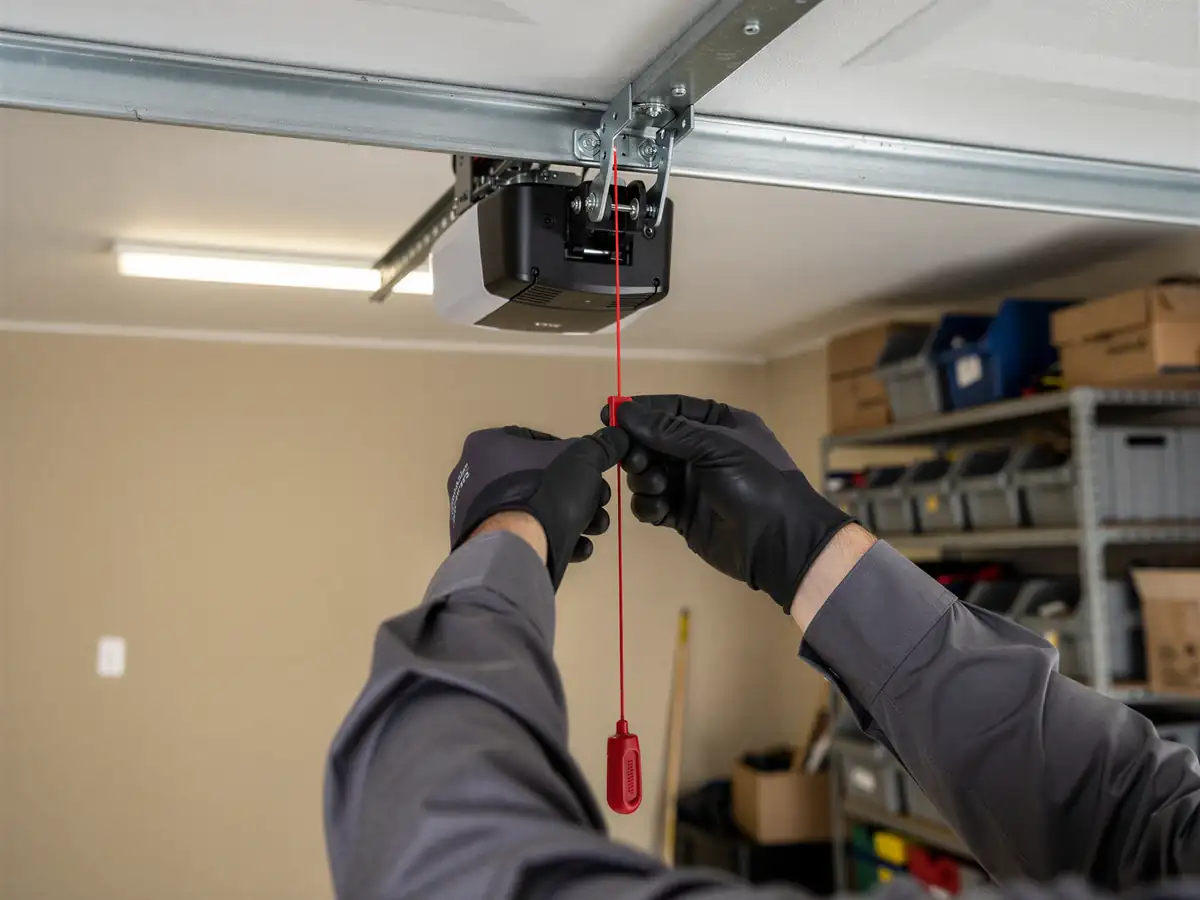
We'll tell you straight if a maintenance visit turns into something bigger. We don't push a tune-up on a door that actually needs a spring or cable replaced - that's a different job with different parts, and padding a maintenance invoice with a spring nobody asked for isn't how we do this.
The Cost of This Job
We're not going to quote a number here that doesn't hold up once we're standing in your driveway
Door size, spring count, and what we find during the inspection all move the total. What we can tell you is what drives the range: whether it's a one-visit lube-and-adjust or whether we're also replacing rollers, re-tensioning a spring, or resetting a travel limit on the opener.
This matters more here than in a lot of places because household budgets across this service area run around a median of $45,493
With roughly 6,300 owner-occupied houses spread over 11,241 households total. A lot of folks are weighing a $100-150 maintenance visit against letting it ride another year. Our honest answer: for a door with original 1970s-era hardware, a yearly check costs less than the emergency call you'll eventually make when a dry spring finally lets go on a cold morning.
- 6,300 owner-occupied
- 11,241 households
We price the visit on the phone before we show up, not after
What Causes It Around Here
The climate band here sits mild with occasional freeze, which isn't the brutal swing that destroys a door in five years - but it's steady enough to dry out lubricant, swell wood jambs, and work hardware loose a little at a time, year after year. Combine that with a housing stock where the median build year is 1976, and you've got thousands of doors running original springs, original rollers, and original hinges three to four decades past when any of that was designed to last.
It's not a dramatic failure. There's no single storm or cold snap that takes a door out overnight. It's lubricant that hasn't been touched since the Carter administration, a spring that's cycled tens of thousands of times without ever being checked, and a track that's never been realigned since the house settled. That slow drift is exactly what a maintenance visit catches - it's cheaper to find a loose hinge than to replace a cable that snapped because of it.
We see the same pattern on these older doors across the towns we cover near Opelika - Loachapoka, Valley, Huguley, La Fayette, Lanett, Notasulga, Camp Hill, and Smiths Station all share a similar mix of 1960s-70s housing and the same mild climate wear.