The Symptom
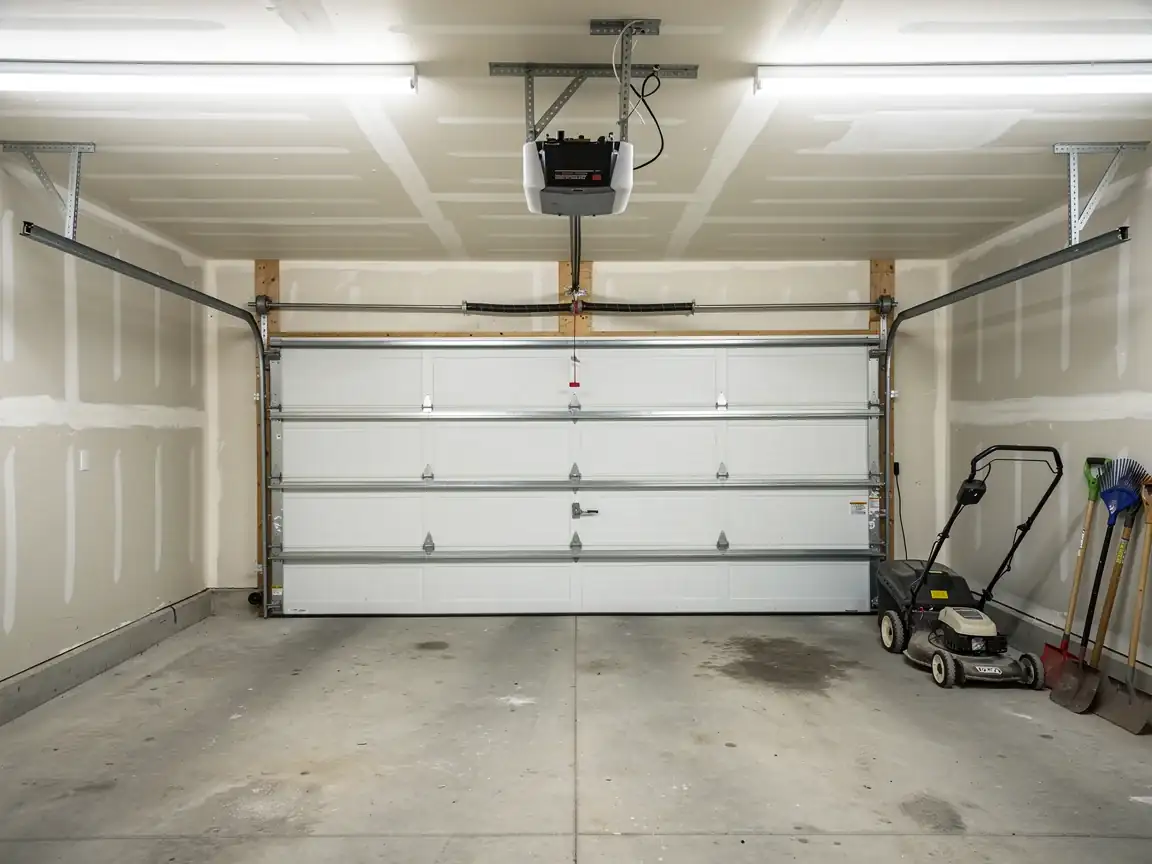
The opener hums but the door doesn't move. Or it moves a foot and reverses. Or the light blinks a pattern you've never seen before and the remote does nothing. These are the calls we get most on this service.
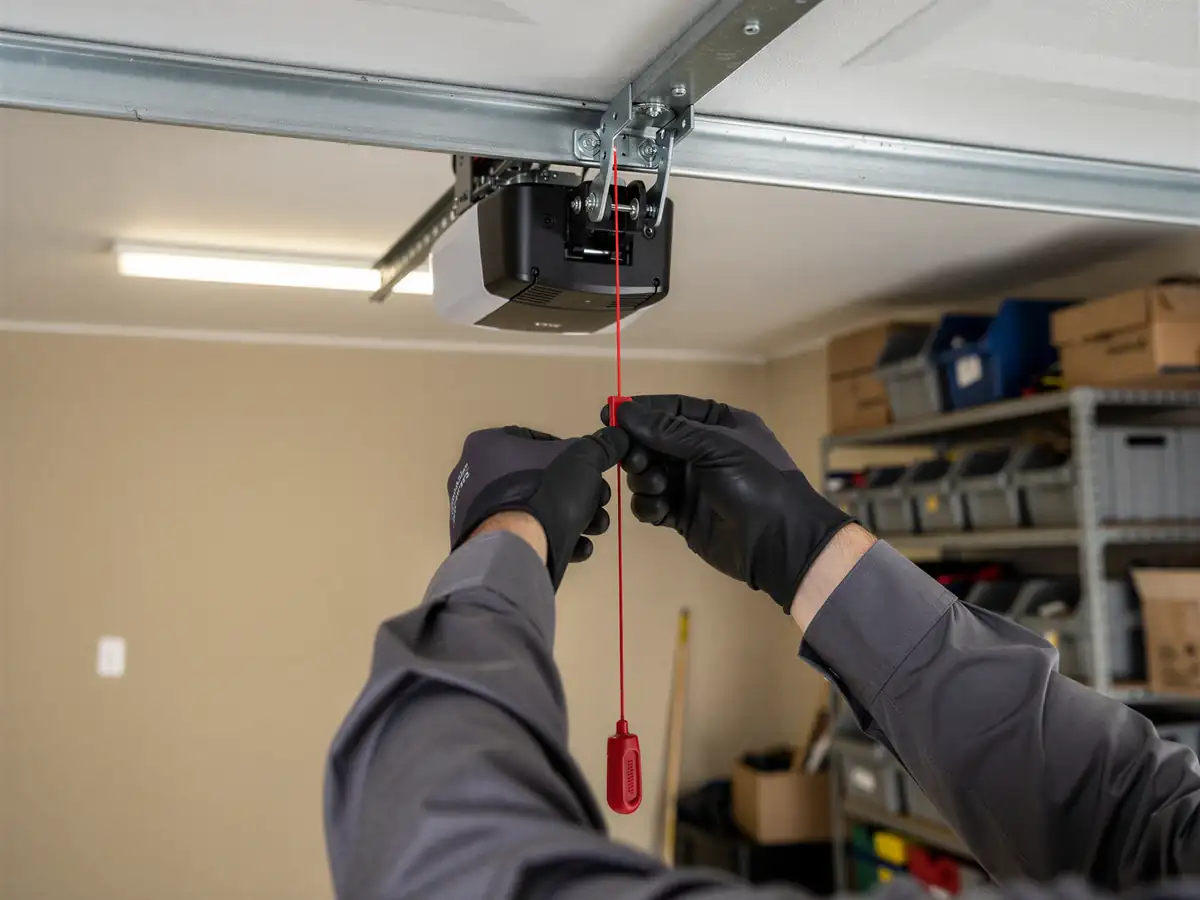
A lot of Opelika houses still run the opener that came with the house, or the one replacement unit installed sometime after. With most of the stock here built between 1965 and 1991 (median around 1976), that means a fair number of chain-drive units are thirty, forty, even fifty years into service life on the gears and sprocket alone. Plastic drive gears wear down. Capacitors in the logic board dry out. None of that is a design flaw - it's just what happens to a motor that's run a couple thousand cycles a year since the Ford administration.
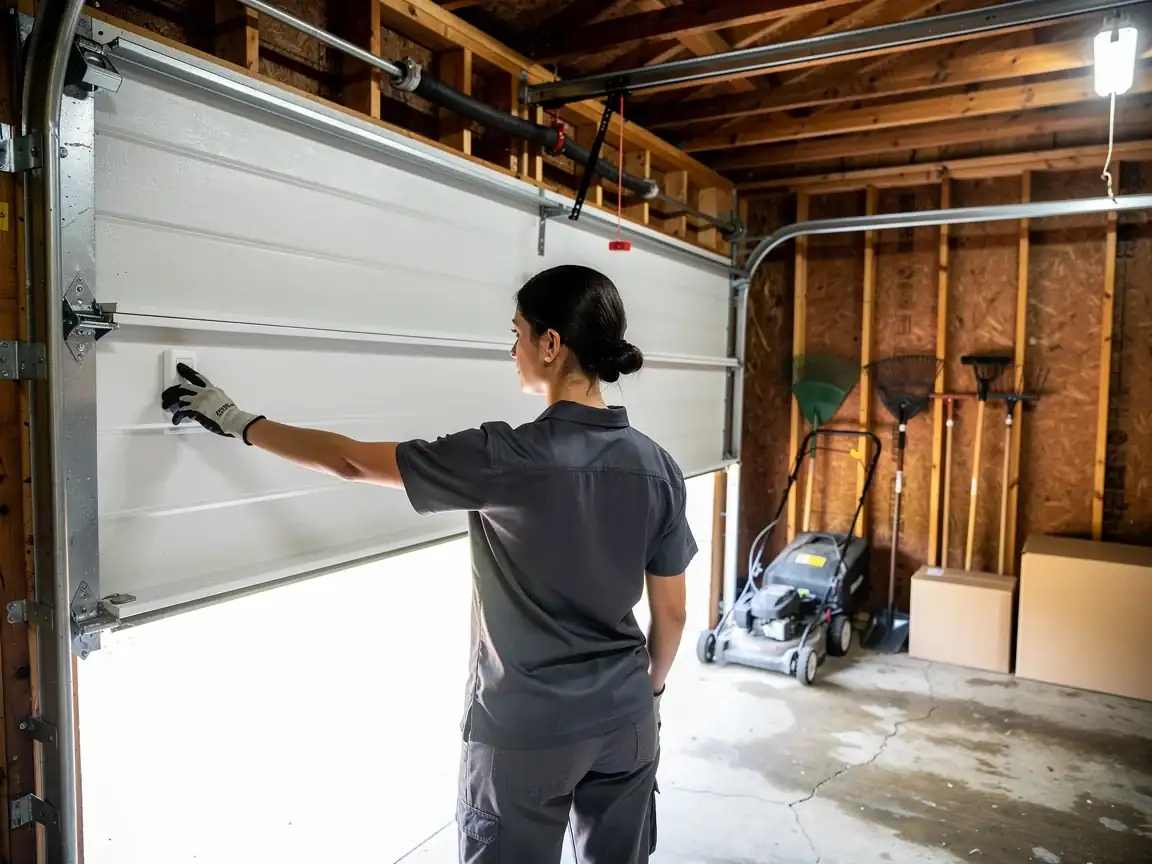
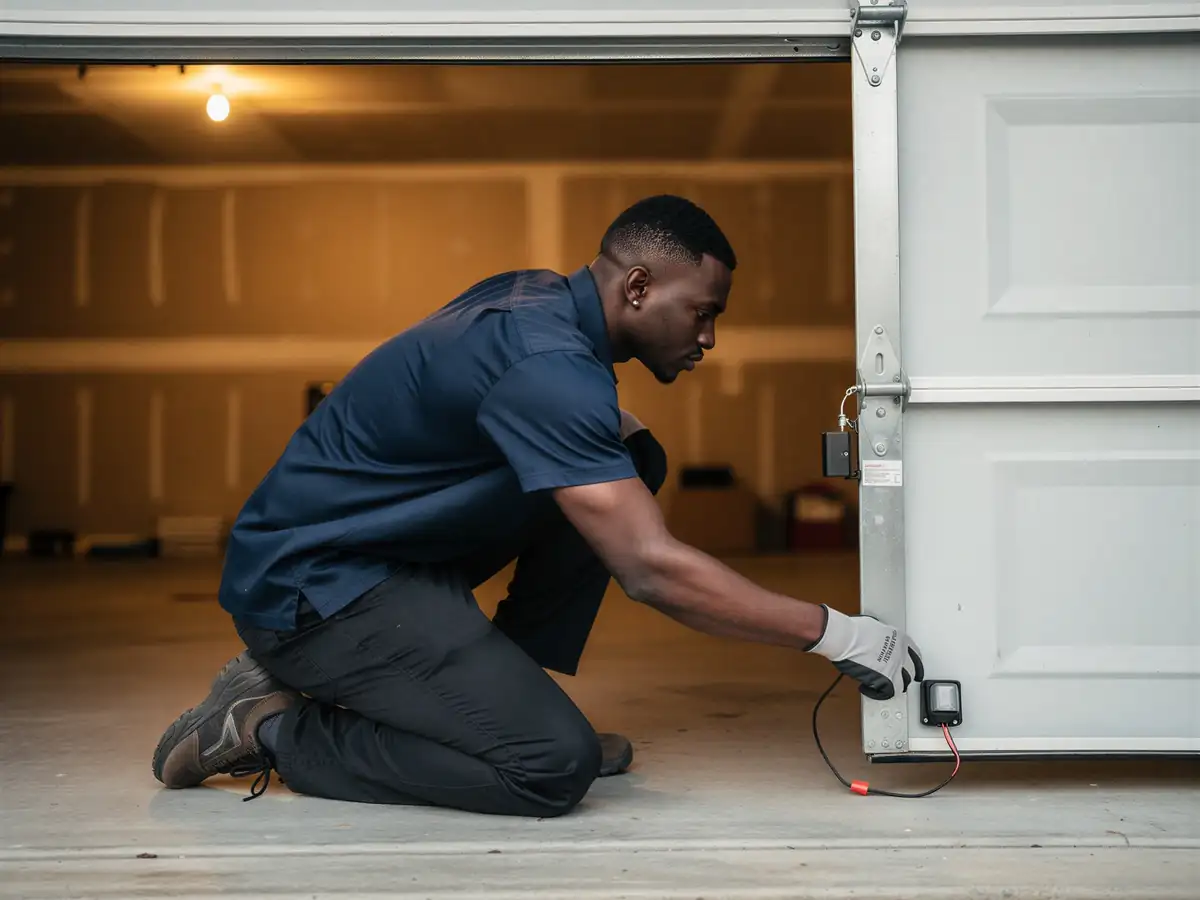
We don't start by swapping the whole unit. We check the sensors, the wall button, the circuit board, the drive gear, and the travel limits before we talk about replacement. Half the openers we get called on are fixable with a part, not a new box on the ceiling.
Where This Job Goes Sideways
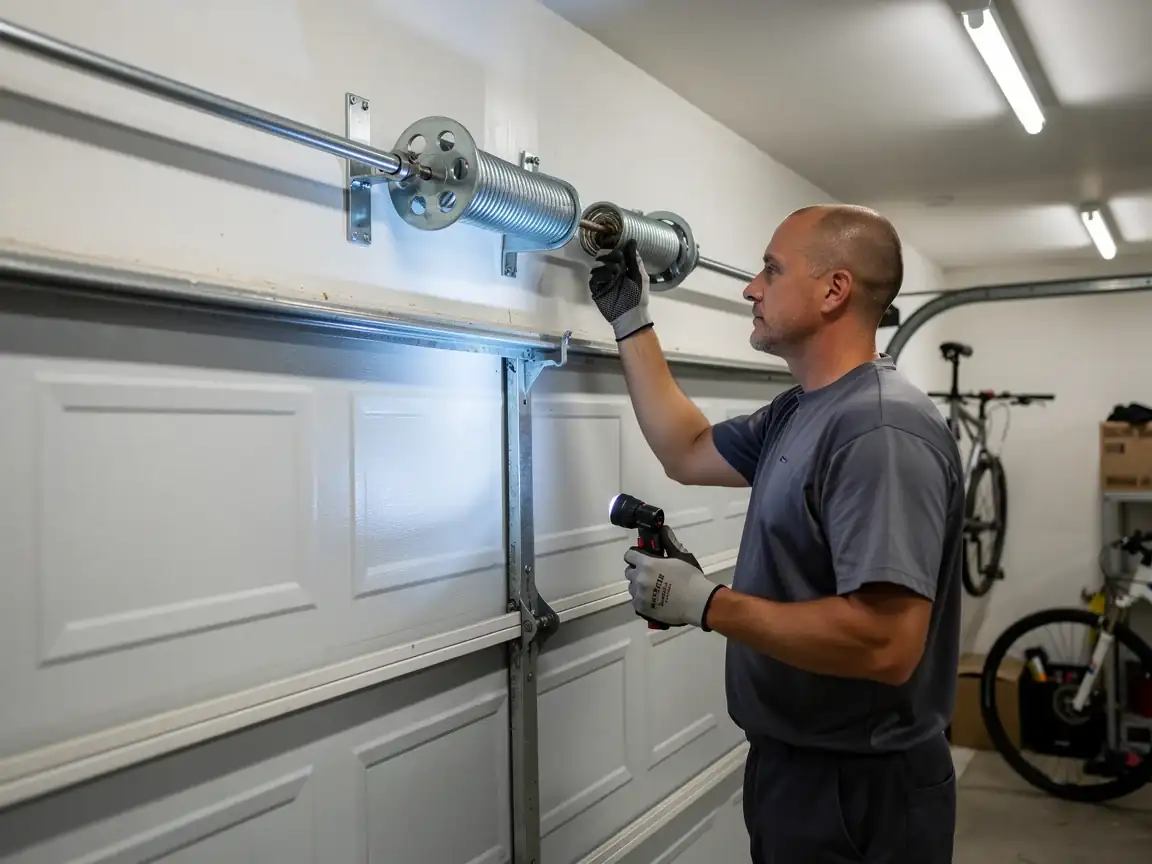
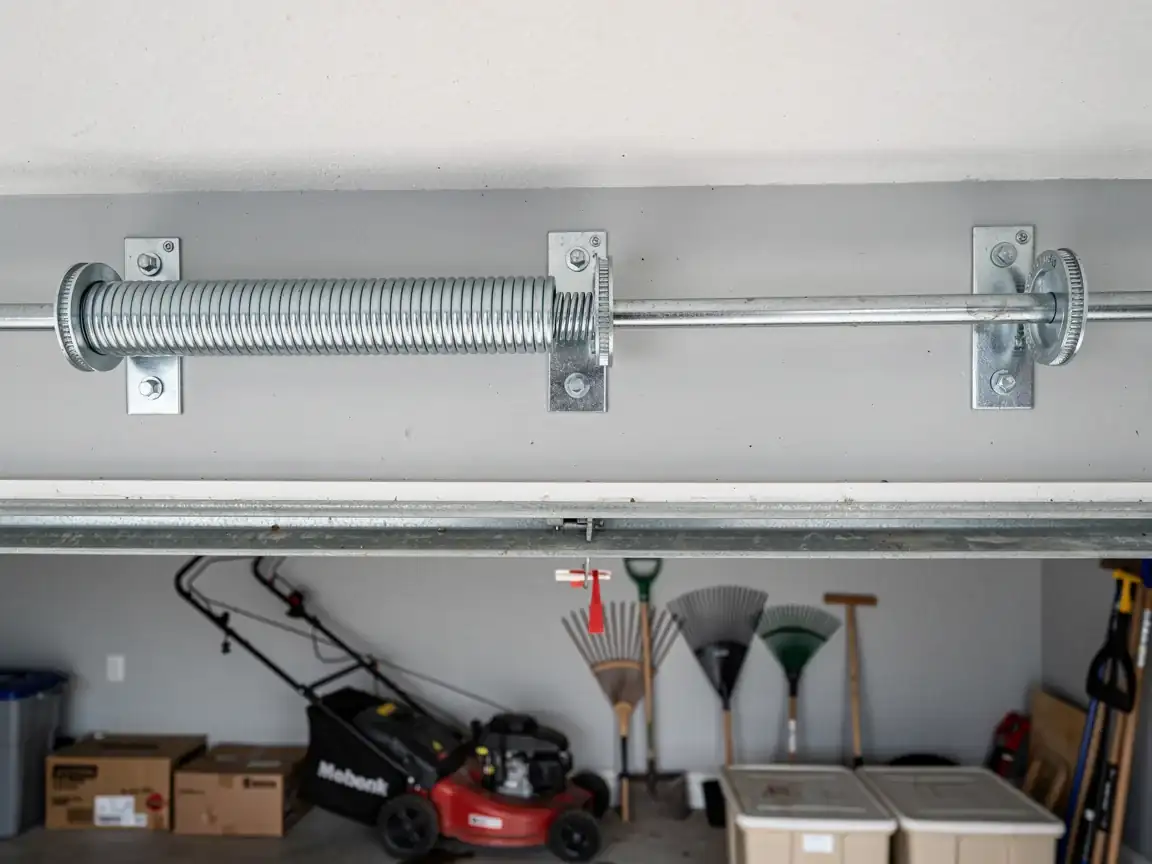
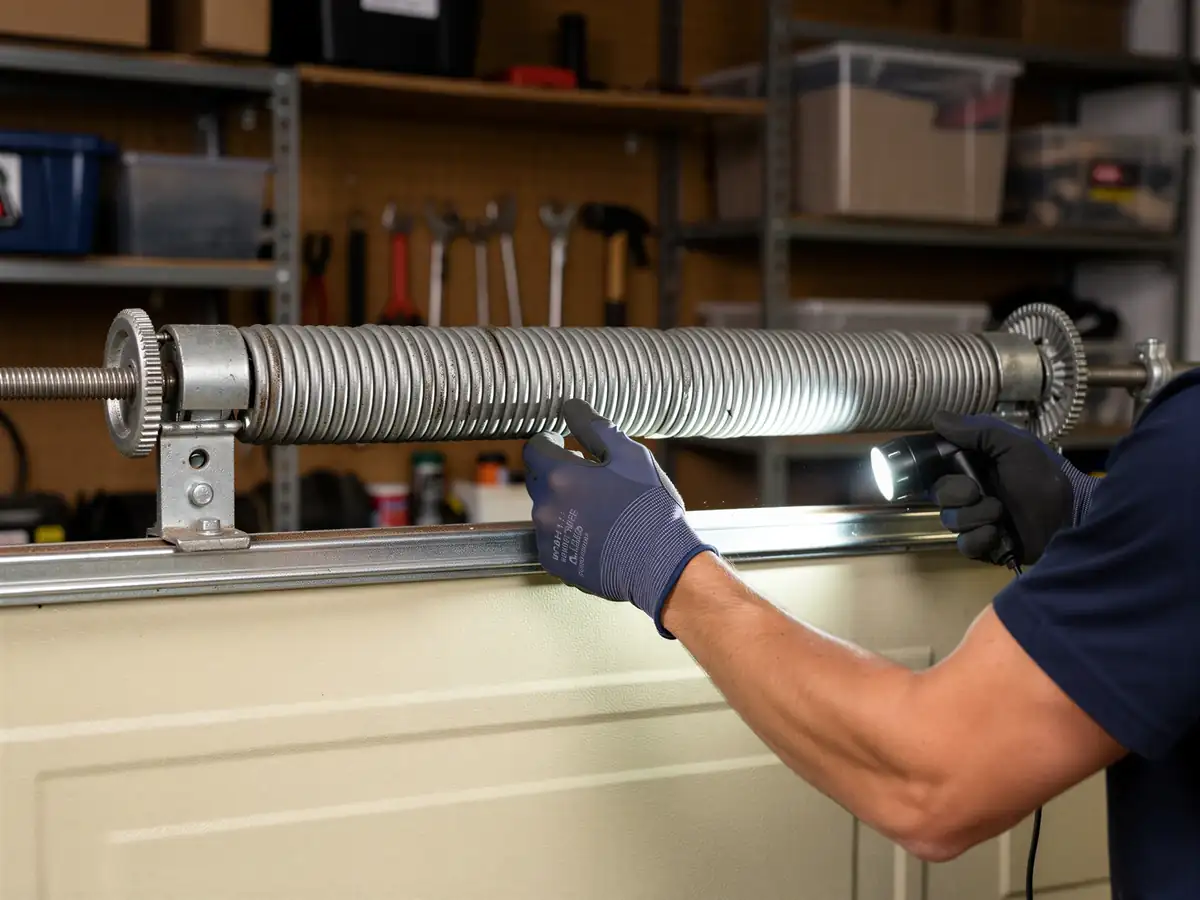
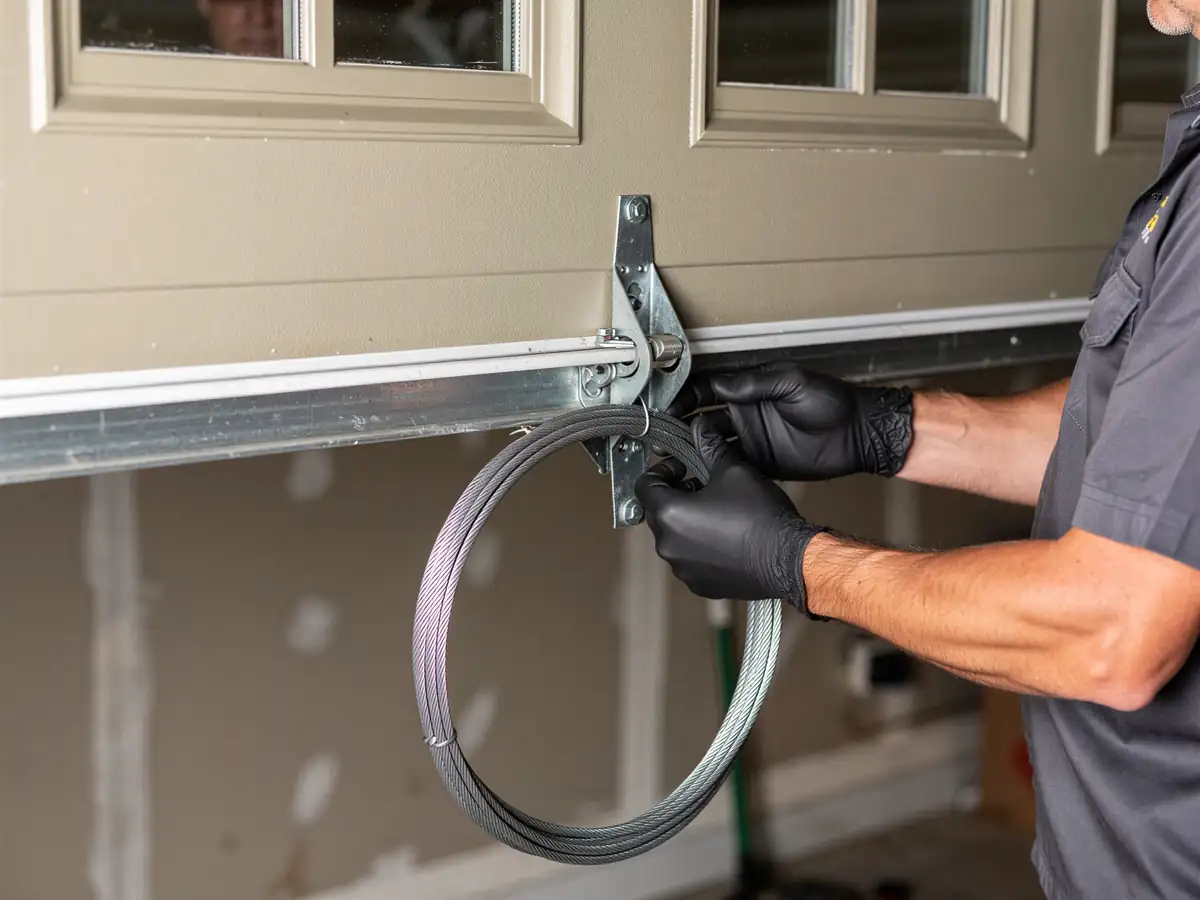
The mistake homeowners make is assuming the opener is the problem when the door itself is the problem. If the springs are weak or the track is out of alignment, the opener motor strains to lift weight it was never built to carry, and it'll burn out trying. Replace the opener in that case and you've got a new unit heading for the same failure in a year or two.
The other place this goes sideways: mismatched parts. Across the eight-plus communities we work in, we see a mix of decades-old chain drives next to much newer belt-drive units installed after a prior repair. A universal remote or a logic board that's close-enough-but-not-quite to the original model can cause intermittent faults that look electrical but are really a compatibility issue.
Our limitation here is parts: some older logic boards are out of production, and if yours is one of them, we'll tell you straight that we're sourcing a replacement board rather than an exact match, or that replacement makes more sense than chasing a discontinued part.
The Cost of This Job
We're not going to quote a number here
Because what this job costs depends on what's actually wrong - a sensor realignment and a board replacement are not the same invoice, and neither is full opener replacement. What we can tell you is how the decision usually gets made.
If the motor, gears, and board test out and the issue is a sensor, wiring, or a worn drive component
Repair almost always costs less than replacement and gets done the same visit. If the motor itself has failed or the unit is old enough that parts are getting hard to source, we'll walk you through repair-versus-replace honestly rather than selling a repair that won't hold.
With median household income in the service area around $45,493
We try to give you the real range before we touch anything, not an estimate that moves once we're halfway into the job. That's a straightforward quote on the phone or at the door, not a number we can print in advance on a page that covers towns from Loachapoka to Smiths Station.
What Causes It Around Here
Three things line up against garage door openers in this part of Alabama. First, age: with the bulk of the housing stock dating to the 1960s and 70s across the areas we cover, a large share of openers in service are original or one replacement removed from original, and mechanical wear is just cumulative.
Second, climate. This is a mild band with occasional freeze, not the deep-freeze conditions that crack housings outright, but enough swing in temperature and humidity through the year to work on grease, gaskets, and circuit boards over decades. Chain lubricant gums up or dries out, contacts corrode slowly, and a board that's run warm and humid summers for forty years degrades even if it was never abused.
Third, duty cycle. Houses built in this era mostly have single or double attached garages used daily, which means the opener in a 1976-built house has logged a lot more open-close cycles than a newer unit in a newer subdivision would have by now. None of this means your opener is doomed - it means when it finally acts up, age and cycle count are usually part of the story, not a one-off fluke.