The Symptom
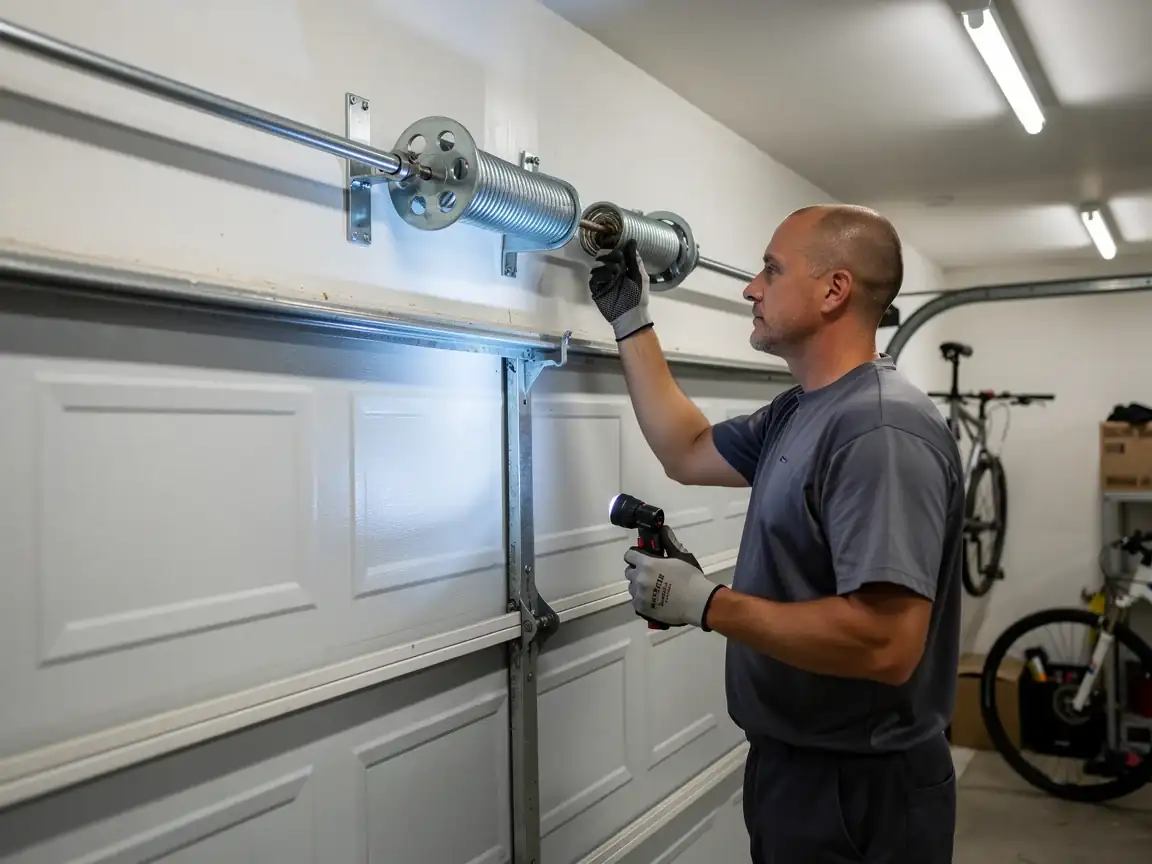
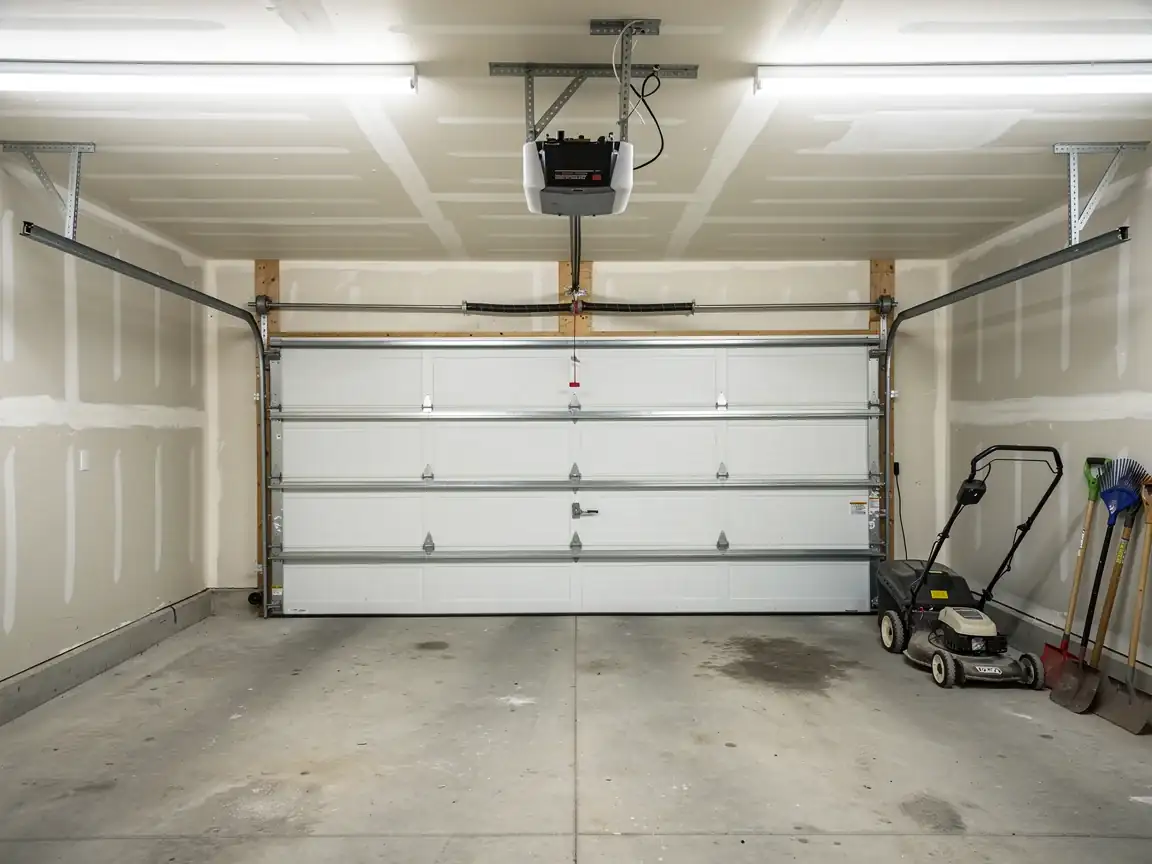
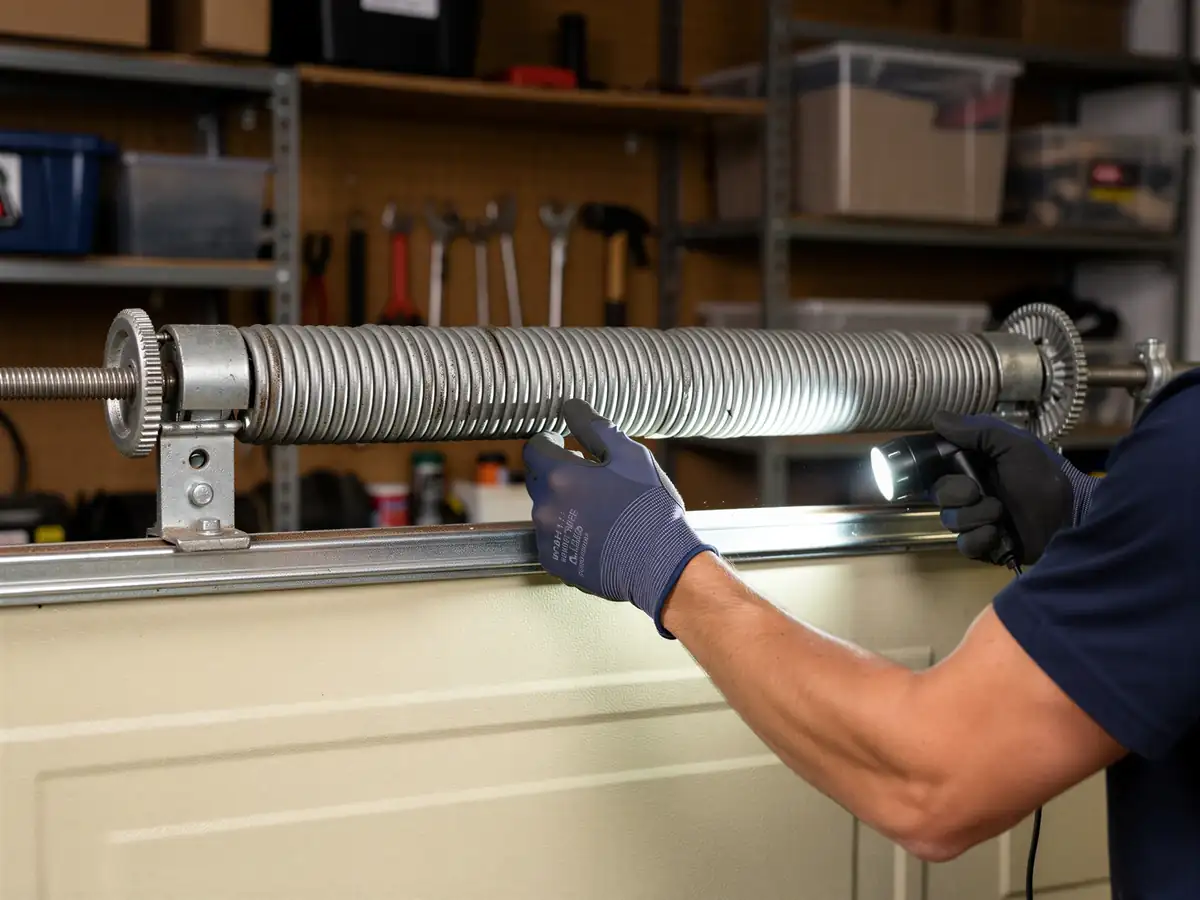
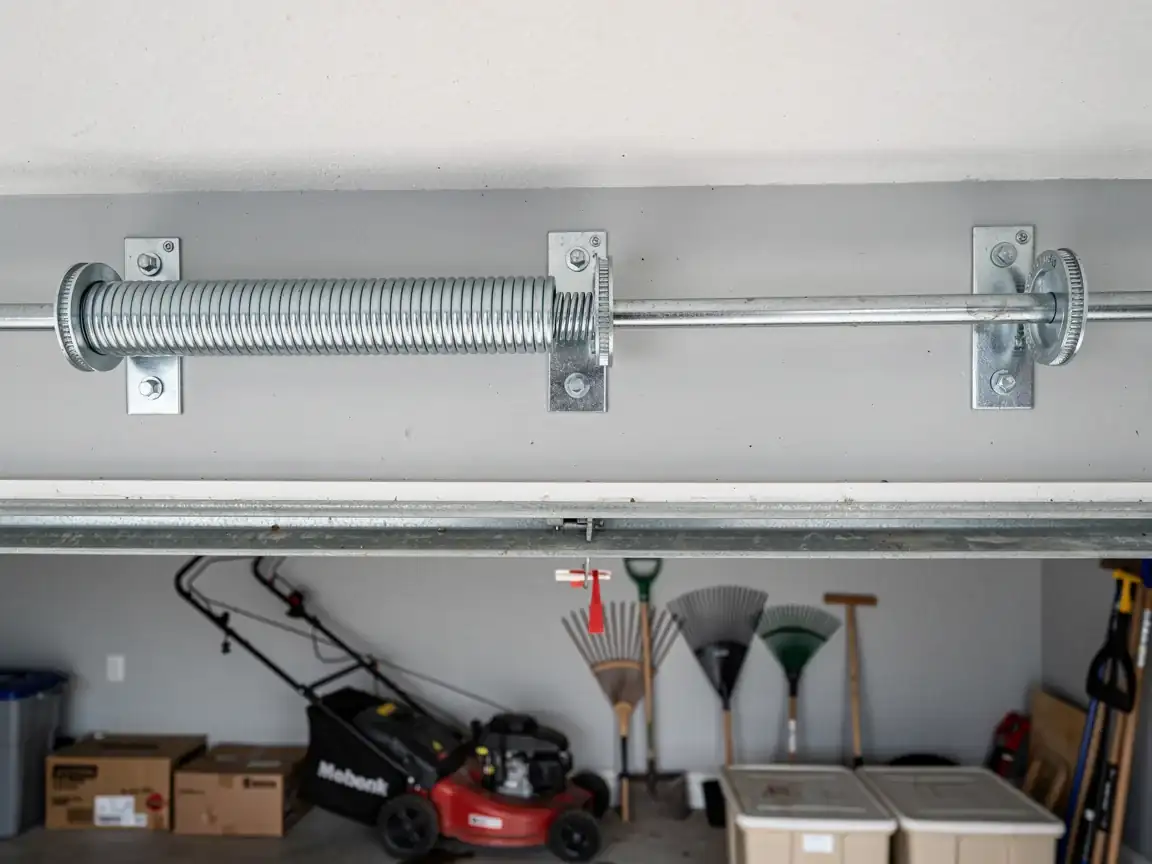
The door hesitates before it lifts, or it lifts a few inches and stalls. Sometimes the opener motor runs but the door doesn't move at all - that's a snapped cable or a spring that's given out, not a dead opener. On older torsion setups, you'll often hear a loud bang from the garage before any of this starts, which is the spring letting go.
In a lot of Opelika homes, this shows up on doors that have never been touched since the house was built. Housing across the service area mostly went up between 1965 and 1991, with a lot of it concentrated in the 1960s-70s range across the older named sections of town. A torsion spring rated for a normal cycle life doesn't last 50-plus years, so if nobody's replaced it, it's running on borrowed time no matter how clean the garage looks.
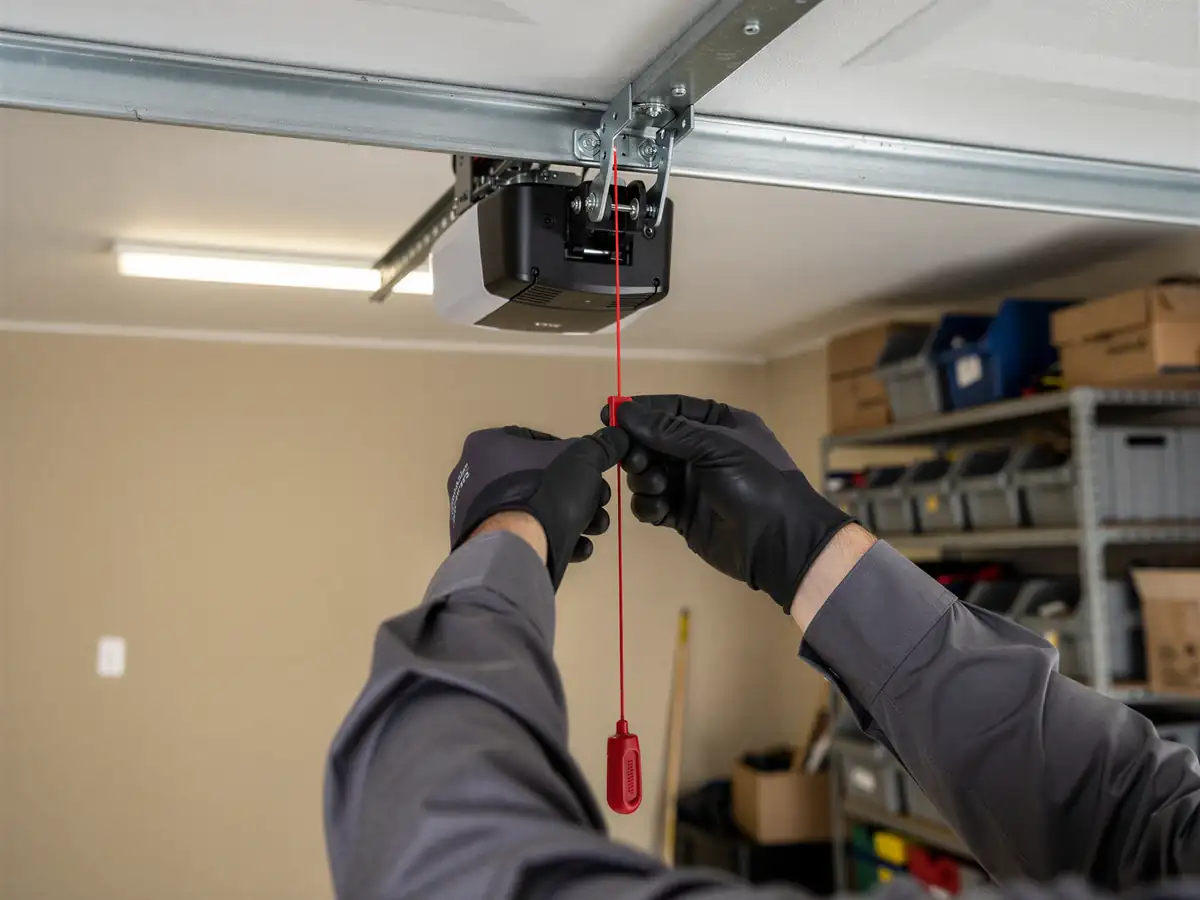
The other common version: the opener itself. If the house still has its original chain-drive unit, the gears inside have likely worn past the point of adjustment, and you start seeing it grind, reverse on its own, or need the remote pressed twice to catch.
Where This Job Goes Sideways
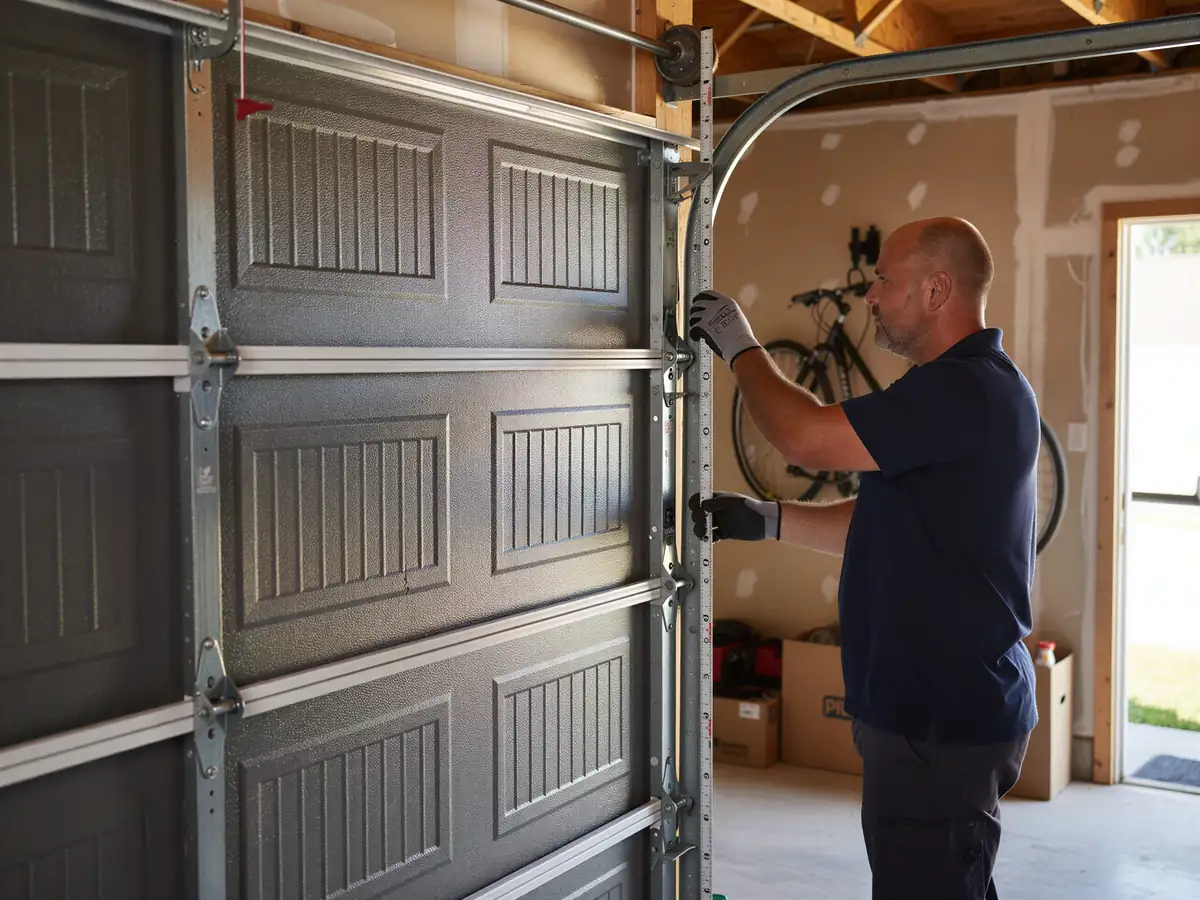
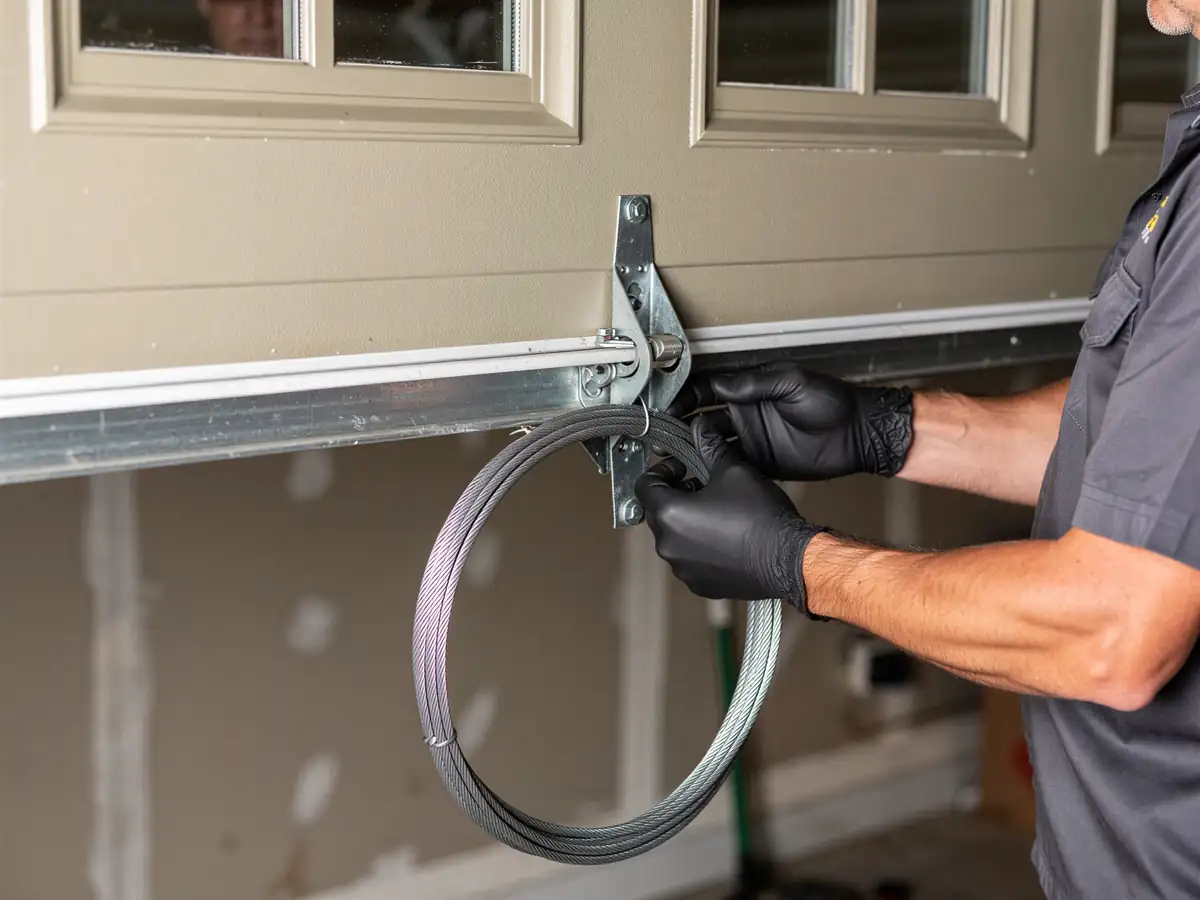
The spring is rarely the whole story on a house this age. Once a torsion spring fails, the cable on that side usually takes a hard jolt, and it's common to find a frayed strand or a bent track right where the door came down unevenly. On original hardware, the drums and bearing plates have never been lubricated or replaced either, so swapping just the spring and leaving worn bearings in place means a second call a few months later.
This is where I'll give you the honest version: I don't fix just the symptom you called about if the rest of the hardware is clearly at the end of its life. If I open the garage and find a 1970s-era door with a torsion spring, bearings, and cable all original, replacing one part and leaving the rest is a short-term patch, not a repair. I'll tell you straight if that's what I'm looking at, and you decide what you want done.
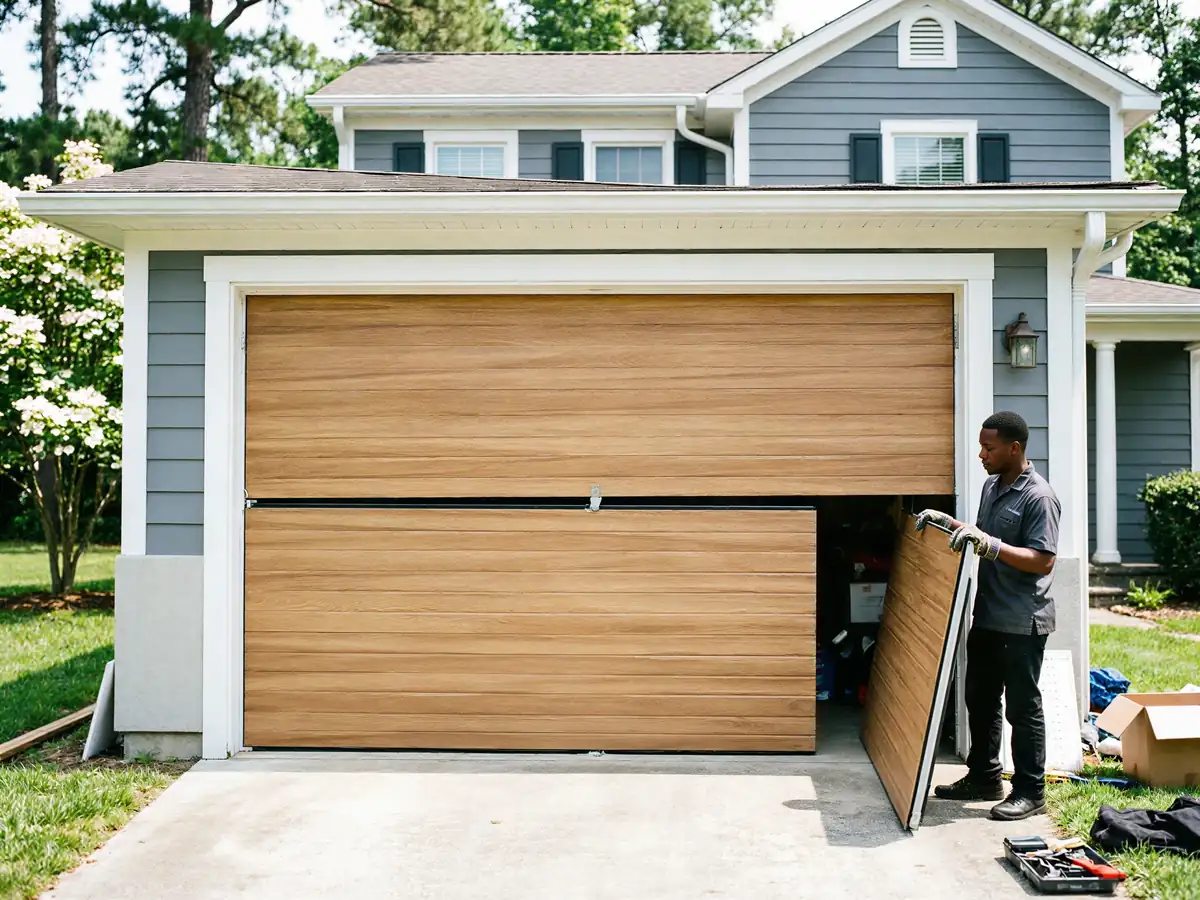
The other place this goes sideways: panels. On doors this old, steel panels have usually taken decades of minor dents and rust at the bottom seam. If a section needs replacing and the door is no longer made, matching panels gets hard, sometimes impossible, and that changes the conversation from repair to full replacement.
The Cost of This Job
I'm not going to put a number here that doesn't hold up once I'm standing in your garage
Every door's different and I don't have a flat rate on file to quote against. What I can tell you is what drives the cost up or down on jobs like this.
A straight spring swap on a door that's otherwise in decent shape is the cheapest version of this call
Add a bent track, a damaged cable, or worn bearings and the job grows, because each of those is its own part and its own labor. The expensive version is when the opener is original equipment from the same era as the house - those units are long out of production, and finding a compatible replacement sometimes means a full opener swap instead of a repair.
Income levels across the service area run modest
Median household income here sits around $45,493 - so I try to lay out options rather than default to full replacement every time. If a repair gets you several more good years out of the door, I'll say so. If the door's clearly at the end of its life, I'll say that too, and let you weigh it against what a new door costs versus another round of patch repairs.
What Causes It Around Here
Two things line up to make this a steady call in Opelika: the age of the housing and the climate. With most of the stock built between 1965 and 1991, median right around 1976, a large share of the doors and openers in this area are simply old. Metal fatigues, lubricant dries out, and torsion springs lose tension whether or not anyone's touched them.
Climate adds to it. This area sits in a mild band with occasional freeze, which doesn't sound harsh, but the swing between humid summer stretches and the occasional hard freeze night is exactly what stresses steel springs and tracks over the decades - expansion and contraction, moisture getting into bearing points, then a cold snap tightening everything up at once. It's not the dramatic weather that wears this hardware out; it's the slow cycle repeating for fifty-plus years on parts nobody's serviced.
If you're out past Opelika proper - toward Loachapoka, Valley, Huguley, or the other outlying areas - the same housing-age pattern holds, just with fewer options nearby if a part needs tracking down fast.