The Symptom
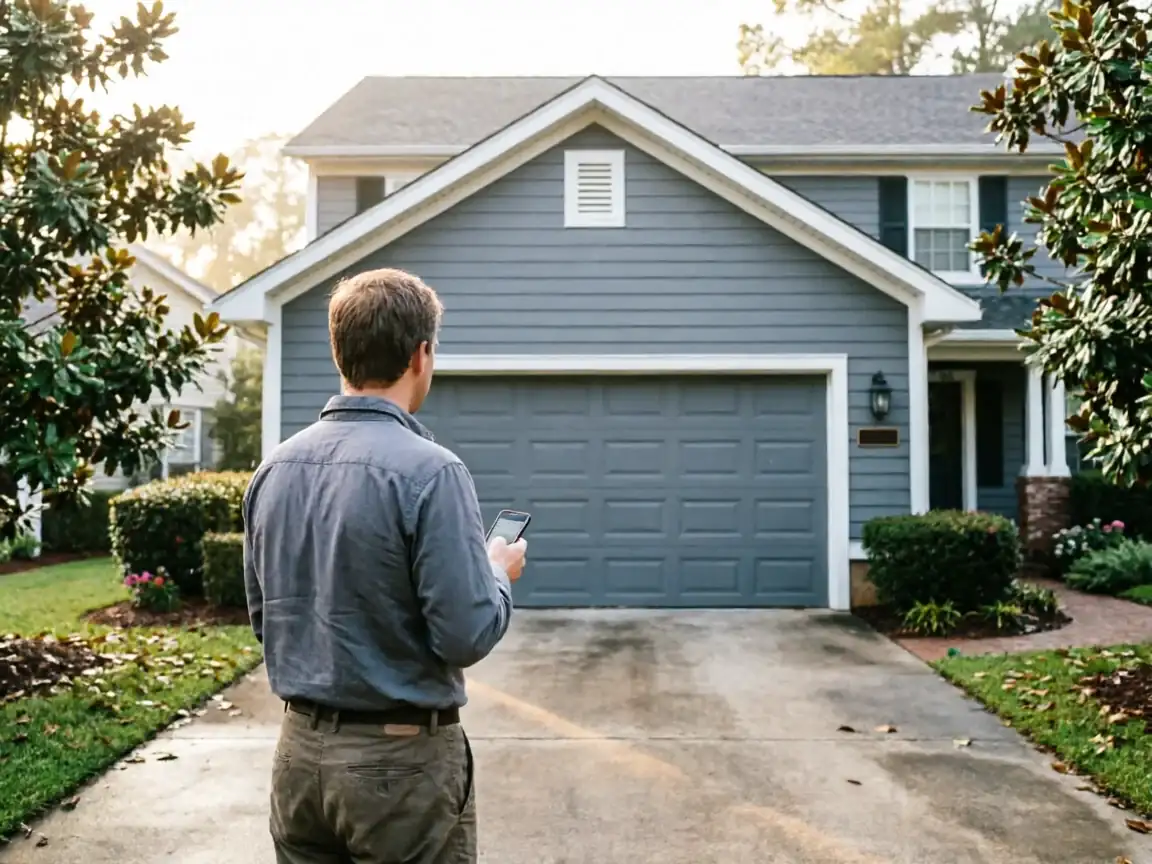
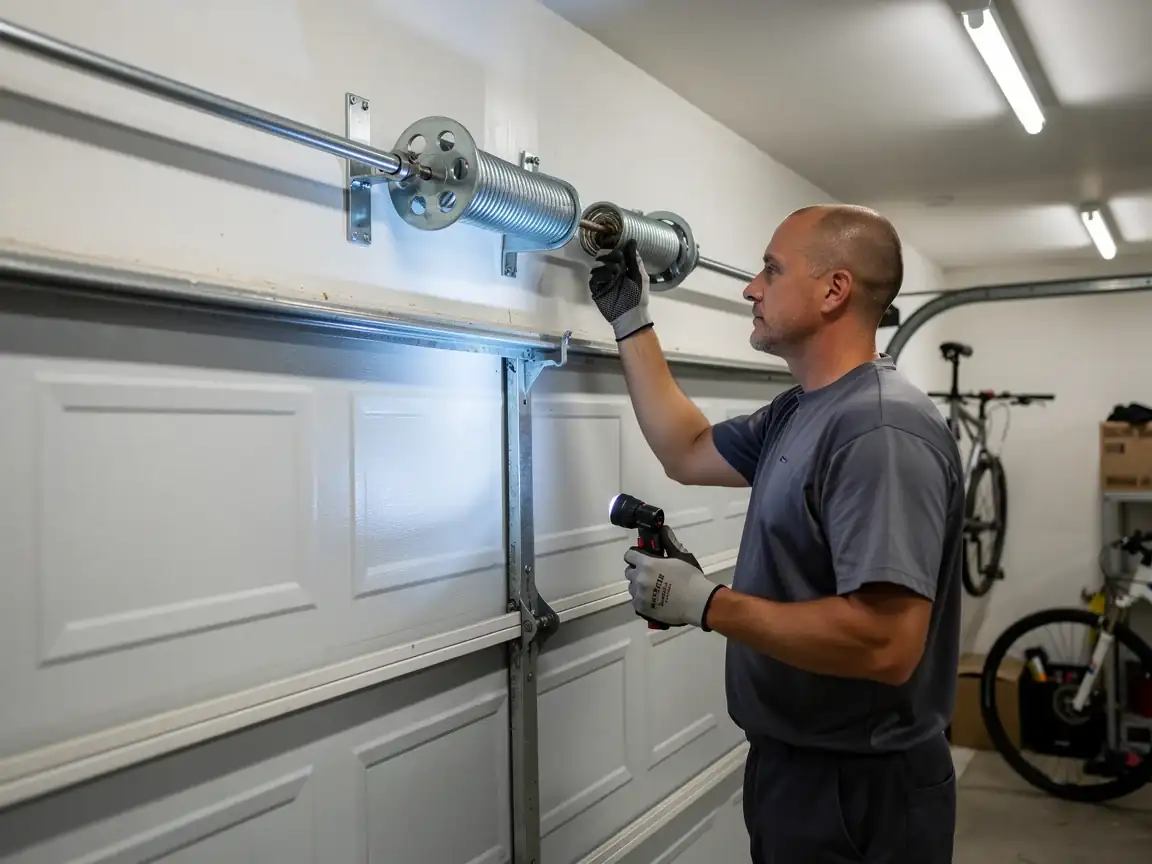
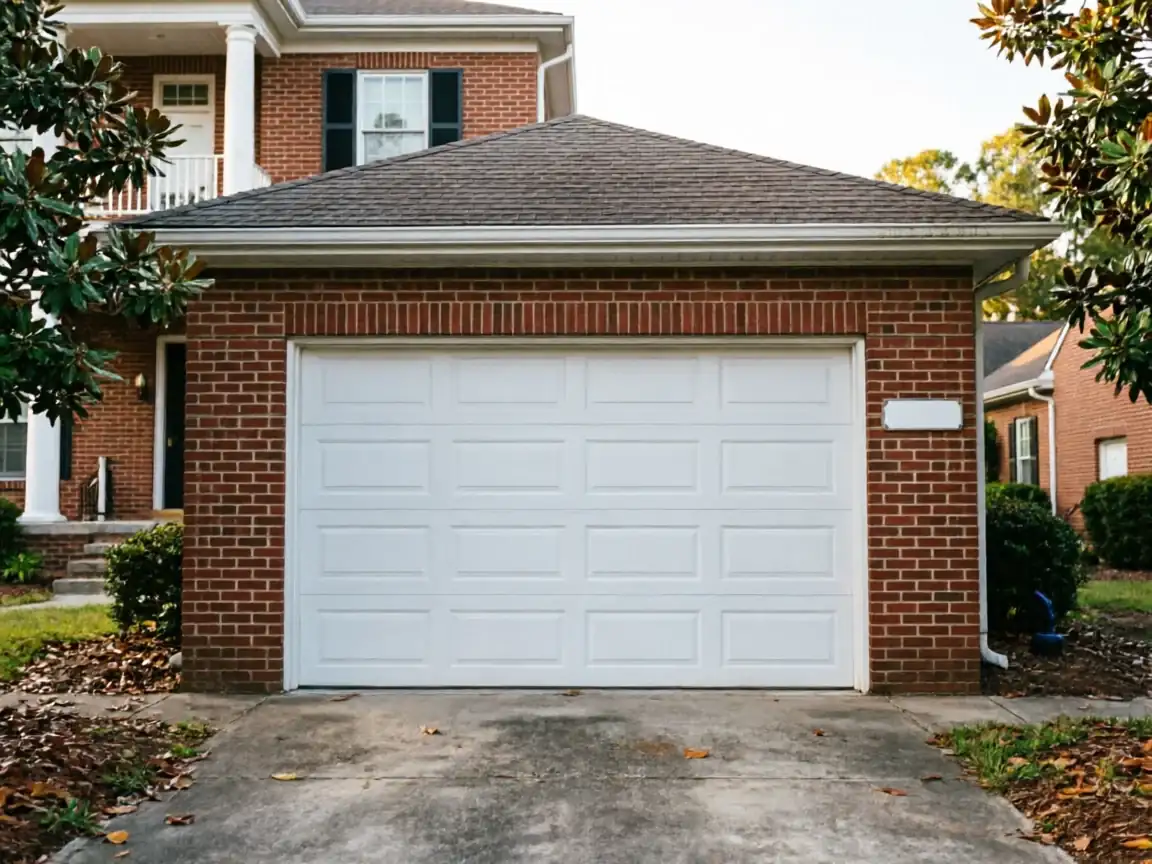
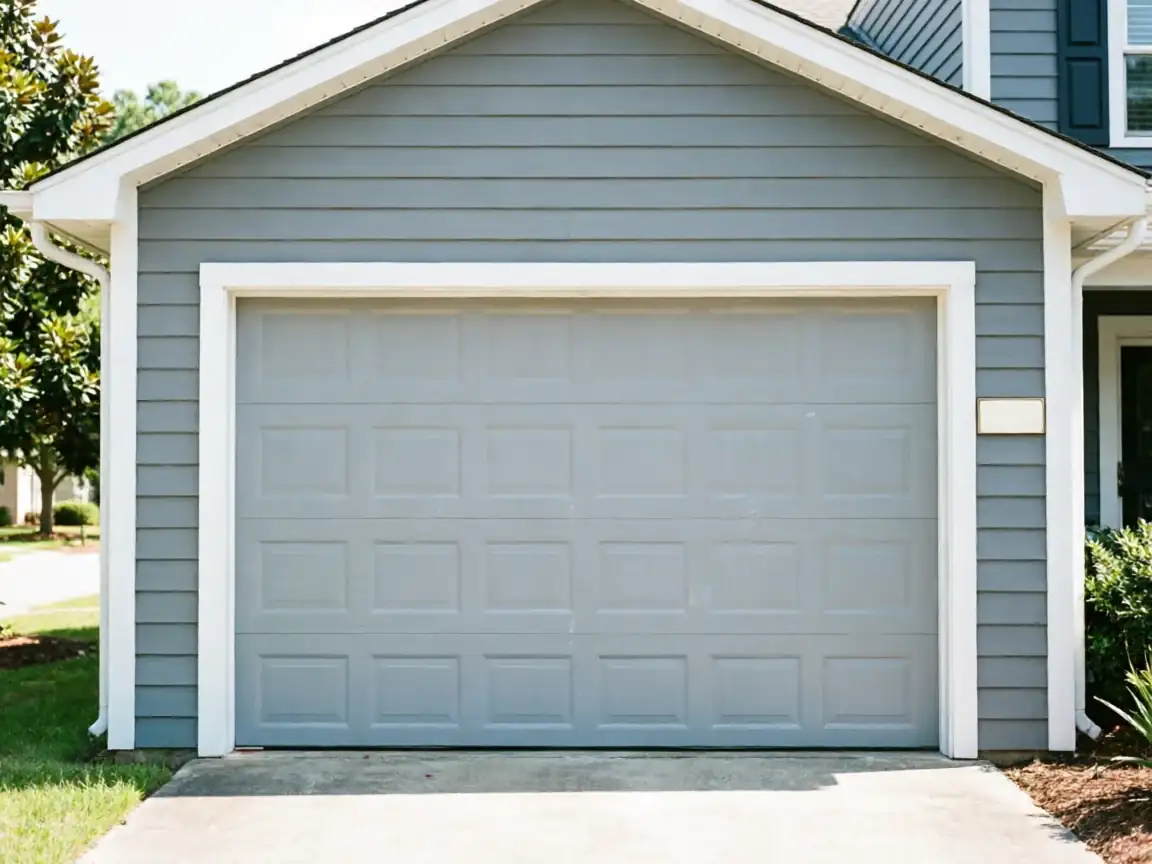
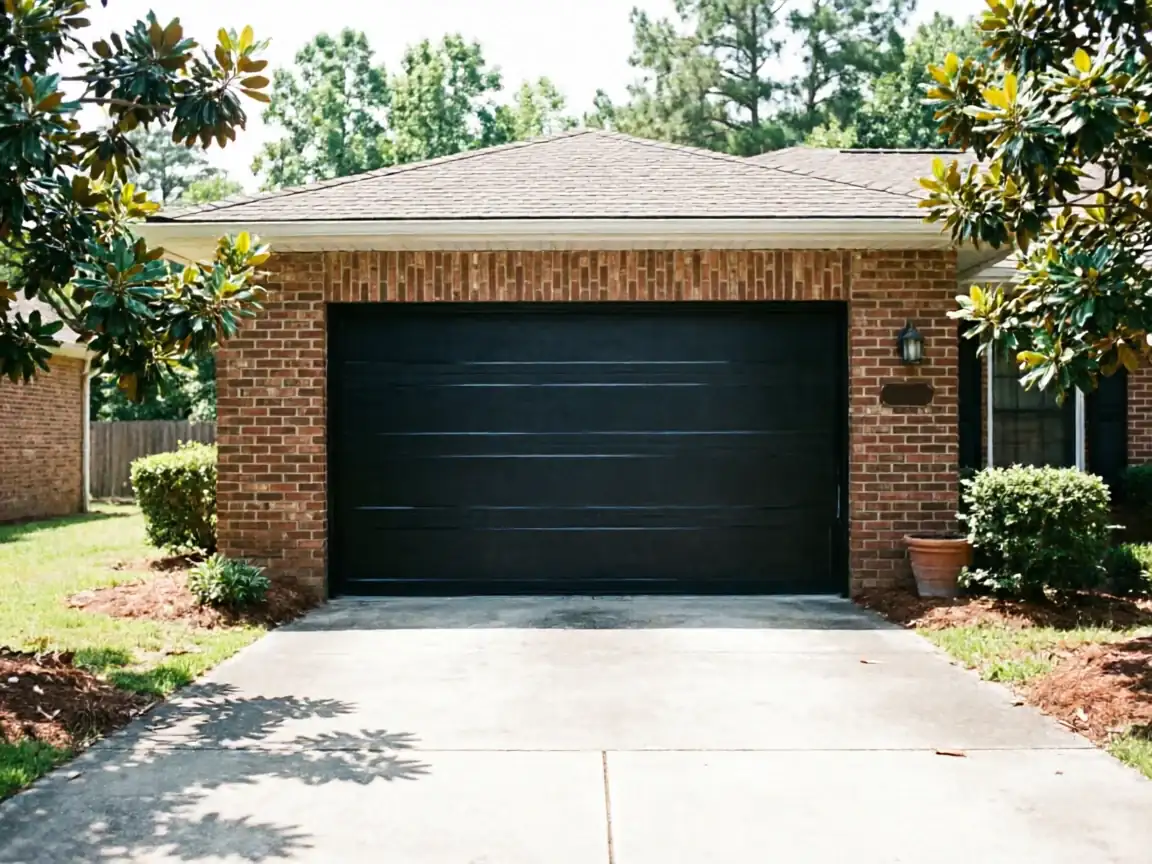
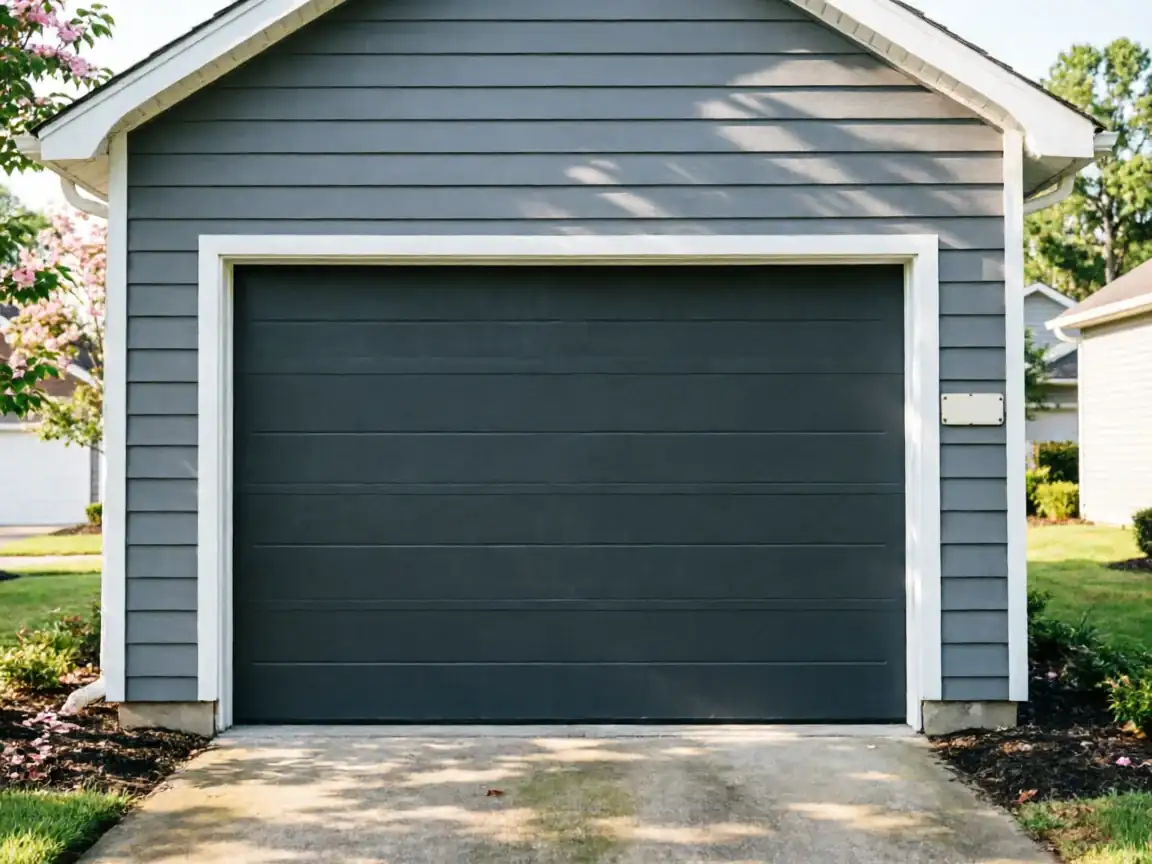
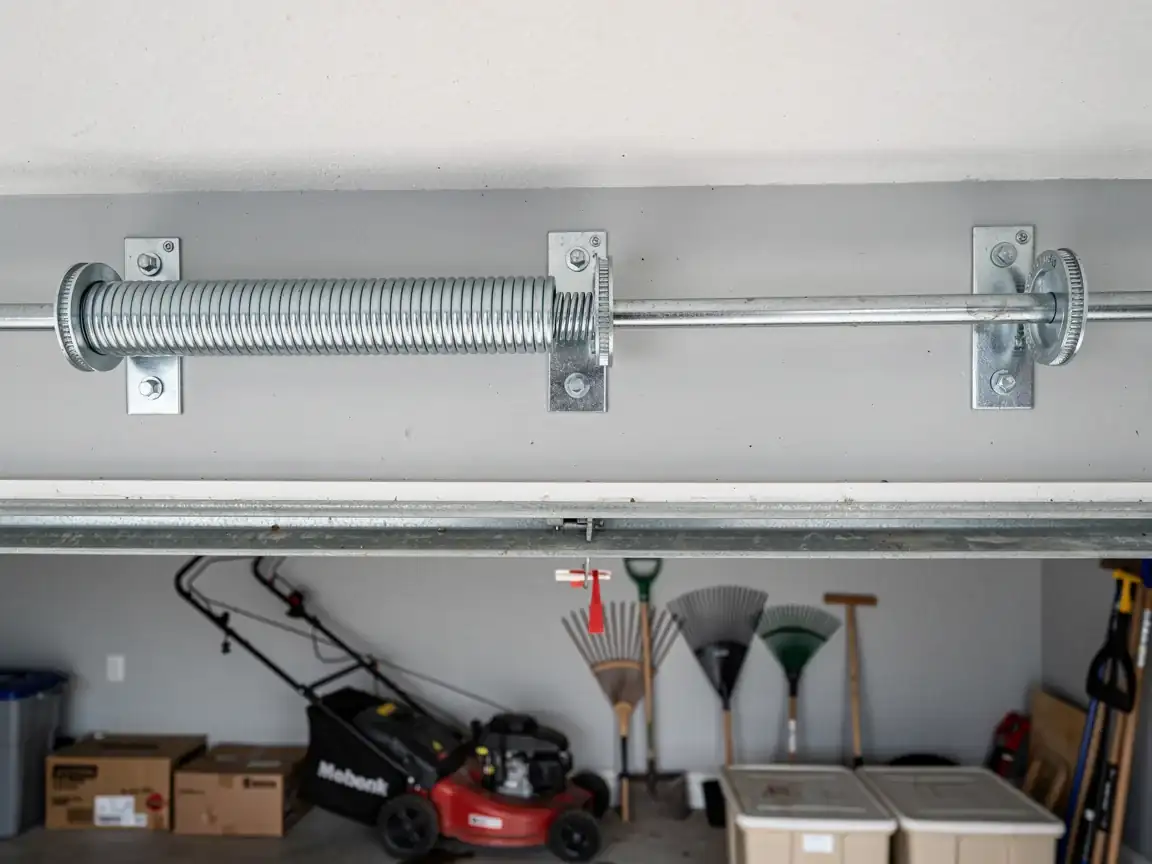
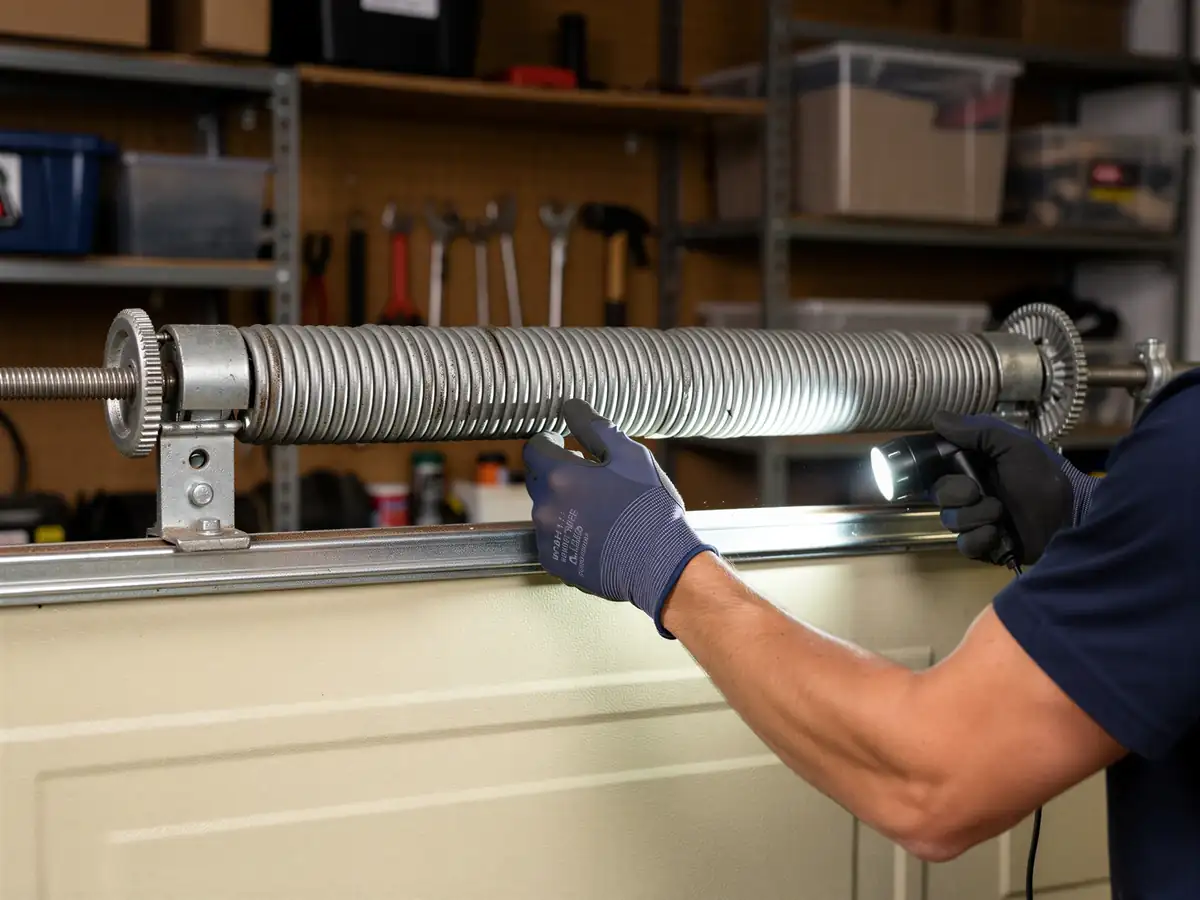
Most calls start the same way. The door still closes, mostly, but it drags on one side, or it takes two tries with the opener before it catches the track right. On a lot of Opelika houses, that door is original to the build - and with median housing age landing around 1976, a lot of these doors are approaching fifty years on the same track and the same single-layer steel panel. You'll see the bottom seal gapped enough to let light through, seams starting to bubble with rust, or a panel that's visibly bowed from years of a spring doing more lifting than it was built for. Sometimes the opener still runs, but it's chewing through the lift because the door itself has gotten heavier with rust and warping than the motor was ever sized for. None of that means the door is unsafe tomorrow. It means it's on borrowed time, and the parts that would fix it - the specific hinge gauge, the matching panel, the original track width - stopped being stocked a long time ago. At that point you're not repairing a 1970s door. You're replacing it with something built for today's spring tension and today's opener standards.
Where This Job Goes Sideways
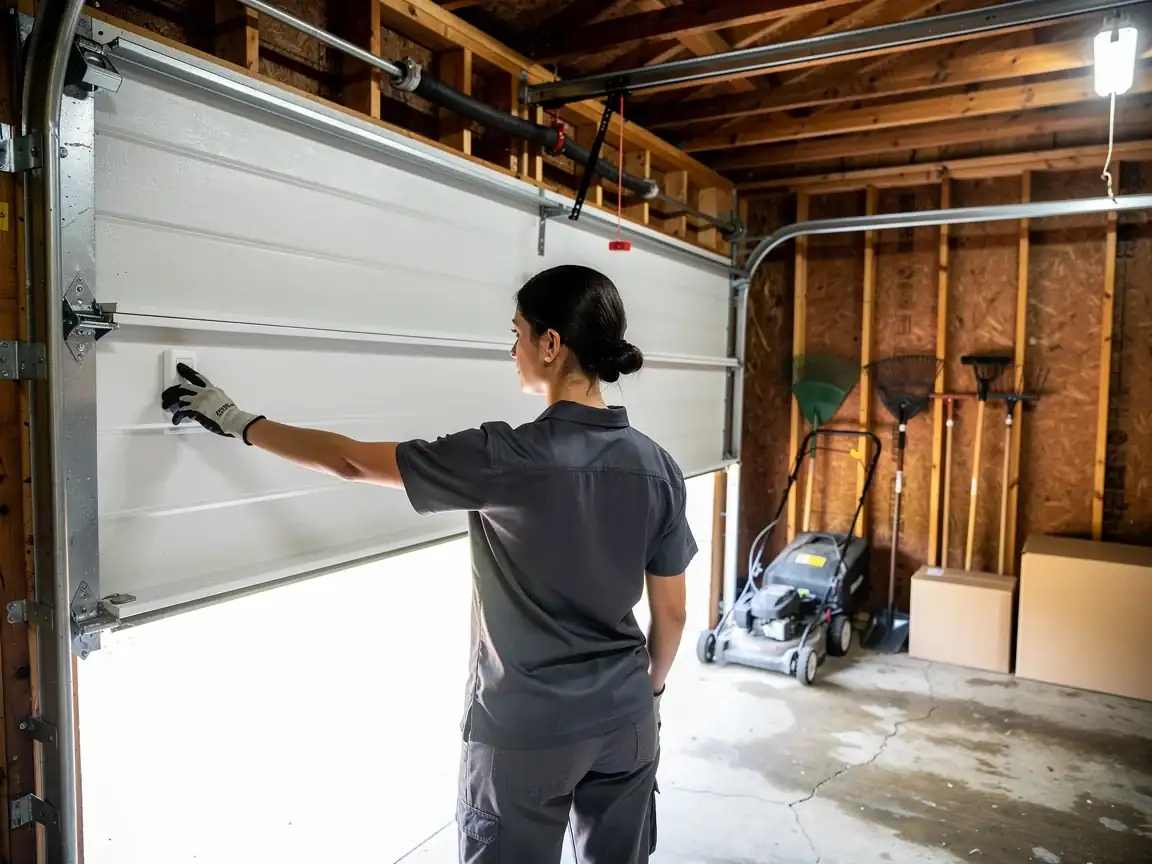
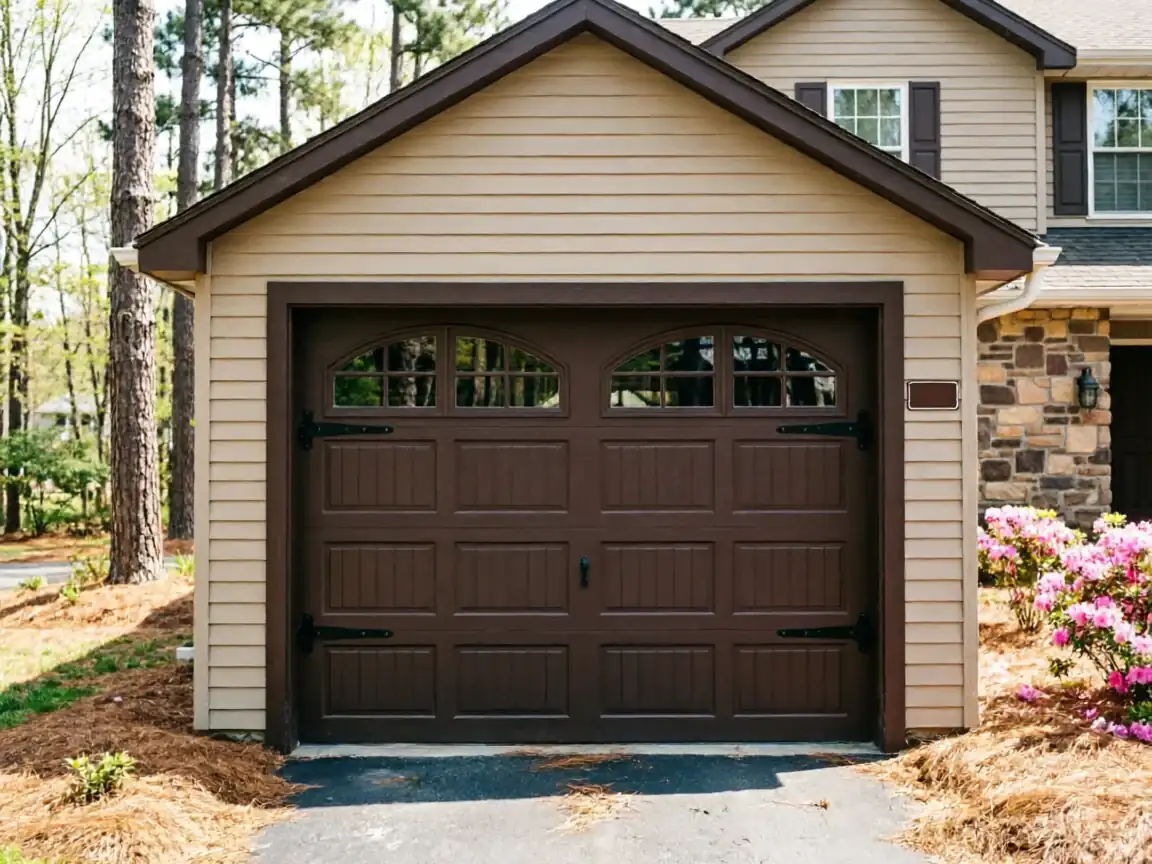
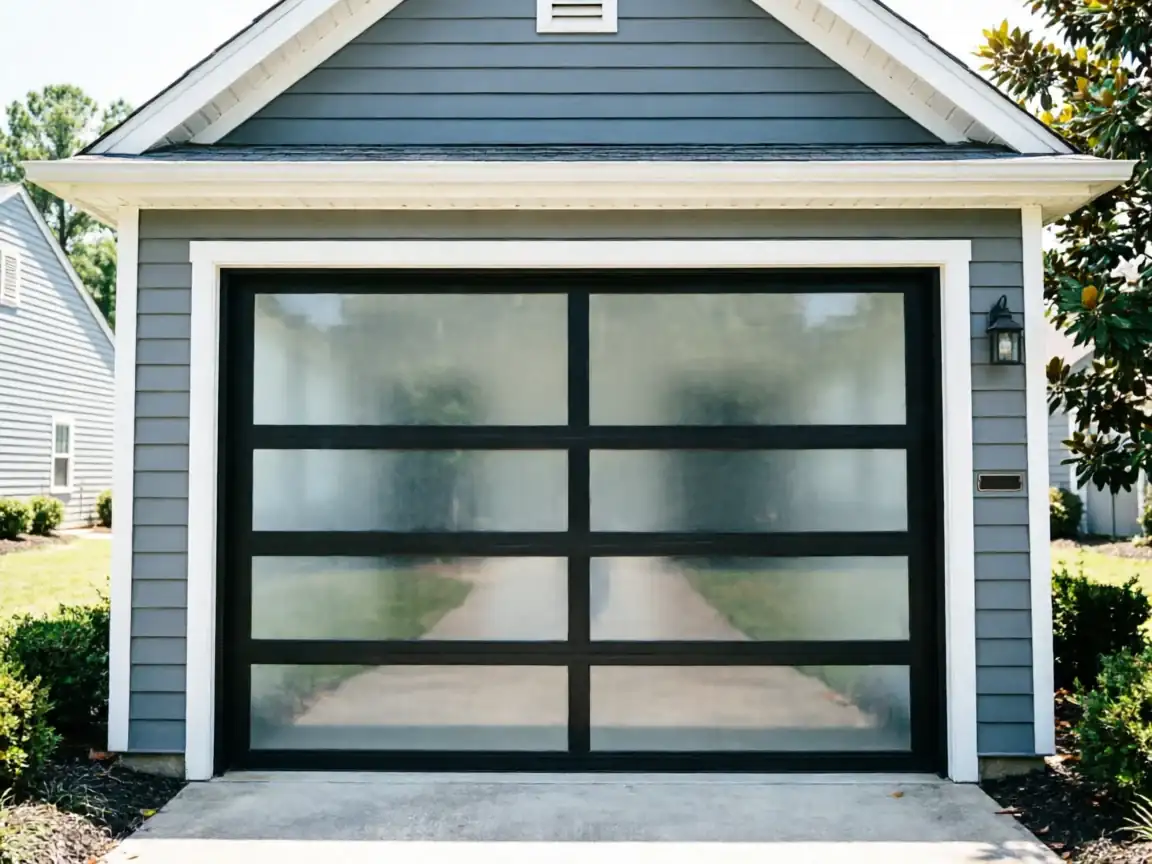
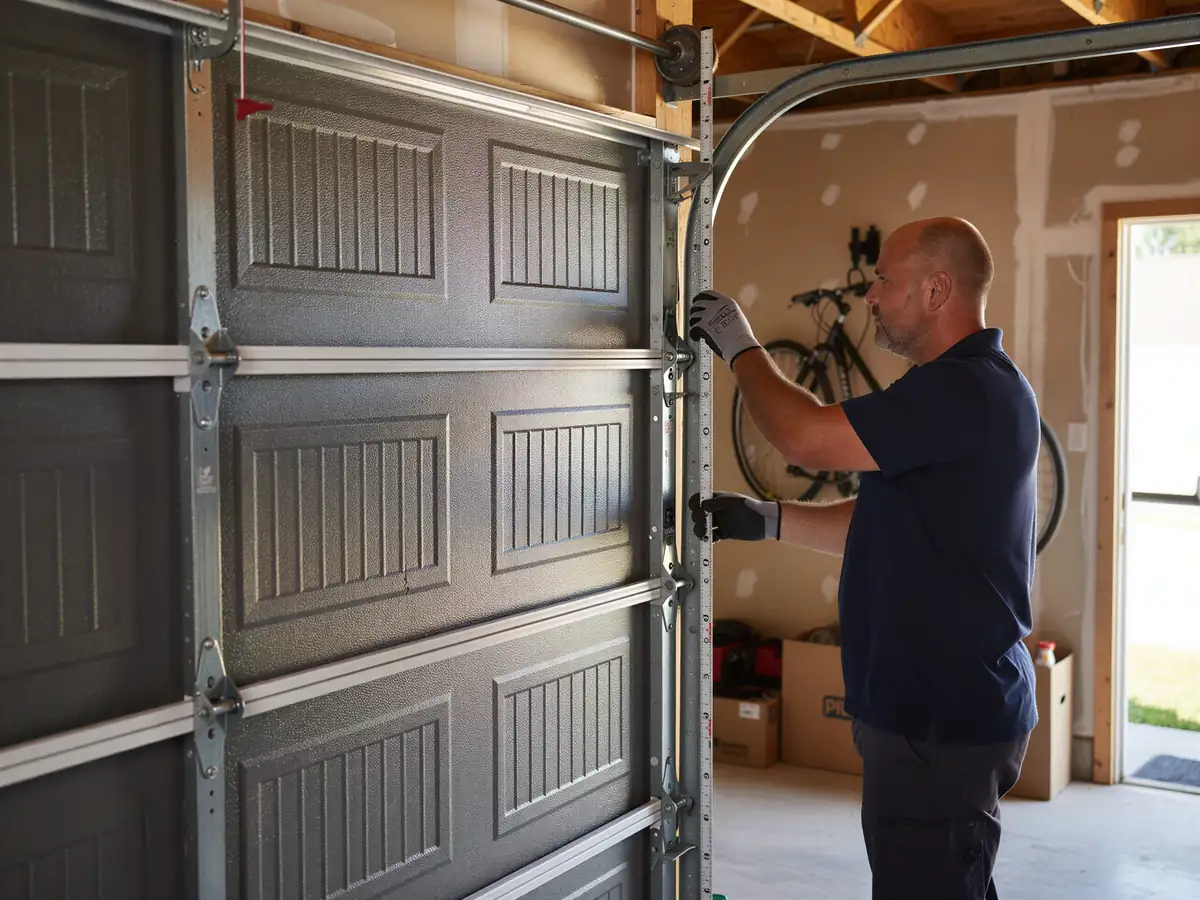
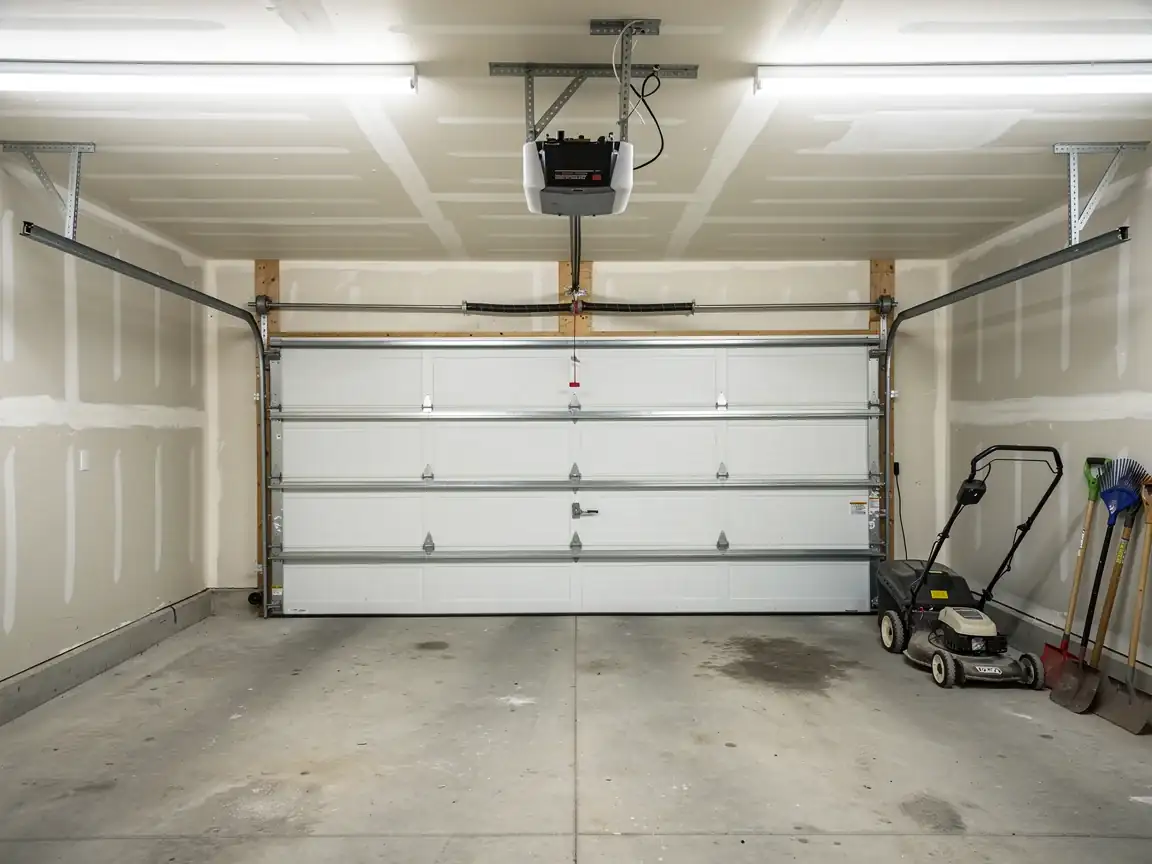
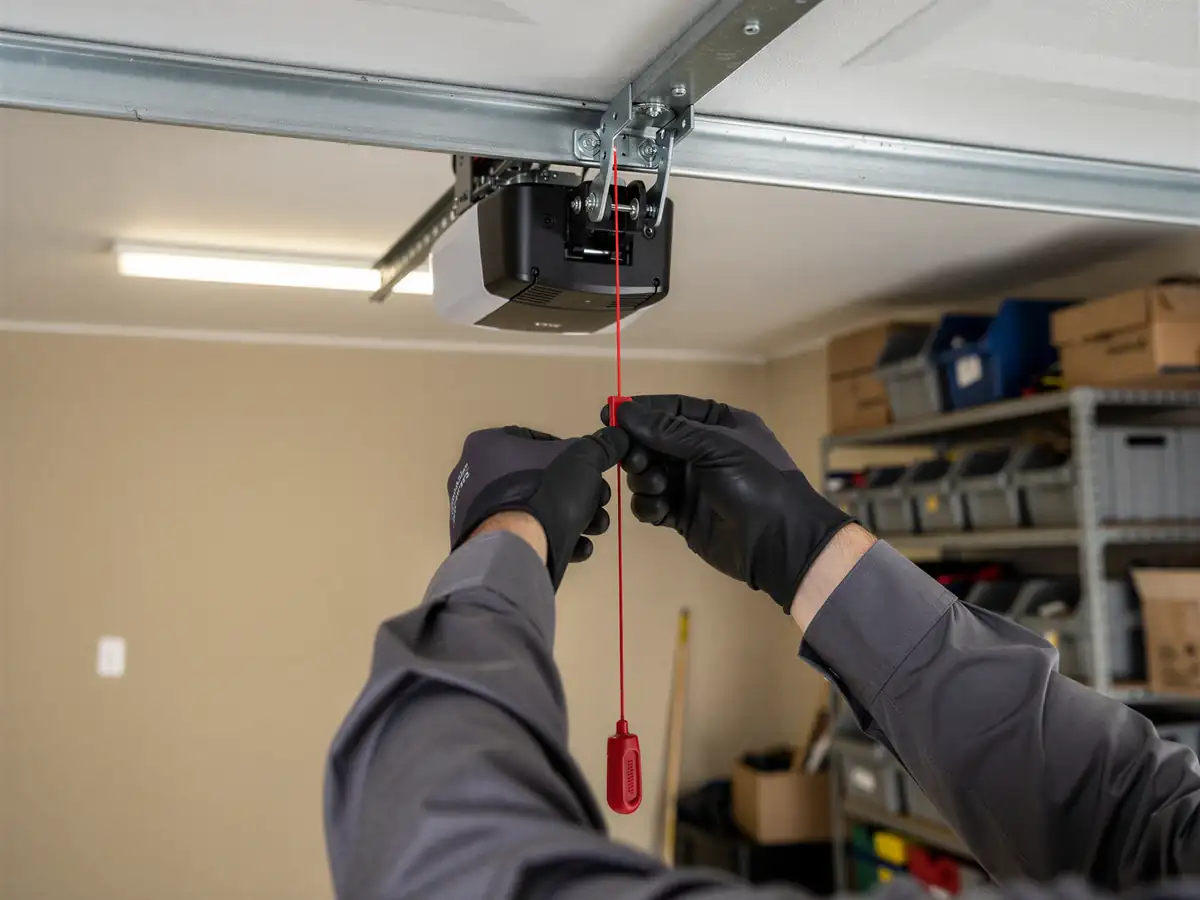
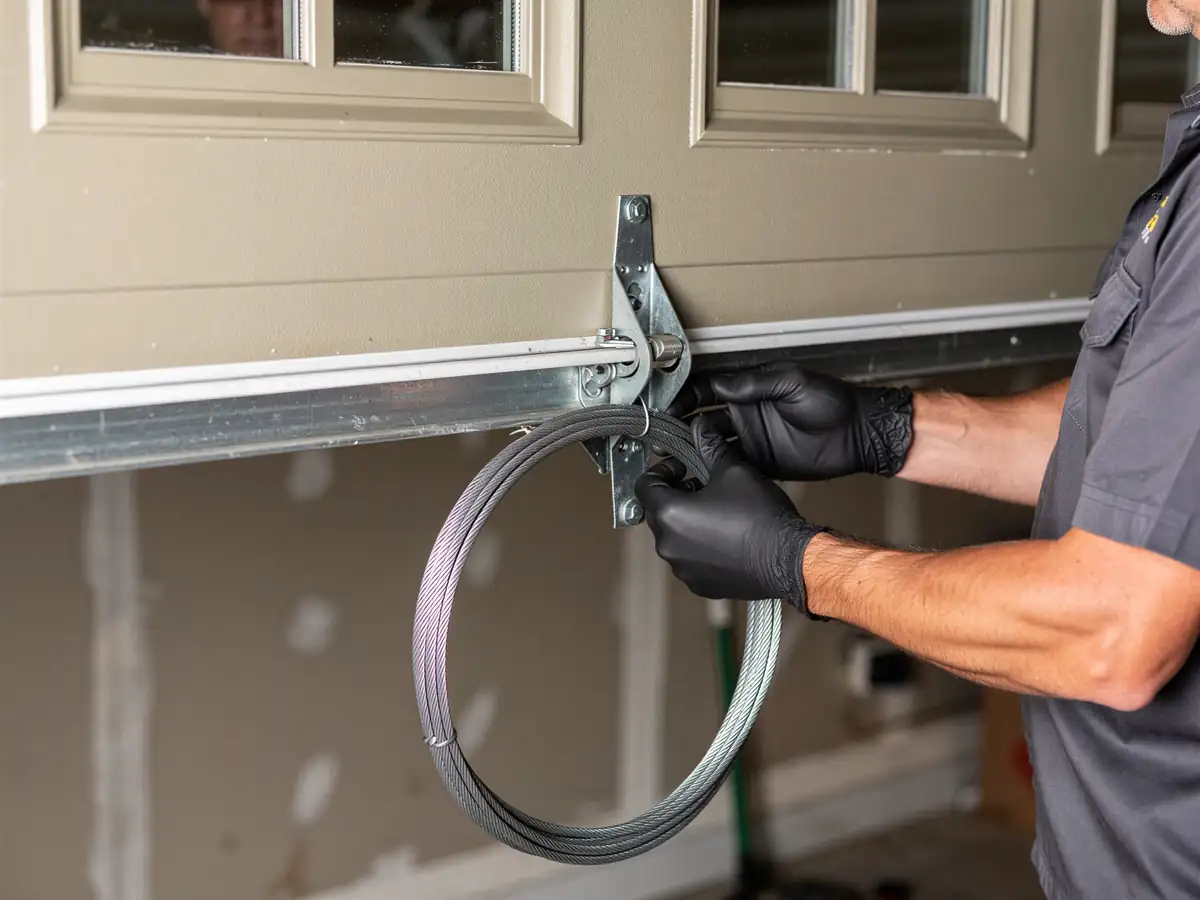
The install itself is straightforward on paper - pull the old door, set the new one, match the opener. Where it goes sideways is the stuff behind the door that nobody sees until the old one's off the hinges. Houses from the 1965-1991 run across Opelika's older sections were framed for the door sizes and weights of that era, not for today's heavier insulated panels or wider openings. The header above the door may not have the reinforcement a modern double-car door needs, especially on the narrower single-bay layouts common in that stock. Track mounting points that held up fine for forty years of a light steel door can be too loose, or bolted into jamb wood that's shifted, once you hang a heavier door on them. And because automatic openers were often added after the house was built rather than wired in from the start, the outlet or switch location isn't always where you'd want it for a clean run today. None of this is a reason to walk away from the job. It's a reason the quote has to include a look at the header and jamb before anyone commits to a number.
What Causes It Around Here
Opelika's housing stock skews old in a specific way: most of it went up between 1965 and 1991, with a lot of that concentrated in the 1960s and '70s across the eight main residential areas that make up the service area. That means a big share of the doors still in service are original equipment, built to the lift hardware and spring tension standards of that decade, not this one. The climate here doesn't help or hurt as much as in harsher regions - it's a mild band with occasional freeze, so you don't get the extreme swings that crack panels outright, but you do get enough humidity and enough freeze-thaw cycling on hardware to rust out hinges and seize up rollers over a few decades. It's slow damage, not sudden failure, which is exactly why so many of these doors look fine until the day the spring finally lets go or the track finally won't hold alignment. The age of the stock and the steady, unspectacular climate here are a slow-burn combination, and it's why installation calls in this area skew toward replacing something that's simply reached the end of its run rather than fixing storm damage.