The Symptom
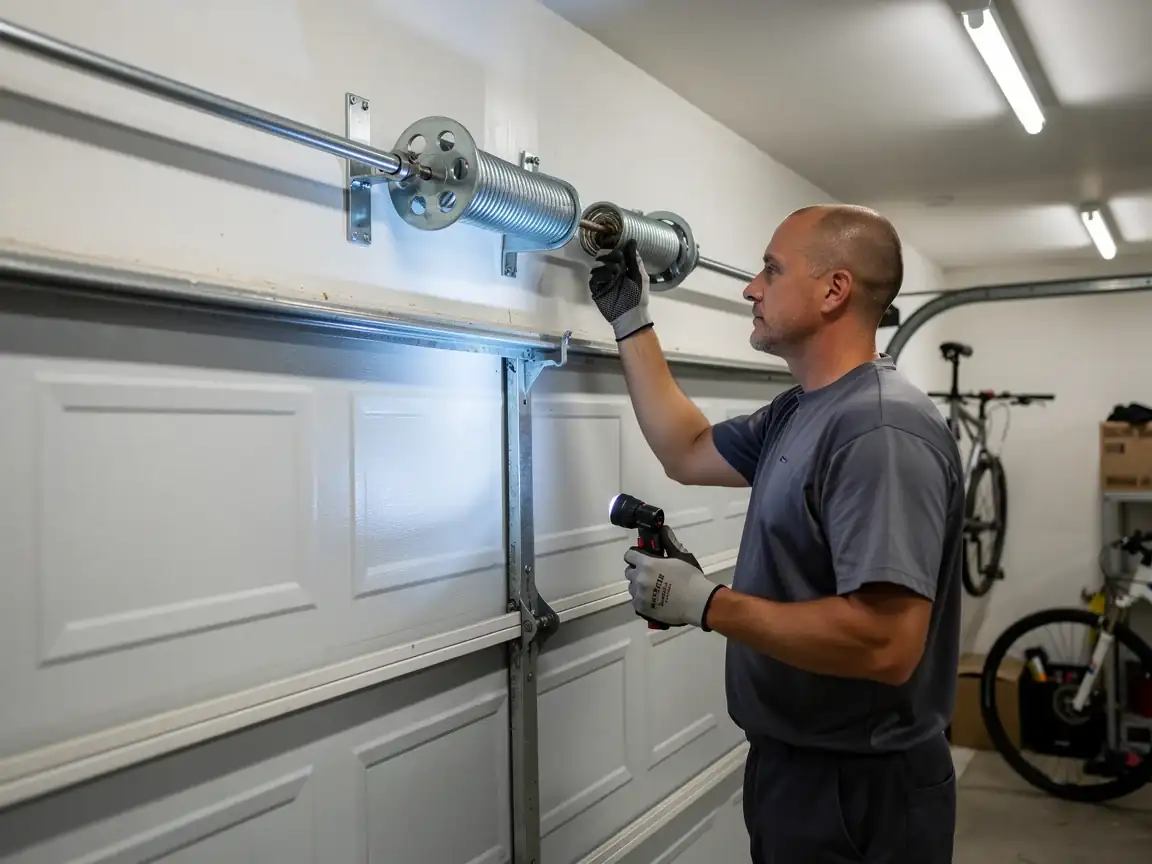
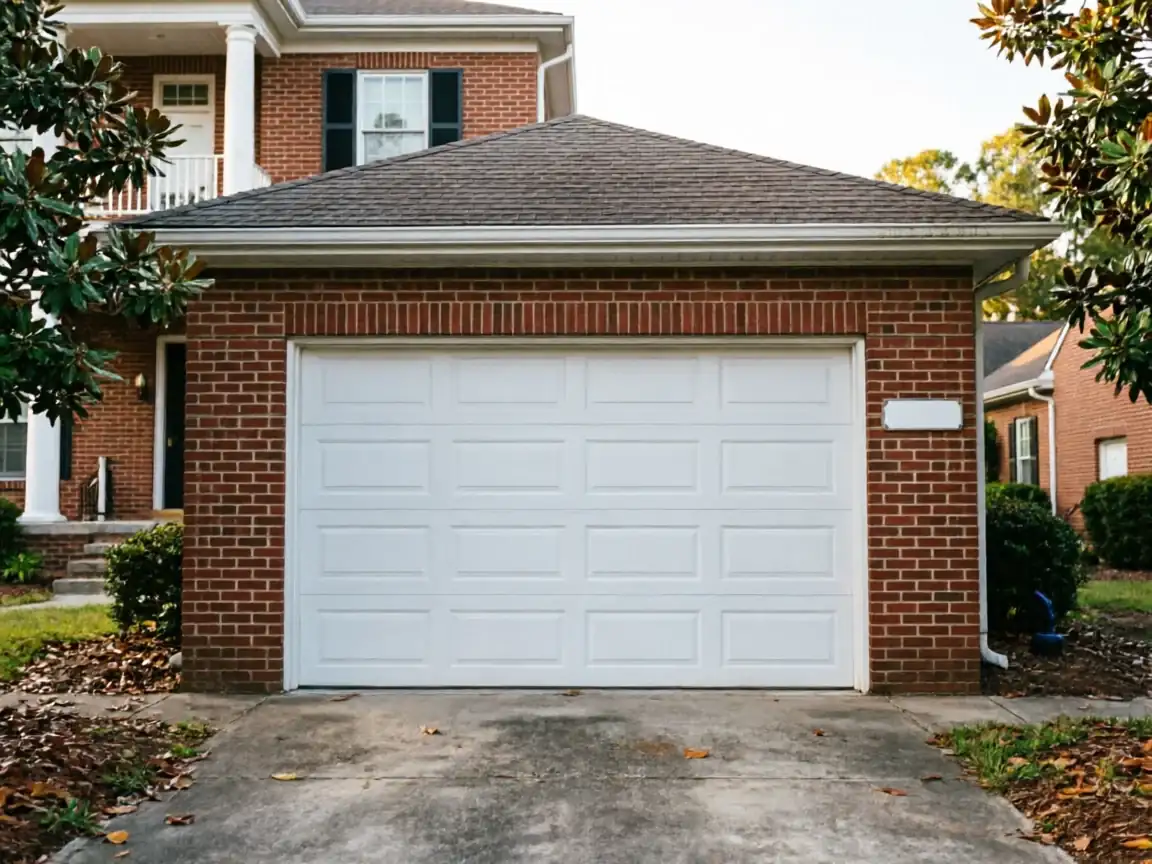
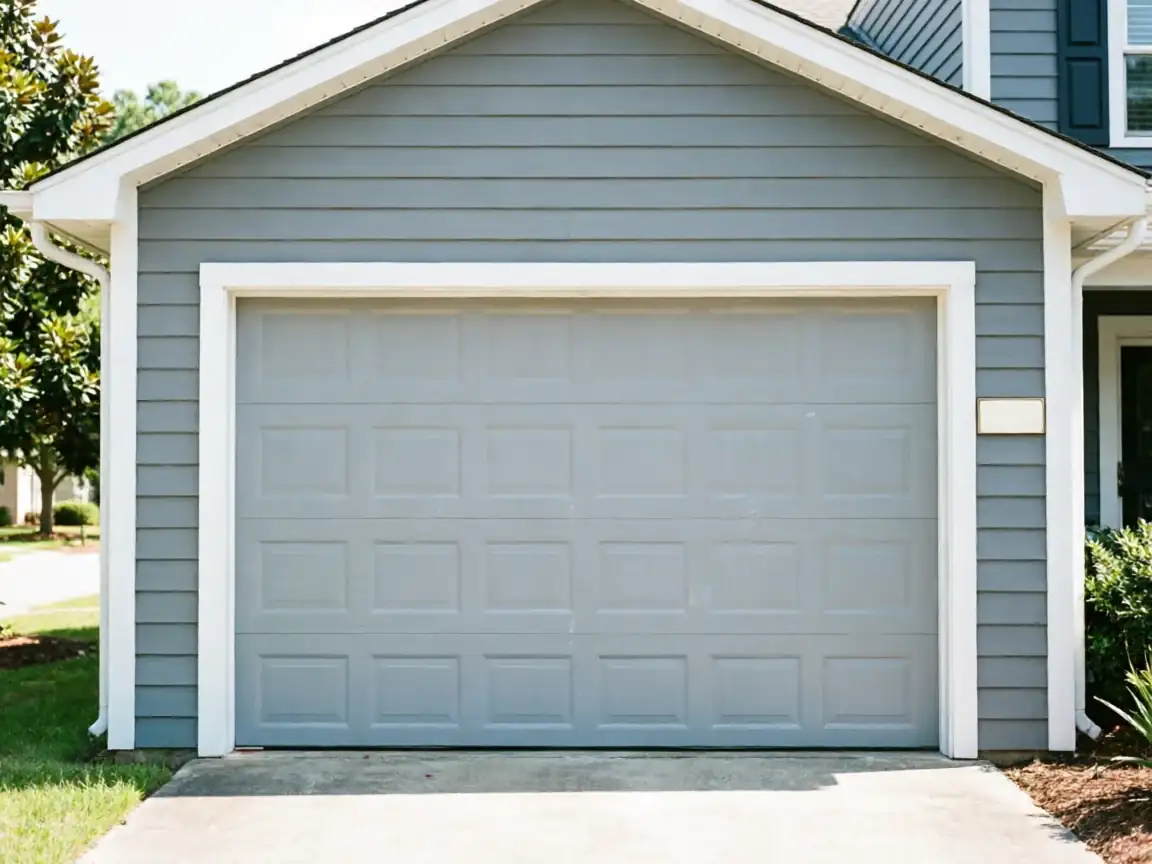
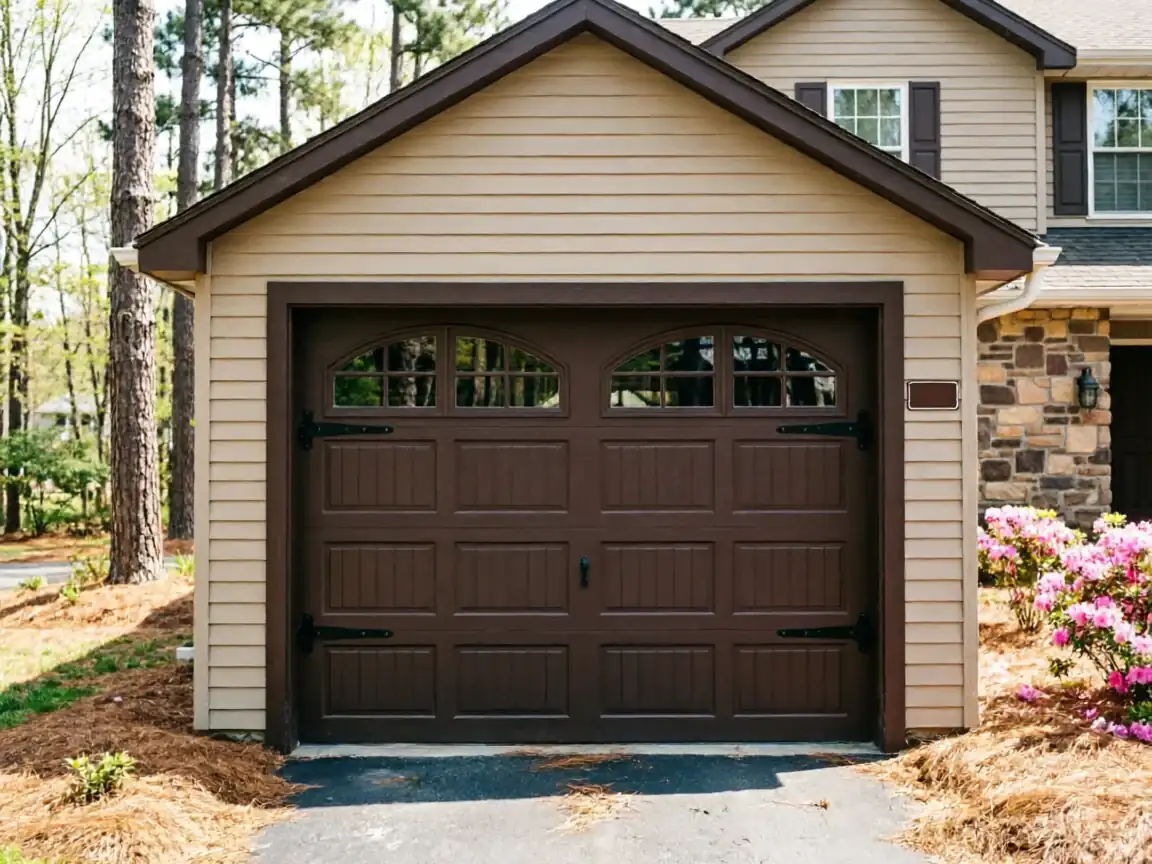
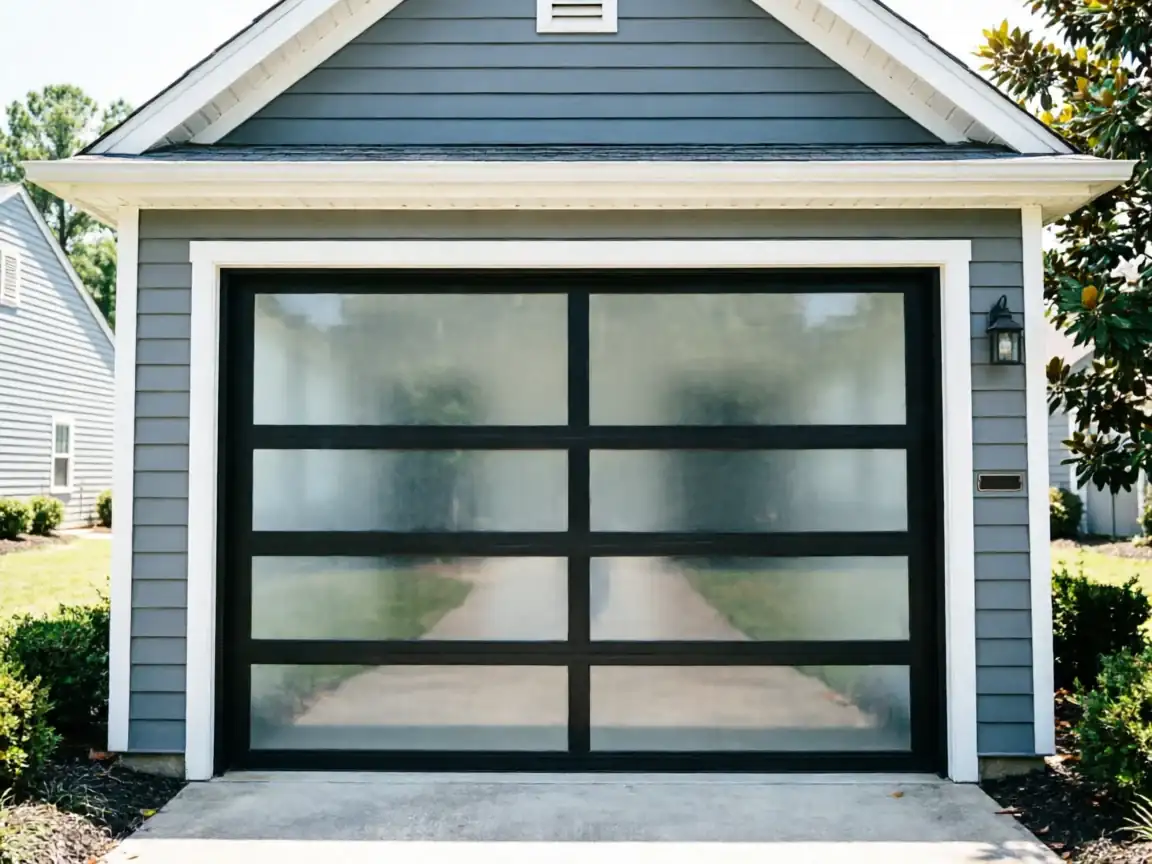
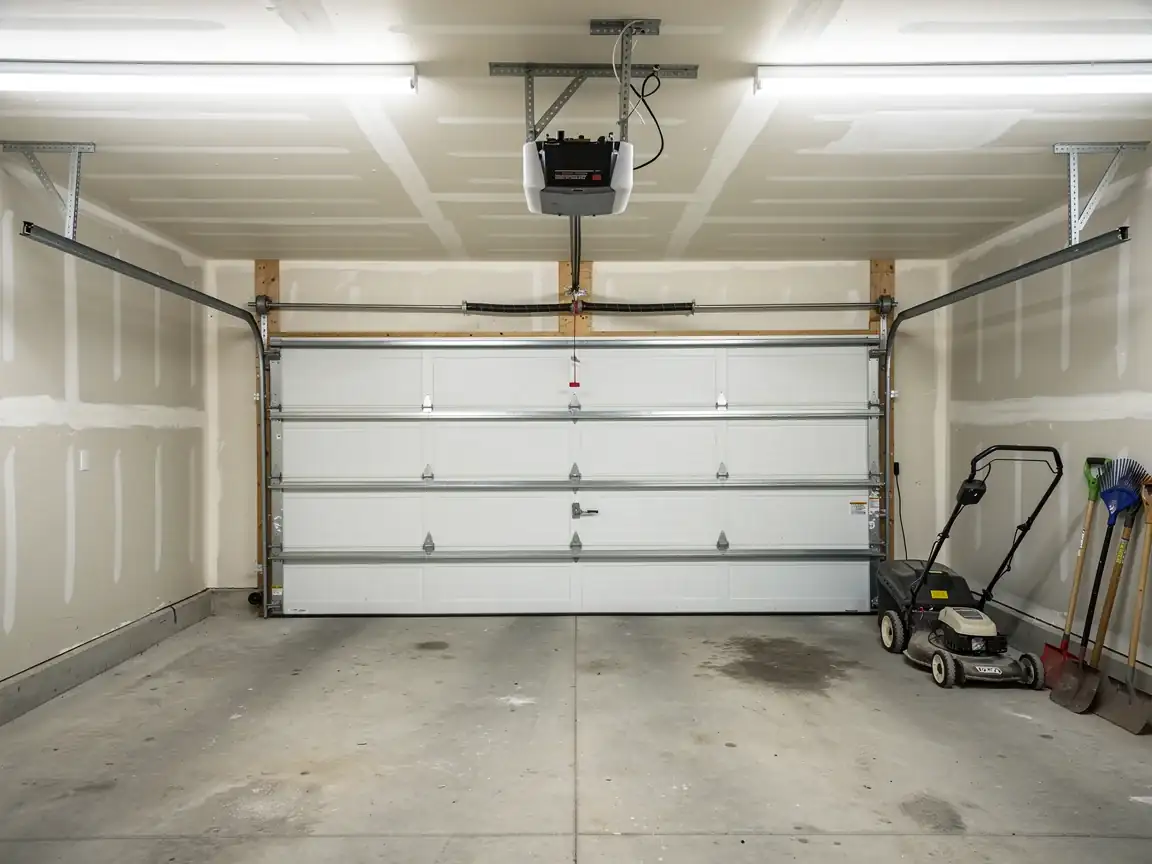
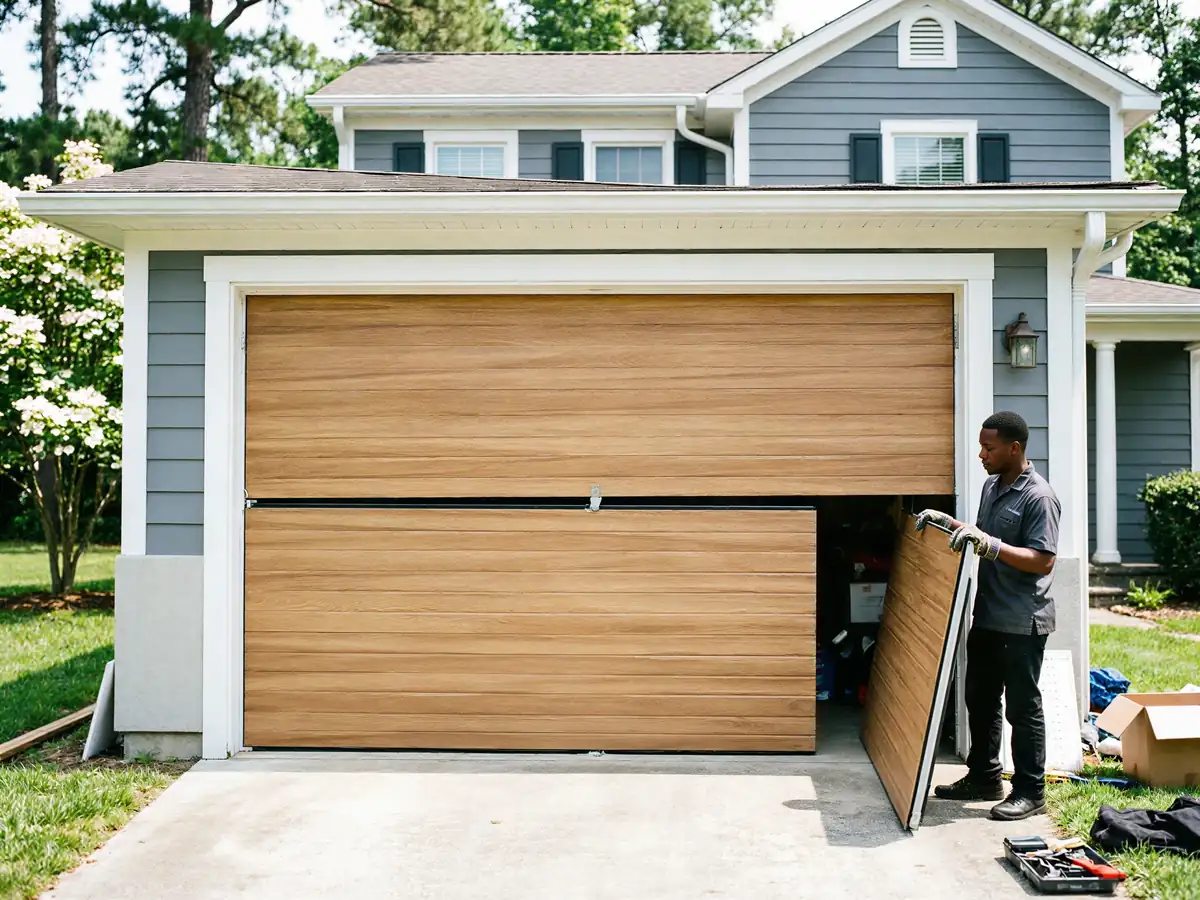
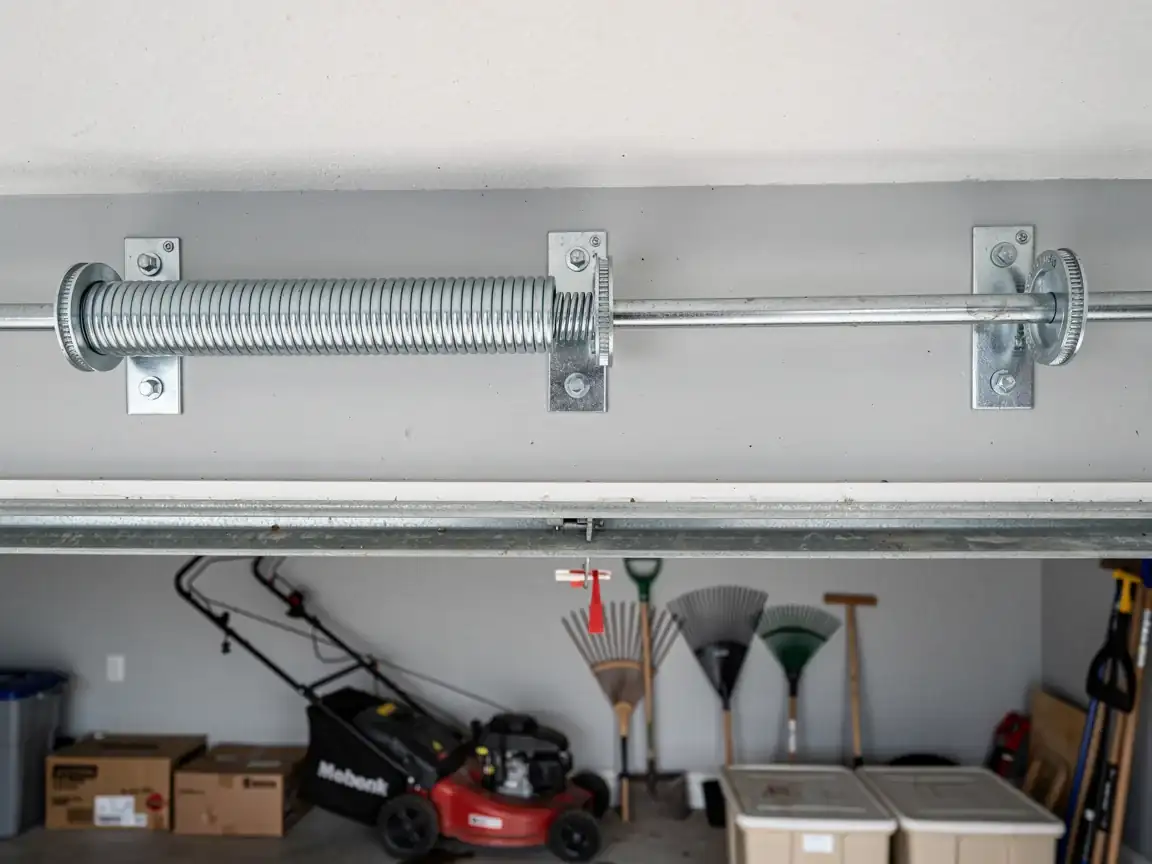
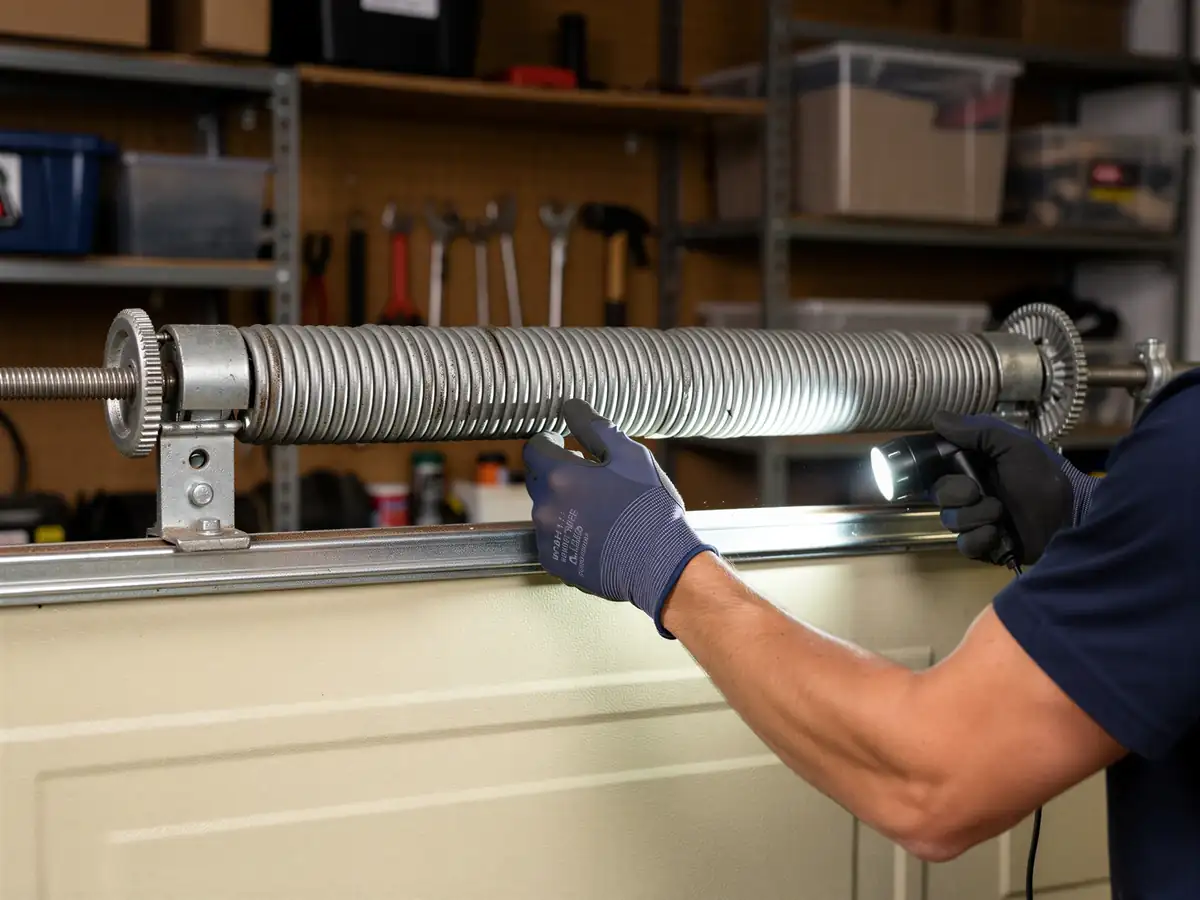
The call usually starts the same way: the door won't go up, or it goes up about a foot and stops, or you hear a bang from the garage and now nothing moves at all. On a house with a torsion spring system, that bang is the spring letting go - a sharp crack, sometimes a dent in the wall where the broken coil kicked the mounting plate. On older openers you might just get a hum and no movement, which usually means the drive gear stripped trying to lift a door that's gotten heavier to move because the spring behind it is already weak. Either way, the door that worked fine last week is now either stuck shut or stuck open, and neither is something you want to leave overnight. Most of what we see tracks back to the age of the hardware rather than anything the homeowner did wrong. A spring rated for a few thousand cycles doesn't care how carefully you used the door - it's going to fail on a schedule set by its own wear, and that schedule caught up with a lot of Opelika garages around the same time, because a lot of those garages were built around the same time.
Where This Job Goes Sideways
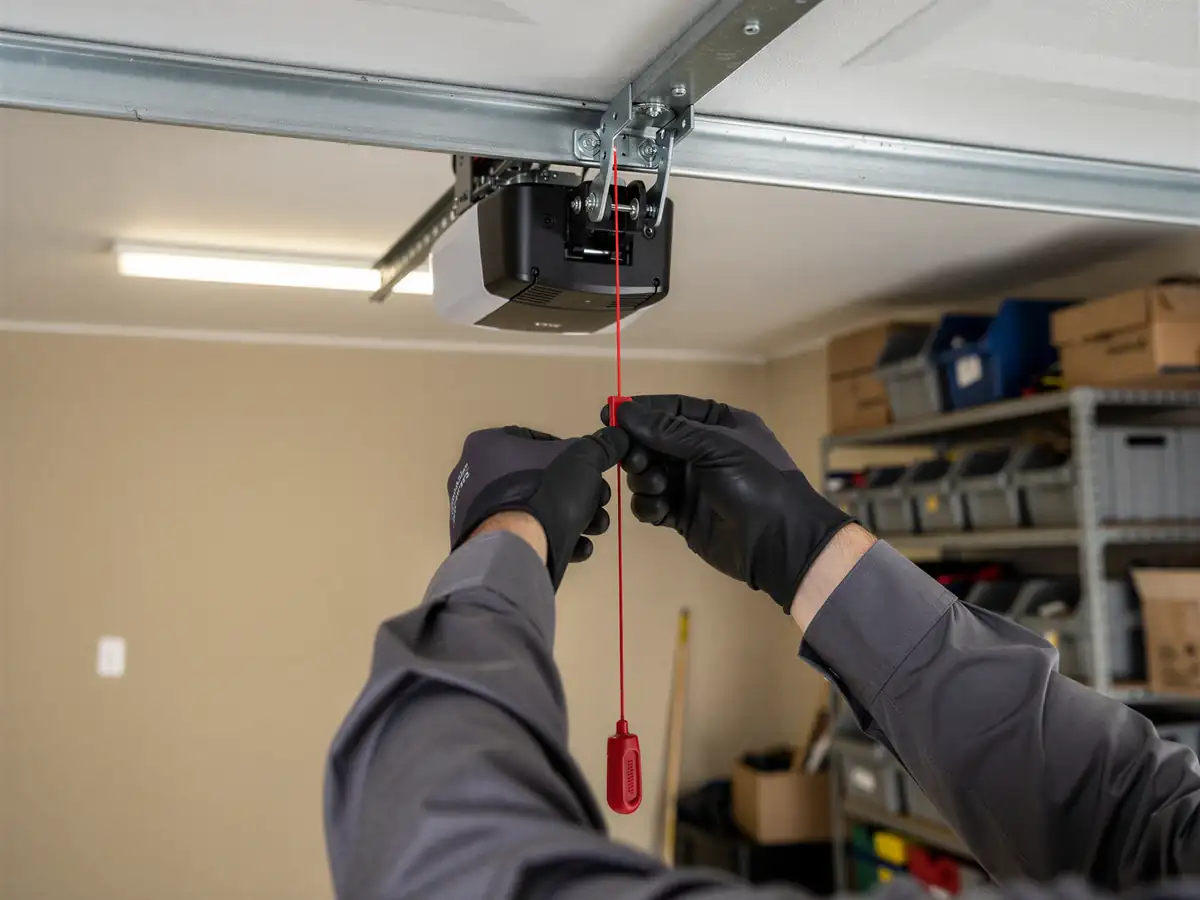
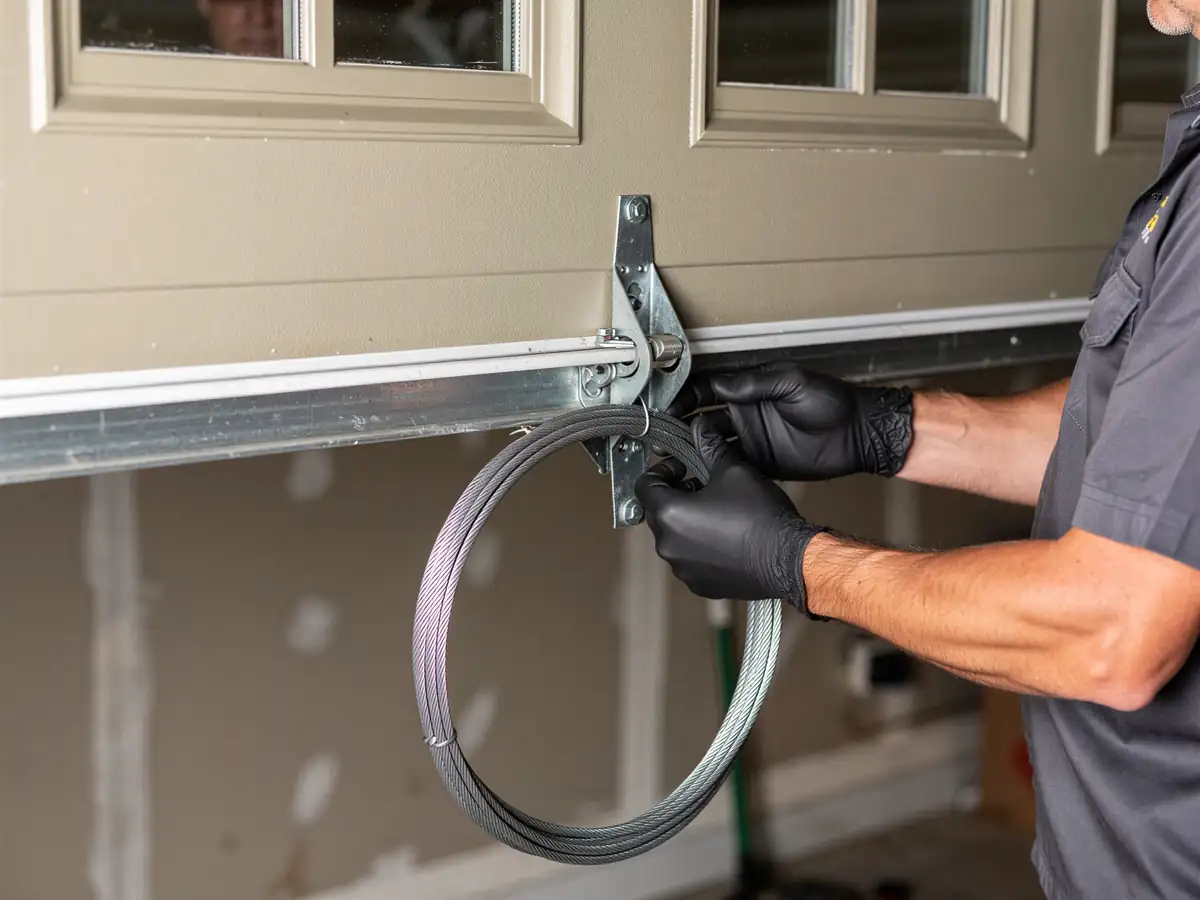
A spring job is simple when it's just the spring. It stops being simple when the cable has started to fray from riding on a worn drum, or when the track is bent enough that a new spring just pulls the door crooked again. We also see this with extension spring setups from the same build era - no containment cables, which was normal for the period but isn't something we'll reinstall without adding them, because a spring under that kind of tension with nothing to catch it if it breaks is a safety problem, not a style choice. The other place this goes sideways is the opener itself. If the opener is original to the house, the logic board and the drive mechanism are both old enough that a repair on one often exposes a second failure on the other a few months later. We'll tell you straight when we think you're better off replacing the opener instead of nursing it along, even though that's a bigger invoice than the spring alone. We'd rather say that up front than have you pay twice.
What Causes It Around Here
Most of the houses we work on were built between 1965 and 1991, with the bulk of the stock clustered in the 1960s and 70s across the older sections of town, and that's not a coincidence with what's failing now. Torsion springs are rated in cycles, not years, and a door opened twice a day for fifty-some years has burned through its rated life a long time ago even if nobody's touched the hardware since it was installed. Opelika's climate doesn't get brutal, but it isn't static either - mild most of the year with the occasional freeze - and that swing between warm, humid stretches and a handful of cold mornings is exactly the kind of temperature cycling that works metal fatigue faster than a steady climate would. Galvanized coating also wears thinner over decades of humidity, which is part of why we see rust on cables and drums on houses from this era more than on newer construction. None of this is specific to one street - it's the housing stock itself, built in one wave, now aging out in roughly the same window.