The Symptom
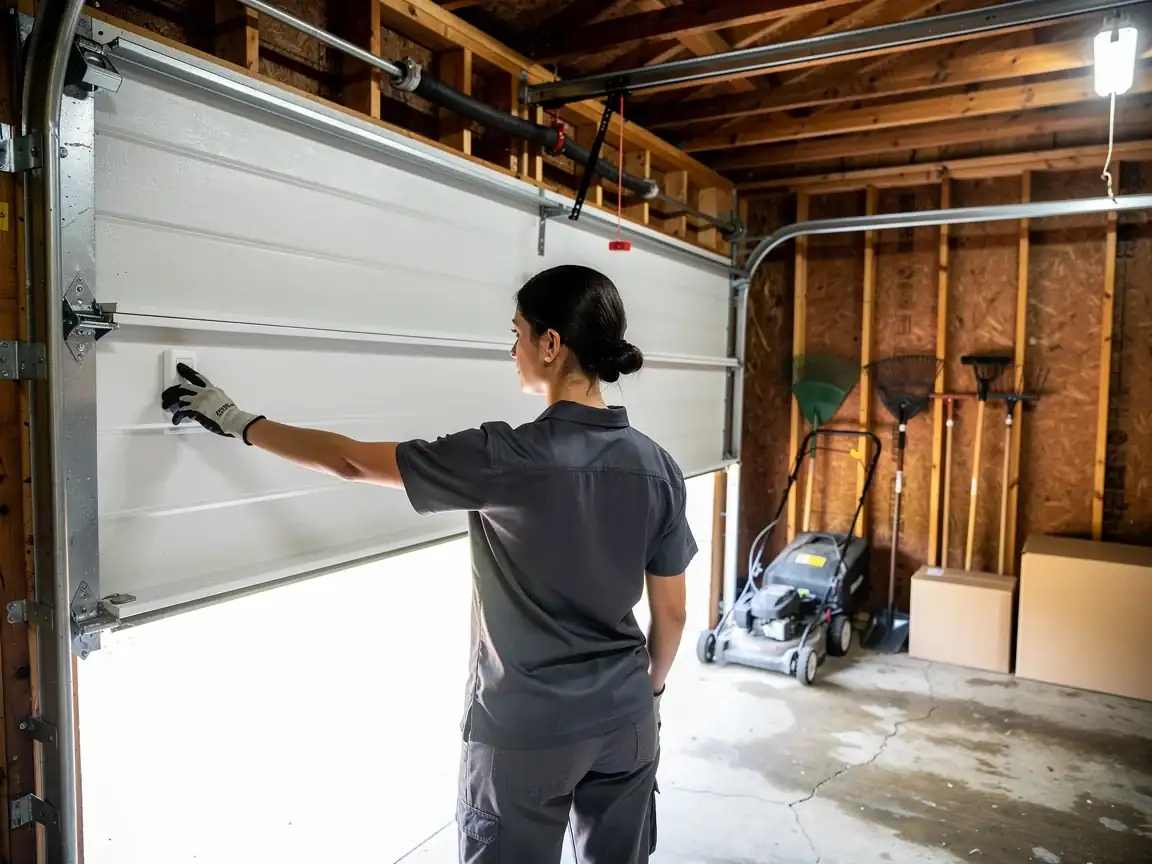
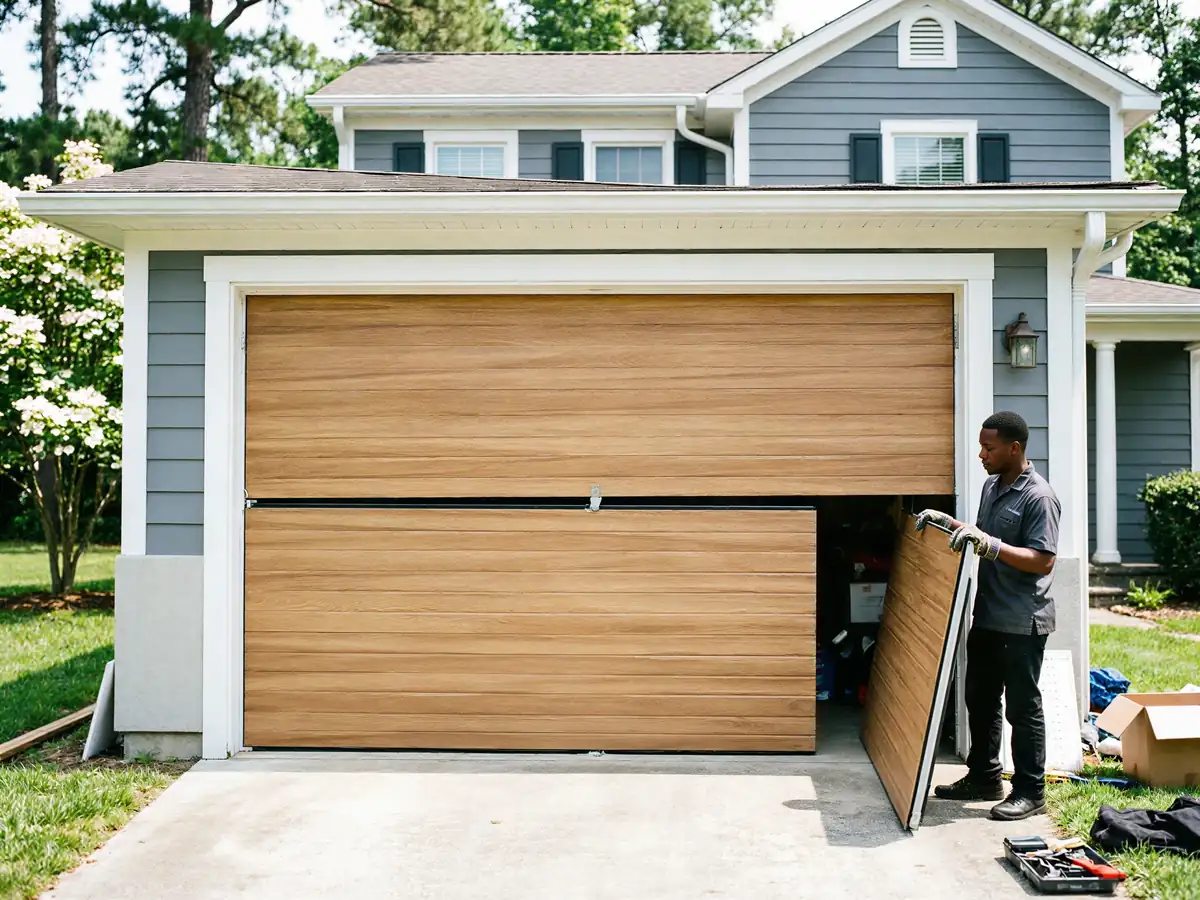
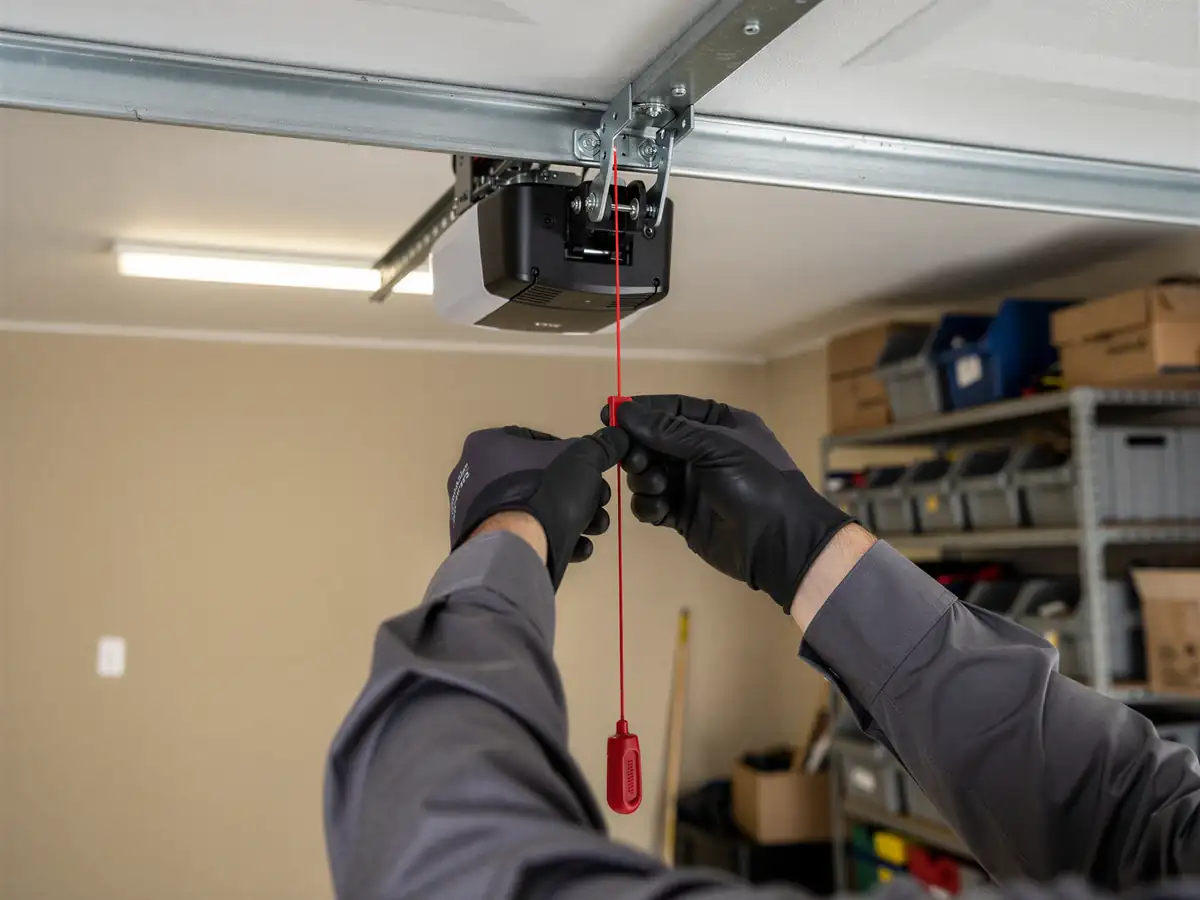
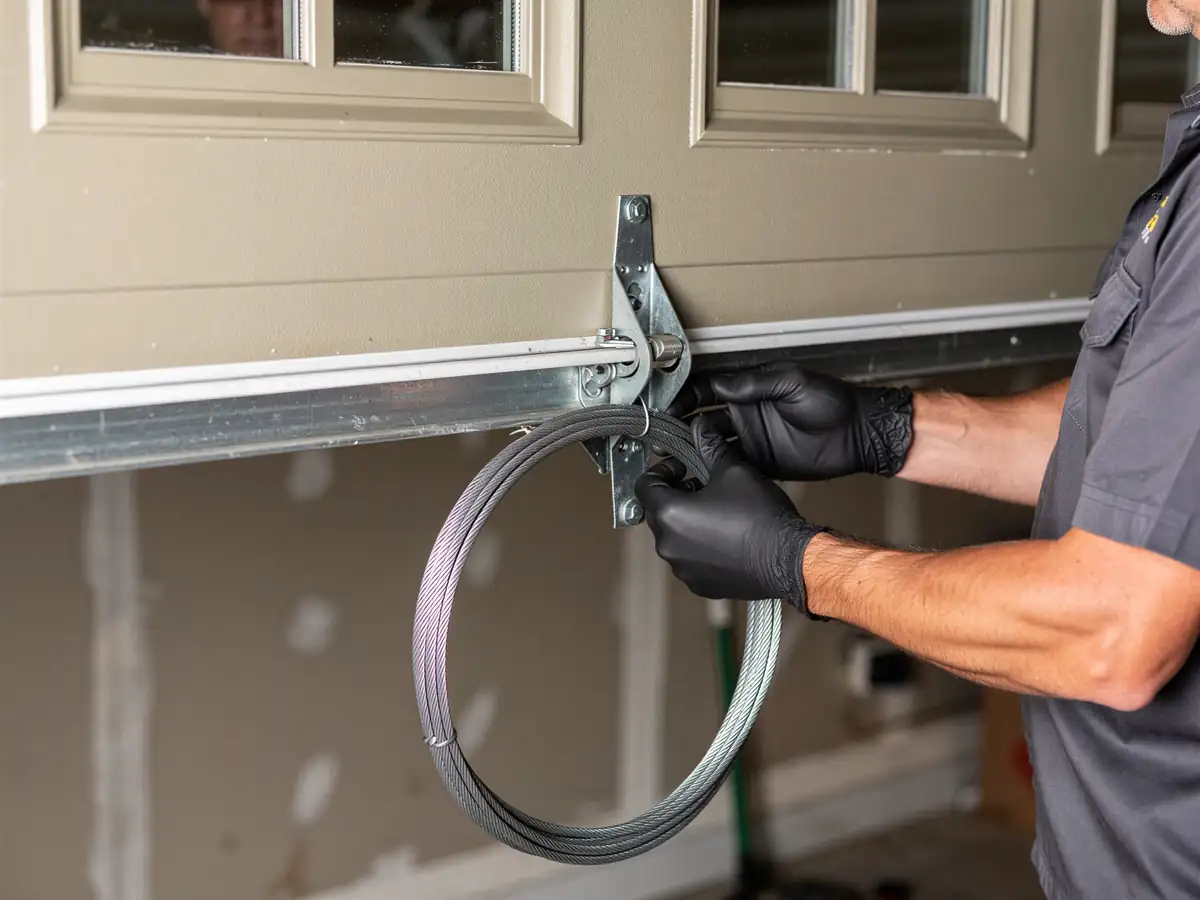
A cable that's gone bad doesn't always announce itself with a bang. Sometimes the door sits crooked in the opening, hanging low on one side like it's favoring a bad leg. Sometimes you hear a thin snapping sound right before the door refuses to move at all, and when you look down at the bottom corner, the cable's hanging loose or frayed into little wire hairs instead of a smooth braid. Other times it's quieter: the door reverses halfway up, or the opener strains and groans without the door actually lifting. If you pull the release cord and try to lift the door by hand and it feels heavier on one side than the other, that's a cable complaint, not a spring complaint, even though people usually blame the spring first. Don't keep running the opener once you notice the lean. A cable under uneven tension can let the door drop fast, and a door that size coming down unexpected is not something you want near hands, feet, or a parked car. Shut it down, prop it if you have to, and get the cable looked at before you cycle it again.
Where This Job Goes Sideways
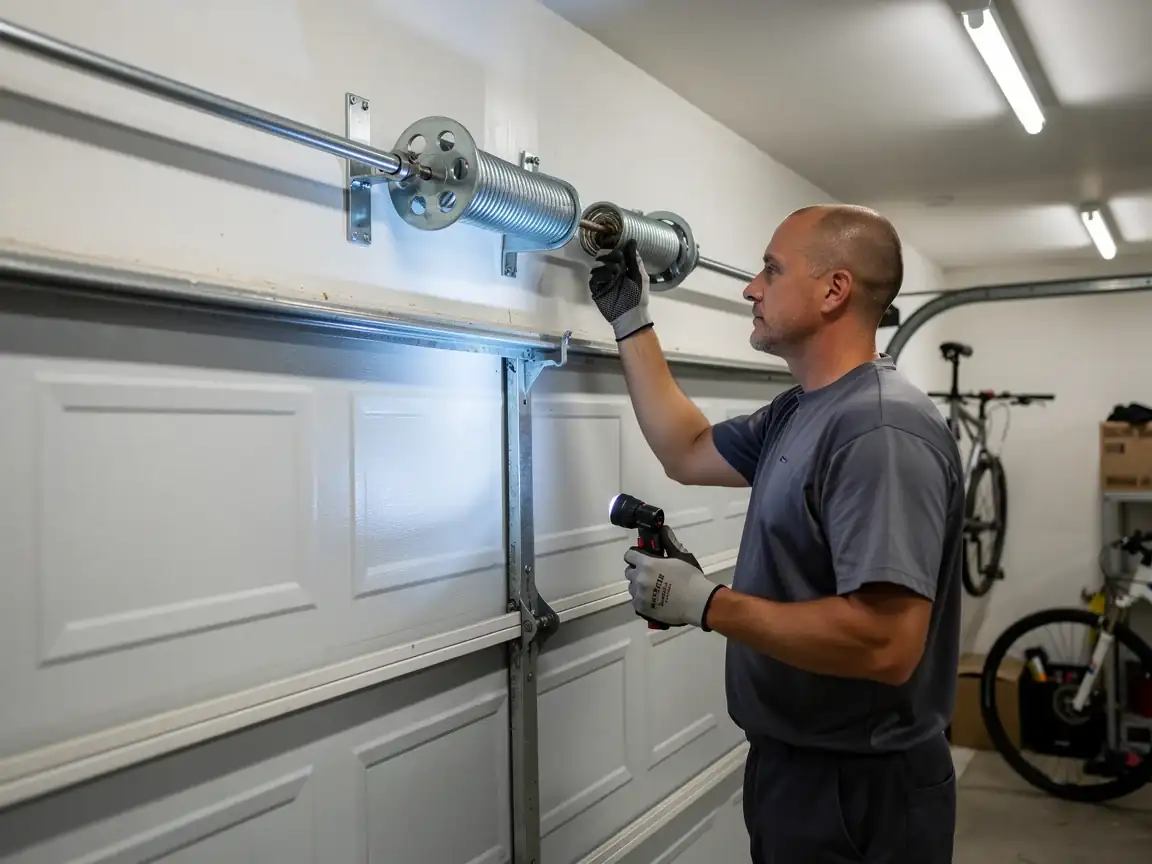
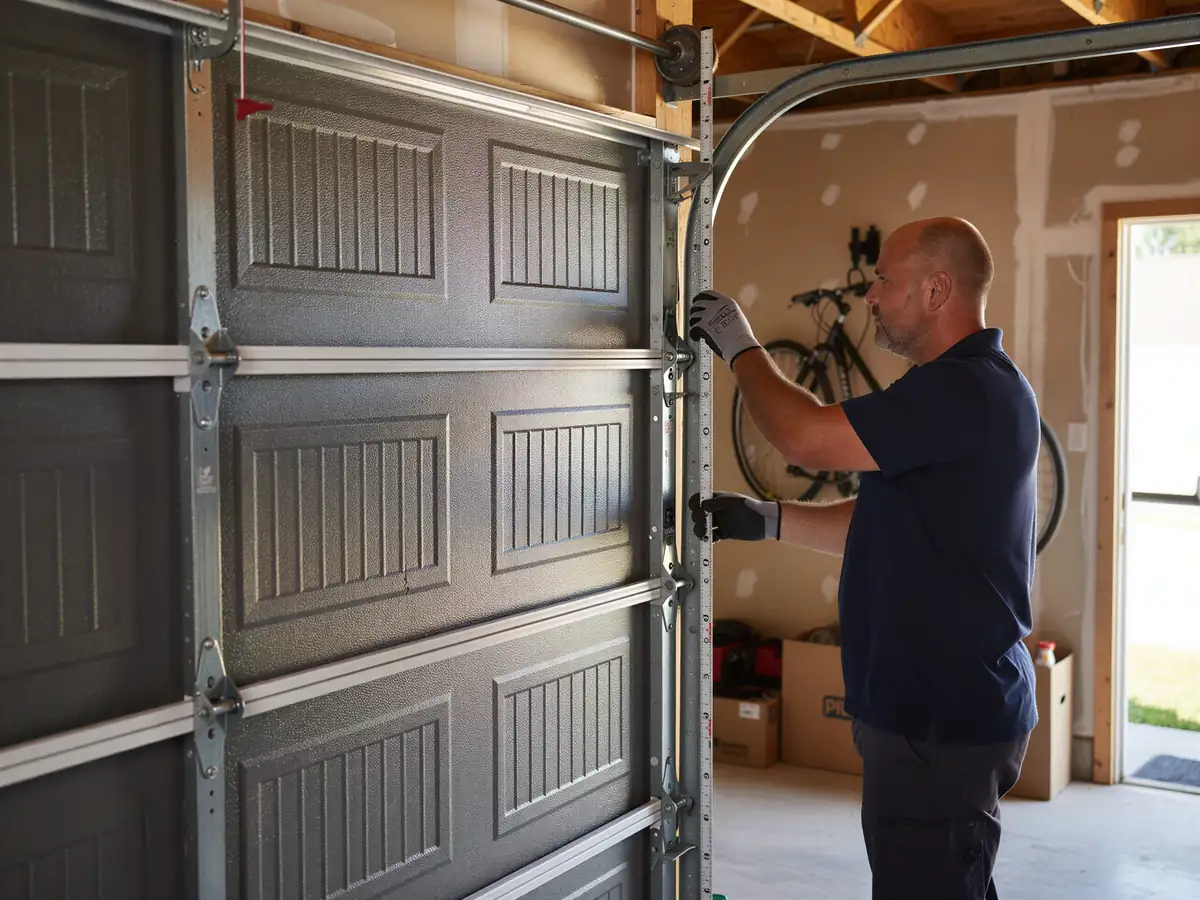
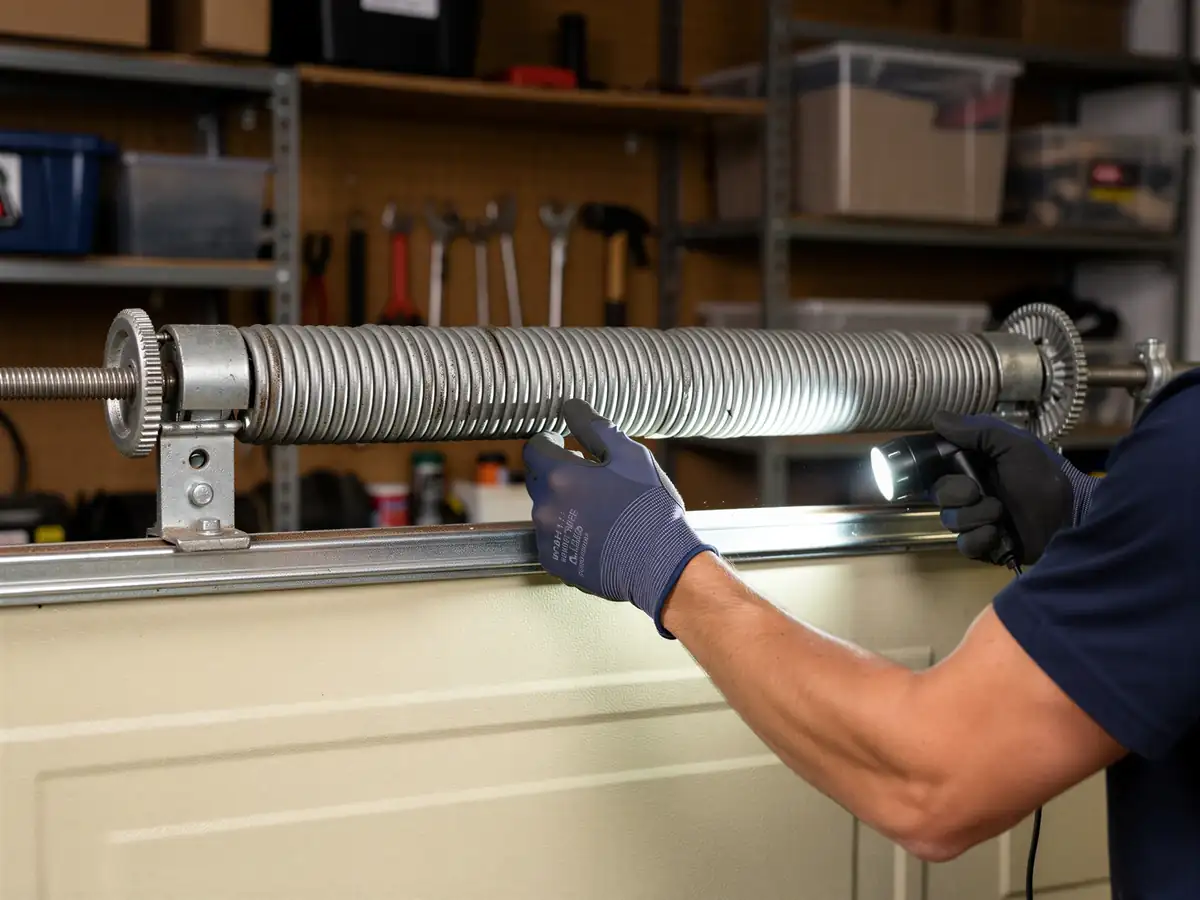
The cable itself is rarely the whole story. By the time one side snaps, the drum it was wound on has usually worn a groove, the other cable on the opposite side is close behind on fatigue, and the bottom bracket it's anchored to may have rusted or bent enough that a new cable won't sit right on it anyway. We've opened up jobs that looked like a simple cable swap and turned into a drum, a bracket, and sometimes the roller next to it, because all of that hardware ages together on the same door. The honest limitation here: we can't quote you a one-line fix over the phone before we've seen the drum and the bracket in person. A cable alone might be a short visit. A cable plus a chewed-up drum and a bent bottom bracket is a longer one, and guessing low on the phone and then surprising you on site isn't how we want to run a job. If your door is original to a house built in that mid-century wave of construction around here, assume the other side's cable is on borrowed time too, even if it hasn't let go yet.
What Causes It Around Here
Houses built between 1965 and 1991, with the median landing around 1976, still carry their original lift cables on galvanized aircraft-cable spools that were never rated for forty-plus years of cycling. Across the eight older sections of town that share this 1960s-70s stock, the cable drums wear the same way: grooves cut into the drum from decades of the same cable riding the same path, which is what eventually frays the strand running through it. Opelika's climate doesn't hit the deep-freeze snaps that shrink steel and snap cable overnight, but the mild-with-occasional-freeze swings here still work moisture into the strands season after season, and a cable that rusts from the inside out looks fine right up until it isn't. With roughly 6,300 owner-occupied houses in the service area, a big share of them built in that same mid-century window, cable failure is one of the most common calls we get, not a rare one. That same housing stock stretches out toward Loachapoka, Valley, and the other towns within twenty miles, which is why this page covers the service across the whole area instead of just one street.