The Symptom
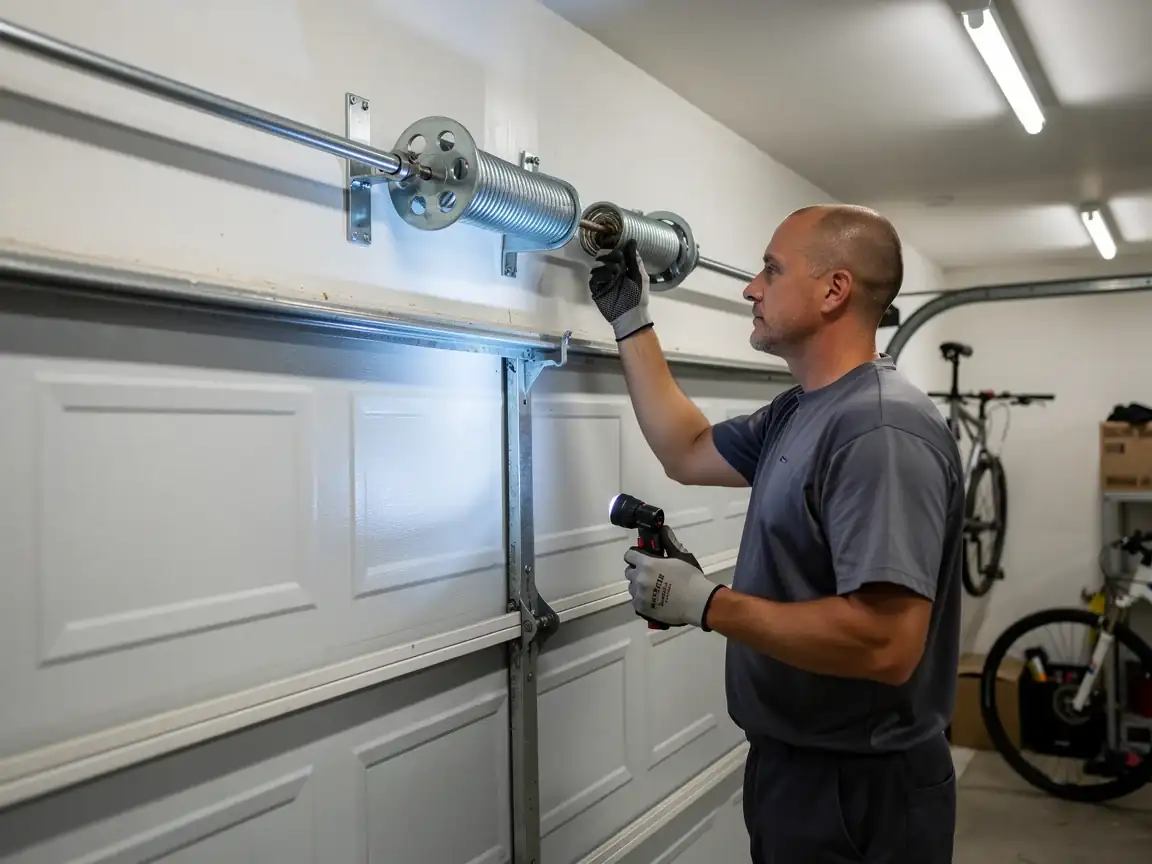
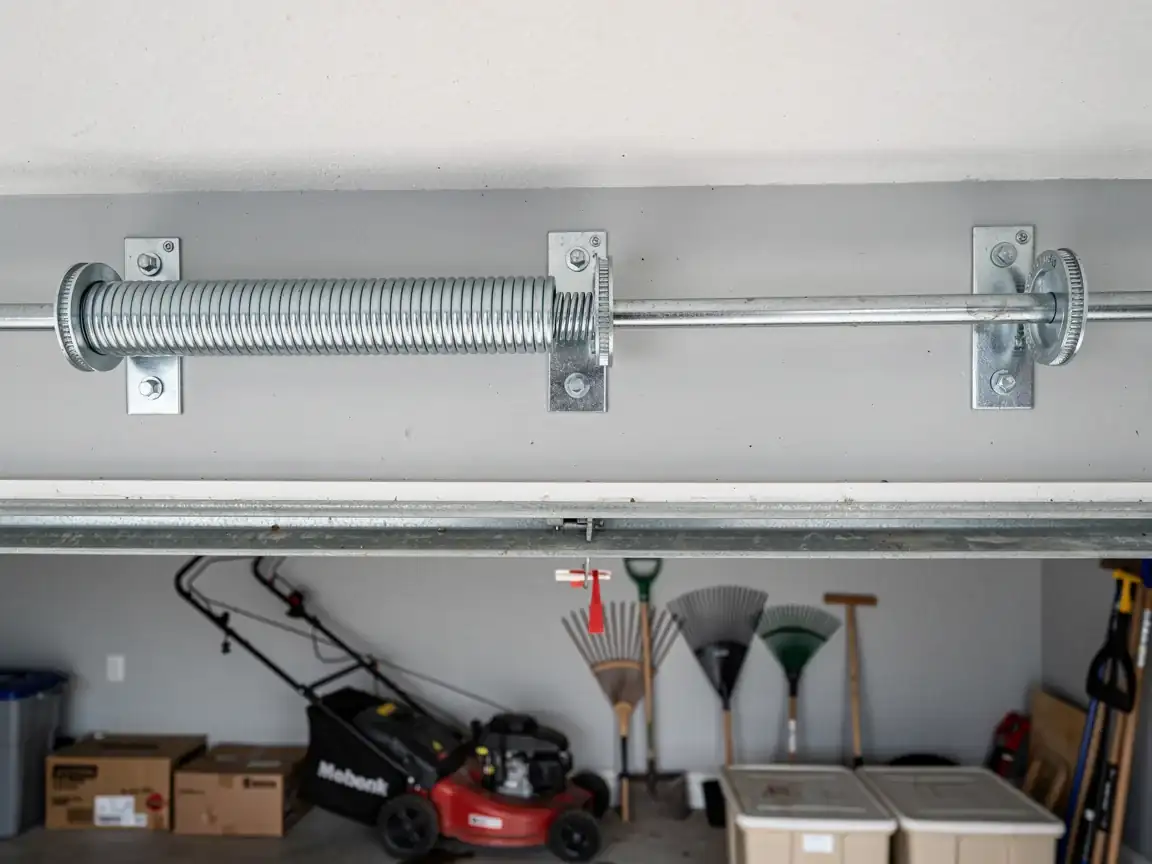
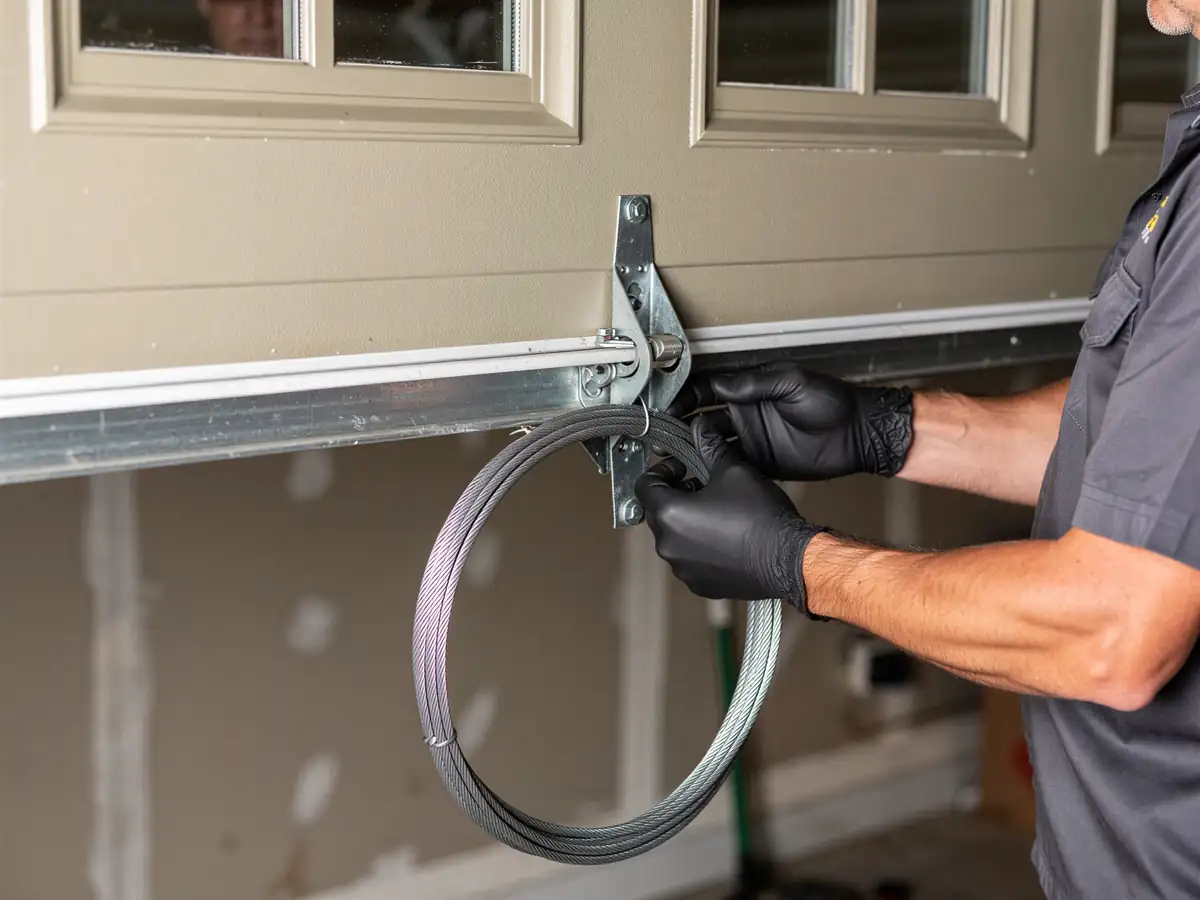
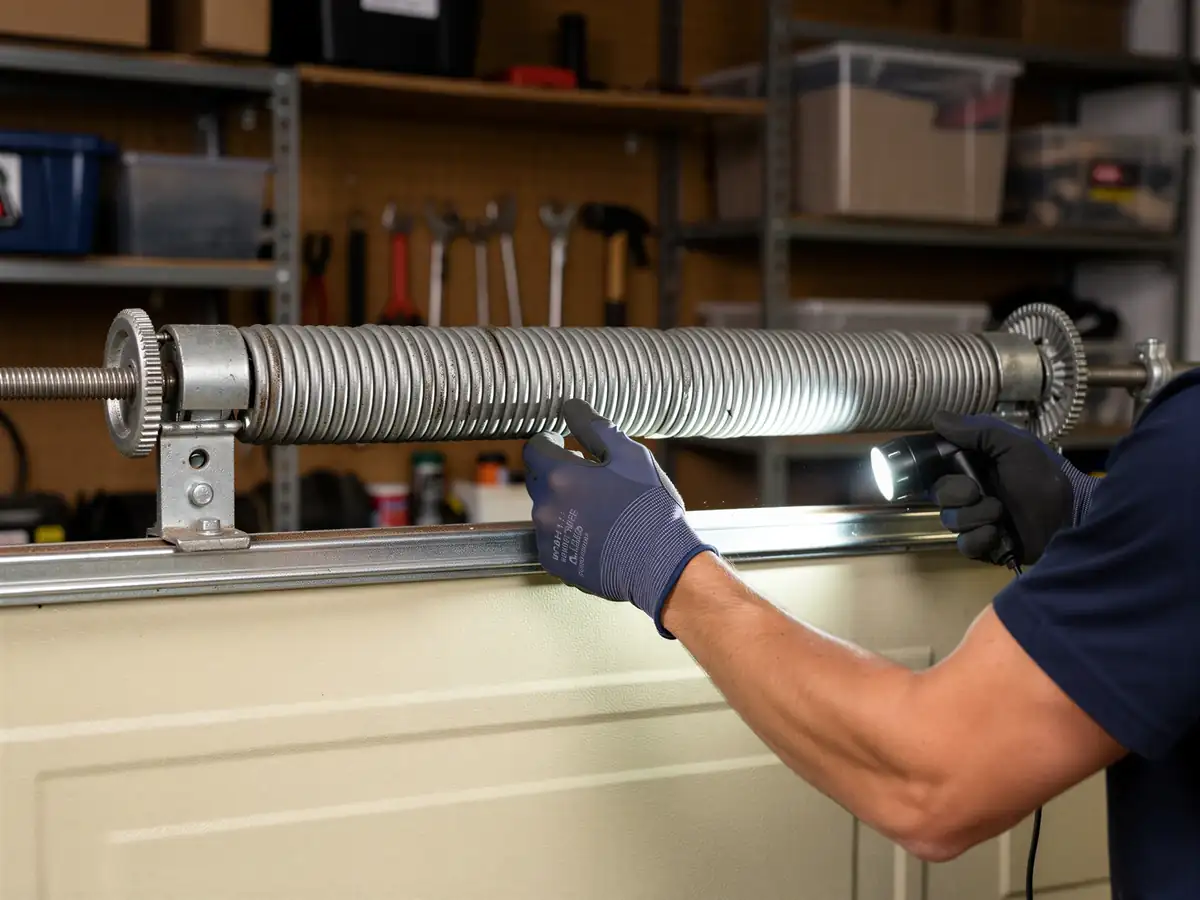
If your garage door won't budge, or it opens a few inches and stalls, that's almost always a broken spring, not the opener. Listen for a loud bang from the garage at some point before the failure - that's the sound of a torsion spring letting go under tension. After that, the door feels like dead weight. You might also notice a gap in the coil sitting above the door, or a cable hanging slack on one side of a double door.
Some owners try to force the door with the opener anyway. Don't. Without the spring doing its job, the opener motor is lifting the full weight of the door on its own, and that burns out gears and strips the drive gear fast. A door that's heavy to lift by hand, loud on the way up, or crooked at one corner is telling you the spring is already compromised even if it hasn't fully snapped. On a standard double door, you're looking at roughly 150 to 200 pounds of door weight normally carried by the spring system. When that system fails, nothing about lifting that door by hand or motor is safe to force.
Where This Job Goes Sideways
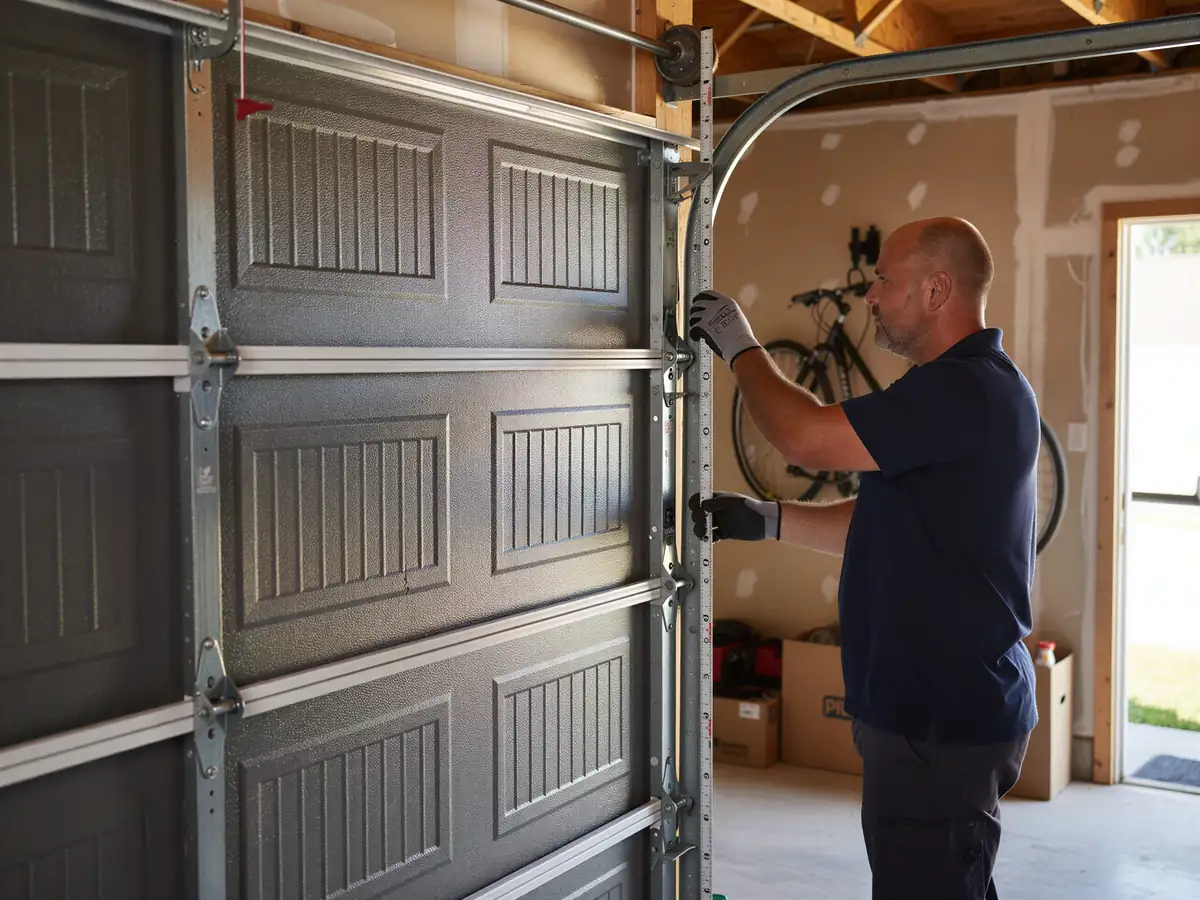
Spring repair looks simple from a YouTube video and goes wrong in a few predictable ways. The first is wrong part selection - torsion springs are sized by wire diameter, coil length, and inside diameter, and a spring that's close but not exact will either underperform or wear out again within months. On the 1960s and 70s housing stock that makes up most of this area, original hardware is often a size nobody stocks on a shelf anymore, which means the job starts with measuring the old spring correctly before any new part gets ordered.
The second way it goes sideways is tension. A torsion spring under load stores enough force to break a bone or worse if the winding bars slip. This isn't a job for a ladder and a pair of pliers. The third issue is mismatched pairs - replacing one spring on a double-spring setup and leaving the other old spring in place. That second spring is usually close behind the first in age and cycle count, and it tends to fail within weeks of its partner being replaced. We don't install half a repair.
The Cost of This Job
We're not going to put a number here that doesn't hold up once we're standing in your garage
Because spring jobs vary more than people expect. A single extension spring on a light one-car door costs less to fix than a pair of torsion springs on a heavy insulated double door. Cycle rating matters too - a spring rated for 10,000 cycles costs more than a 5,000-cycle spring but lasts roughly twice as long, which matters if you use the door several times a day.
What we can tell you honestly
In a service area with a median household income around $45,493, we price jobs to be fixed, not padded with upsells. If your opener and track are in decent shape, you don't need a new door system - you need a spring that's sized right and installed under proper tension. If the drum, cable, or track show wear from running on a bad spring for months, we'll tell you that too, because a spring swap on top of worn-out drums just means a second call later.
- $45,493 median household income
What Causes It Around Here
Most of the housing in this service area went up between 1965 and 1991, with the typical home dating to around 1976. That's a specific problem for springs: steel torsion springs have a rated cycle life, and a spring installed when a house was built in the mid-70s has had roughly five decades to work through that rating, even on a door that's only opened once or twice a day.
Across the older neighborhoods that make up most of this 1960s-and-70s-era housing stock, a lot of that original hardware is aging out at the same time, which is why spring calls cluster rather than trickle in one at a time. Climate plays a smaller but real role too - this area sits in a mild band with occasional freezes, so springs here aren't dealing with deep winter cold, but they do see swings between humid summer heat and the occasional cold snap, and that expansion and contraction adds fatigue cycles a spring in a steadier climate wouldn't see.