The Drive Over
Smiths Station sits about 19 miles from our shop in Opelika, which is the longest run in our coverage area alongside Camp Hill. We don't keep a crew stationed out here, so a job in Smiths Station means a truck loaded before it leaves, not a quick turnaround from down the street. That's worth saying plainly: if you need same-day work, call and ask what the schedule looks like rather than assuming we're around the corner. The drive itself isn't the issue - it's that we plan the day around it, grouping calls when we can so the trip pays off for everyone on the route.
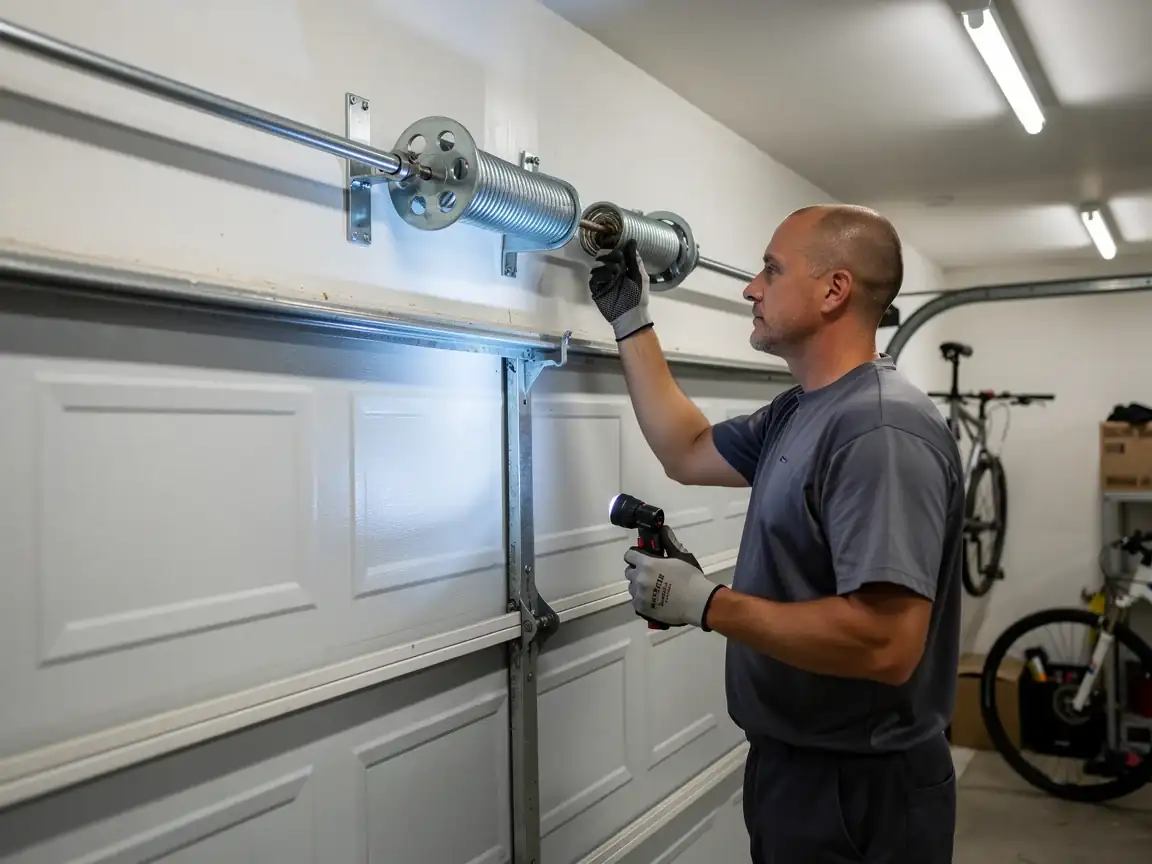
What the distance doesn't change is the work. A broken spring or a cable off its drum behaves the same whether we're 5 miles out or 19. We bring the same stock of torsion springs, rollers, and opener parts we'd bring anywhere else on the route. The difference is scheduling, not capability.
What That Means for Doors
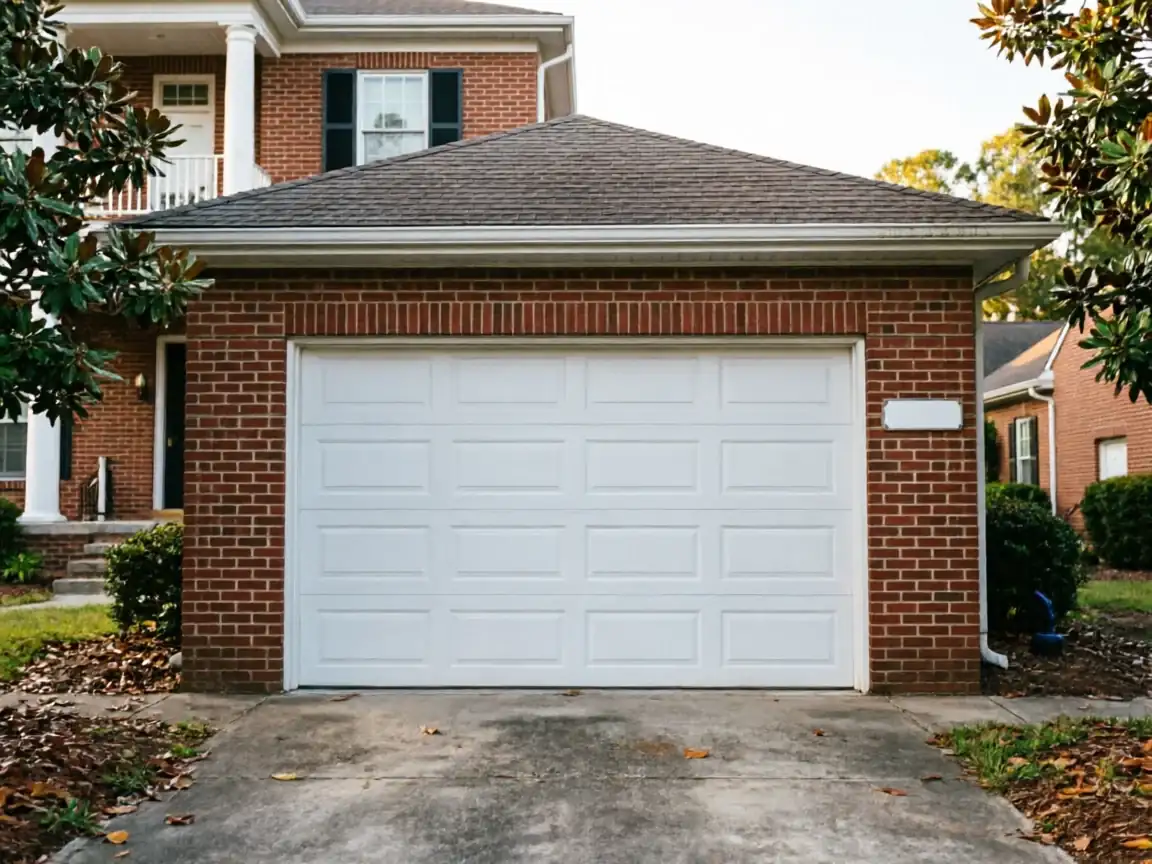
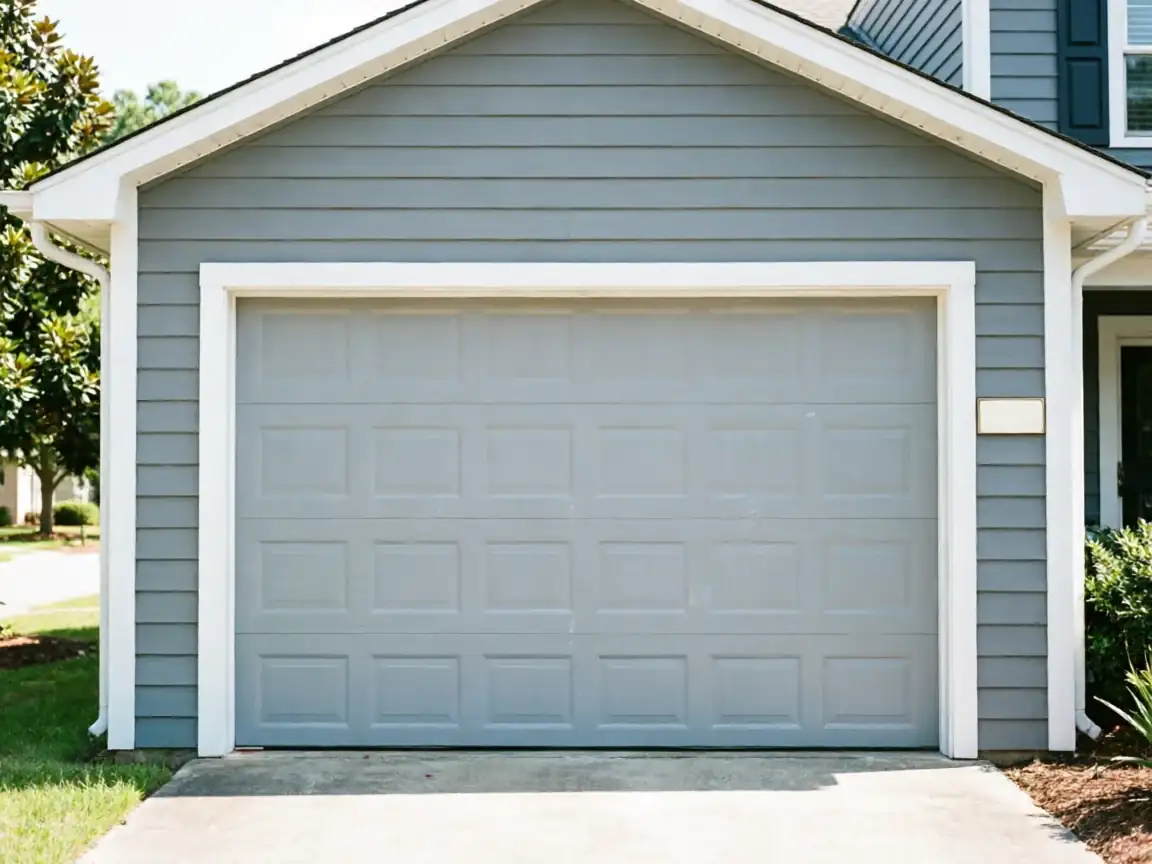
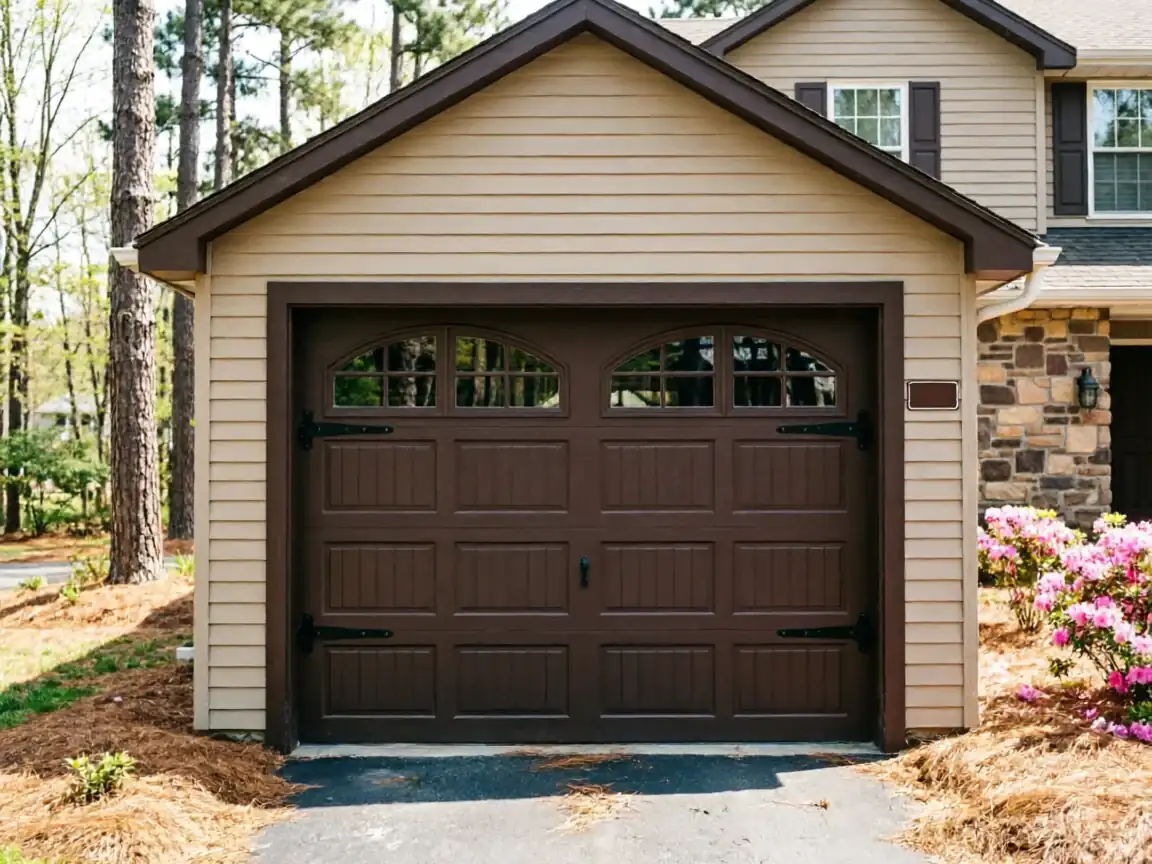
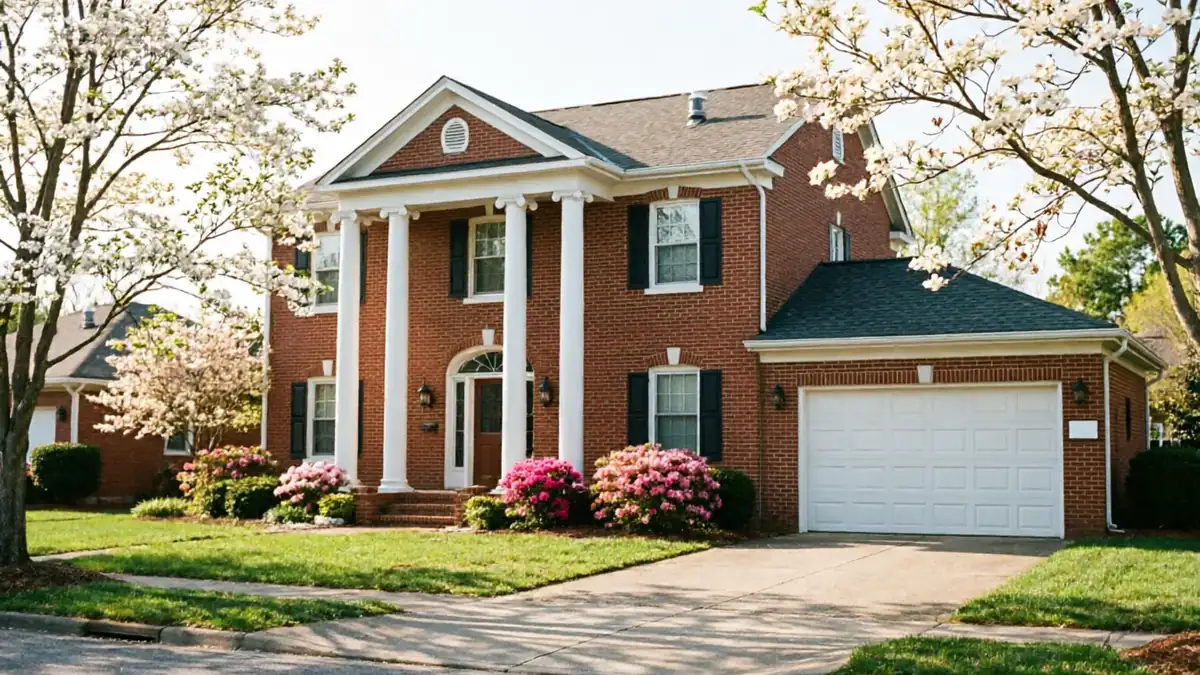
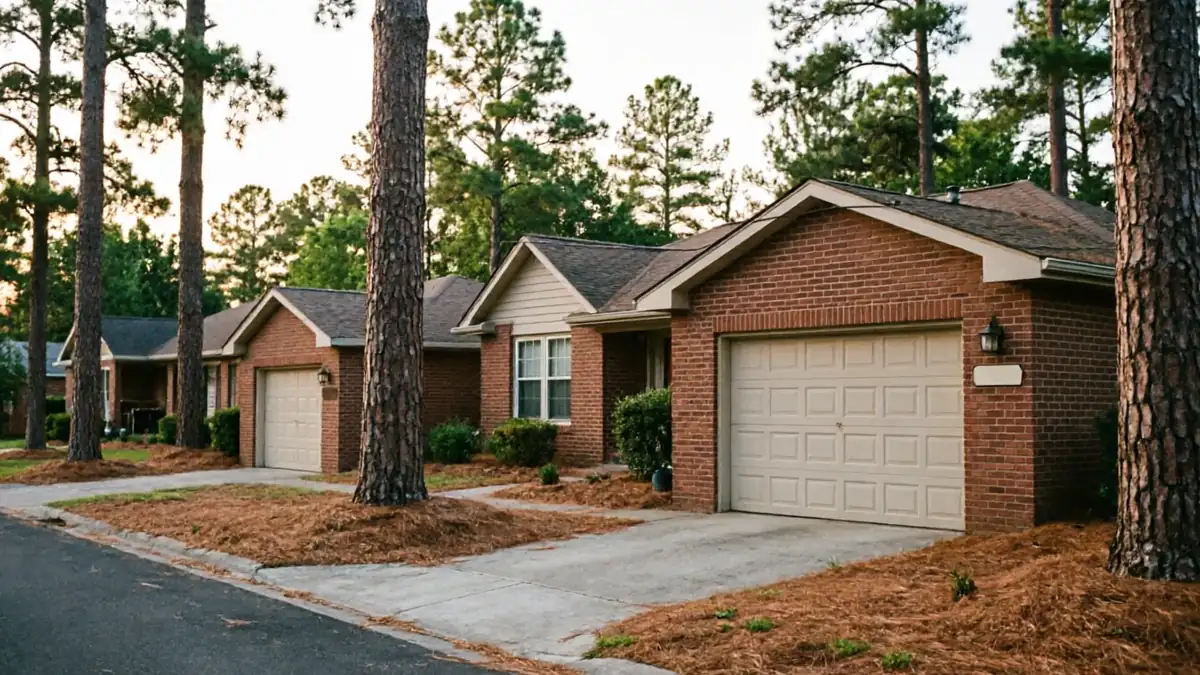
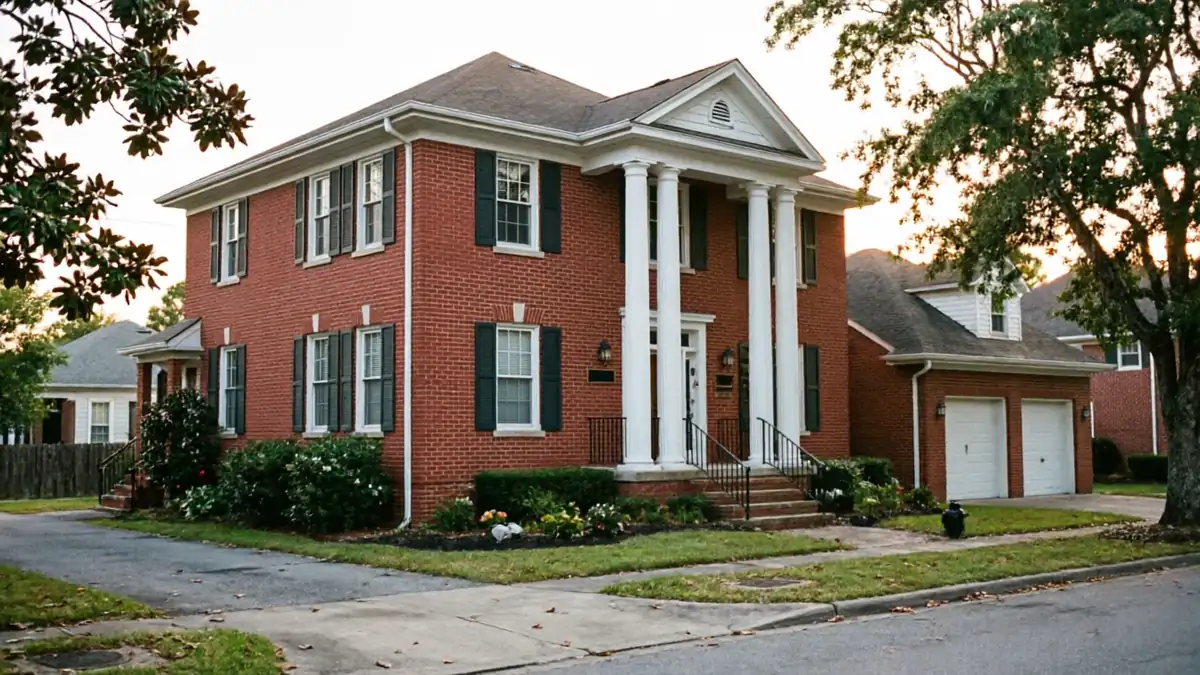
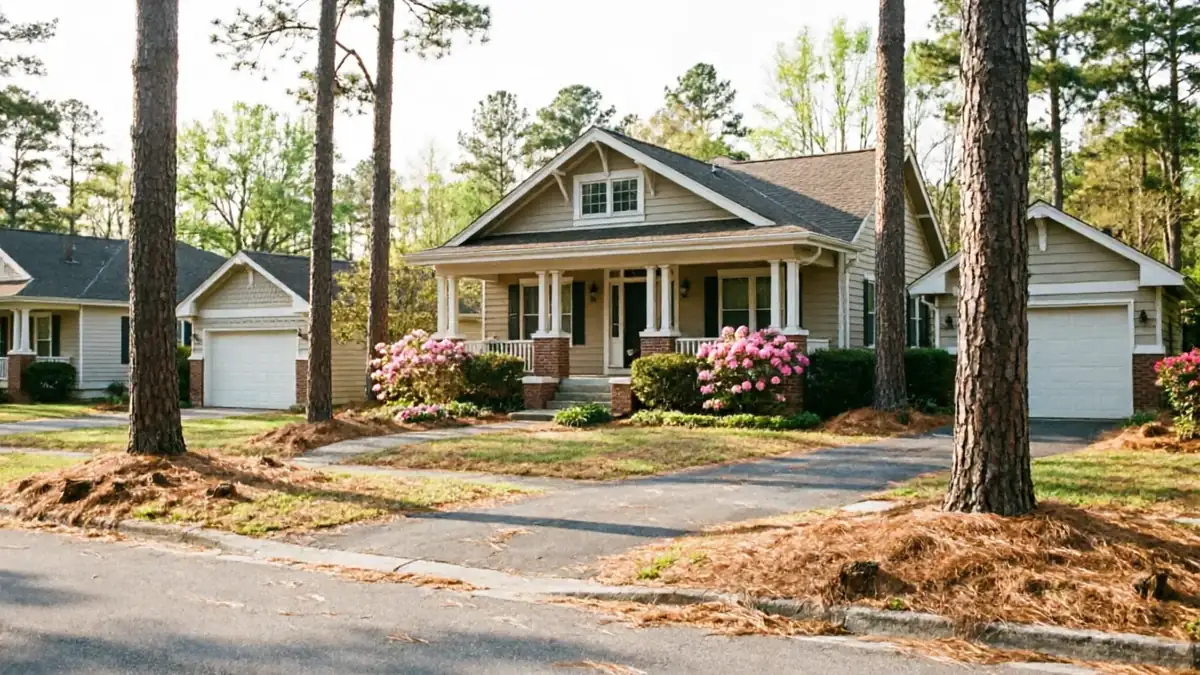
This is the part that actually separates Smiths Station from the rest of the service area. Median year built here runs around 1991, noticeably newer than the 1976 median across the wider coverage area, where most homes went up in the 1960s and 70s. That gap matters on a garage door job. Houses built in the early 90s generally came with factory steel sectional doors on extension or torsion springs that are closer to today's hardware than the one-piece doors and side-mounted torsion setups common on older stock elsewhere in the coverage area.
What that means in practice: parts availability is usually better here, because the hinges, rollers, and track sizes on a 1991-era door match what's still on the shelf. We're not chasing down obsolete drums or odd-width tracks like we sometimes do on the 1960s side of the territory. Openers from that era are also more likely to be chain-drive units that have already been swapped once or are due. If your house in Smiths Station is original to its build year, the opener motor is the part most likely asking for attention before the door itself does.
The Usual Work Here
With 1,728 households in the area and a median income of $57,410
Higher than the broader service area's $45,493 - we see more replacement calls here relative to patch-and-go repairs, and more owners asking about insulated steel doors over bare panel. That's not a guess about taste, it's what the income gap tends to produce: more people choosing to replace an aging opener outright rather than nurse it along.
- 1,728 households
Spring failure is still the most common emergency call regardless of income or build year
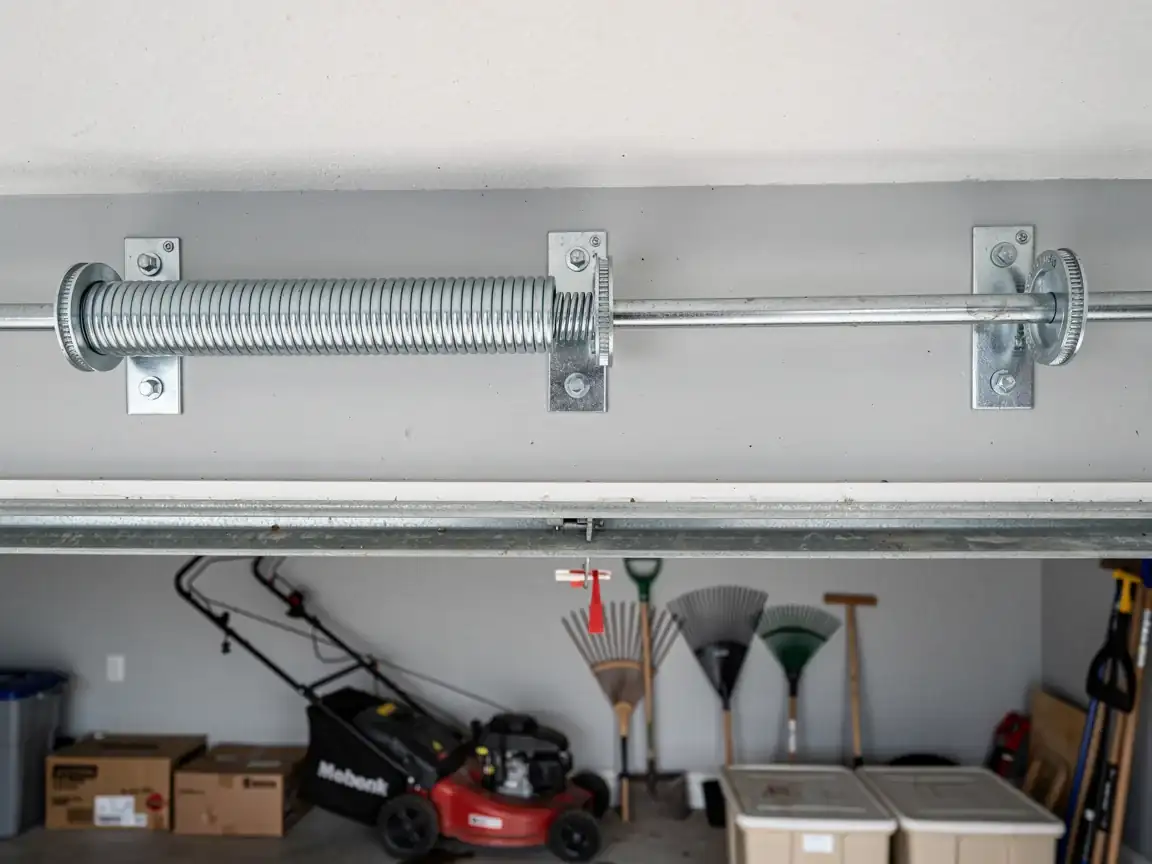
A torsion spring gives out and the door won't lift, full stop. On newer doors like the ones common here, that's usually a straightforward spring swap, not a hunt for matched parts. Roller and cable wear shows up a little later on these doors than on 1970s stock, simply because the whole system is younger. The climate here is mild with occasional freeze, so we don't see the extreme cold-snap failures some regions get, but a hard freeze can still stiffen a spring enough to snap it on the next cold morning.
What Was Built Here
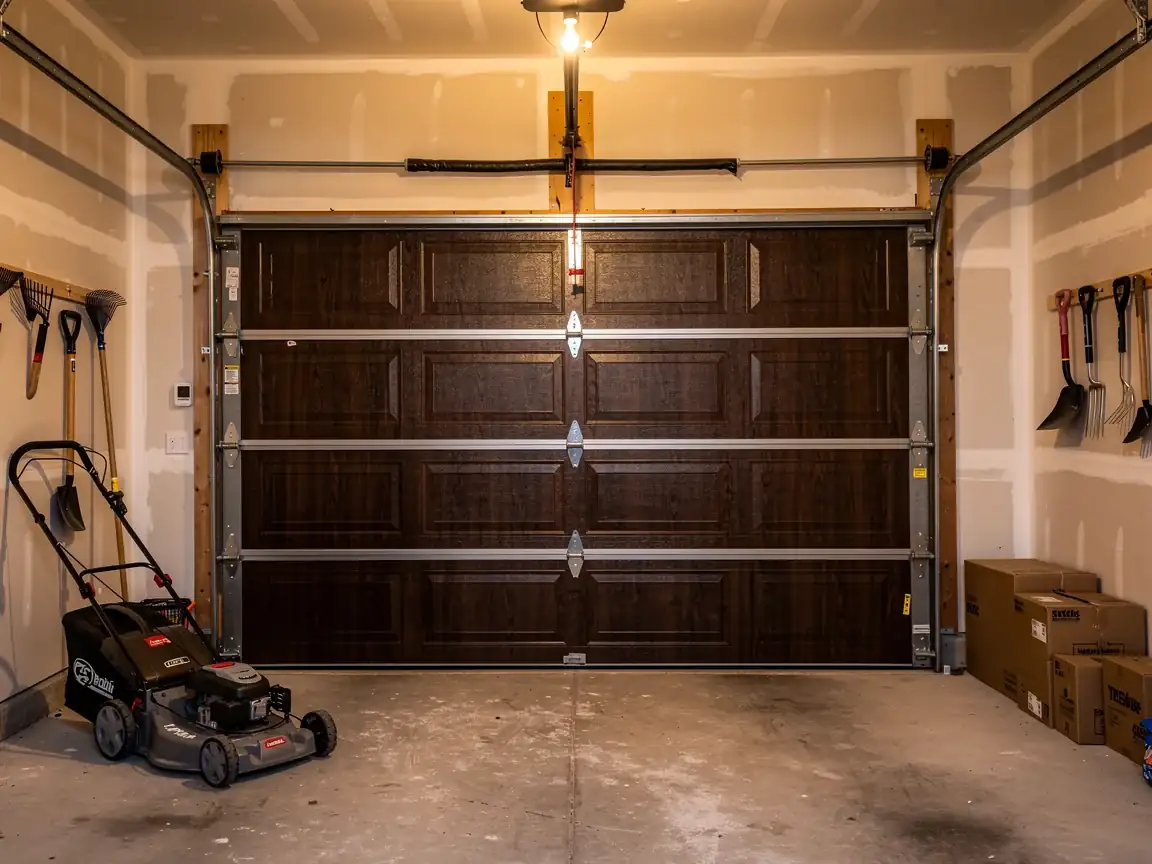
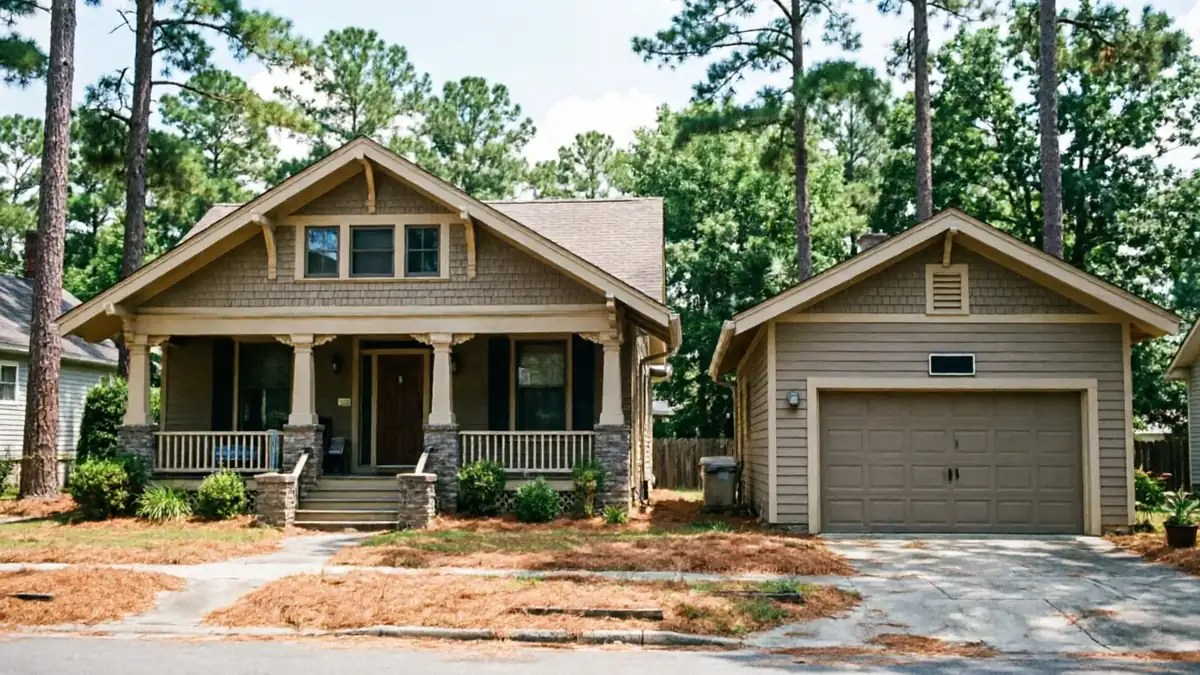
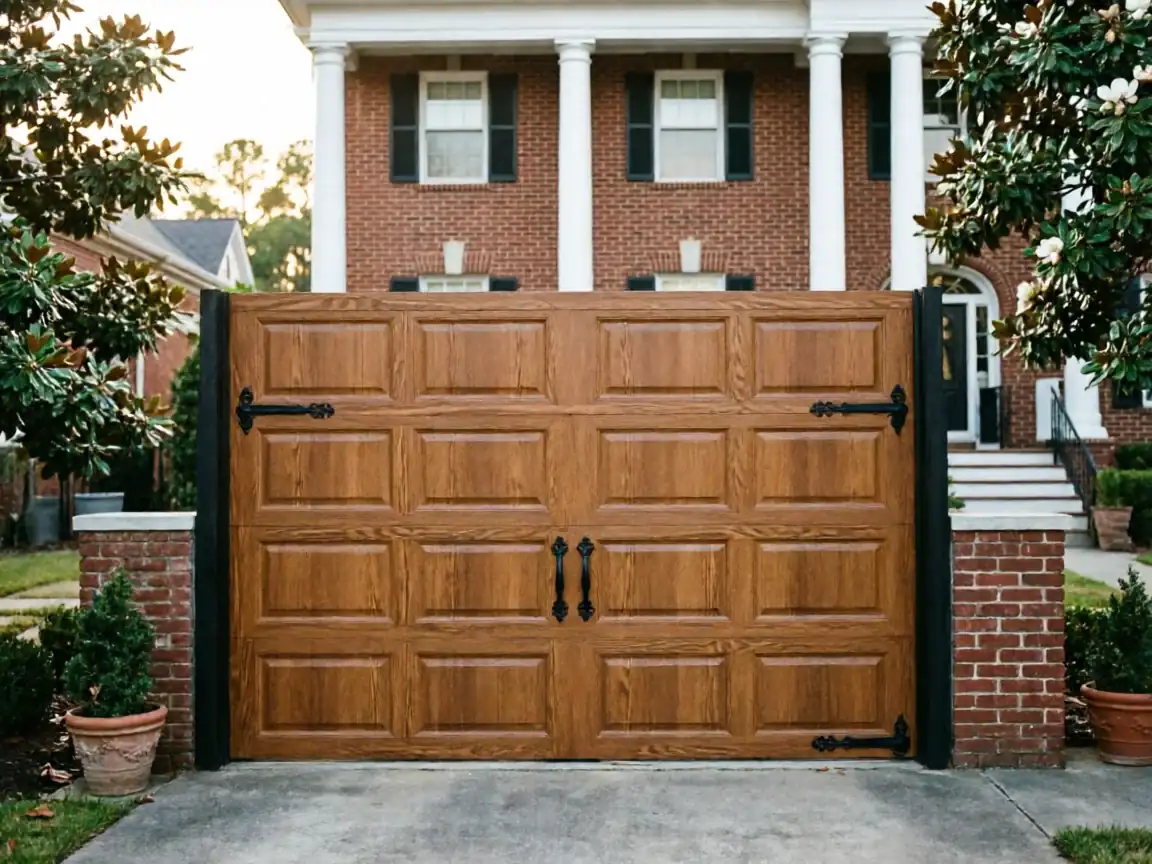
The short version: Smiths Station skews newer than most of what we cover out of Opelika. A median build year around 1991 puts a good share of the housing stock here two to three decades past original construction, which is the window where openers typically need their first real replacement and springs are on their second life if nobody's touched them yet. Doors from this era are usually steel sectional, which holds up well but isn't maintenance-free - weatherstripping dries out, bottom seals crack, and the factory rollers eventually wear enough to make the door loud going up.
One honest limitation: because we're not local to Smiths Station the way we are to Opelika itself, we can't promise a same-day fix on every call - if your spring breaks on a Saturday evening, you may be looking at the next available slot rather than an hour-out response. We'd rather tell you that upfront than have you wait on a truck that isn't coming.