Where This Job Goes Sideways
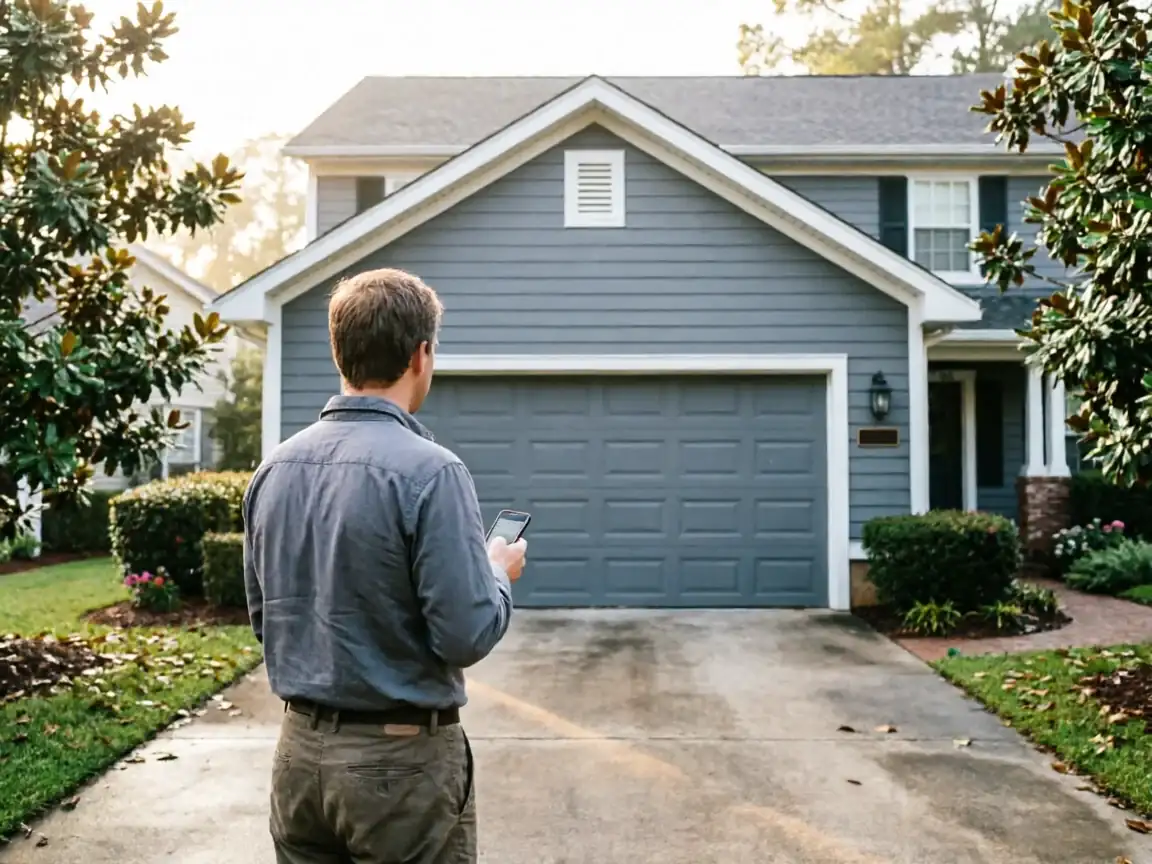
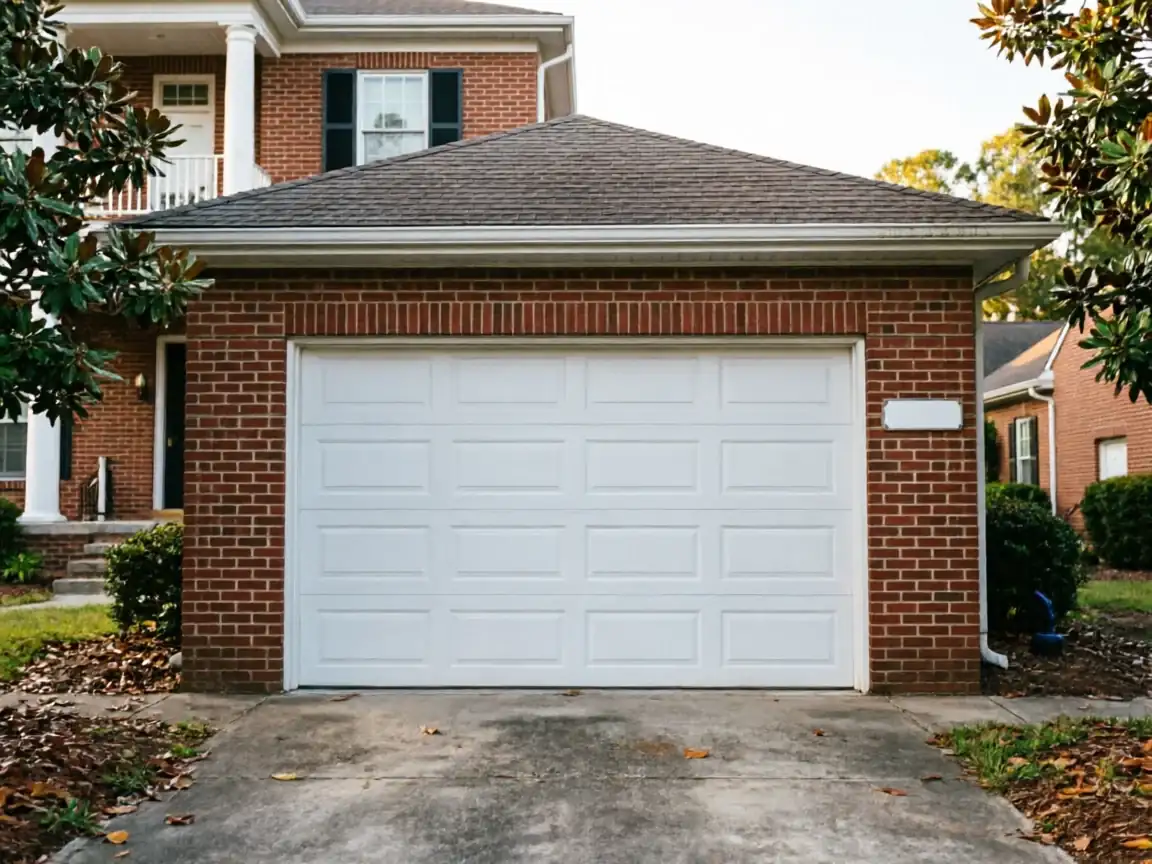
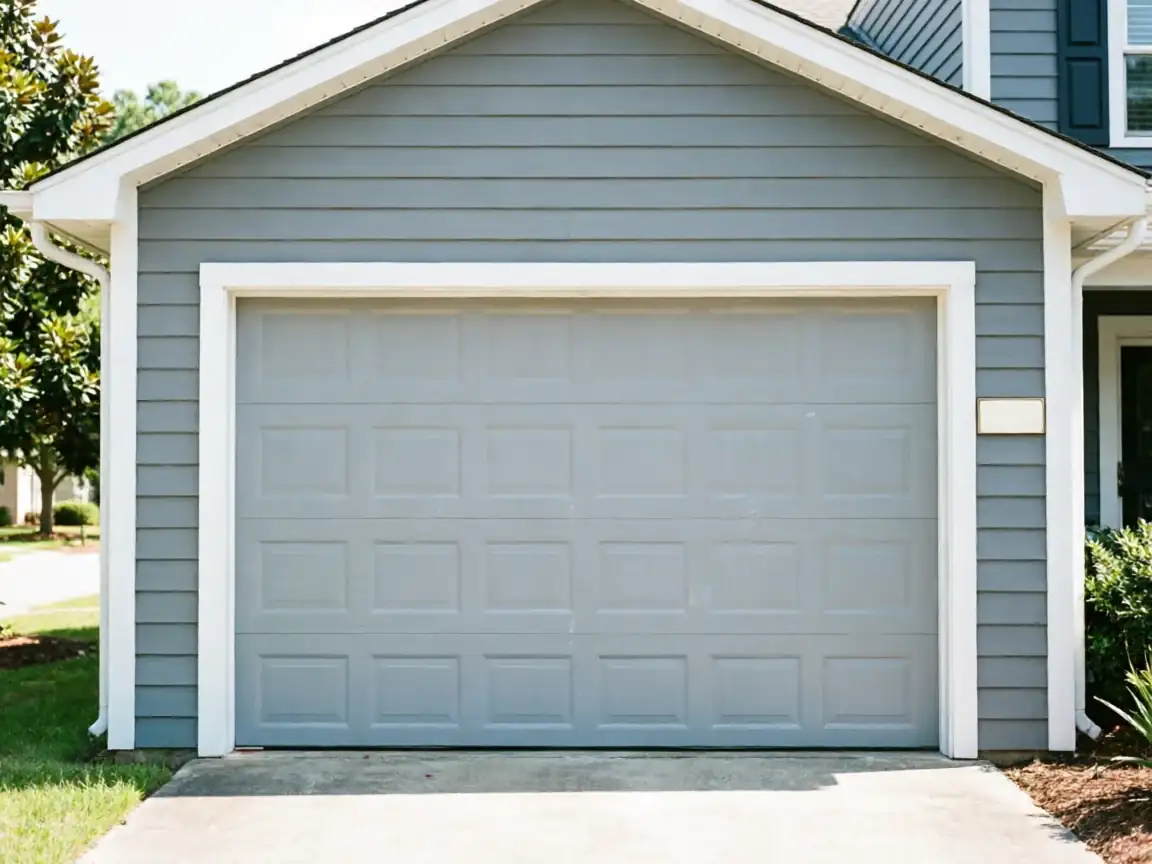
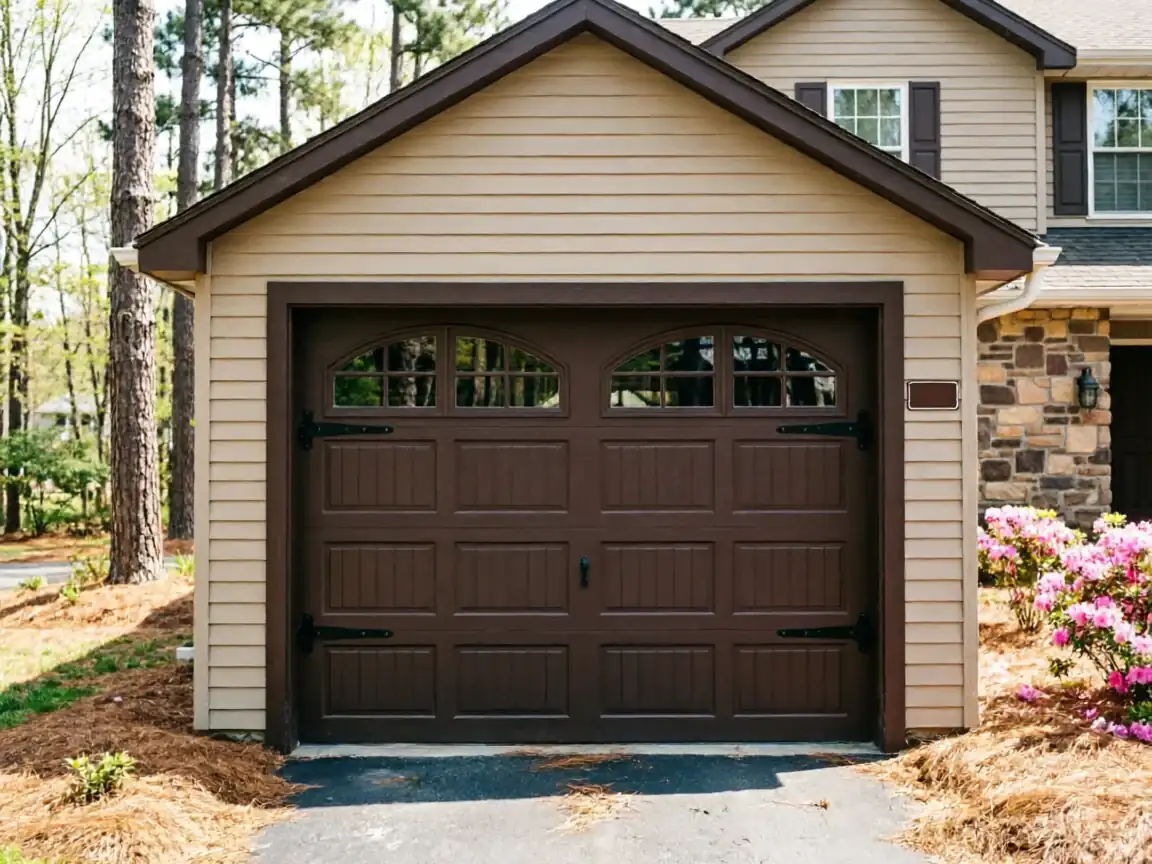
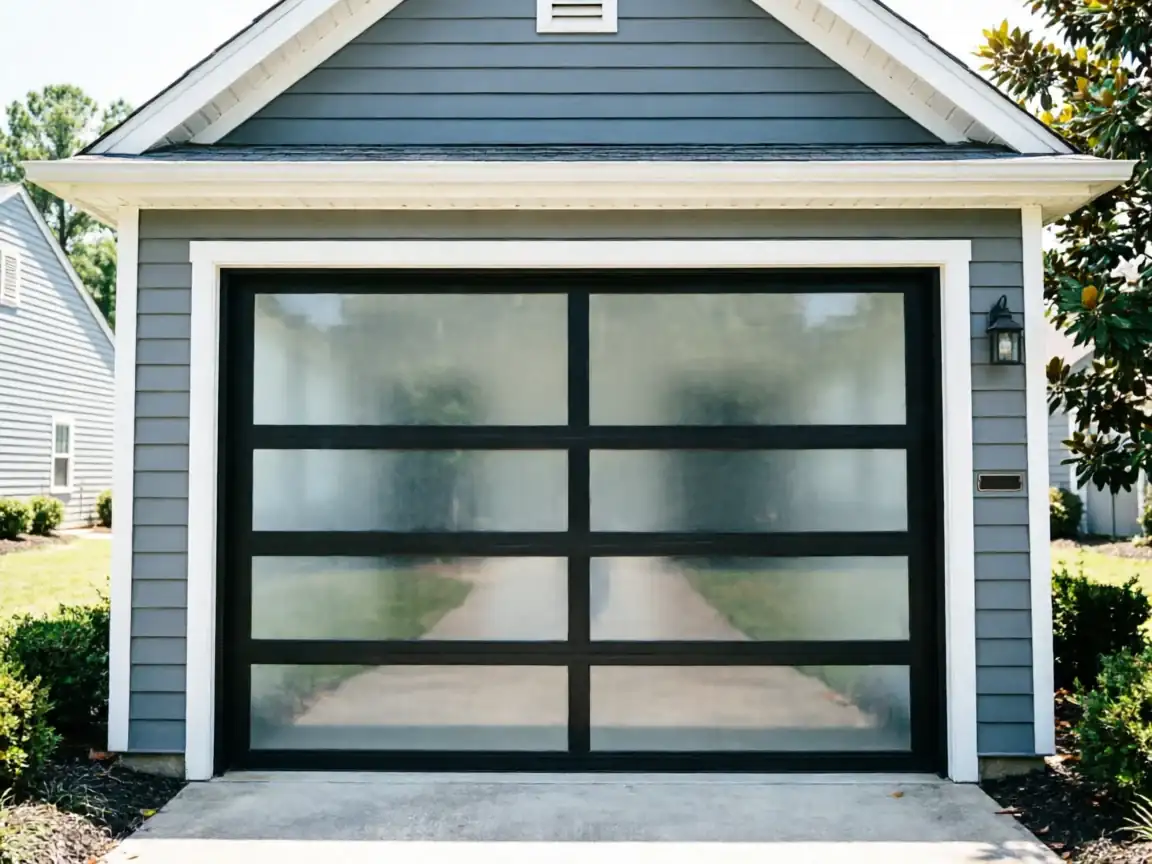
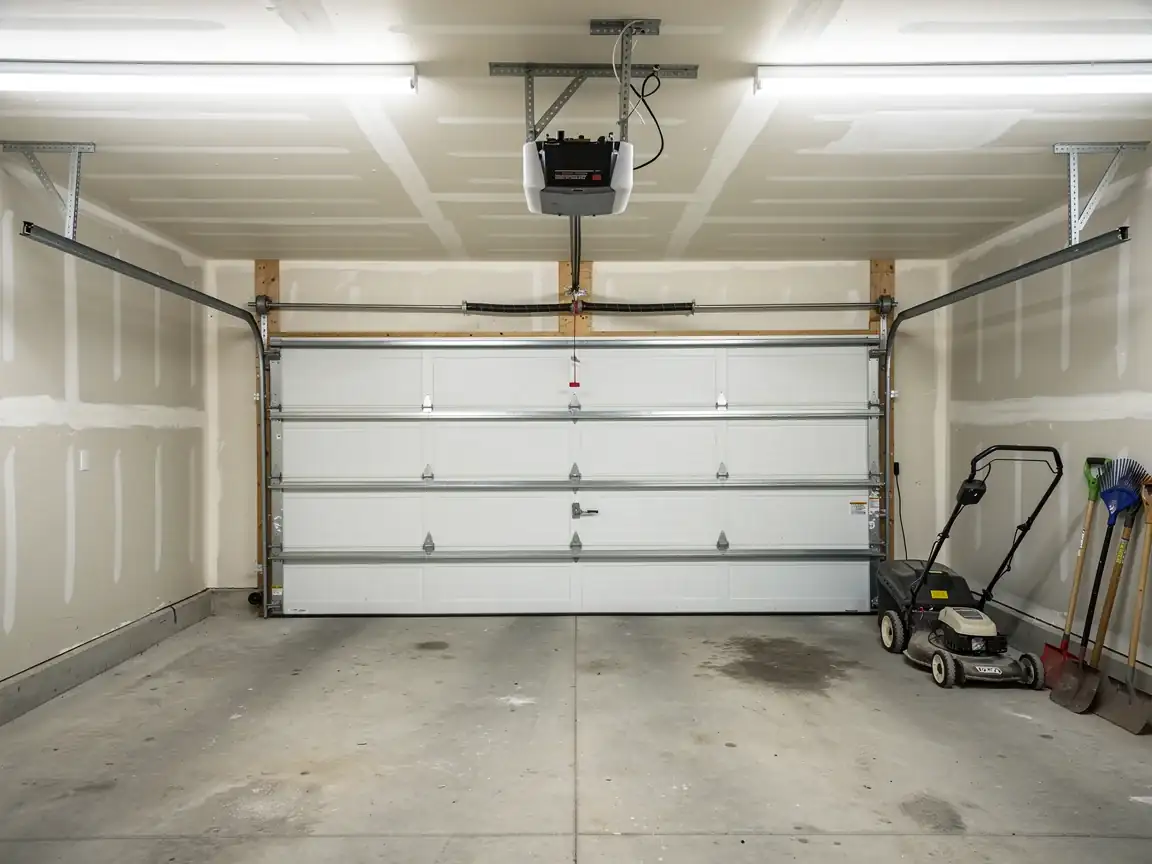
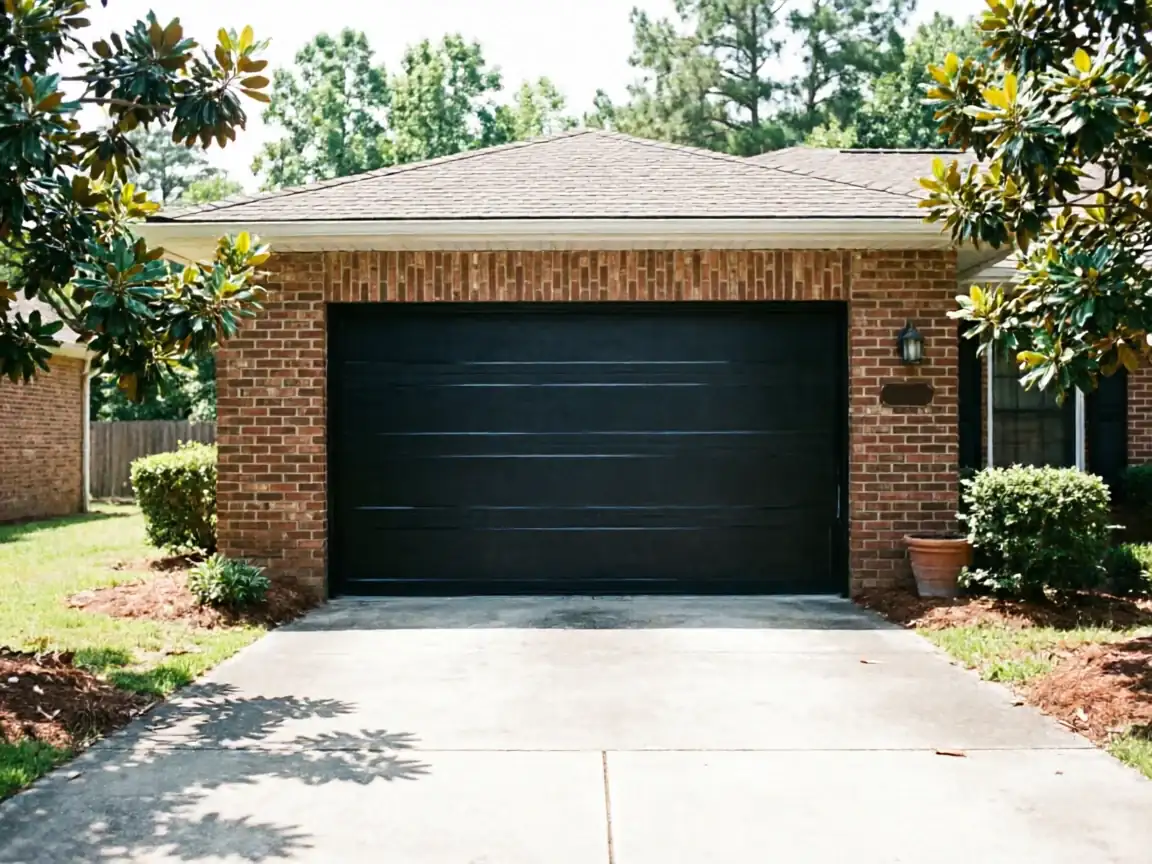
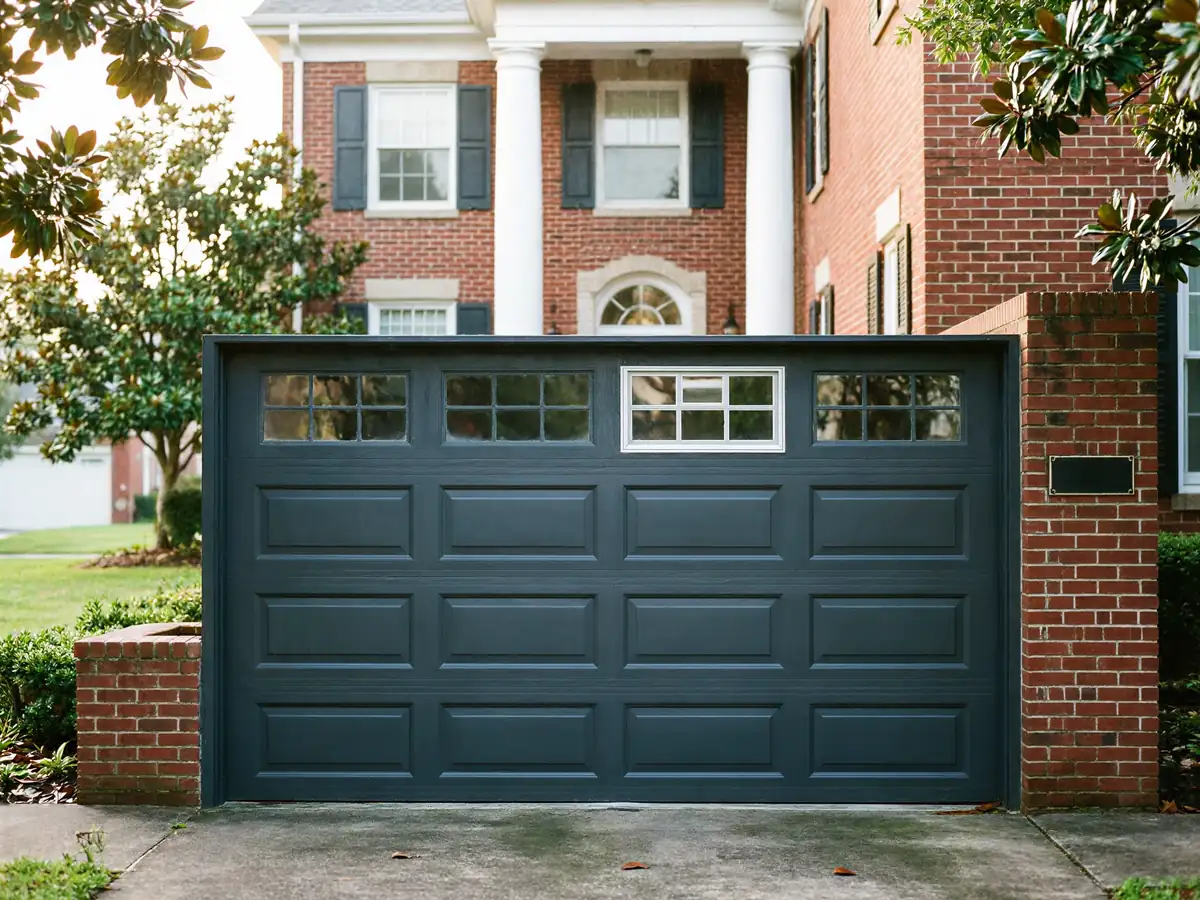
Most of the broader Opelika service area was built out between 1965 and 1991, with the median house going up around 1976. Smiths Station sits at the late end of that range - the median home here dates to about 1991. That matters more than it sounds like it should. A house from 1991 was wired and framed for an opener that's heavier-duty than what went into a 1970s build, and the header above the door was sized for a bigger unit. Where this goes sideways is when a homeowner swaps in a cheap replacement opener that doesn't match the original mounting hardware or the header clearance the house was built with. The bracket fits, the unit runs, and six months later the travel limits are off or the mounting is flexing under load. We see this more in Smiths Station than in the older pockets of the service area simply because there's more framing to work with here, and more room for a mismatched unit to hide its problems for a while before they show up as a grinding motor or a door that reverses for no reason.
The Symptom
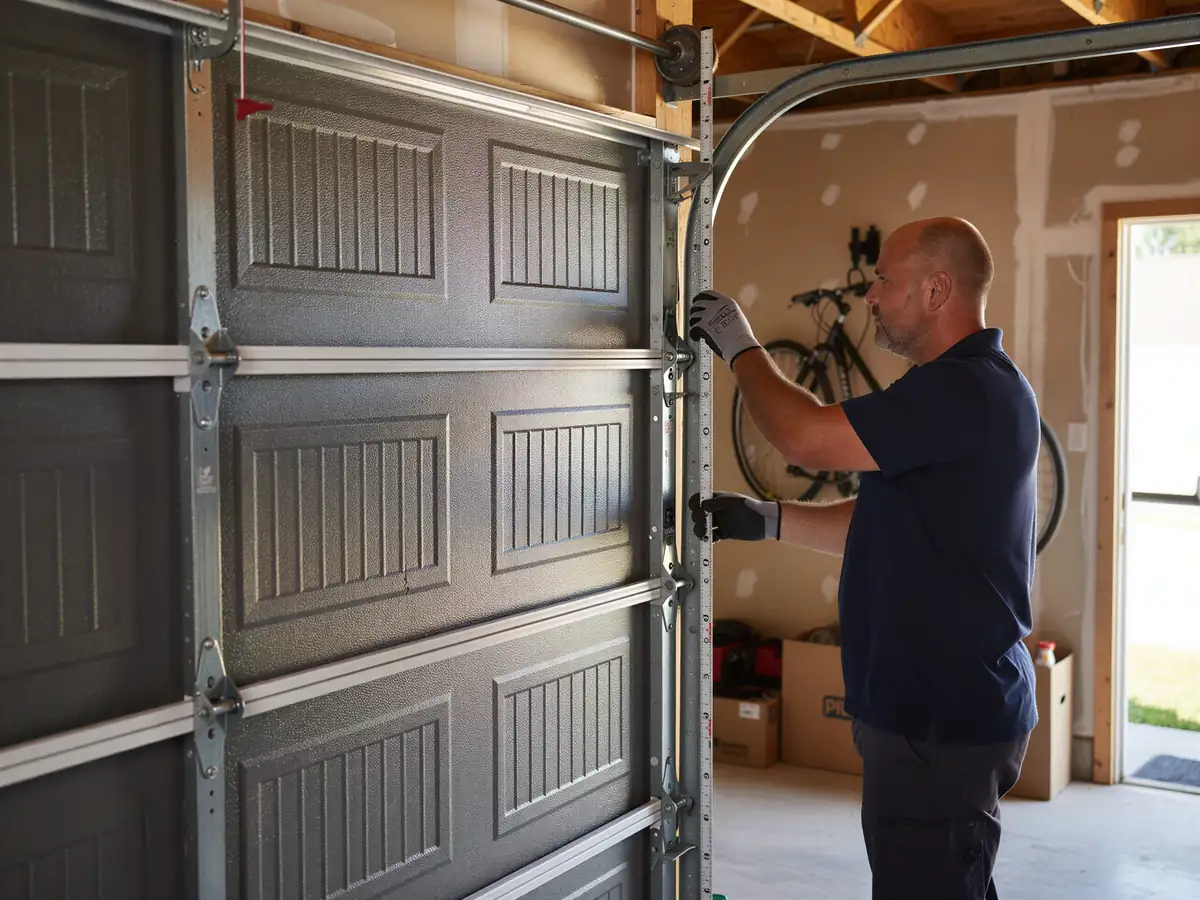
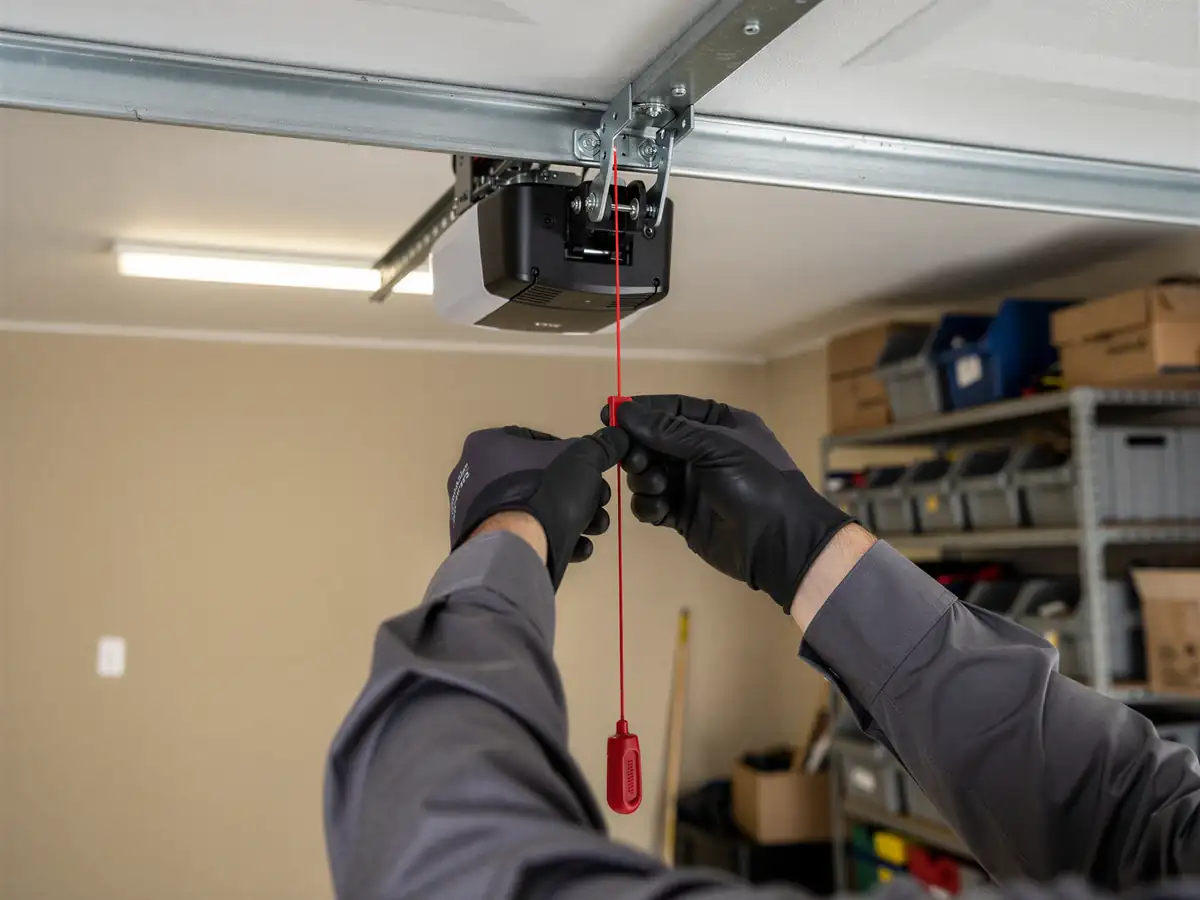
The complaint we hear most from this part of the service area is the opener running but the door not moving, or moving part way and stopping. Sometimes it's a motor that hums and does nothing. Sometimes the light blinks and the door won't budge at all. On houses from the early '90s, this is rarely the opener itself failing outright - it's usually the drive mechanism (chain, belt, or screw) slipping or stripping because the unit is working harder than it should against a door and track that have drifted out of adjustment over thirty-plus years. A second common symptom: the door reverses right before it hits the floor, which on a house this age is almost always a close-limit setting that's never been touched since install, not a safety sensor problem.
The Cost of This Job
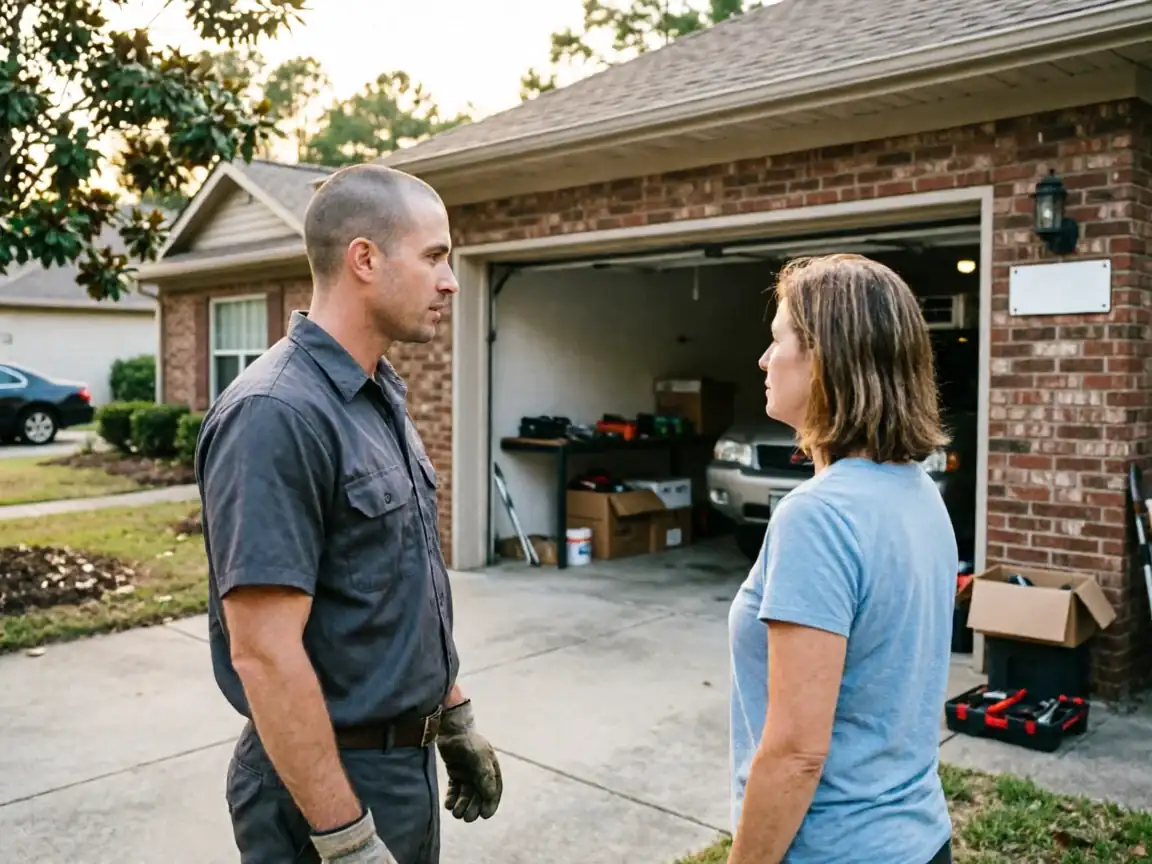
We don't have a posted price list for opener repair, so we're not going to put a number on this page that isn't backed by a quote for your actual unit. What we can tell you is how the job gets priced: it depends on whether this is a logic board, a drive gear, a capacitor, or a full opener swap, and that's something we diagnose on-site rather than over the phone. Smiths Station's median household income runs higher than the service area average - $57,410 here against roughly $45,493 across the wider area - which in practice means we see more requests here for a full belt-drive replacement instead of a patch repair, because the math on fixing a 10-year-old chain unit versus replacing it with something quieter often comes out close once labor is counted either way.
Can You Do This Yourself
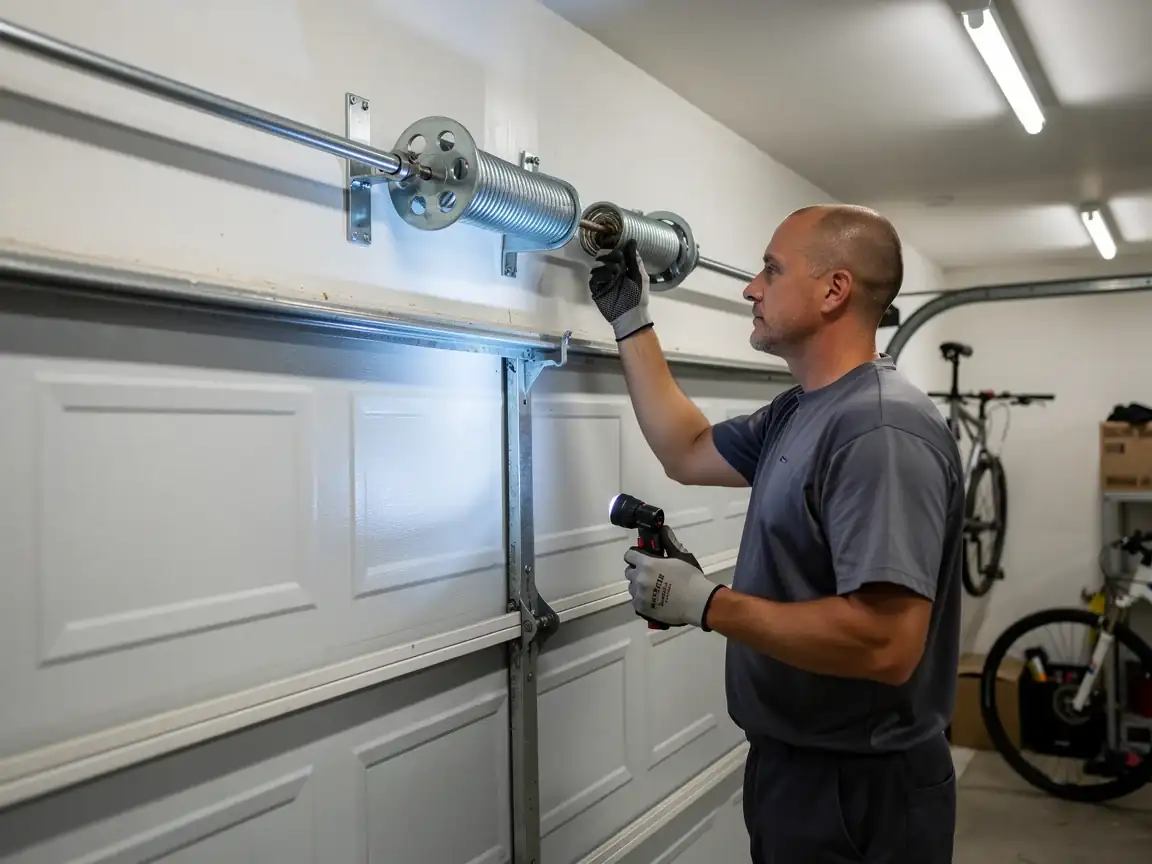
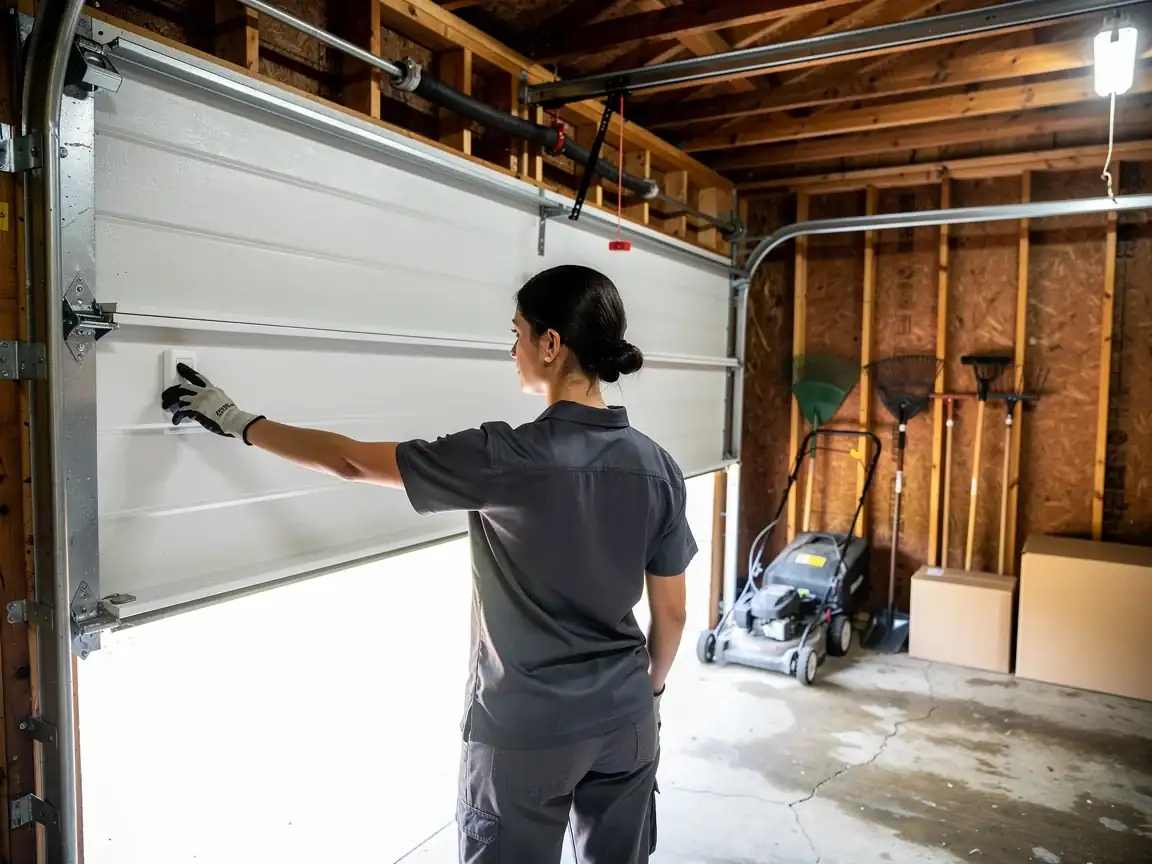
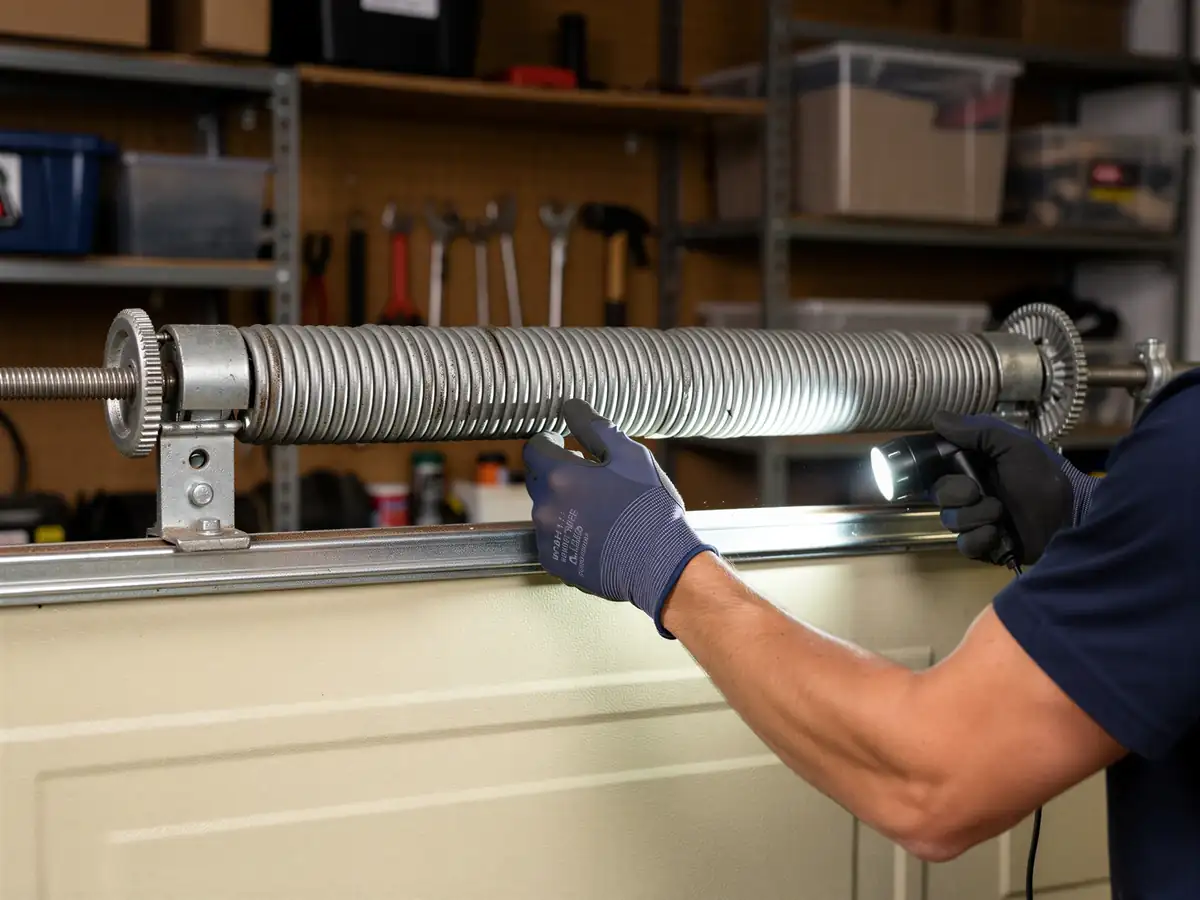
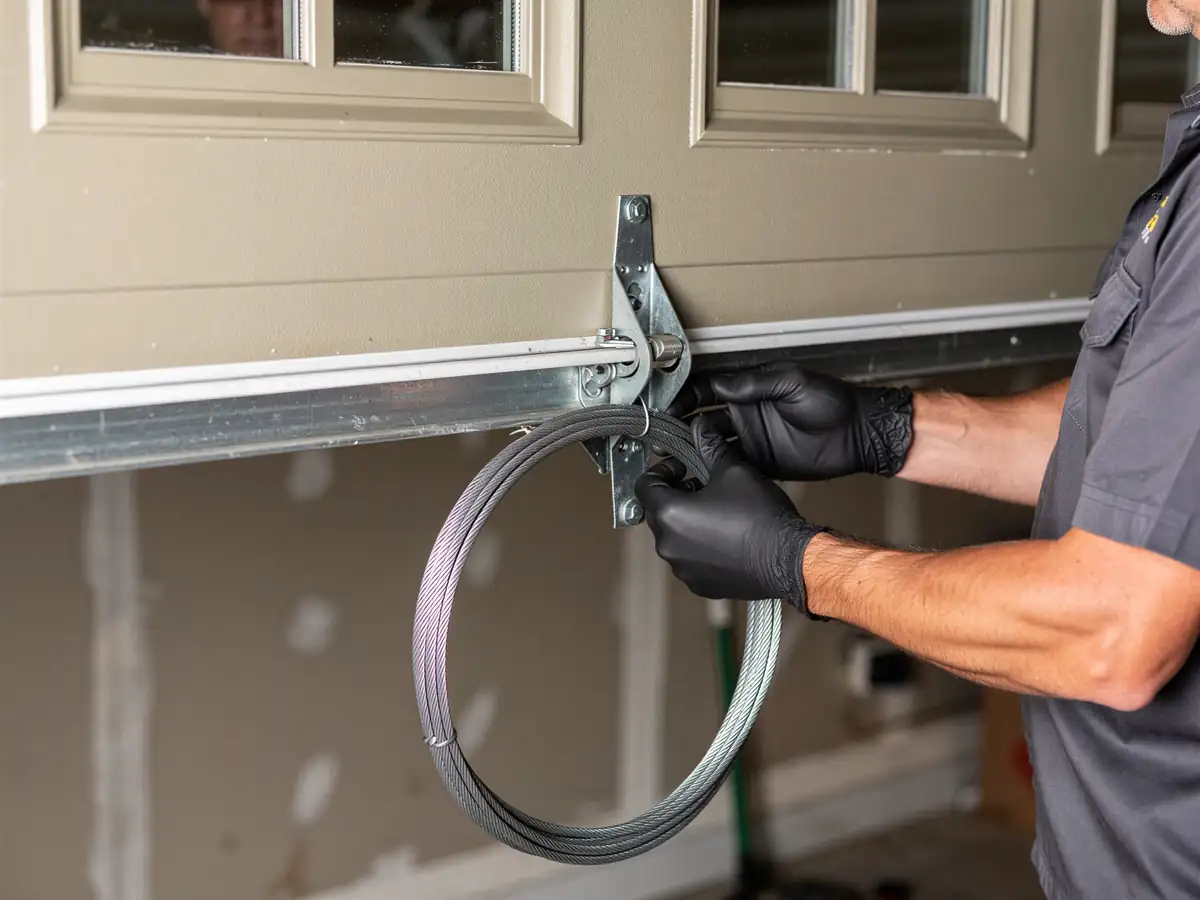
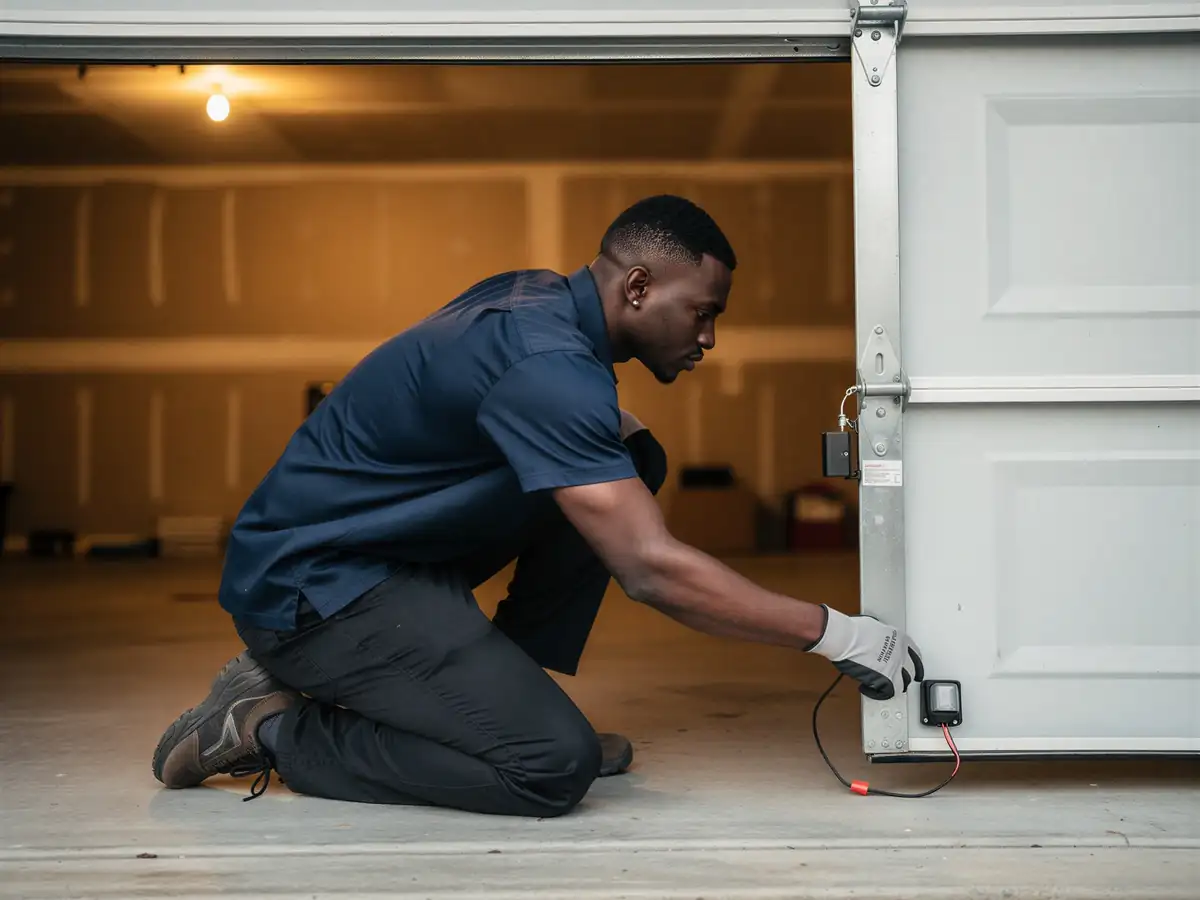
Reprogramming a remote or replacing a wall button is a fair DIY job and we'd rather you save the call-out for something that needs it. Clearing a dead photo-eye sensor's lens, or checking that nothing's blocking the sensor path, is also worth trying before you call anyone. What's not a good DIY job is anything involving the torsion spring, the drive gear inside the motor housing, or re-timing a chain or belt under tension - that's where people get hurt, and it's also where a slightly-off adjustment can shorten the life of a unit that's otherwise fine. With about 1,728 households in Smiths Station and most of them sitting on housing from the early '90s, we expect a fair number of these openers are original or close to it, which means parts availability for the motor itself can be the real constraint, not the labor.