Where This Job Goes Sideways
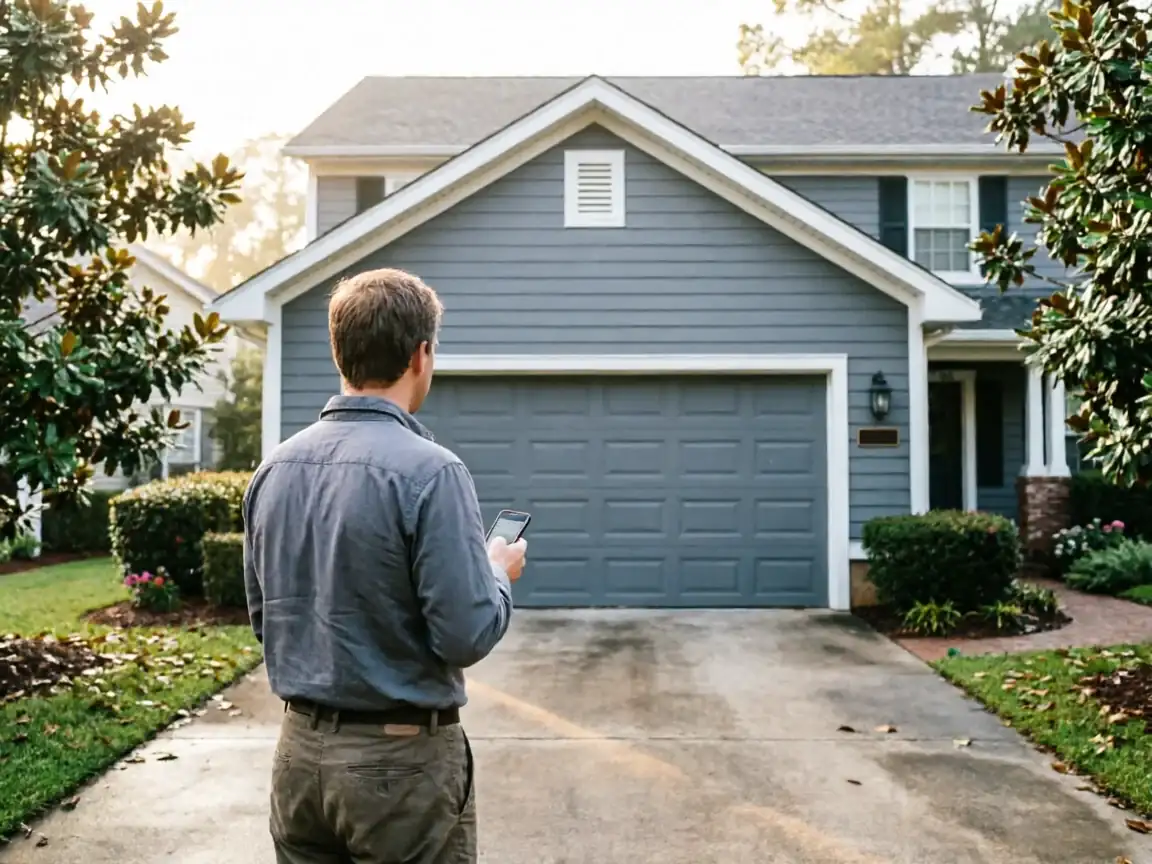
Smiths Station is a smaller stretch of the territory we cover from Opelika, with roughly 1,728 households, so the spring calls we get here aren't a high volume - they're spread out, and that means fewer of us have stood in front of the exact door you've got. That's not a problem if the tech knows what to look for, but it's worth saying up front: we're not based in Smiths Station, we're driving the 19 miles out from Opelika, so same-day depends on the route that day, not a local shop around the corner. Across the wider service area the typical home dates to 1976, but Smiths Station itself runs newer - more of its housing was built after that, closer to 1991. That shifts what we find under the hood. Newer doors here are more likely to already have factory torsion systems rather than the older extension-spring-over-the-track setups still common in the oldest pockets of the territory. The failure still looks the same from the driveway - door won't lift, or it slams down - but what's broken and what it takes to fix it depends on which system got installed when the house went up.
The Symptom
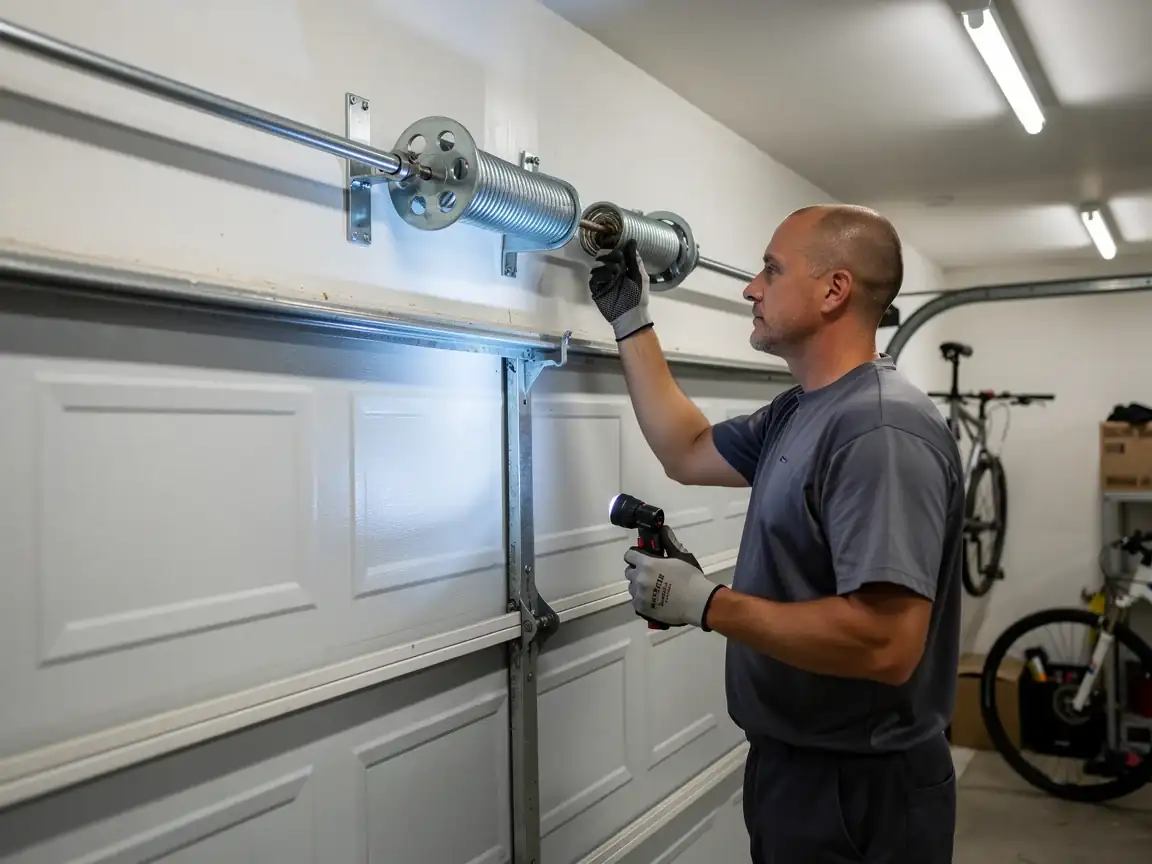
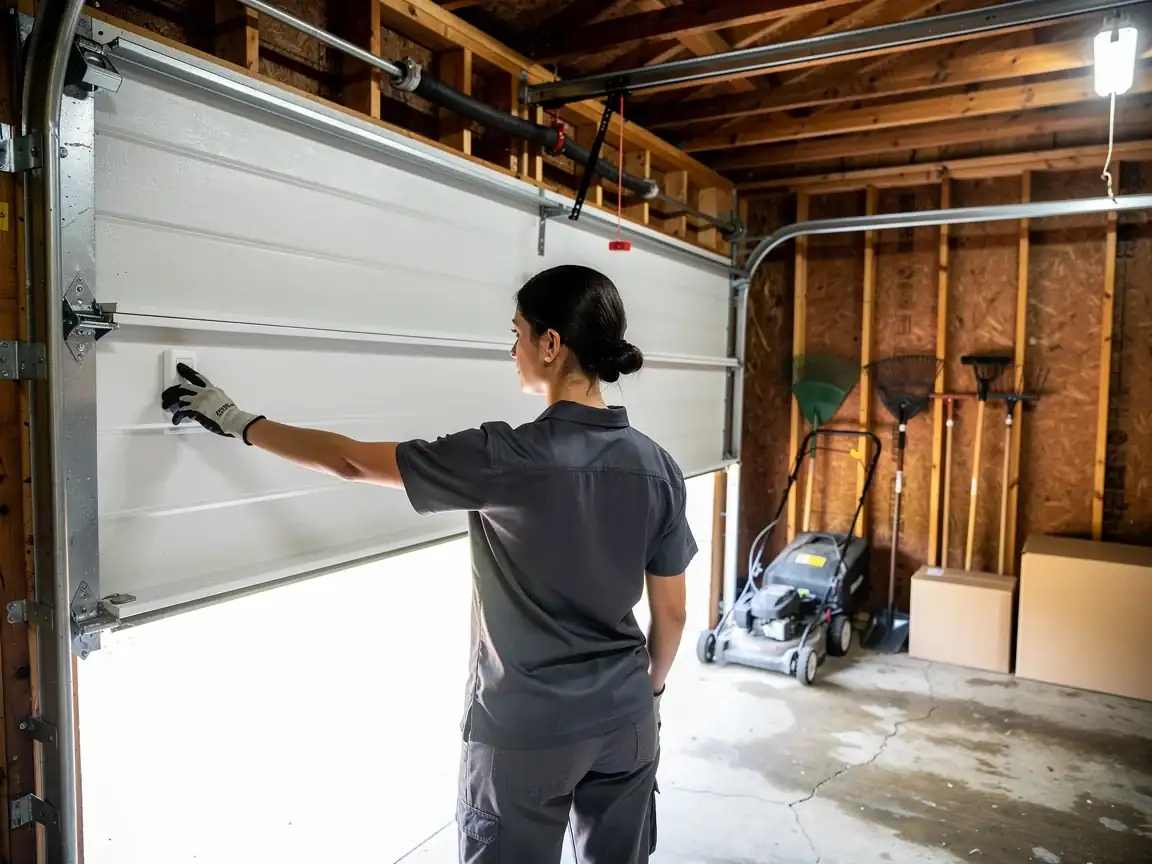
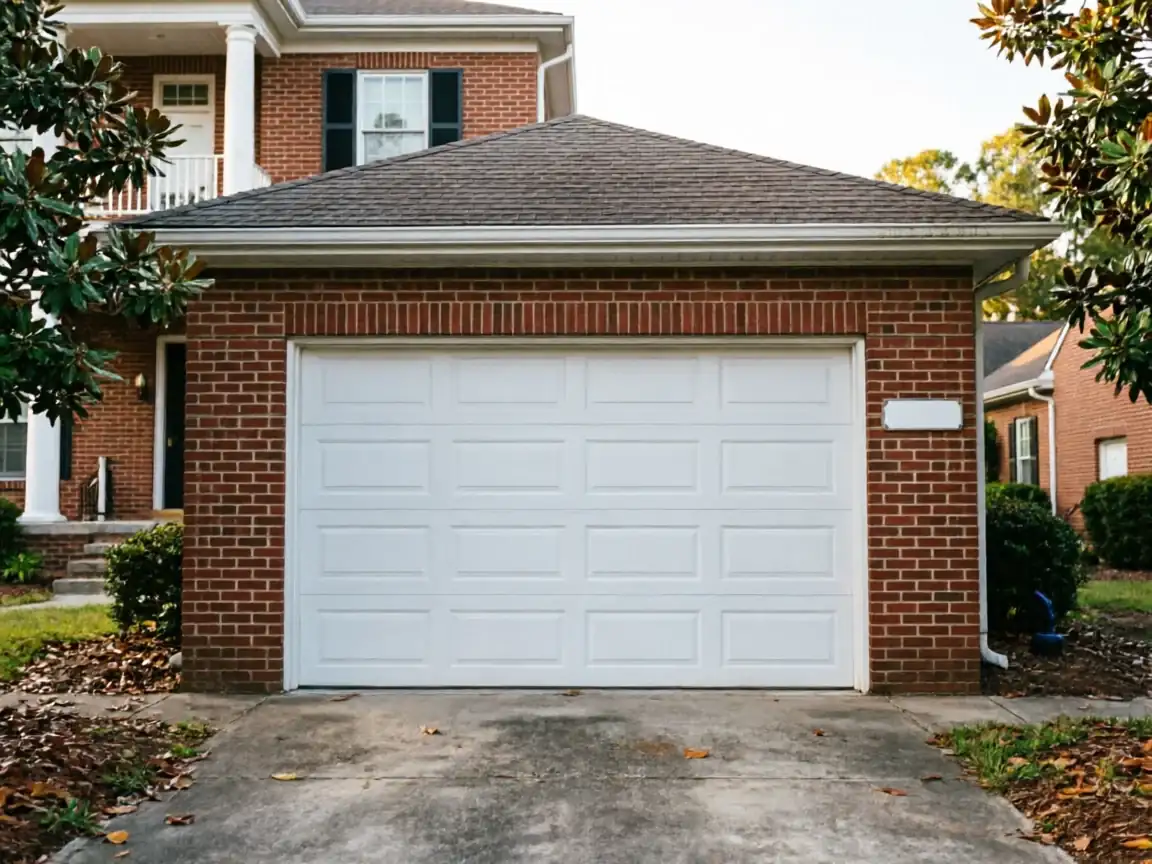
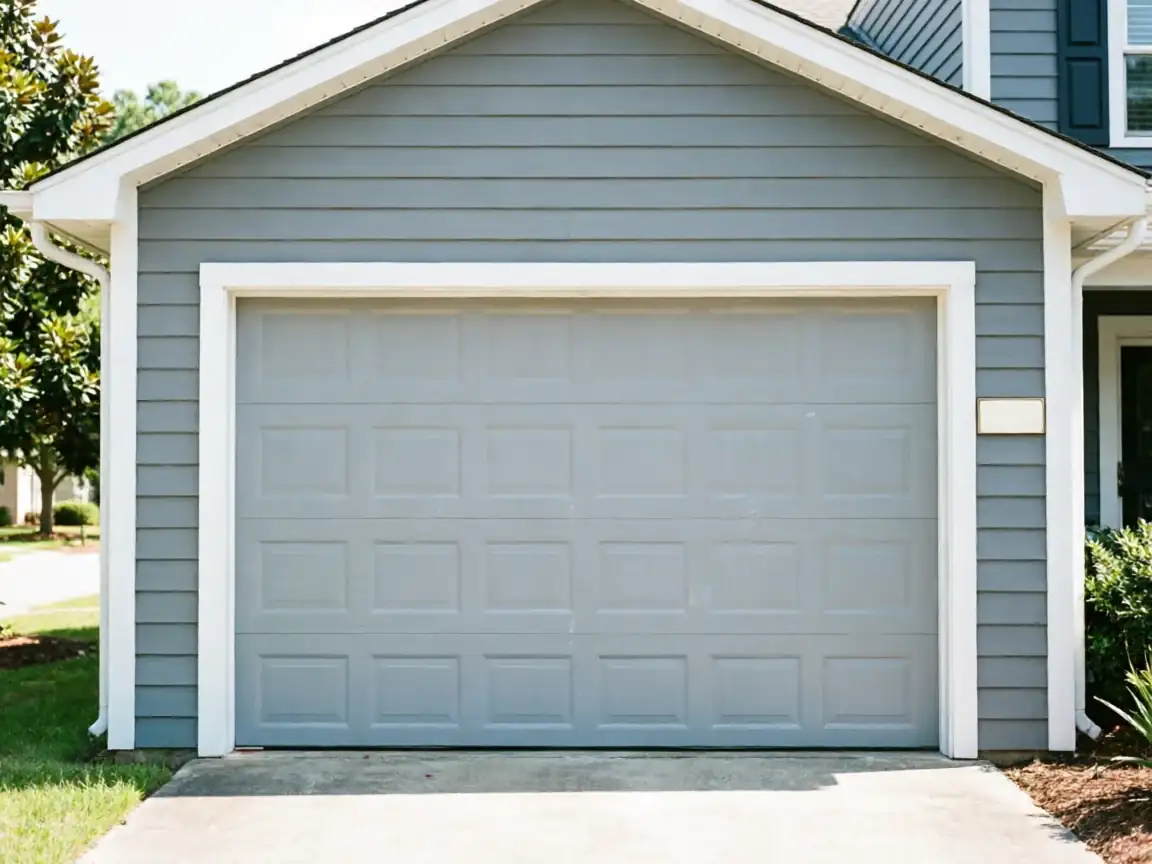
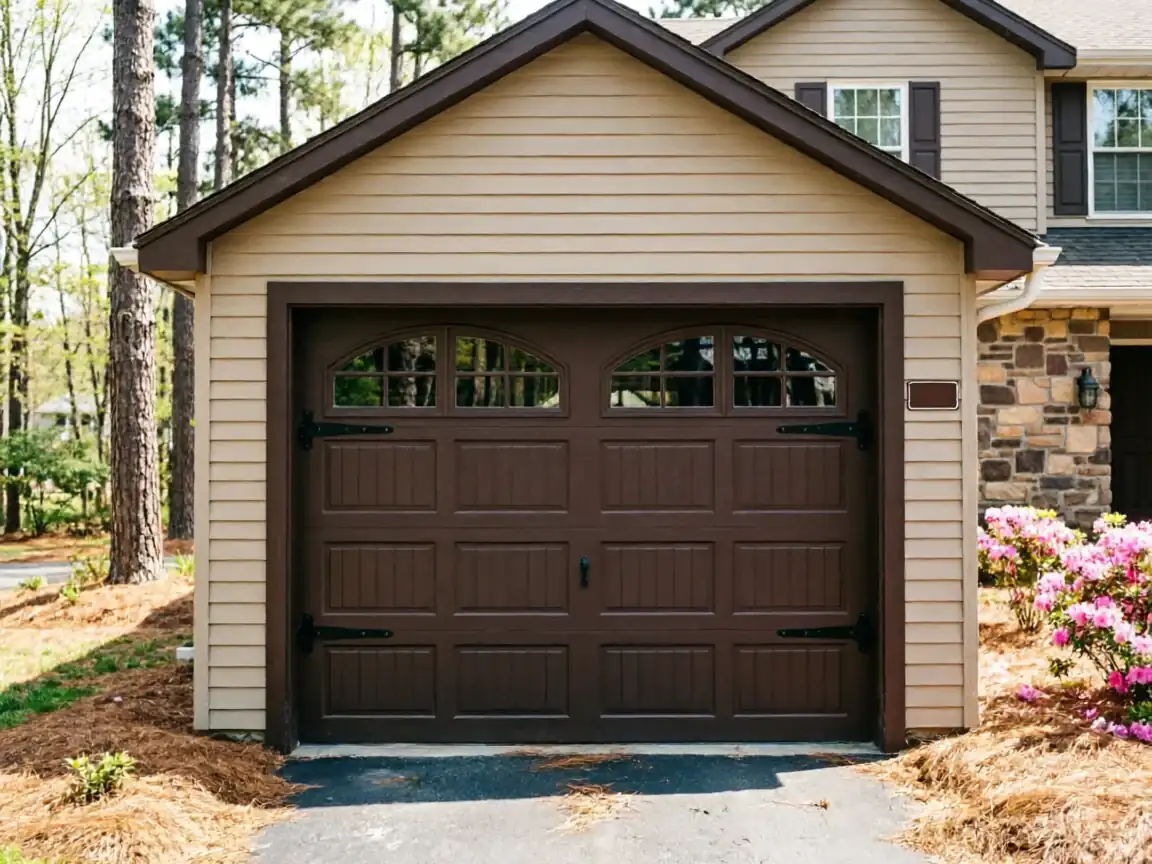
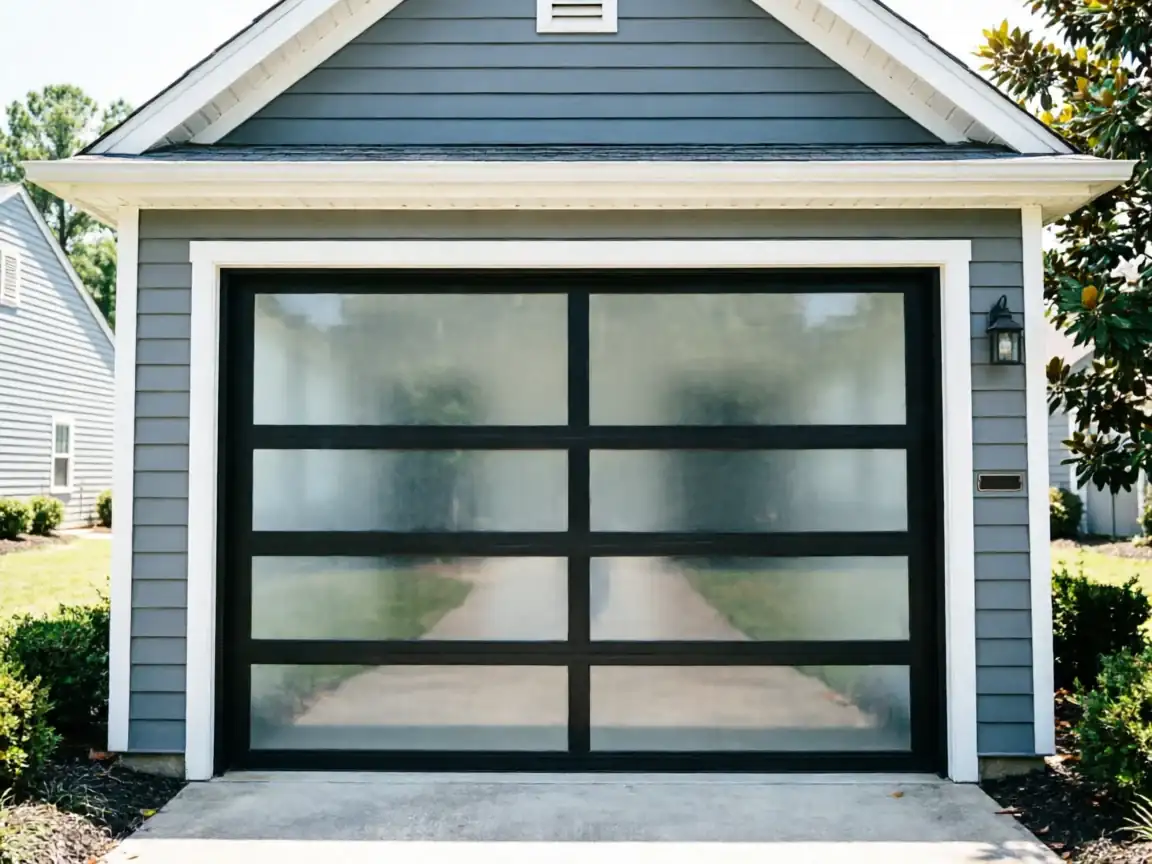
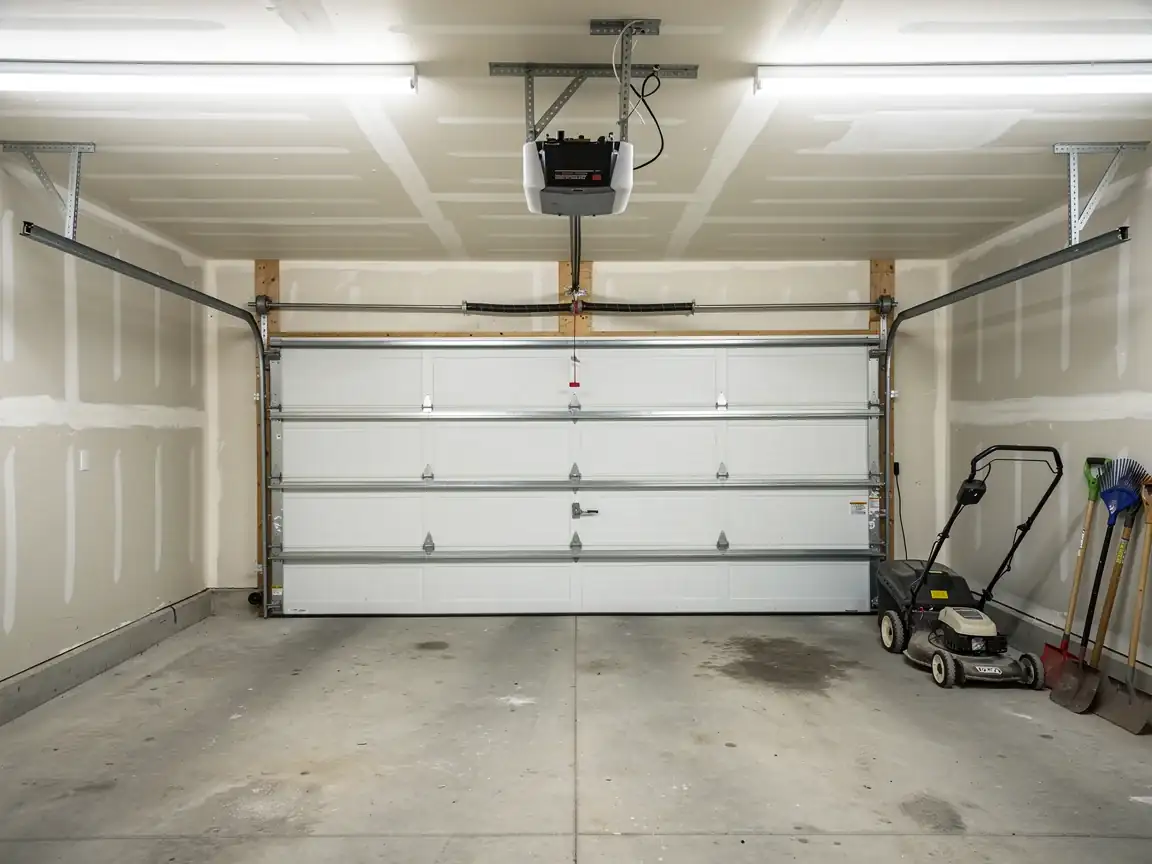
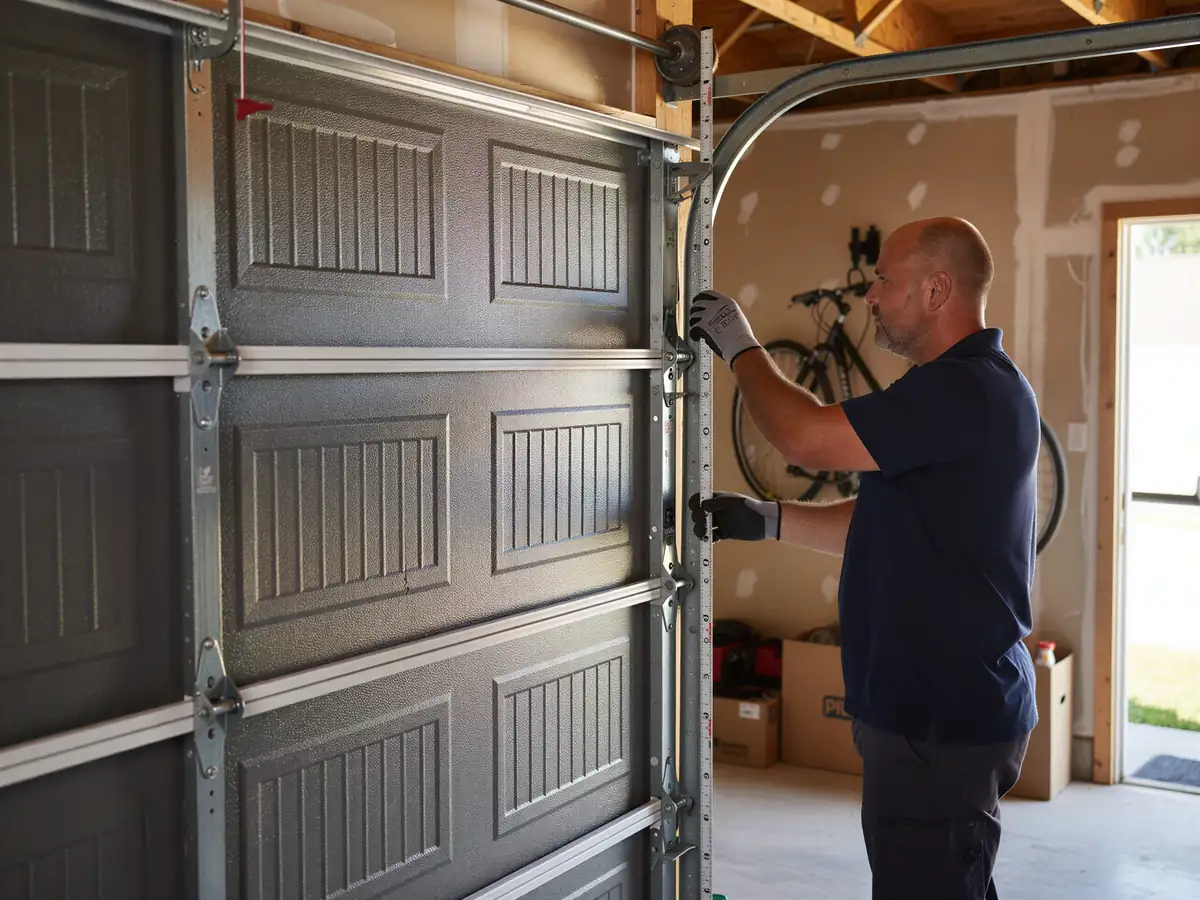
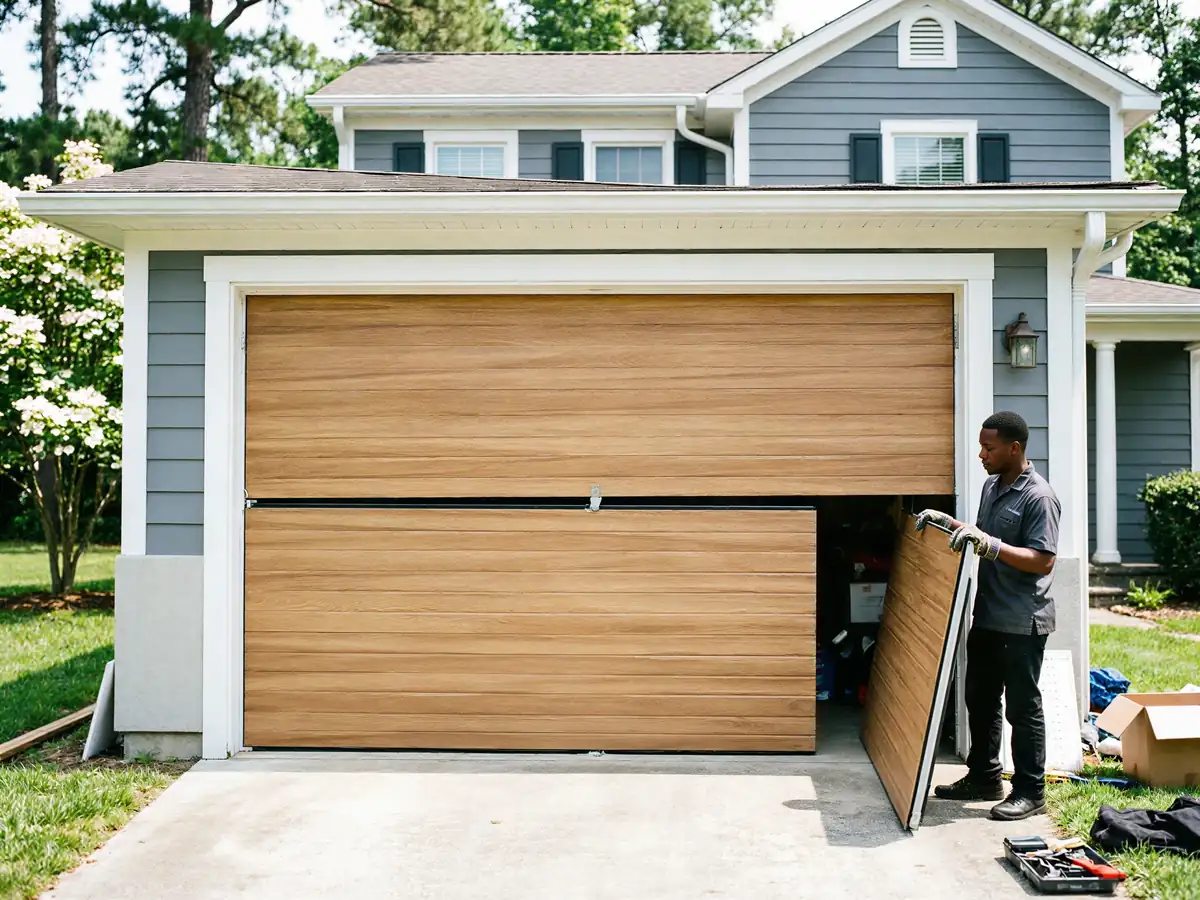
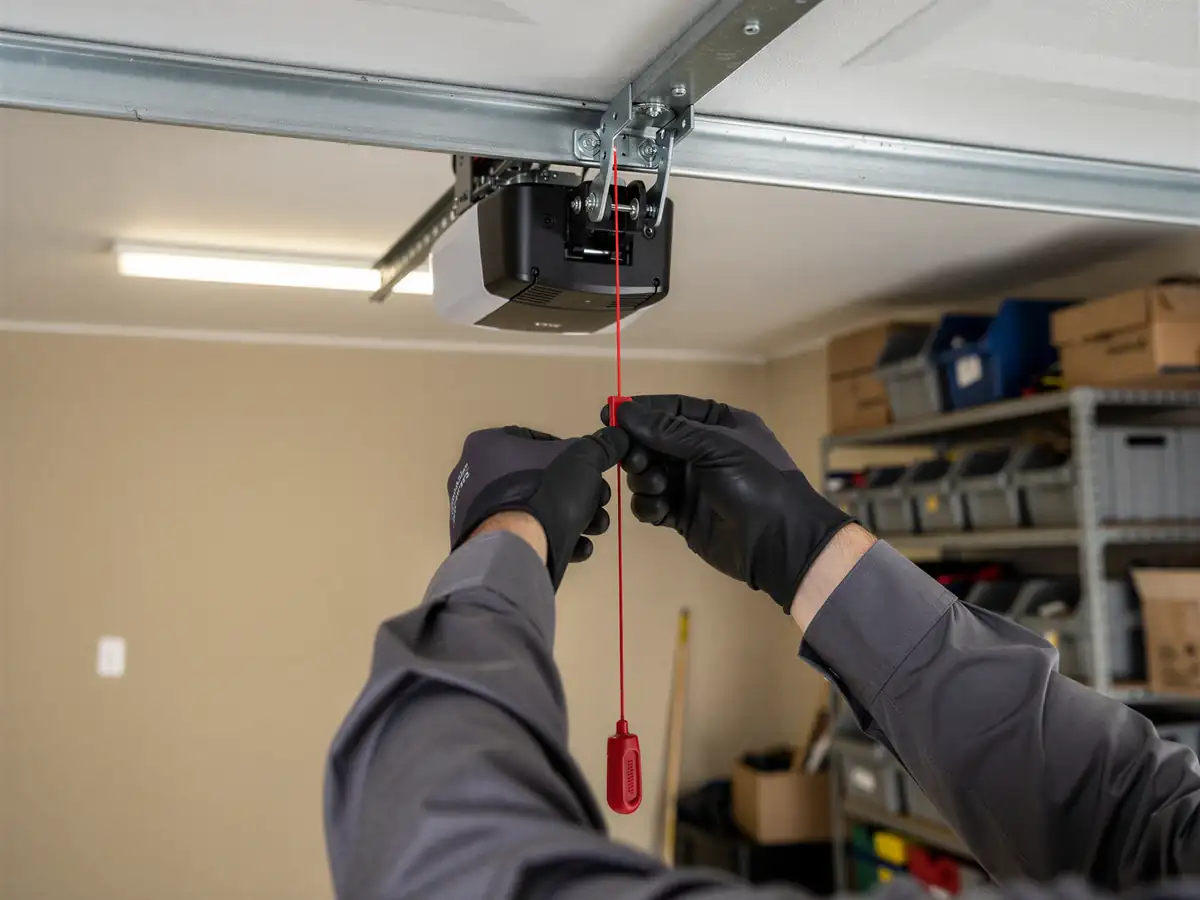
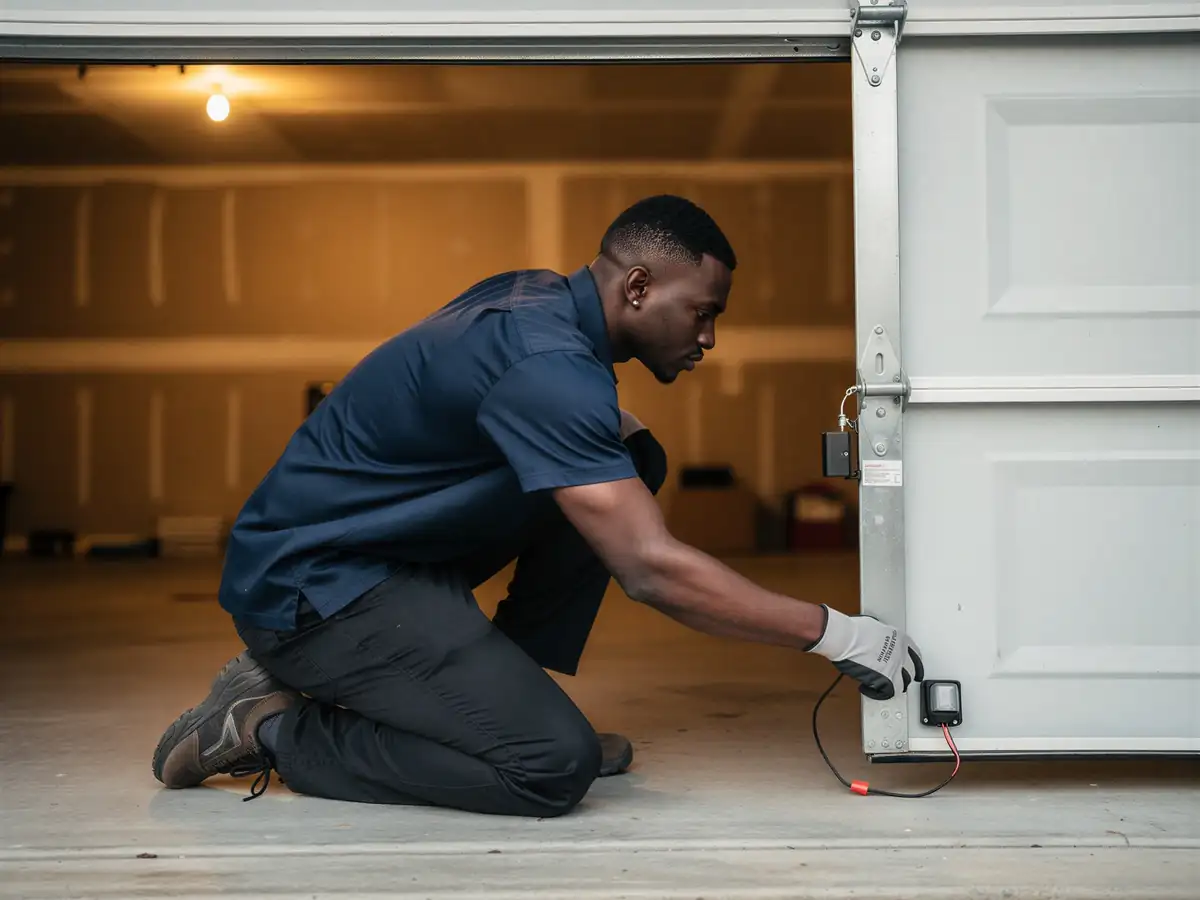
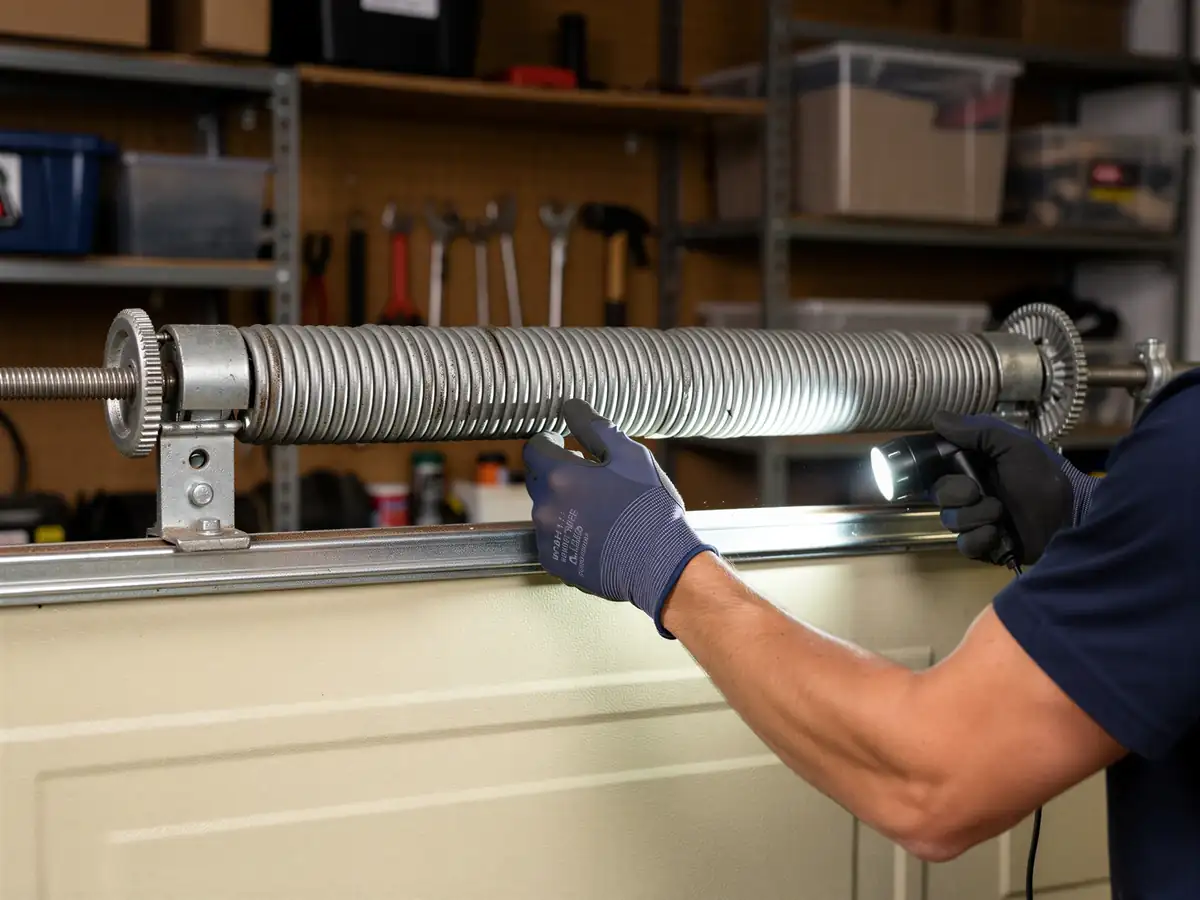
The classic sign is a door that won't budge past a few inches, or one where the opener strains and then gives up - that's usually a broken torsion spring overhead, not a motor problem. If the door looks crooked, hanging lower on one side, that's often one spring of a two-spring torsion setup snapping while the other holds. A loud bang from the garage, usually first thing in the morning when the metal is coldest, is almost always the spring itself giving out, not the opener. On older extension-spring setups - the kind with the long stretched springs running along the horizontal tracks - a snapped spring usually means the door drops fast and hard when someone pulls the release cord, which is the more dangerous version of this fault. Either way, don't keep running the opener once you notice it. Forcing a motor to lift a door with a dead spring burns out the opener next, turning a spring job into a spring-and-opener job.
The Cost of This Job
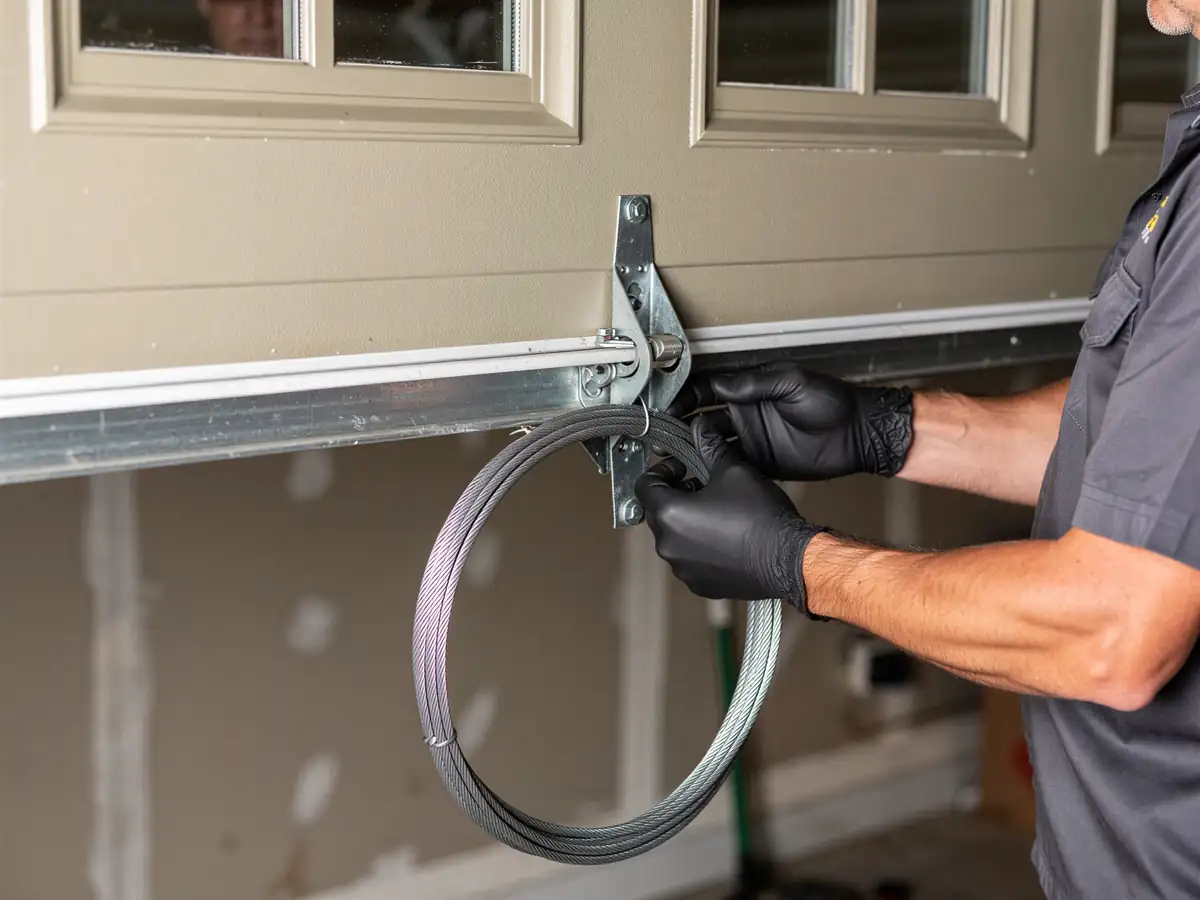
We don't have a posted price list for this page, and giving you a number without seeing the door - spring size, single or double torsion, drum condition - would be a guess, not a quote. What we can tell you is what drives the cost up or down: a single spring replacement on a torsion system costs less than replacing both, even if only one broke, because the other is usually close behind it on the same cycle count. Extension spring setups, where they still exist, are typically a cheaper part but a job that takes more care because of the safety cables involved. Call for a number specific to your door - with the drive from Opelika being 19 miles each way, we'll usually ask a few questions up front so the truck that comes out is loaded with the right spring size the first time.
Can You Do This Yourself
We'll say it plainly: don't. A torsion spring is wound under enough tension to cause real injury, and the tools to safely wind or unwind one aren't something most homeowners have sitting in the garage. Extension springs are a little less intimidating to look at but still dangerous if the safety cables aren't in good shape or aren't there at all. Where you can actually help yourself is before the spring breaks - keep an eye on it, listen for grinding, and if the door's getting harder to lift by hand with the opener disconnected, that's your warning. Once it's broken, the job is a call, not a project. One honest limitation: if the spring size or drum on an older door doesn't match anything in current production, matching it can take an extra day to source, and we'd rather tell you that than promise a part we don't have on the truck yet.