Where This Job Goes Sideways
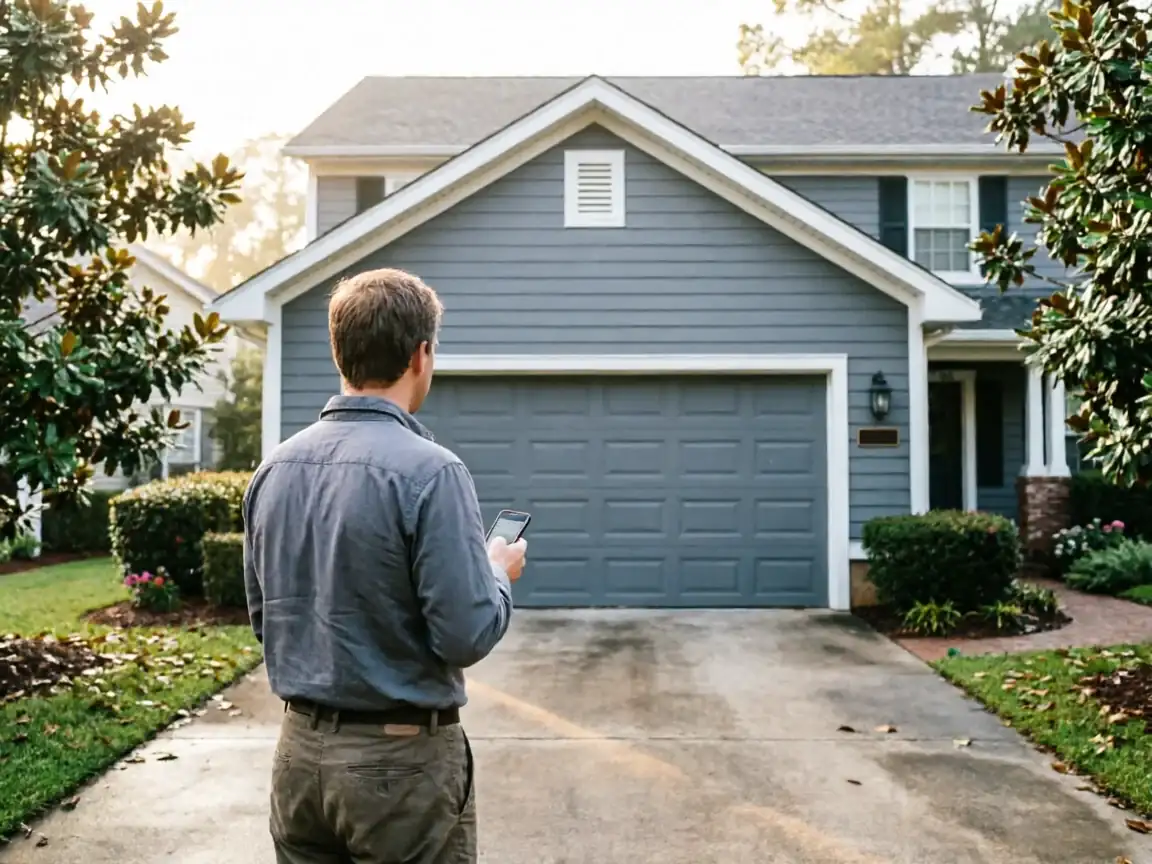
Most of the installs we do across the service area involve replacing doors on houses built in the 1960s and 70s, with odd-sized openings and hardware nobody stocks anymore. Smiths Station is a different job. The median home here was built around 1991 - fifteen to twenty years newer than the area average - which means the openings are standard width, the framing is square, and the track mounts are the kind every supplier still carries.
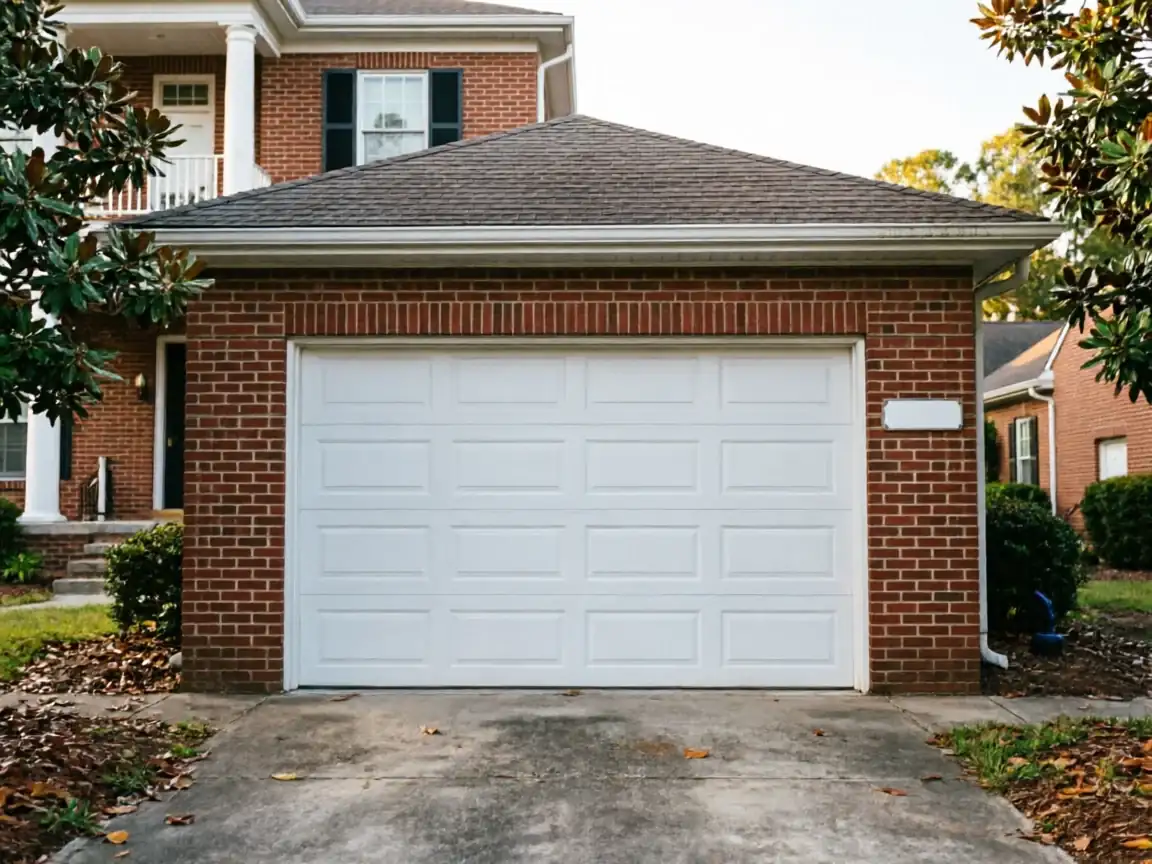
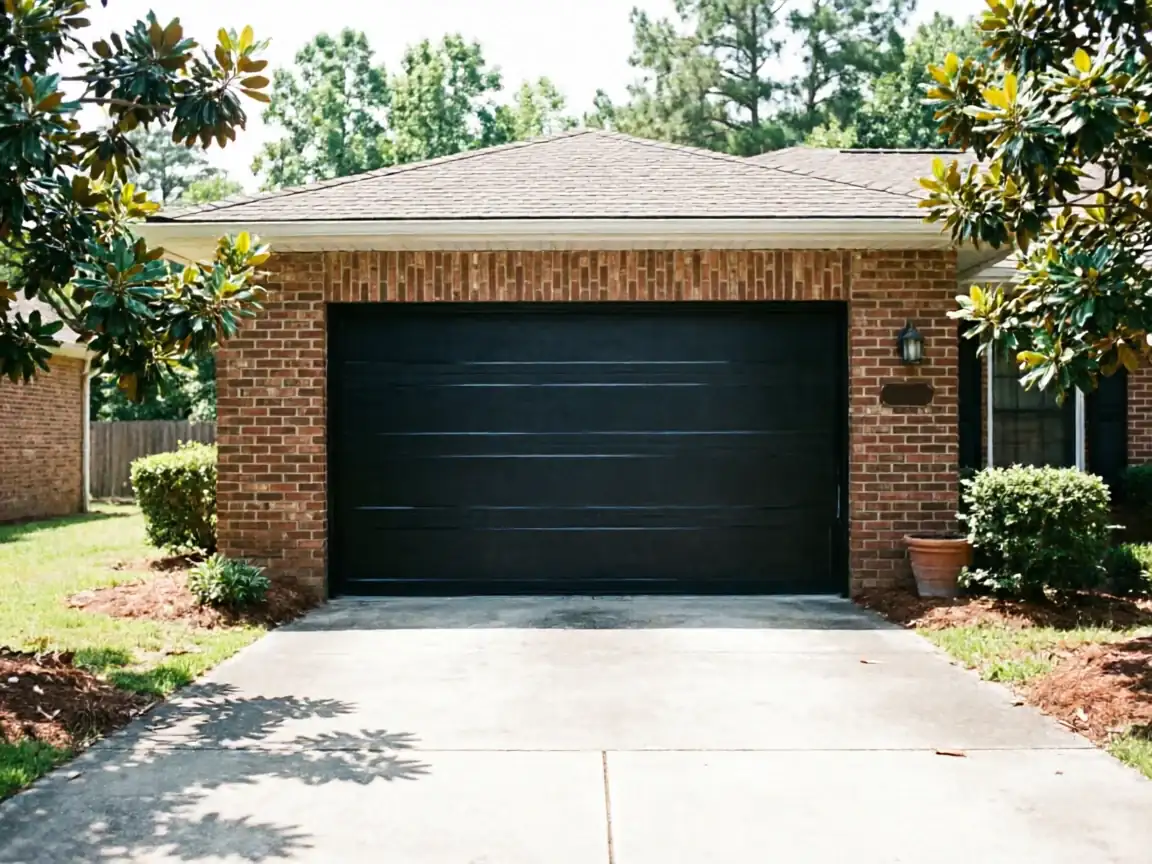
Where this job goes sideways isn't the opening. It's the door itself. A house built in 1991 almost certainly got a builder-grade steel door at move-in: single layer, no foam core, cheap rollers. Thirty-plus years later that door is still technically functional, which is exactly the trap - owners wait for it to fail outright instead of noticing the signs that it's already costing them on the energy bill and the opener's motor. We'd rather quote a clean swap on a door that's limping than get the panic call after the spring finally lets go on a door nobody's touched since the Clinton administration.
The Symptom
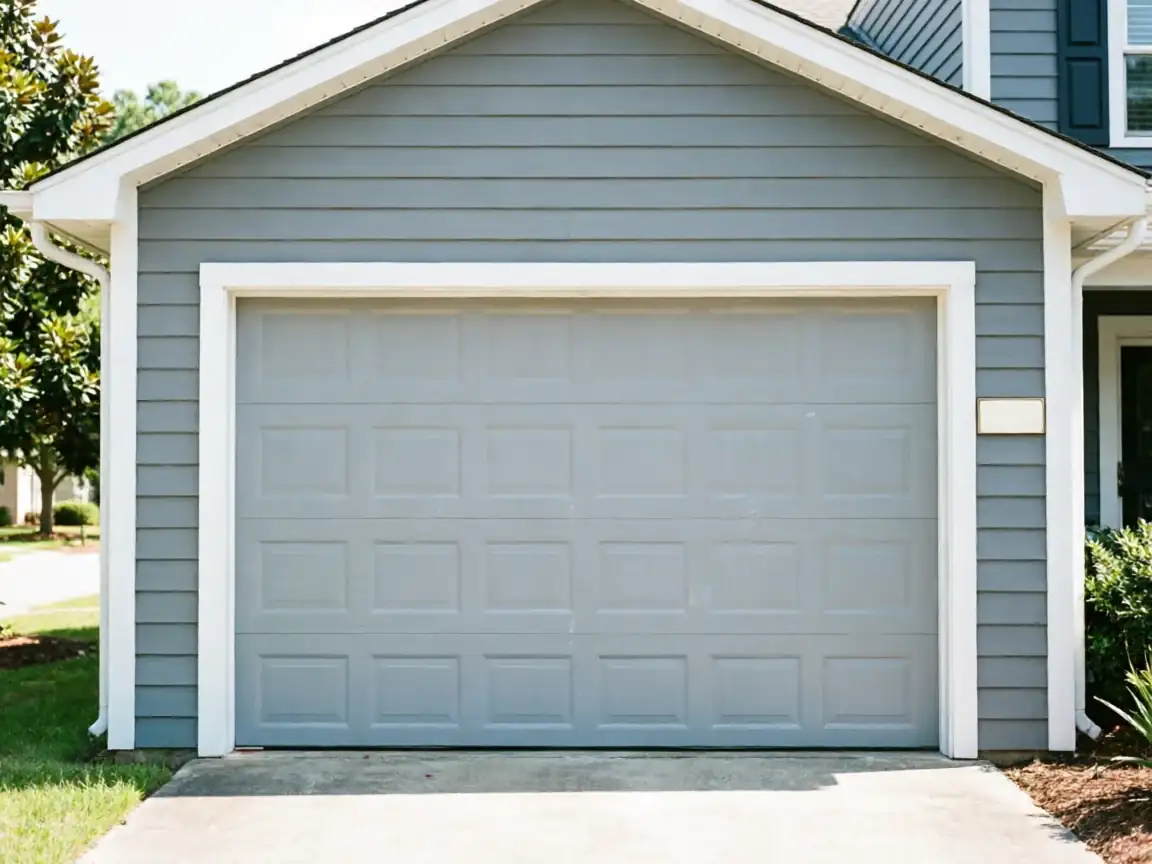
The giveaway on a 1991-era door is noise and sag, not sudden failure. You'll hear a flat metal bang on the way down instead of a smooth roll, and if you stand at the side of the closed door you can often see daylight along the bottom corner where the panel has started to bow. That bowing is the single steel skin doing what thin, uninsulated steel does after three decades of sun and cold cycling.
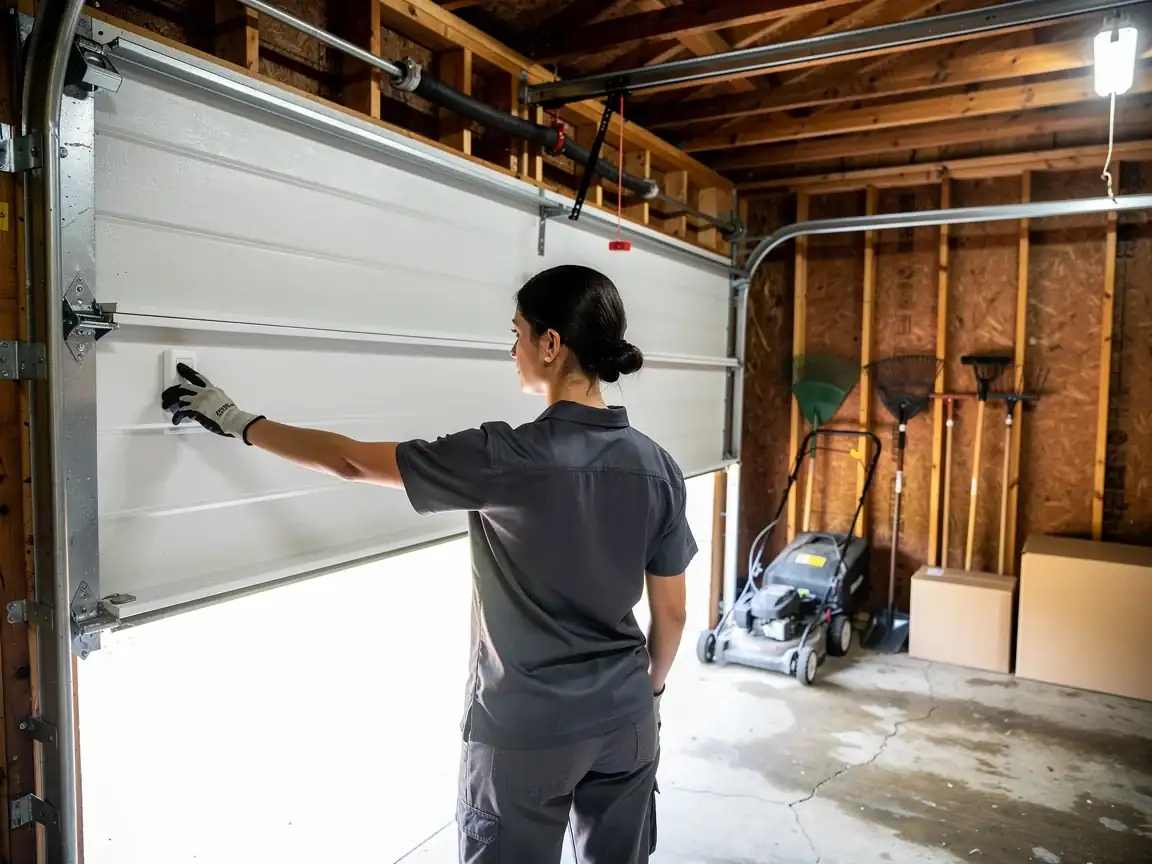
Openers complain too. A motor built for a light, original door starts to strain, slow, or reverse on a door that's picked up weight from rust at the bottom panel or a sagging track. If your opener is working harder than it used to and the door's original to the house, the opener usually isn't the problem - the door is.
What Causes It Around Here
With a MILD climate and only occasional freeze
Smiths Station doors aren't fighting hard freeze-thaw cycling the way a door further north would. What they are fighting is thirty-plus years of daily heat cycling on thin steel, plus the weatherstrip at the bottom and sides drying out and cracking long before anyone replaces it. That's a cheap fix on its own, but by the time a homeowner notices it, the door skin underneath has usually already started to show the same wear.
Smiths Station's median household income, at $57,410, runs noticeably higher than the service area's $45,493 median
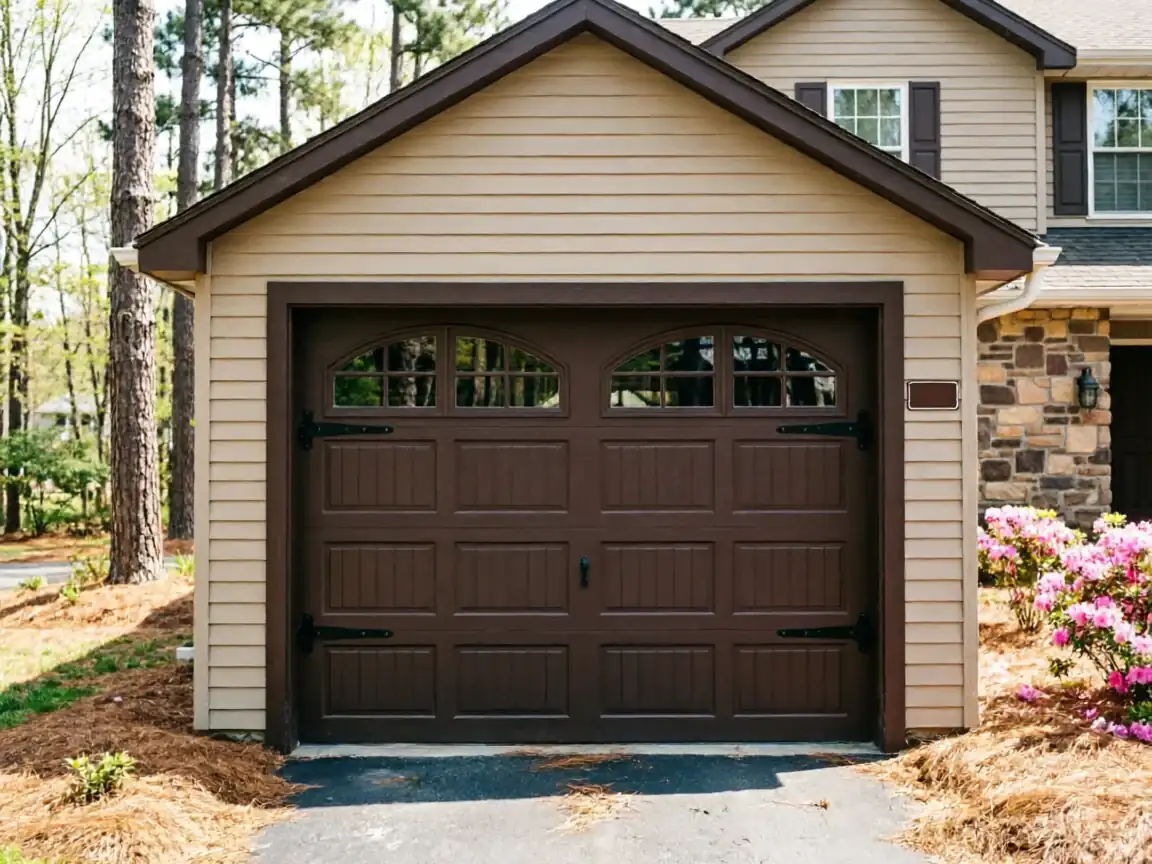
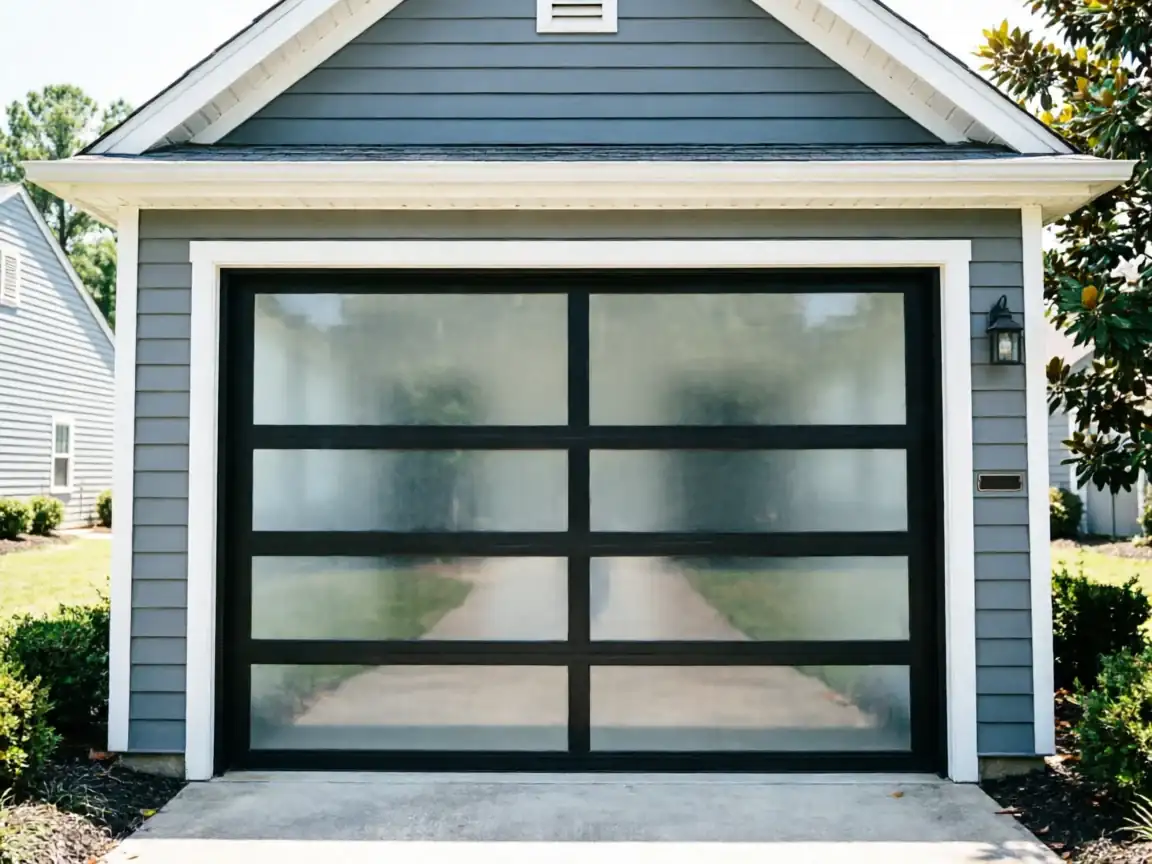
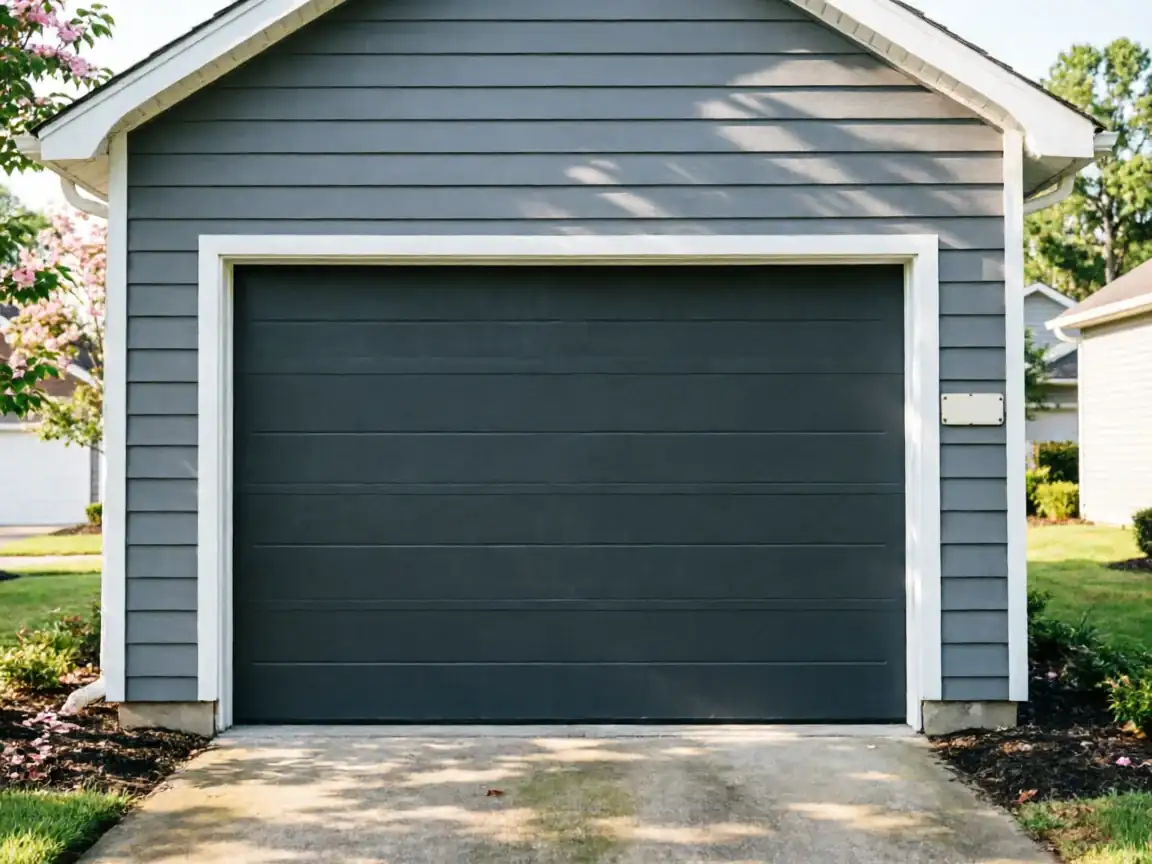
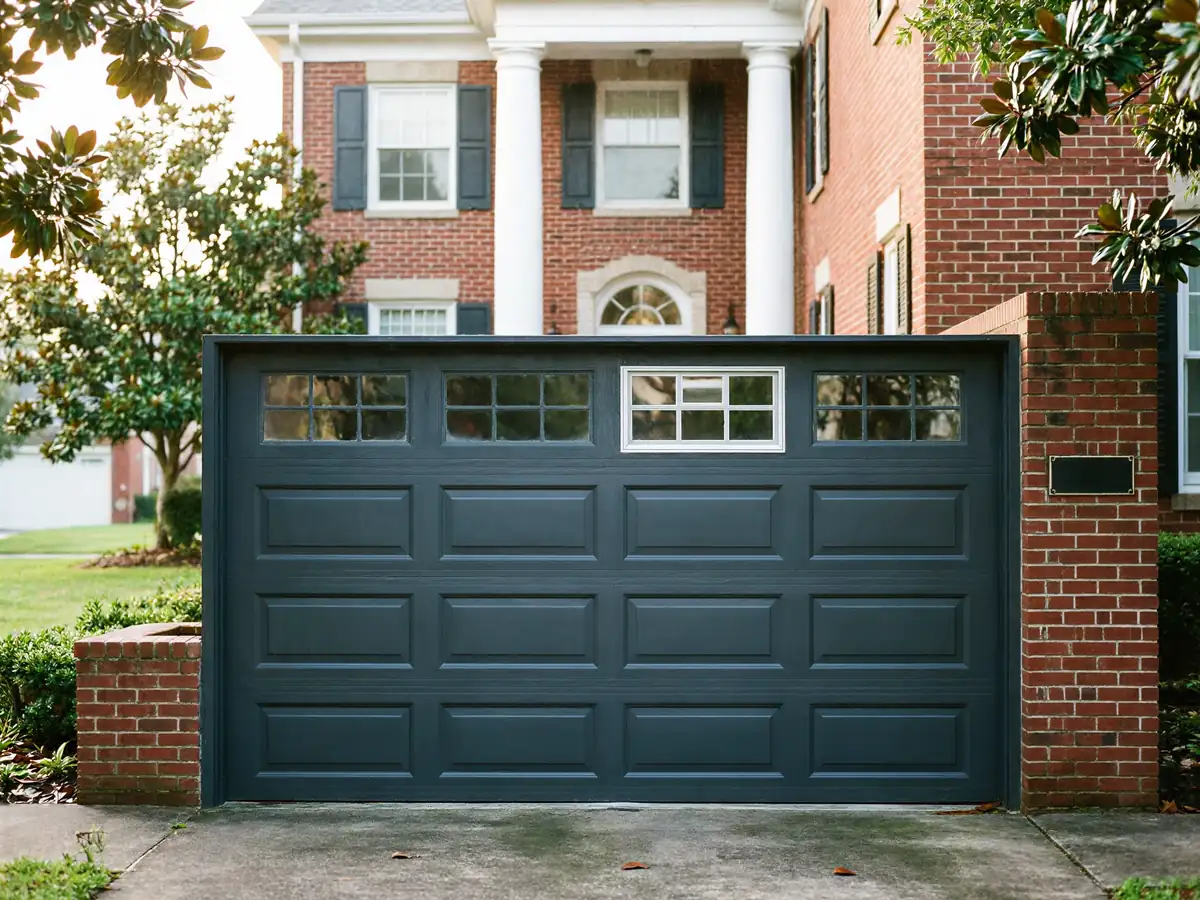
And we see that show up directly in which doors get chosen here - more owners in this town ask for an insulated steel or composite door with a better warranty on the finish, rather than the bare minimum steel slab that went in originally. It's a reasonable upgrade given what the house is worth holding onto.
The Cost of This Job
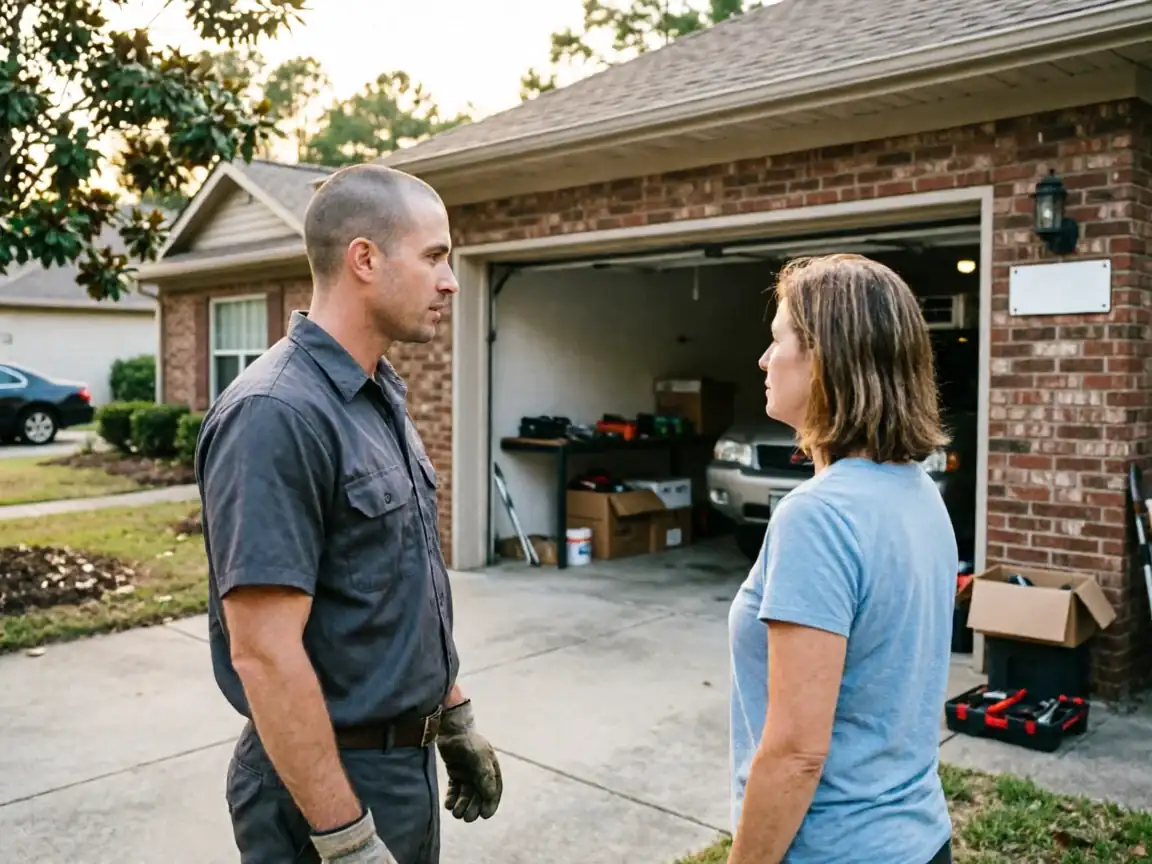
We don't have a flat number to hand you here - door cost depends on size, insulation, and window layout, and we're not going to invent a price we don't have on file. What we can tell you honestly is the travel piece: Smiths Station sits about 19 miles from our shop in Opelika, which is close to 45 minutes round trip before a crew even starts the job. That's not a surcharge, it's just math, and it means we schedule installs here in blocks rather than same-day drop-ins. Ask for a written quote before the truck leaves Opelika, not after.
Can You Do This Yourself
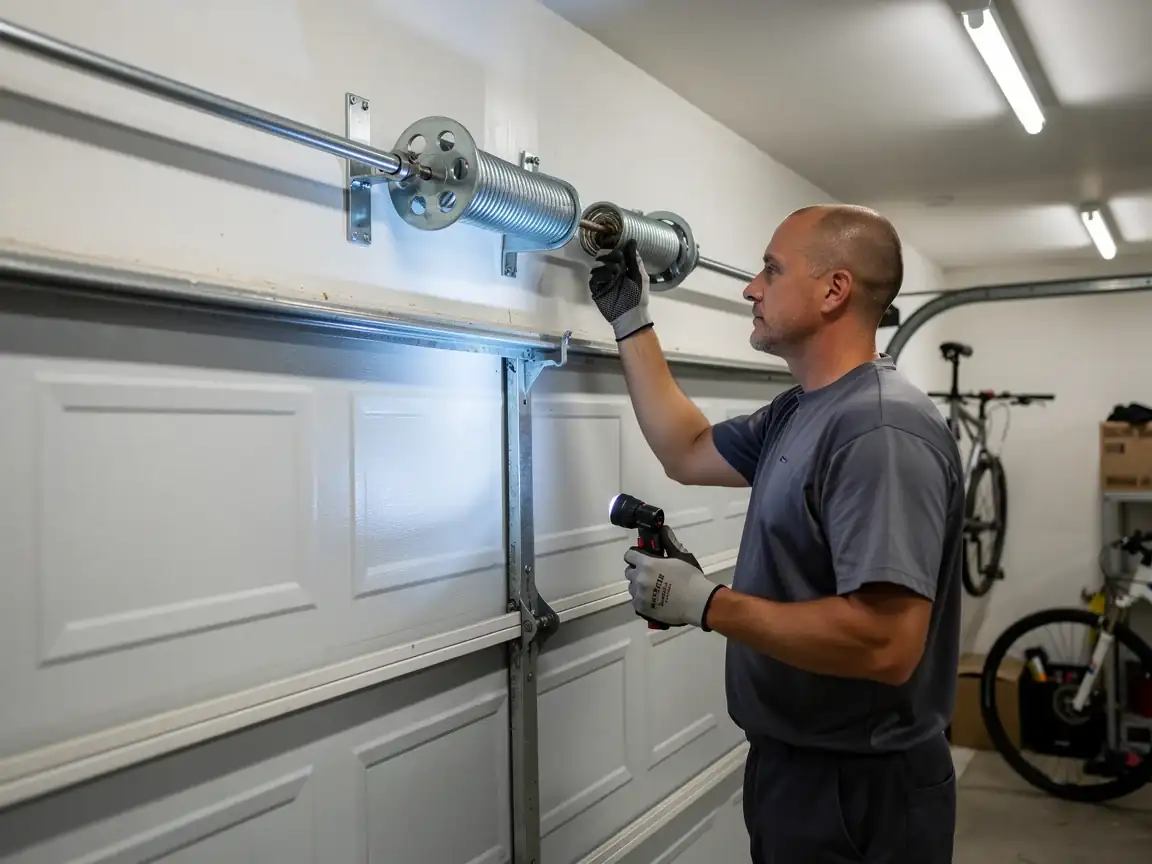
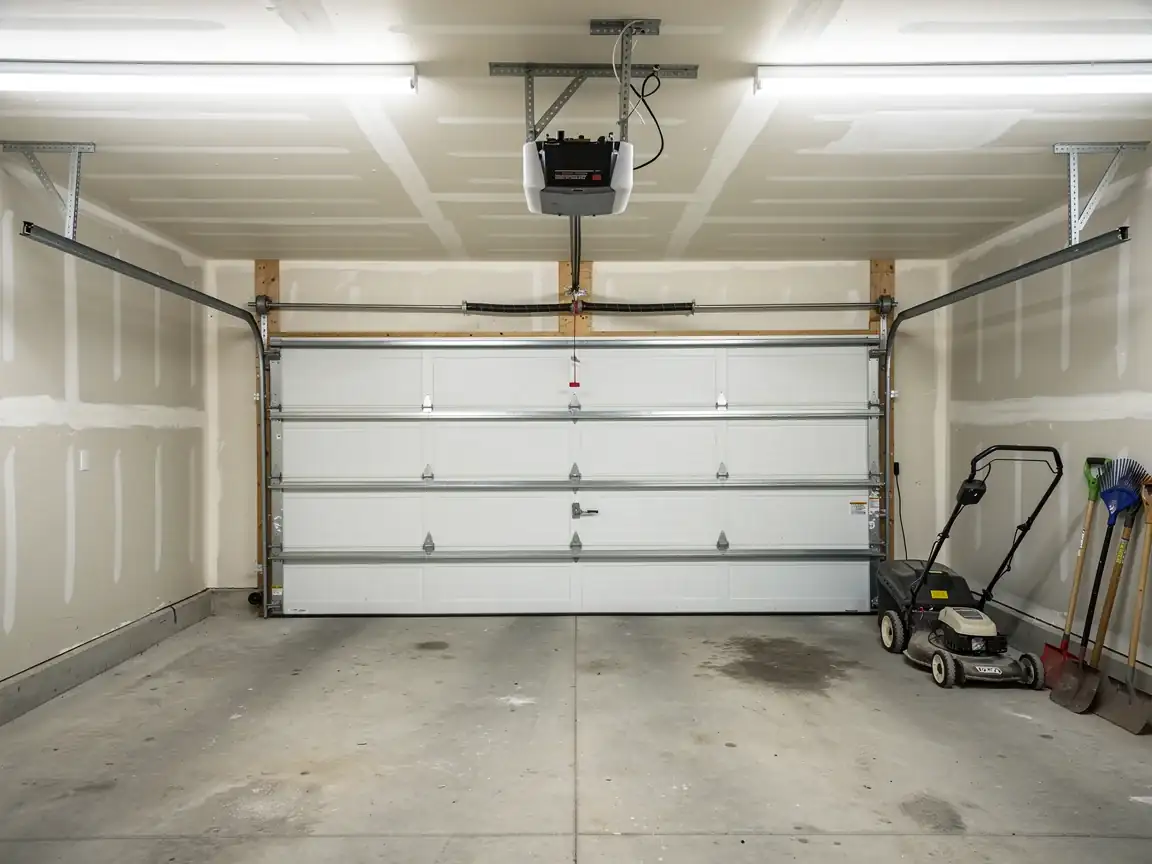
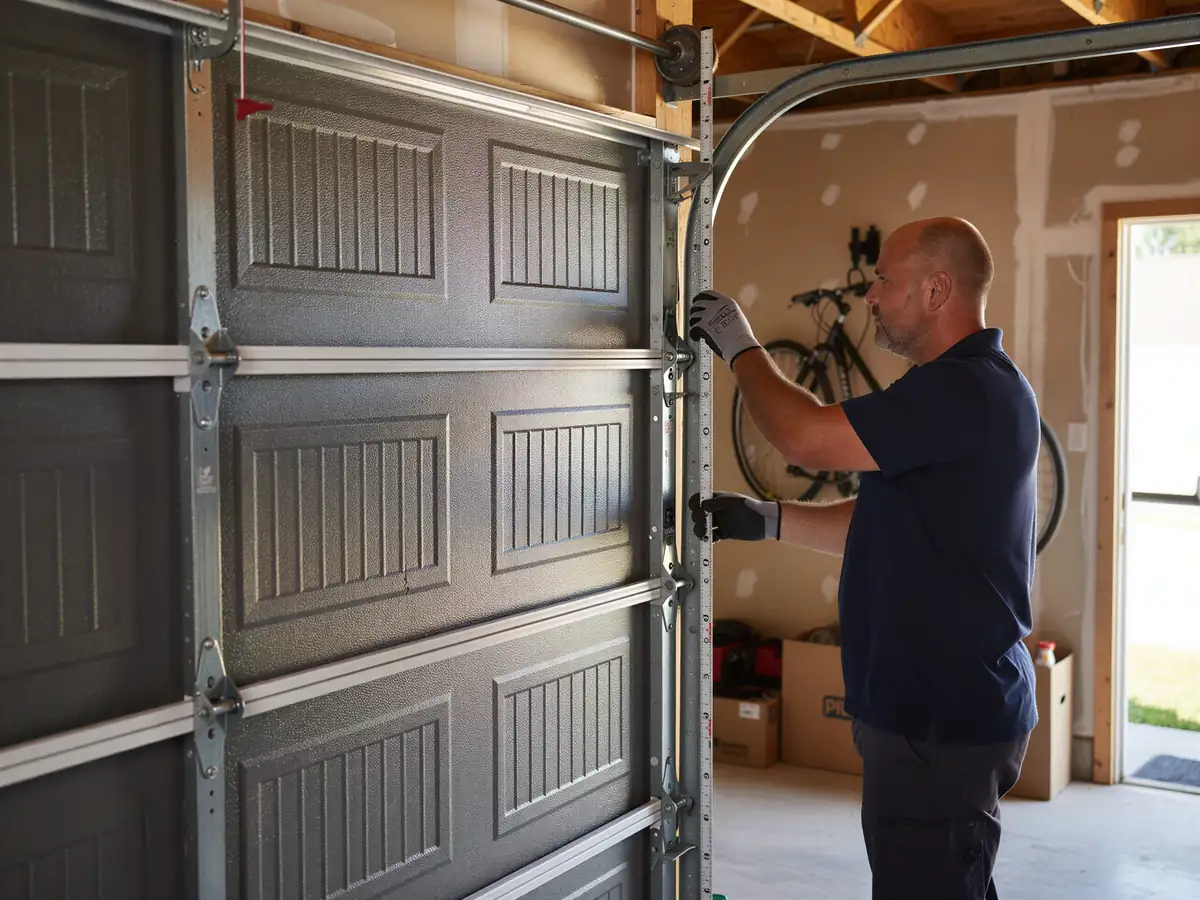
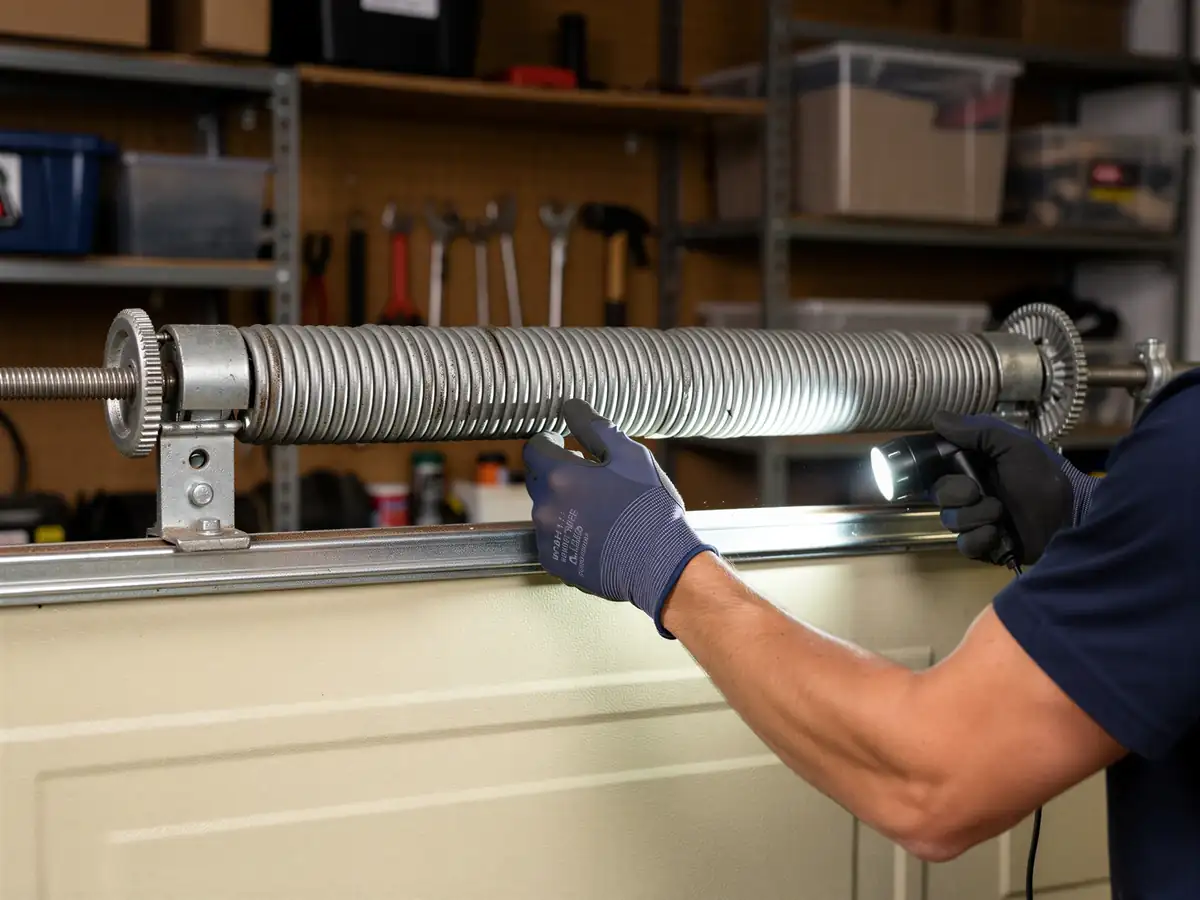
Swapping a garage door panel yourself is not a weekend project, and we'll say that plainly instead of selling you a kit. The door itself is manageable for a confident DIYer with help, but the torsion spring system that counterbalances it is under enough tension to break bones or worse if it's handled wrong, and that part of the job is where we'd tell most owners to call instead of watch a video. If your door is just noisy and the panel's still straight, a repair visit first makes more sense than a full install - see our repair page for that. If the panel's bowed, cracked, or the opener's straining daily, replacement is the better money.