The Drive Over
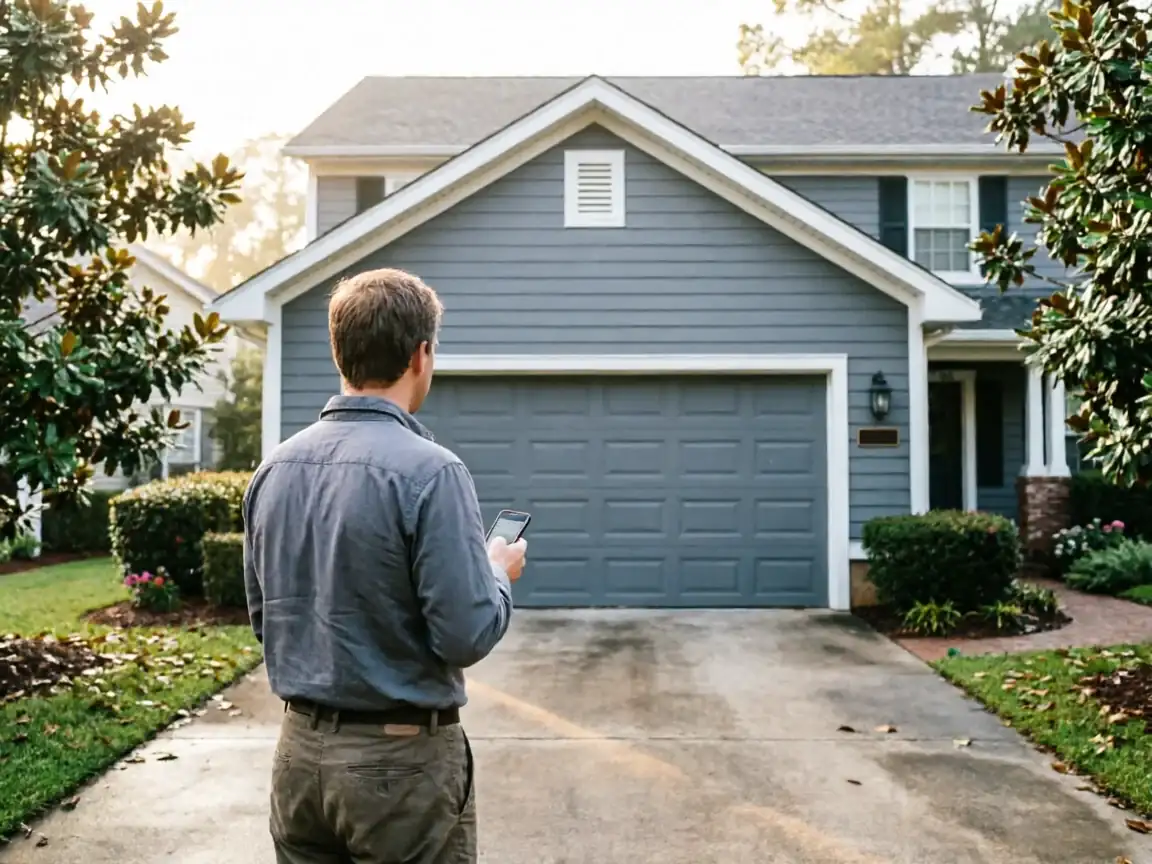
Lanett sits about 17 miles out from our shop in Opelika, so we don't run a second location or a drop-off counter here. Every job starts with a truck leaving Opelika and coming to you, which means we schedule the drive into the appointment rather than pretending we're already around the corner. That's an honest limitation worth saying up front: if you need a same-hour emergency fix during a busy stretch, the 17 miles is part of the math, not an afterthought.
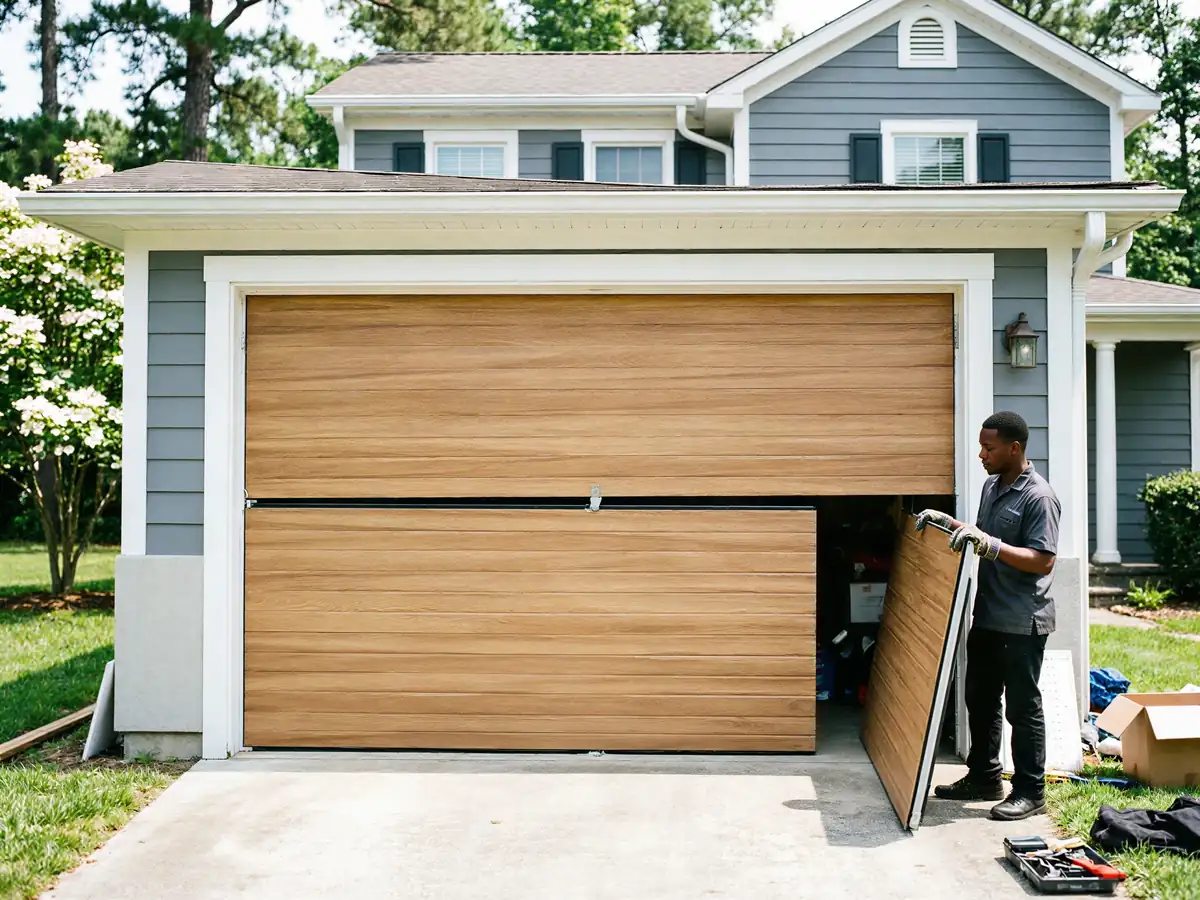
What the drive buys you is a crew that isn't guessing about what's waiting on the other end. Lanett isn't a newer subdivision with cookie-cutter doors we've never seen. It's older housing, and the trip out here is worth planning for because the work on the other side of it usually isn't a quick panel swap - it's dealing with hardware that's been bolted to the same jamb since before most openers had anything resembling a safety sensor.
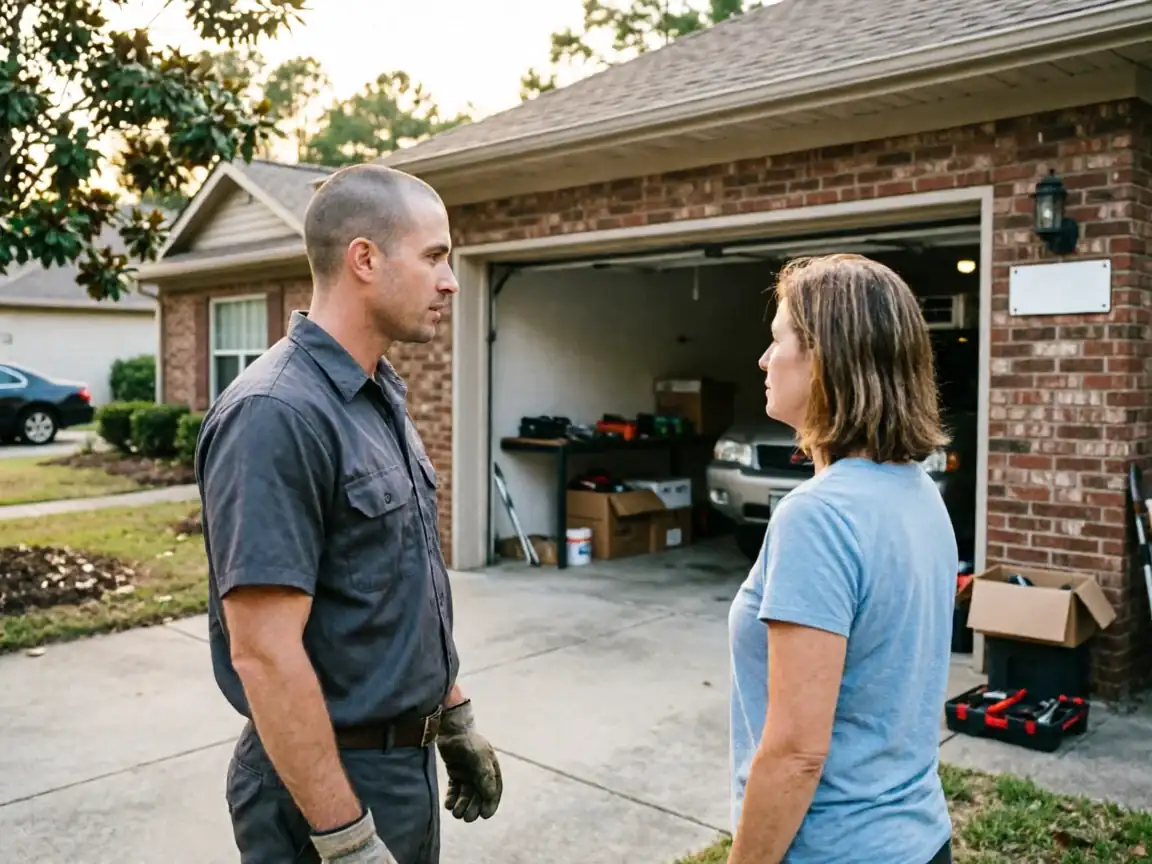
We'd rather tell you that straight than imply we're sitting five minutes away. We're not. We're a scheduled visit from Opelika, and once we're there we're not rushing off to the next town.
What That Means for Doors
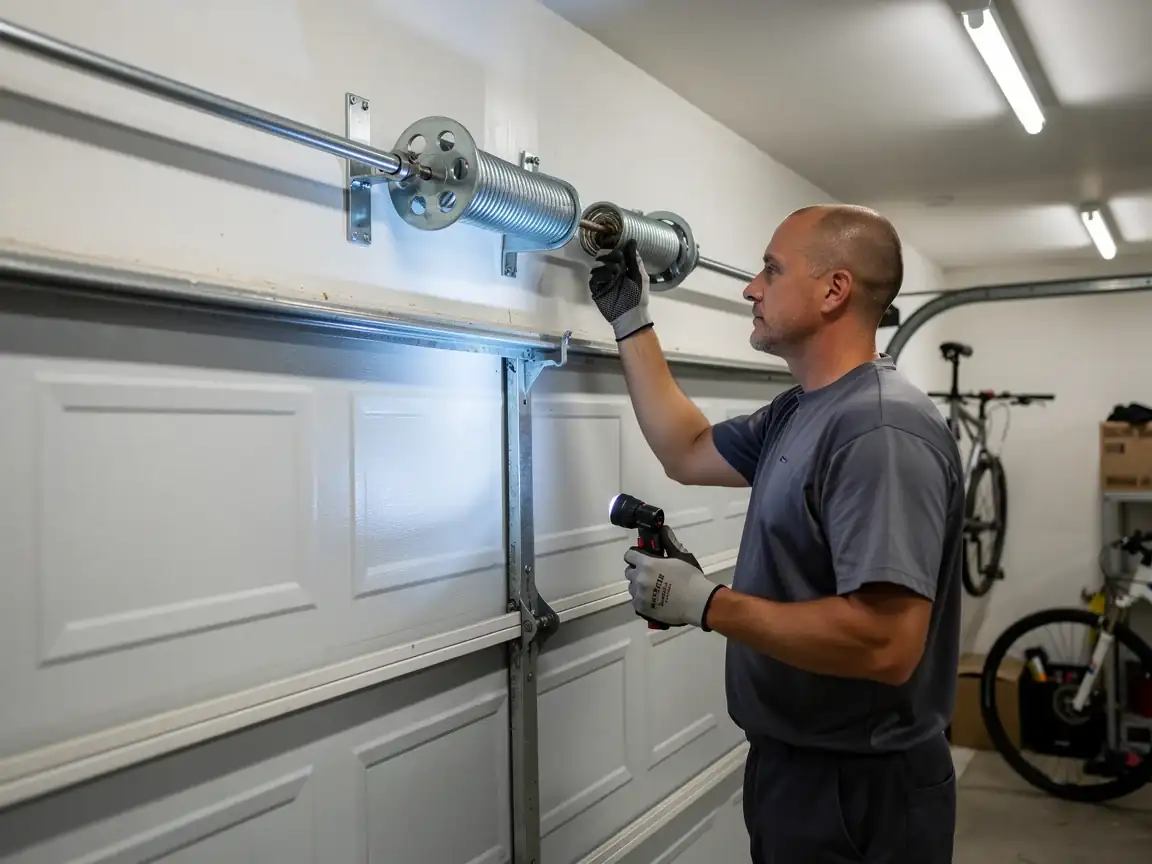
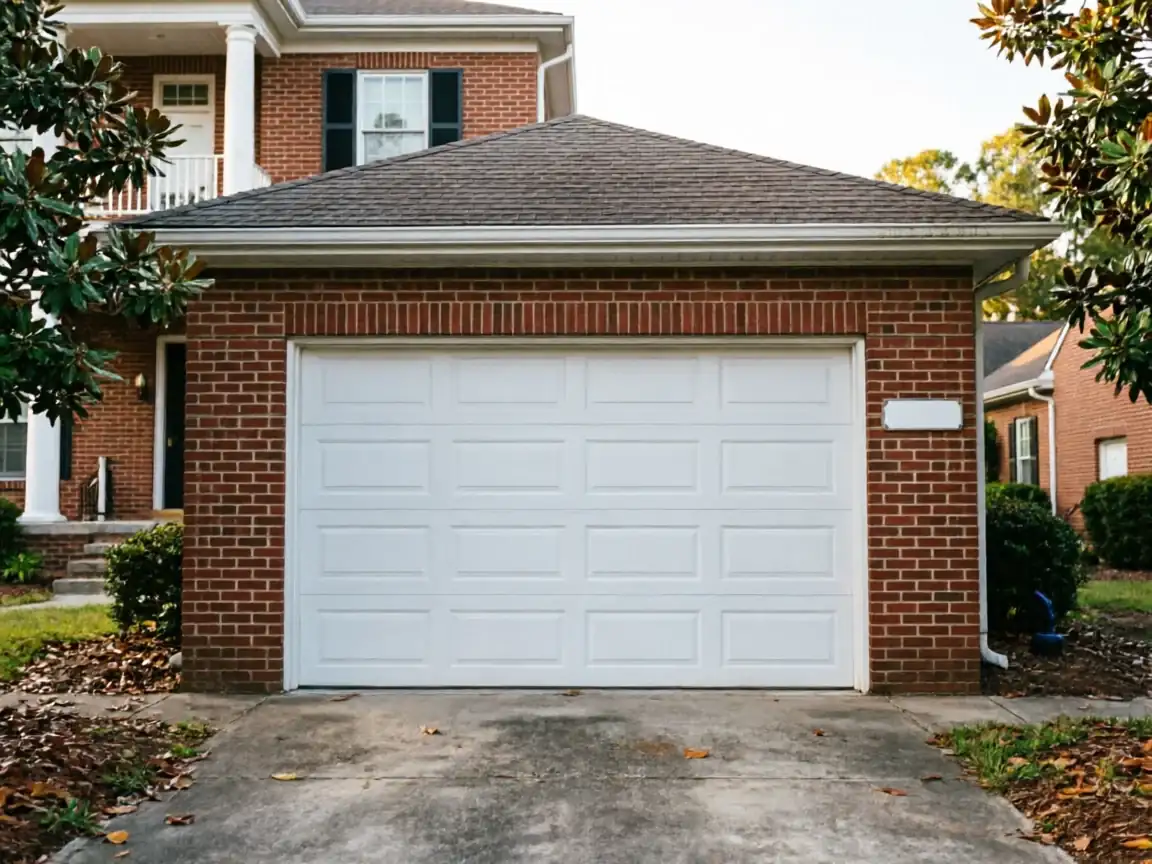
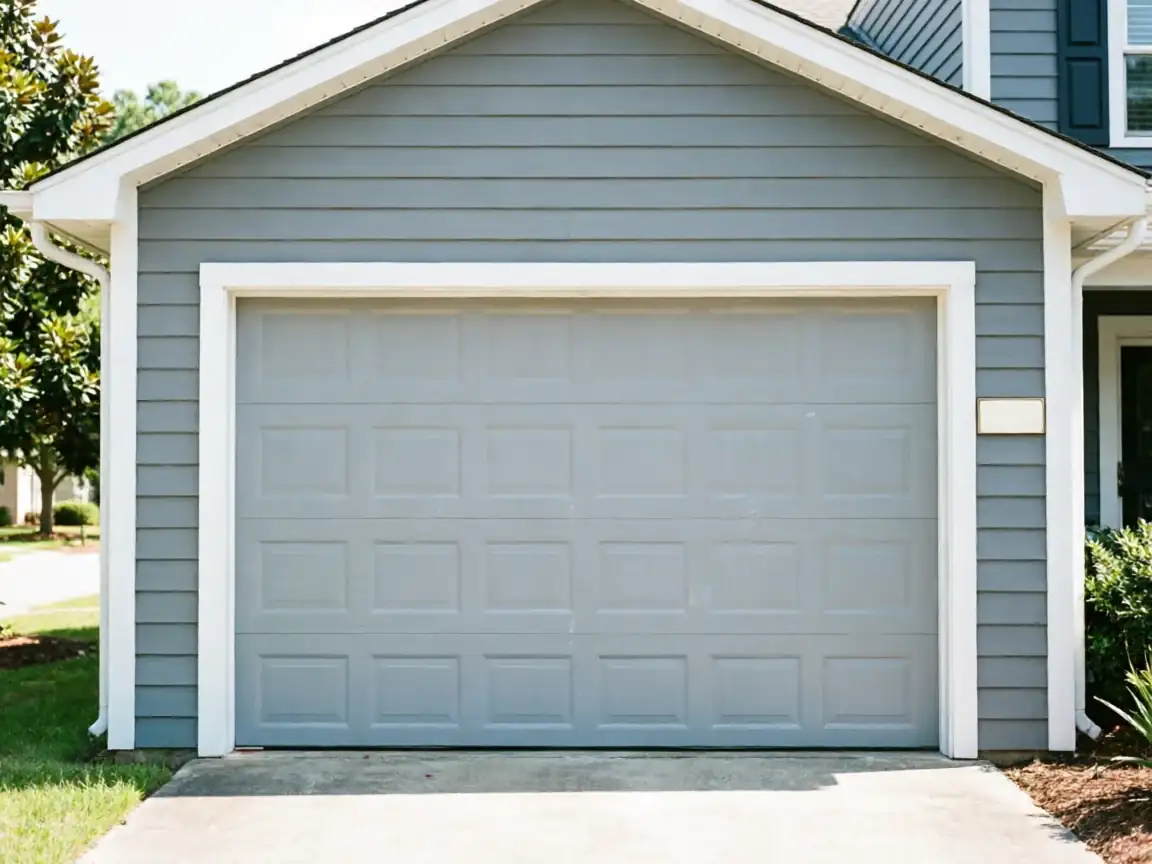
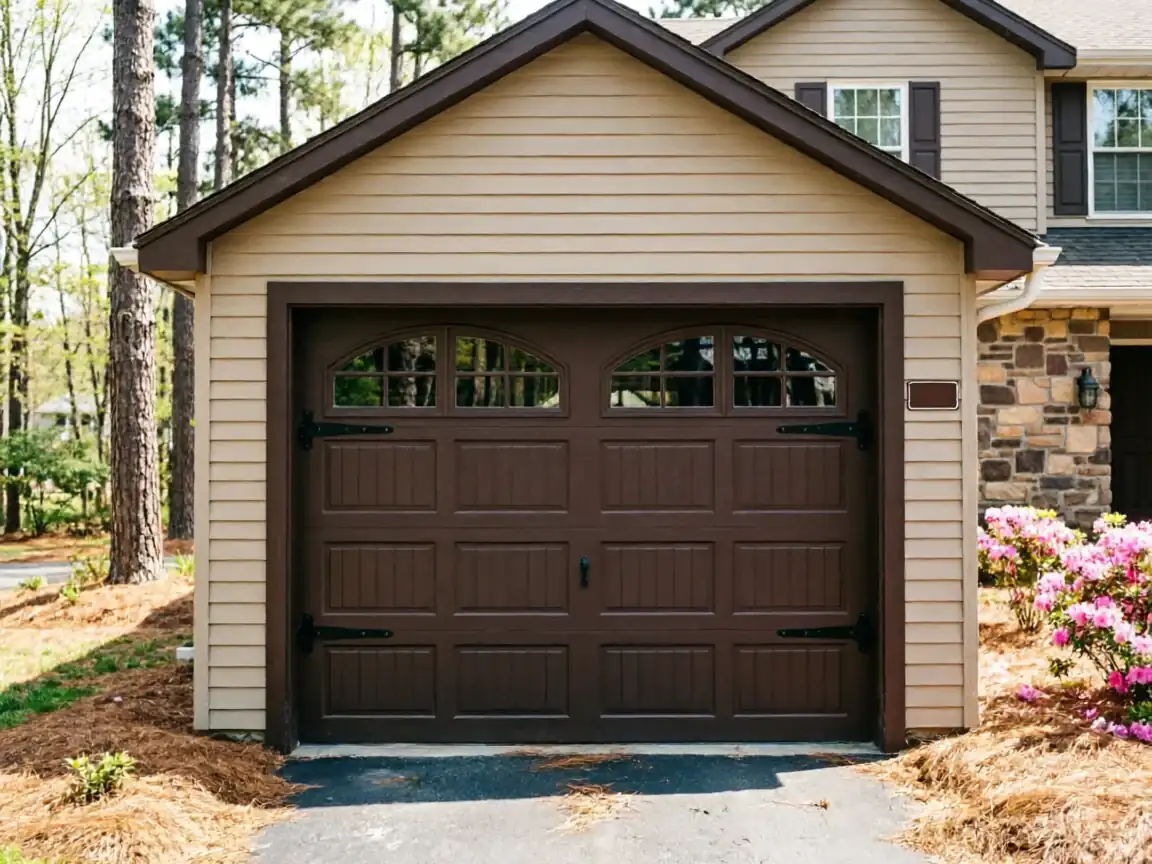
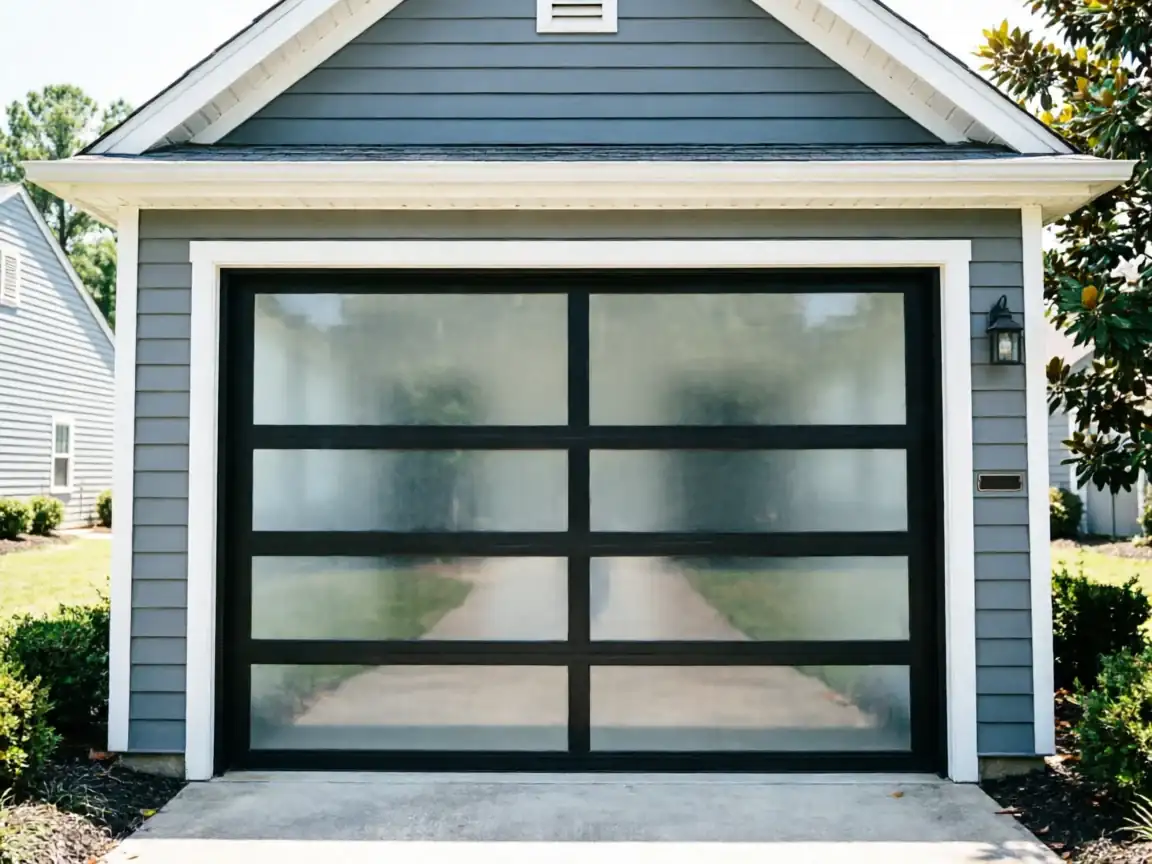
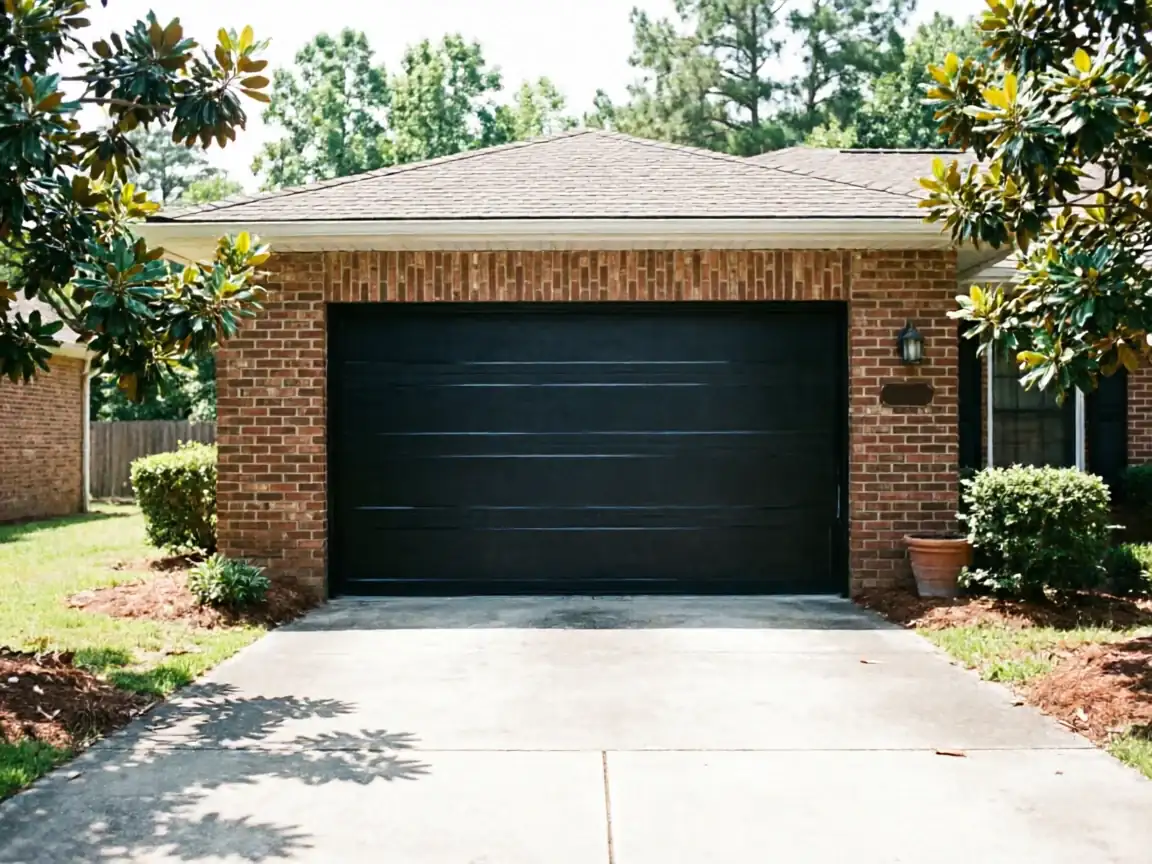
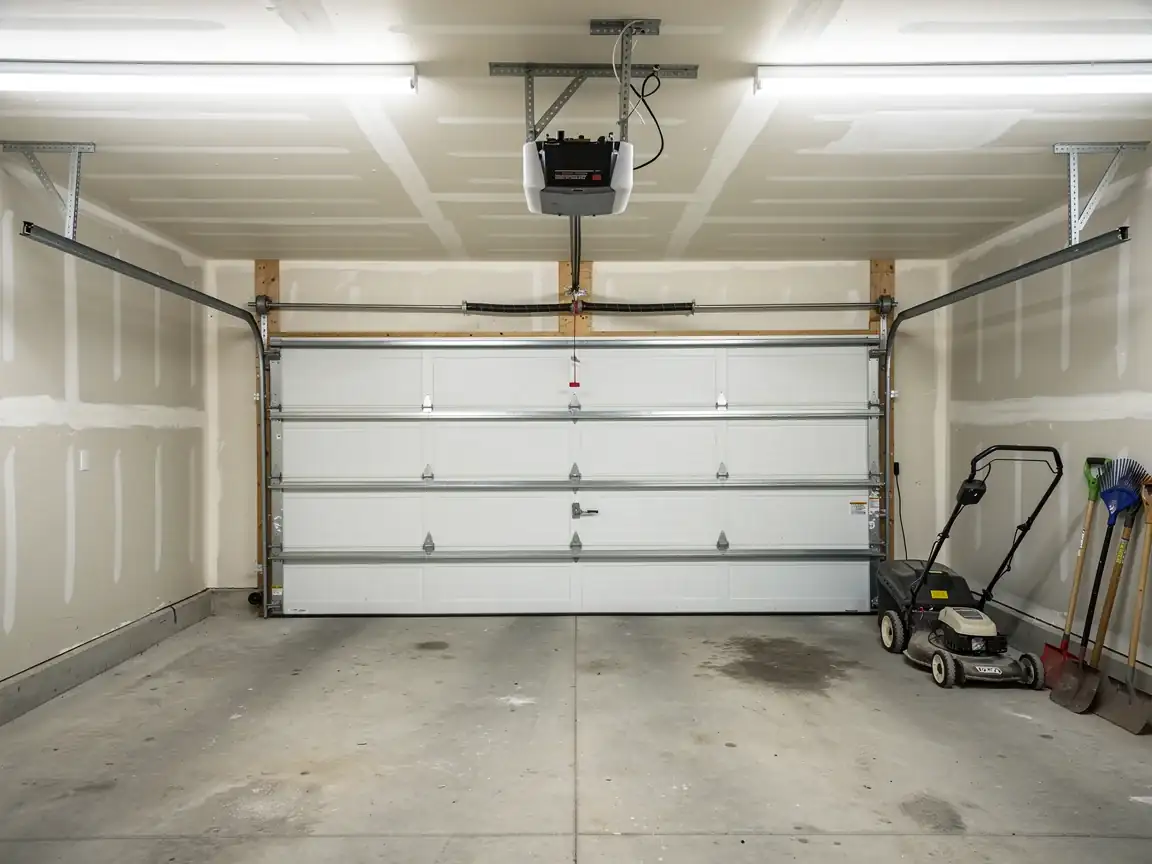
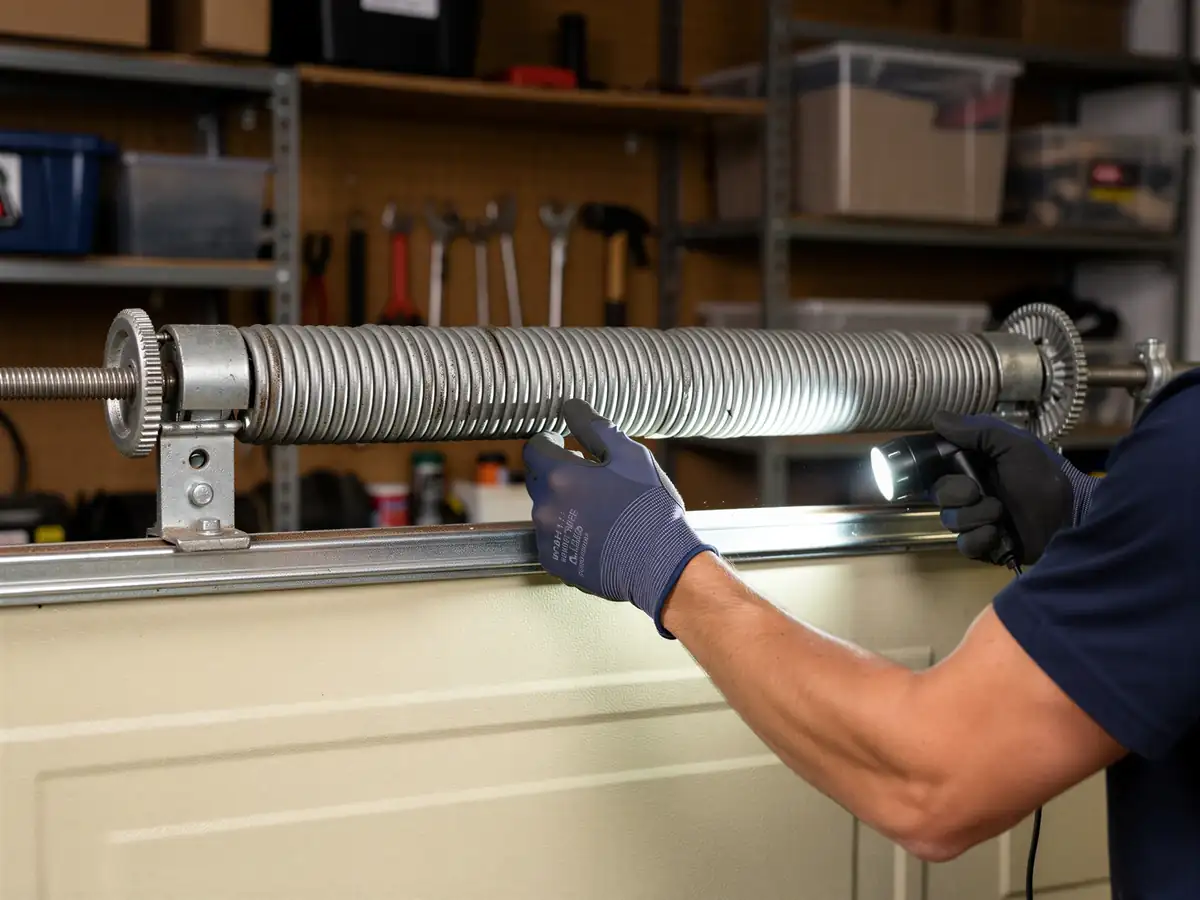
The median home in Lanett was built around 1965, which puts a good chunk of the doors here older than what you'd find on the typical page for this area. That ten-plus year gap matters more than it sounds like. A door and track system from the mid-1960s was almost always sized for a single-car bay with narrower clearances than anything built in the 1970s or later, and the spring setup on those doors is more often an extension spring strung along the horizontal track rather than a torsion bar over the header.
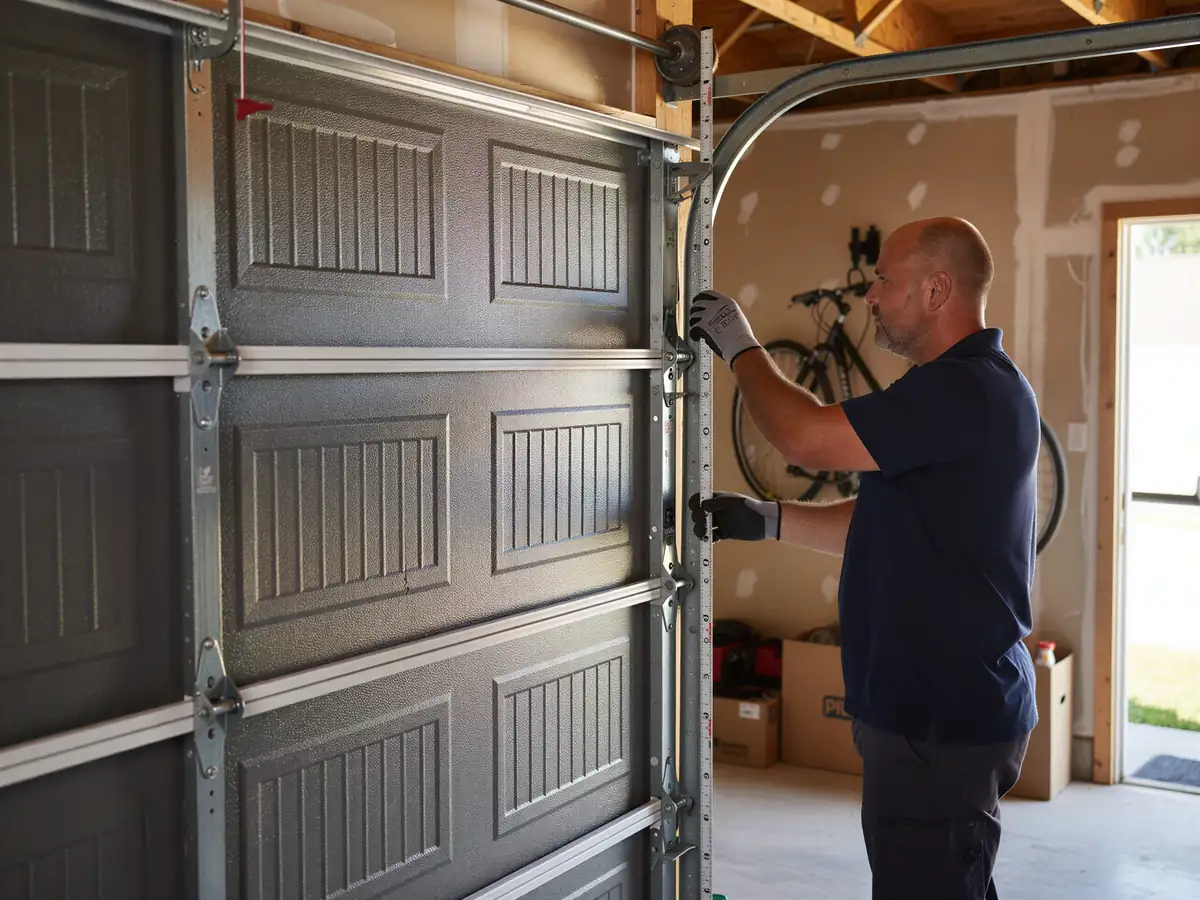
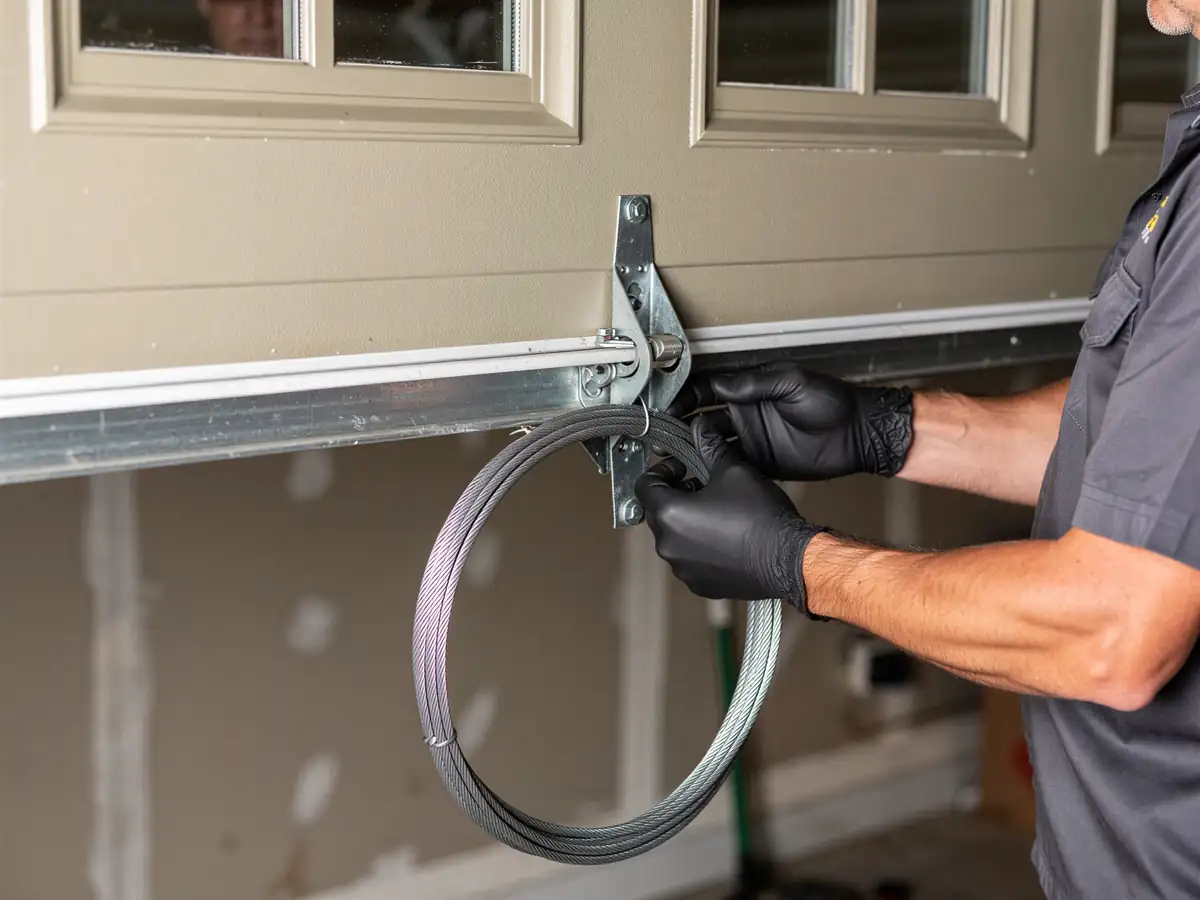
That's a different animal to work on. Extension springs stretch and fatigue differently than torsion springs, the safety cables (if they were ever added) are easy to miss on an inspection if you're not looking for mid-60s installs specifically, and the track brackets were often fastened with hardware that nobody case-stocks in a truck built for 1990s doors.
We don't walk into a Lanett job assuming it's a standard torsion-spring double door, because odds are it isn't. We check the install date range in our head before we check the door.
The Usual Work Here
Given the 1965 median build year, the calls we get from this part of the coverage area lean toward spring and hardware failure rather than opener electronics
Extension springs on original single-bay doors stretch out and lose tension over years of cycling, rollers on the old steel track wear grooves that make the door bind partway up, and the cable drums on older hardware corrode faster in the humidity this region sees even without hard freeze cycles.
We also see more full hardware replacements here than panel-only repairs
Simply because when a track or spring assembly from the mid-60s fails, matching parts to it isn't always worth the time compared to replacing the run with current hardware built for the same opening. That's not us pushing a sale - it's often genuinely cheaper and more reliable than hunting down a part for a door that's been in service for close to sixty years.
We're not going to pretend every job is a simple spring swap
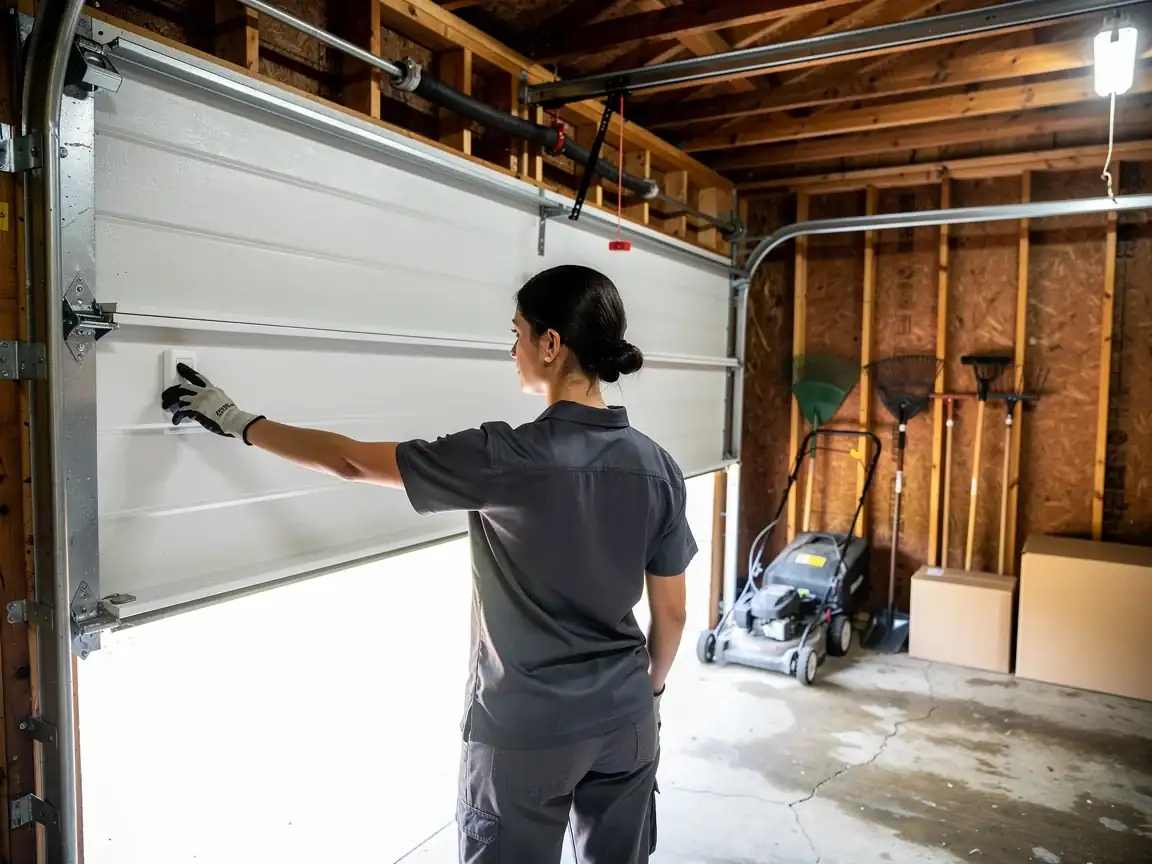
Some of these doors need the whole track and spring system rebuilt, and we'll tell you that on-site before we start, not after.
What Was Built Here
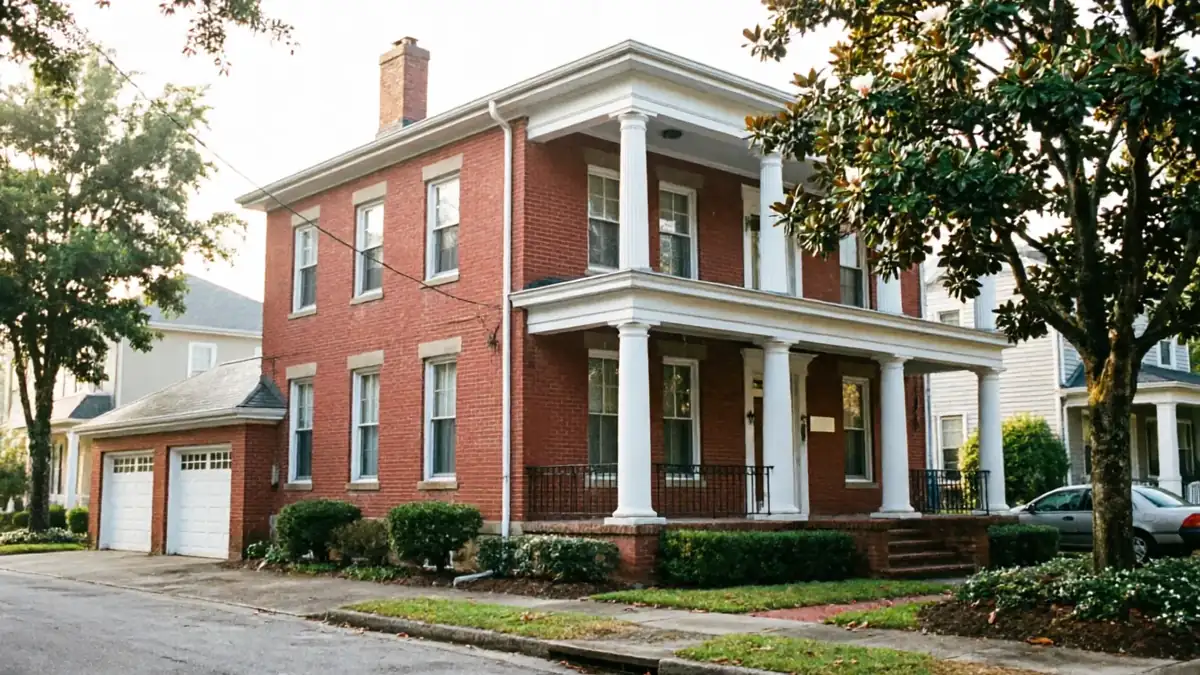
Lanett has roughly 2,336 households, smaller than the wider service area's household count, and it's one of the older corners of the coverage map by build date - 1965 median versus the broader area's 1976. Median household income here runs about $42,415, a bit under the service area's overall median of $45,493, and that gap shapes the kind of calls we get: more repair requests to keep an original door running a few more years, fewer calls asking for a full replacement with premium insulated panels.
The region overall sits in a mild climate band with occasional freeze, so garage doors here aren't fighting the extreme temperature swings that crack seals and warp panels in colder parts of the country. That's part of why doors from the 1960s are still hanging on in Lanett at all - the hardware wears out before the weather forces the issue.
When we're out here, we're working on houses that have had one or two doors their whole life, not three or four. That changes what we recommend and how hard we push for replacement versus repair.