What the Repair Takes
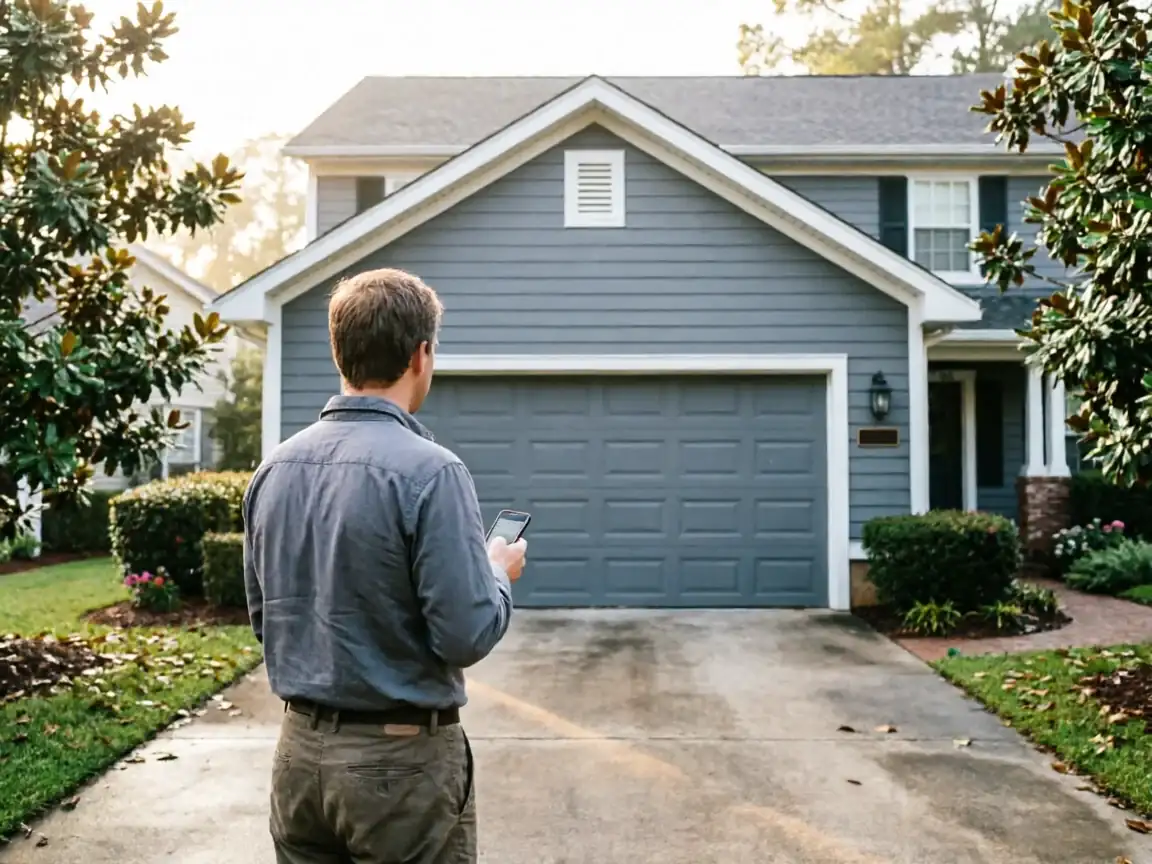
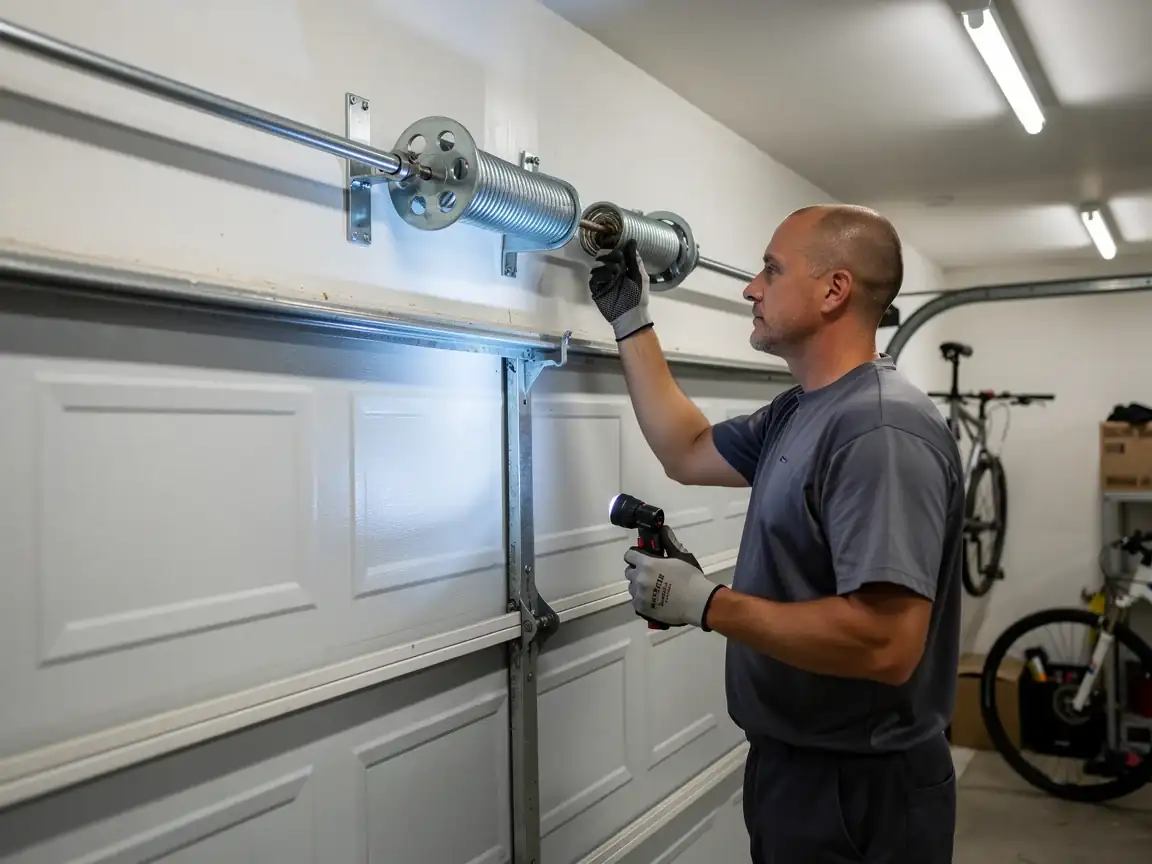
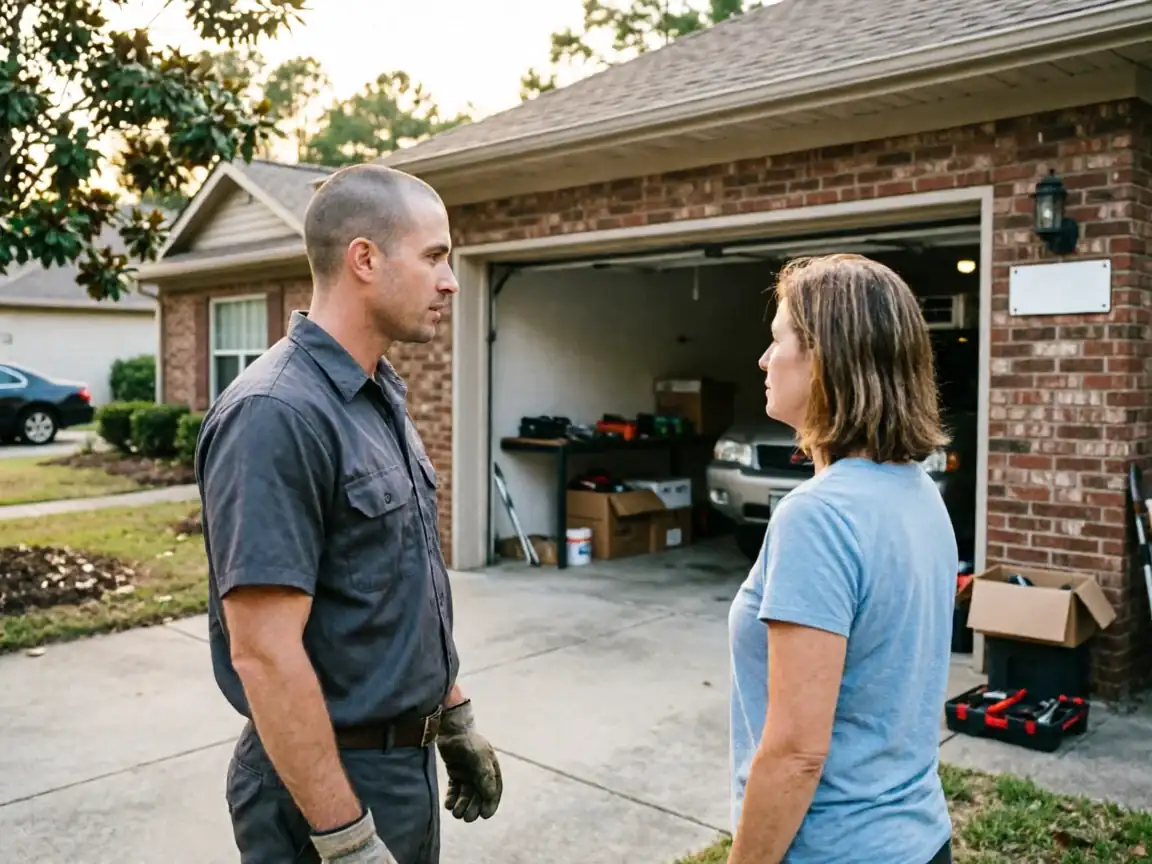
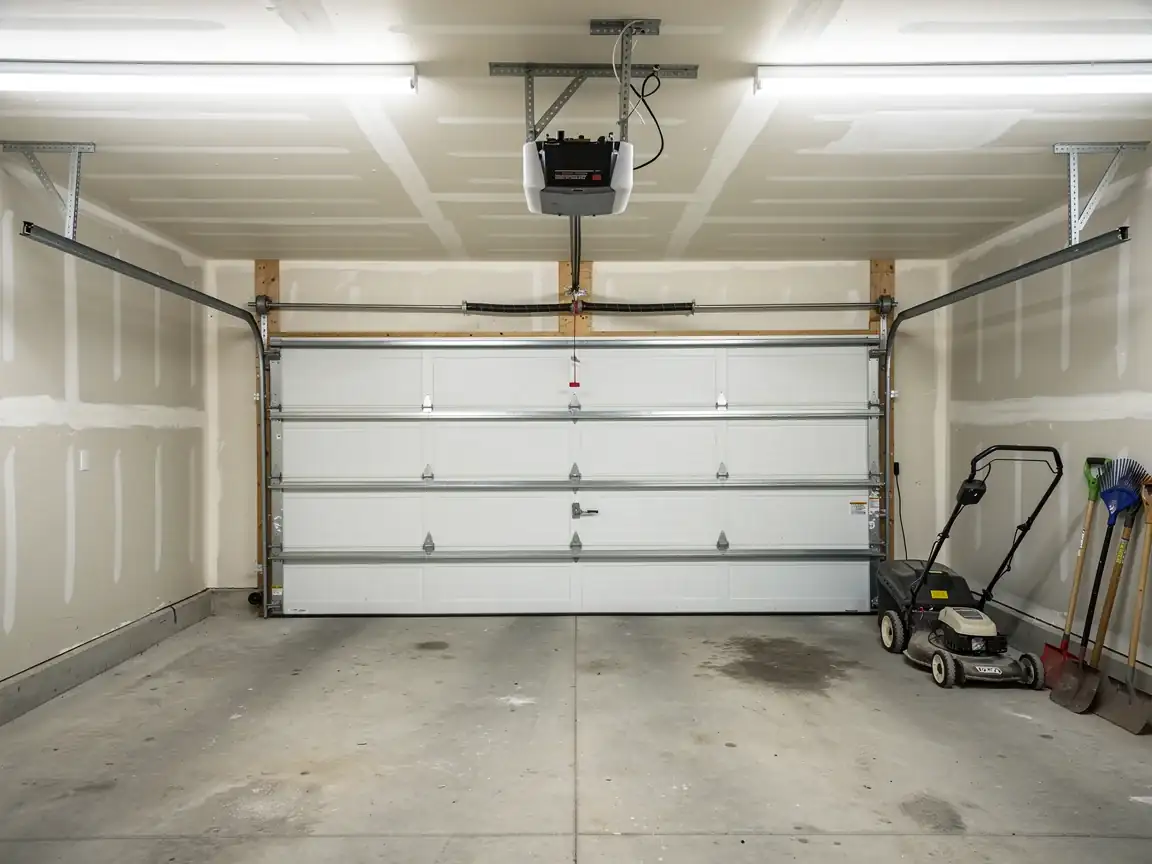
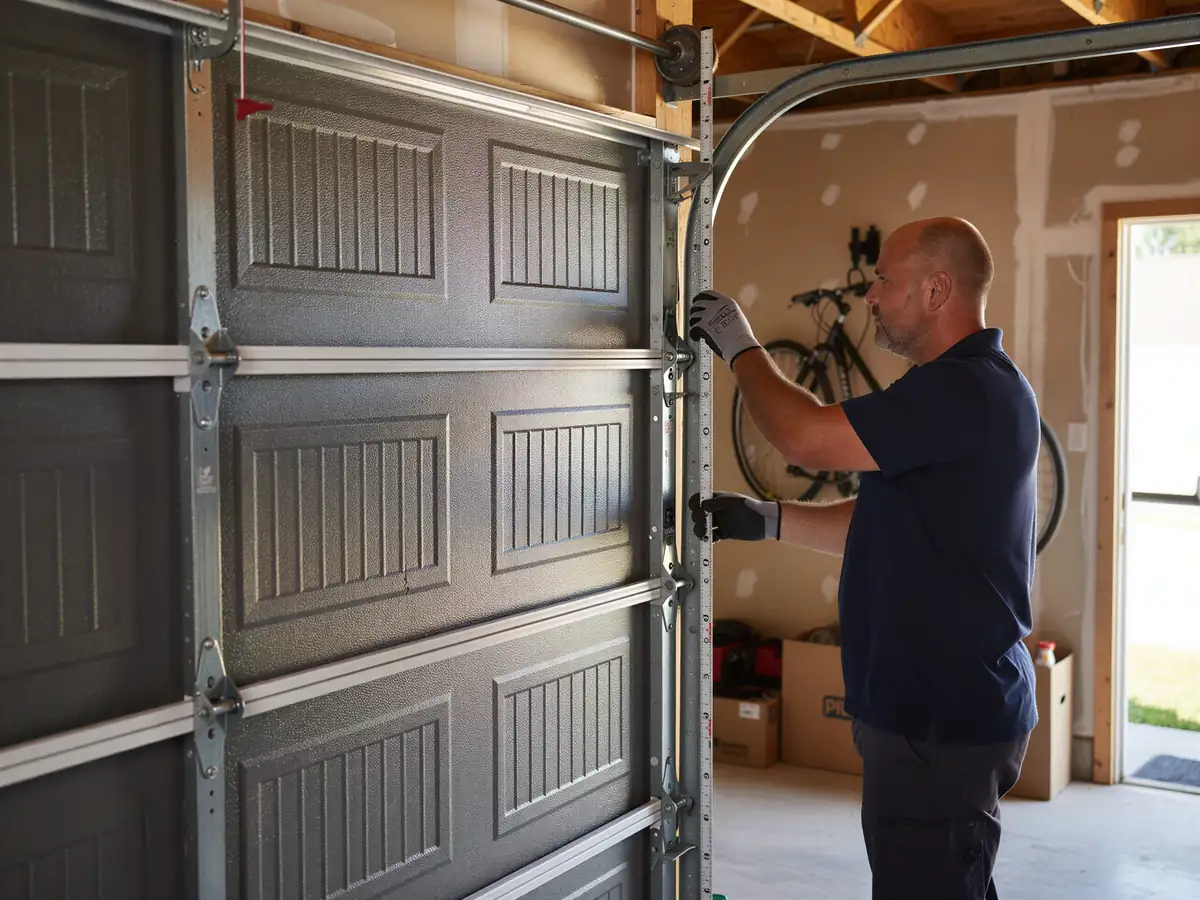
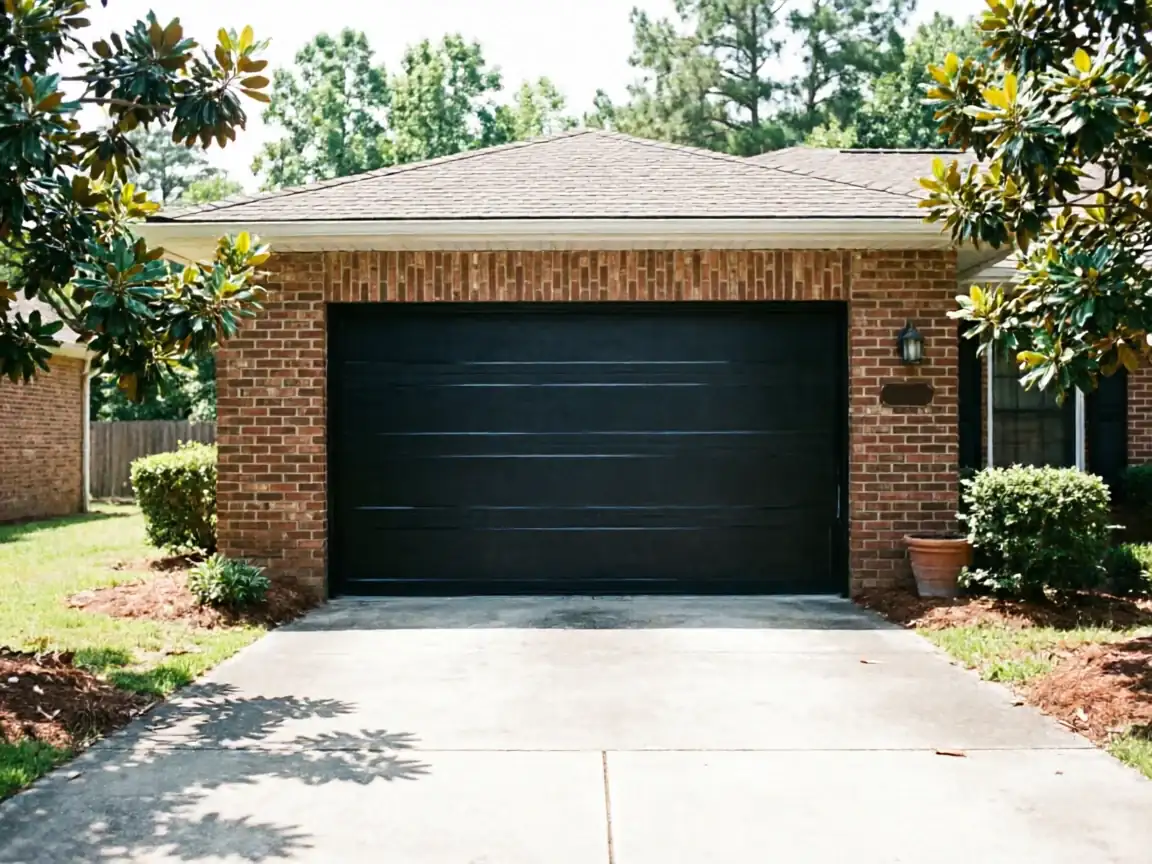
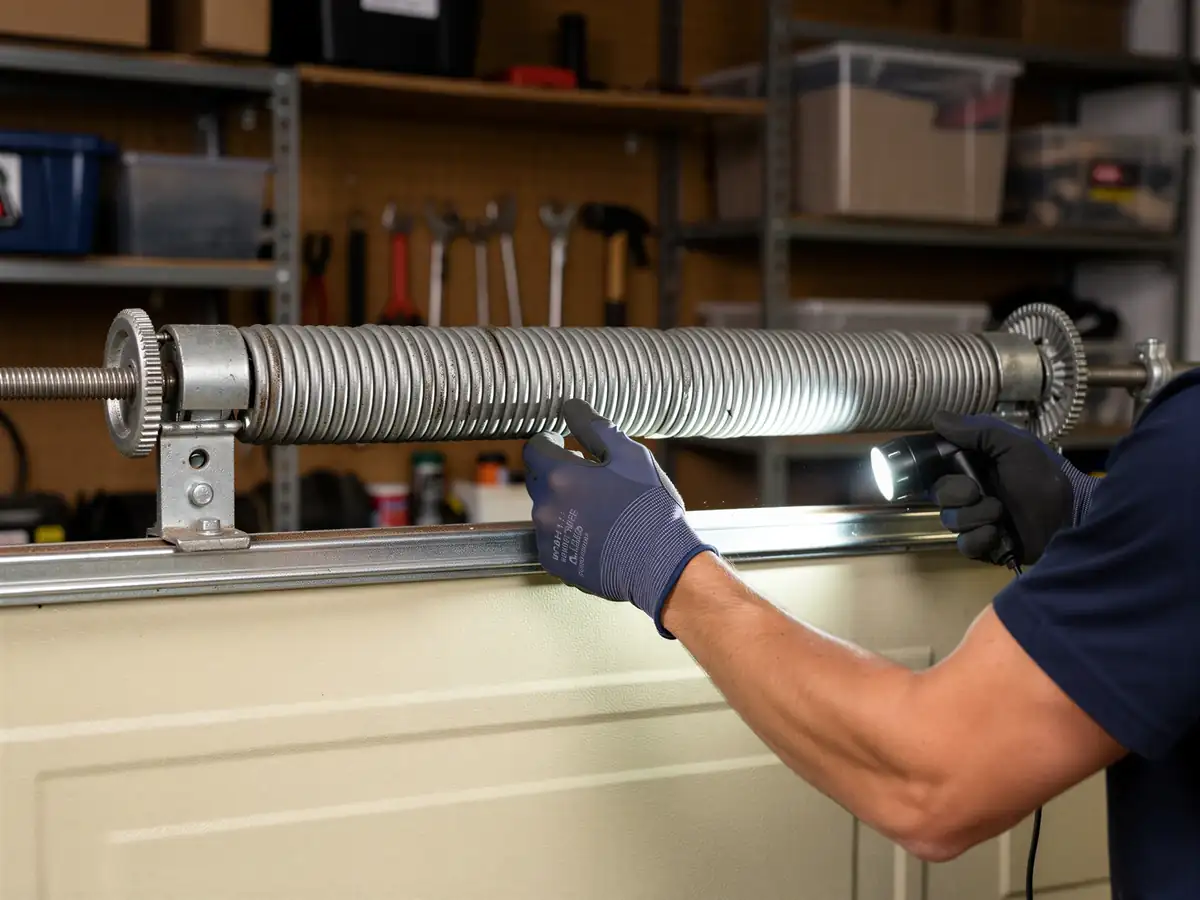
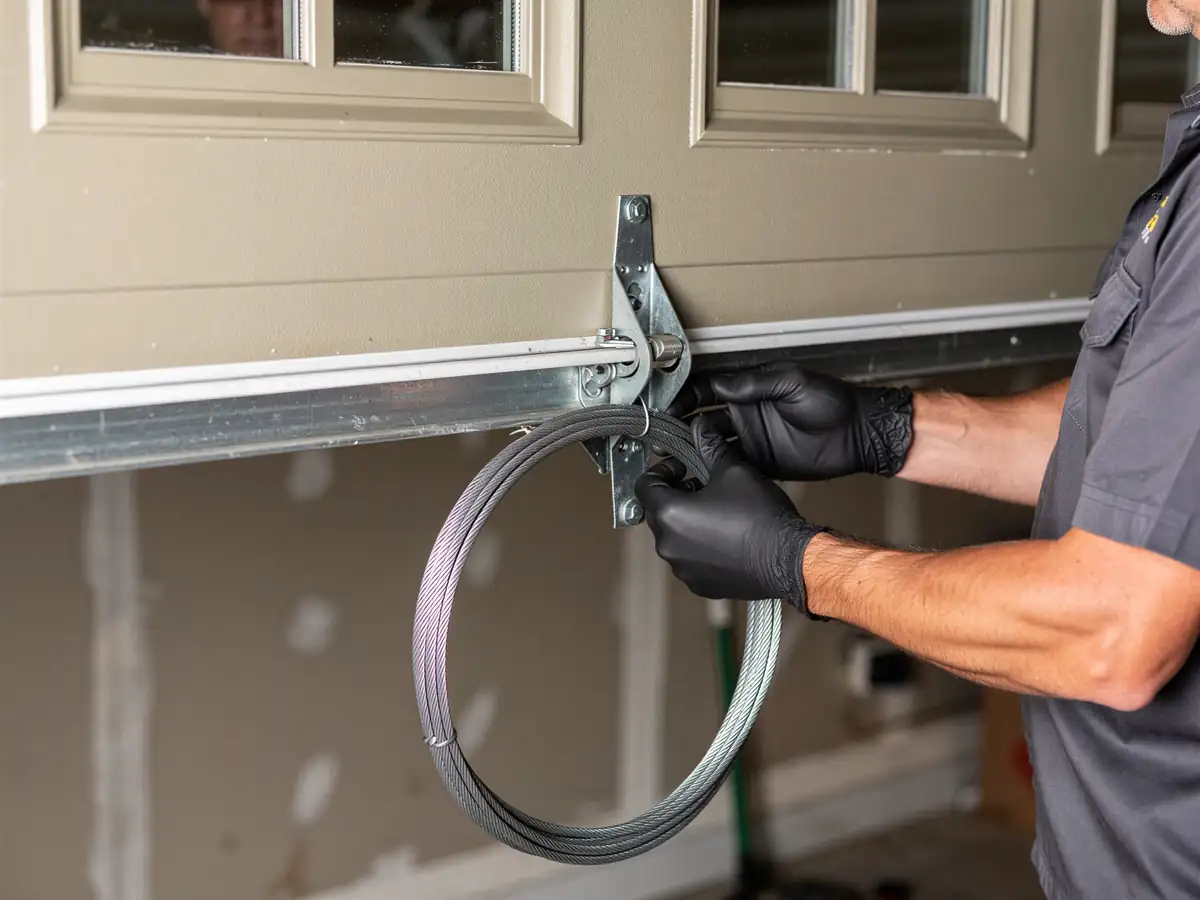
Lanett sits 17 miles from our shop in Opelika, and that drive shapes how a cable call here gets handled - we load the truck for the job before we leave, because there's no running back for a part we guessed wrong on. Most houses in this part of the service area went up around 1965, which puts a lot of doors on original or first-replacement lift cable and the galvanized drums that were standard on that era's torsion hardware. That's not the same cable gauge or drum size you'd find on a door built in the 1990s, so the tech needs to know going in whether he's dealing with a 1960s-vintage track system or a later retrofit. A cable repair itself is straightforward: unload the spring tension, pull the old cable off the drum, run new cable through the pulley and anchor it at the bottom bracket. The work takes under an hour once the door's identified correctly. What eats time is matching hardware on a door nobody's touched since it was installed - that's the part of the job that has to happen before the truck rolls, not after.
Where This Job Goes Sideways
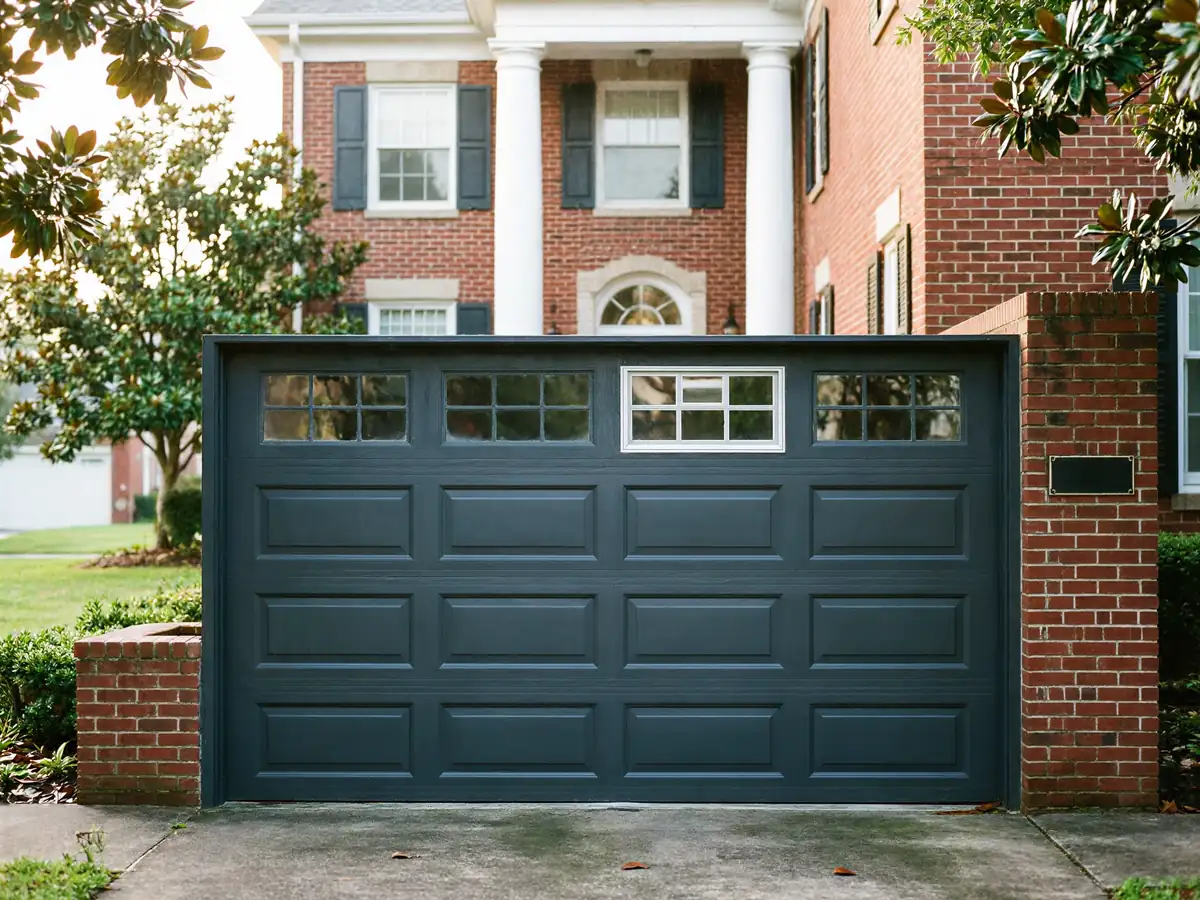
The regional climate here is mild with occasional freeze, which is gentler on cable than a hard winter climate but not nothing. A cable that sees a handful of freeze-thaw cycles a year still picks up surface rust at the drum end, and rust under tension is what turns a fraying cable into a snapped one without warning. On a door built in the mid-1960s, the bigger issue is usually the drum itself - decades of the same cable groove wearing a sharp edge that shears a new cable faster than it should. We've opened up drums on doors this age and found a groove sharp enough to cut a replacement cable within months if we don't resurface or swap the drum along with it. Skipping that step is the single most common way a cable repair here turns into a second call. The other way it goes sideways is a double door where only one side got a new cable - uneven tension on the two sides puts the door out of square and stresses the new cable before it's even broken in.
The Symptom
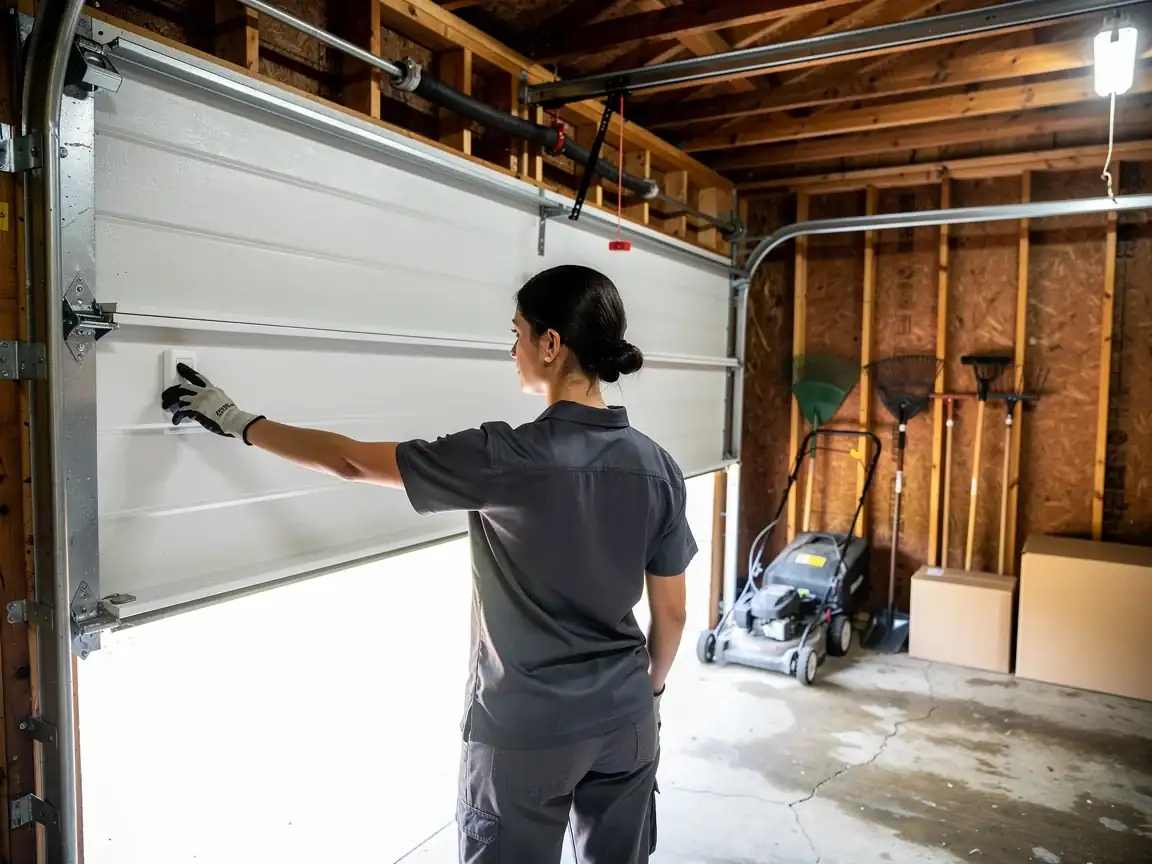
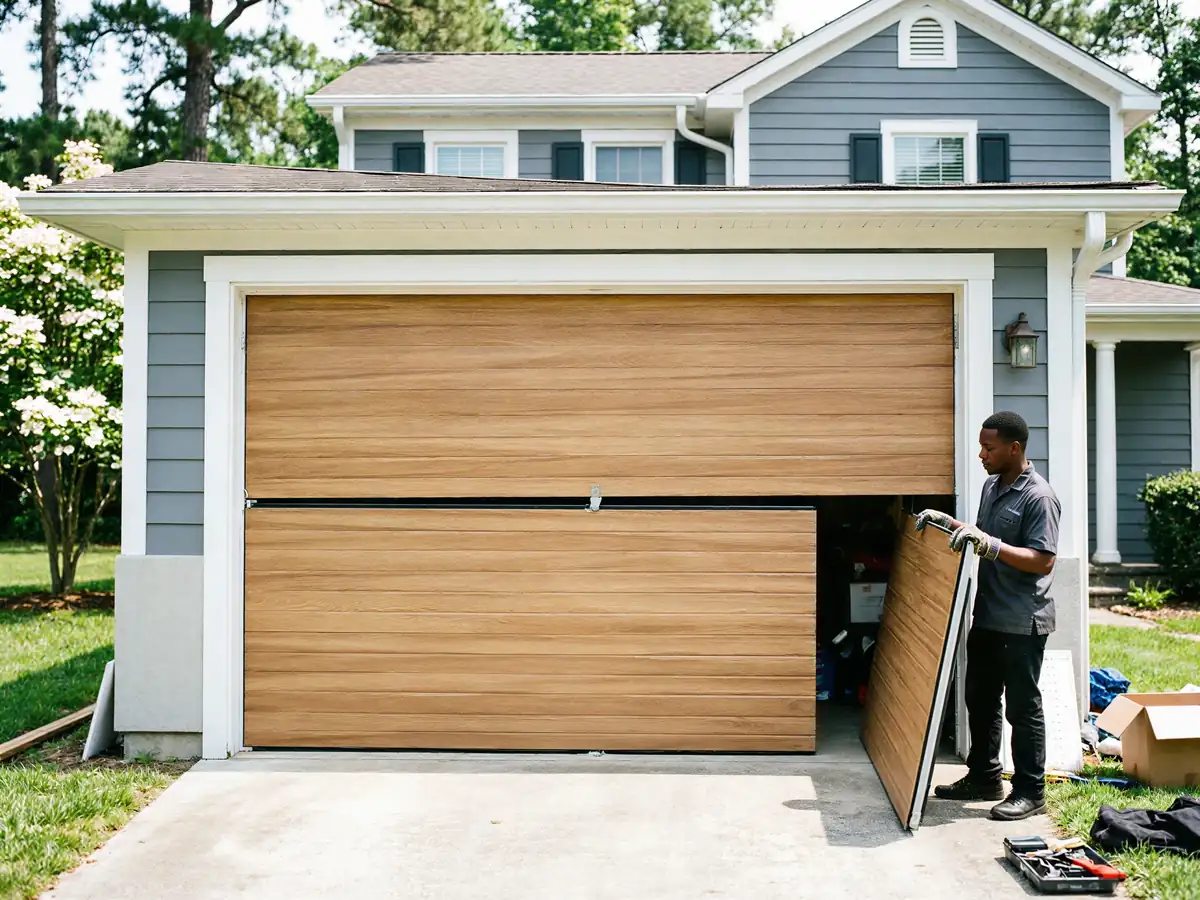
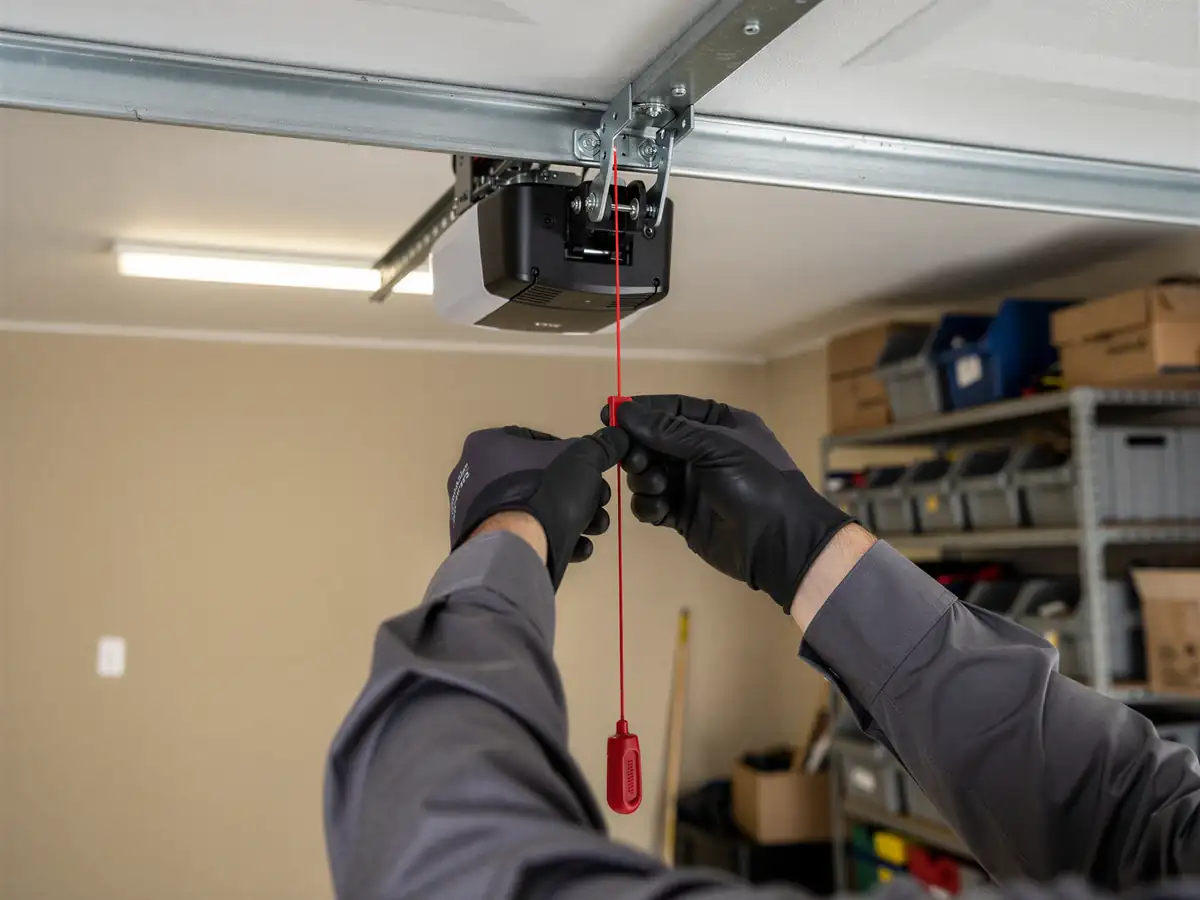
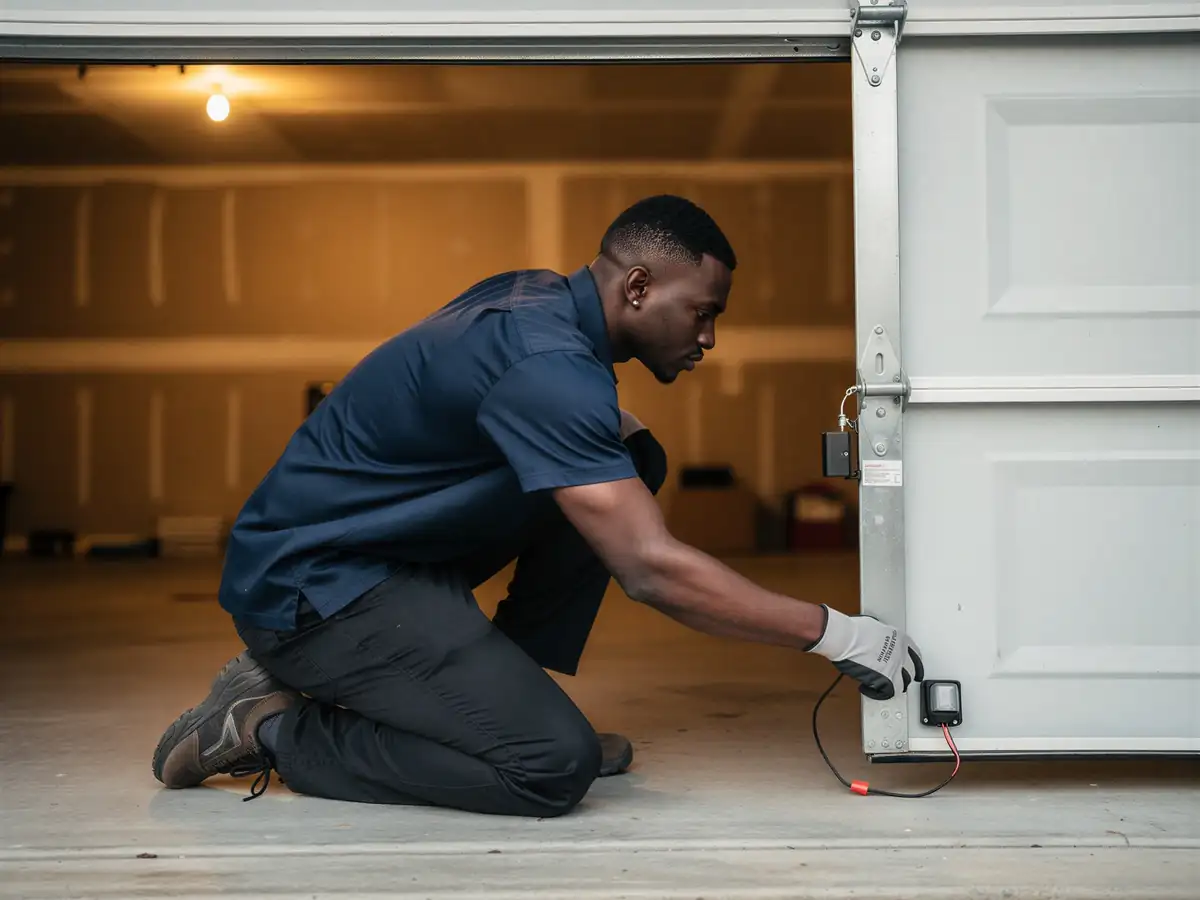
A cable problem on a 1965-era door usually shows up one of two ways. Either the door hangs crooked - one side several inches lower than the other because a cable's stretched or slipped its drum - or it's flat-out stuck, cable snapped and lying loose on the track. Don't pull the emergency release and try to force it by hand; a door under spring tension with a broken cable can drop fast and there's nothing holding the far side up. If you hear a bang followed by the door refusing to move, that's almost always a snapped cable, not a dead opener. One honest limitation: if the drum's worn through or the track's bent from someone trying to run the door on a bad cable, a cable swap alone won't fix it, and we'll tell you that instead of selling a repair that won't hold.