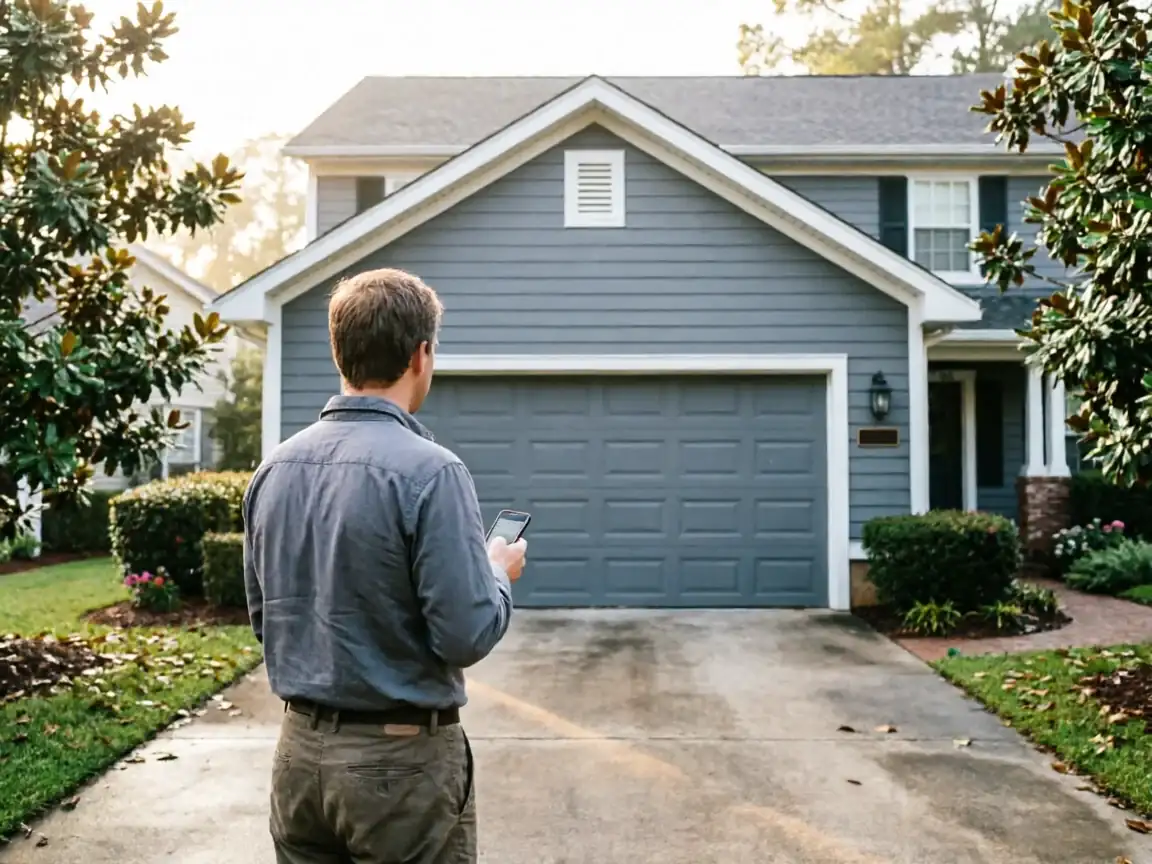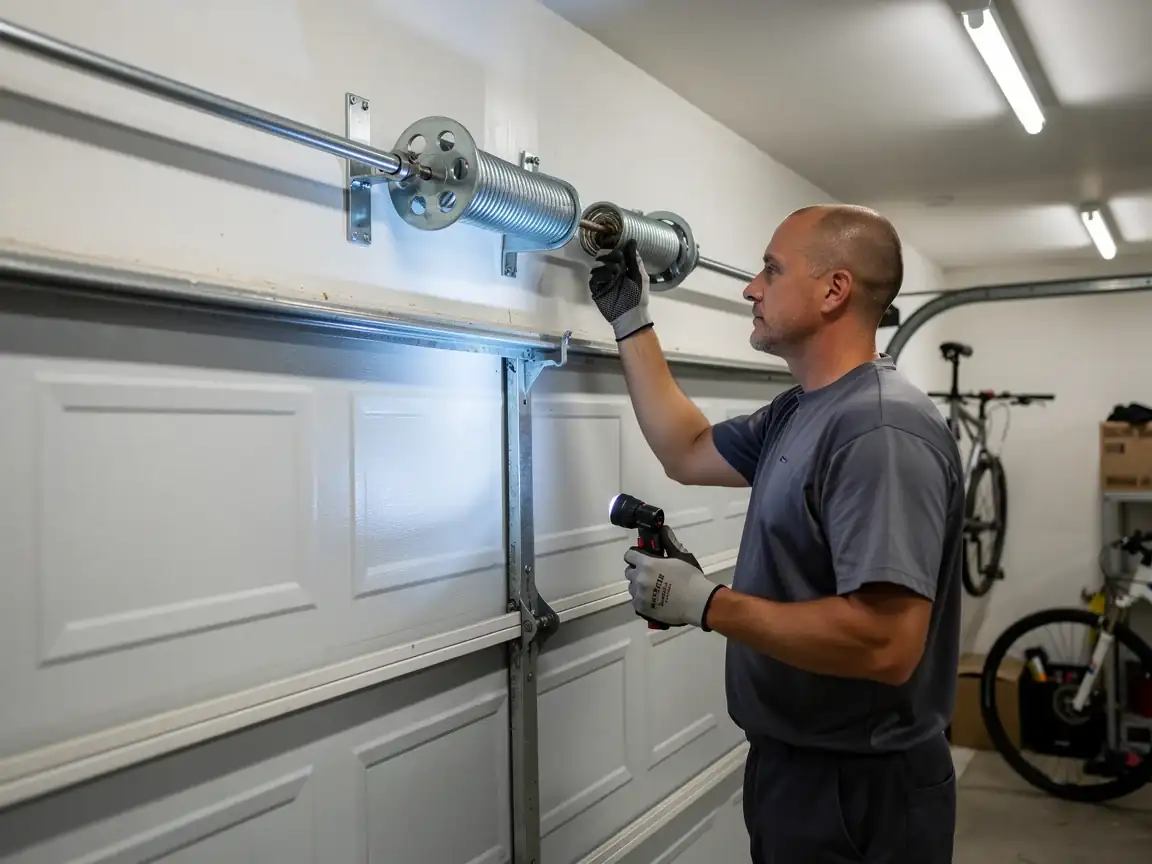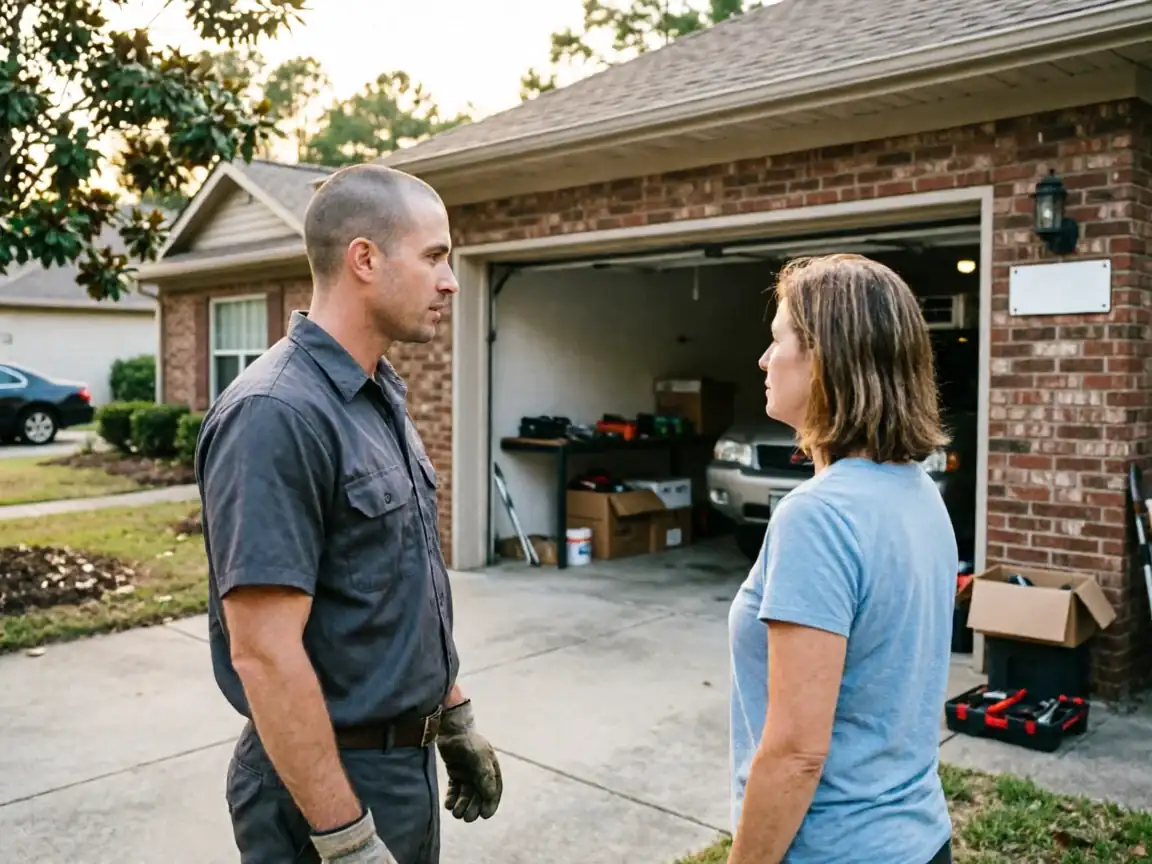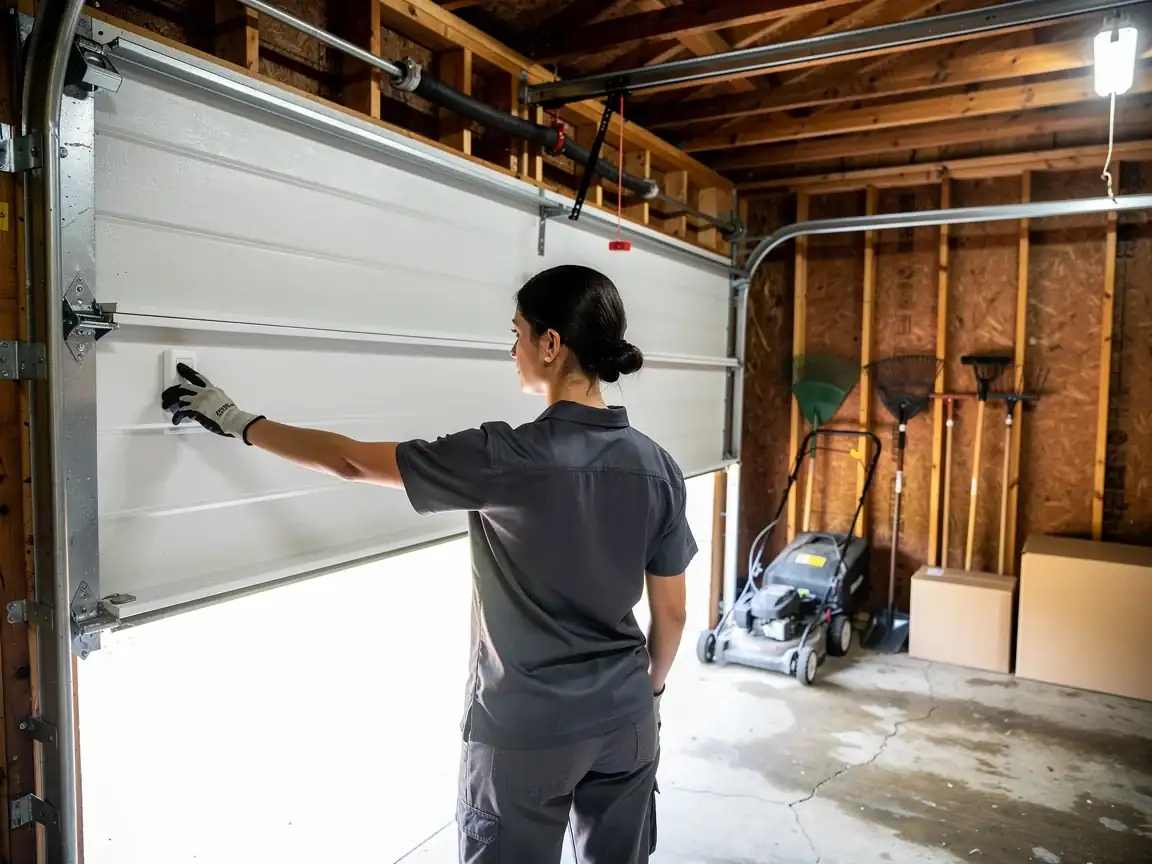
What the Repair Takes
Median household income in Lanett sits at $42,415, which is below the area-wide figure of $45,493 we see across the rest of the territory. That number matters more than it sounds like it should, because it sets where the repair-or-replace line falls. On a $42,415 income, a $300 logic board swap on a ten-year-old opener makes sense. Replacing the whole unit on a house that might need the opener, the springs, and the track redone inside five years does not, and we'll tell you that straight if that's what we find.
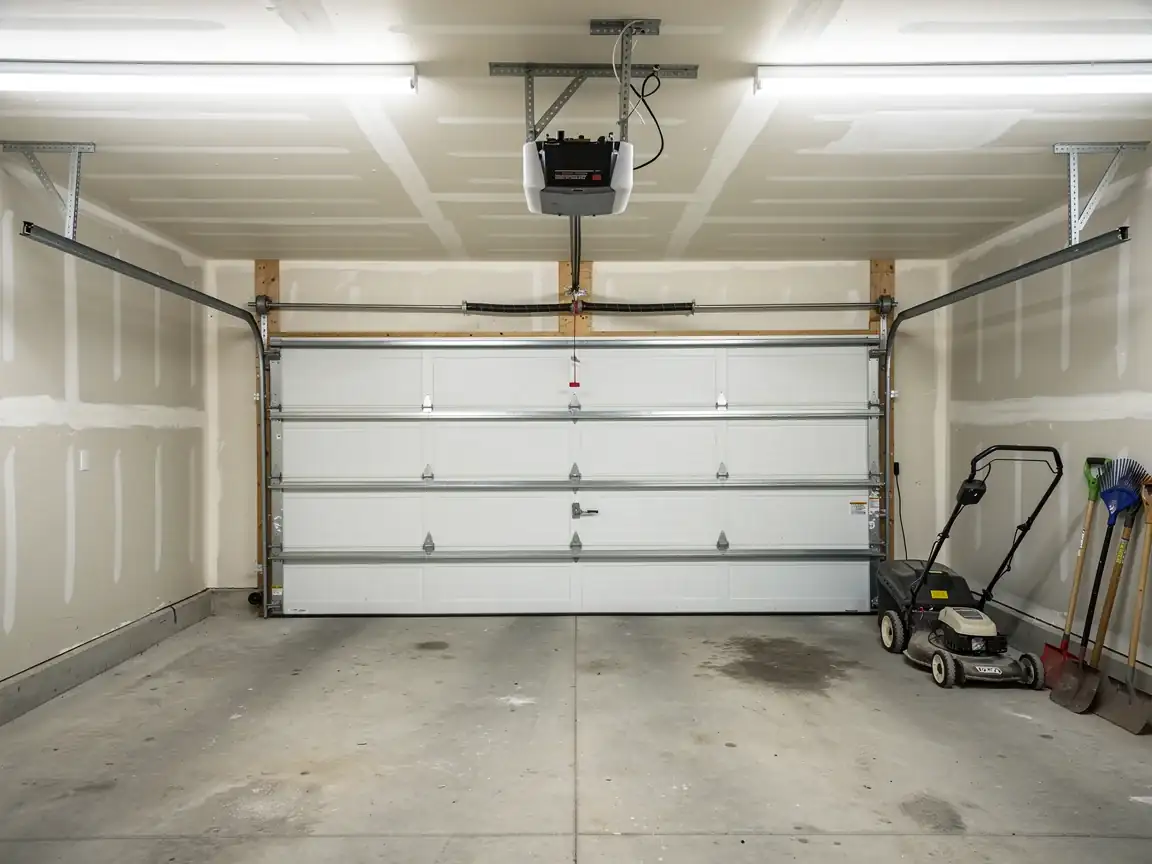
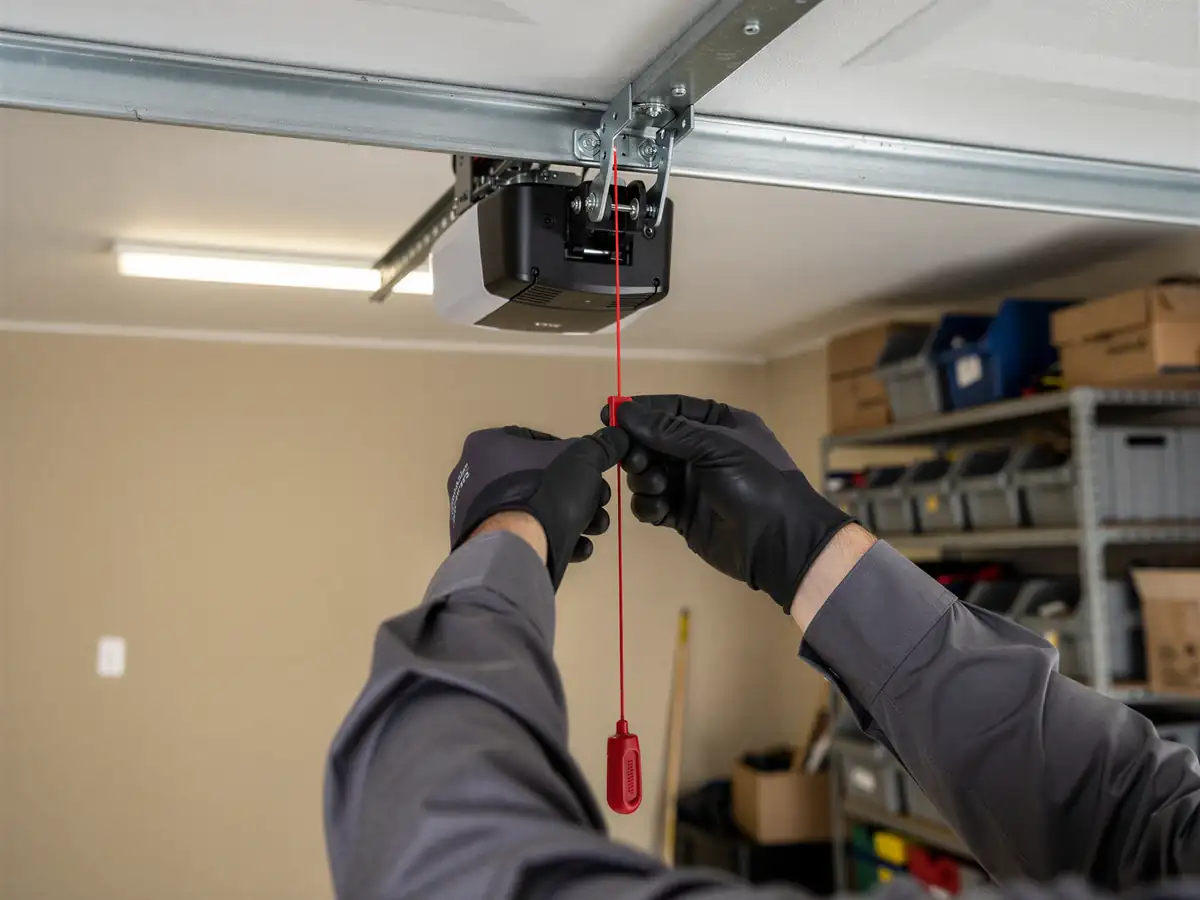
Most of the opener calls we take in Lanett are on units installed well after the house itself - homes here mostly date to 1965, median build year, so the openers we're pulling covers off are second or third generation, not original equipment. That means the circuit board, the sensor eyes, and the drive gear are usually a decade or two newer than the door they're hanging on. We check the drive gear and the capacitor on the board first, because those two parts fail far more than the motor itself does, and replacing a gear is a fraction of the cost of a new opener.
We won't quote you a price here - what it runs depends on the brand, the age, and whether the board or just the gear is shot. We confirm that on site.
Where This Job Goes Sideways
Houses built around 1965 were wired for openers that didn't exist yet, which means a lot of garages in Lanett got their opener added or swapped out later on a circuit that was never meant to carry one. We find openers plugged into an outlet that also runs a chest freezer or a shop light, tripping breakers under load and getting blamed for a dead motor when the real fault is upstream of the unit.
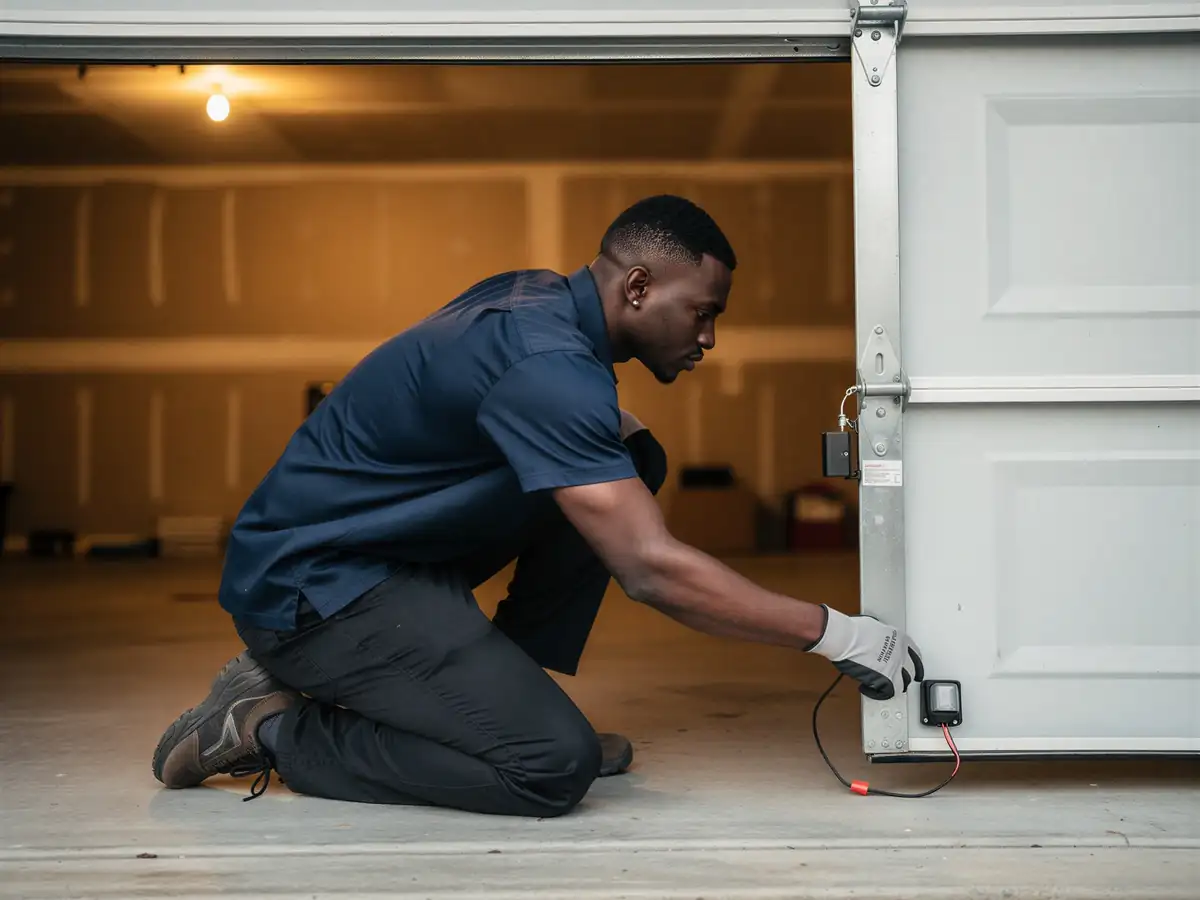
The other place this goes sideways: a safety sensor knocked out of alignment by a bumped car or a shelf installed too close to the track. The door won't close, the customer assumes the opener itself failed, and half the time it's a thirty-second fix once we're looking at it in person. We'd rather tell a homeowner over the phone that it might be the sensor eyes before we load the truck, but we can't diagnose wiring or alignment faults without seeing the garage.
One honest limit: if the opener is original to a mid-70s install and the part is long out of production, we're not going to hunt down a used board on the chance it holds. We'll say so and give you the replacement option instead of stringing the repair along.
Getting It Booked In
We run this job out of Opelika, 17 miles from Lanett
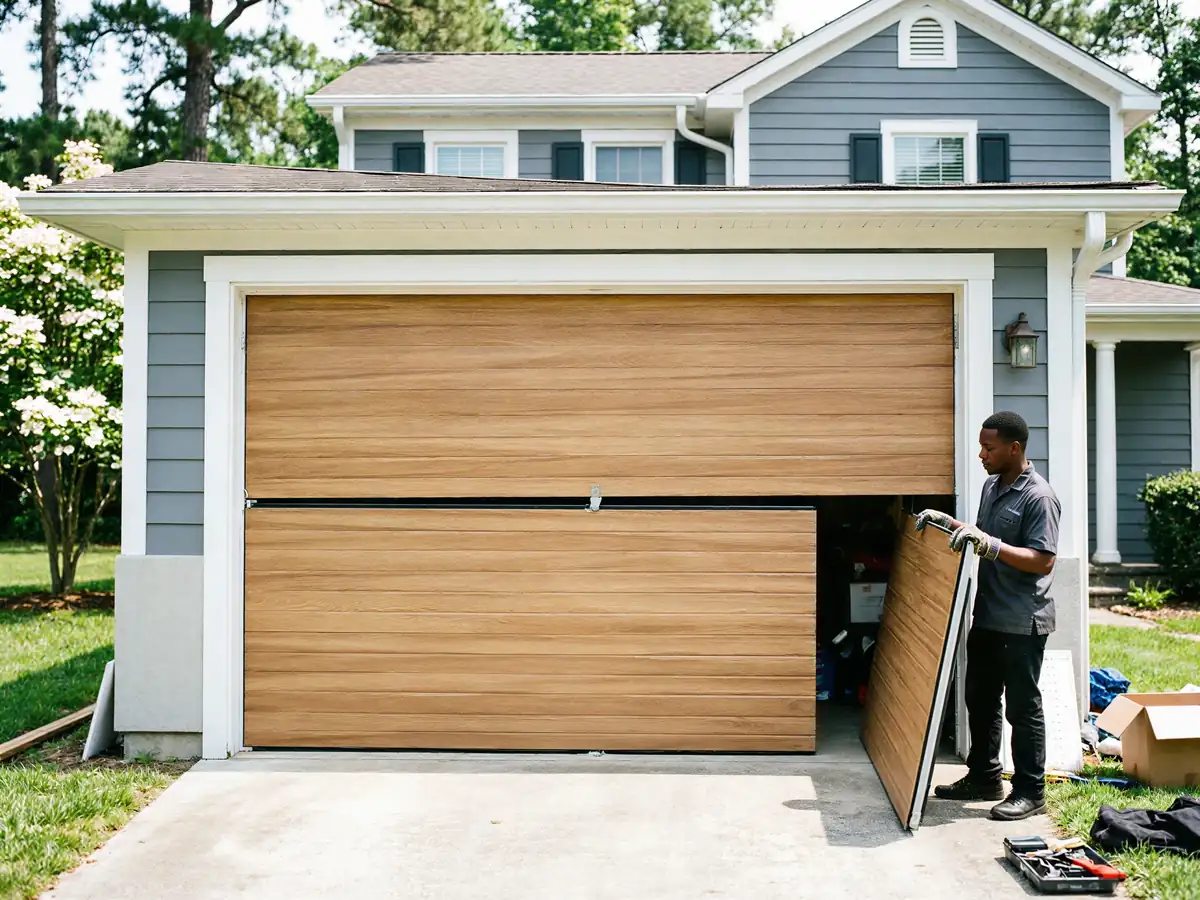
So there's no local branch to swing by - we come to you on a scheduled visit rather than a same-day walk-in. That's worth knowing going in: pin down a time that works, because we're driving in from outside town, not around the corner.
- 17 miles
When you call, tell us the opener brand if you can read it off the motor housing
And whether the door moves at all or just hums. That one detail changes what we load on the truck before we leave Opelika, and it can save a second trip if the first part we bring isn't the one that's actually bad.
We also ask about the house's age
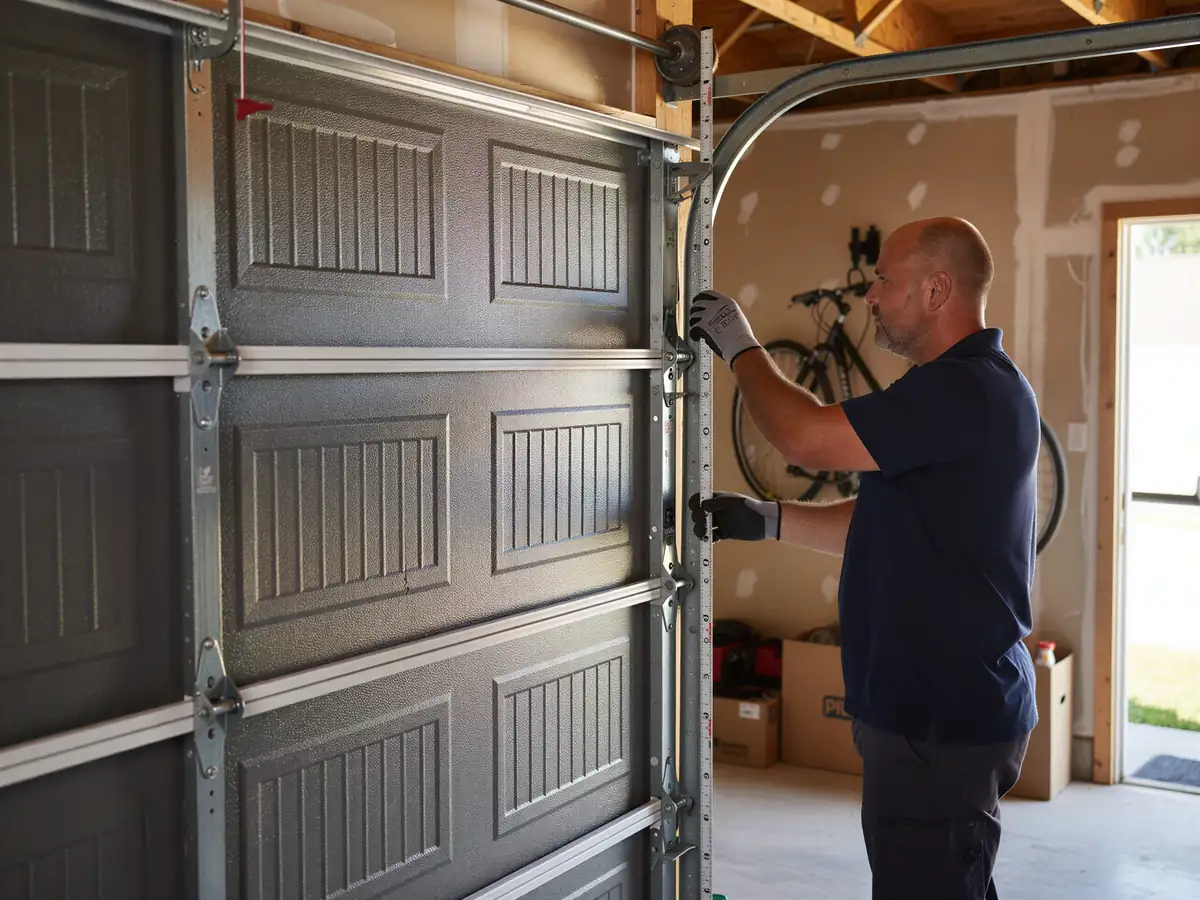
Since Lanett's housing stock mostly runs from the mid-1960s on, and an opener matched to a door from that era sometimes needs a bracket or an arm that newer openers don't ship with as standard. Knowing that before we're standing in the garage means we bring the right hardware the first time.
The Symptom
The opener hums but the door doesn't move is the single most common call we get out of this area, and on a 2,336-household base like Lanett's, we hear it often enough to know the usual suspects in order: stripped drive gear first, capacitor second, disconnected trolley arm third. None of those three need a new opener.
A close second symptom is the door reversing partway up or down for no clear reason - that's almost always the limit settings drifting or a sensor that's slightly out of alignment, not a motor on its way out. We check both before we touch the board.
Less common but worth naming: an opener that runs fine on the remote but not on the wall button, or the reverse of that. That split points at the wiring or the button itself, not the motor, and it's a cheap fix once we're on site. What we can't do over the phone is tell you which of these it is - garage acoustics and remote behavior vary enough that a real diagnosis needs eyes on the unit.