What the Repair Takes
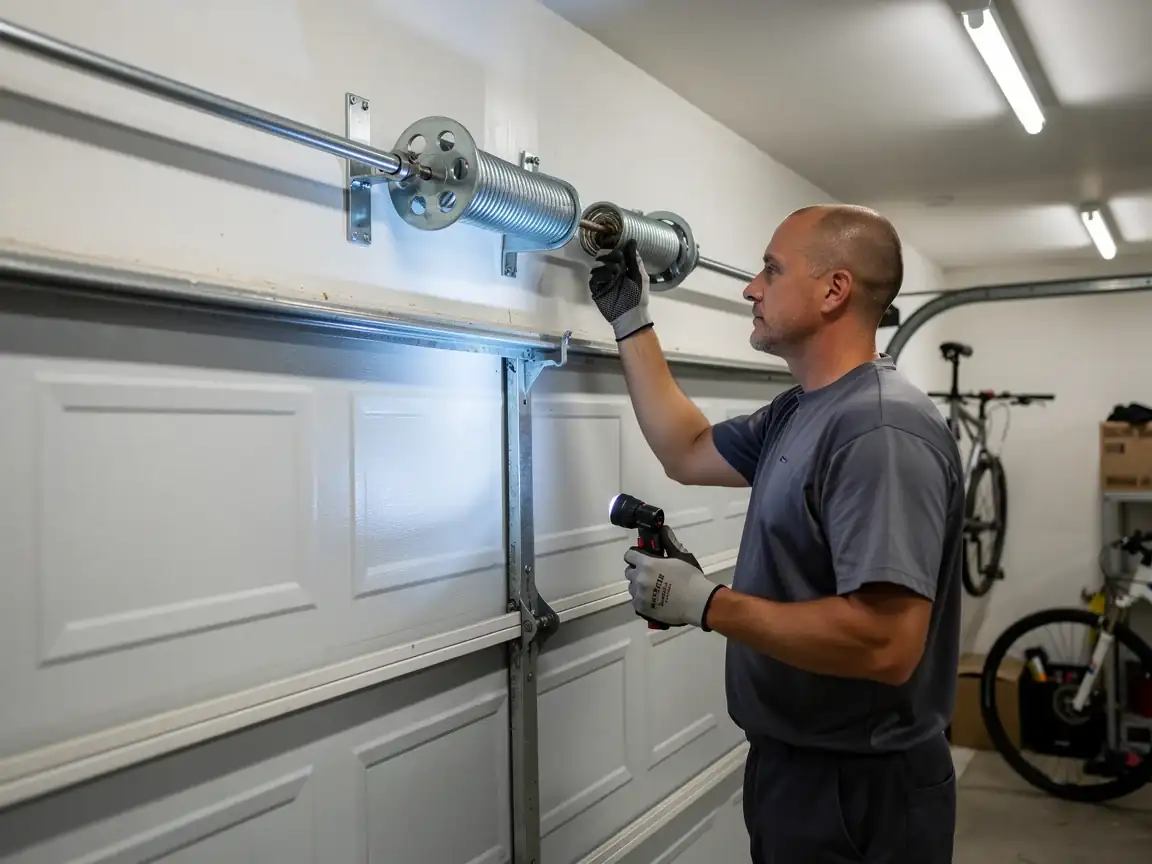
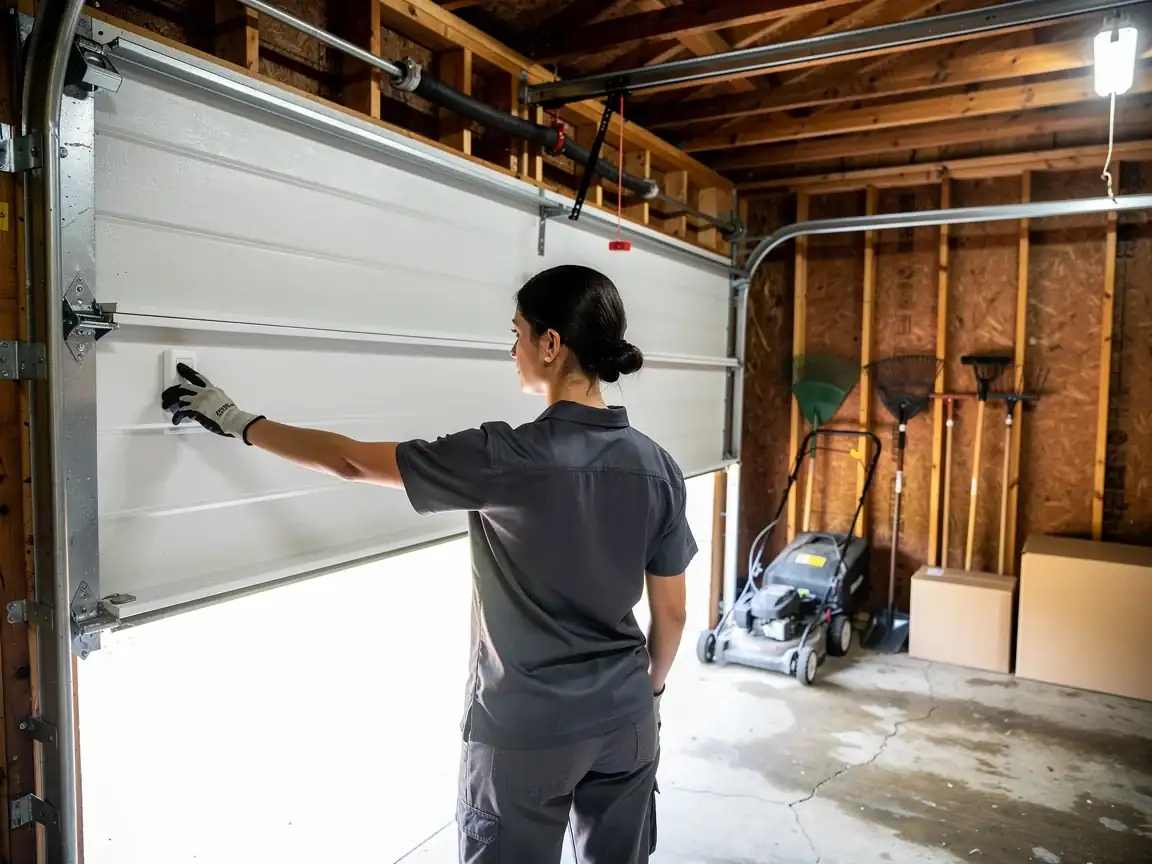
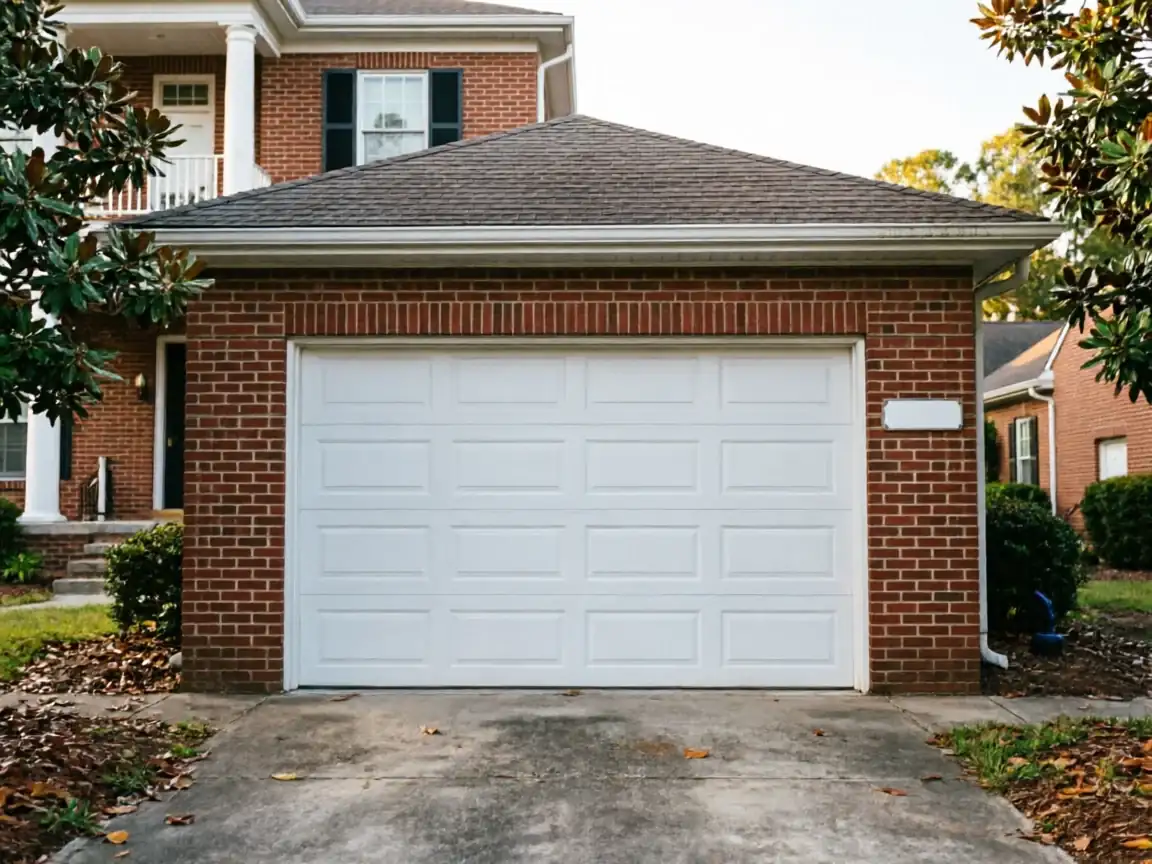
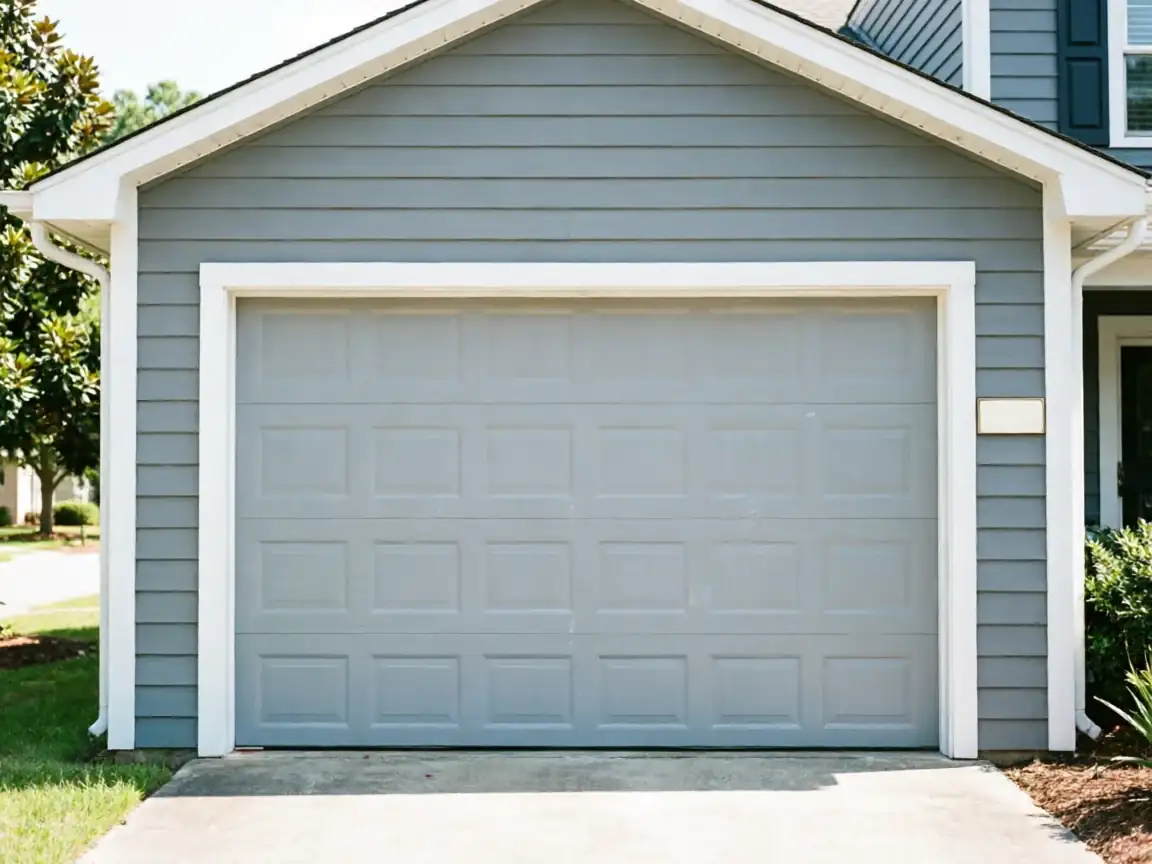
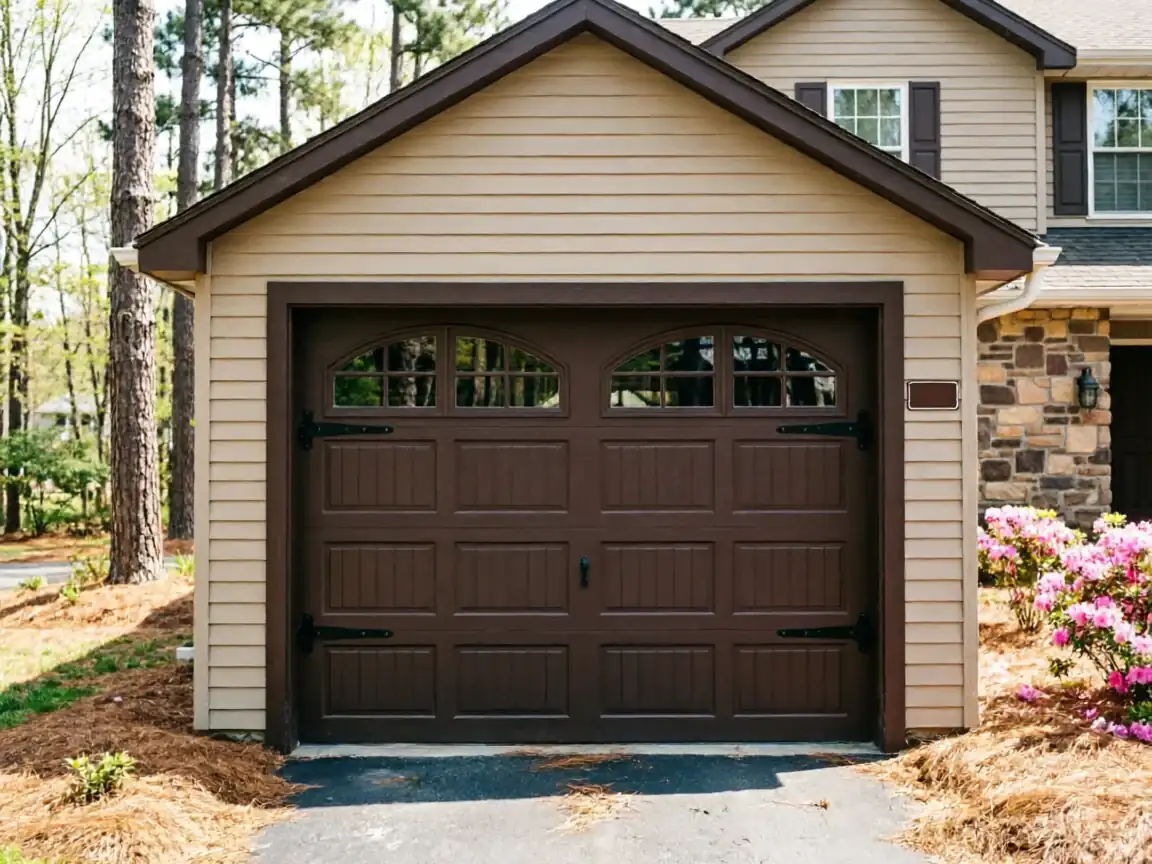
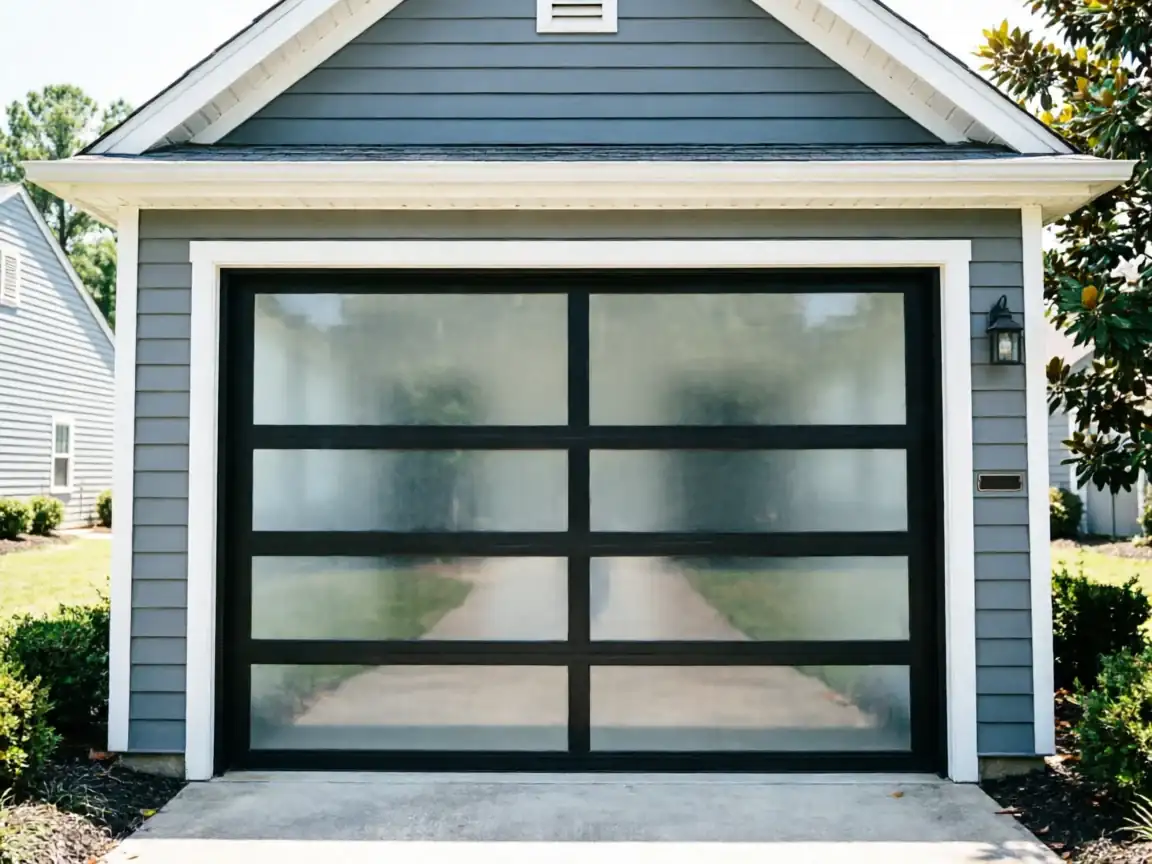
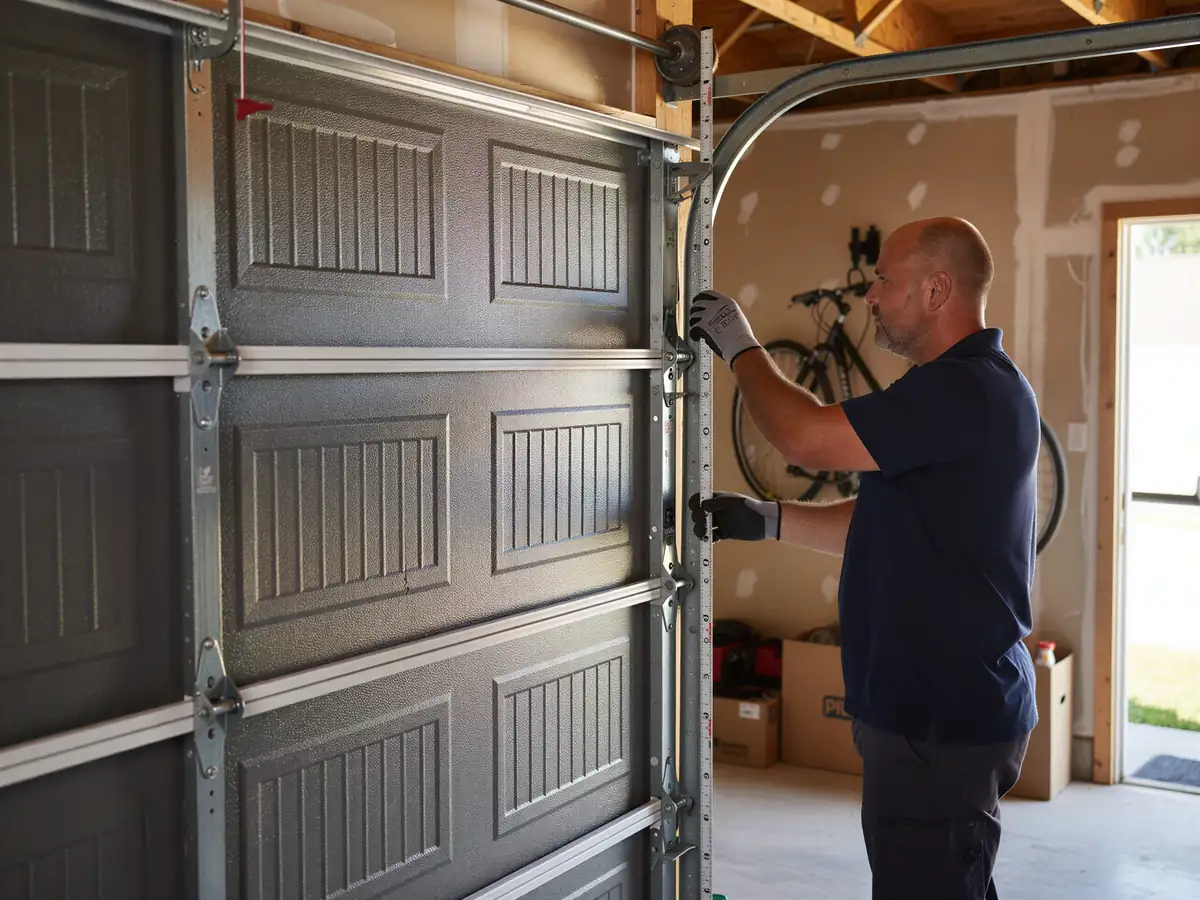
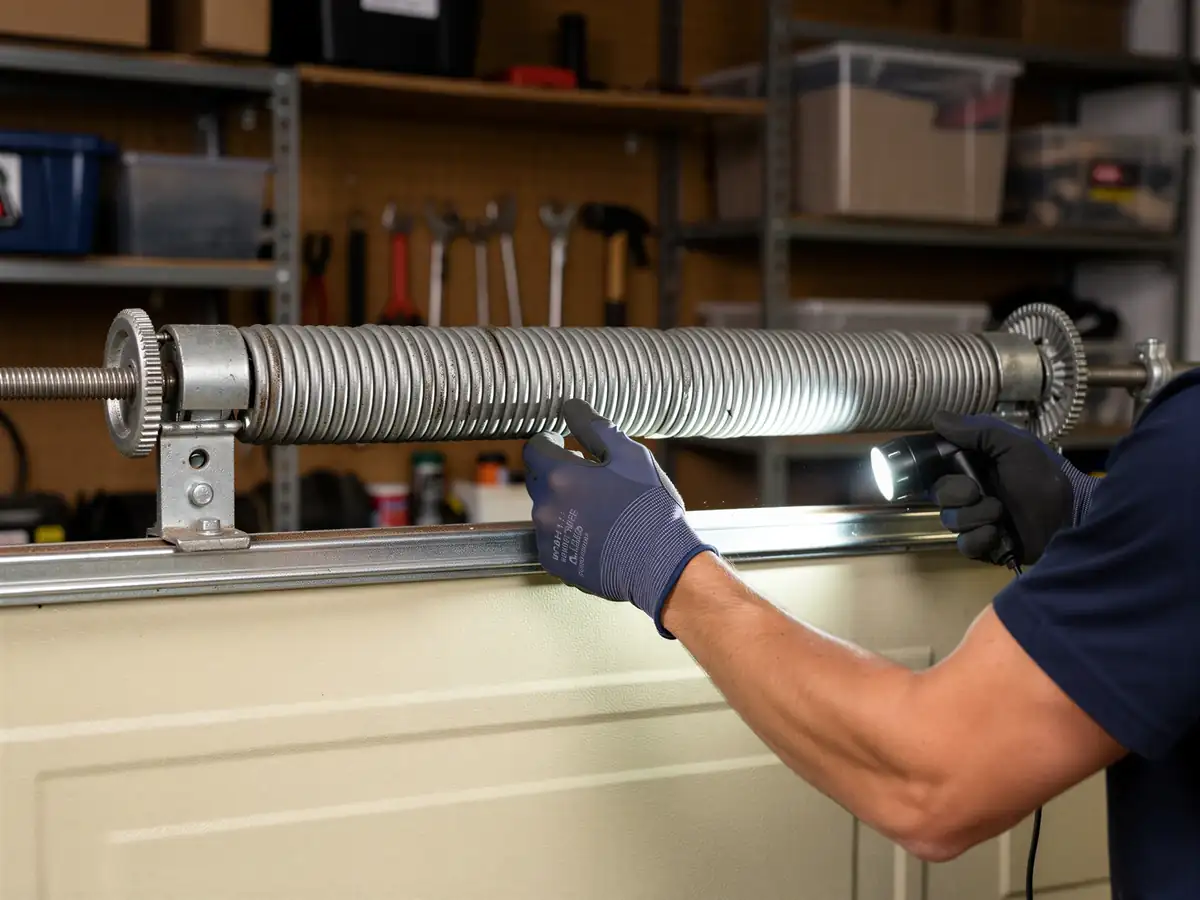
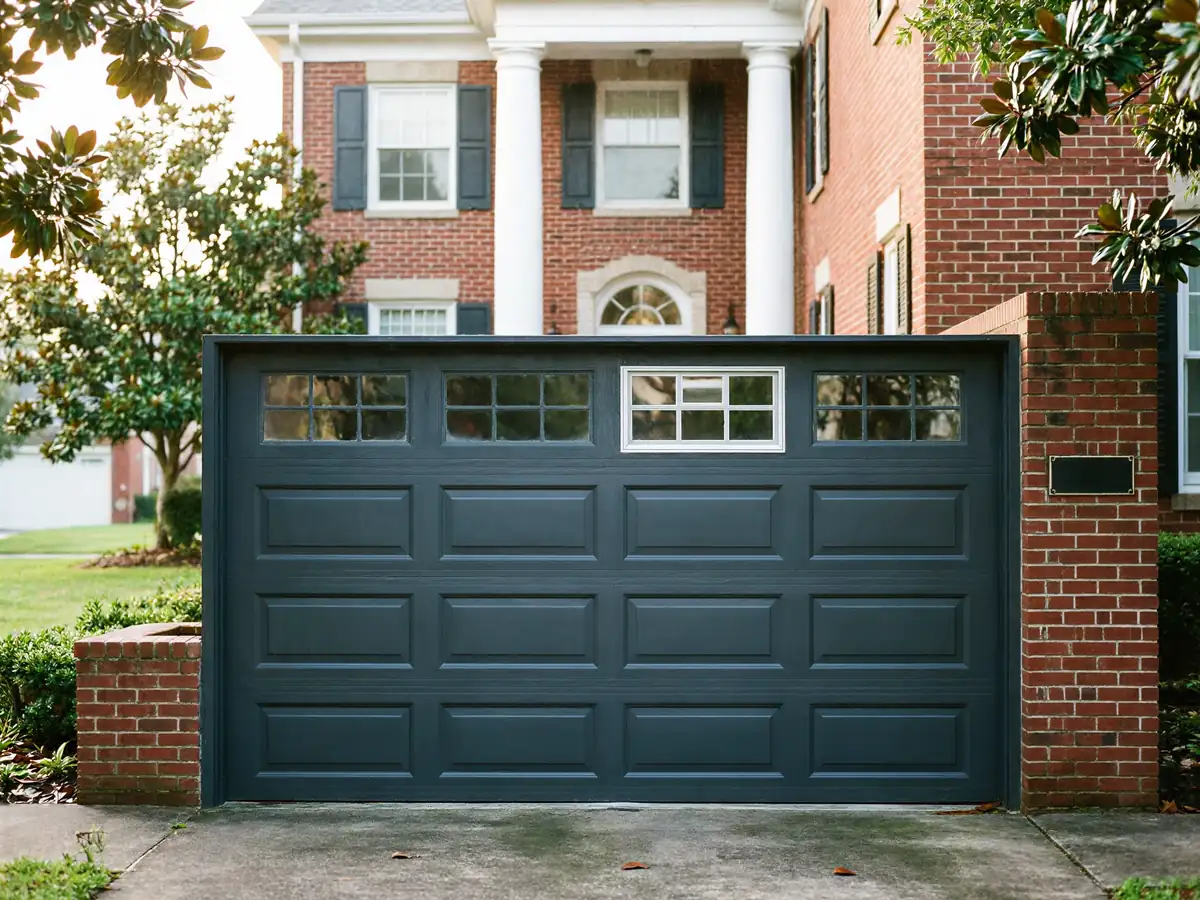
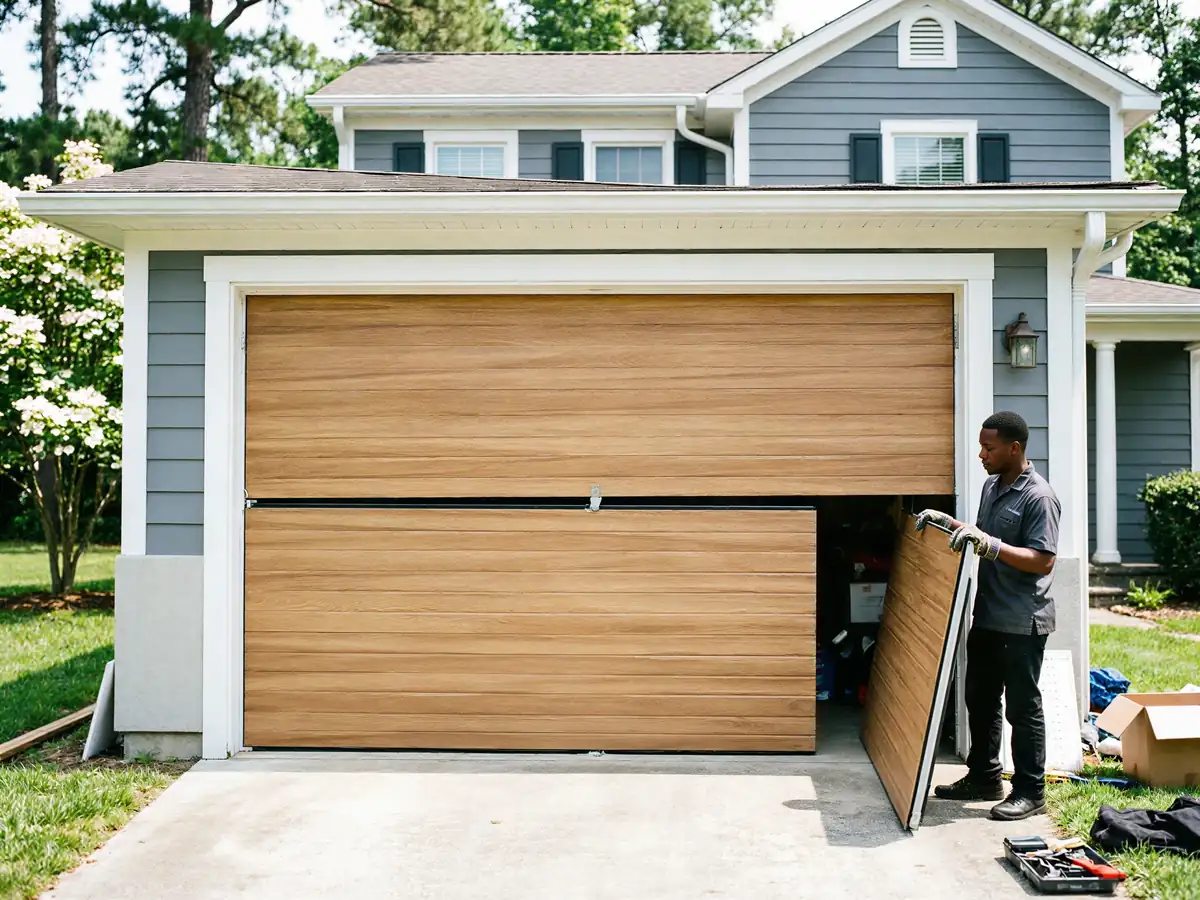
Most of Lanett's housing went up around 1965, which puts the garage openings here a full decade ahead of a lot of what we see closer to Opelika, where the service area's median build year runs closer to 1976. That decade matters. A 1965 garage was framed for a single lightweight door on a simple track, not for the wider double openings and heavier insulated panels that became common later. When we swap in a new door here, the first job isn't picking a panel style - it's checking whether the jamb is square, whether the header can carry a heavier torsion spring, and whether the existing track clearance leaves room for a modern opener bracket. On a lot of Lanett jobs it does, with no extra carpentry. On some it doesn't, and that gets priced separately before the door goes in. We don't guess at that over the phone. A new install here is a measuring job first, a parts order second, and the actual swap third - usually the fastest part of the three.
Where This Job Goes Sideways
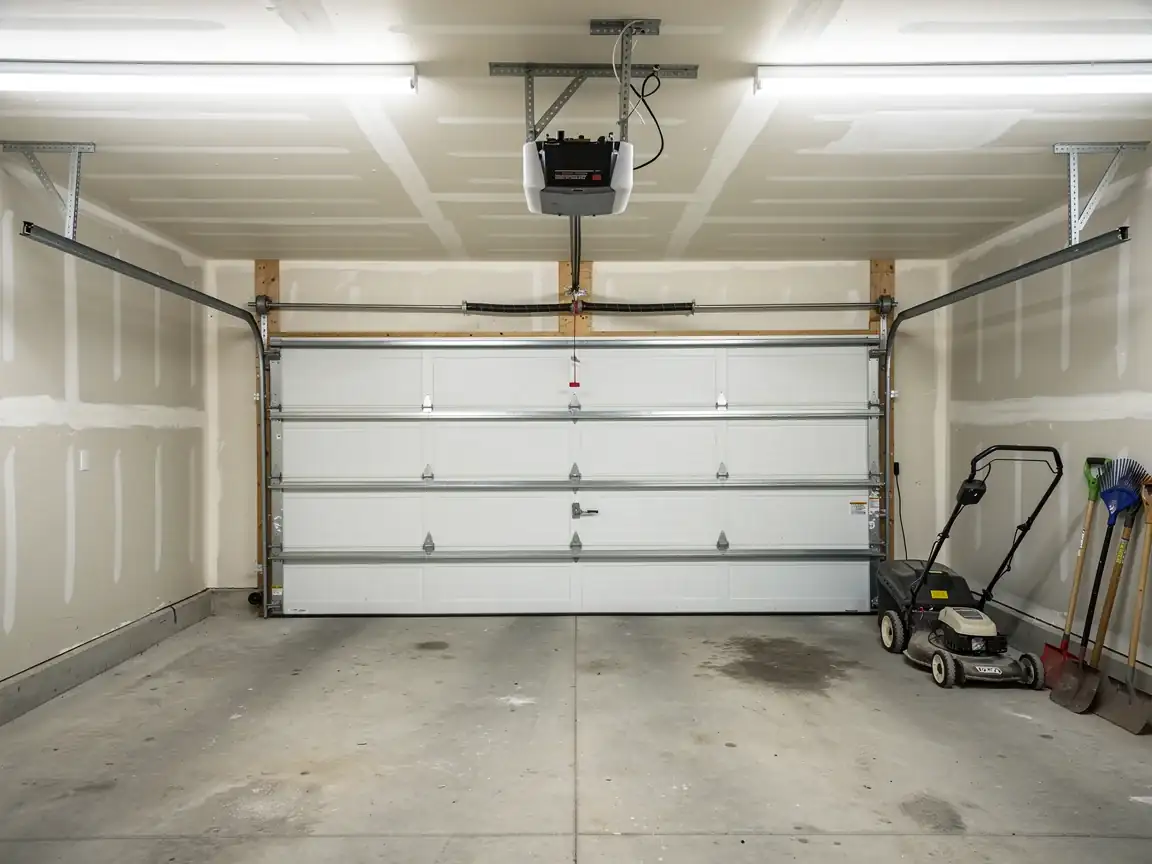
The thing that turns a straightforward swap into a longer day is headroom. Houses built around 1965 often used a low-clearance track system that sat close to the ceiling, which was fine for the door it came with but leaves no room for a standard modern opener rail without notching or an offset mount. We catch that at the measure, not mid-install, but it does mean the parts list can grow once we're inside the garage rather than looking at it from the driveway. Mild winters with the occasional hard freeze here don't do much damage to the mechanics, but they do dry out old rubber seals and weatherstrip faster than owners expect, so a new door install is often the point where that gets replaced too, not left for later. The honest limitation: if the header or jamb is rotted past the point of a shim-and-shim, that's a carpentry repair ahead of the door, and we'll say so rather than bolt new hardware to bad wood and call it done.
The Symptom
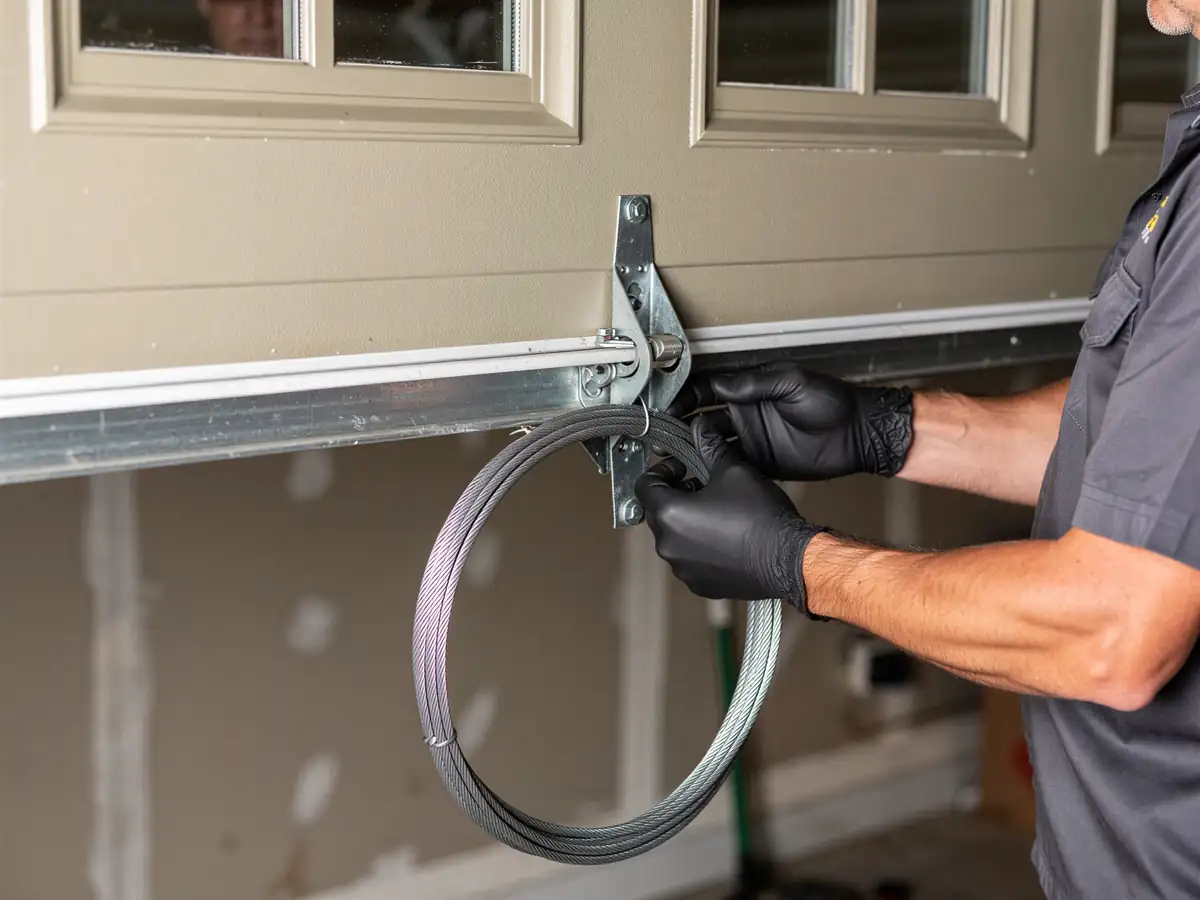
What usually triggers the call isn't a dead door - it's a door that still opens but sounds wrong doing it: a grinding track, a panel that's started to bow, or a spring that's visibly stretched past where it should sit. On a house built in the mid-1960s, that's often original hardware pushing sixty years of use, and at that point patching one part just means the next part fails within a season. Across Lanett's roughly 2,336 households sitting mostly in that same 1965-era stock, the same handful of failure points show up again and again - the same track clearance, the same light-duty spring sized for a door that's since been replaced once already with something heavier than it was built to carry. If the opener is under five years old and the door itself is sound, a repair usually makes more sense than a full swap. If the door and the opener are both original to the house, replacement stops being the aggressive option and starts being the cheaper one over a five-year stretch.