What the Repair Takes
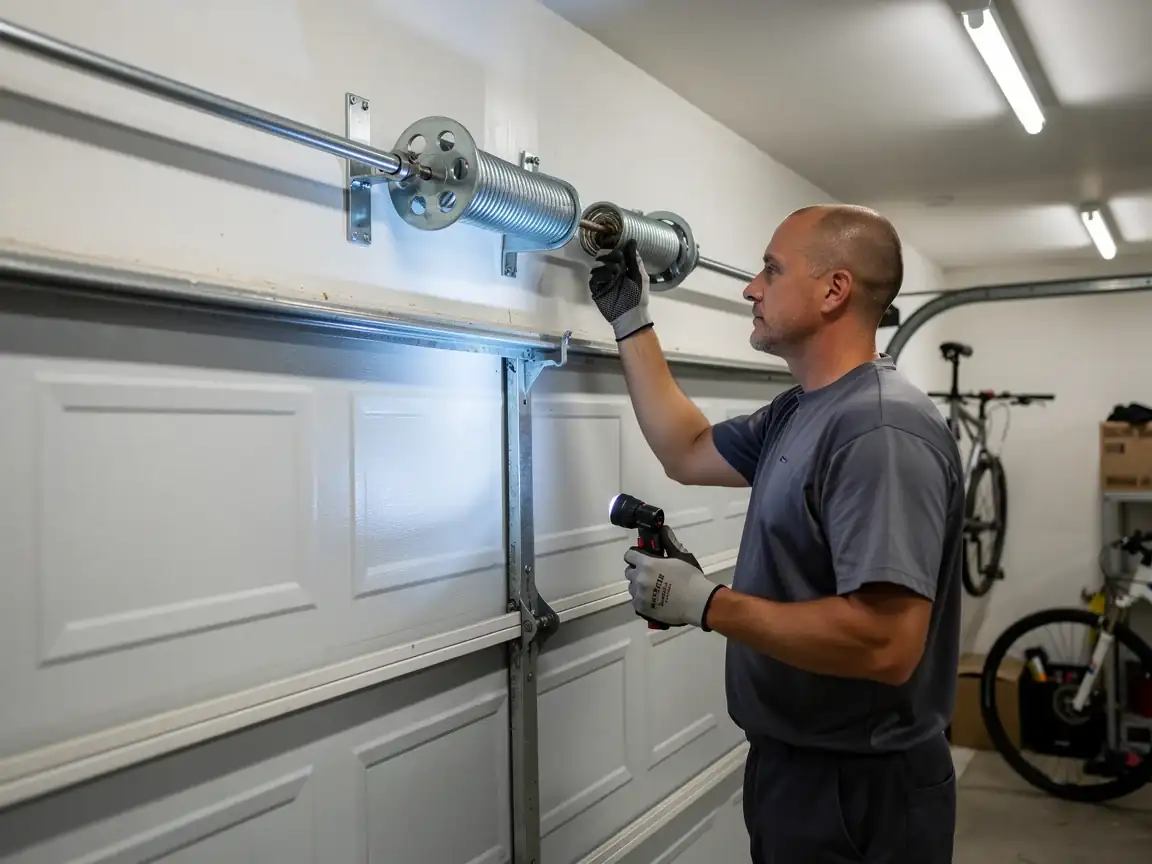
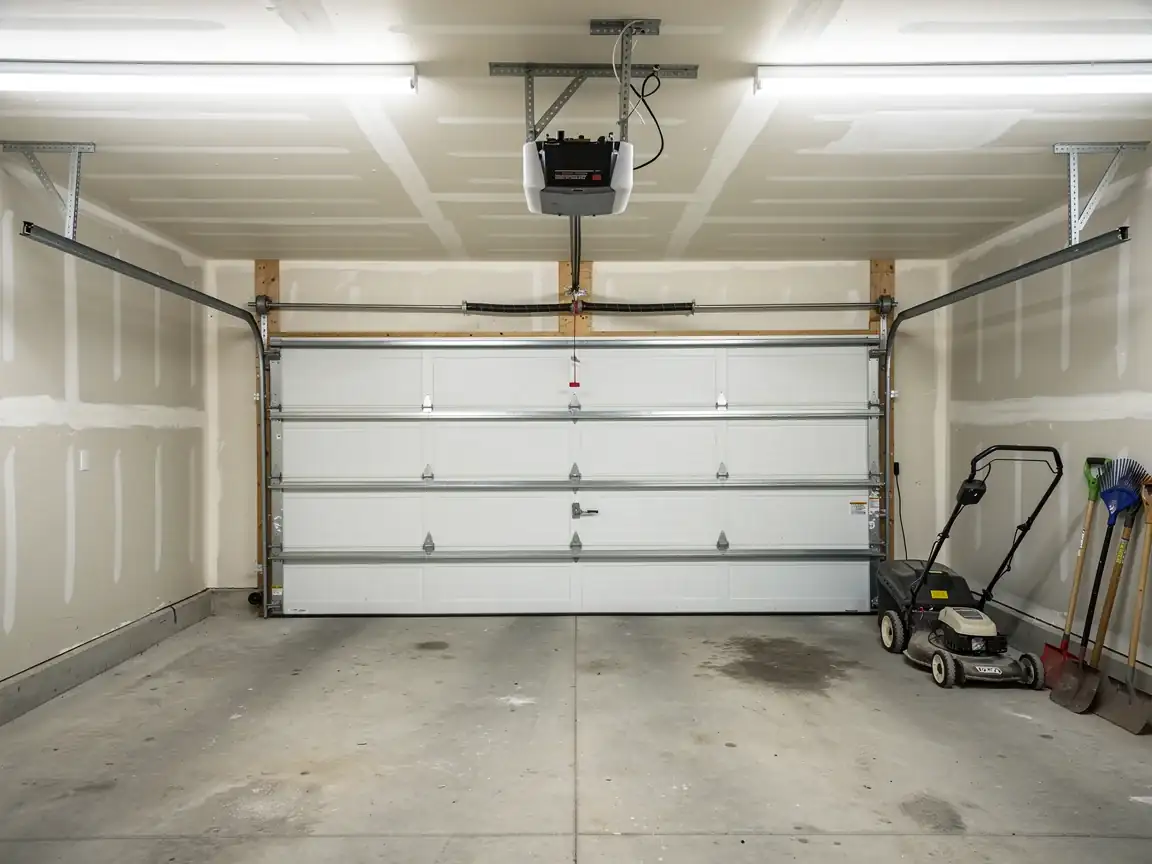
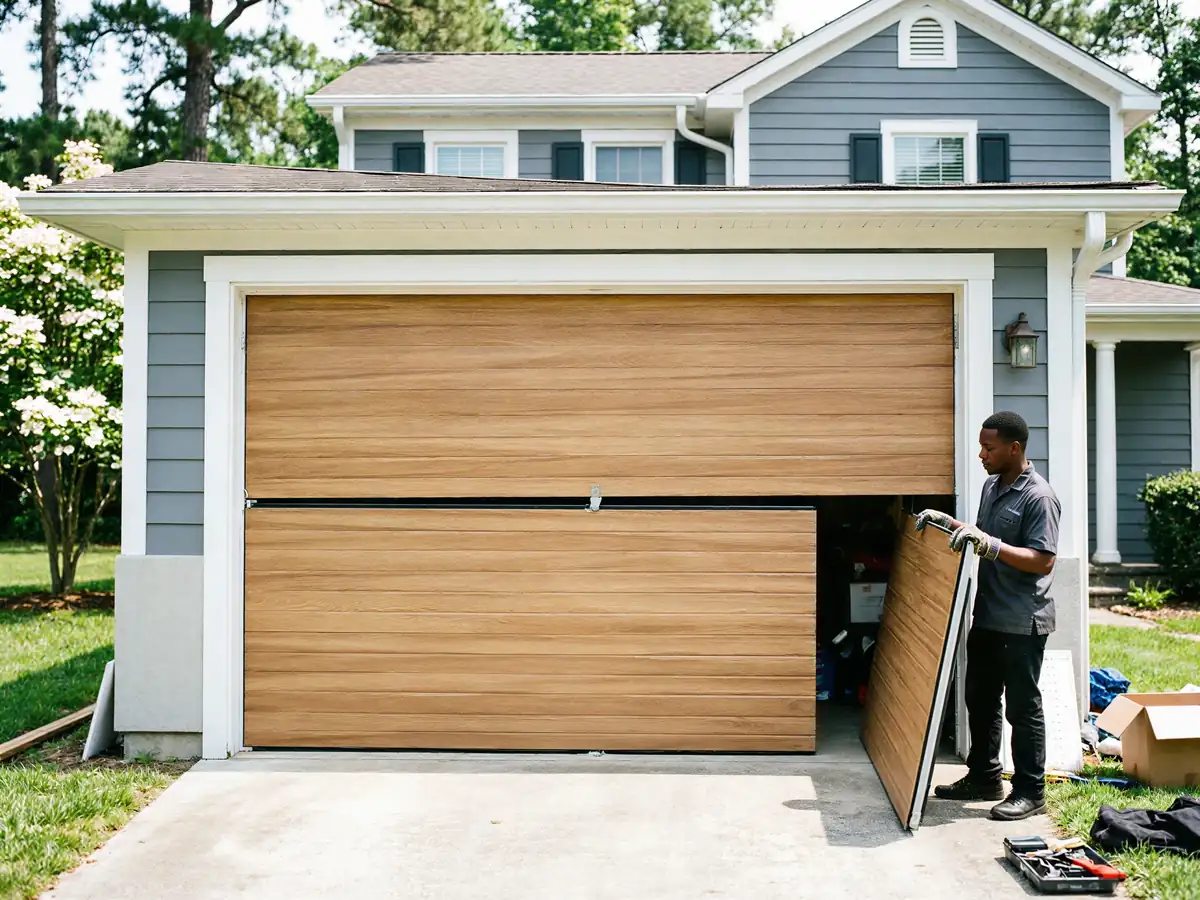
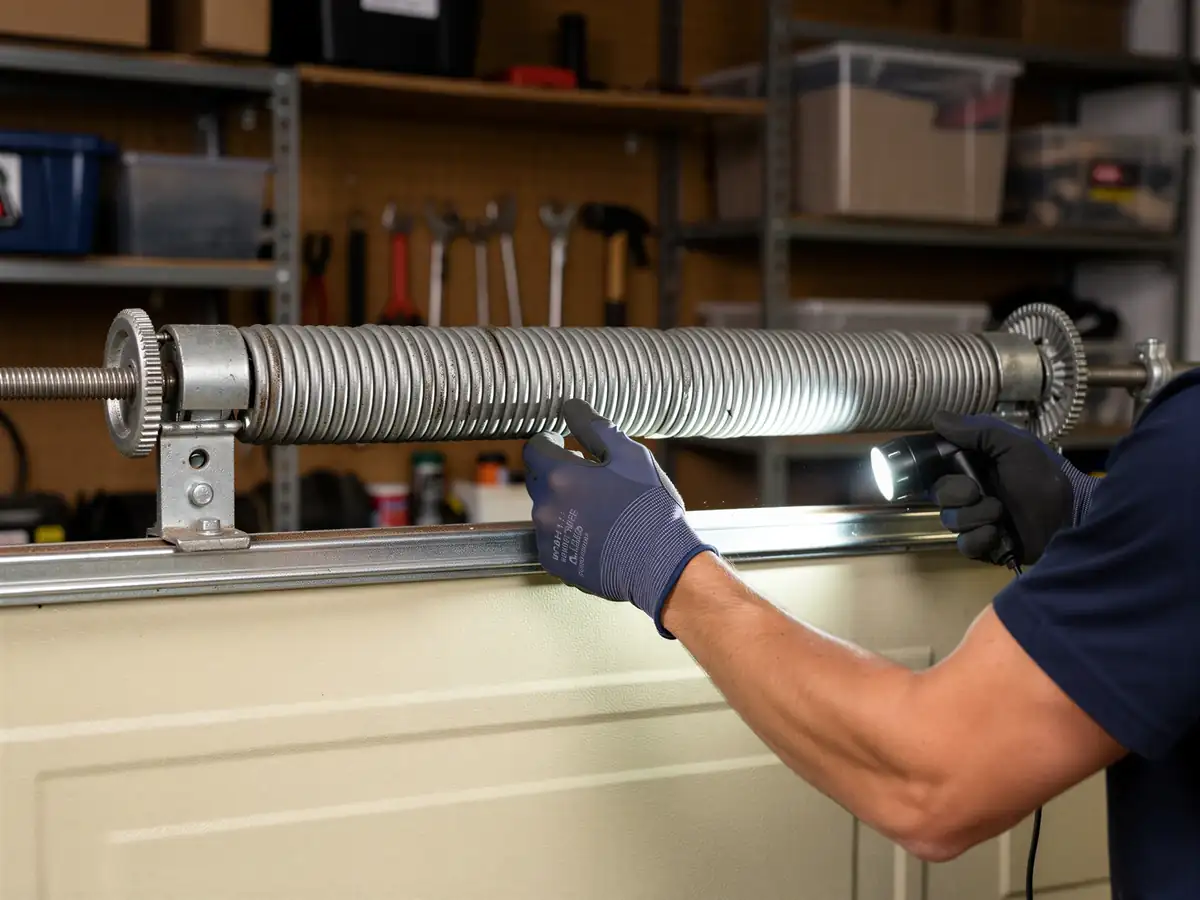
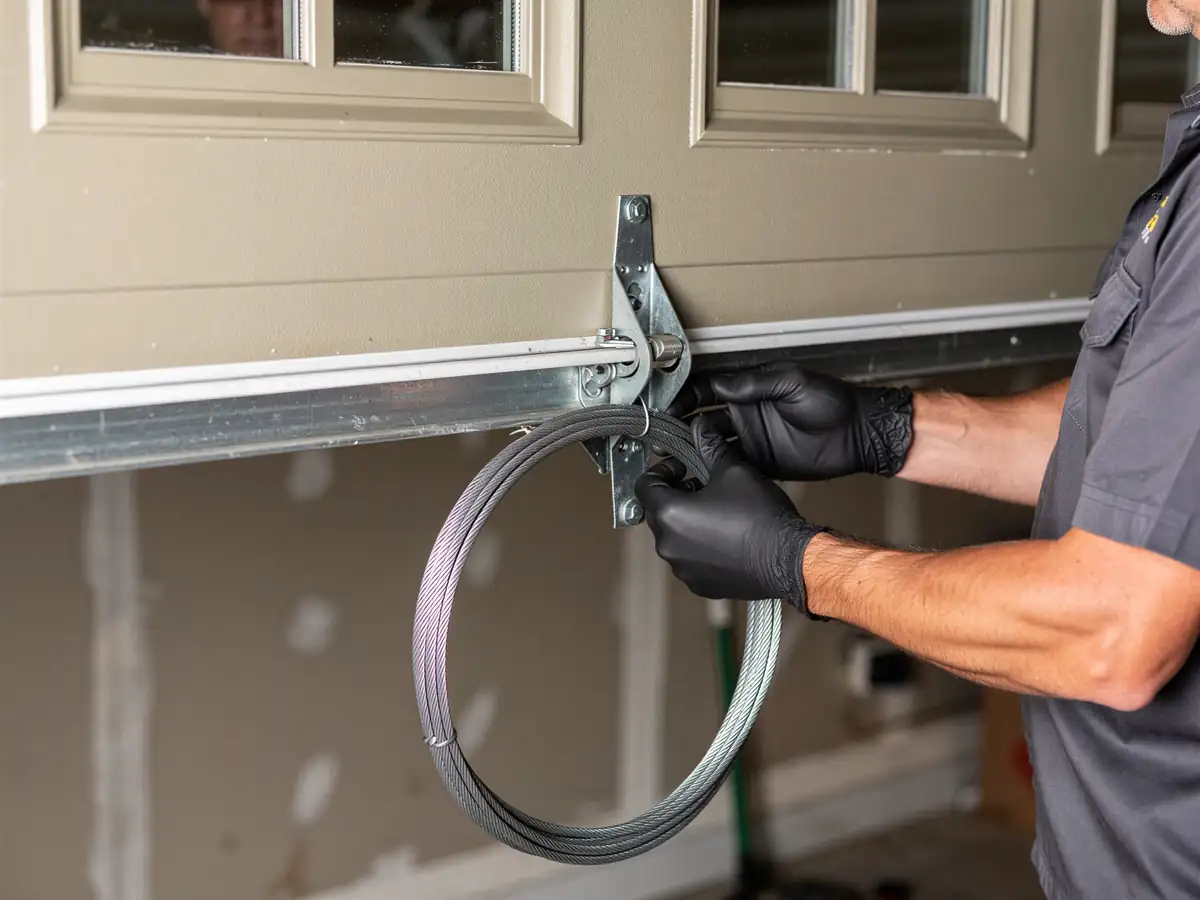
Lanett's houses cluster around a 1965 build year, which puts this town on the older edge of the service area's 1965-1991 range. A house built in 1965 has had sixty years to go through openers, but a lot of them never got past the original torsion spring and the steel track that came with the build. That matters for the repair, not just the history: original hardware from that era runs thinner-gauge track and shorter-life springs than what's sold today, so when one part fails, the parts next to it are usually close behind. We open every call by checking the spring cycle count against the door's age before we touch anything else, because replacing one part on a door that old without checking the rest is how you get a second call three weeks later. If the torsion hardware is original, we say so up front and price the job as a system, not a single part.
Where This Job Goes Sideways
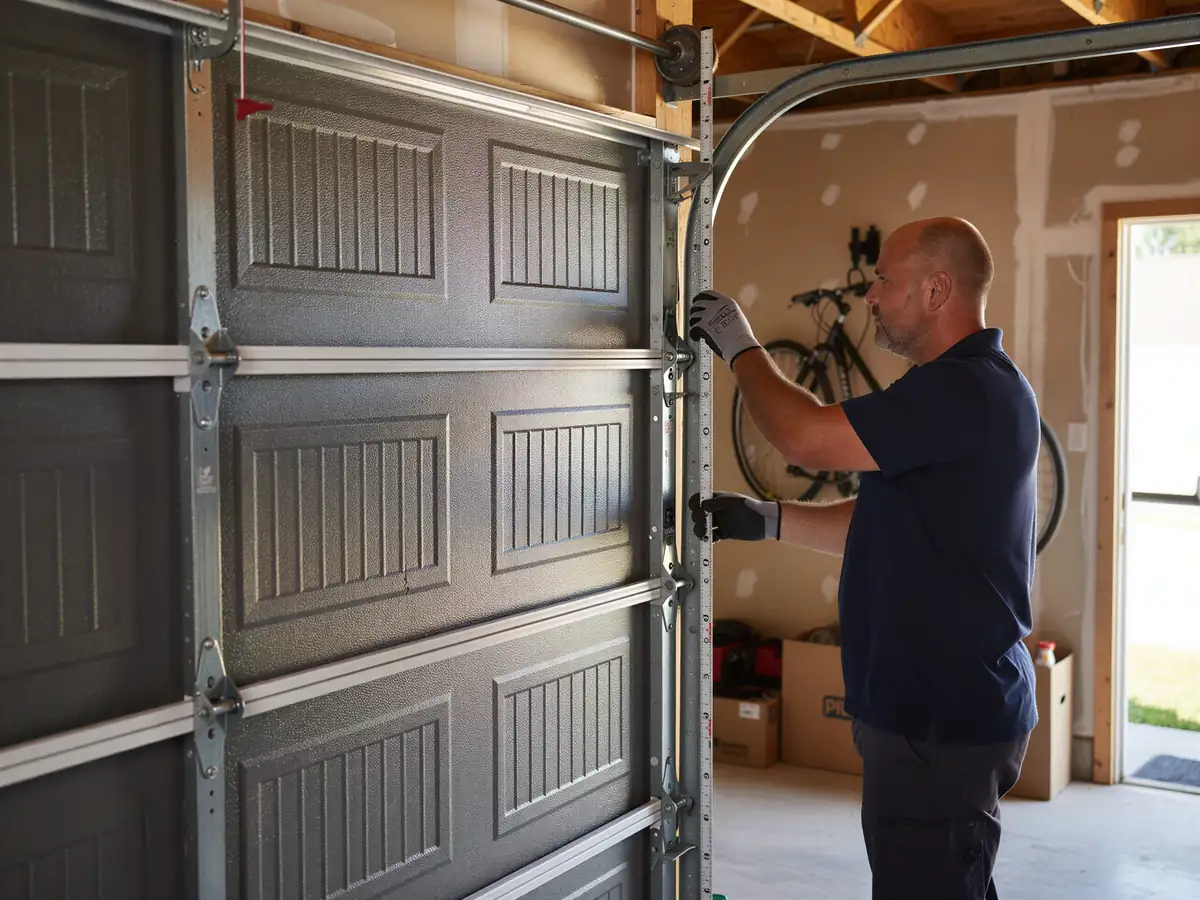
The climate here is mild with occasional freeze, which doesn't sound like much until a steel spring that's been expanding and contracting for decades finally lets go on a cold morning. Lane County-style hard freezes aren't the issue; it's the repeated small temperature swings on hardware that was never rated to outlast them. The other place these jobs go sideways is the opener. A lot of 1965-era garages were built as single-car bays with narrower openings, and when a newer opener goes in on an old track, the clearance is tighter than the opener's manual assumes. We've seen openers installed correctly on paper that still bind because nobody checked the original track width first. We'll tell you flat out if your opener and track don't match - it's a cheaper fix now than a burned-out motor later.
The Symptom
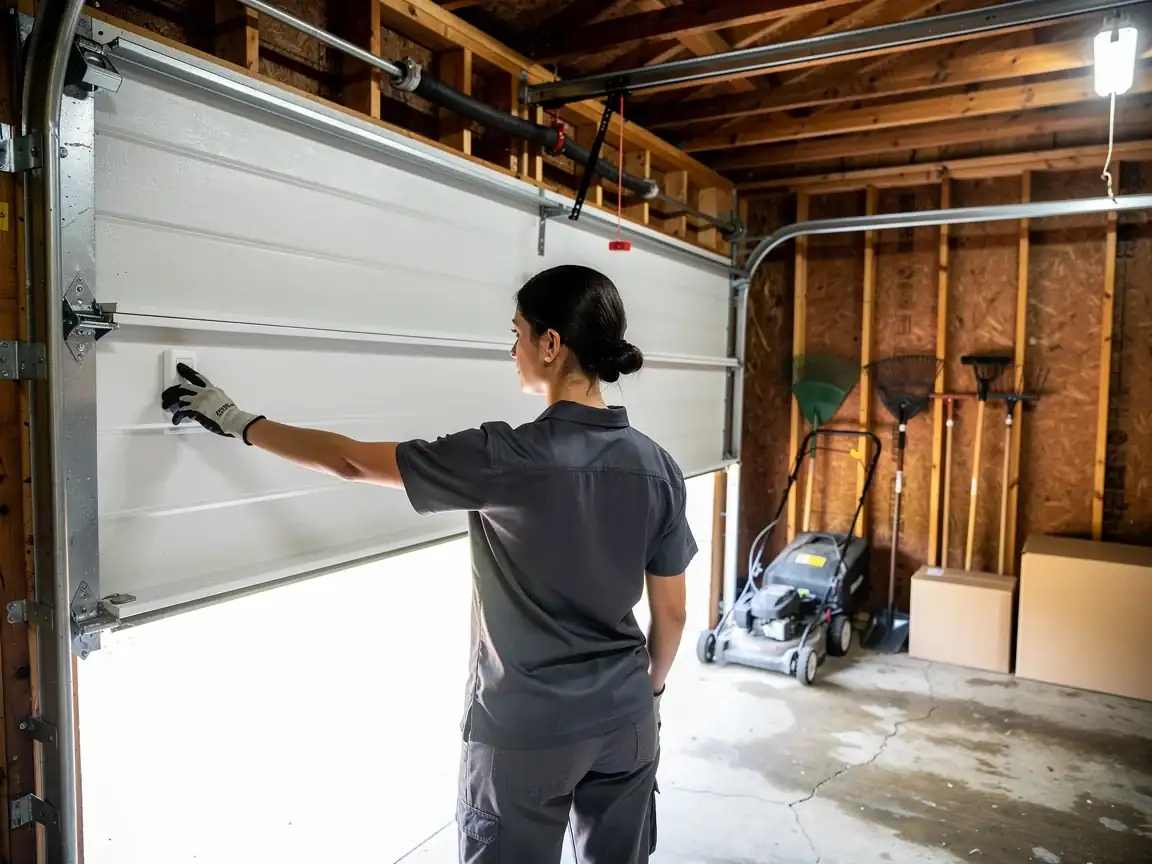
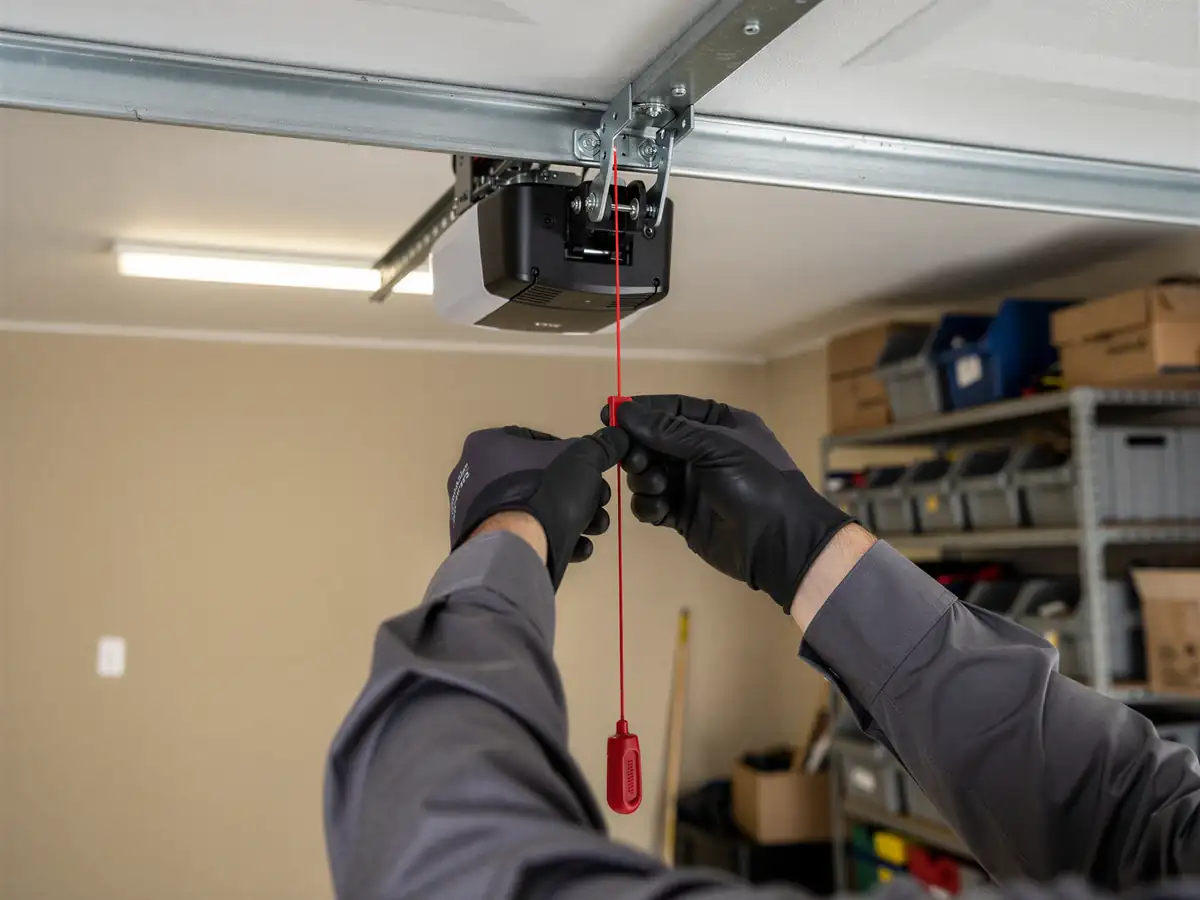
A door that reverses halfway up, or won't lift past a few inches, is almost always the spring on houses this age - not the opener, even though the opener gets blamed first. On a door built with original 1965-era hardware, a spring that's lost tension will let the opener strain against full weight, which reads to most owners as a weak motor. Check it yourself before you call anyone: pull the release cord, lift the door by hand, and see if it stays put halfway. If it drops, that's the spring, not the opener. Scraping or grinding on the way up usually points to a track that's shifted out of alignment over the years, which is common on original steel track that's never been reset. Either way, don't keep running the opener against a bad spring - that's how you turn a spring job into a spring-and-opener job.