What the Repair Takes
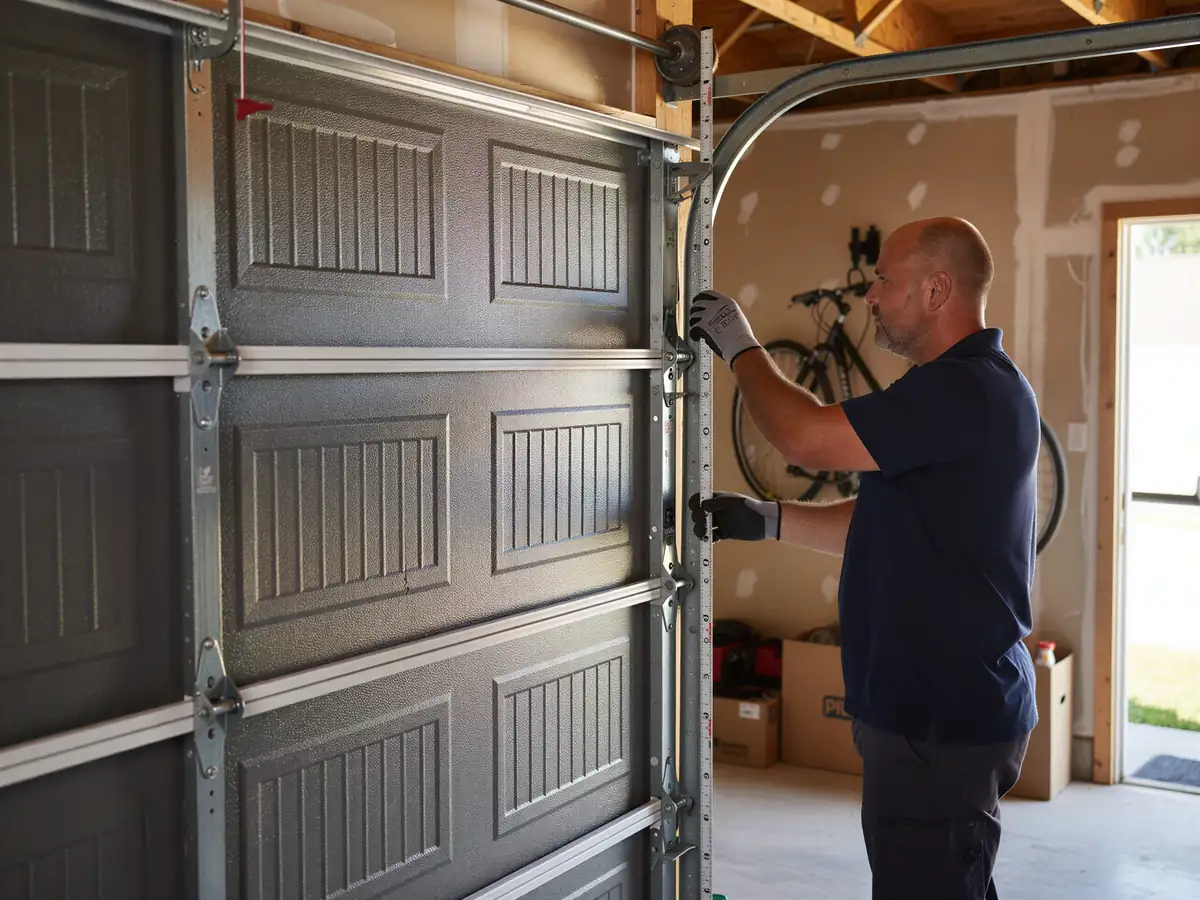
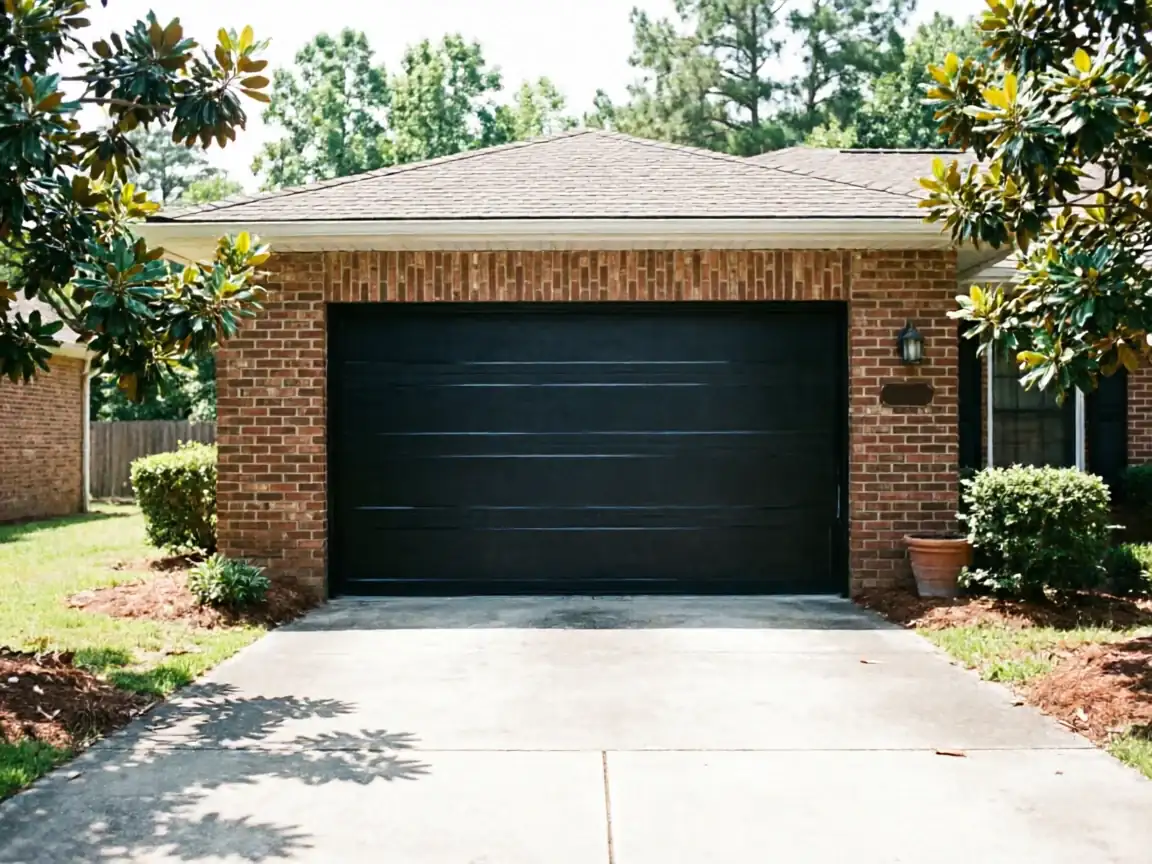
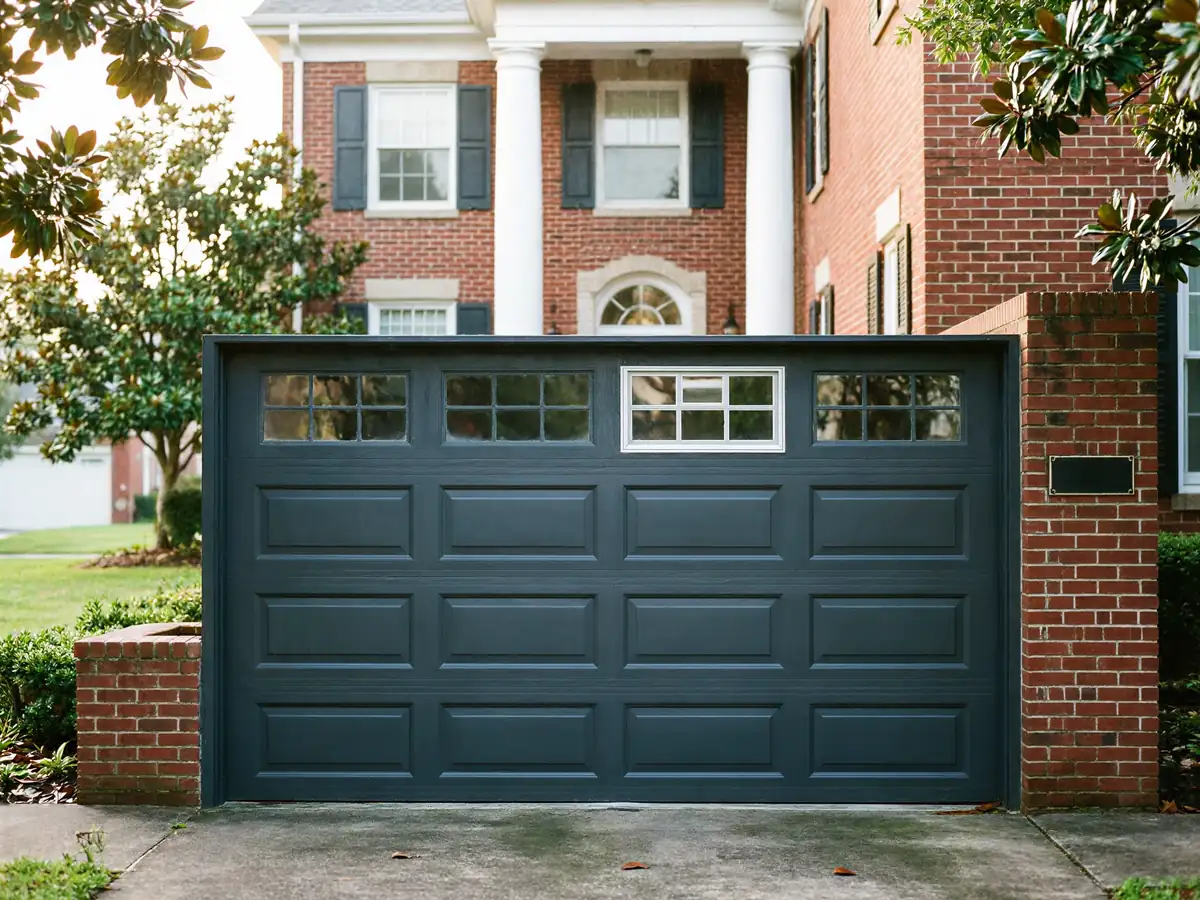
Lanett's houses cluster around a median build year of 1965, about a decade ahead of the wider Opelika service area, where the mix runs closer to 1976. That gap matters on a panel job. A door from the mid-60s is more likely to carry a narrower panel profile and hardware that newer stock doors don't match section-for-section. We measure the existing panel width and rail spacing before we quote anything, because on a house this age, "standard" sizing is a guess until we're standing in front of the door.
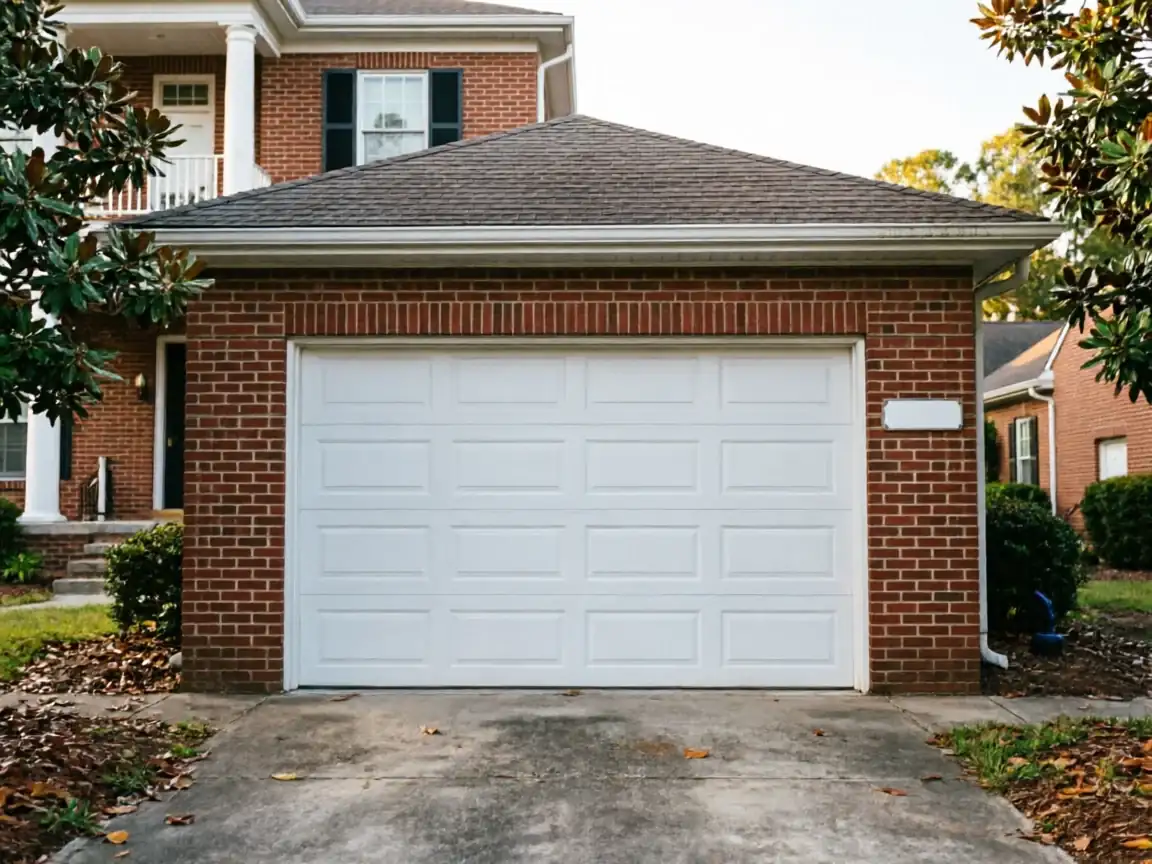
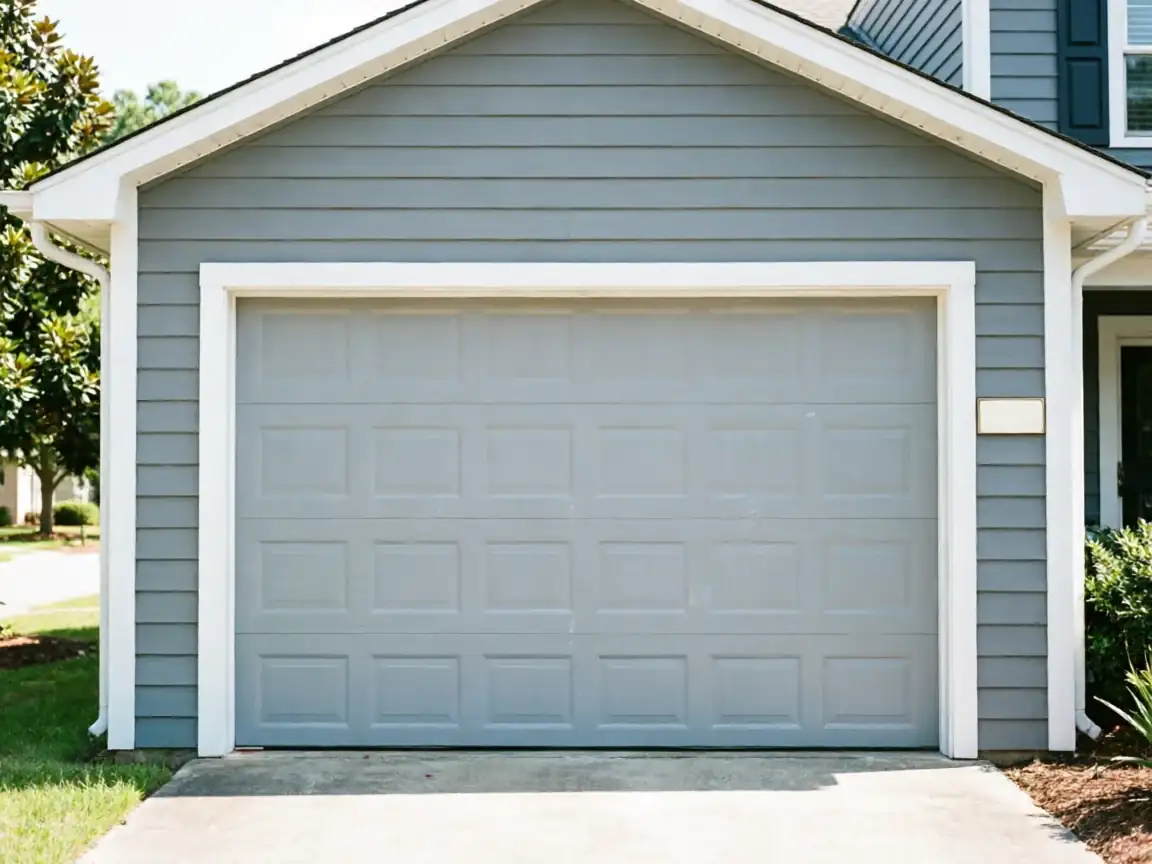
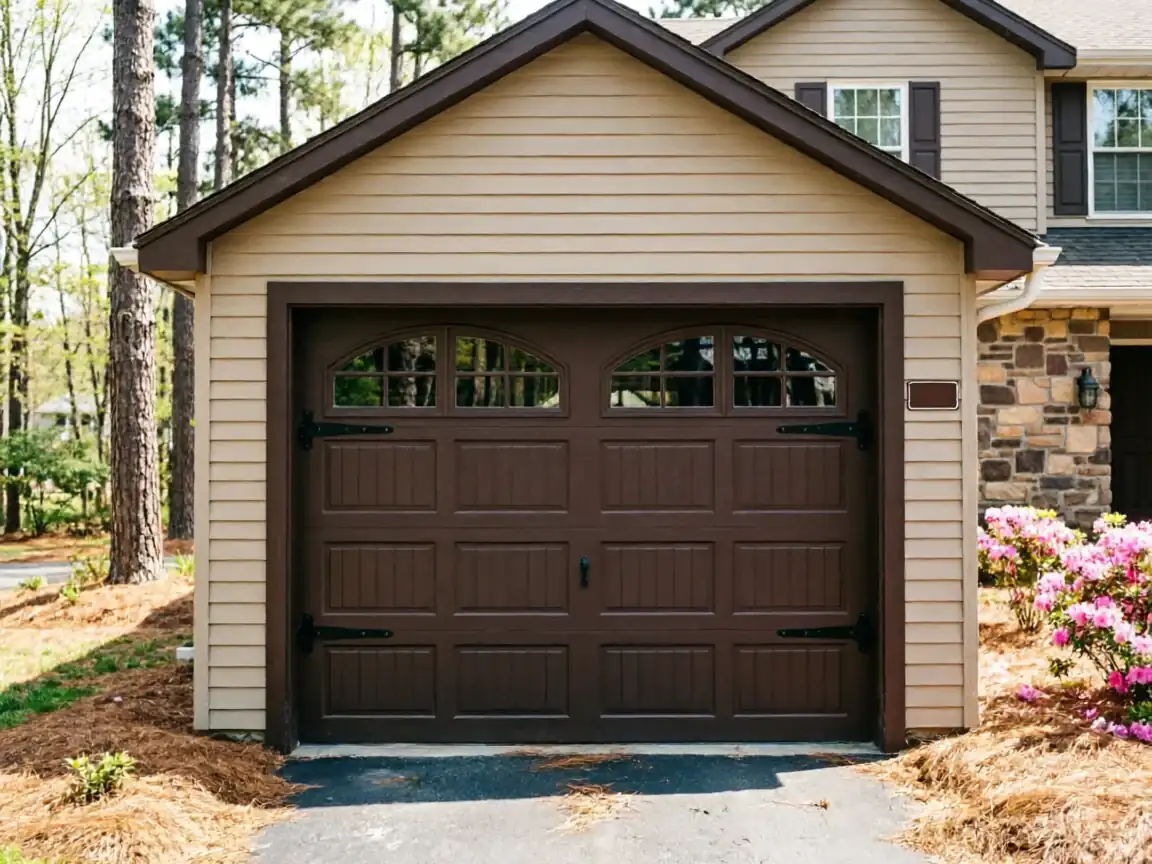
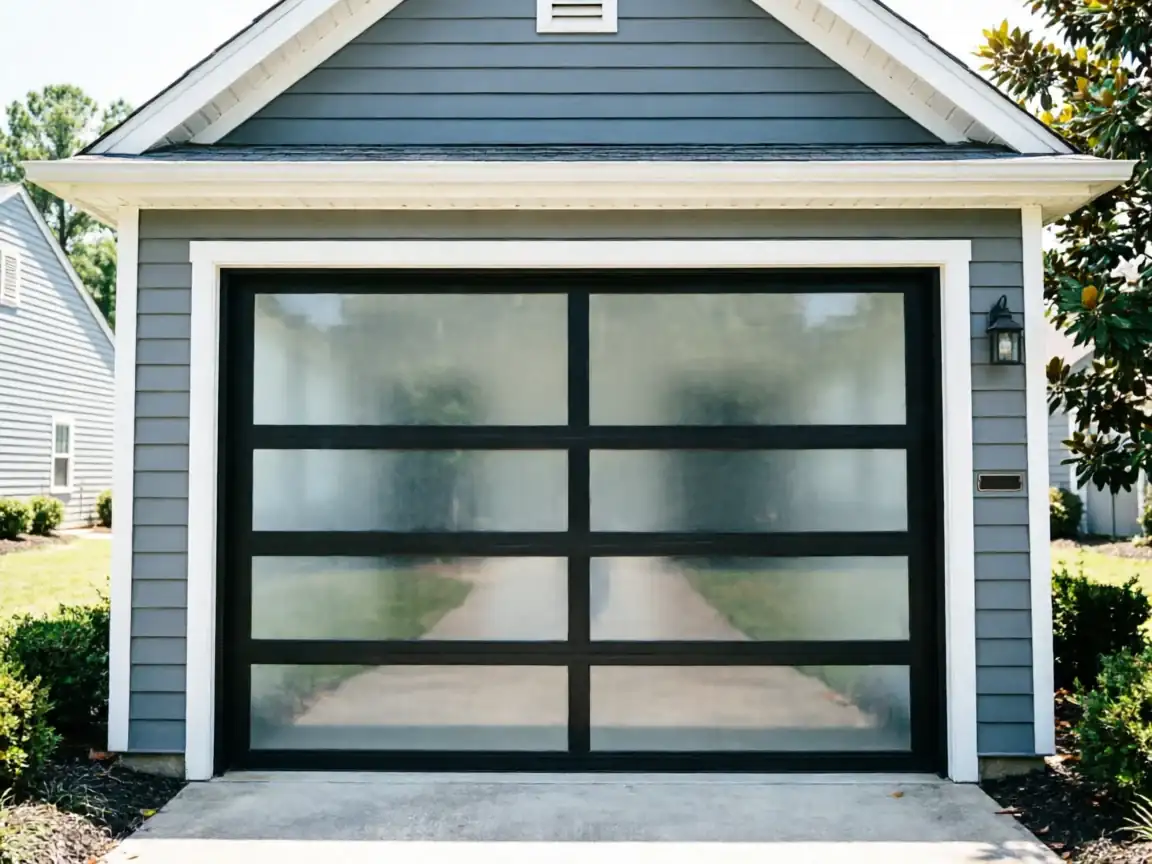
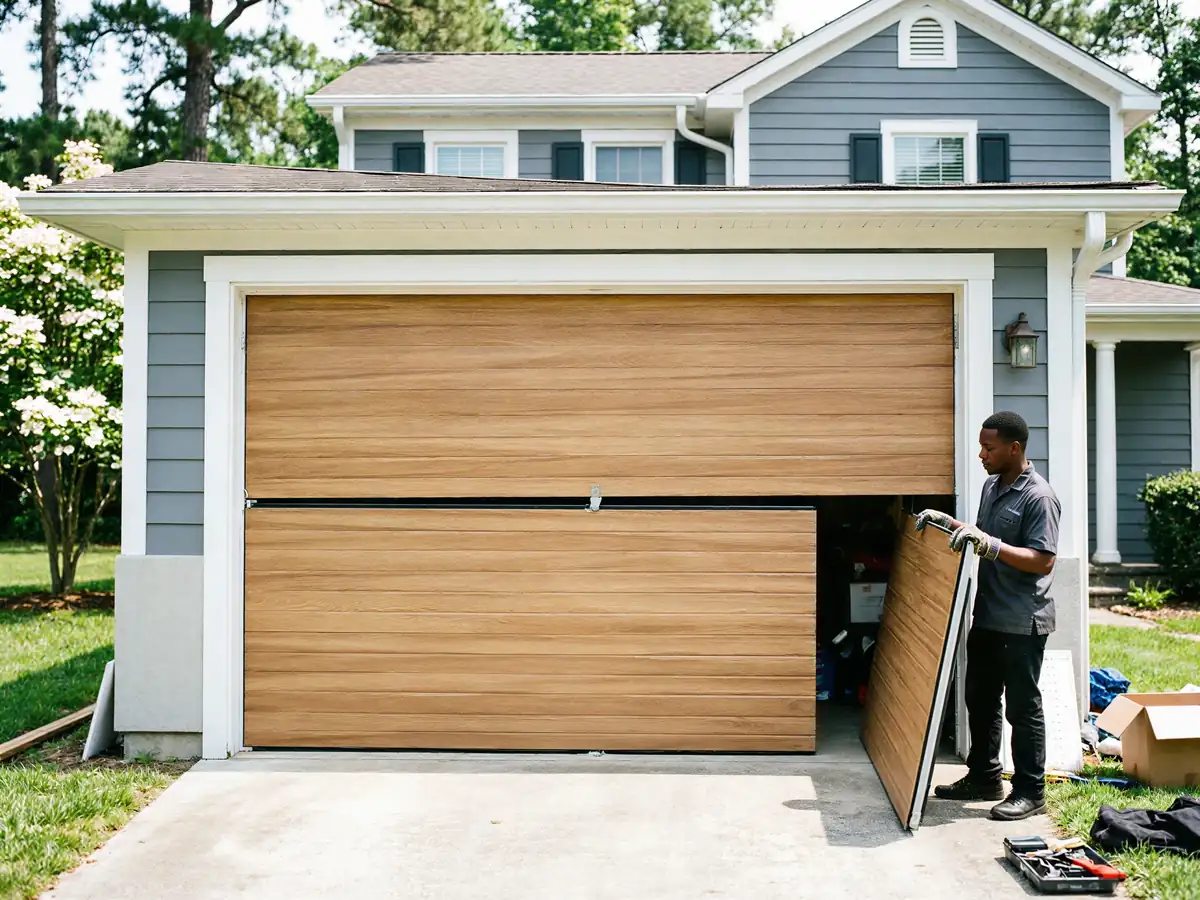
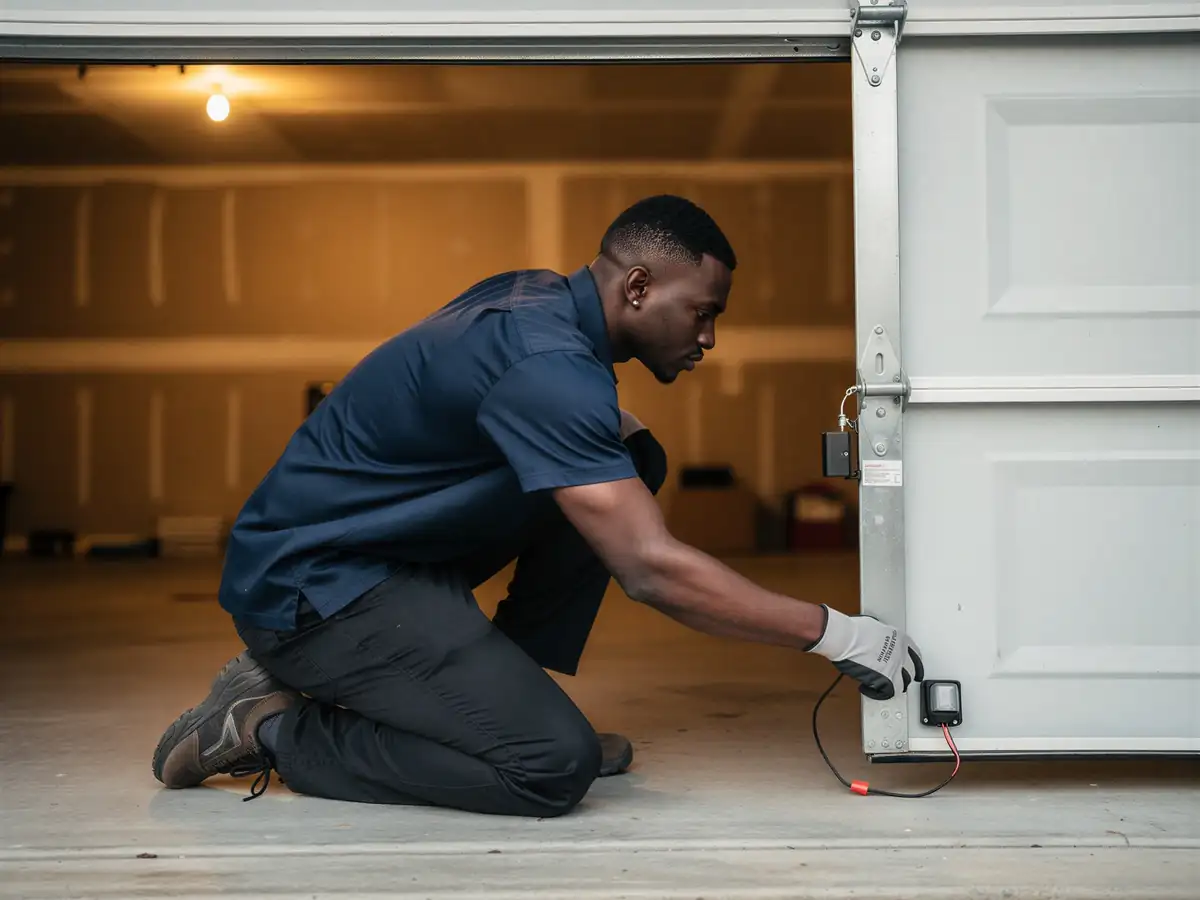
Most of what we see is steel panel damage - a dented section from a car bumper, or a bottom panel that's rusted out from years of water sitting against it. On a door this old, replacing one panel sometimes means the rest of the door shows its age right next to the new piece. We'll tell you straight if a patch job is going to look like a patch job, and let you decide whether that's good enough or whether it's time to talk full replacement instead.
We don't stock every obsolete panel profile on the truck. If your door needs a match for a section no longer made, we order it in, and that can add a few days to the job. That's the honest limitation - we'd rather tell you upfront than have you waiting on a guess.
Where This Job Goes Sideways
The failure point on older doors isn't usually the panel itself - it's the fasteners and the track alignment around it. Lanett's housing stock sitting at a 1965 median means a lot of these doors have had one or two repairs already over the decades, sometimes with hardware that doesn't match what the door shipped with. Swap one panel into a frame that's already slightly out of square, and the new section binds against the track within a few weeks.
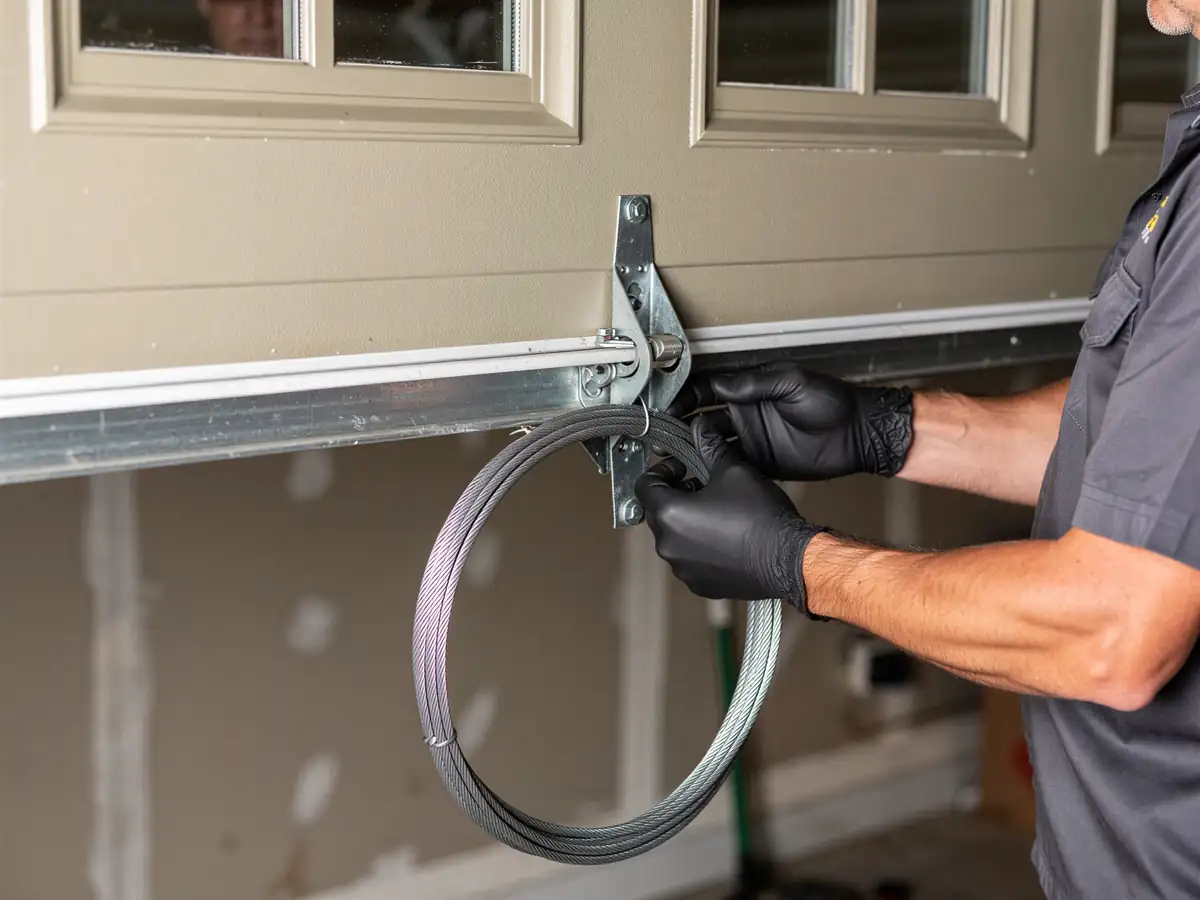
We also see rust creeping into the hinges that connect adjoining panels, which is common in this mild climate with occasional freeze - moisture gets into seams rather than ice cracking things outright. If the hinge is seized, we're not just swapping a panel, we're freeing or replacing the hardware around it too. Skipping that step is how a panel replacement turns into a callback in a month.
We'll check the track and rollers as part of the quote, not as an upsell after the fact. If the whole assembly needs attention and a single-panel swap won't hold, we say so before we start, not after the panel's already in.
Getting It Booked In
We're based out of Opelika and cover Lanett from there
It's about 17 miles out, so we schedule the trip rather than treat it as a drop-by. That means panel replacement here gets booked for a set visit, and we bring the right panel stock (or the ordered match, if yours is discontinued) rather than showing up to diagnose twice.
- 17 miles
Give us the door's approximate age, panel material, and where the damage sits on the door when you call
With housing in this area running mostly mid-1960s, we can often narrow down the likely panel profile before we ever see the door, which cuts down on return trips for the wrong part.
For general repair work beyond panels
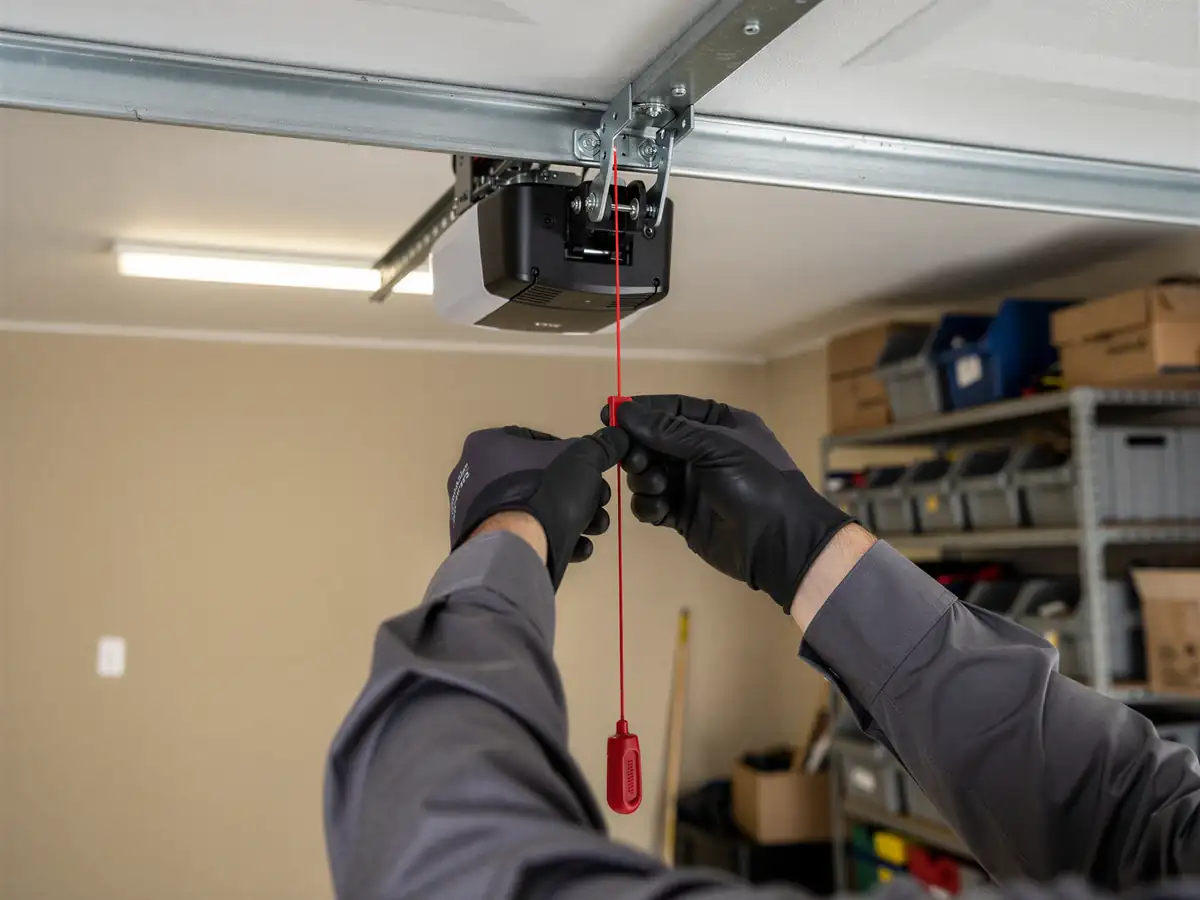
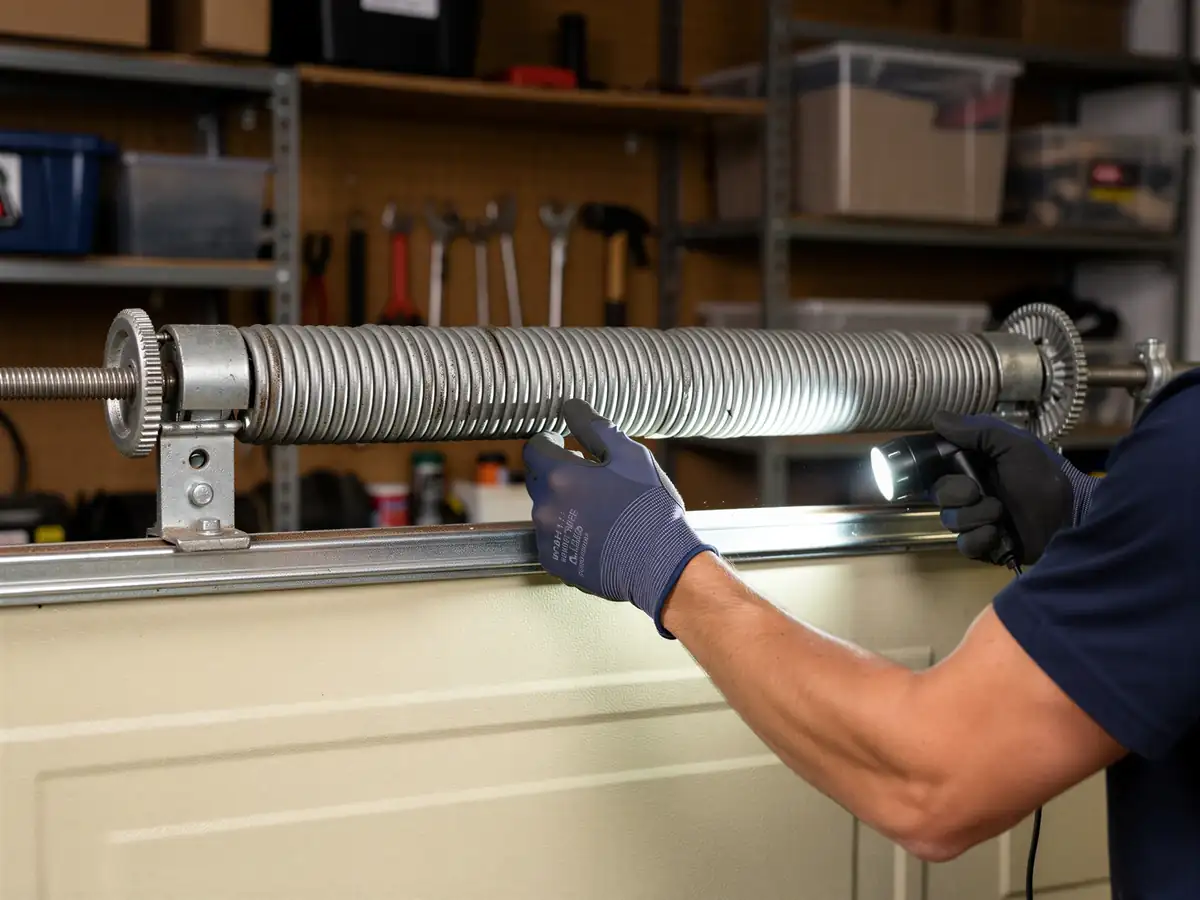
Openers, springs, tracks - see our Lanett garage door repair page. If you're actually across the broader Opelika area and not sure panel replacement is even what you need, the Opelika panel replacement page covers the service at the city level.
The Symptom
The clearest sign you need a panel instead of a full door is damage that's contained - a dent, a crack, a rust hole - while the rest of the door still opens and closes square on the track. If the door drags, binds, or won't stay level across the opening, that's a different problem than a damaged panel, and fixing a bent section won't solve it.
In a household budget like this area's median of roughly $42,000, replacing a single panel instead of the whole door is often the right call financially, provided the rest of the door is sound. We'll tell you plainly if the damage is cosmetic enough that a panel swap makes sense, or if the door's overall age and condition mean you'd be paying twice - once now, once again in a year or two.
If you're not sure which case you're in, a dent that doesn't affect the track line is usually panel-only. A door that's hard to lift, noisy, or sagging on one side needs a fuller look before anyone commits to parts.