What the Repair Takes
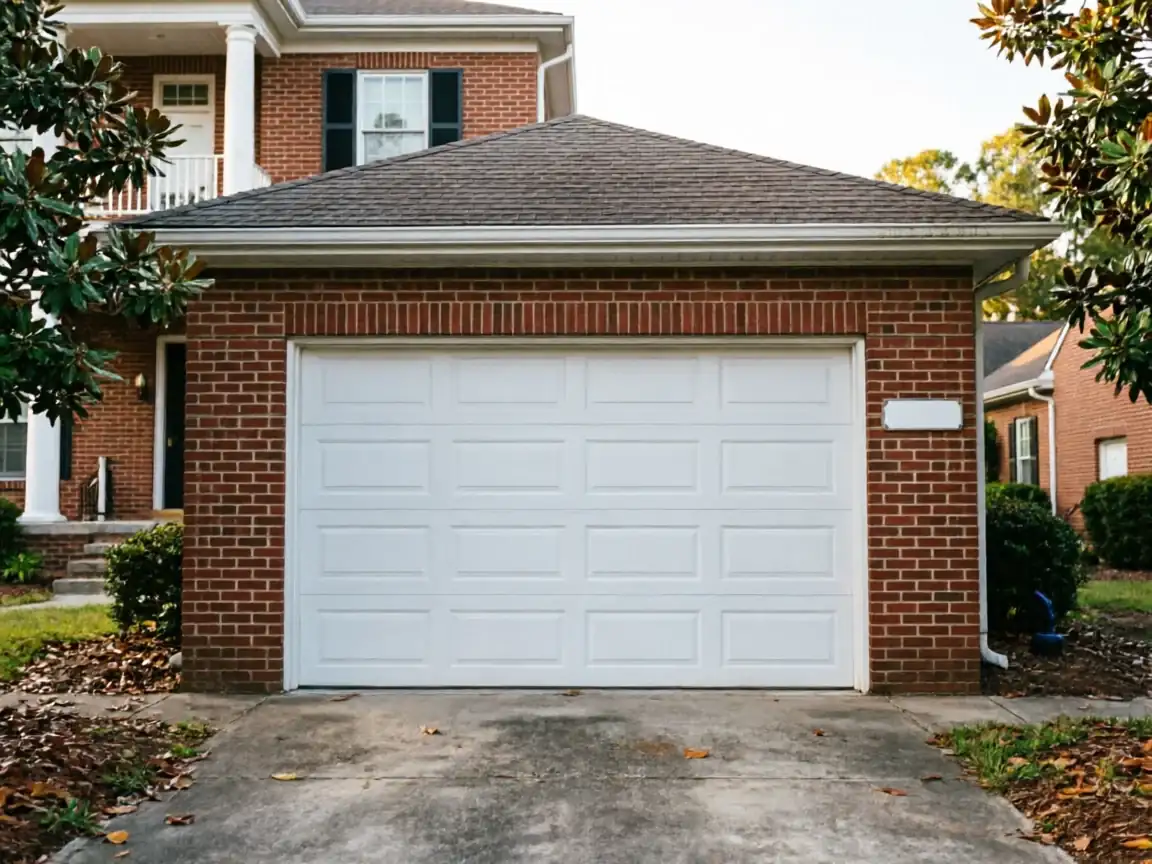
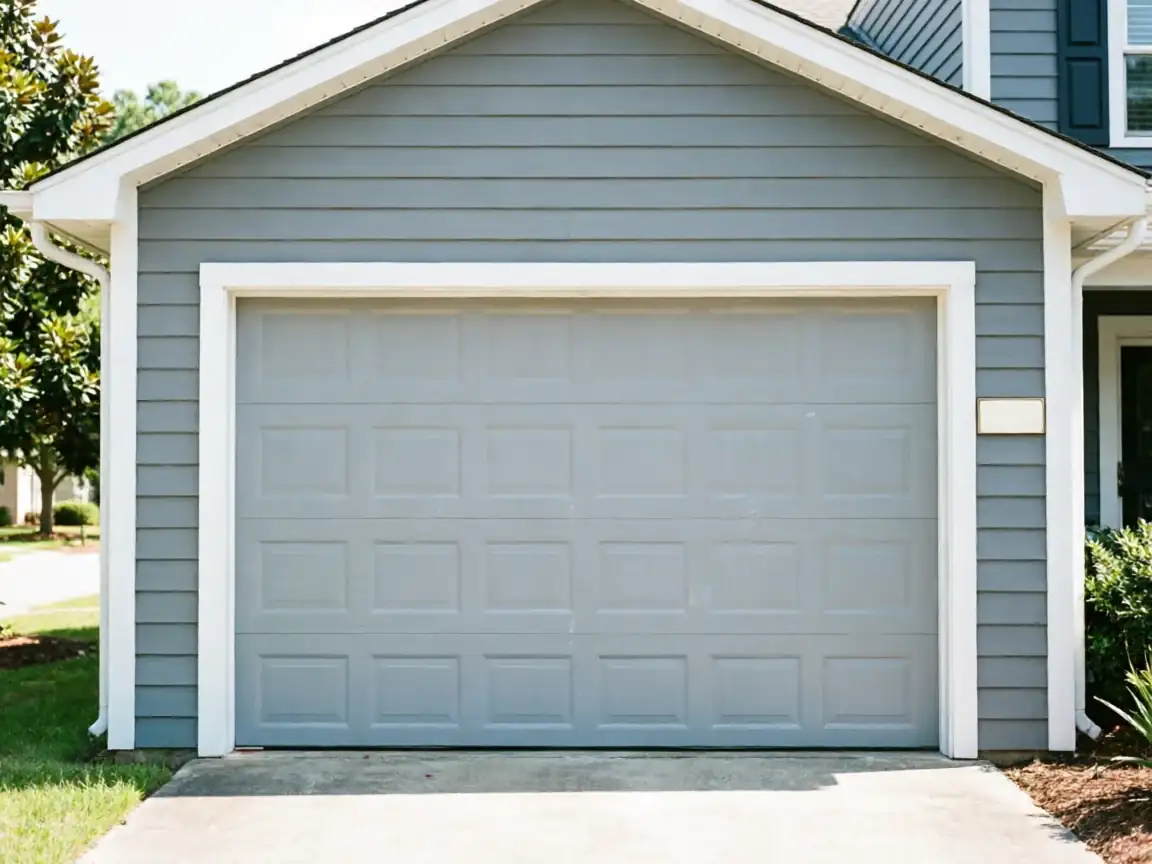
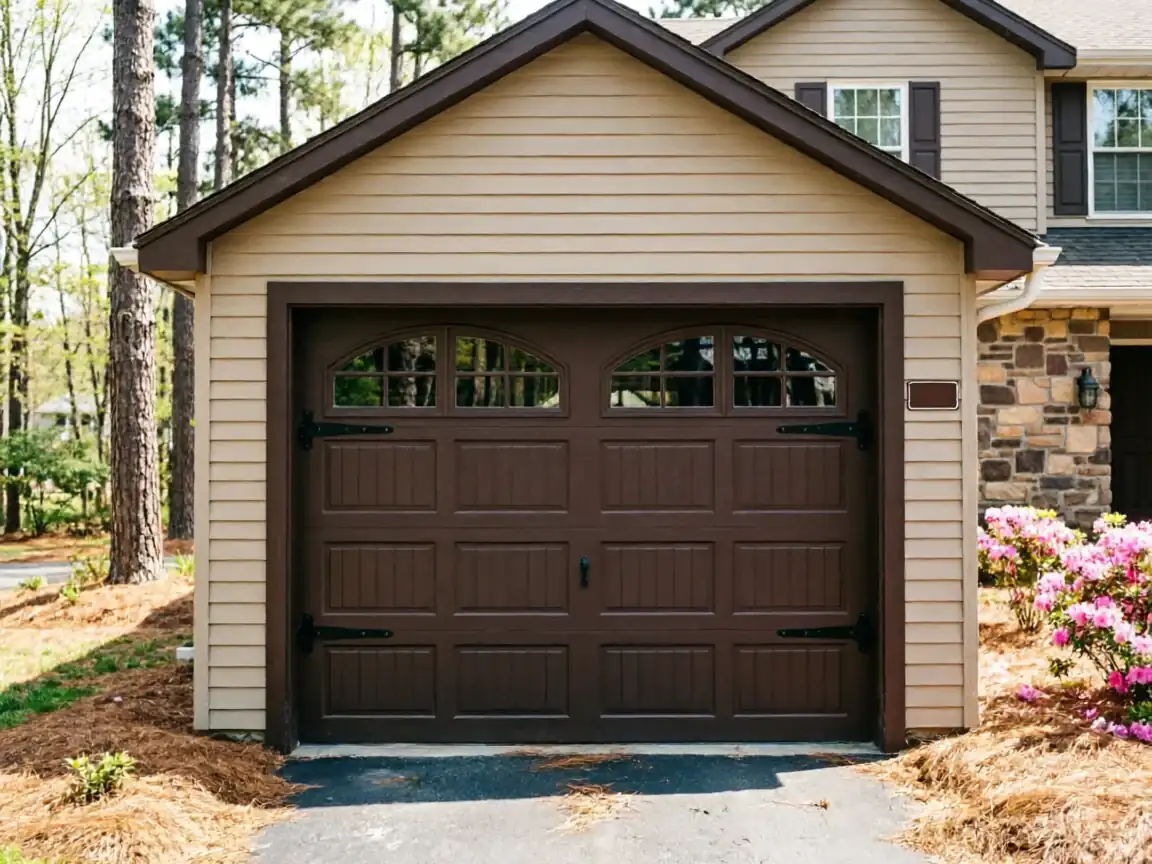
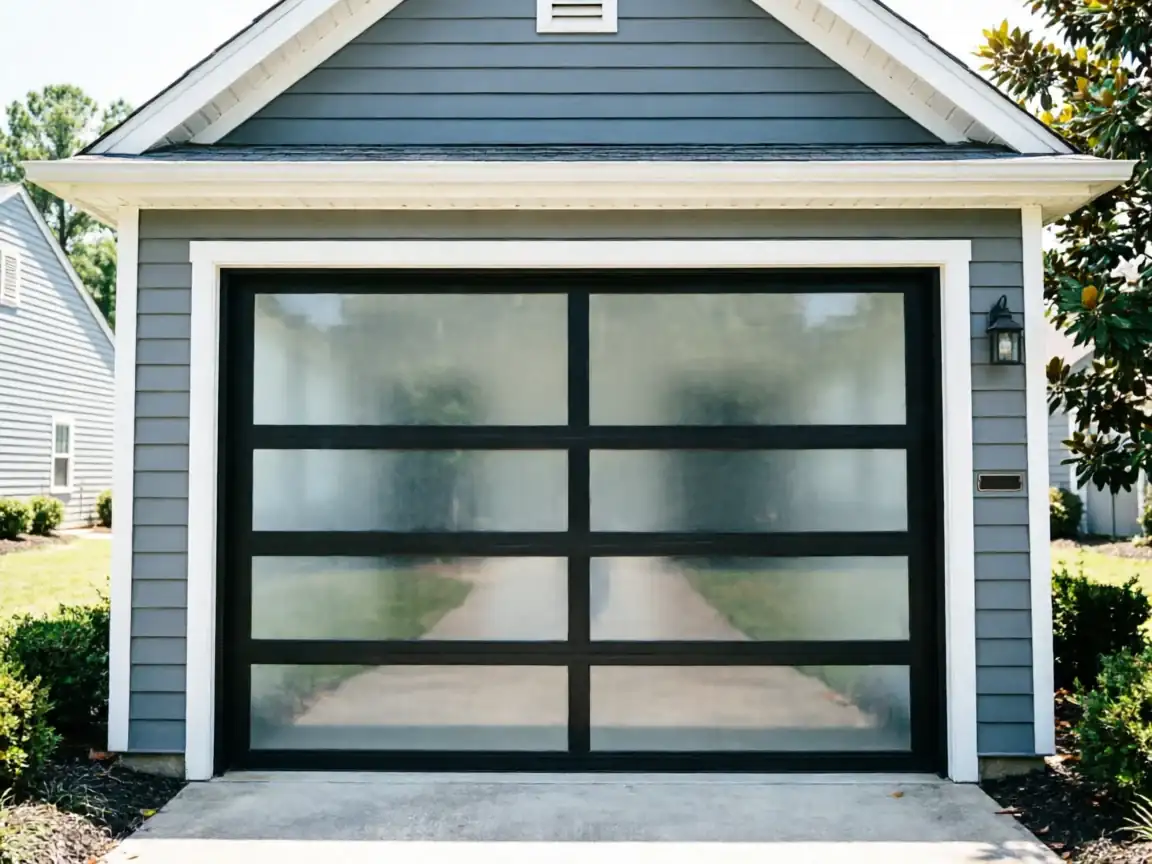
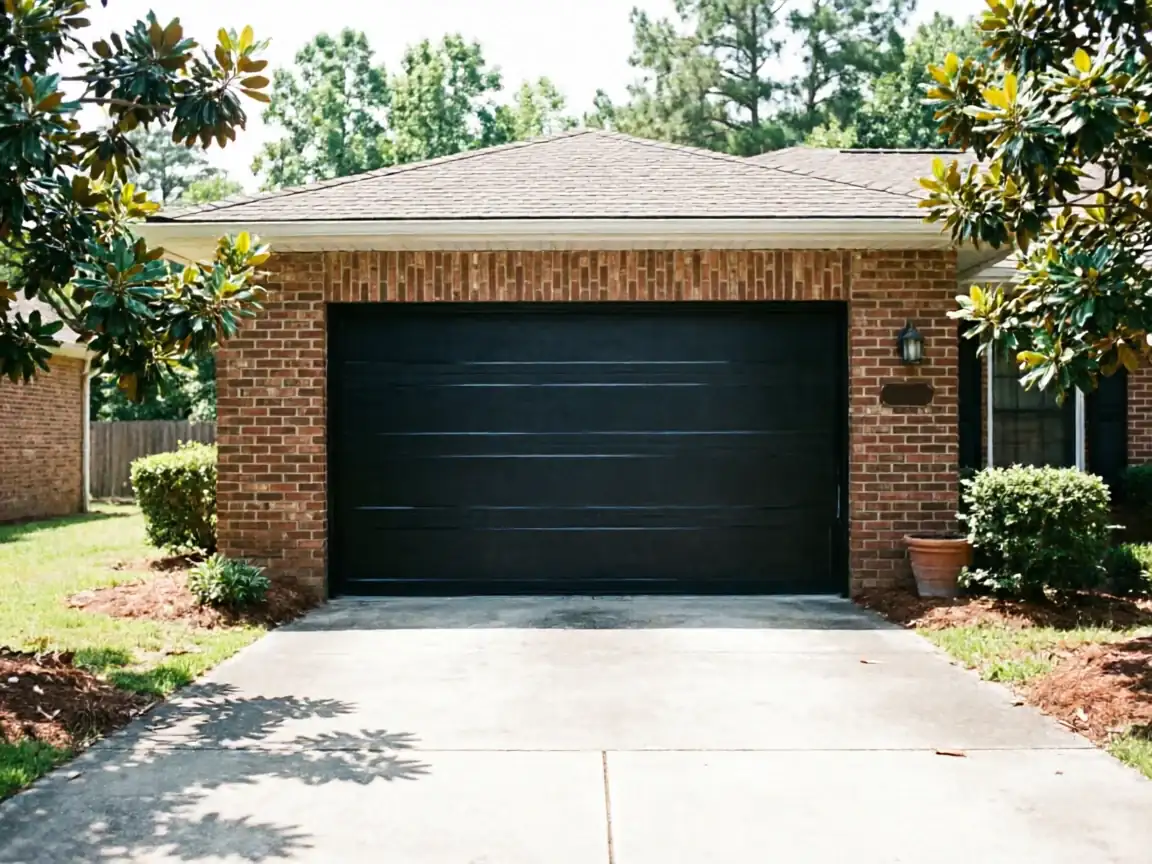
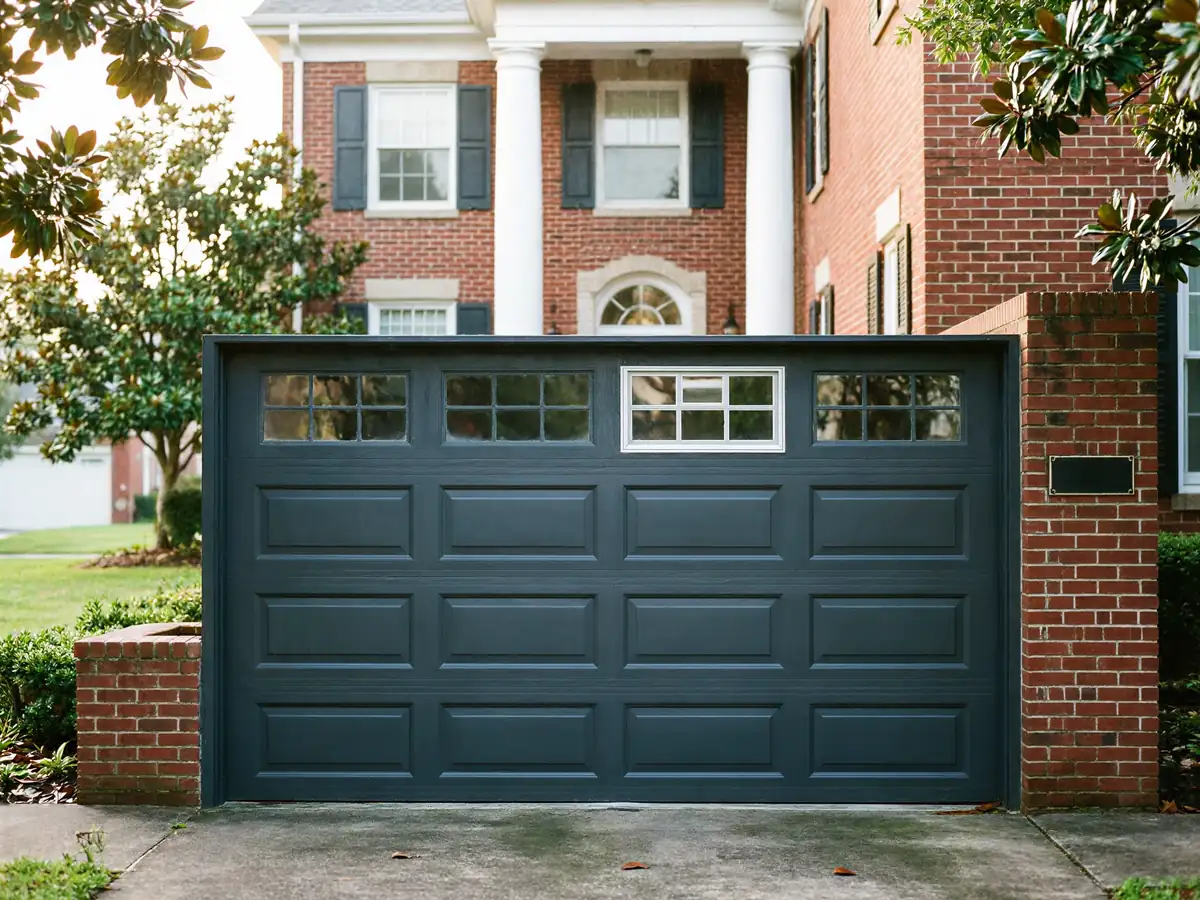
Lanett is a small town - 2,336 households by the last count - which means the maintenance calls here don't look like the volume you'd see in a bigger market. Most of the houses were built around 1965, a few years earlier than the median across the rest of the service area (1976), so the doors we're servicing tend to run older springs, older rollers, and in some cases the original torsion hardware.
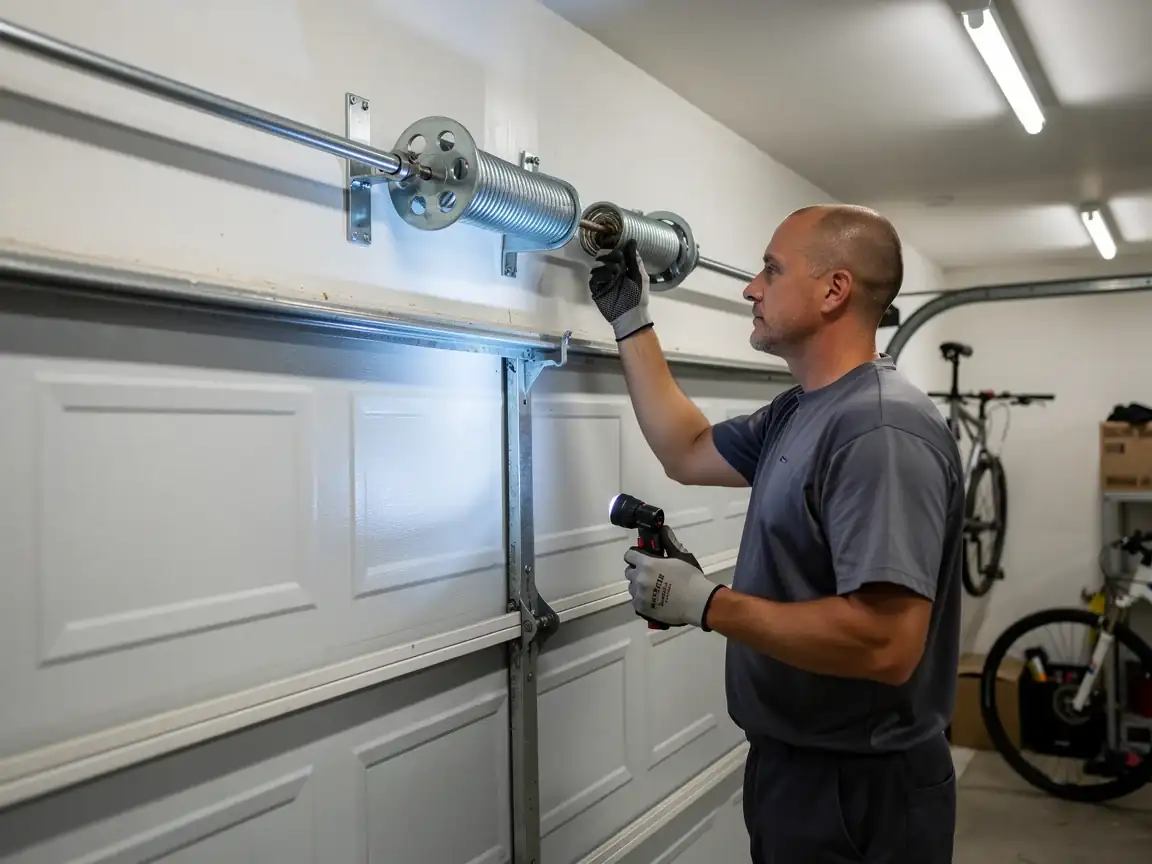
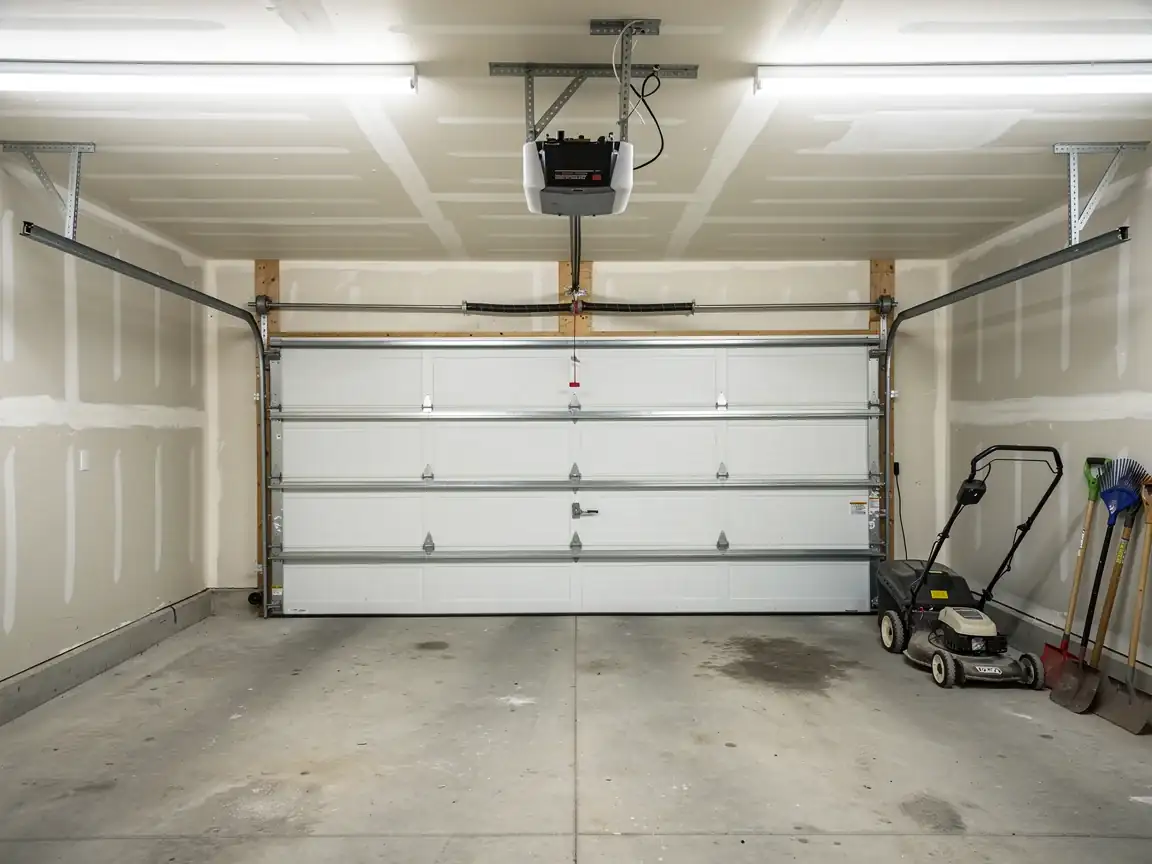
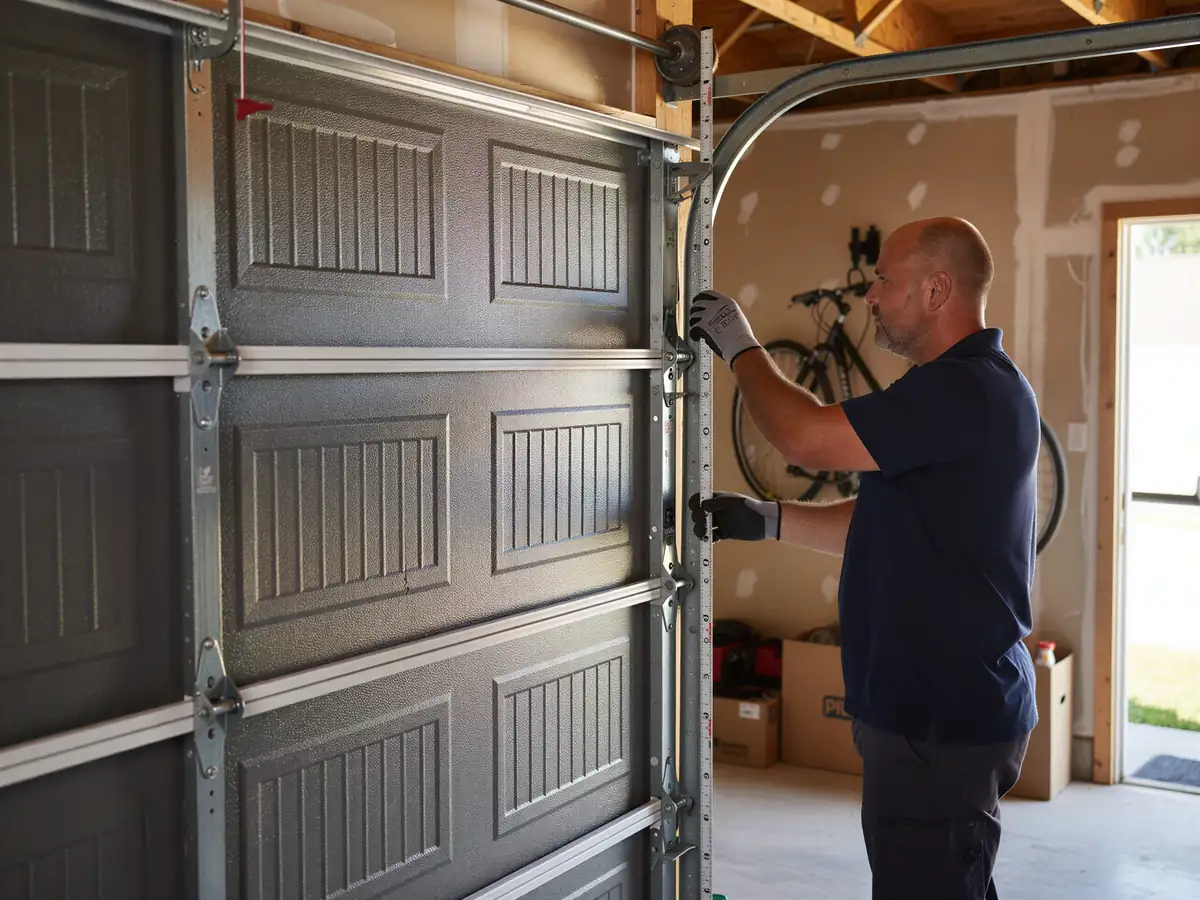
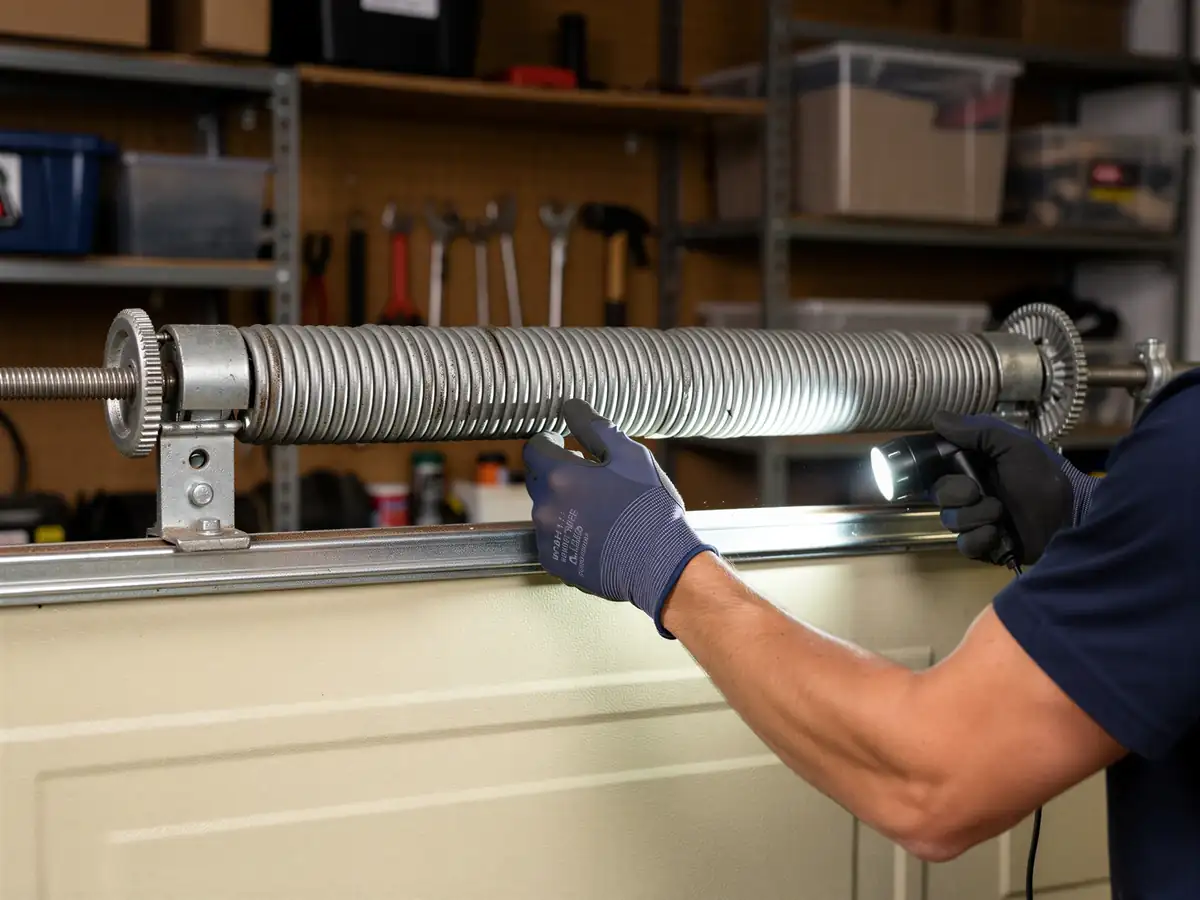
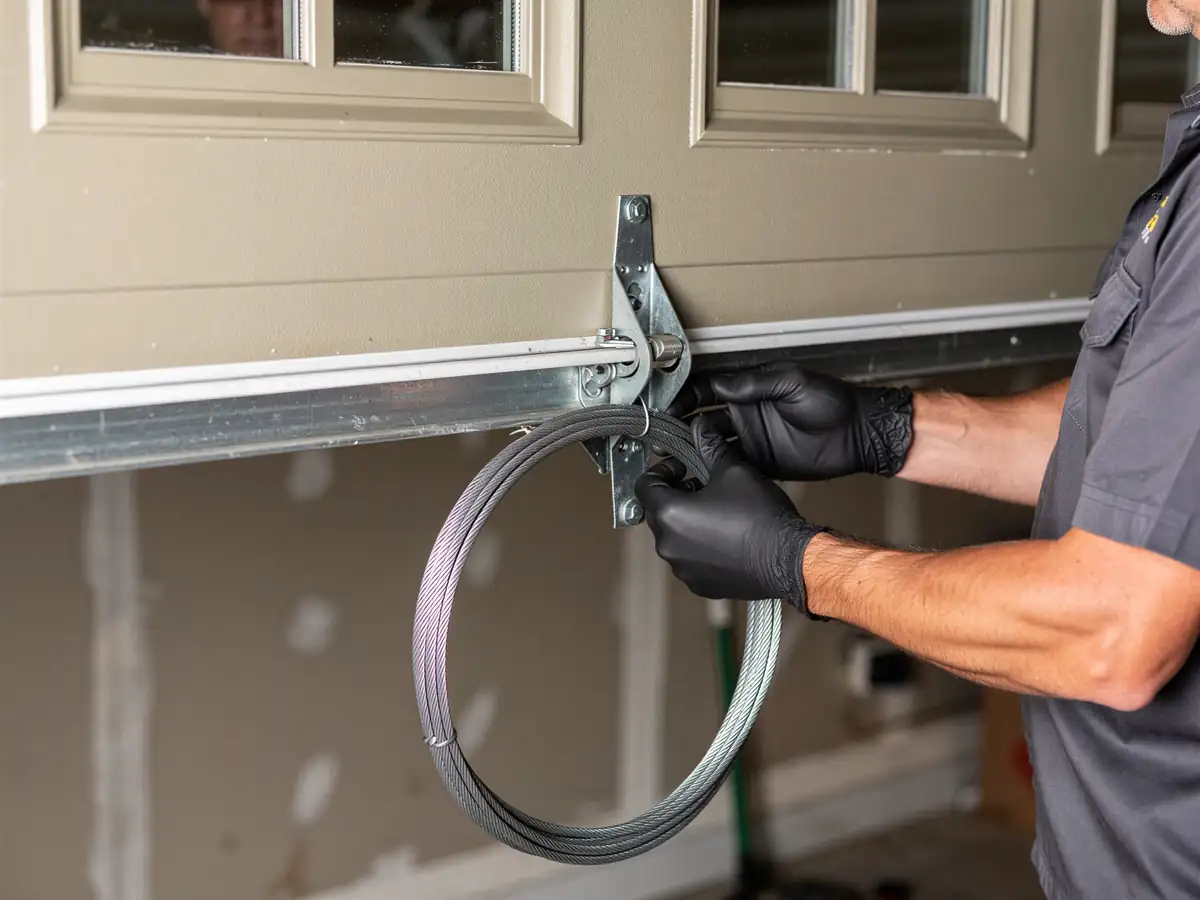
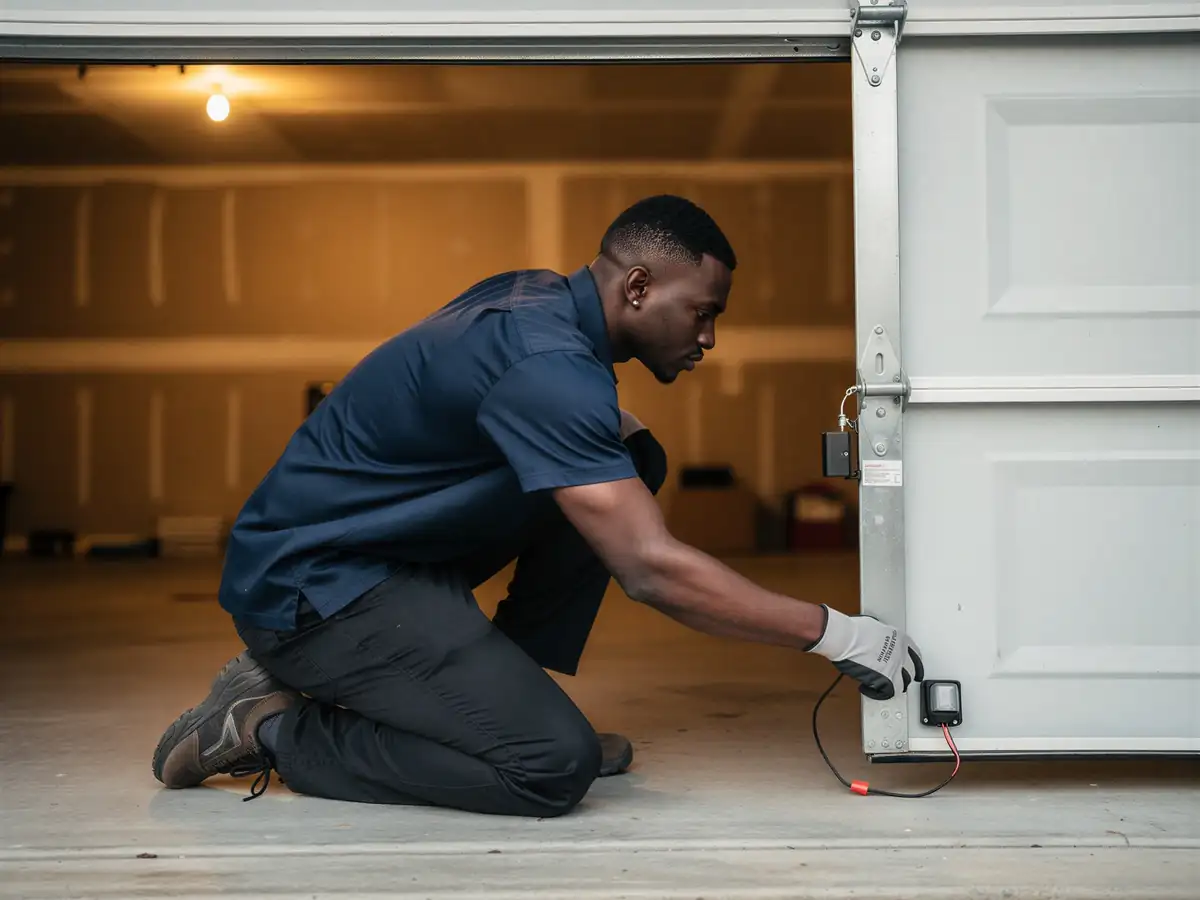
A basic maintenance visit covers lubricating the rollers and hinges, checking cable wear, testing spring tension, and making sure the track is still square. On a door that old, half the job is just confirming the hardware hasn't drifted past the point where lubrication helps and a part actually needs replacing. We check the bottom bracket and the lift cable ends too, since those wear from the inside and don't always show it until the door is already sagging on one side.
Where This Job Goes Sideways
On a door built around 1965, the spots that go wrong first are the ones nobody looks at until they fail. Galvanized hardware from that era wasn't built for sixty years of cycling, and in a town where the typical household income runs $42,415 - a bit under the service area's $45,493 - a lot of owners have put off replacing a spring or a cable until it's actually broken rather than paying for it as a precaution.
That's a reasonable call, but it changes what a maintenance visit turns into: instead of a tune-up, it's often a repair call that started as a tune-up. The climate here is mild with occasional freezes, so rust isn't aggressive, but it's steady - enough that a track bolted up in 1965 and never touched since usually has some corrosion at the base where water pools after rain. We'll flag it instead of forcing a fix nobody asked for.
Getting It Booked In
We run this job out of Opelika, about 17 miles from Lanett
So there's no separate branch here - just a truck that comes out on a scheduled visit. That distance doesn't change what we check once we're on site, but it does mean maintenance works better as a planned appointment than a same-day add-on.
- 17 miles
If what you've actually got is a door that's already stuck or won't close, that's a different kind of call
See the Lanett garage door repair page for that. Maintenance is the slower, cheaper visit meant to catch the spring or roller before it snaps on a Tuesday morning. For the full rundown of what maintenance covers across the rest of the area we service, the Opelika maintenance page has that detail; this page is just about what it looks like on a Lanett-built door.
The Symptom
The complaint we hear most from this stretch of the county is a door that's slow to close in the morning and fine by afternoon. That's the mild-with-occasional-freeze climate working on hardware that's pushing sixty years old: cold tightens the grease in the rollers and stiffens the torsion spring just enough to drag the first cycle of the day.
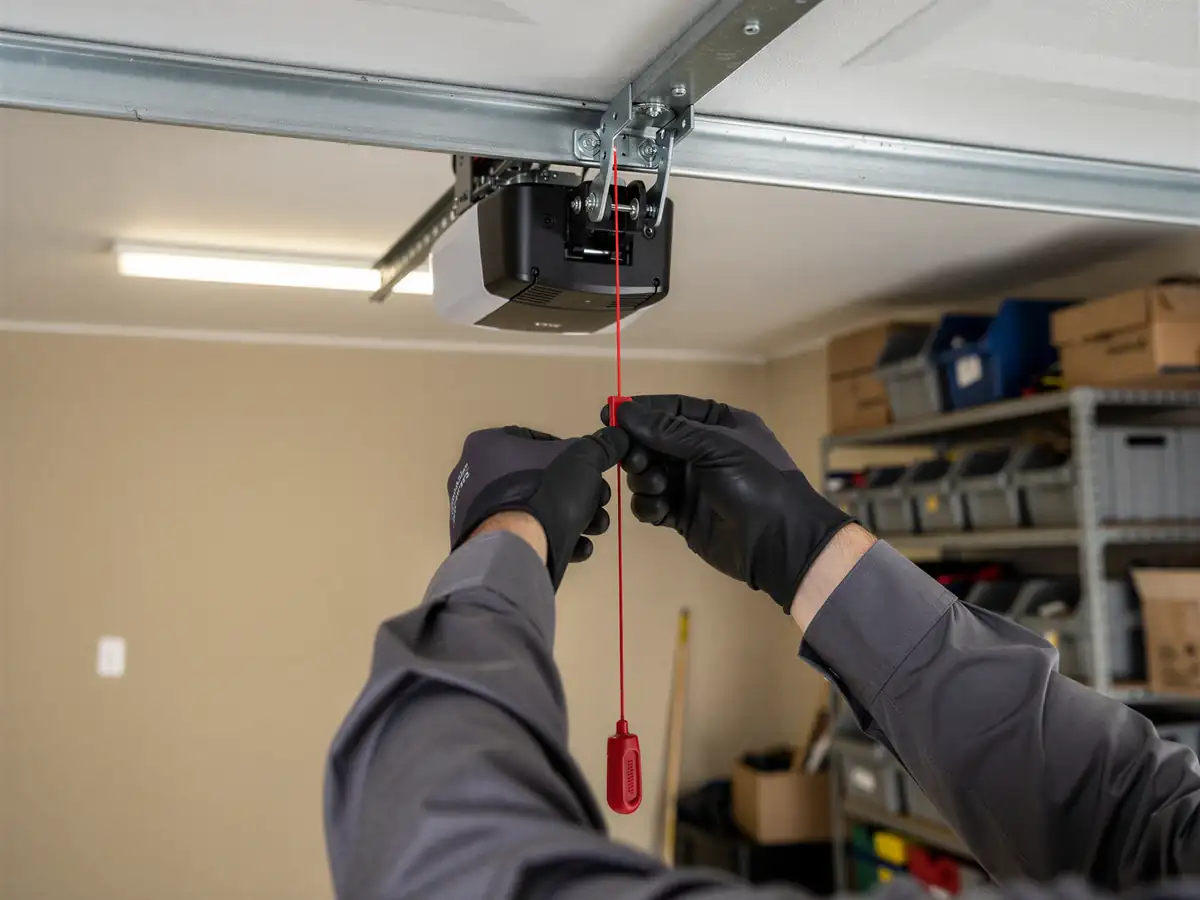
It usually isn't the opener. We've seen owners replace a perfectly good opener motor chasing this symptom when the fix was re-lubricating the spring and rollers with a grease rated for the swing in temperature, not for summer heat alone. If the spring itself is rusted through at the coil rather than just stiff, though, no amount of lubrication fixes that - at that point replacement beats another round of oil, and we'll tell you straight if that's what we're looking at.