The Drive Over
La Fayette sits about 16 miles from our shop in Opelika, and that drive is part of how we price and schedule the job - it's not a same-town call, so we build the trip into the quote up front rather than surprise you with it later. We don't keep a crew stationed in La Fayette. What we do is come out with the truck stocked for the kind of doors this town actually has, which matters more than people think.
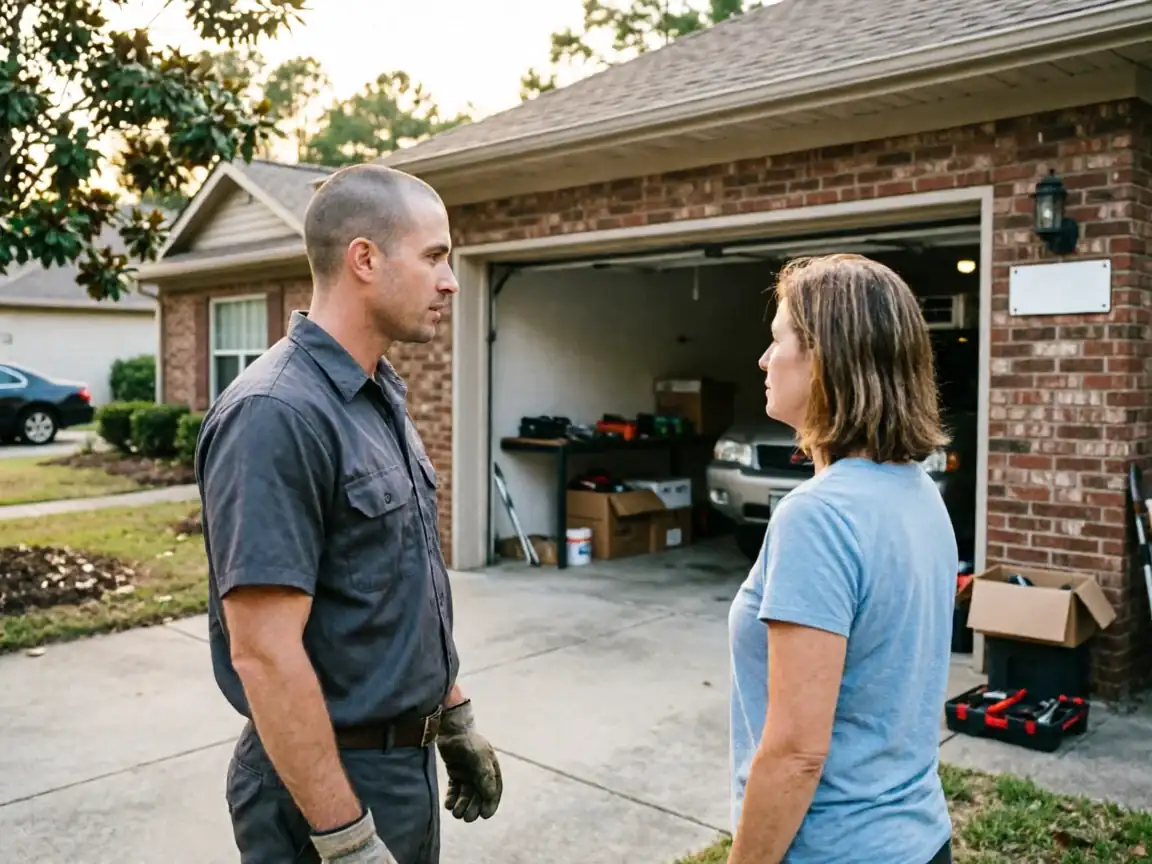
Because the honest answer is this: a lot of outfits quote a job over the phone assuming the standard setup, then show up and realize the spring, track, or opener bracket isn't what they expected. We try to avoid that by asking the right questions before we load the truck - door age, how it's mounted, whether it's ever been replaced. That saves you a second trip and saves us a wasted one.
One limitation worth saying plainly: if a part needs to be special-ordered because the door is old enough that the original hardware isn't made anymore, that adds lead time. We'll tell you that on the first visit, not after we've already started the job.
What That Means for Doors
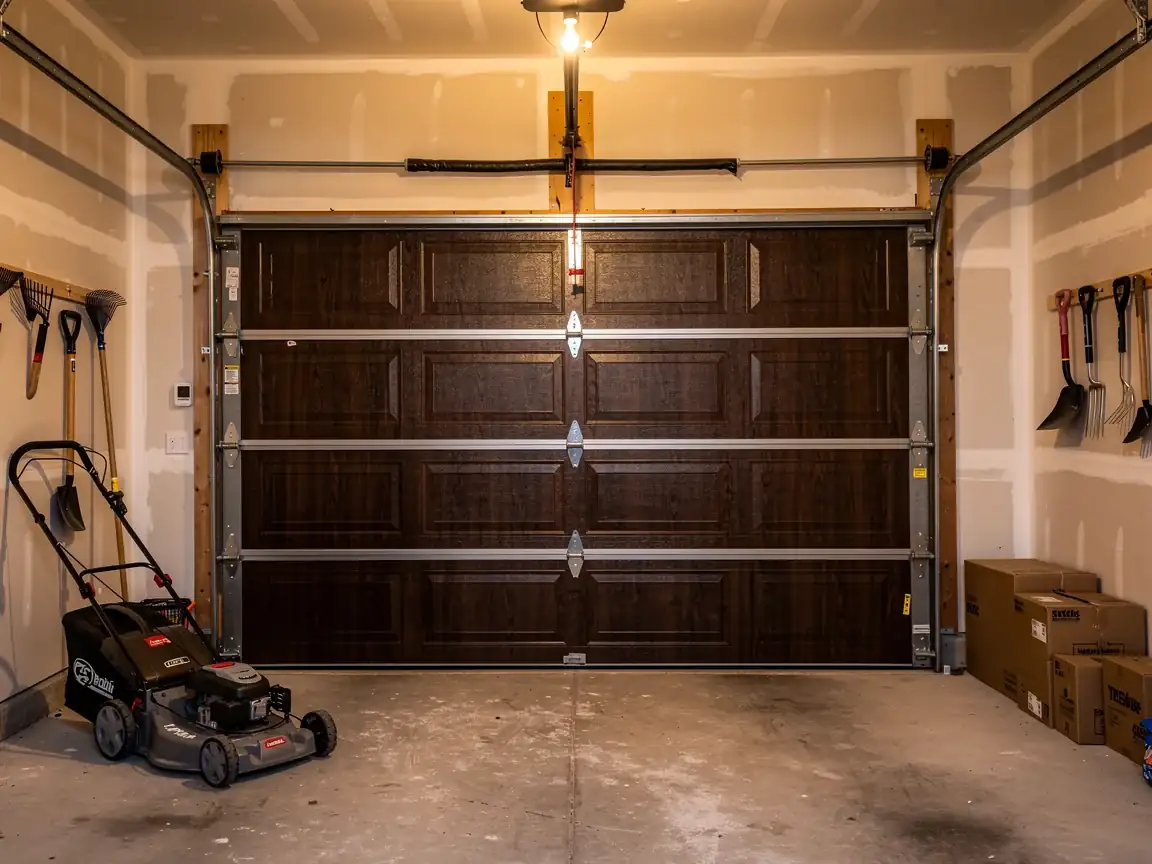
The median home in this part of La Fayette was built around 1976, which puts most doors squarely in the torsion-spring era but ahead of the sectional-steel designs that became standard in the 1990s. That one fact drives almost everything else about the job. Openers from that period, if original, are chain-drive units with mechanical limit switches rather than the digital force sensors you'd find on anything installed in the last fifteen years.
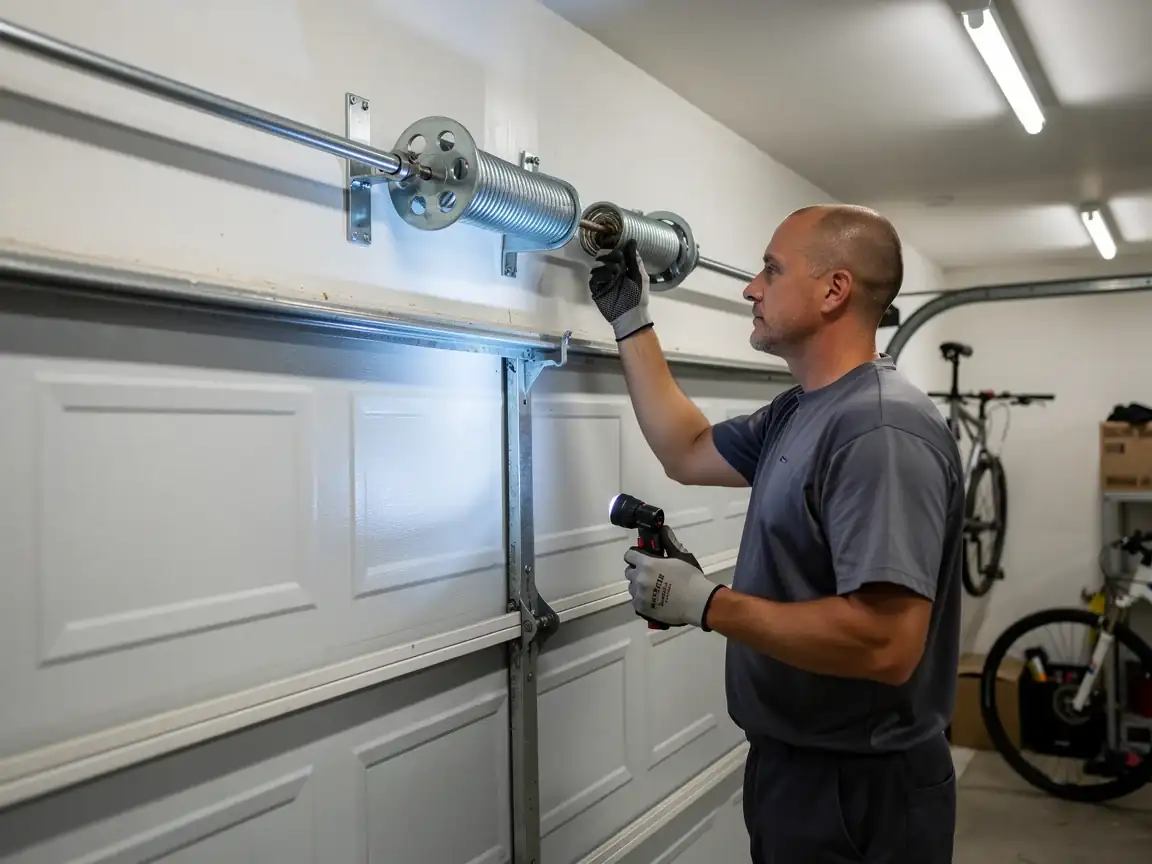
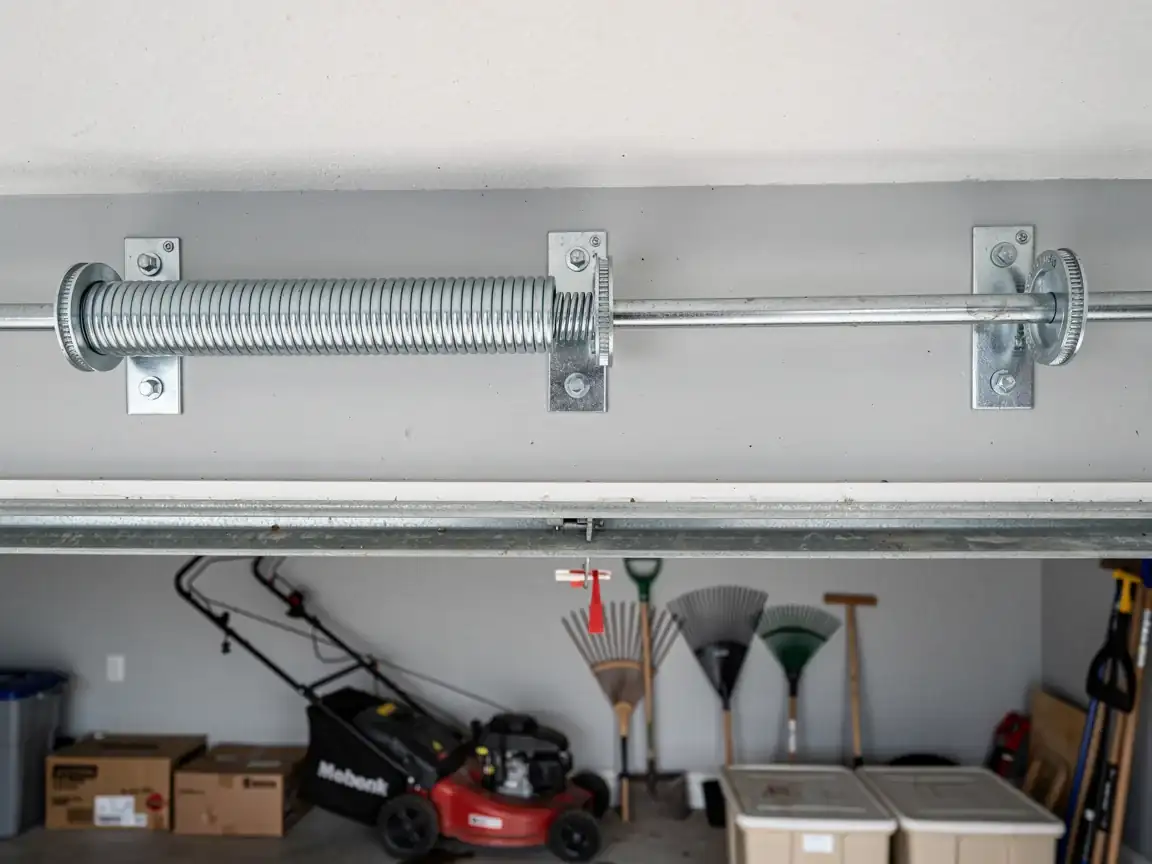
If a door here has never been upgraded, we're often dealing with a single torsion spring on a center bracket, galvanized but not coated for today's cycle counts, and track that's narrower than current stock. None of that is bad hardware - it just isn't hardware every supplier carries off the shelf anymore. We carry what fits the common sizes for homes this age, but an unusual width or a non-standard drum occasionally means ordering a part rather than swapping it same-visit.
Climate-wise, this area sits in a mild band with occasional freeze, which is gentler on springs and seals than a true cold climate but still means moisture and the odd freeze-thaw cycle stress old lubrication and rubber weatherstripping faster than people expect on a door this age.
The Usual Work Here
With roughly 1,127 households in this immediate area and a housing stock concentrated in the 1965-1991 window
The calls we get here skew toward age-related failure rather than storm damage or new-construction tune-ups. Torsion springs that have simply outlived their cycle count. Rollers worn enough that the door shudders on the way up. Openers original to the house, now on their second or third capacitor replacement before the motor itself gives out.
- 1,127 households
Median household income in this specific area runs around $32,999, noticeably below the wider service area's figure
And that shapes how we talk about repair versus replacement. We default to repairing what can be repaired - a new spring set and a roller swap on a door with good panels and a sound opener is usually the right call here, not a full replacement, unless the track or panels are too far gone to safely tension.
We don't do the upsell push some companies do
If the door works fine after a spring and a lube job, that's the invoice.
What Was Built Here
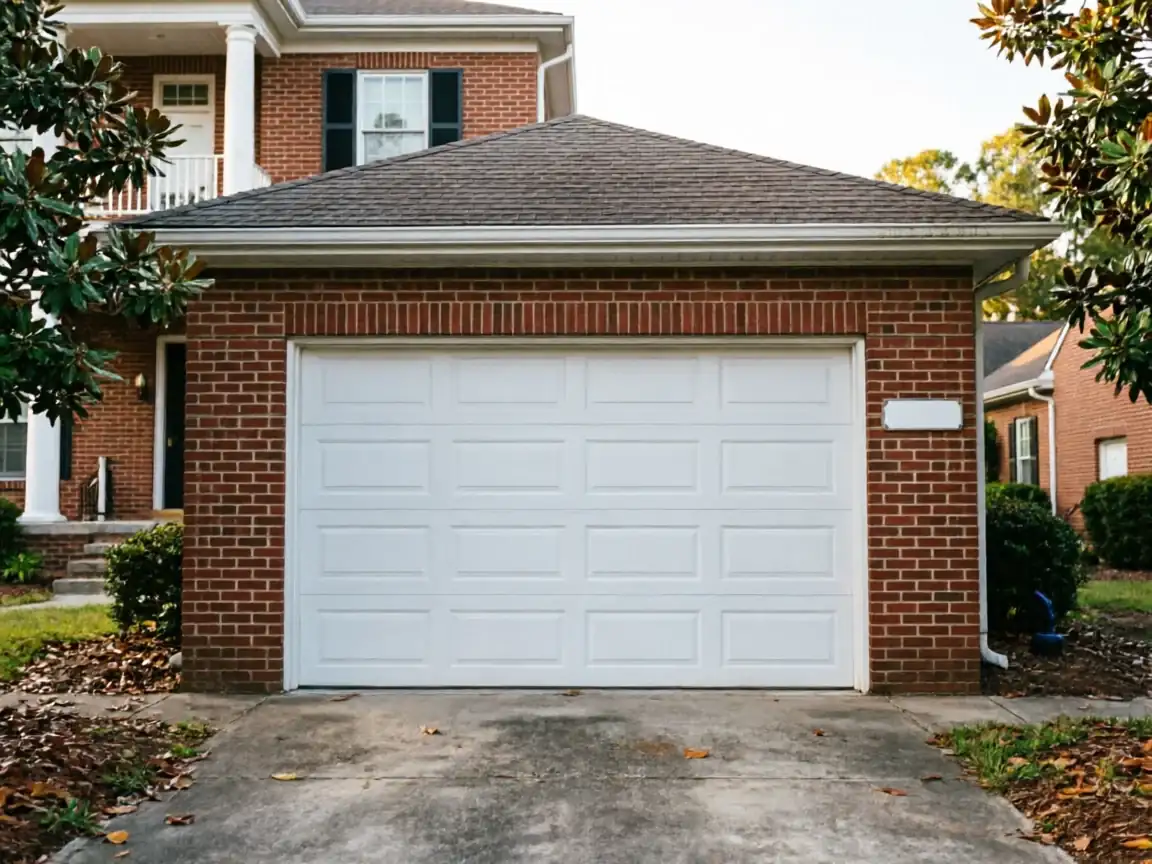
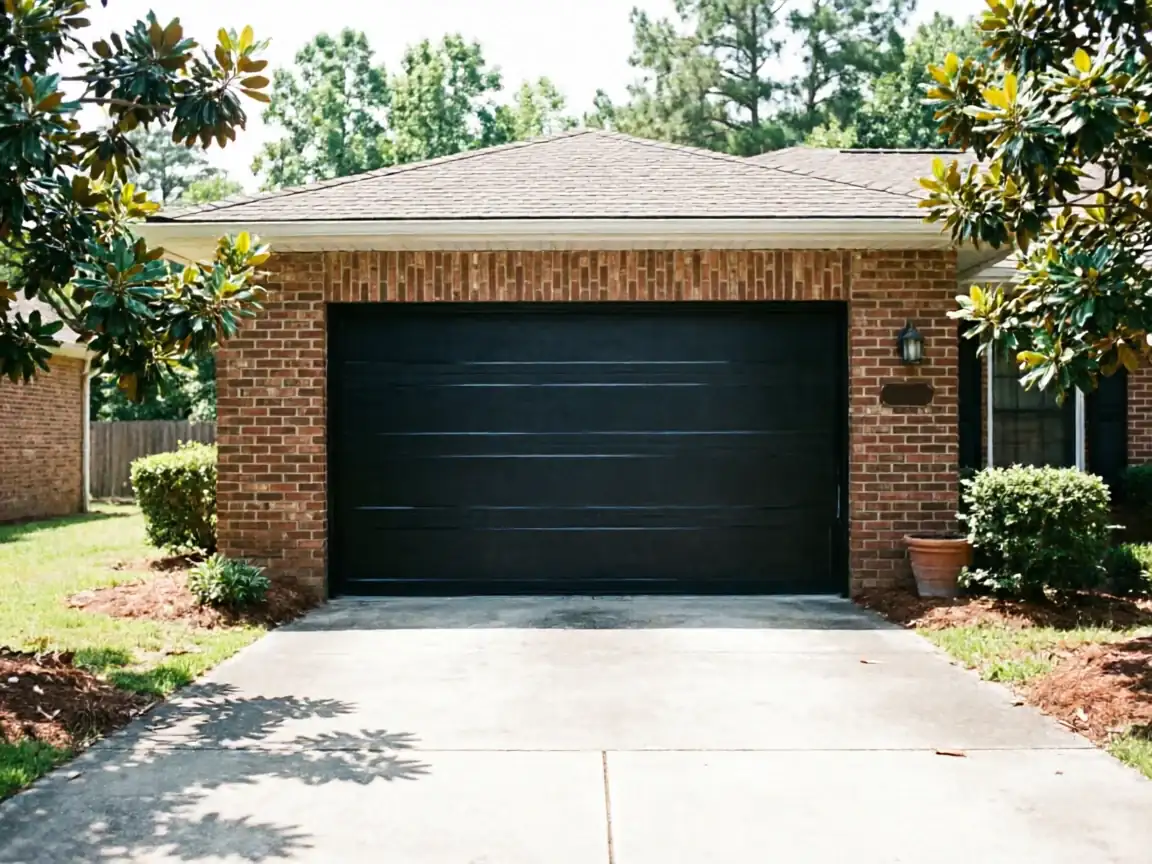
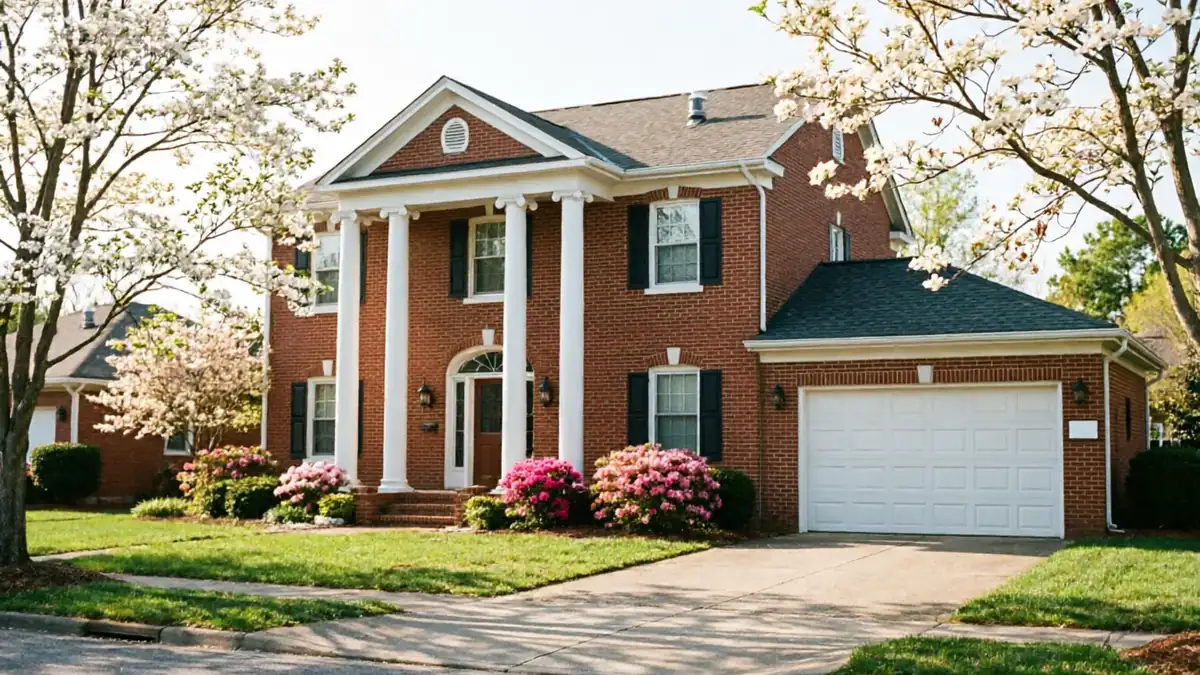
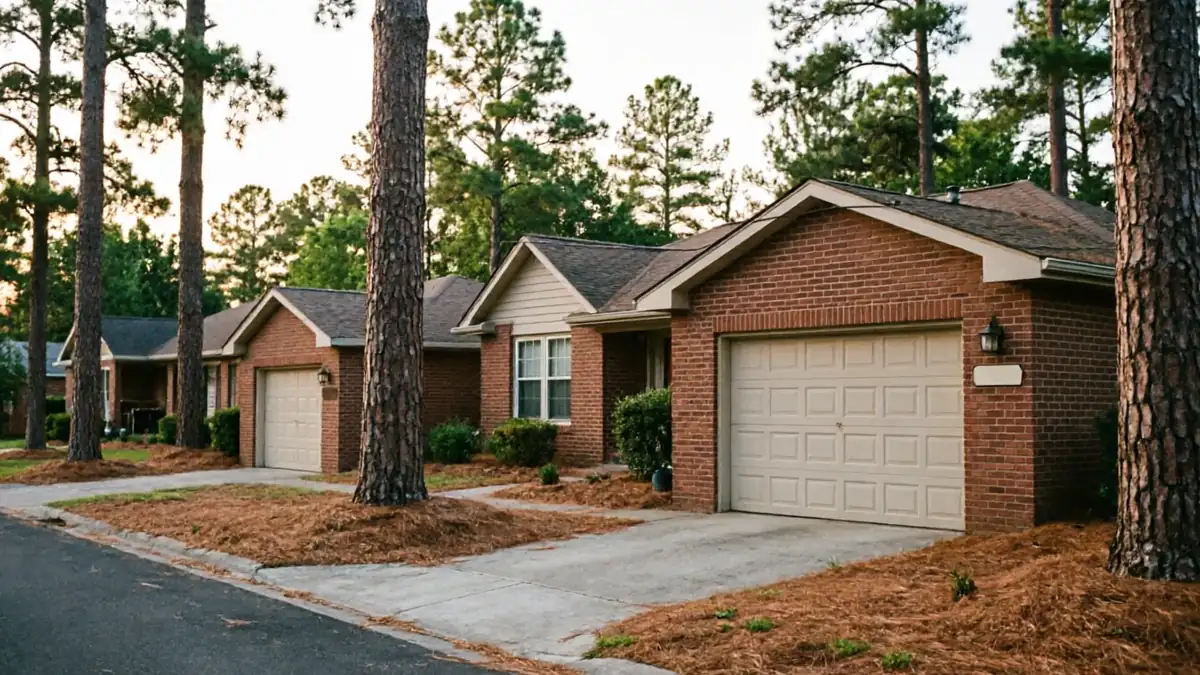
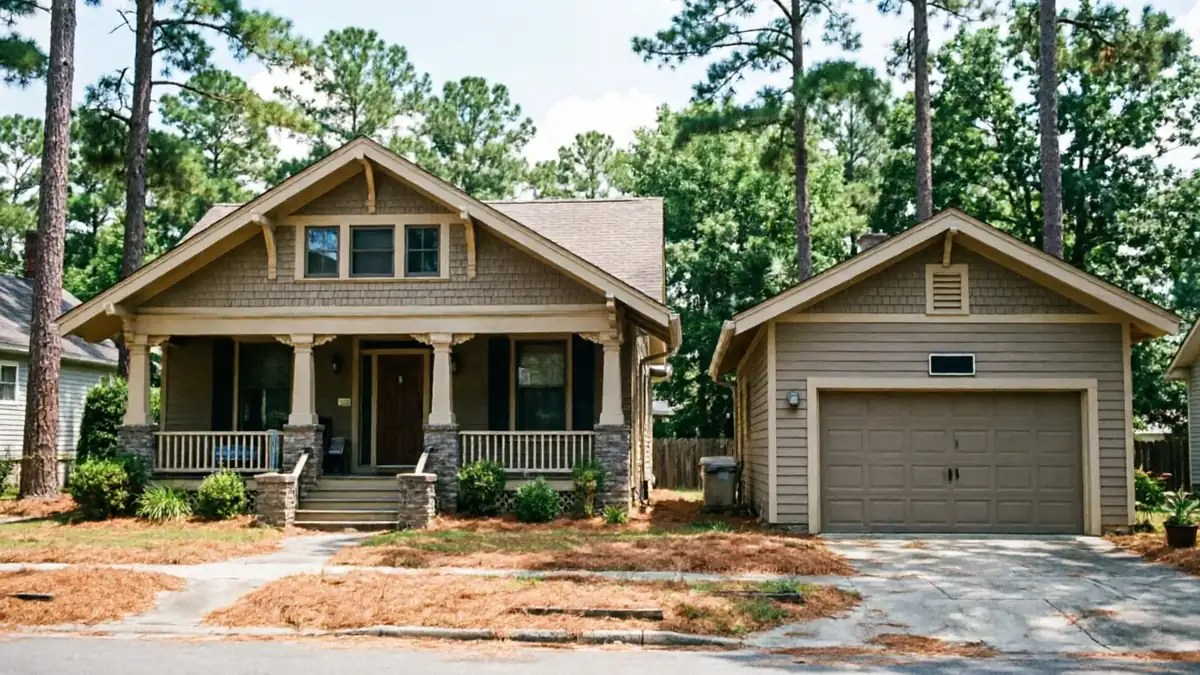
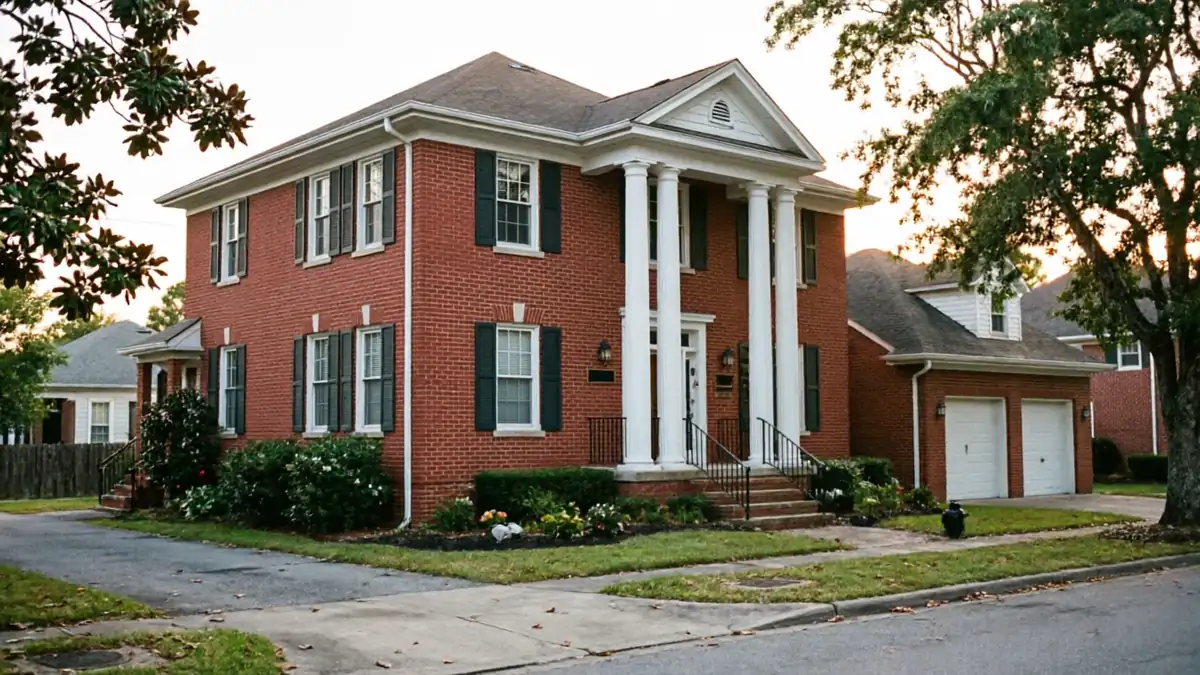
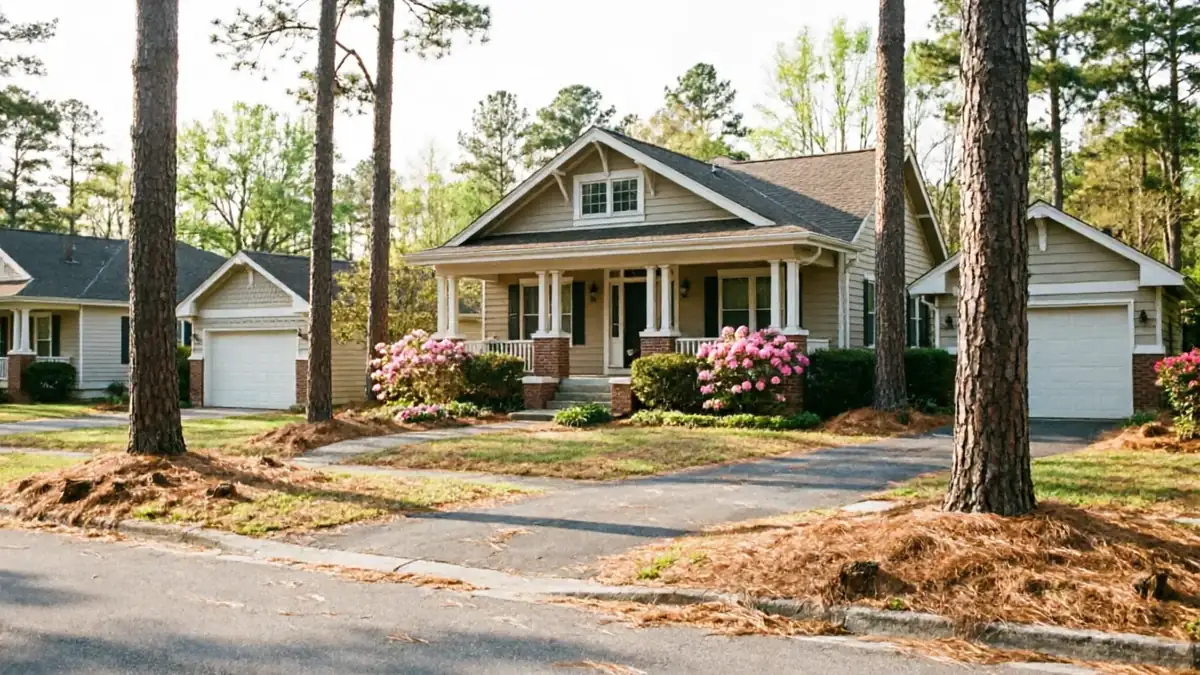
This section of La Fayette reflects the broader pattern across the area: housing built mostly between 1965 and 1991, with the median landing around 1976. That's a specific generation of residential construction - block or brick ranch homes with attached single or double garages, built before garage doors were treated as a major design feature of the house. Doors from that build era are typically steel or aluminum single-layer panels, no insulation core, mounted on torsion hardware that was standard for the time but has since been superseded by heavier-gauge, dual-spring setups on wider doors.
We mention this because it changes what "normal wear" looks like here compared to a newer subdivision. A door that's sagging slightly at 45 years old isn't a defect - it's expected, and a tune-up often buys more years than a replacement would justify given the age of the rest of the hardware. We'd rather tell you that than sell you a door you don't need yet.