Can You Do This Yourself
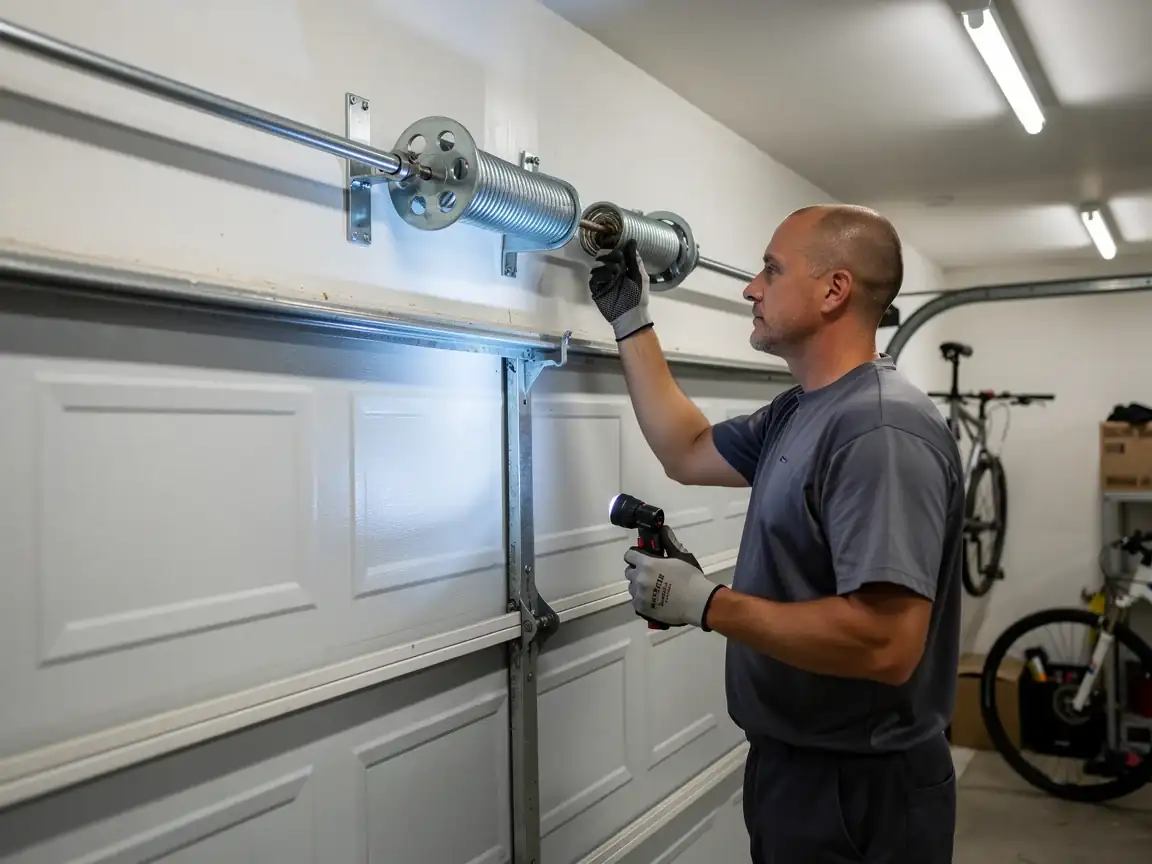
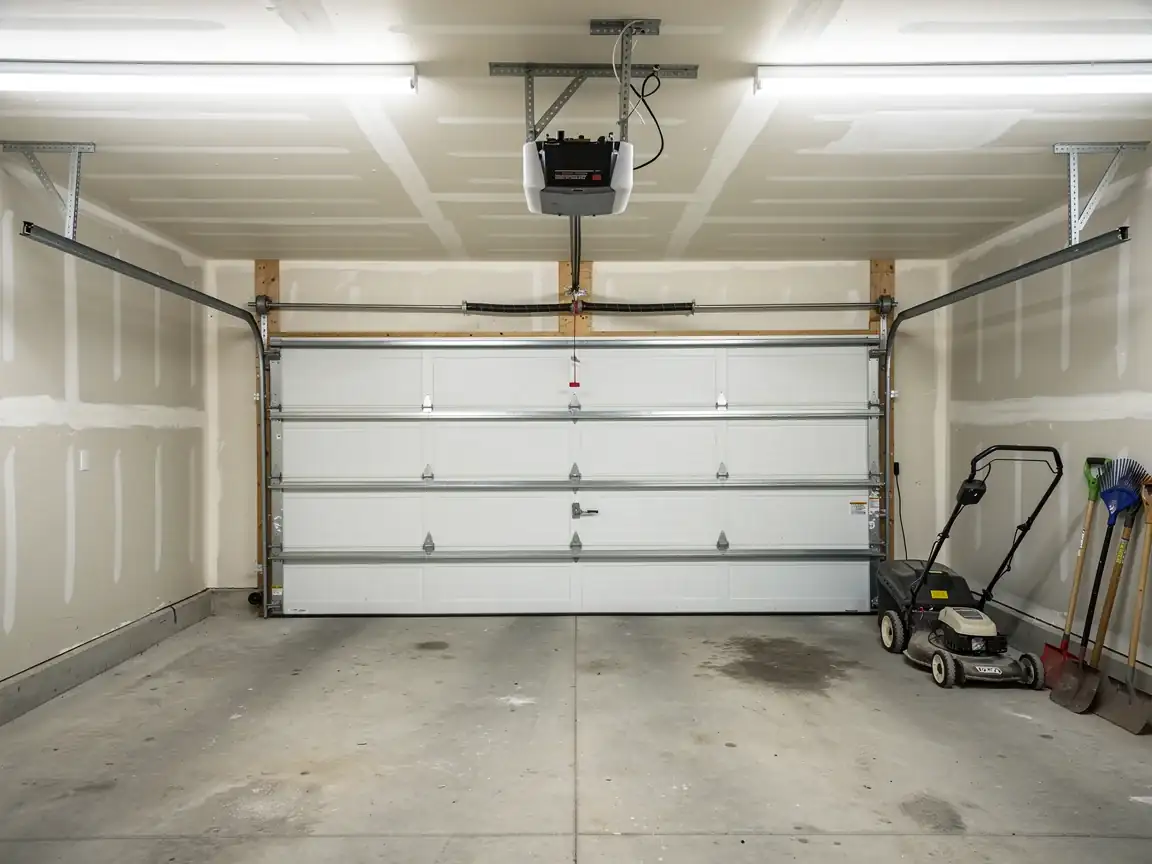
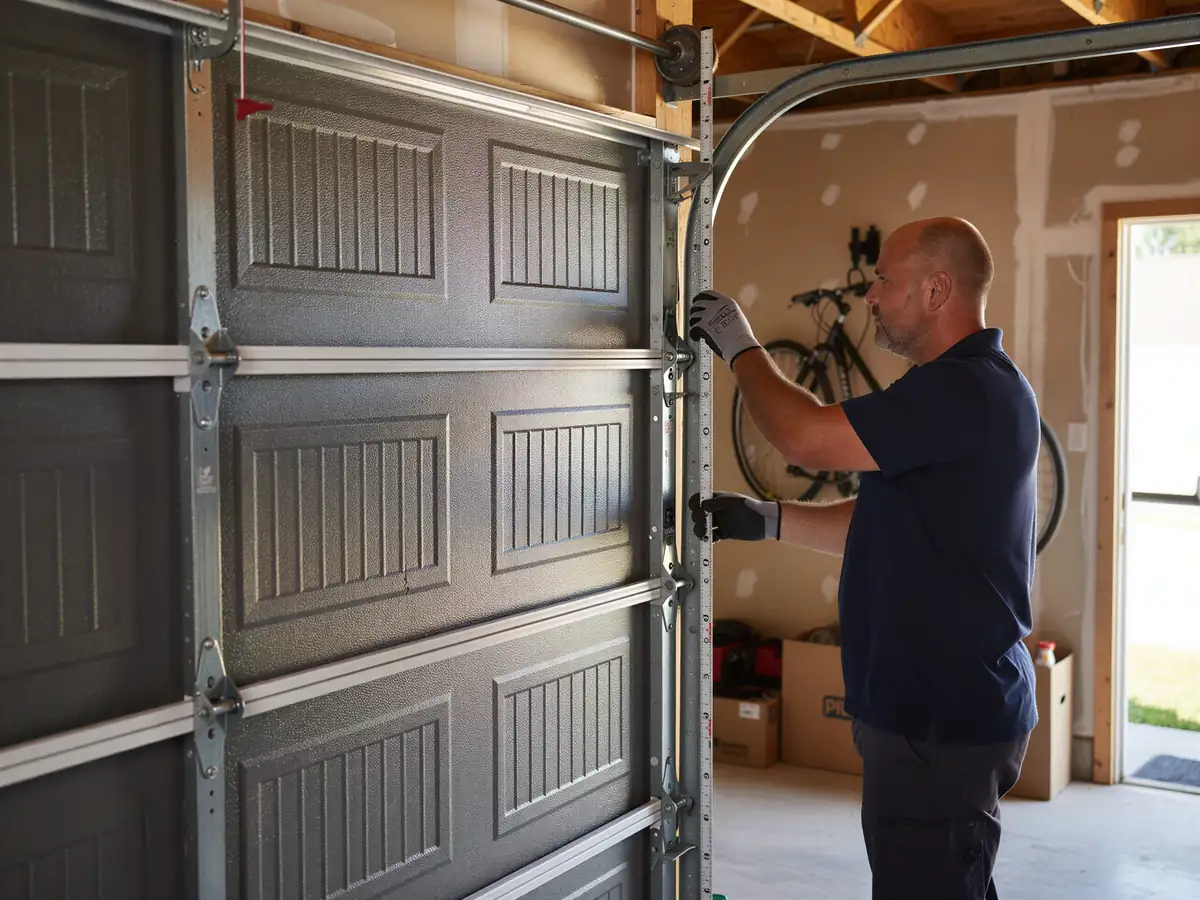
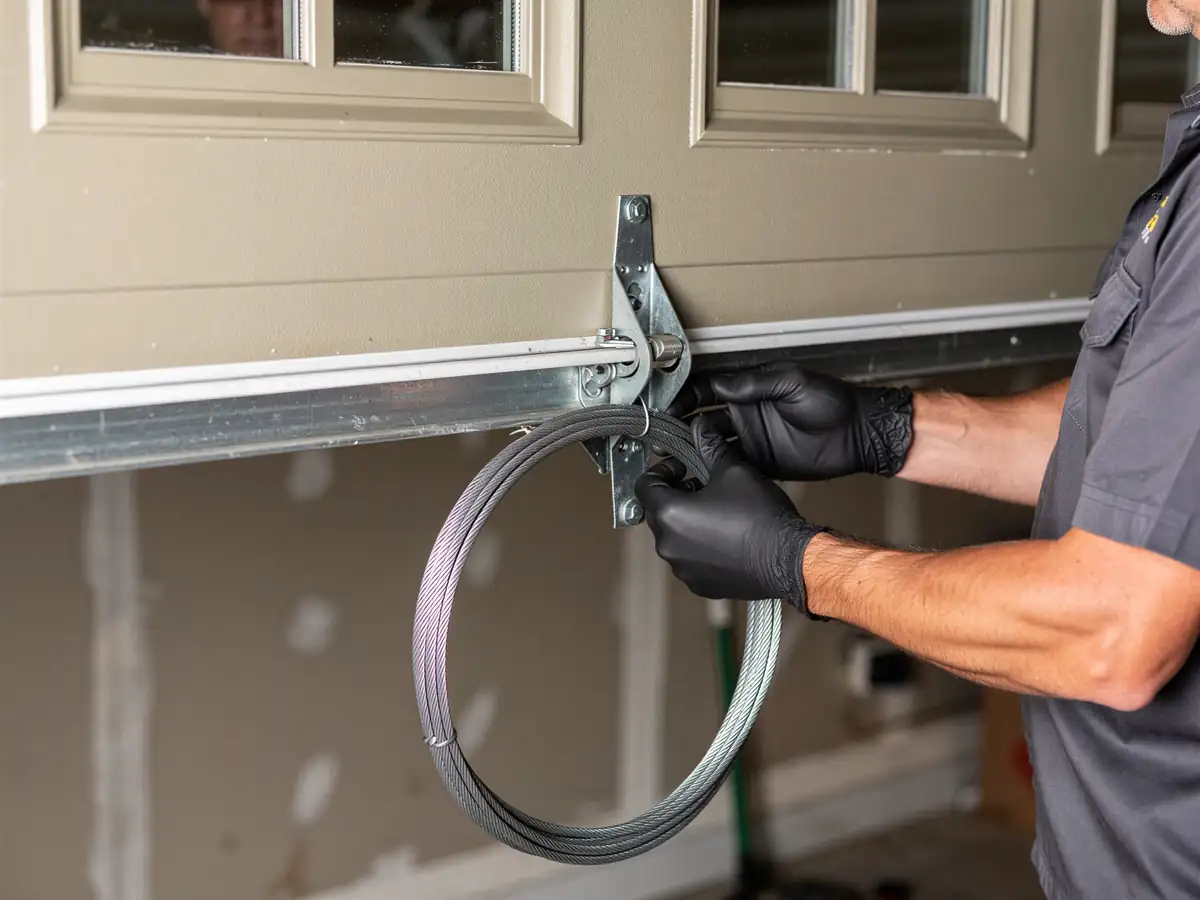
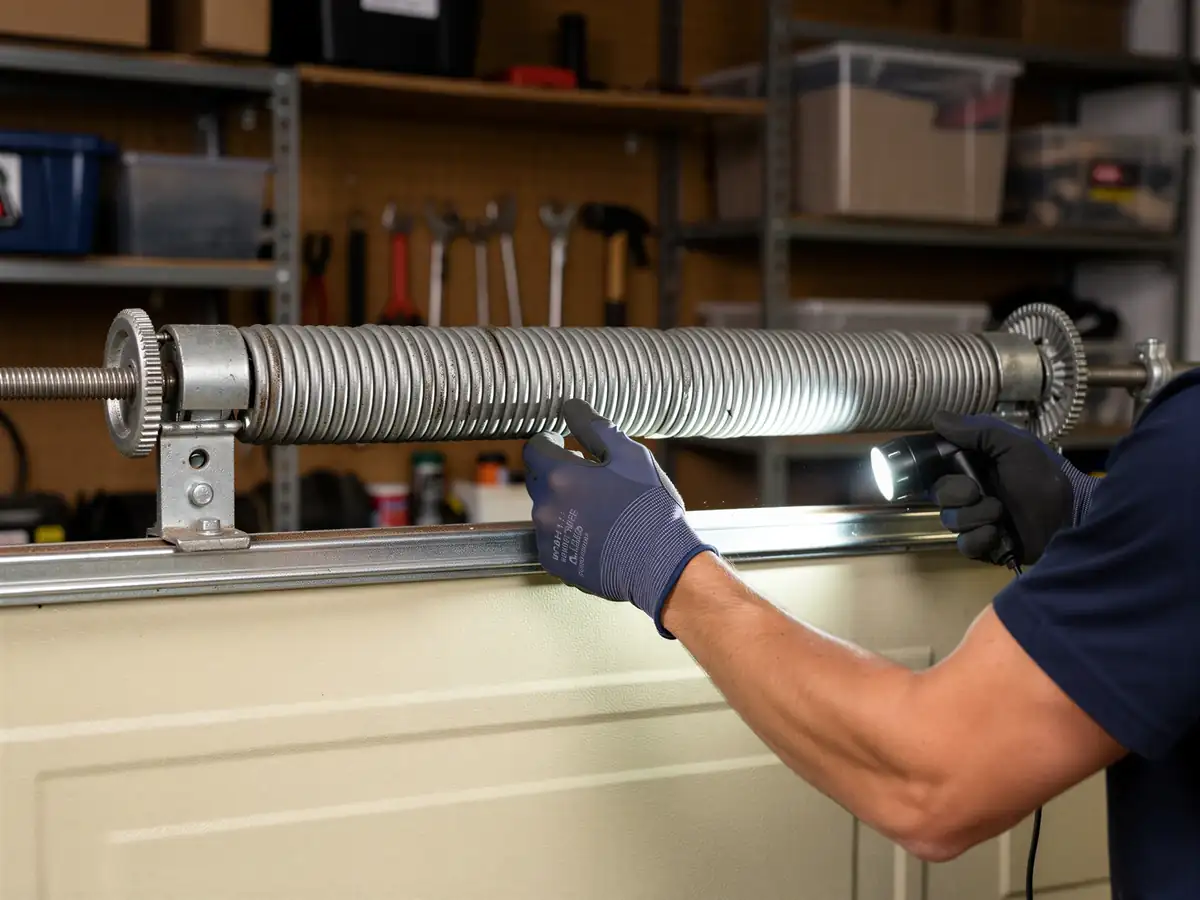
A torsion spring holds enough stored tension to break a bone or worse, and on a door from the 1976 era in La Fayette, you're often dealing with original brackets that have been under load for close to fifty years. If your door has one spring mounted above the opening on a shaft, that's a torsion setup - you need winding bars and the spring wound to the exact turn count for your door's weight, not a guess. If you've got two springs stretched along the horizontal tracks, that's an extension setup, and those are a little more forgiving to inspect but still dangerous to replace without the right safety cables. Either way, we'd rather talk you out of doing it yourself than patch you up after. What you can safely do: look for a spring that's visibly gapped or separated, a door that won't stay up on its own, or a loud bang from the garage - that bang is almost always the spring letting go. Write down what you see and call. The one thing we won't do is talk a homeowner through a wind-up over the phone. That's not us being cautious for the sake of it; it's the part of this job that puts people in the ER.
What the Repair Takes
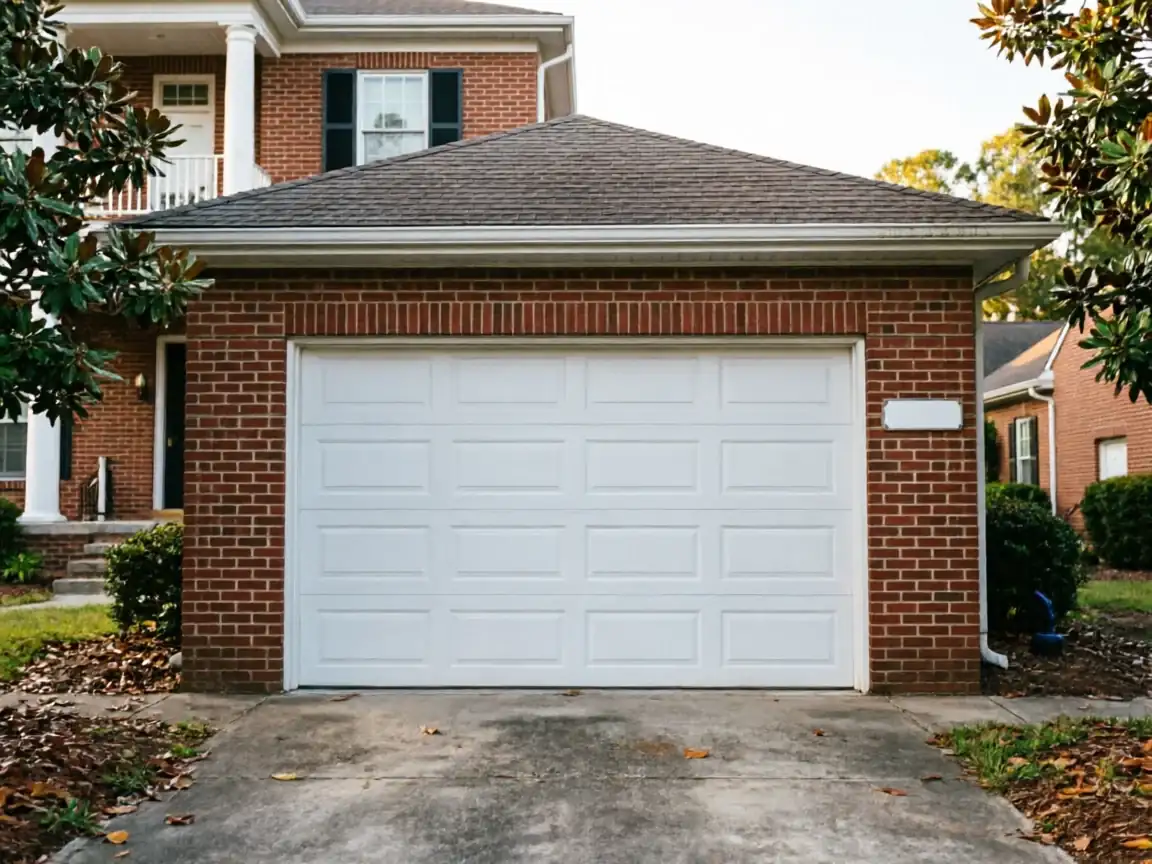
Houses in this part of the service area were mostly built between 1965 and 1991, with the bulk going up around 1976, and that build year tells us a lot before we even get there. Doors from that period were often set up with torsion hardware sized for lighter wood or single-layer steel panels - not the heavier insulated steel doors that became common later. If a homeowner here has upgraded to a heavier door without upgrading the spring, that mismatch is the single most common cause of an early spring failure we see in older housing stock like this. The repair itself means matching the spring's wire size, length, and wind to the door's actual weight today, not the weight the original 1970s hardware was speced for. We carry a working stock of torsion and extension springs sized for both older and newer doors, since in a neighborhood this age you genuinely don't know which you'll find until you're standing under it.
The Cost of This Job
Median household income in this area runs around $32,999, noticeably lower than other parts of our service territory, and that's worth naming plainly: we try to repair before we recommend replacing, and a spring swap is almost always cheaper than a new door or opener. That said, if the springs are original to a house built near 1976 and the drums, bearings, or cables show the same wear, patching just the spring can mean a second call sooner than you'd like. We'll tell you straight if the rest of the hardware is close behind it. One honest limit: some older torsion drums and stationary cones from that era aren't made anymore, and if yours is one of them, the fix may mean a full shaft replacement instead of a quick swap - that changes the job and the price.
What Causes It Around Here
The climate here is mild with occasional freezes, not the deep freeze-thaw cycling that cracks metal fast, so most spring failures in this area come down to age and cycle count rather than weather damage. A spring wound in 1976 and never touched since has done its job for an unusually long time, and most fail simply from metal fatigue after tens of thousands of open-and-close cycles. We also see failures tied to households with 1,127 homes in this immediate area where a door was upgraded - a heavier insulated replacement door hung on the original lighter-rated spring. That mismatch shortens spring life fast, sometimes to a year or two instead of a decade. If your opener strains or your door feels heavier than it used to, the spring is usually the first place to look before anything else.