Can You Do This Yourself
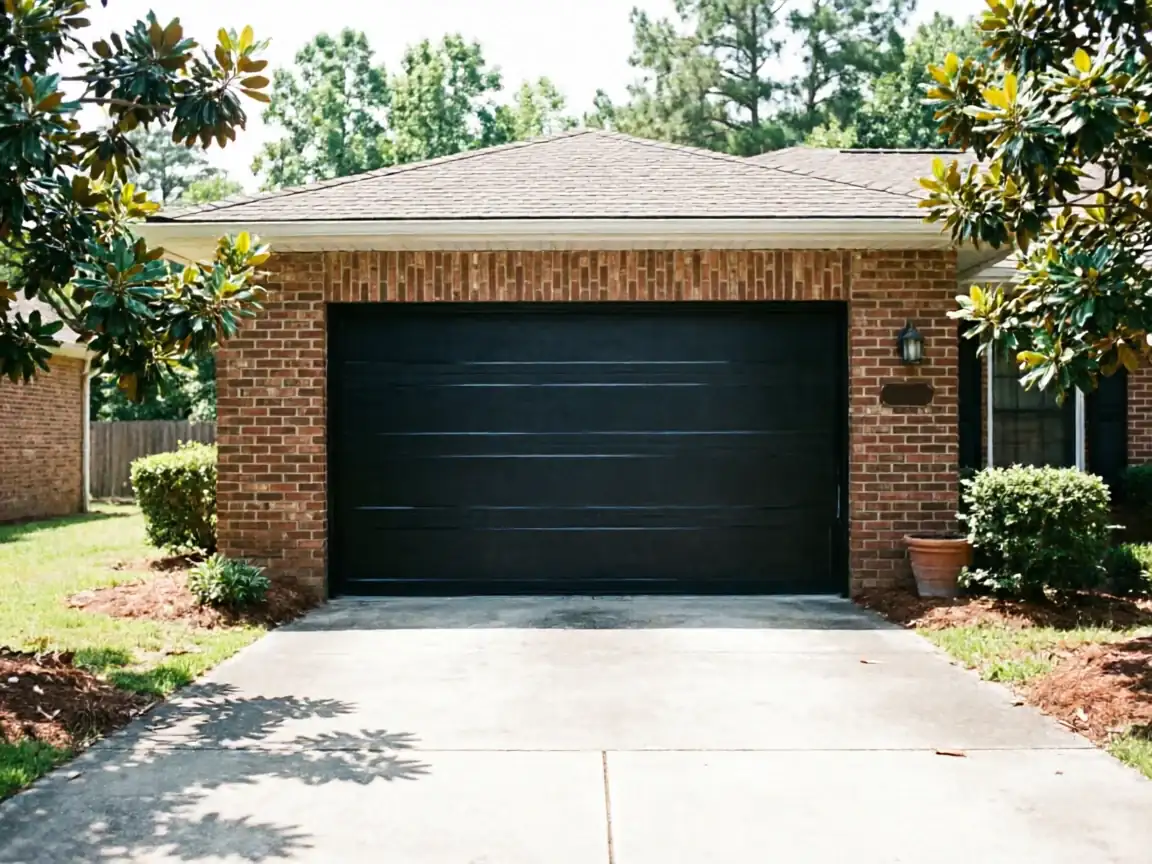
Most houses in La Fayette went up around 1976, the same era that put spring-wound extension springs and lightweight galvanized panels on nearly every door in town. On doors that old, there's a real split between what an owner should do and what should go to someone with the right bar and clamps.
You can do the easy stuff yourself: wipe the tracks, check that the rollers spin freely instead of grinding, and put a few drops of light oil on the hinges twice a year. Look at the bottom weatherstrip too - on a house this age it's usually been replaced once already, and if it's cracked, moisture gets behind the panel and starts the rust you're trying to avoid.
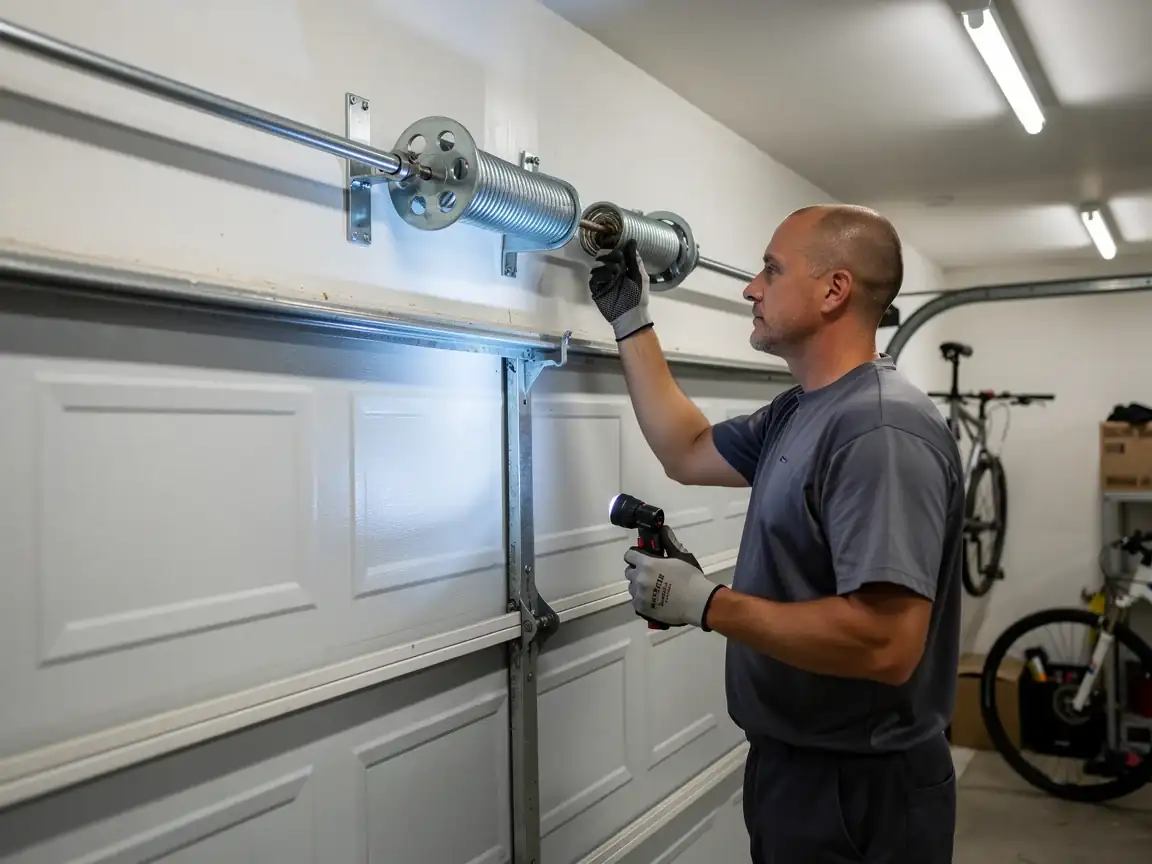
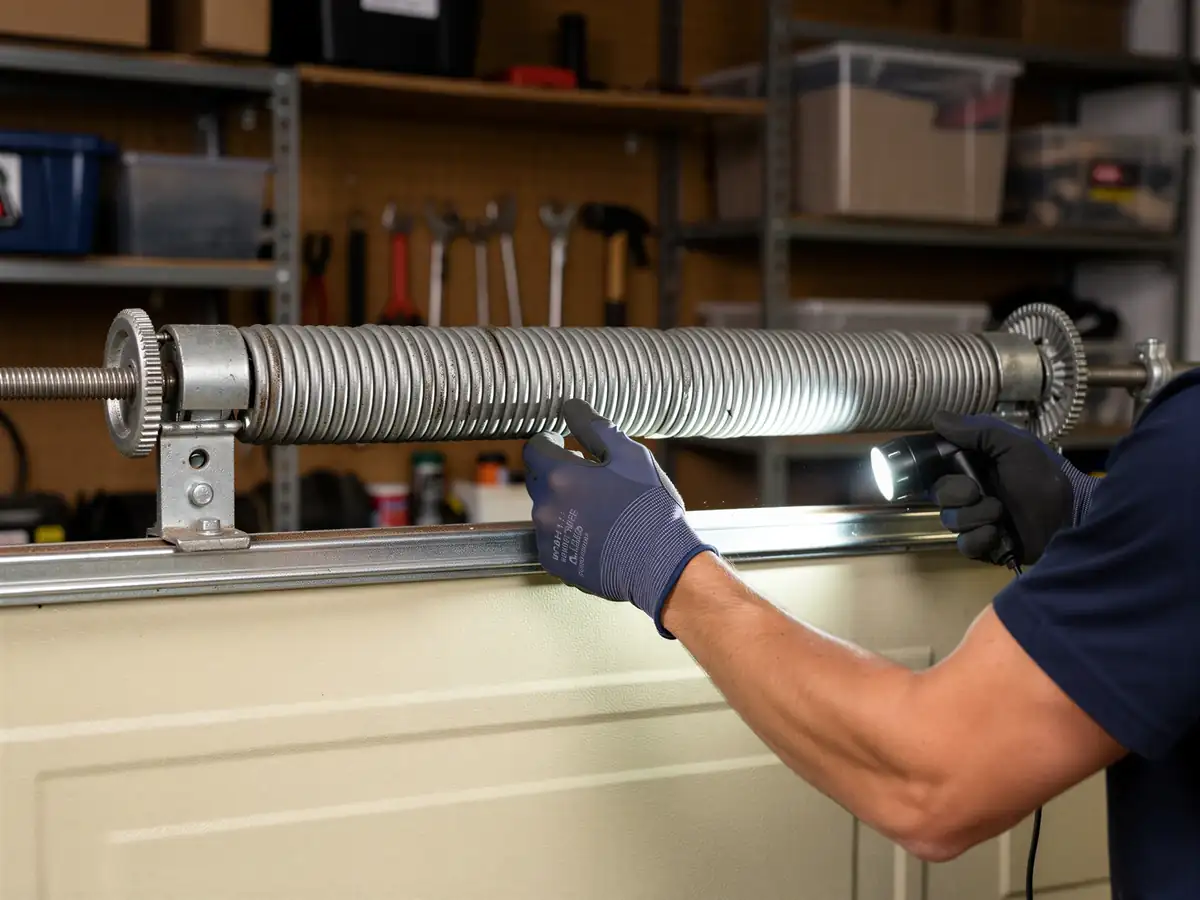
What you shouldn't touch is spring tension. An extension spring under load that lets go can take a finger with it, and on a door this old the spring has likely never been swapped, which means it's weaker and less predictable than it was new. If the door feels heavier than it used to, or it won't stay halfway up on its own, that's a tension problem, not a lube problem. Call someone for that part. A short visual check every six months is the honest ceiling for do-it-yourself work on a door built in this era.
What the Repair Takes
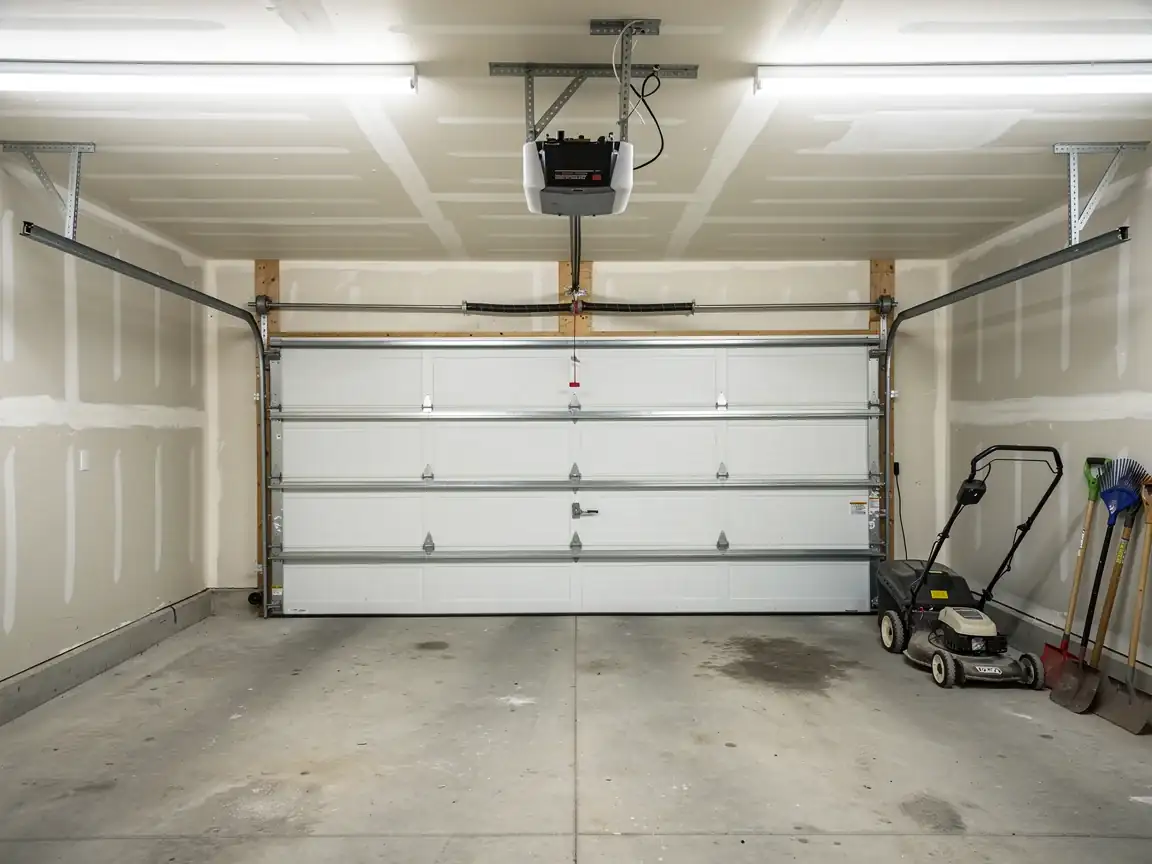
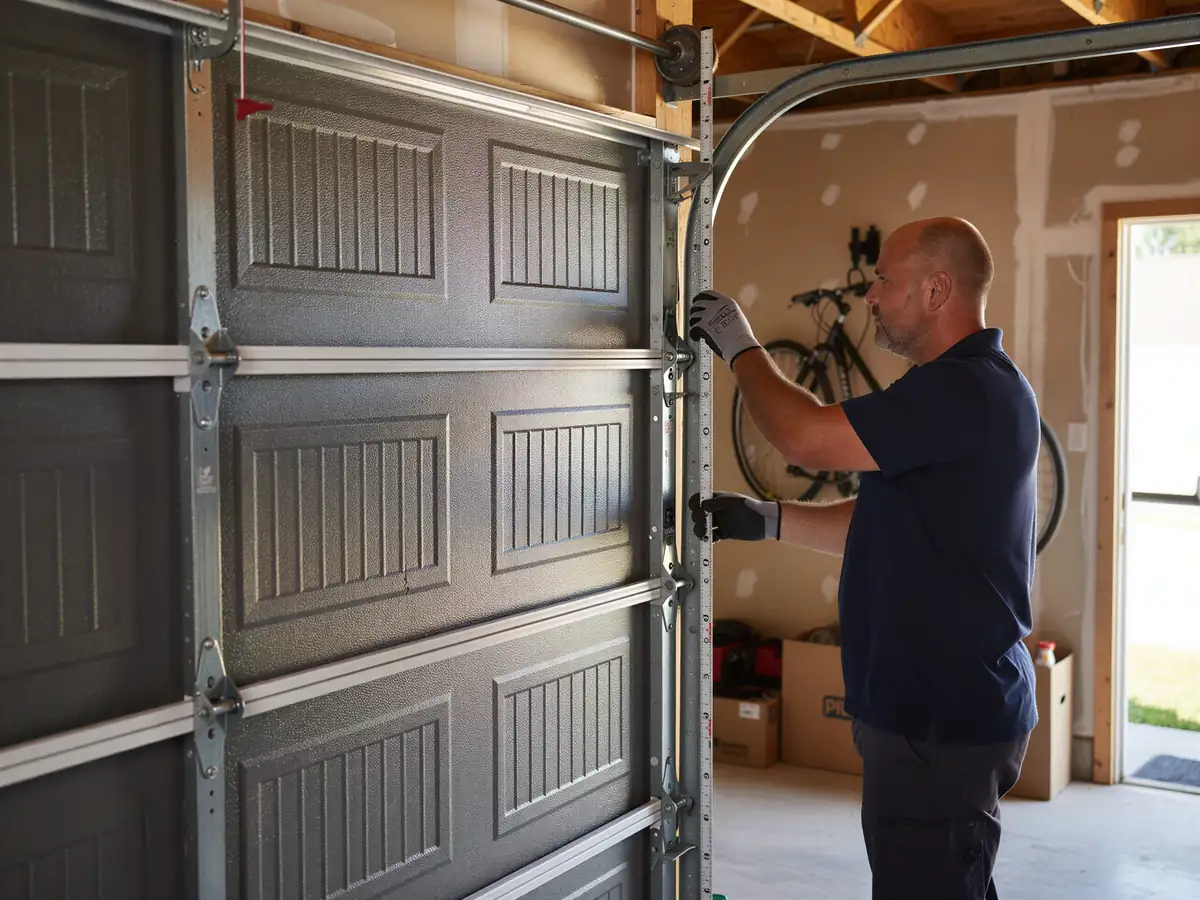
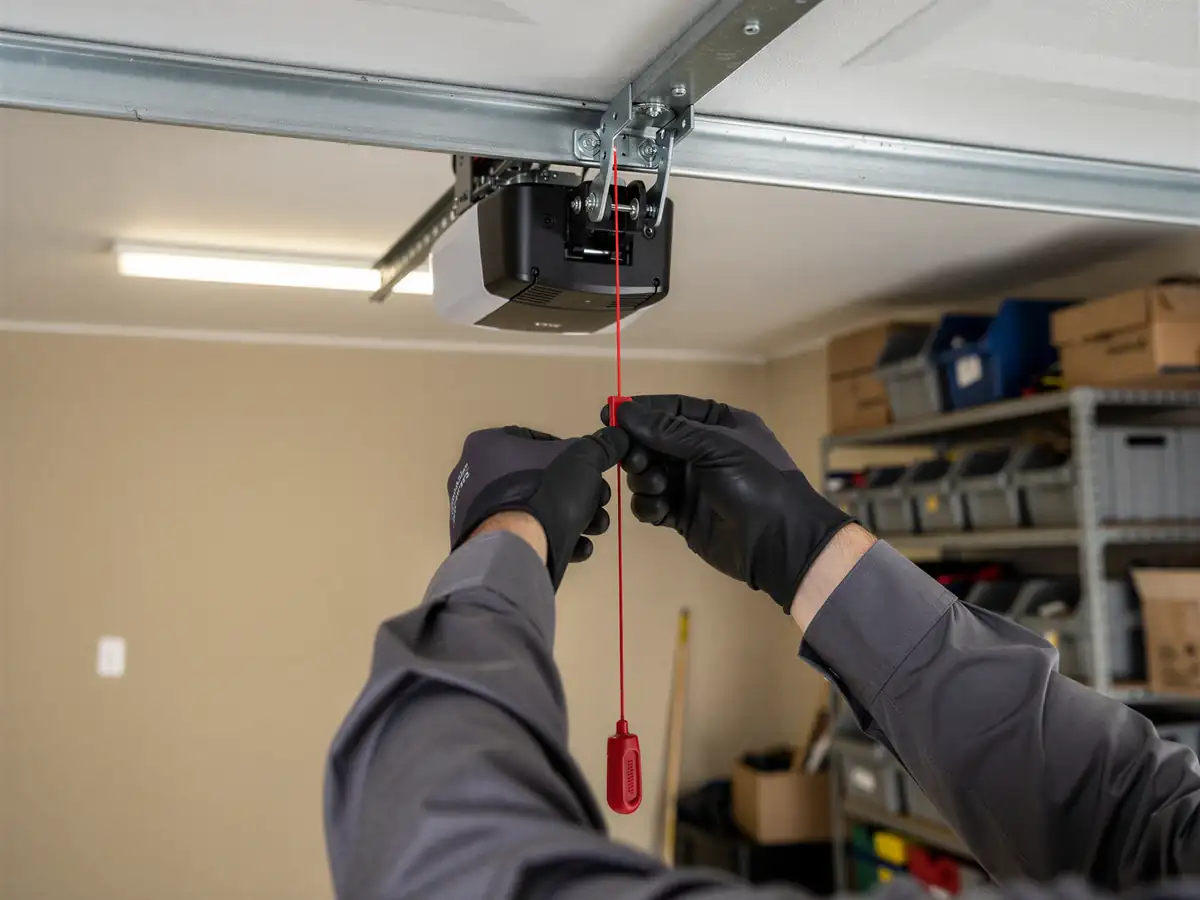
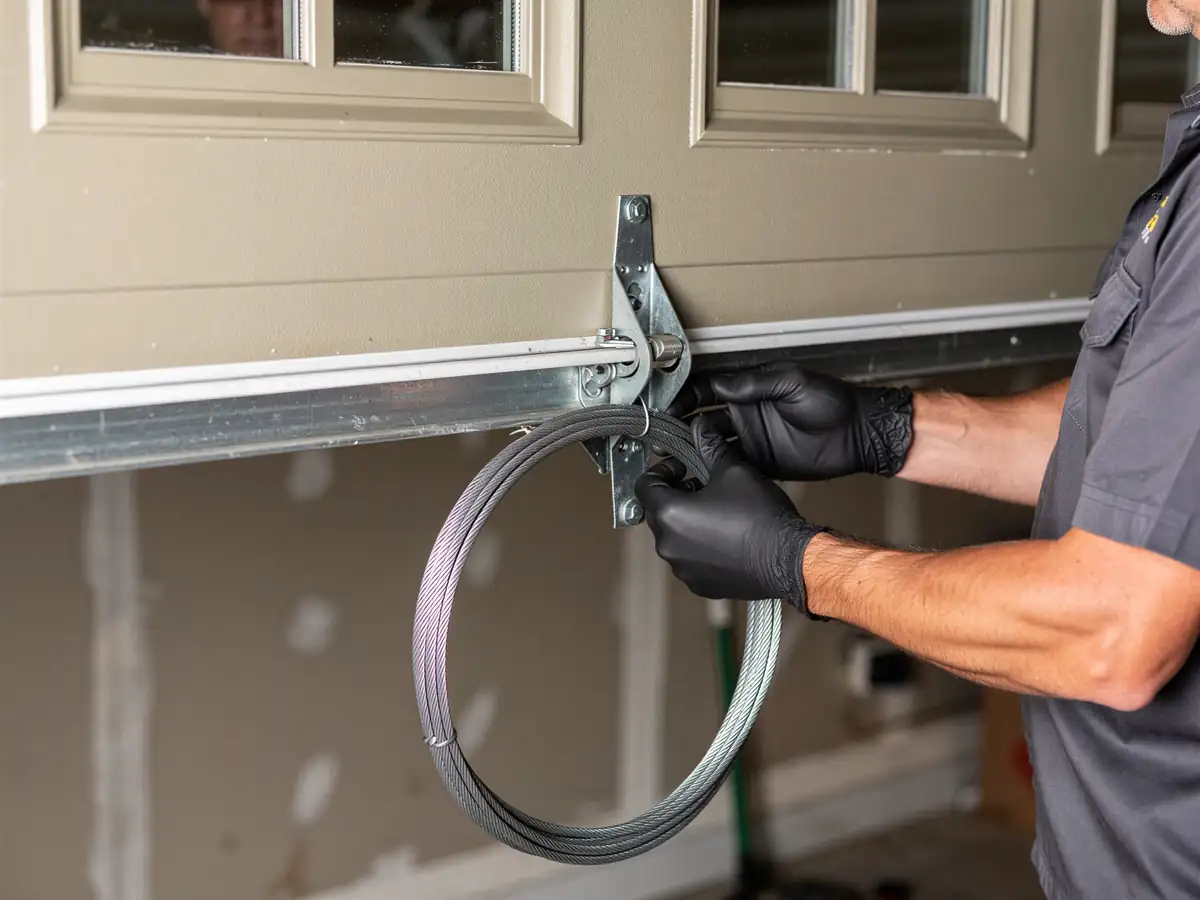
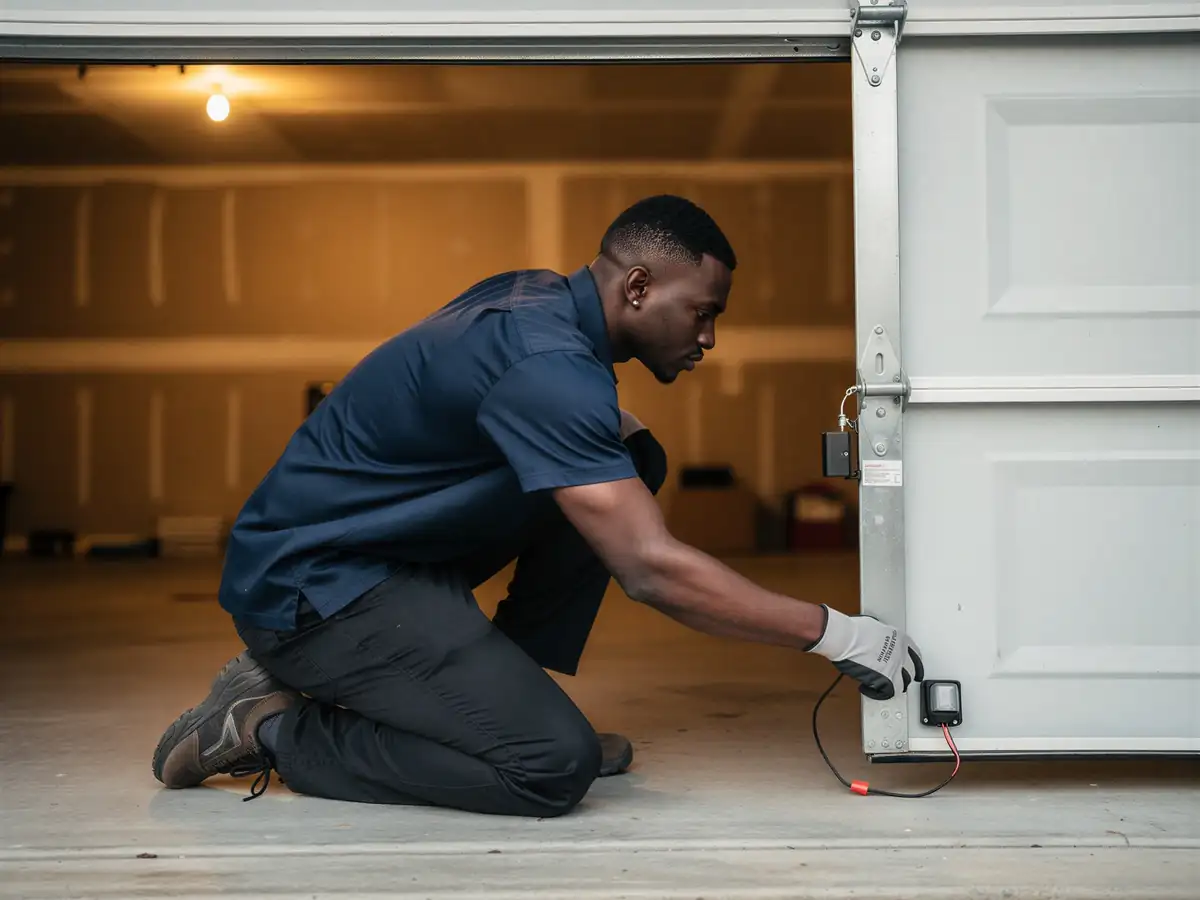
A standard maintenance visit on a La Fayette door means a full hardware check, not just a squirt of oil. We're looking at the track bolts for looseness, the cable ends for fraying, the roller stems for wear, and the spring cones for rust pitting - all common on hardware that's been in service since the mid-1970s.
Parts we carry for this: rollers, hinges, cable, and lubricant suited to steel track. What we don't carry on the truck is a replacement extension spring sized for every door variant out there - some of these older doors used spring lengths that aren't stocked anywhere local anymore, and if a spring needs full replacement rather than adjustment, that can mean a short wait on the part.
That's the honest limitation: maintenance catches wear before it becomes failure, but it doesn't manufacture parts that are decades out of production. If a tune-up turns up a cracked spring cone or a track that's bent past straightening, we'll tell you straight rather than patch it and have you calling again in a month.
Time on the Job
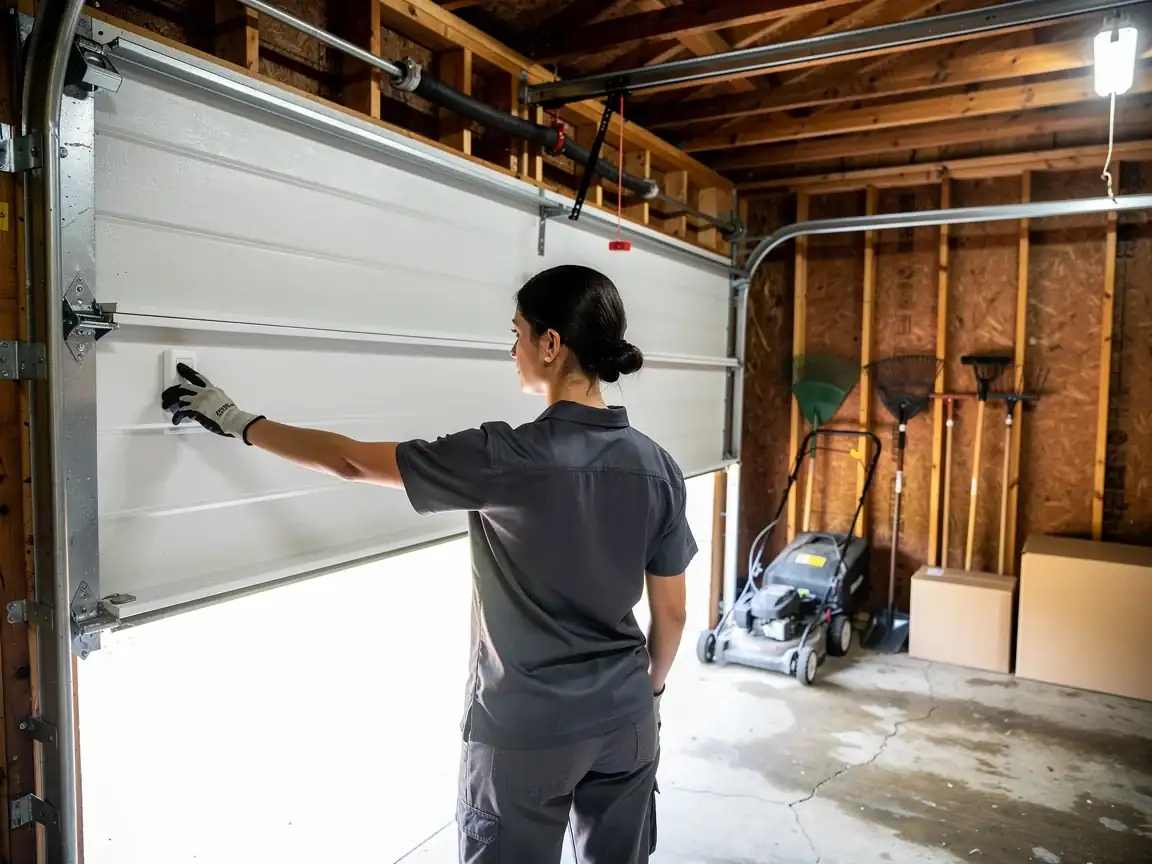
A routine tune-up - lubrication, hardware tightening, balance check, track alignment
Runs under an hour on a single door in good shape. Doors in La Fayette that haven't been serviced since they were installed take longer, because every bolt and roller gets a real look instead of a glance.
The drive out here is 16 miles from our shop in Opelika
So we bundle maintenance work with other calls in the Loachapoka-Valley corridor rather than running a truck out for one spring adjustment. That's not a knock on the town - it's just how the route works when you're covering ground this size with one crew.
- 16 miles
If a tune-up uncovers something bigger
A drum that's cracked, a cable that's one strand from snapping - that becomes a separate repair, and we'll say so on the spot rather than squeeze it into the maintenance window and do it half right.
The Cost of This Job
La Fayette's median household income sits at $32,999, well under the $45,493 figure for the wider service area, which is why we talk through tune-up versus full replacement before cutting a check. On a door built in the 1970s, a tune-up is almost always the cheaper path right up until the spring or the opener itself fails - after that, you're weighing repair cost against a door that's going to need the same attention again in a year or two.
We don't post a flat price here because the job depends on what the hardware needs: some doors need lubricant and a bolt check, others need a roller swap or a new bottom seal on top of that. What we can tell you is that maintenance costs less than any of the repairs it prevents - a seized roller that chews up a track, or a dry hinge that finally snaps a panel. If money's tight, prioritize the spring and the rollers first; cosmetic wear on an old panel can wait.
What Causes It Around Here
This part of Alabama sits in a mild climate band with only occasional freeze nights, so the failure here is almost always rust and lubricant breakdown, not a spring that's seized from cold. Humidity does the damage over a long season, working into unsealed hinge pins and pitting spring coils that were never galvanized to begin with - standard for hardware made in the 1960s and '70s across this stretch of the state.
With only 1,127 households in La Fayette, word gets around fast when a tune-up job uncovers a cracked drum on a door that's never been serviced. The pattern we see most is a door that's run fine for decades on the original hardware, then starts dragging or slamming in the space of a few months - that's usually the lubricant finally gone dry on a track that's been rusting slowly the whole time. Catching it at the dragging stage is cheap. Catching it after the cable snaps is not.