Can You Do This Yourself
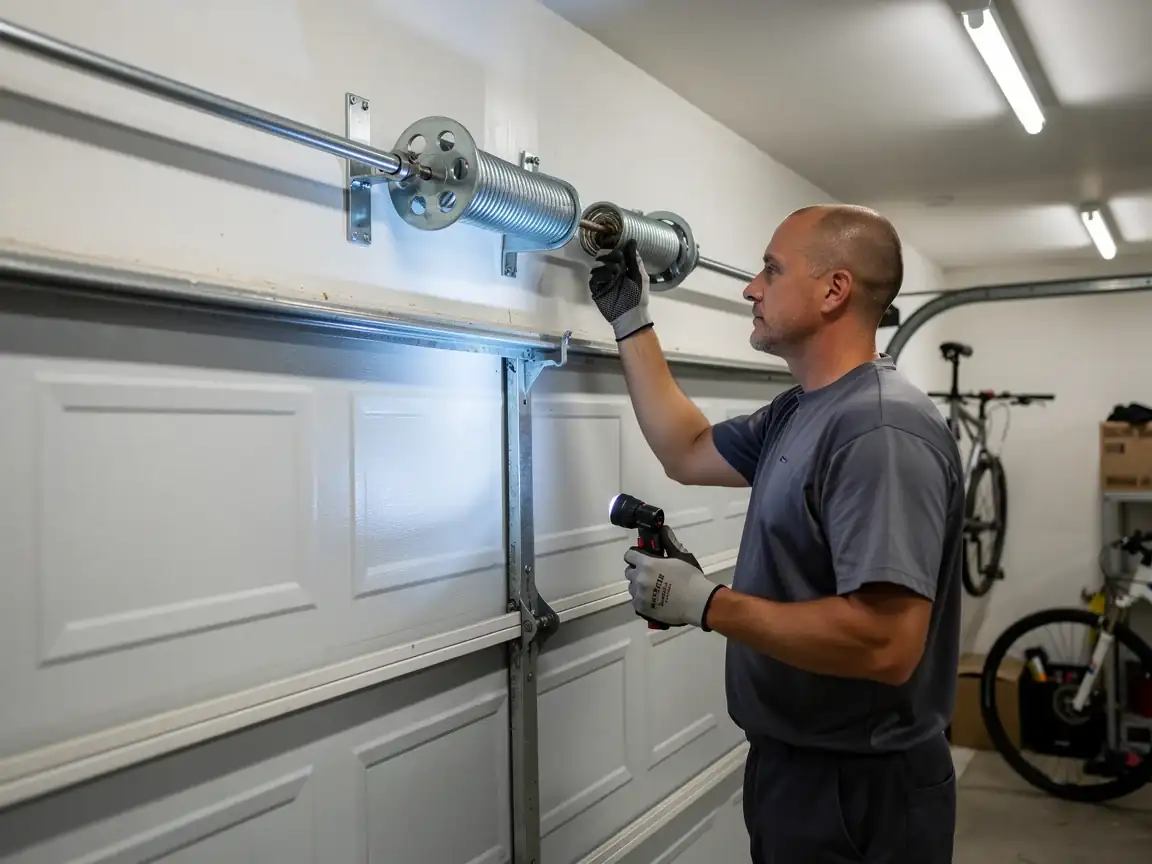
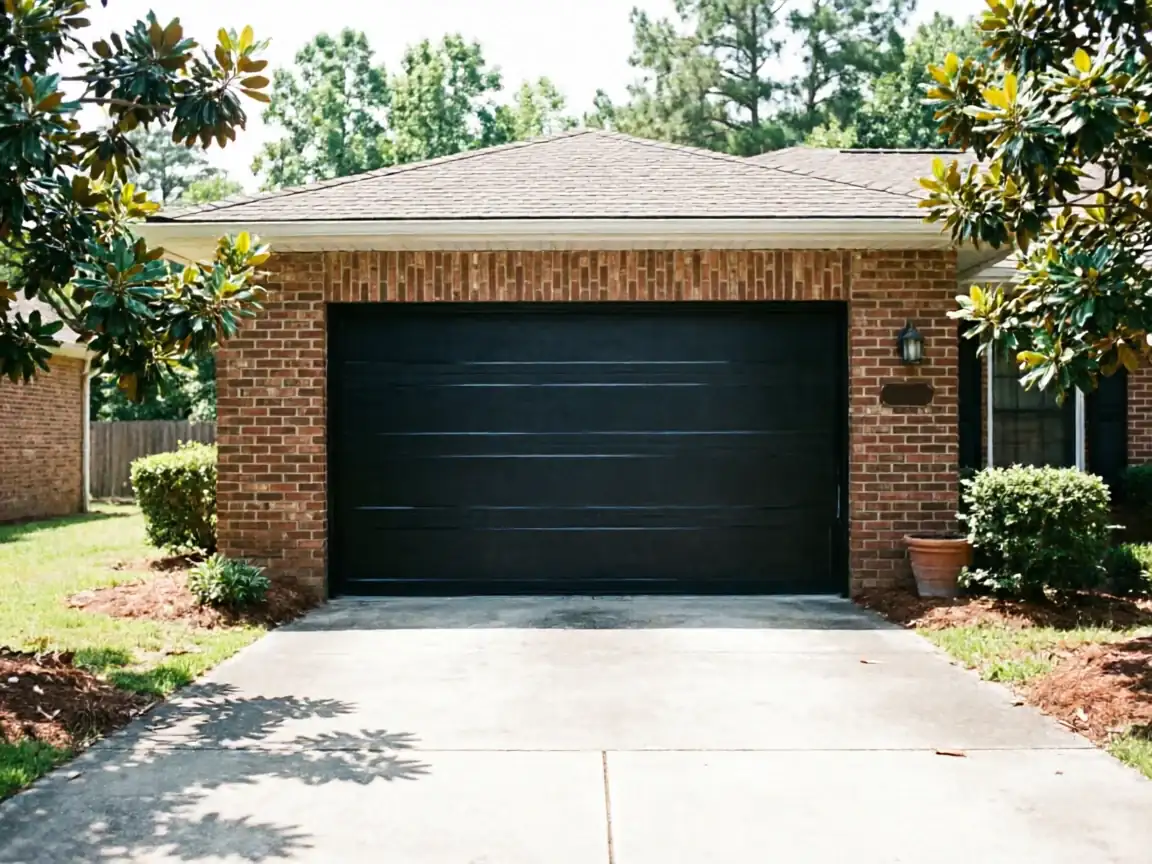
A snapped or frayed cable is not a weekend fix, and that goes double here. La Fayette's houses mostly date to around 1976, putting the stock squarely in the same era as the wider service area's housing - doors with torsion or extension systems that have usually been retrofitted at least once by the time a cable finally gives out. The spring on the other side of that cable is under real tension, and a cable that lets go while you're under the door is how people end up with crushed fingers or a door that drops without warning.
With 1,127 households in La Fayette and a median income of $32,999 - noticeably below the $45,493 median across the broader service area - a lot of homeowners here are weighing whether to pay for the call or wrench on it themselves to save money. We get that. But a cable job means releasing spring tension safely first, and most hardware stores don't carry the winding bars or clamps to do that right. If you've got the tools and you've done it before, fine. If this is your first time looking at a torsion system, it's not the place to learn.
What the Repair Takes
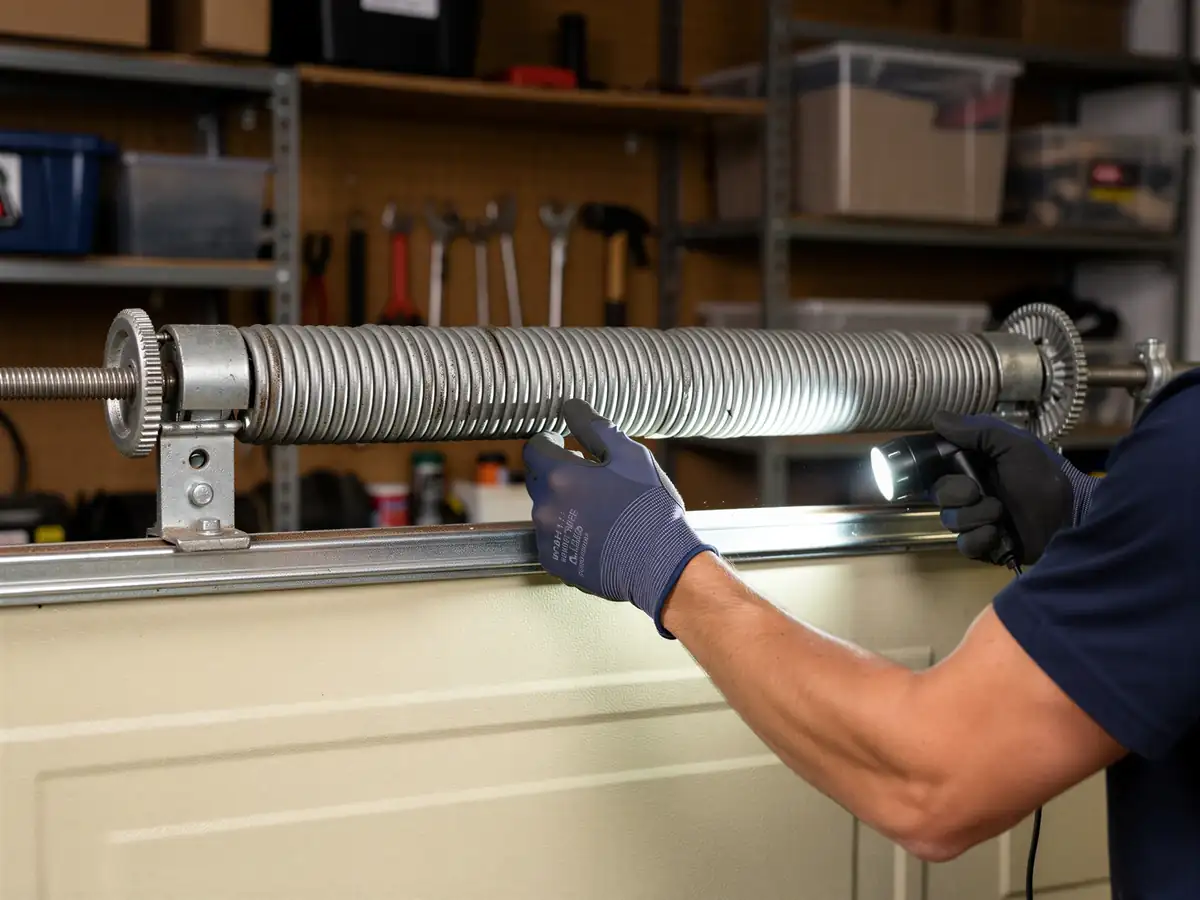
The cable itself is cheap. What it's attached to is the part that matters. On the 1976-vintage doors common here, the drum, the track alignment, and the roller condition all get checked when a cable snaps, because a cable rarely fails on its own - it usually frays against a bent track or a drum that's gone out of round. A tech coming from Opelika brings stock cable in the common lengths, but if your door has a nonstandard track height or an older extension-spring setup instead of torsion, that part may need to be sourced rather than pulled off the truck.
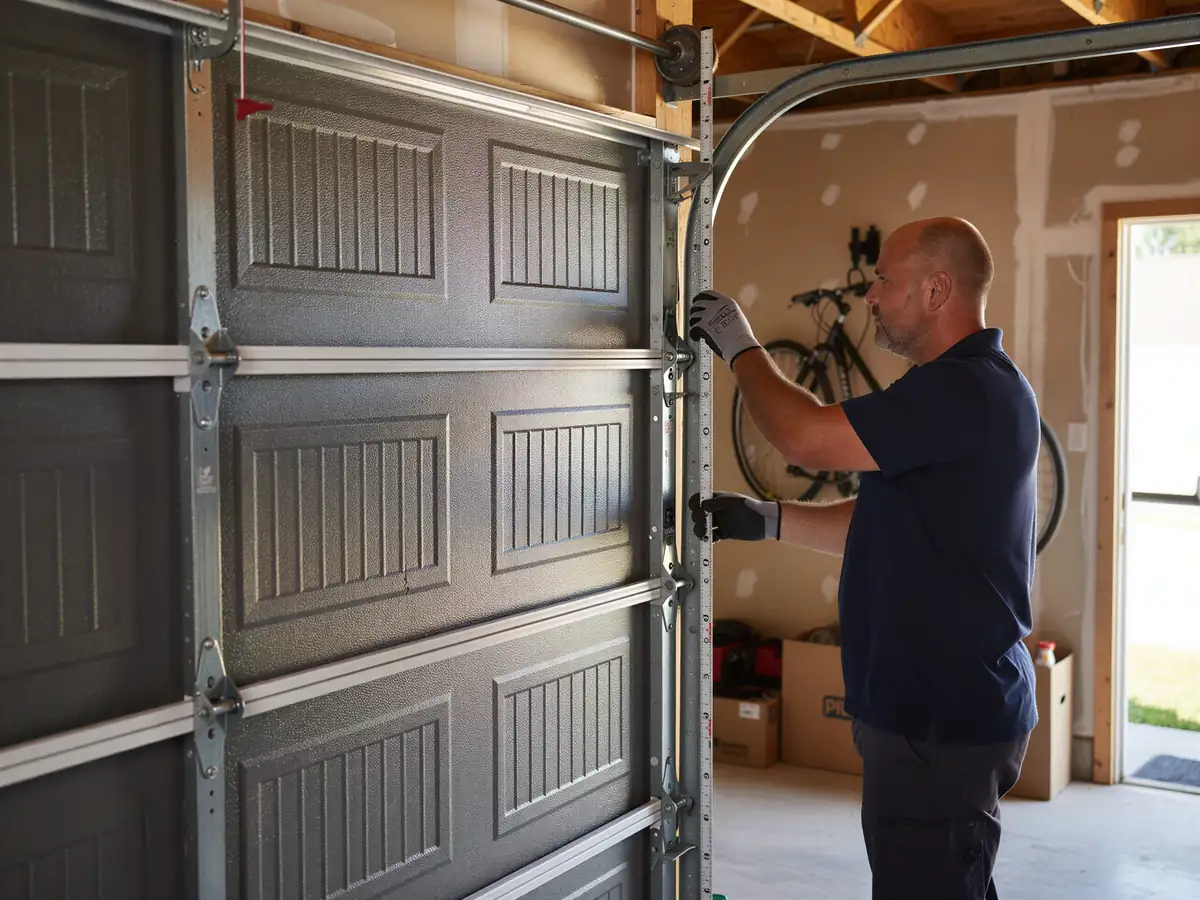
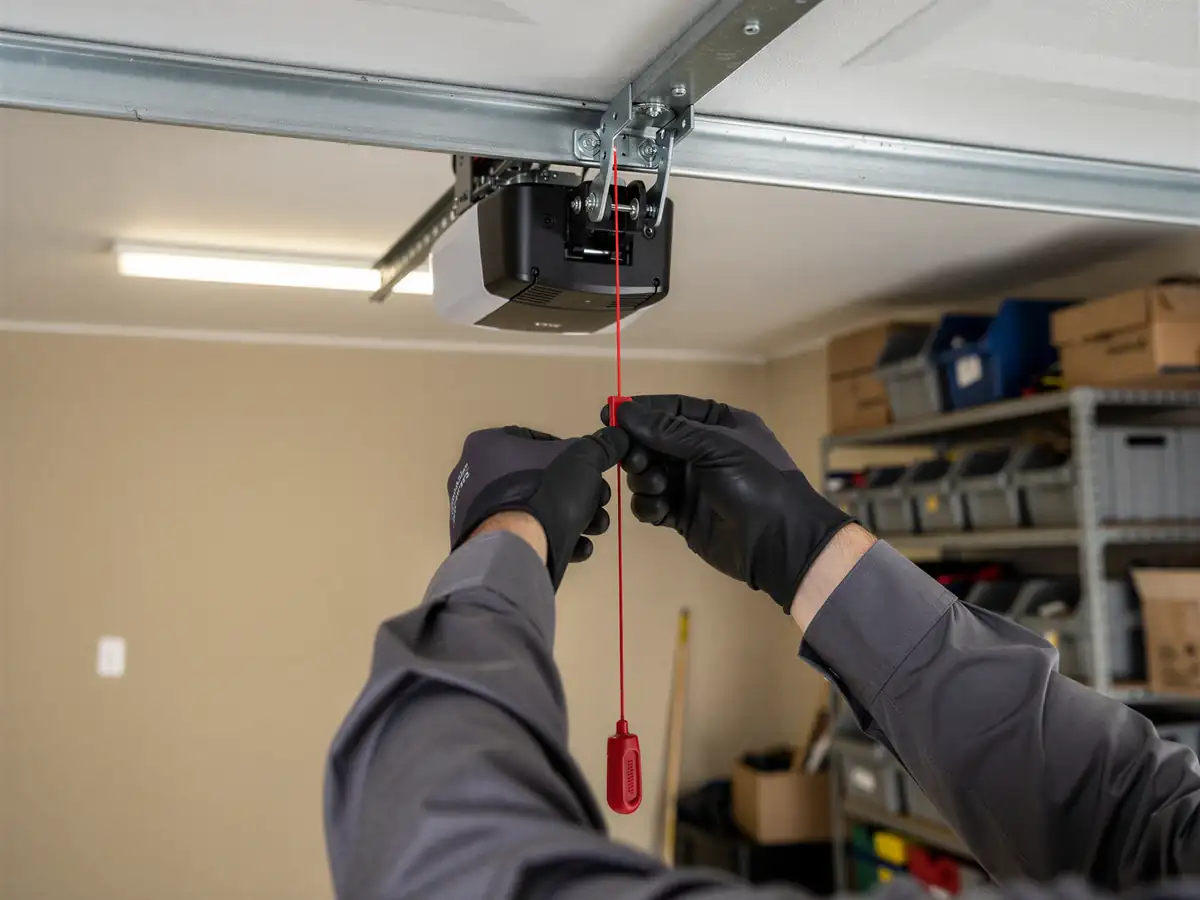
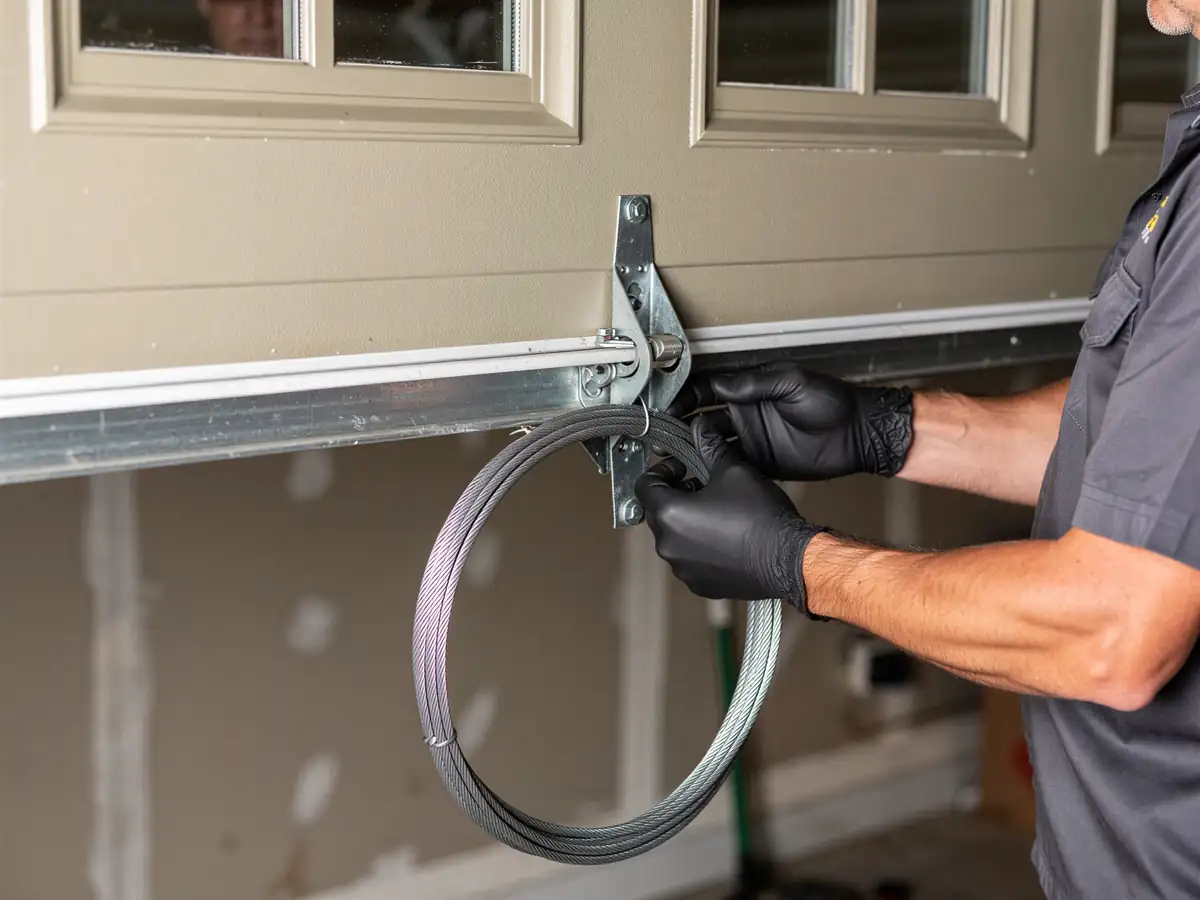
The job also means releasing all spring tension before anything gets touched, re-threading the new cable through the drum and bottom bracket, and checking that both cables on a double door are matched - mismatched cable length is a common comeback call. We don't skip that step even when the customer just wants the broken side fixed, because an unevenly tensioned door will come back to bite within a few months.
Time on the Job
Because La Fayette is 16 miles out from Opelika, travel time is part of what gets budgeted into any visit here
It's not a same-block call, so scheduling tends to work best when a technician can batch it with other stops in the area rather than treat it as a one-off run. Once on site, a straightforward cable replacement on a single door usually moves fast once the spring is safely unwound; the slower part is diagnosing whether the cable failure was a symptom of something else, like a bent track or worn rollers, both common on doors from the 1960s-70s stock that makes up most of this area.
- 16 miles
If the drum or bracket also needs replacing
Or if the door is an older extension-spring design rather than torsion, the job runs longer. We'd rather tell a homeowner up front that a repair might take a second visit for a part than rush it and have the door fail again in a month.
The Cost of This Job
We don't have a posted price list for this page, and we're not going to guess at one - what a cable job runs depends on whether it's a single cable or a matched pair, torsion or extension hardware, and whether the drum or track needs attention too. What we can say is that with La Fayette's median household income at $32,999, well under the $45,493 median across the rest of the service area, cost is a real factor in the decision between a cable repair and letting a worn door run until something bigger breaks.
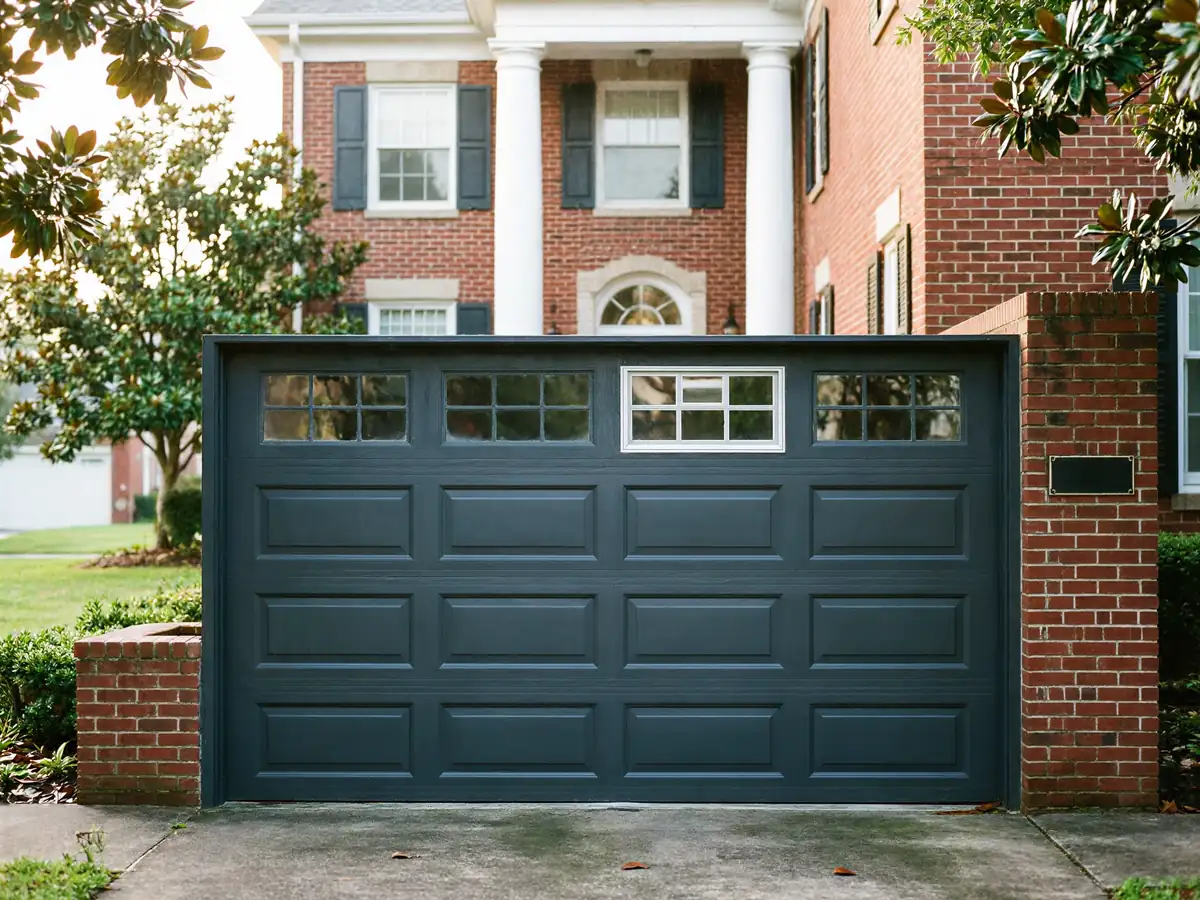
A cable repair is almost always cheaper than waiting for the spring or drum to fail alongside it, which turns a single-part fix into a multi-part one. If a door is old enough that the opener, springs, and cables are all original to a 1976-era install, sometimes the honest answer is that a full door replacement costs less over time than repeated small fixes - that's a conversation worth having before, not after, the repair.
What Causes It Around Here
La Fayette sits in a mild climate band with only occasional freeze, which is gentler on hardware than a true cold-winter area - less ice buildup, less metal contraction stressing the cable ends. But occasional freeze still means a handful of nights a year where cold stiffens the cable and the lubricant around it, and that stiffness plus daily opening and closing is enough to accelerate fraying on cable that's already decades old.
The bigger factor is simply age. Housing here runs mostly 1960s to 1970s, the same era across the eight named communities the company covers, and cable doesn't last forever regardless of weather - most manufacturers rate it for a fixed number of open-close cycles, and a door original to a 1976 build has long since passed that number. Add a drum or roller that's worn unevenly, and the cable takes the extra strain at one point instead of across its full length, which is the usual spot where it finally lets go.