Can You Do This Yourself
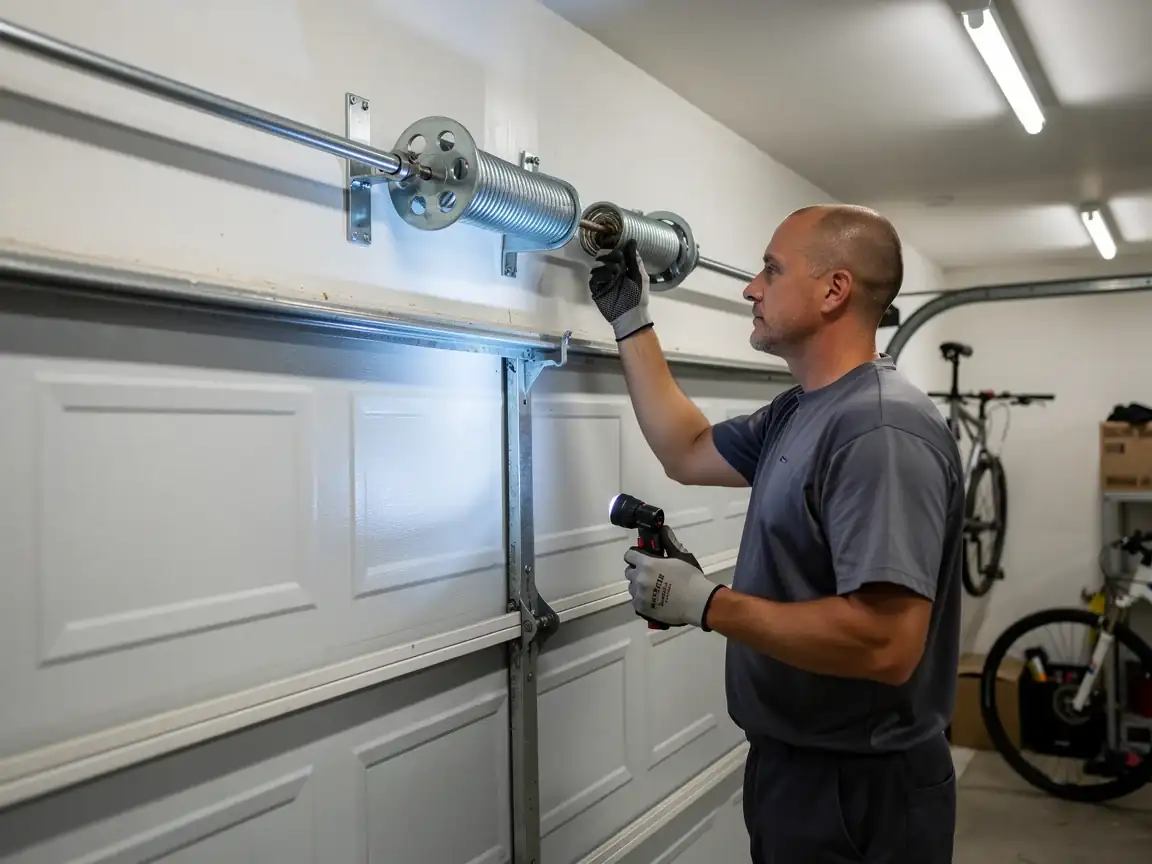
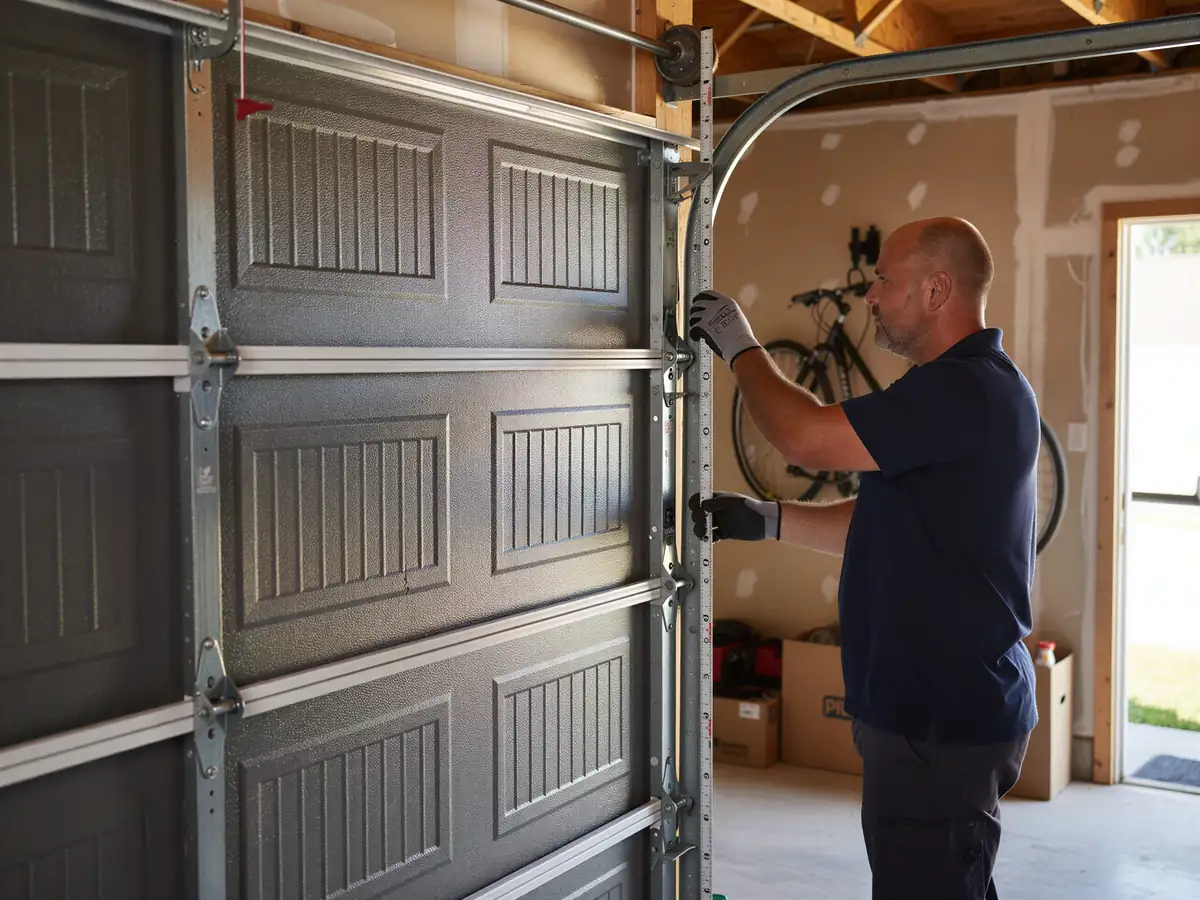
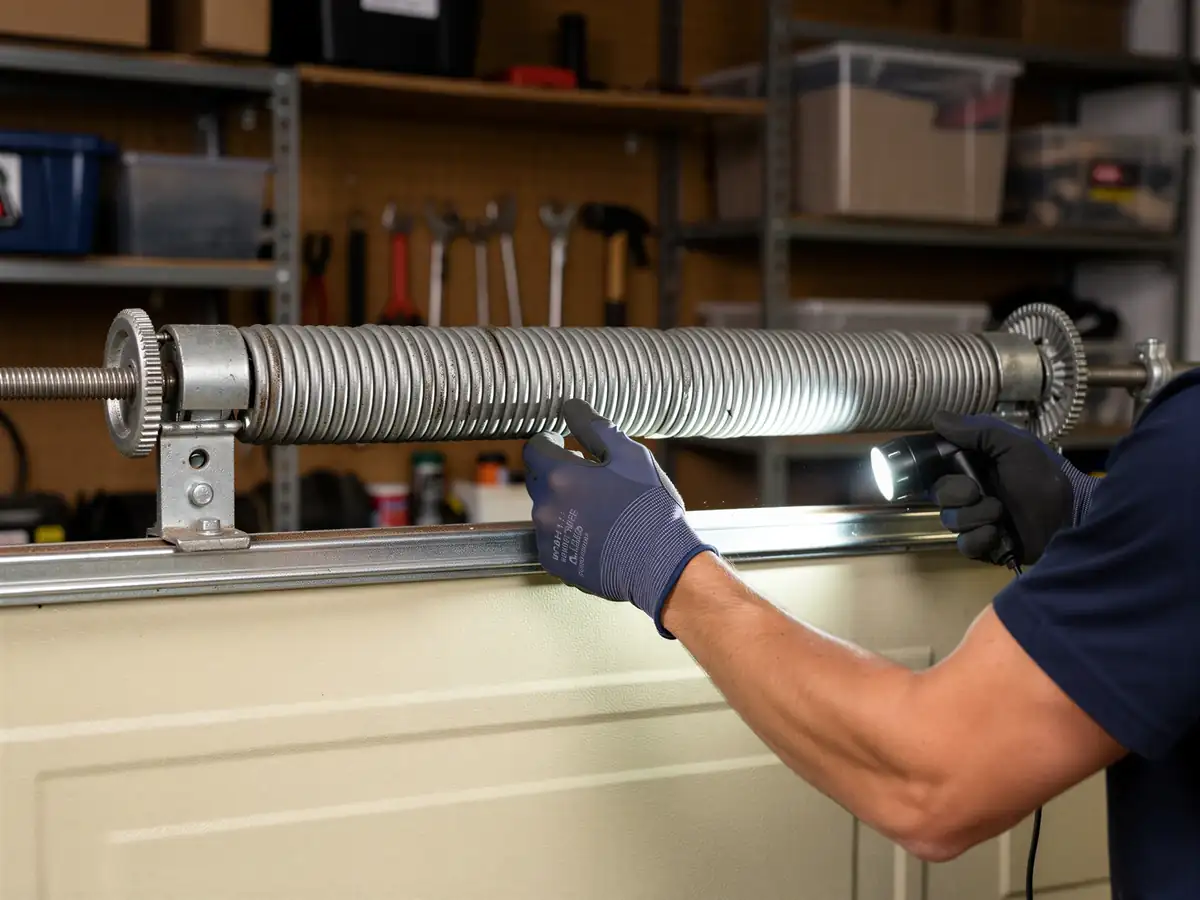
A new garage door is not a weekend job most homeowners should take on alone, and in La Fayette that's doubly true. Houses here cluster around a median build year of 1976, which means the opening itself is often an odd size by today's standard panel measurements. A door that looks like a straightforward swap at the home center can turn into a framing problem once the old jamb comes out and it doesn't match current stock widths. Torsion spring tensioning on a new system also isn't forgiving of guesswork; the spring that lifts a 16-foot double door stores enough force to do real damage if it's wound wrong. If you're comfortable with framing, shimming, and setting spring tension with the right bar, a new install is doable. If any of those three make you pause, that's the part worth paying for, even if you handle the demo and haul-away yourself to save on the invoice. There's no shame in splitting the job that way - a lot of homeowners do.
What the Repair Takes
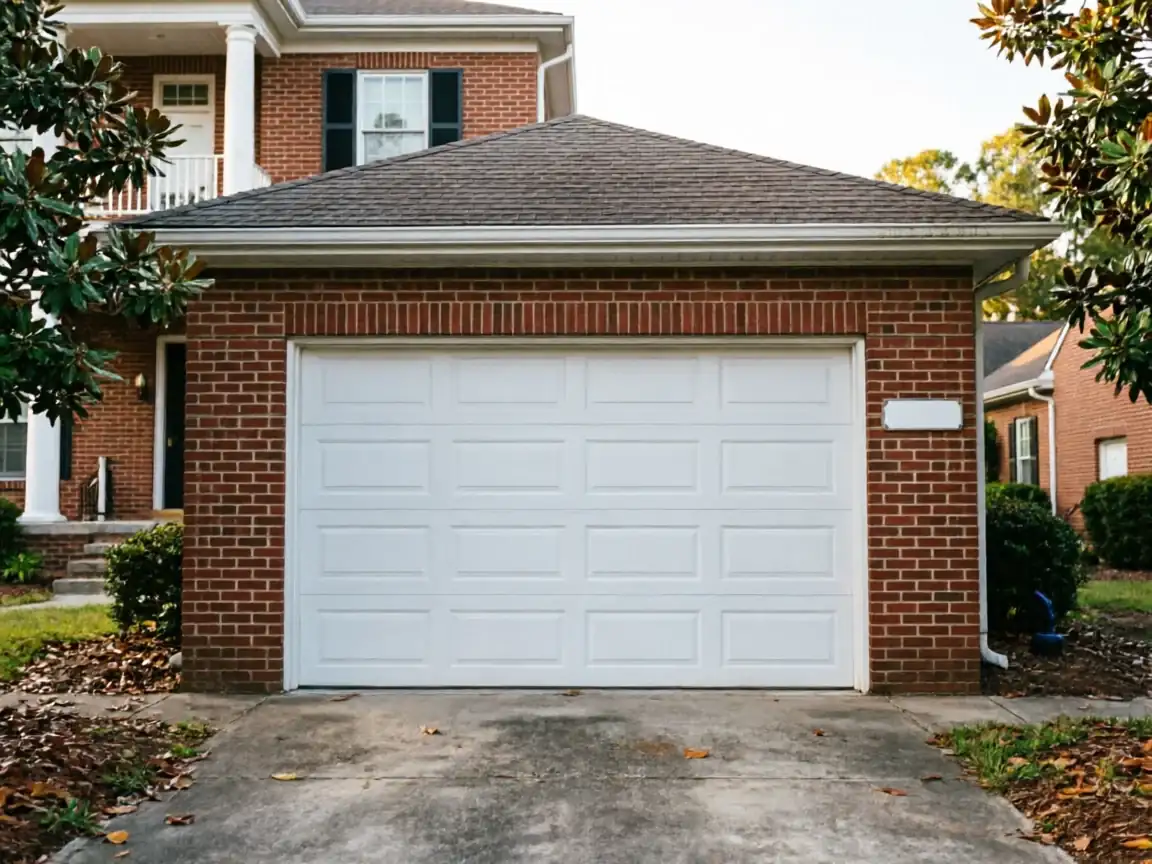
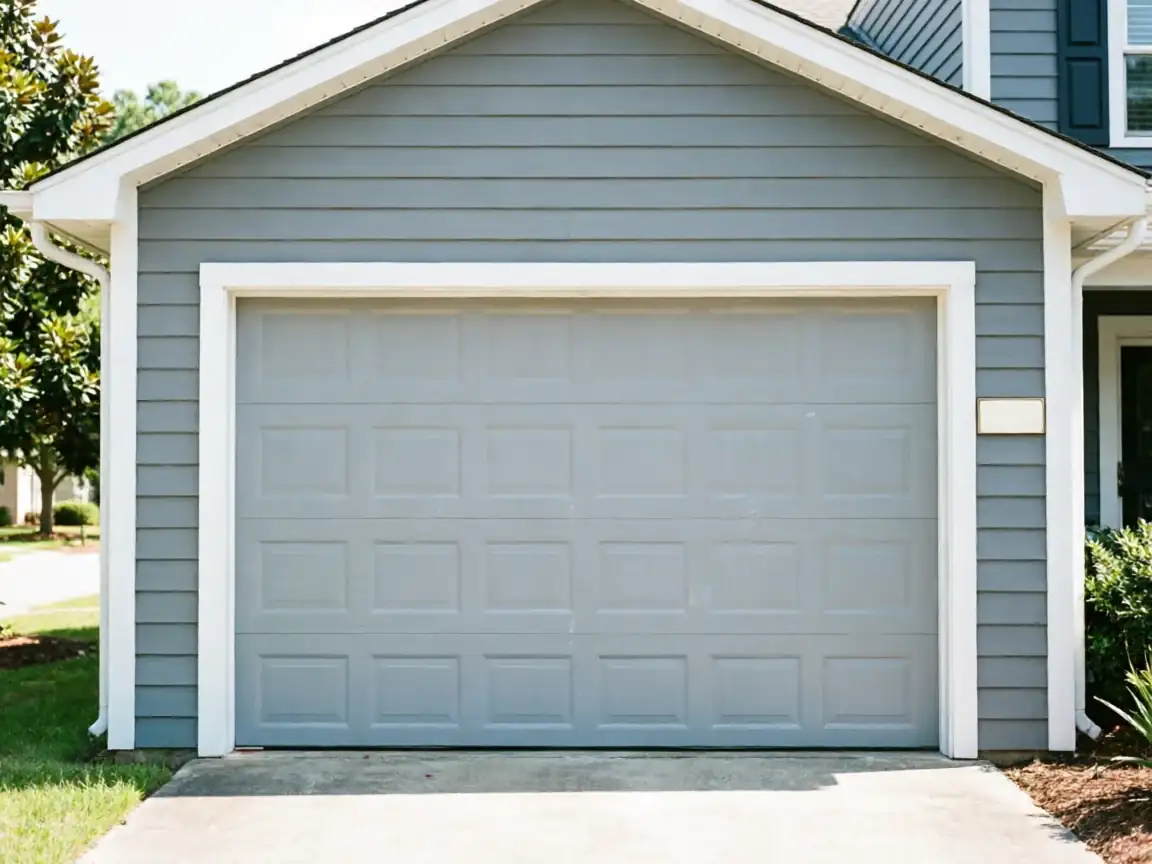
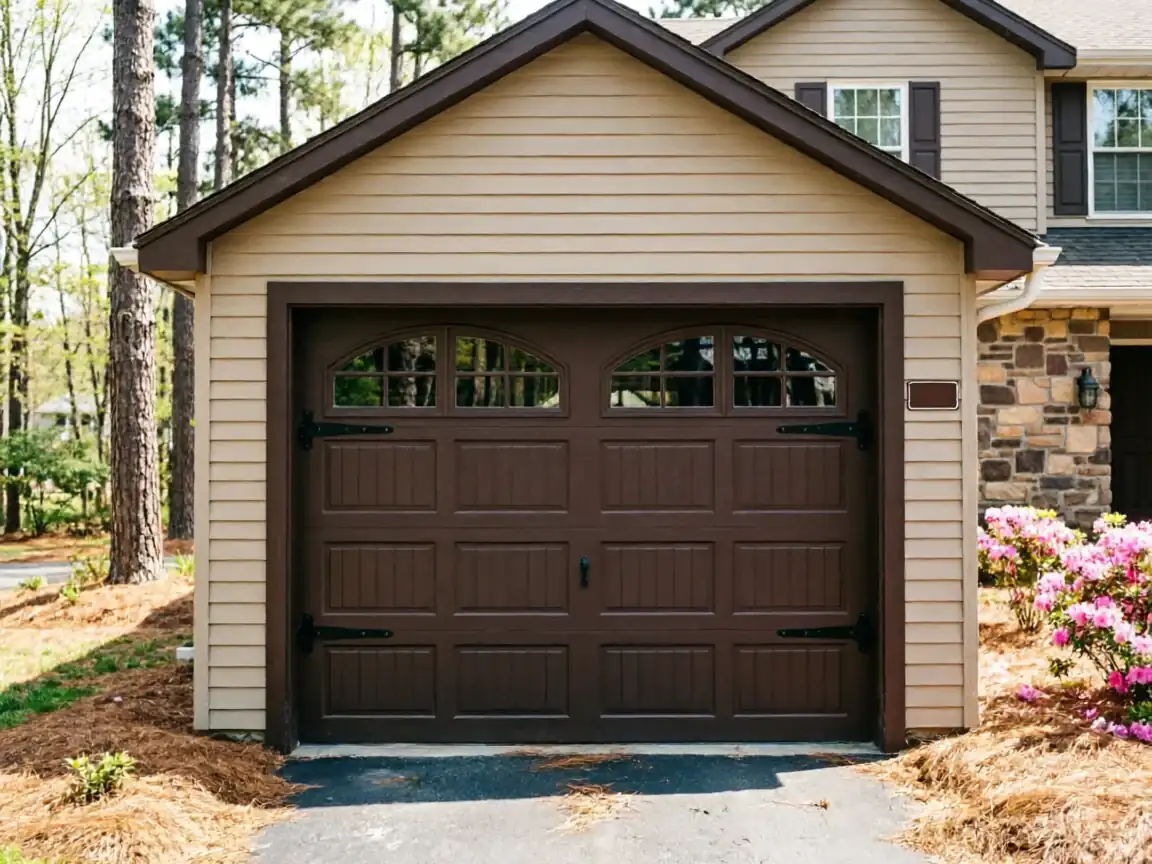
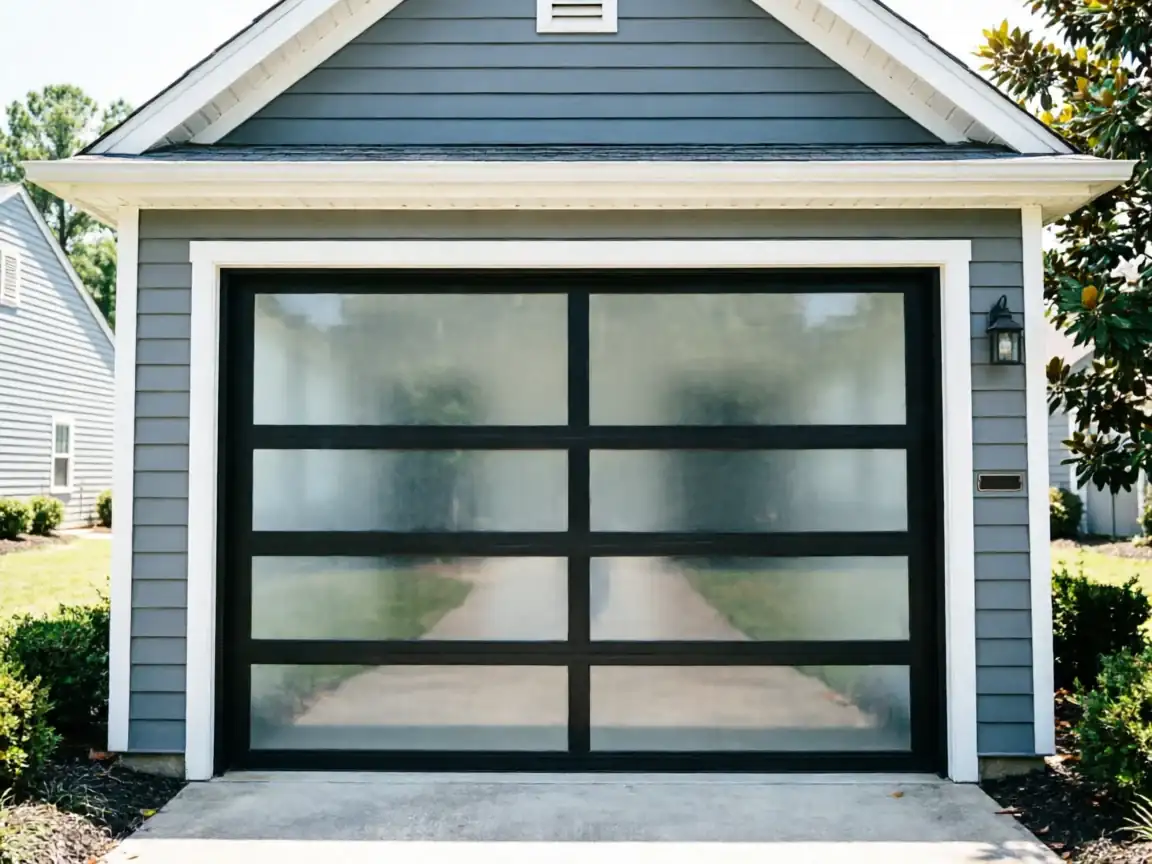
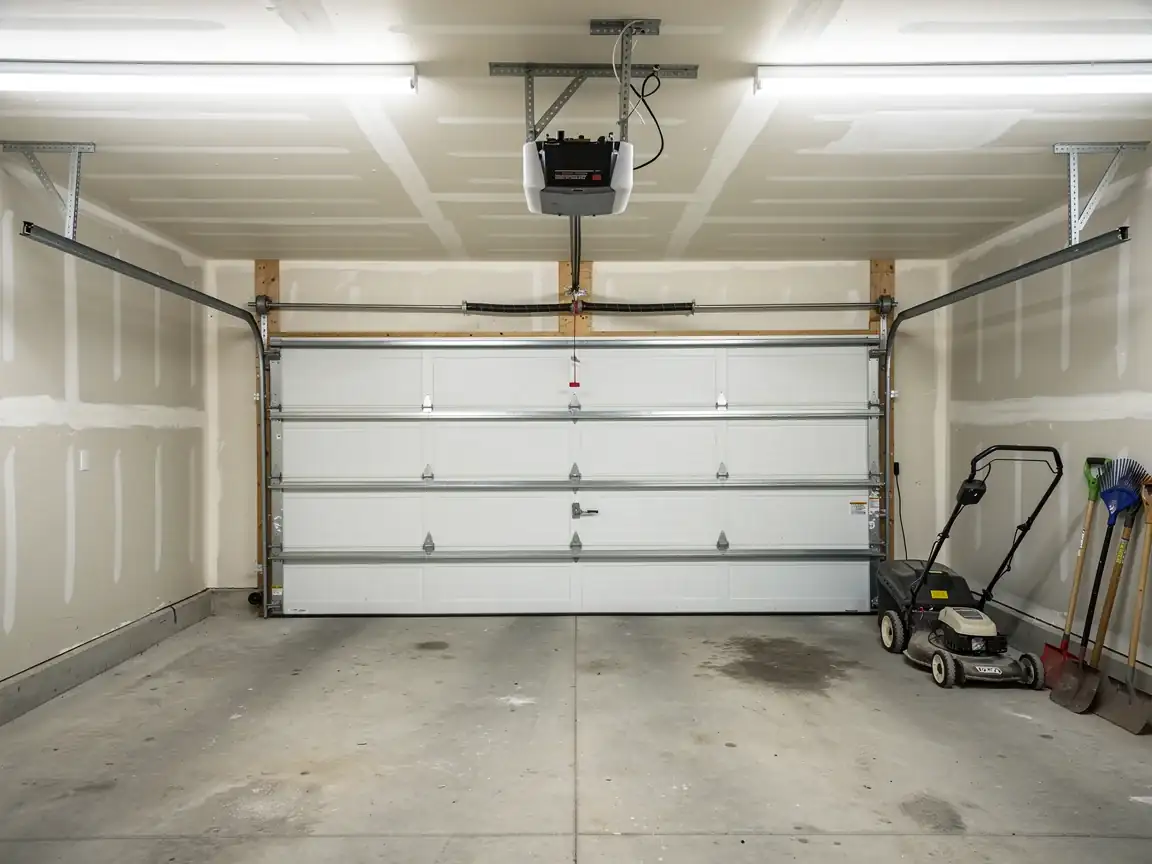
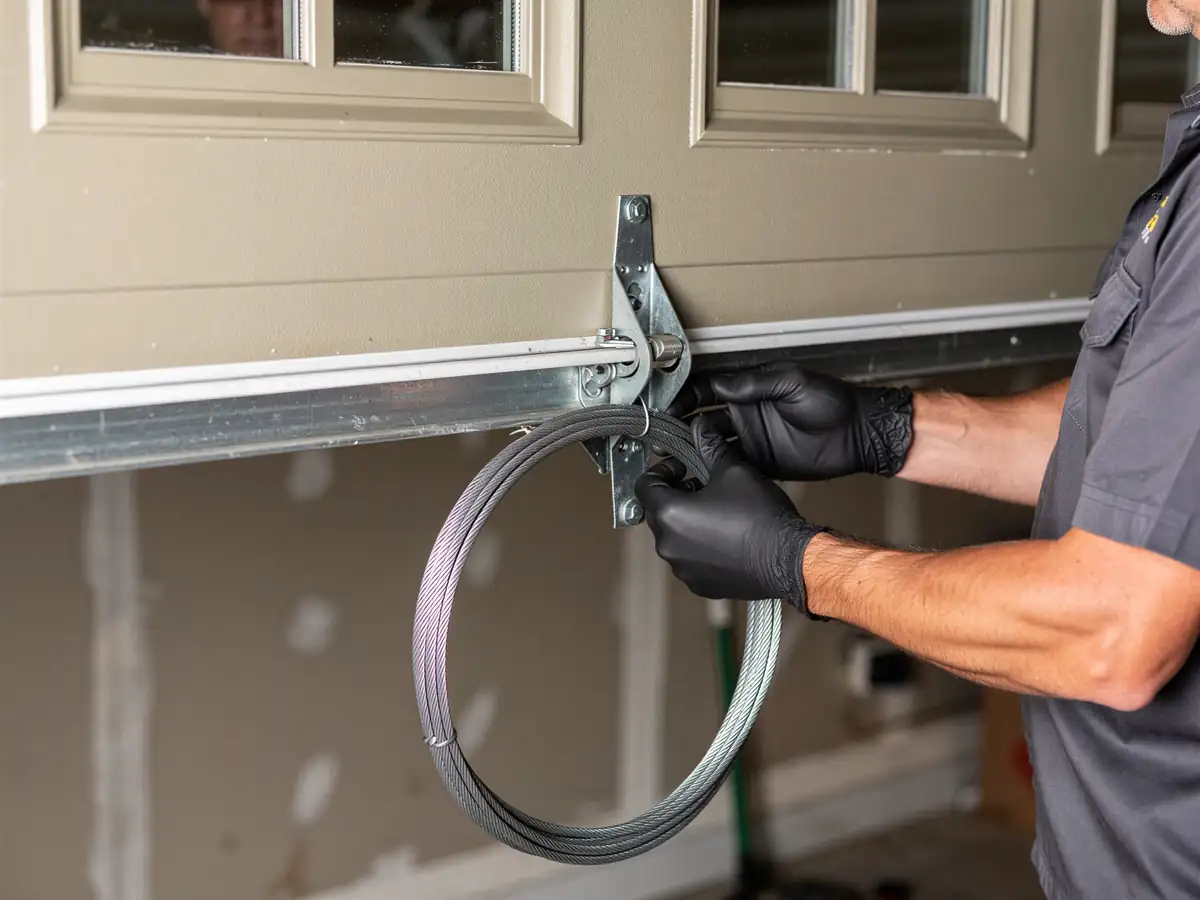
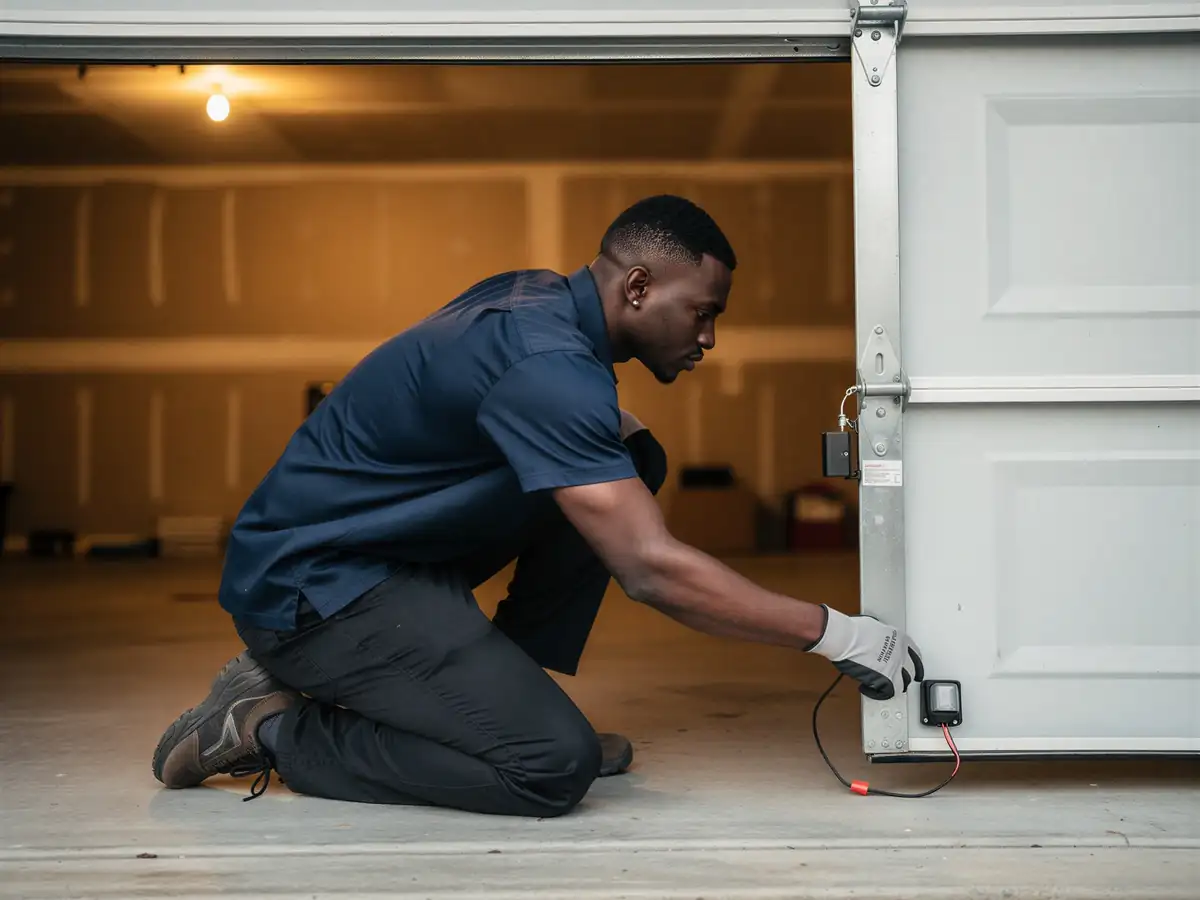
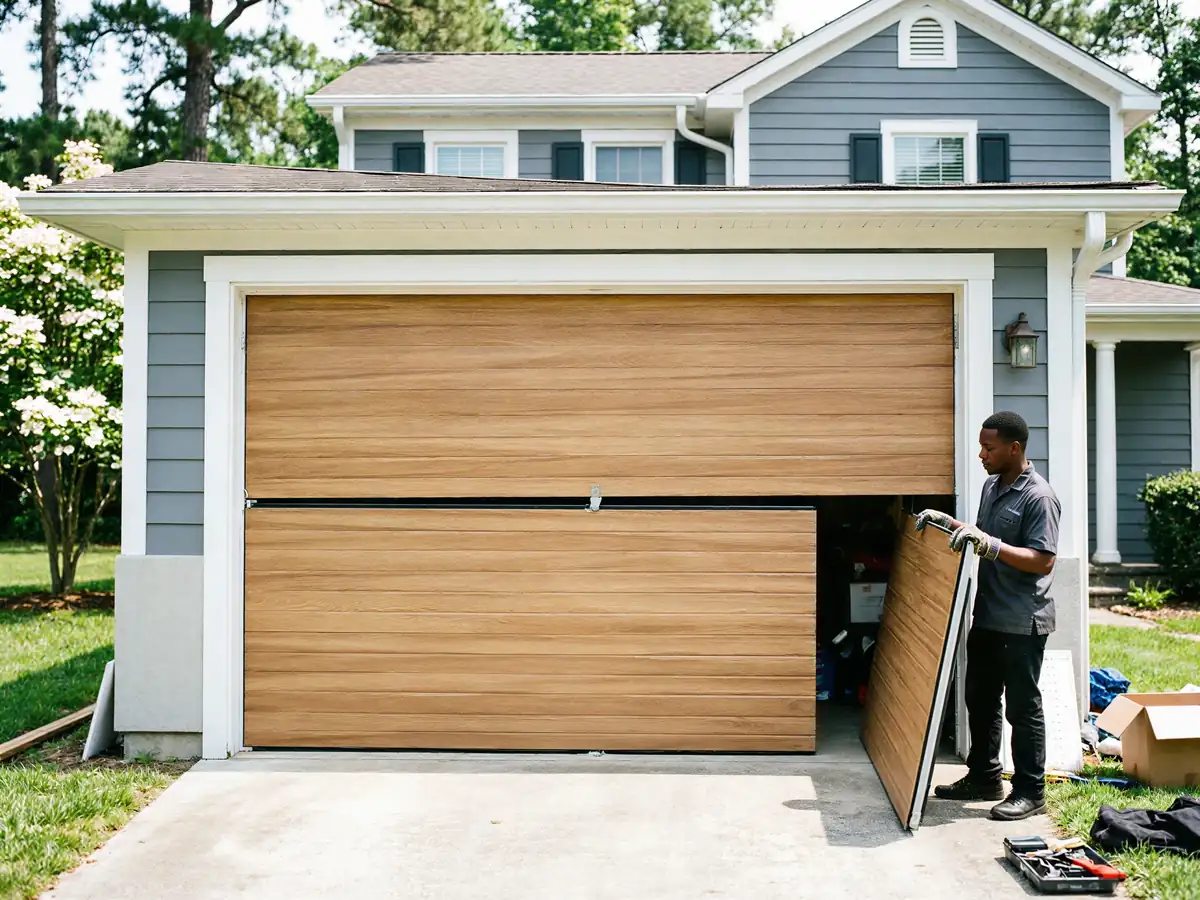
Installing a new door on a house from the 1976 era usually starts with the opening, not the door. Framing settles over fifty years, and an opening that was square when the house went up rarely still is. Before a new door goes in, the jamb gets checked and shimmed so the track lines up straight - skip that step and the new door will bind or walk off the rollers within a season. Hardware matters too: older torsion setups were often side-mounted, and a new door with a center spring and modern cable drum needs a different header clearance than what's there now. On the comfort side, this area's climate sits in the mild band with only occasional freeze nights, so insulated doors here are mainly about keeping summer heat and road noise out, not about frost-proofing a garage that stores pipes. None of this is exotic work, but it's not a straight panel swap either - the opening has to be brought up to meet the new door, not the other way around.
The Cost of This Job
The number that matters most for La Fayette isn't the national average cost of a new door - it's what a full replacement means against the local median household income of $32,999, well under the $45,493 median across the wider area this company covers. At that income level, a full replacement is a real expense, not a line item, and it's worth being clear-eyed about what you're paying for: door panel, track and hardware, labor, and any framing work the opening needs. Where it makes sense to spend less: if the opening is in good shape and the only issue is an old, dented panel, a single-panel swap or a repair can cost far less than full replacement. Where it doesn't make sense to cut corners: springs and cable, since underbuilt hardware on a new door just means a second service call sooner than it should happen. With roughly 1,127 households in La Fayette, this isn't a market where anyone's installing doors every week, so getting the sizing and hardware right the first time matters more than it might somewhere with newer, more uniform housing stock.
What Causes It Around Here
Most of the calls for a full new-door job in La Fayette trace back to the age of the original door, not an accident. Housing in this part of the service area mostly went up in the 1965-to-1991 stretch, median around 1976, and a door and track from that era has simply outlived its hardware life - rollers worn oval, hinges stretched, a torsion spring that's been through more open-close cycles than it was built for. The mild climate here, with only occasional freeze nights, isn't the stress factor it would be somewhere with hard winters; what wears these doors out is decades of daily use on original equipment, plus the odd dent from a backed-into bumper or a basketball. When a door on a house this age also has a bent track or a cracked panel on top of worn hardware, patching one part at a time stops making financial sense and a full replacement is the straighter path.