Can You Do This Yourself
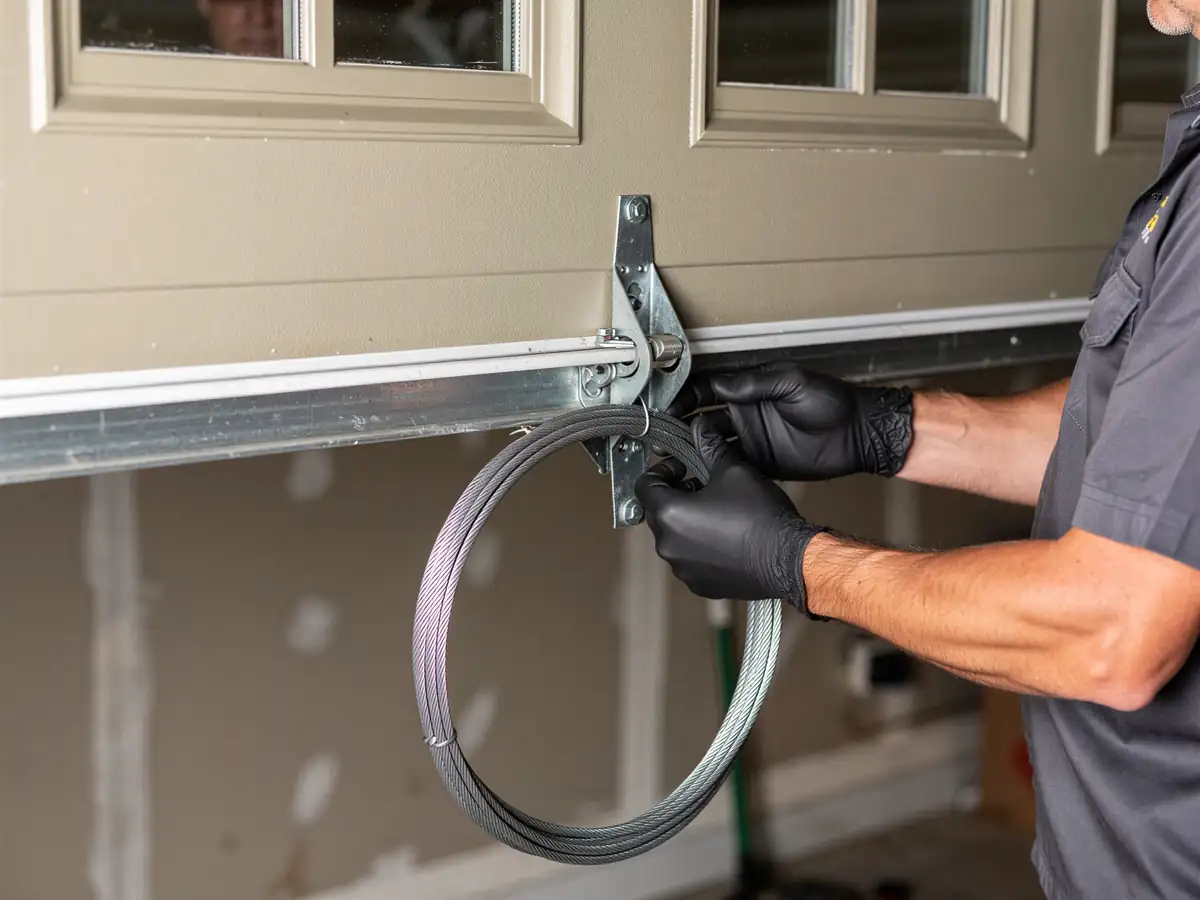
La Fayette sits 16 miles out from our Opelika shop, which changes how a call here actually works. We don't keep a second truck stationed in town, so when you call, we're loading parts for your specific door before we leave rather than guessing and hoping the van already has it. That means if you tell us up front what you're hearing or seeing - a bang, a door that won't budge past a foot, a cable hanging loose - we can bring the right spring, cable, or roller instead of making a second trip.
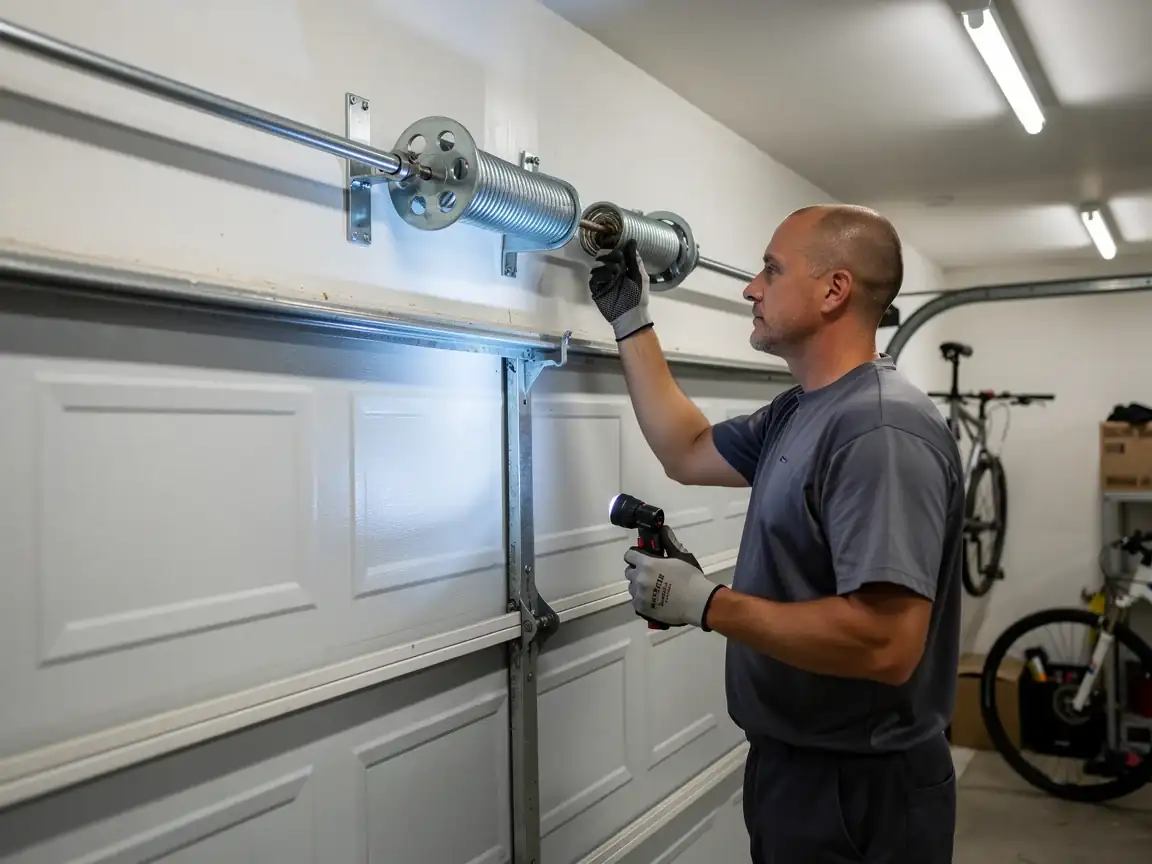
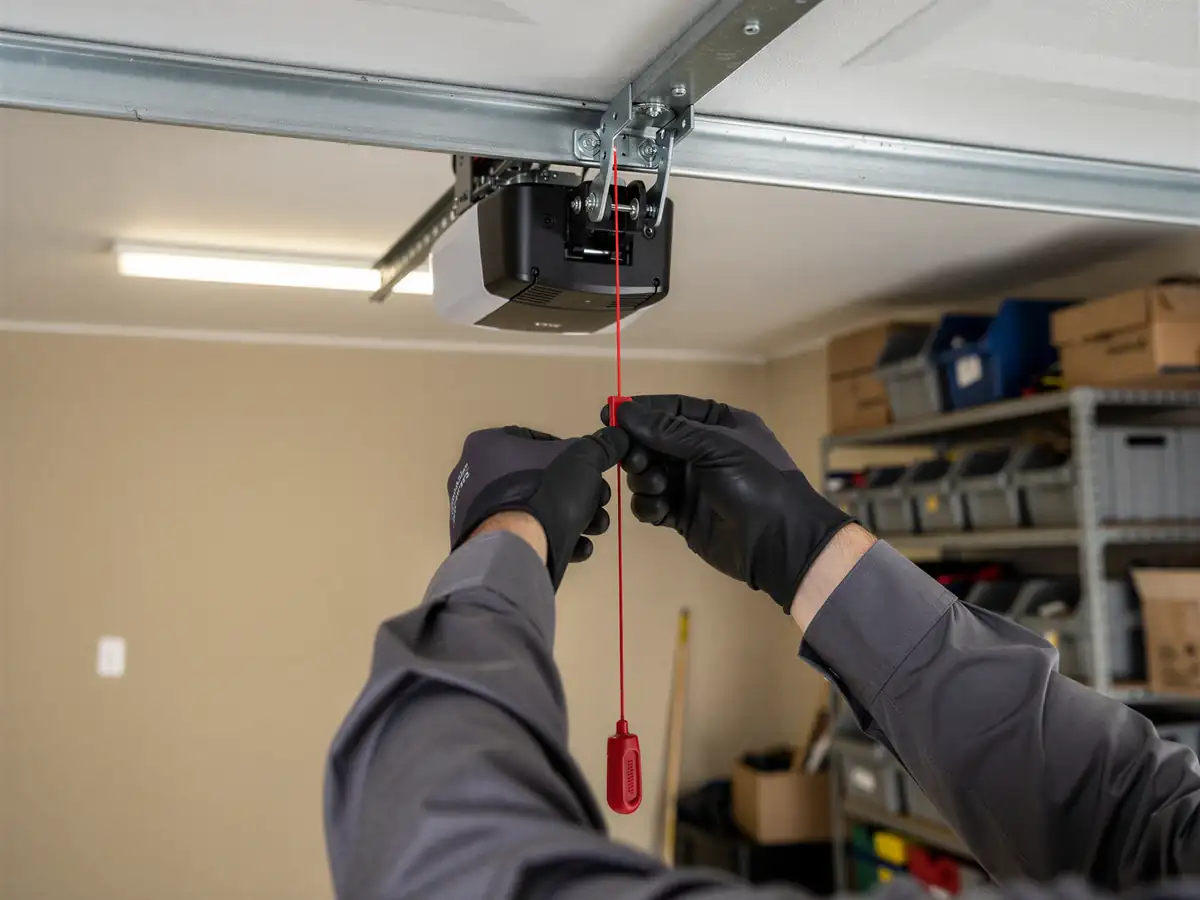
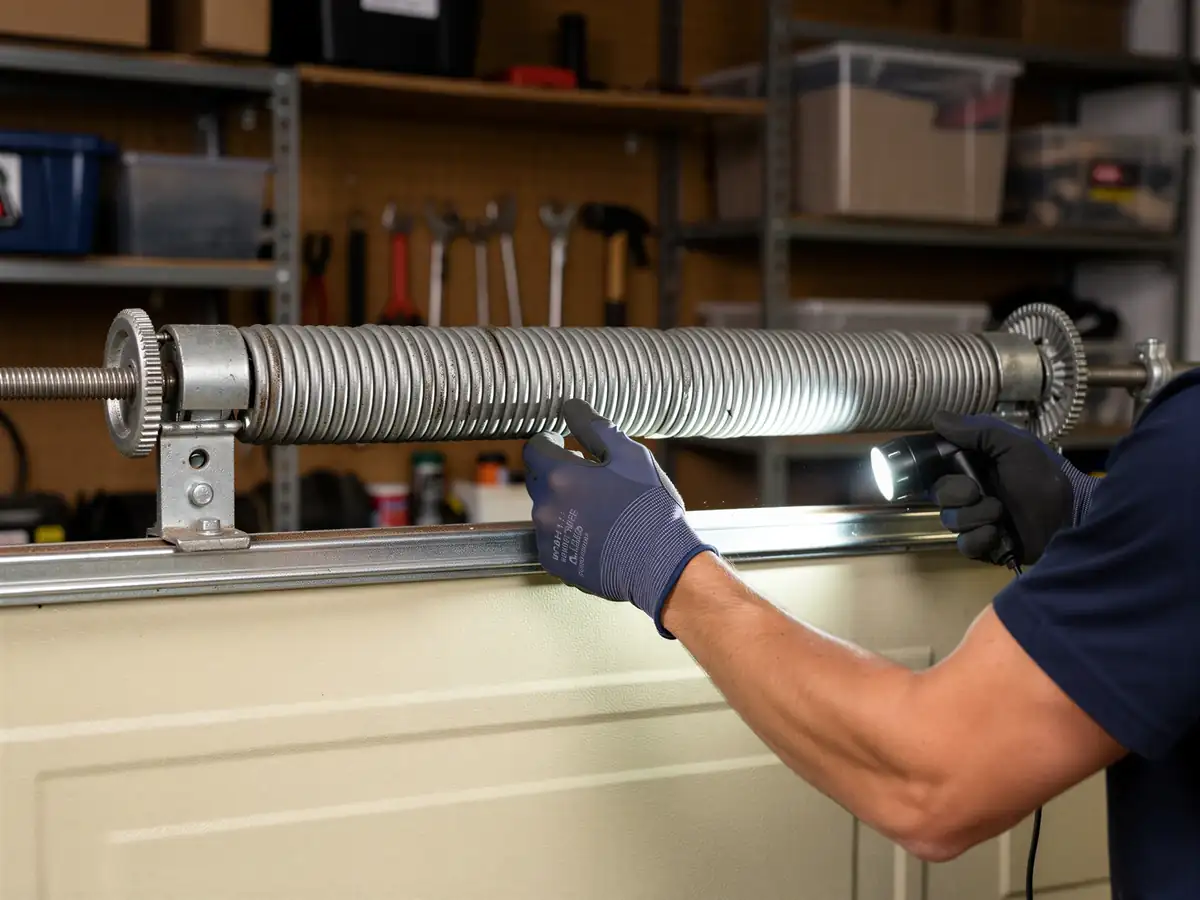
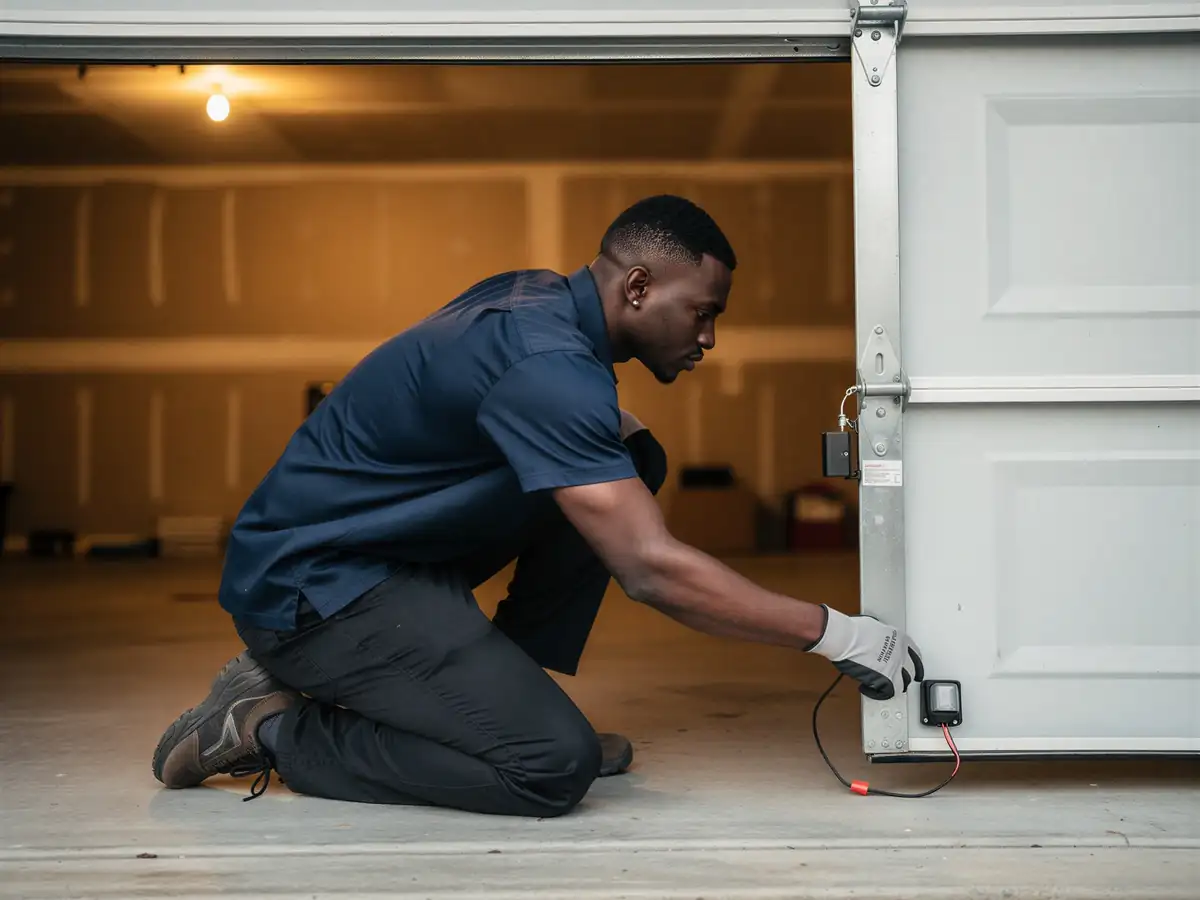
Some things you can check before anyone drives out. If the door won't open, look at the wall switch for the opener light - a dead bulb or a tripped breaker is not a repair call. If the door opens but crawls or reverses itself, don't keep running the opener; you can strip the gear or snap a cable trying to force it. A torsion spring under tension is not a DIY job regardless of how simple it looks online - that spring can break a wrist. Tell us what you see, and we'll tell you honestly whether it's worth the drive before you pay for one.
What the Repair Takes
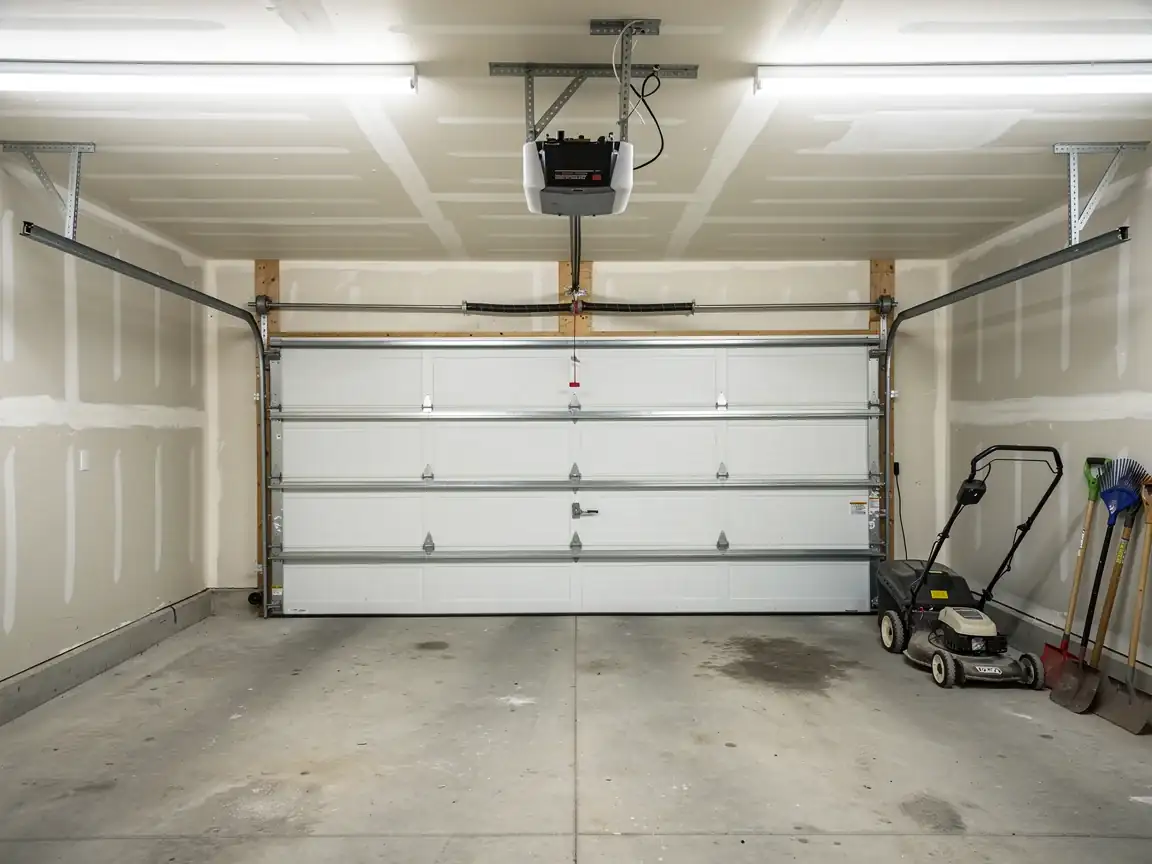
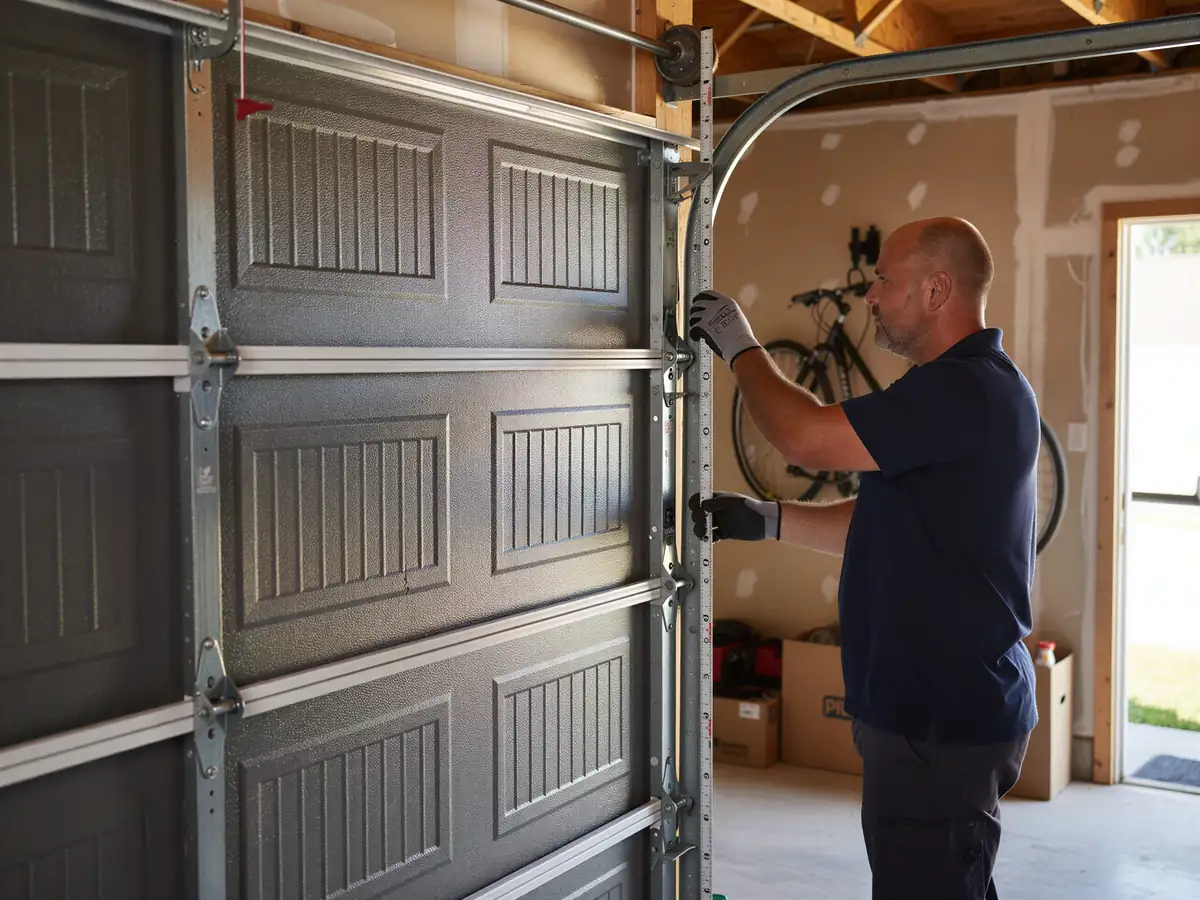
Most of La Fayette's housing went up in the 1970s, same era as much of the wider service area, which means a lot of these garage doors are original one-piece or early sectional units with the torsion hardware that was standard then. That hardware wasn't built to today's spec, so when a spring finally lets go, the mounting brackets and drums underneath it are often undersized by current standards - we end up upgrading the bracket while we're in there rather than just swapping the spring.
With roughly 1,127 households in this part of town, we're not working from a street-by-street memory of every door - we ask what year the house was built and go from there. A door from the mid-70s usually needs different spring wire gauge than one from the late 80s, even on the same size opening. We bring a couple of spring sizes on the truck for that reason, but if the door is a less common width or an older wood panel door, that part may need to be ordered, which adds a day or two to the job.
Time on the Job
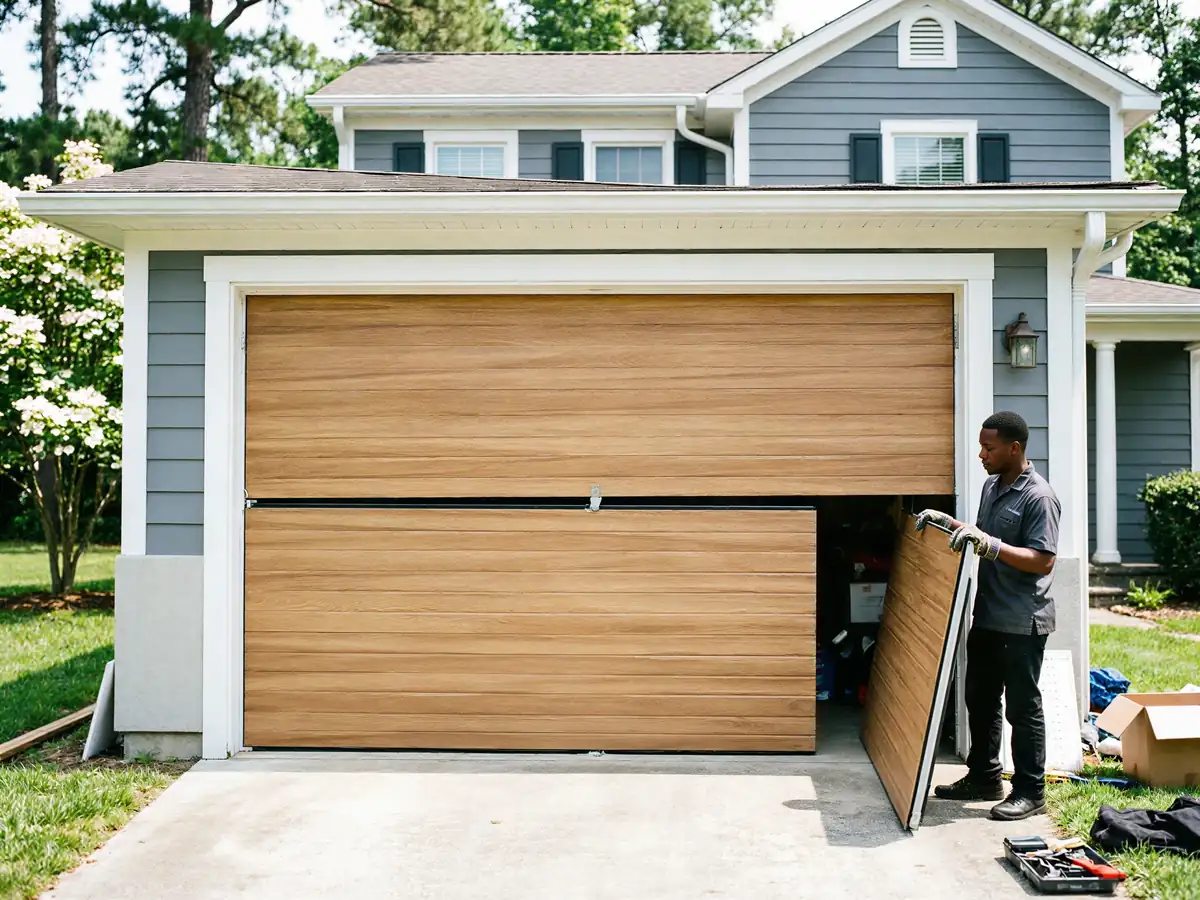
A straightforward spring or cable replacement on a standard door usually runs under two hours once we're on site
The drive from Opelika adds to the day, not to the repair itself. What stretches a job here is hardware from the 1970s building stock: brackets rusted to the track, roller shafts worn oval instead of round, or a jamb that's shifted slightly over fifty years of settling. Any of those means extra time fitting new hardware square before the door will travel smoothly again.
We try to diagnose over the phone as much as we honestly can before we come out
Because with the distance involved, a wasted trip costs both of us real time. If we can't tell from your description whether it's a spring, a cable, or an opener problem, we'll say so rather than guess - better to show up with the right parts than to leave and come back.
The Cost of This Job
Median household income in La Fayette runs around $32,999, noticeably lower than the wider Opelika service area average, and we factor that into how we talk about repair versus replacement. On an older door with 1970s hardware, a spring or cable fix is almost always the cheaper and right call if the panels and track are still sound - there's no reason to replace a whole door because one part failed.
Where cost climbs is when the door itself is the problem: a bent track from years of hard contact, rusted-through bottom panels, or an opener that's simply worn out after decades of use. We'll tell you straight if you're looking at a repair that won't hold, because patching a door that's past it just means paying twice. We don't have a set price to quote without seeing the door and the part needed - too much of this job depends on the exact hardware we find once we're there.
What Causes It Around Here
The climate here is mild with occasional freeze, not the deep-freeze swings that crack hardware in colder states, but that occasional hard freeze still matters on hardware that's close to fifty years old. Metal that's been expanding and contracting since 1976 gets brittle at the weld points and bracket holes, and a cold morning is often when a spring that's been fraying for months finally lets go.
The other common cause we see on this stock is simple wear from original parts never having been replaced. A roller or cable rated for the 1970s has had decades to wear thin, and nobody notices until it fails outright. We don't see much storm or flood damage driving these calls - it's age and metal fatigue, plain and simple, on doors that have outlasted a couple of owners already.