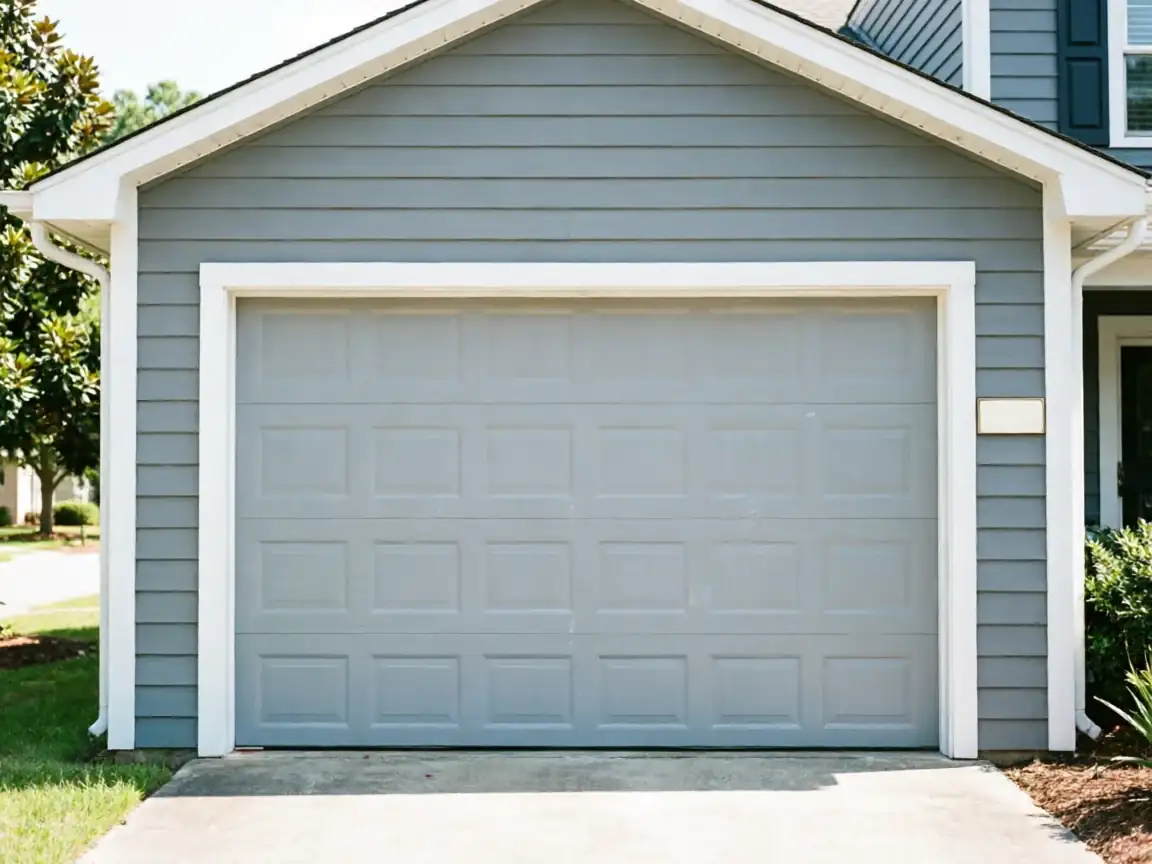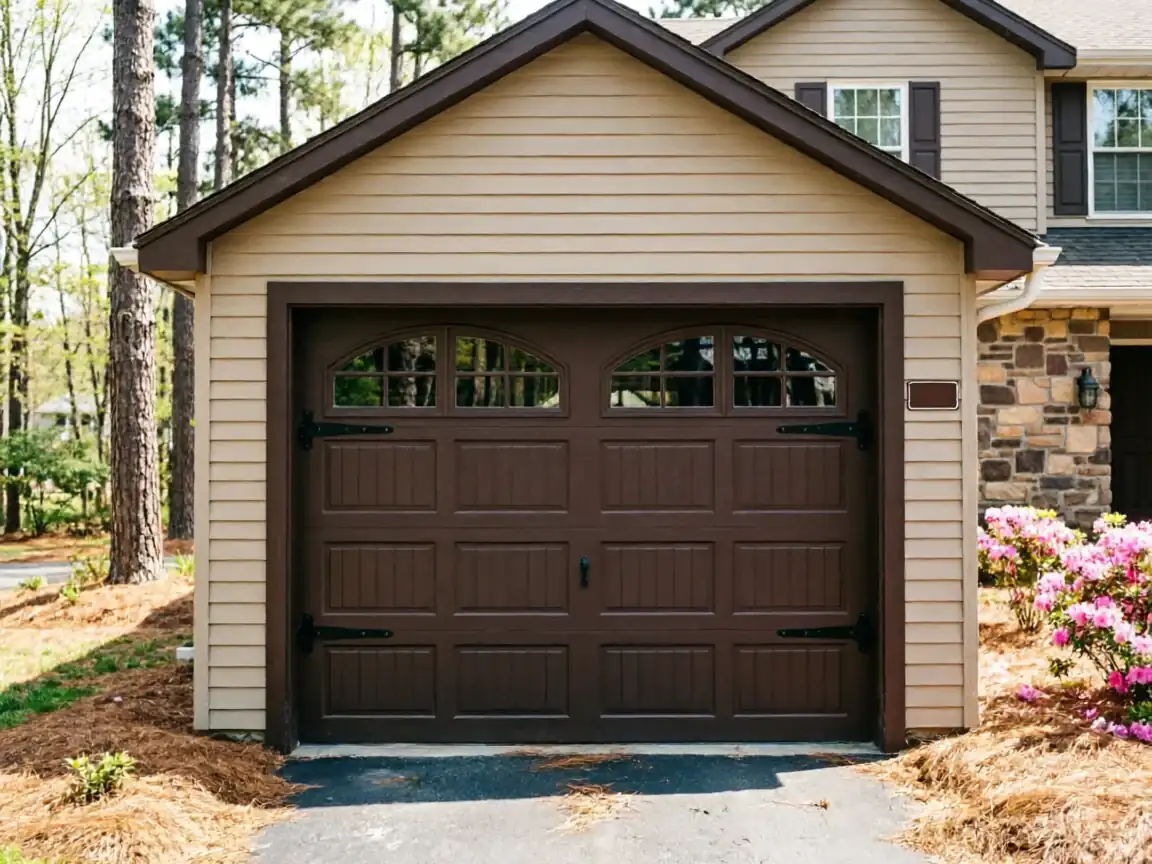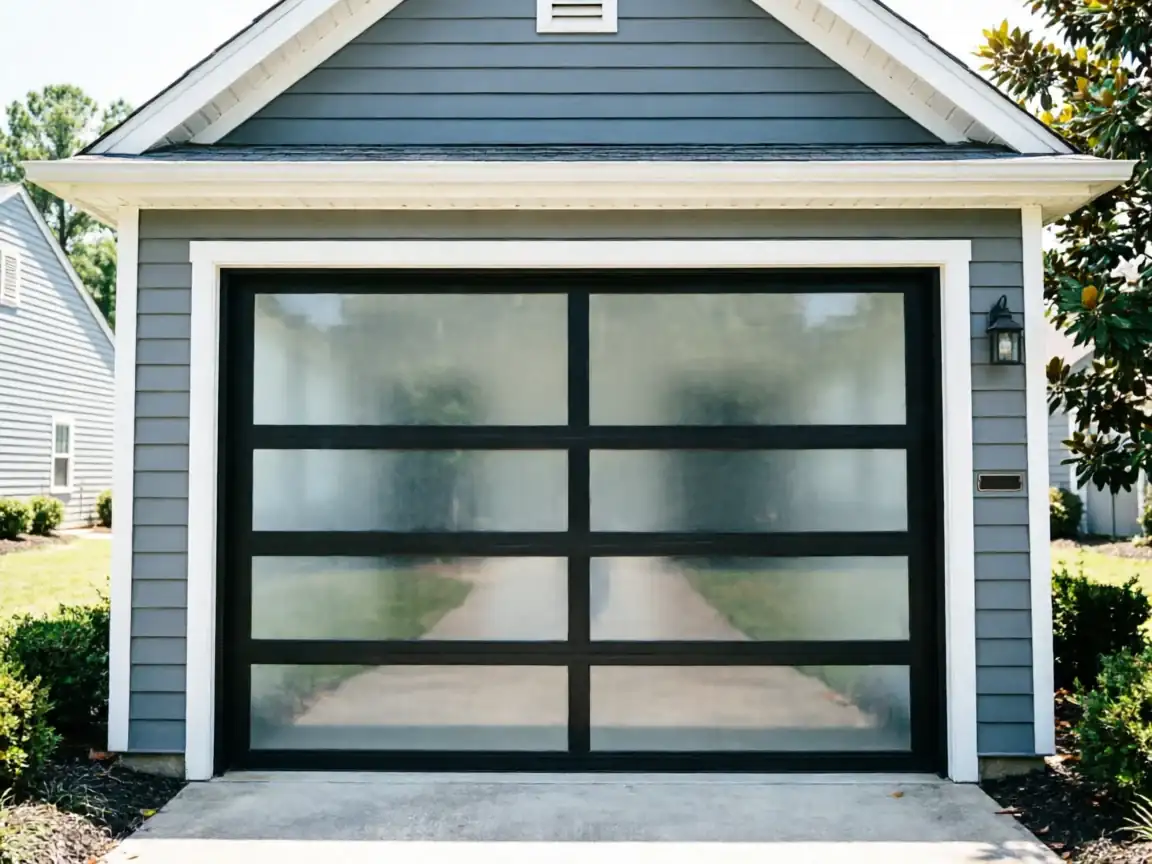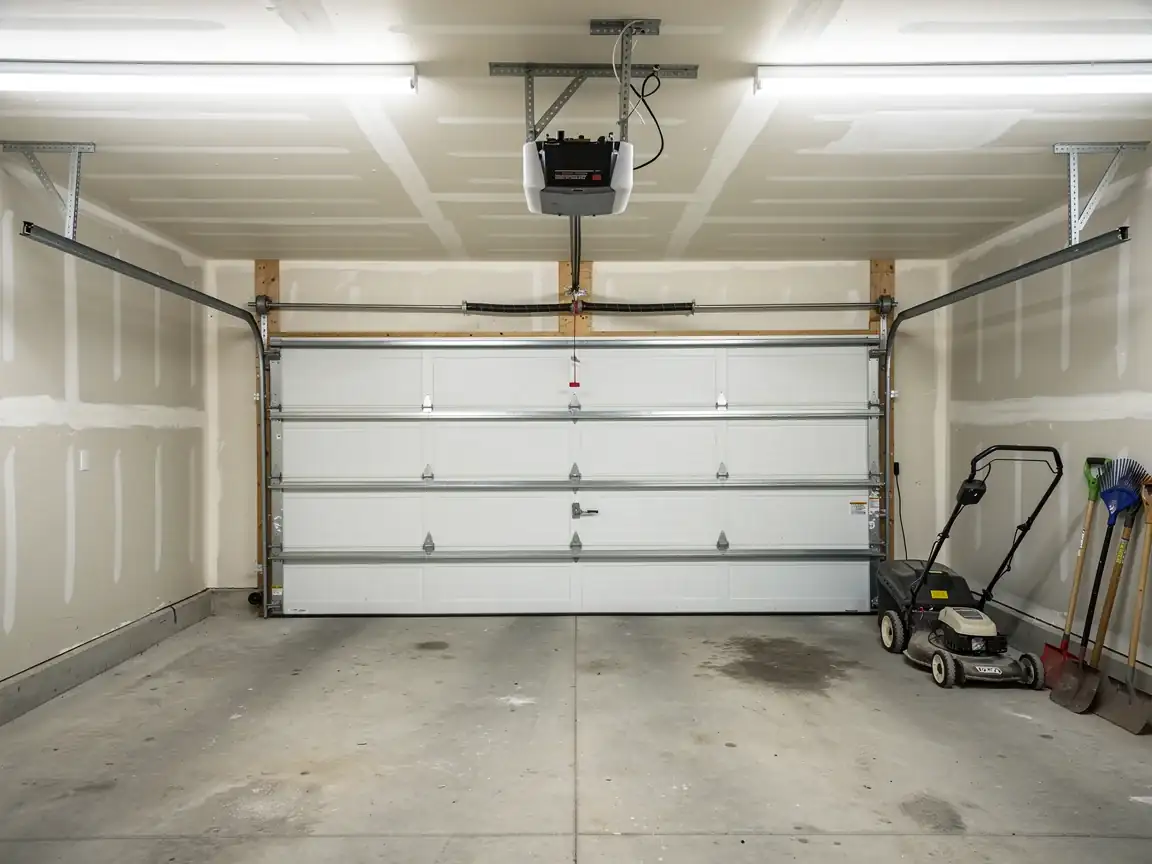
Parts We Carry
Huguley sits 15 miles out from our Opelika shop, and that drive shapes how we run a call here. We don't carry a second truck stationed in Huguley, so when you call, we're loading the one truck we've got before we head your way. That means we try to get the diagnosis right on the phone - make, model, what the door's doing - so we're not driving back for a part we could have grabbed the first time.
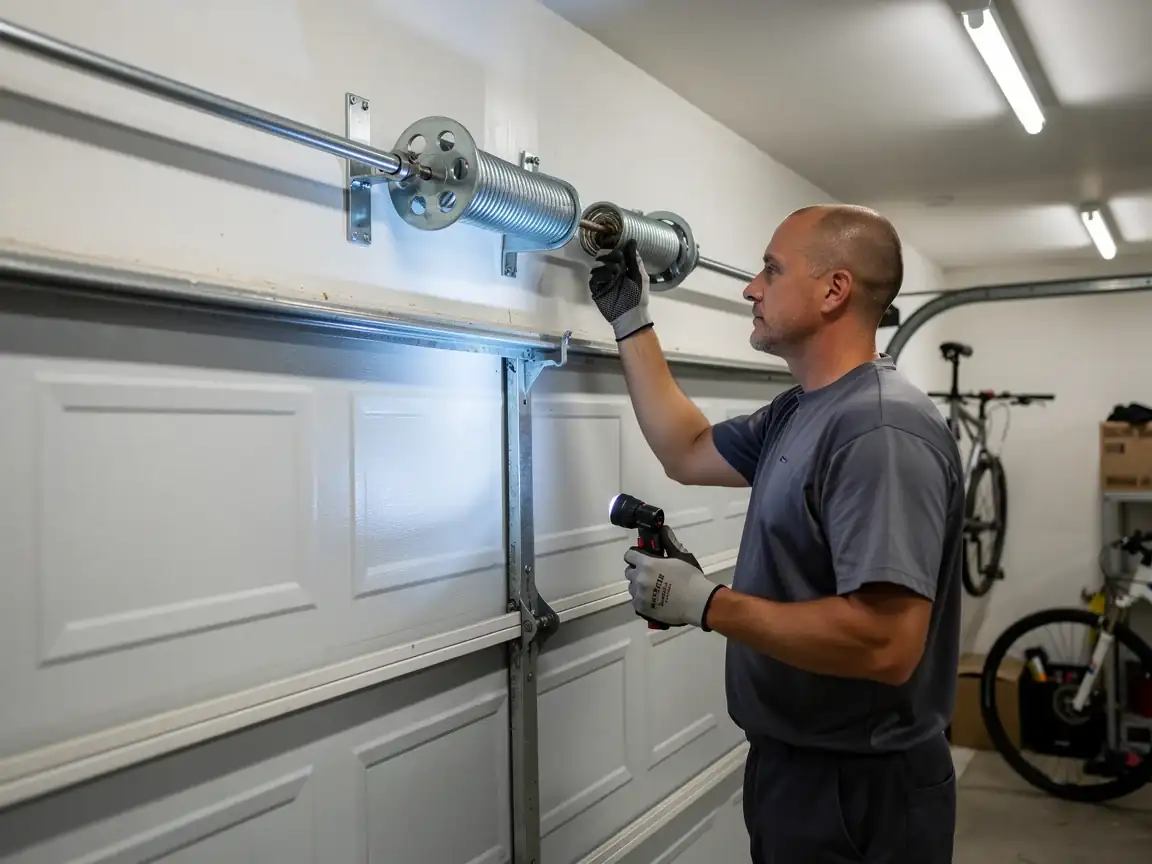
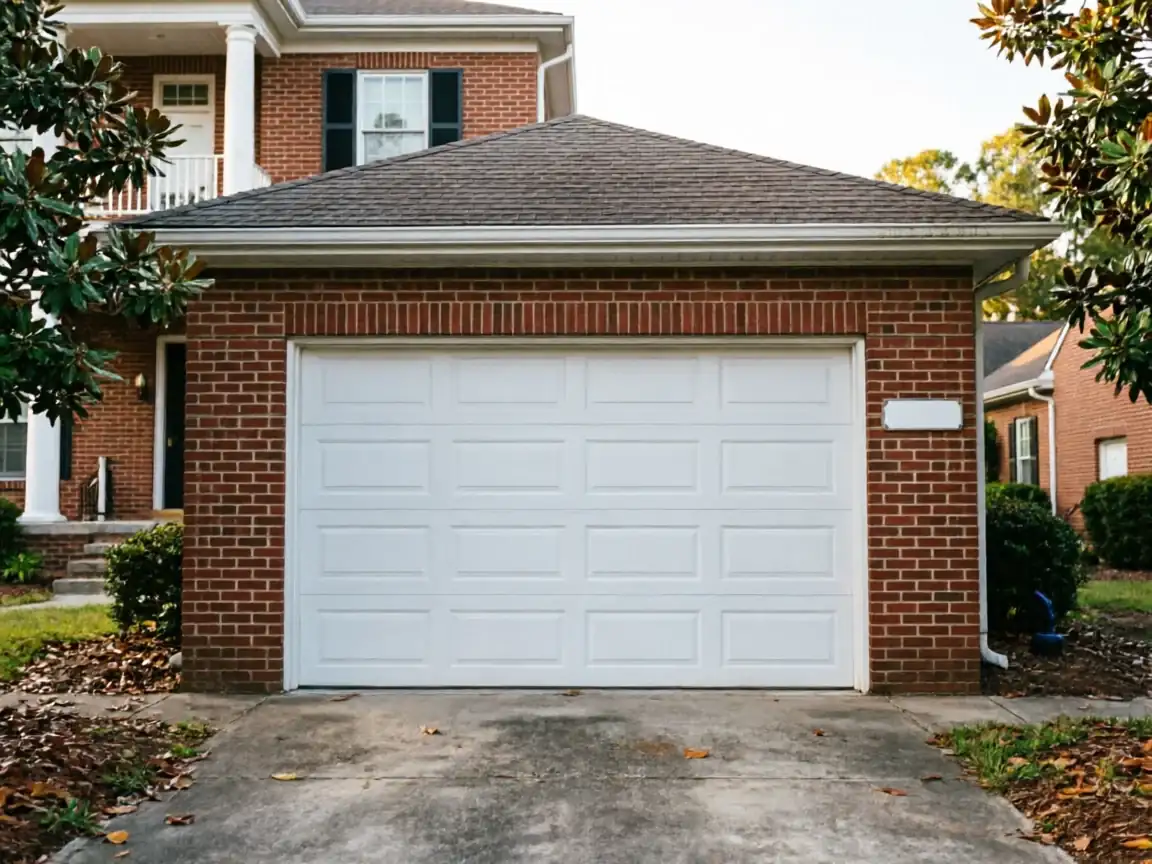
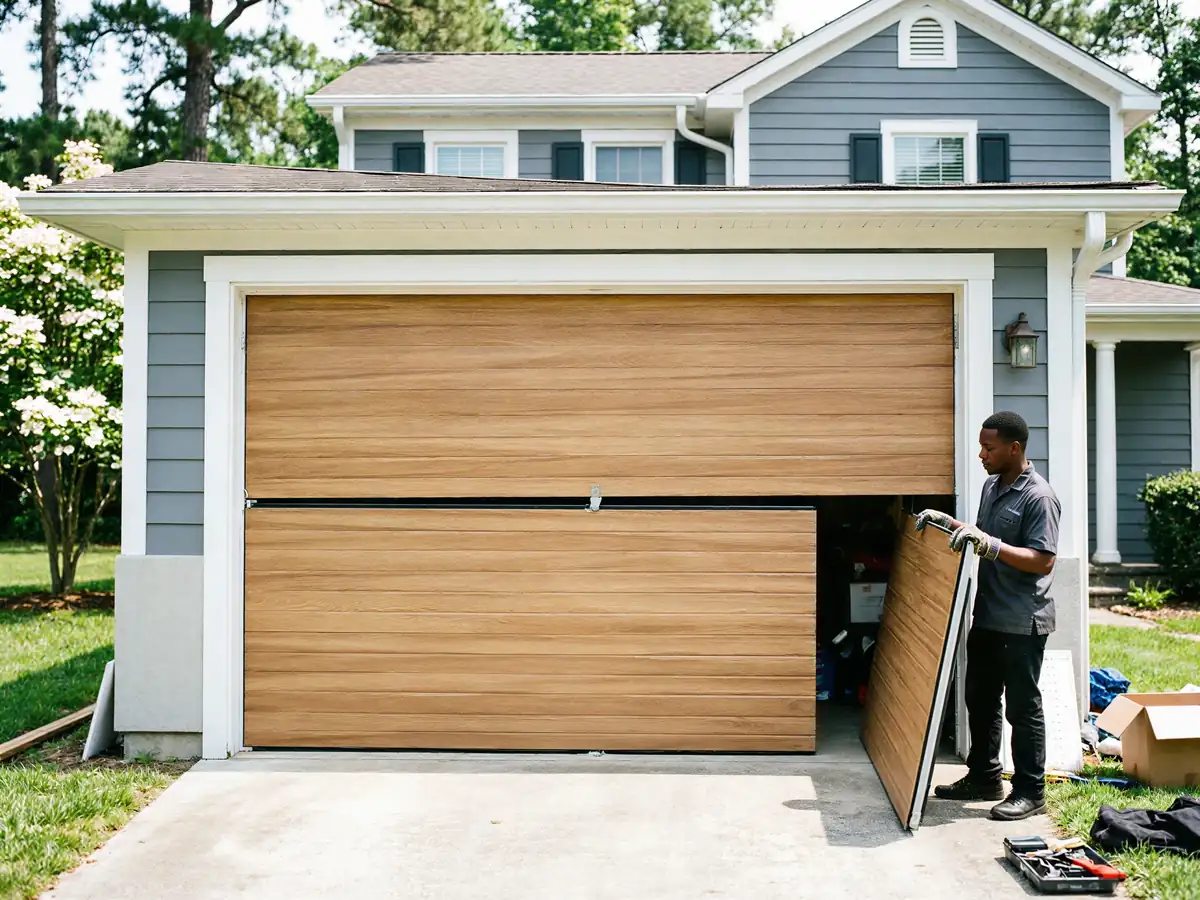
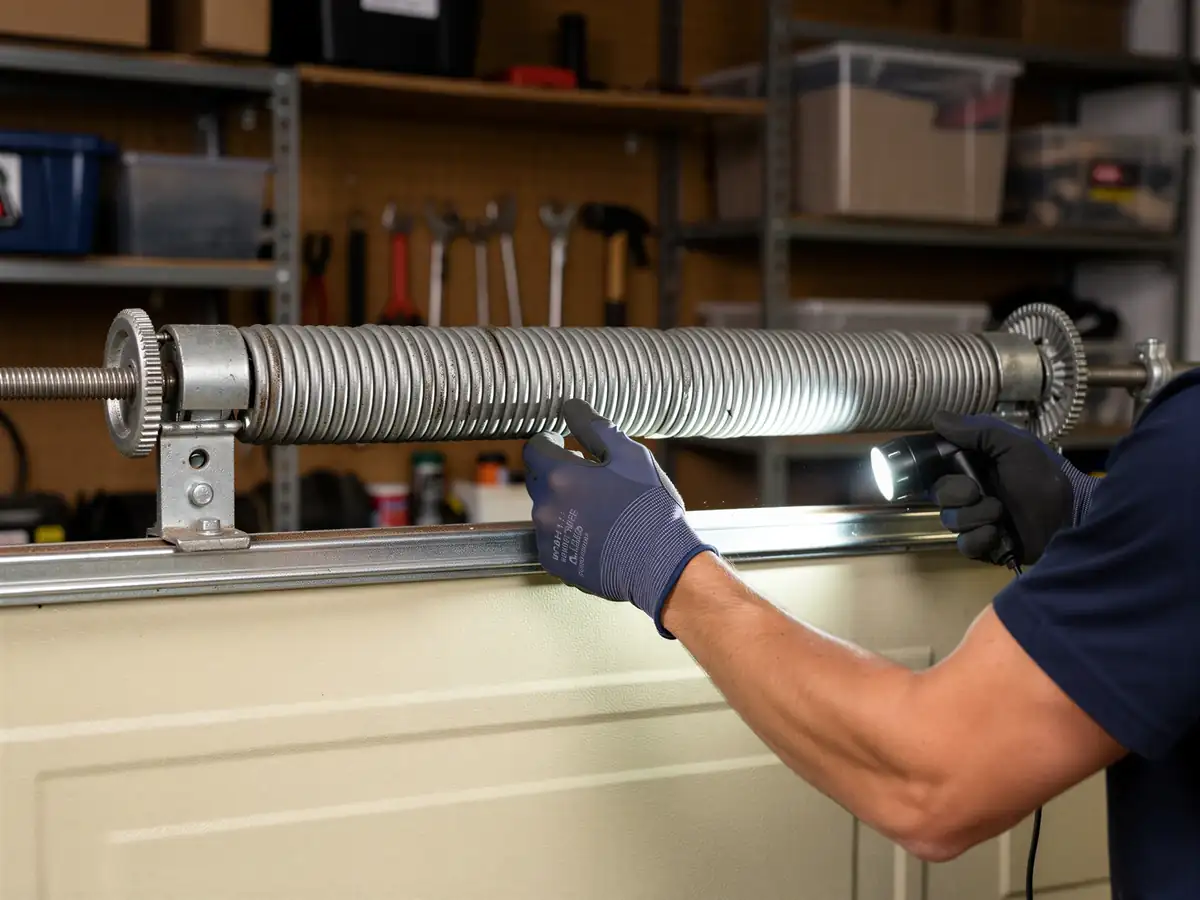
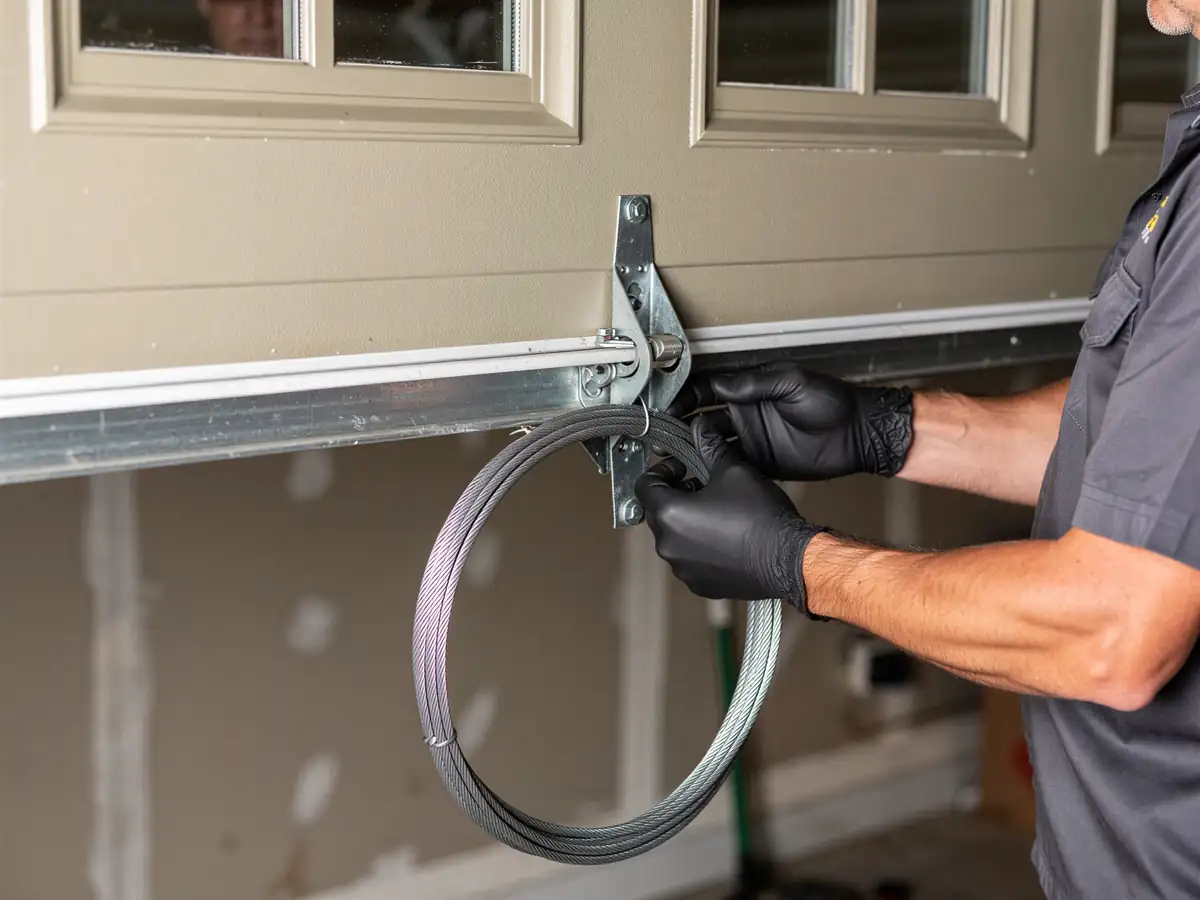
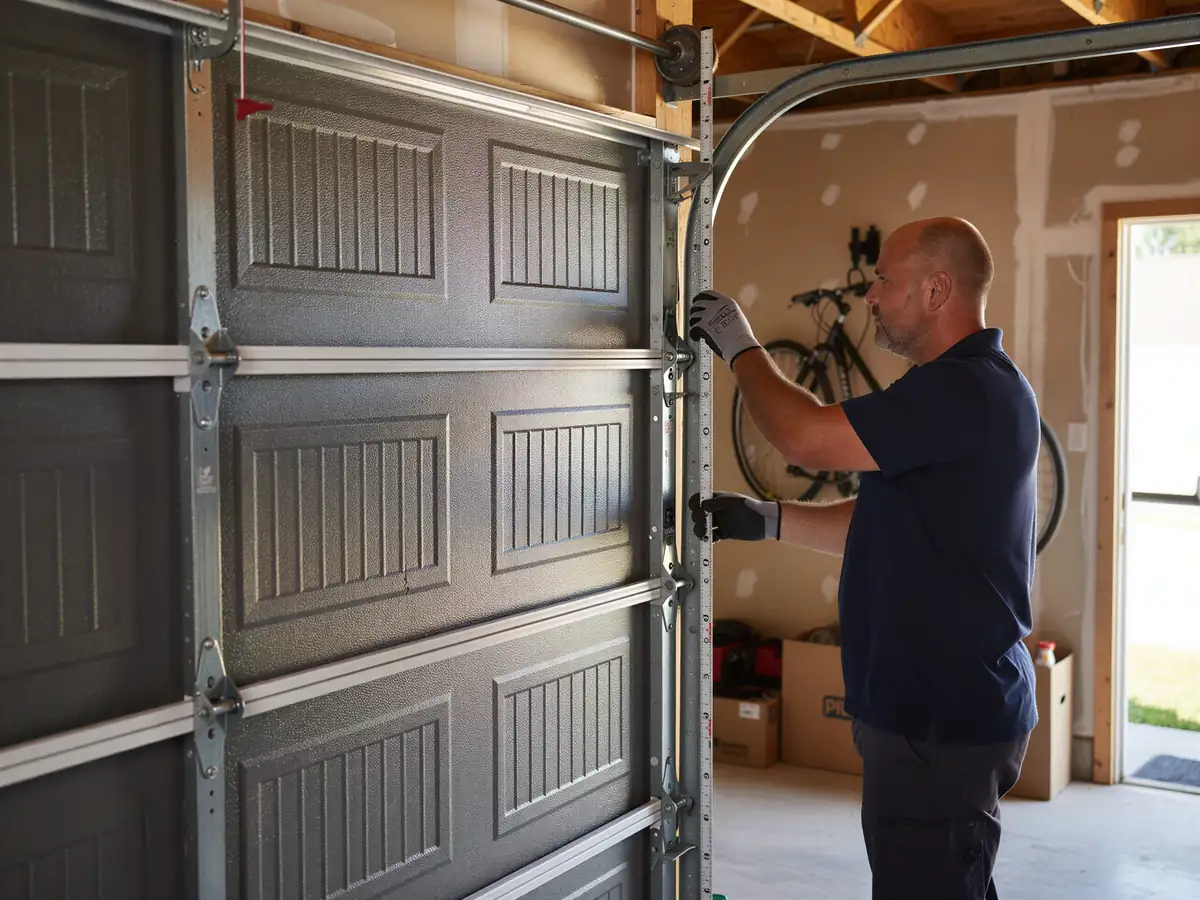
Houses in this part of the service area went up mostly around 1977, which puts a lot of the original hardware squarely in torsion-spring territory rather than the older extension-spring setups you'd find in an older neighborhood. We keep torsion springs sized for doors from that build era on the truck, along with the rollers and end bearing plates that wear out first on a door pushing toward fifty years old. What we don't keep on hand is anything custom-cut or a discontinued panel style - if your door needs a specialty part, that's a second trip while it comes in.
Can You Do This Yourself
A torsion spring holds enough stored tension to break a wrist or worse if it lets go while you're working on it, and that's true whether the door is five years old or fifty. We'd rather you call than wind one yourself with a pipe and a prayer.
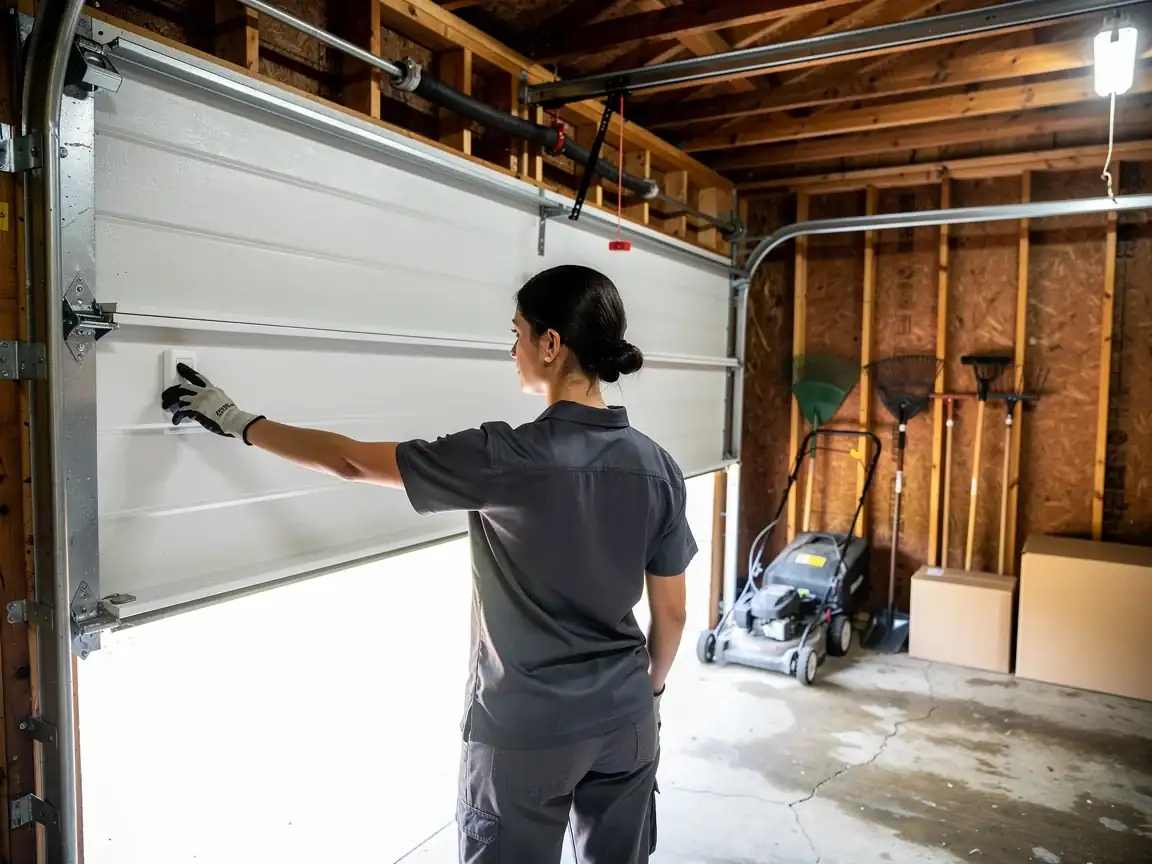
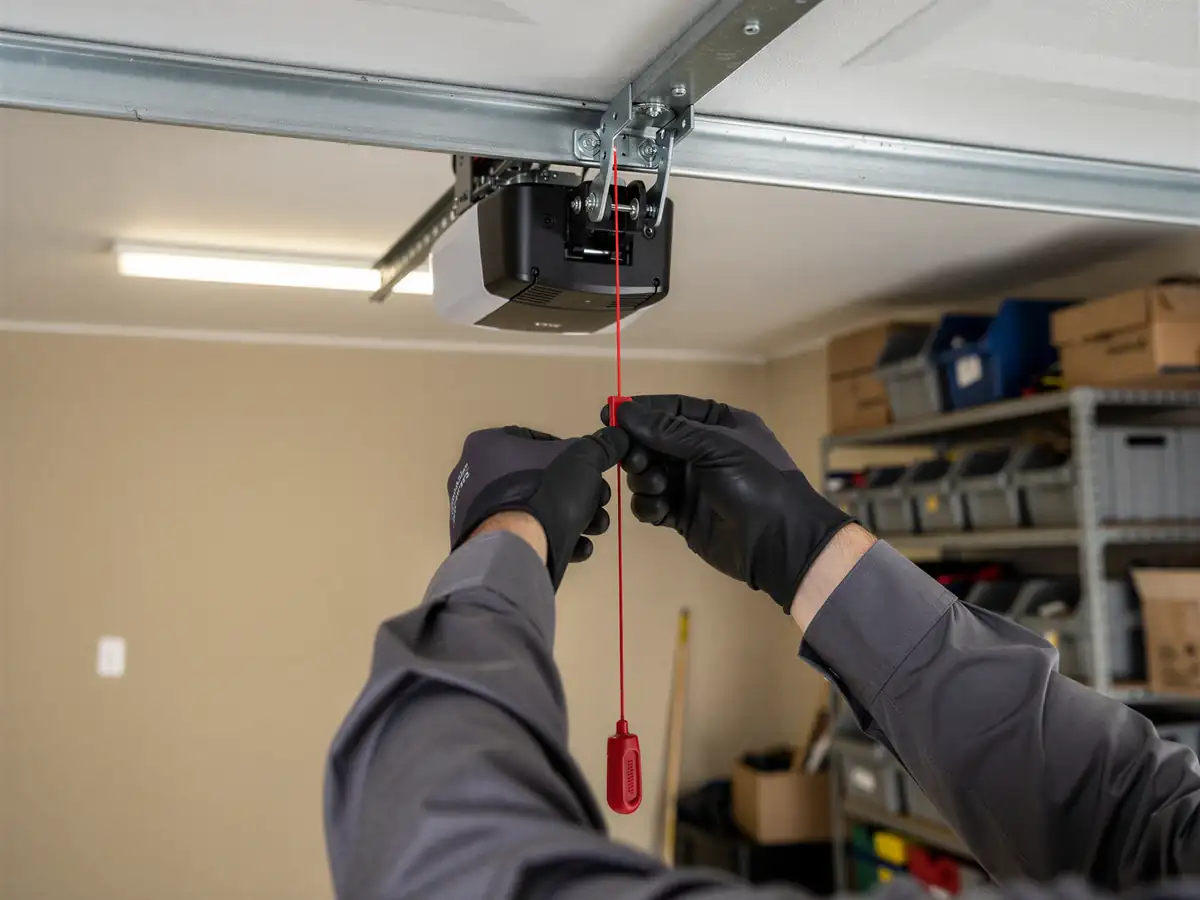
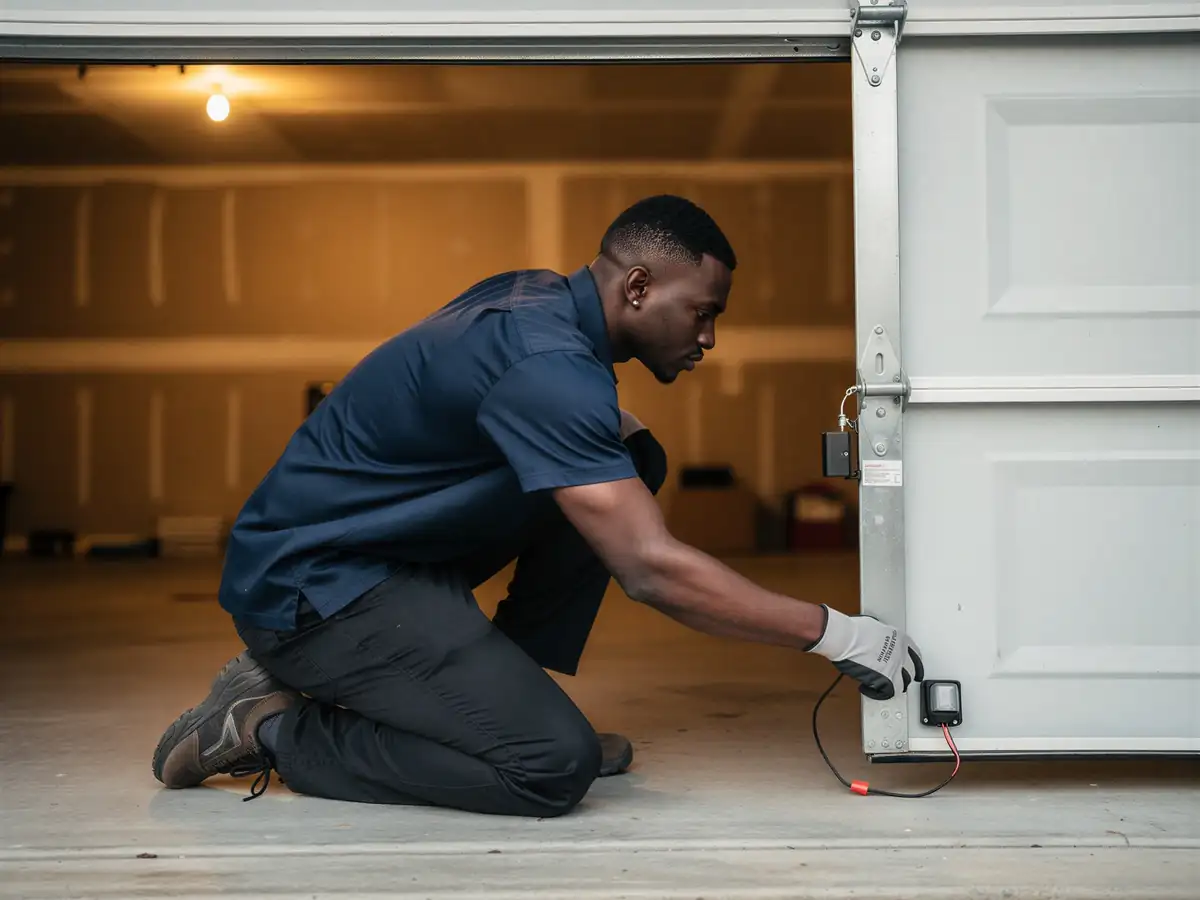
That said, there's plenty you can check before you pick up the phone. If the door won't open, look at whether the opener's lights are blinking a code - most modern openers will tell you if it's a sensor alignment issue rather than a broken spring, and that's a five-minute fix, not a service call. Tracks knocked out of alignment from a bumped car, loose roller brackets, a sensor eye that's gotten dusty - those are things an owner can look at safely. Springs, cables, and anything that involves taking tension off the door itself: leave it. The parts cost less than the hospital visit.
What Causes It Around Here
This area sits in a mild climate with occasional freezes rather than hard, sustained winter cold
Which changes what actually wears a door out here compared to a harsher climate. You're not fighting ice jamming a track most winters. What you are fighting is metal fatigue from temperature swings - a spring that cycles through warm days and the occasional overnight freeze doesn't fail the same way as one that sits at a steady temperature year-round, and it tends to go sooner.
With most of the housing stock here built around 1977
A lot of these doors and their original hardware are approaching or past the point where a torsion spring is expected to give out on its own, regardless of weather. Add humidity - which this region has plenty of most of the year - and you get rust creeping into cable ends and roller shafts faster than a drier climate would allow. That combination, older hardware plus humidity plus seasonal swing, is what we see most on calls out this way.
Getting It Booked In
Because Huguley is a 15-mile drive from our Opelika base, we ask a few more questions up front than we would for a call closer in - what the door is doing, whether it's a spring, an opener, or something with the track, and what the door looks like (number of panels, roughly how old). That lets us load the right spring size and hardware before we leave rather than guessing.
We don't have a branch or a standing truck in Huguley itself, so we're not going to promise a same-day window the way we might for a job a few minutes from the shop. What we can do is give you an honest estimate of when we can get there once we know what the job is. If you want the broader rundown of what we handle across the service area, that's on our main Opelika repair page; this one's just about what we see and carry for calls out your way.