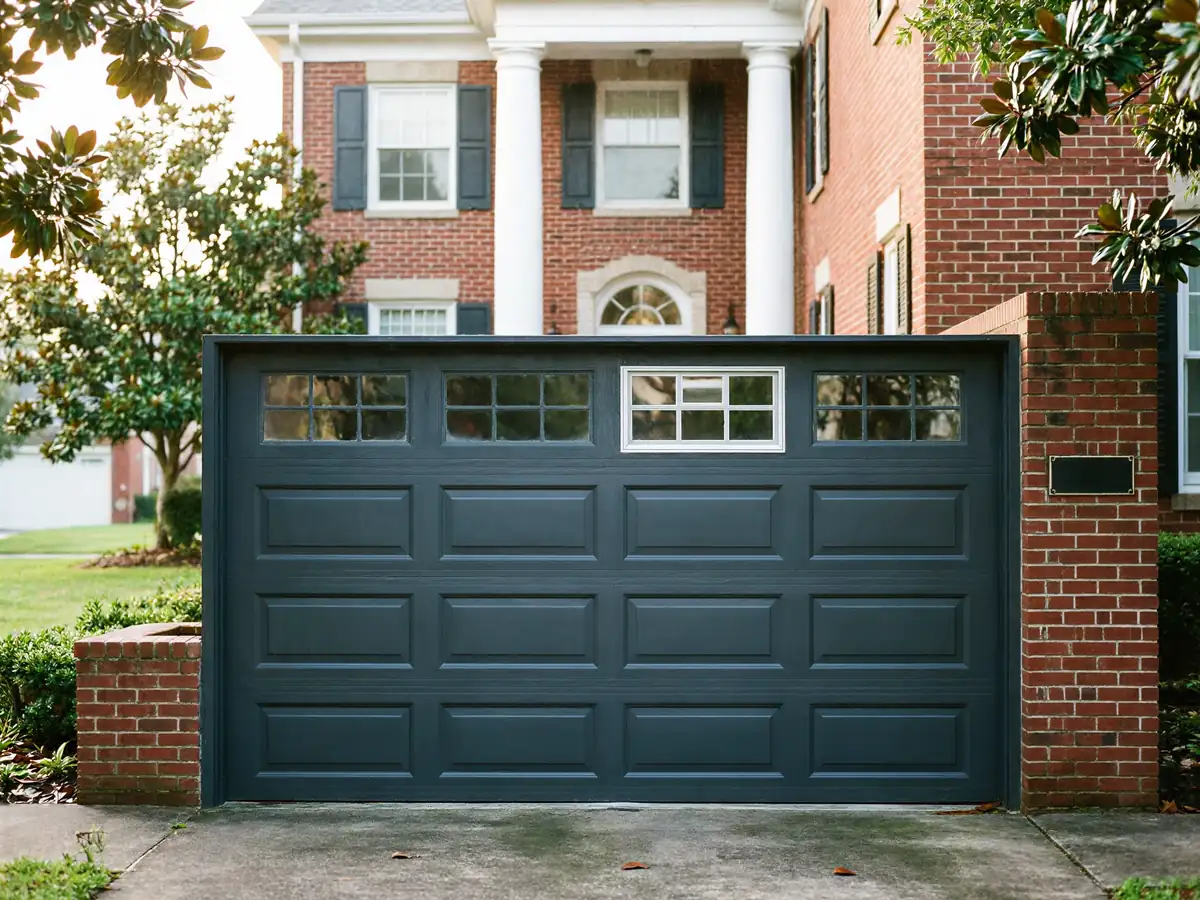
Parts We Carry
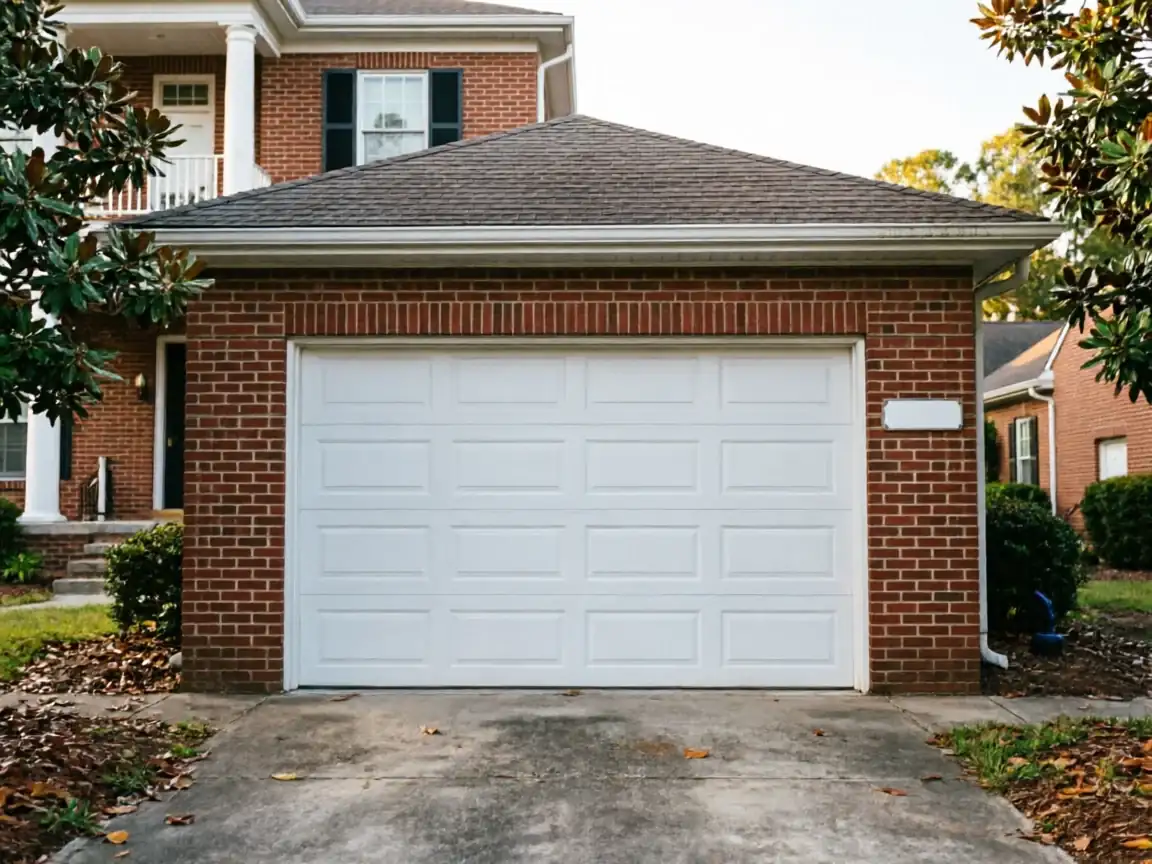
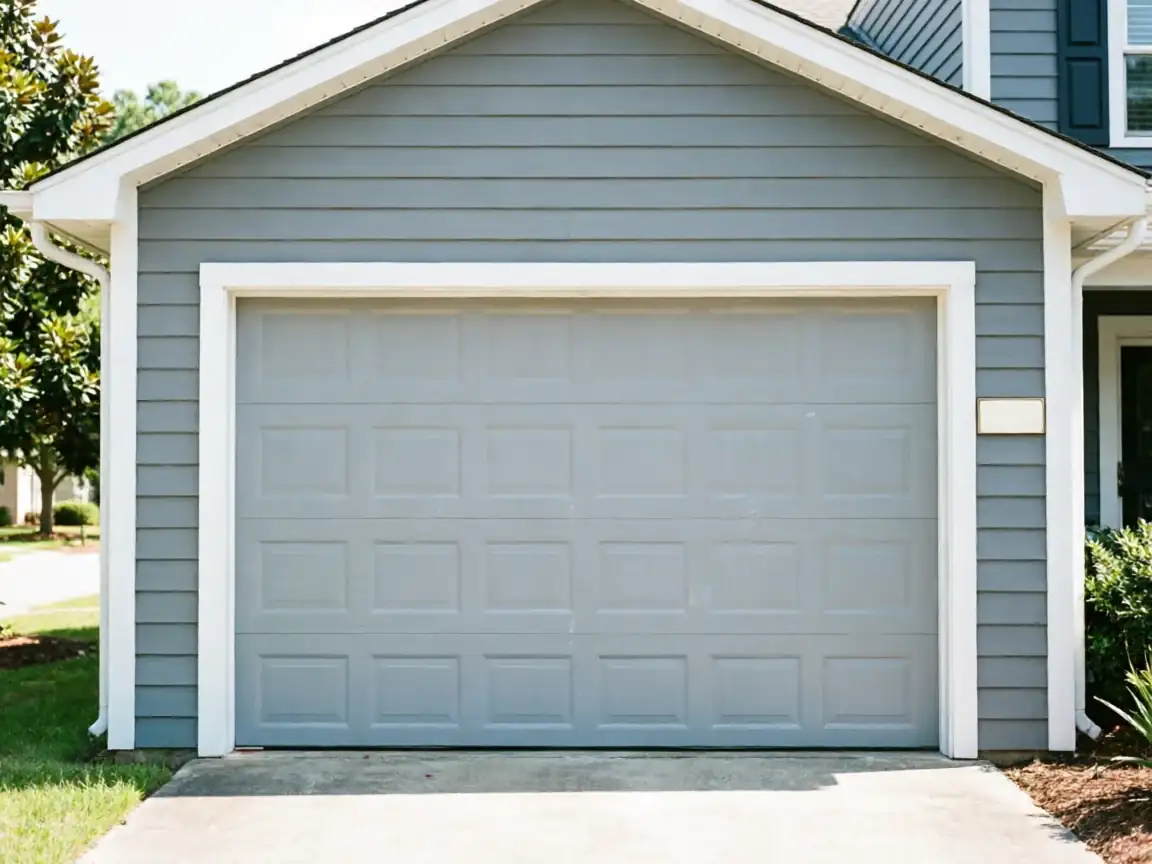
Most houses in Huguley went up around 1977, which puts them square in the middle of the 1965-1991 run that defines this whole service area. That means a lot of single-layer steel doors - no foam core, no second skin - in the panel widths and raised designs that were standard for a builder-grade two-car garage back then. Some runs are flush steel, some are the shallow raised-panel look, and the ribbing pattern on one run often doesn't match the next even on the same street.
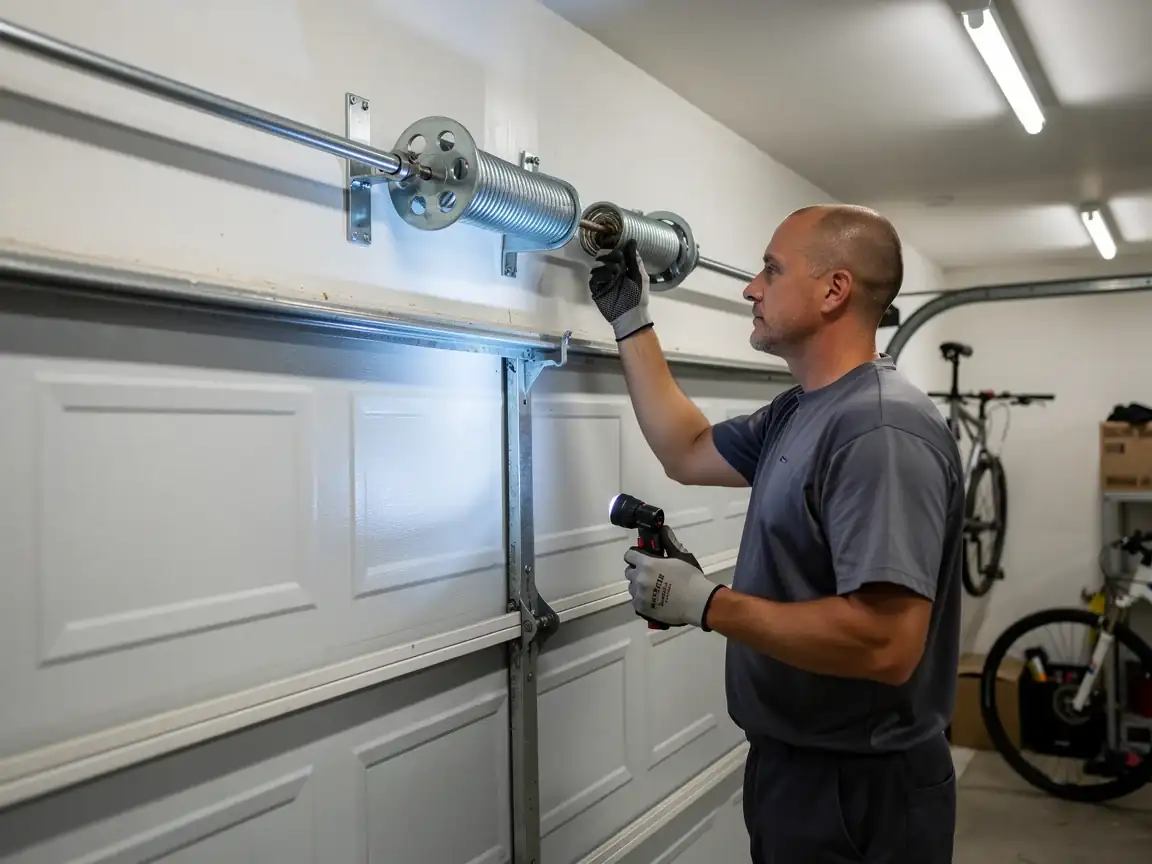
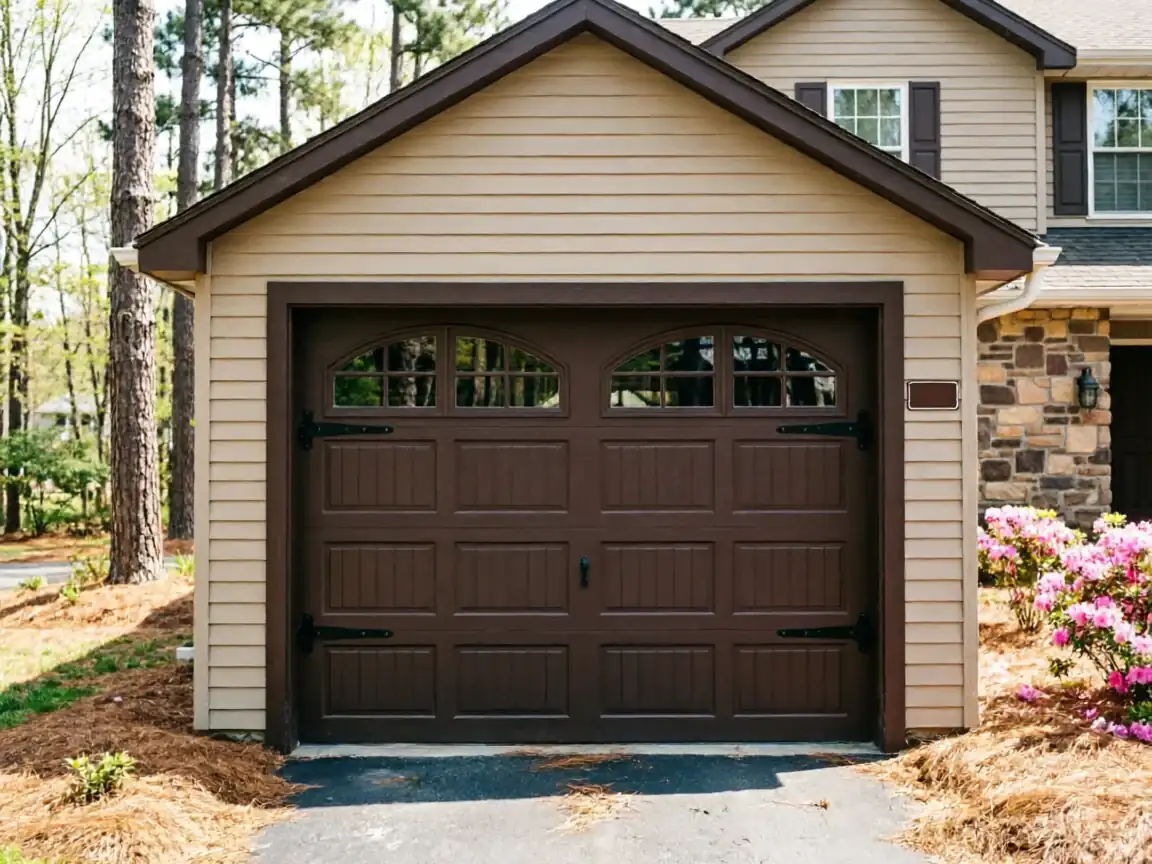
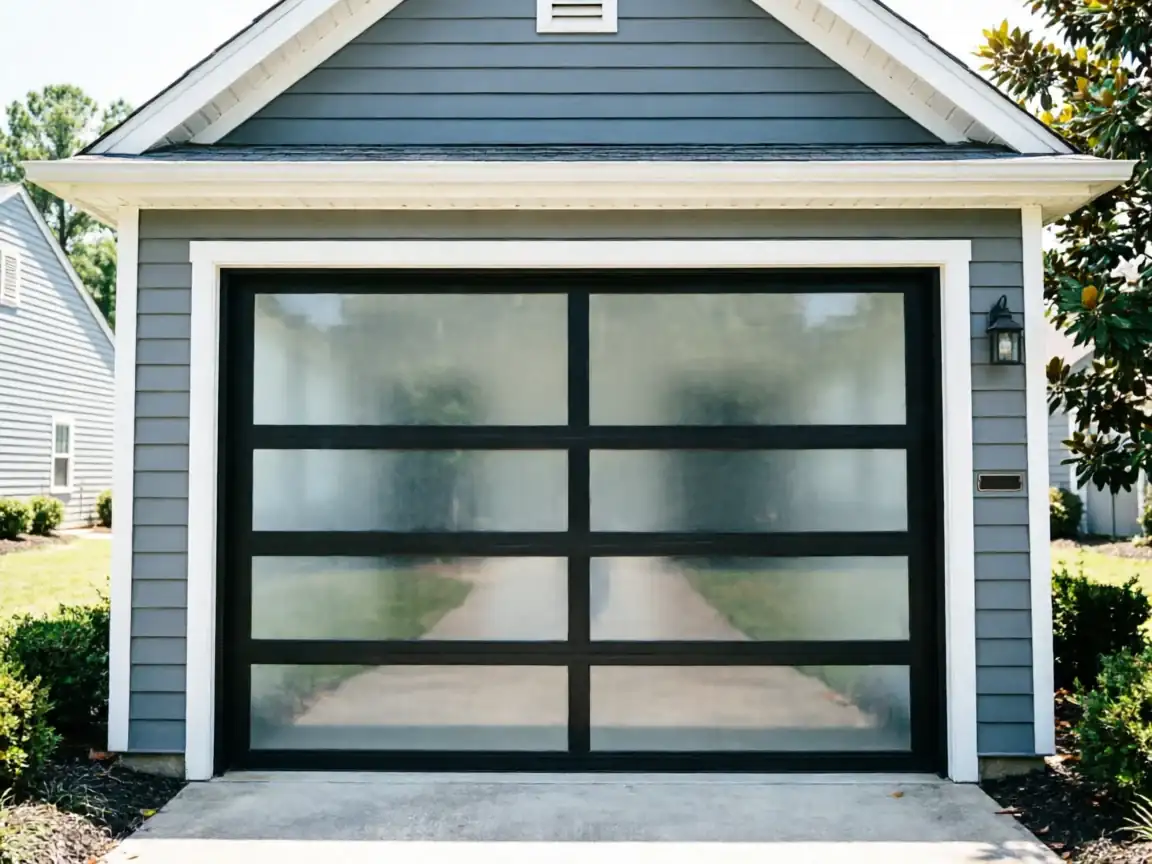
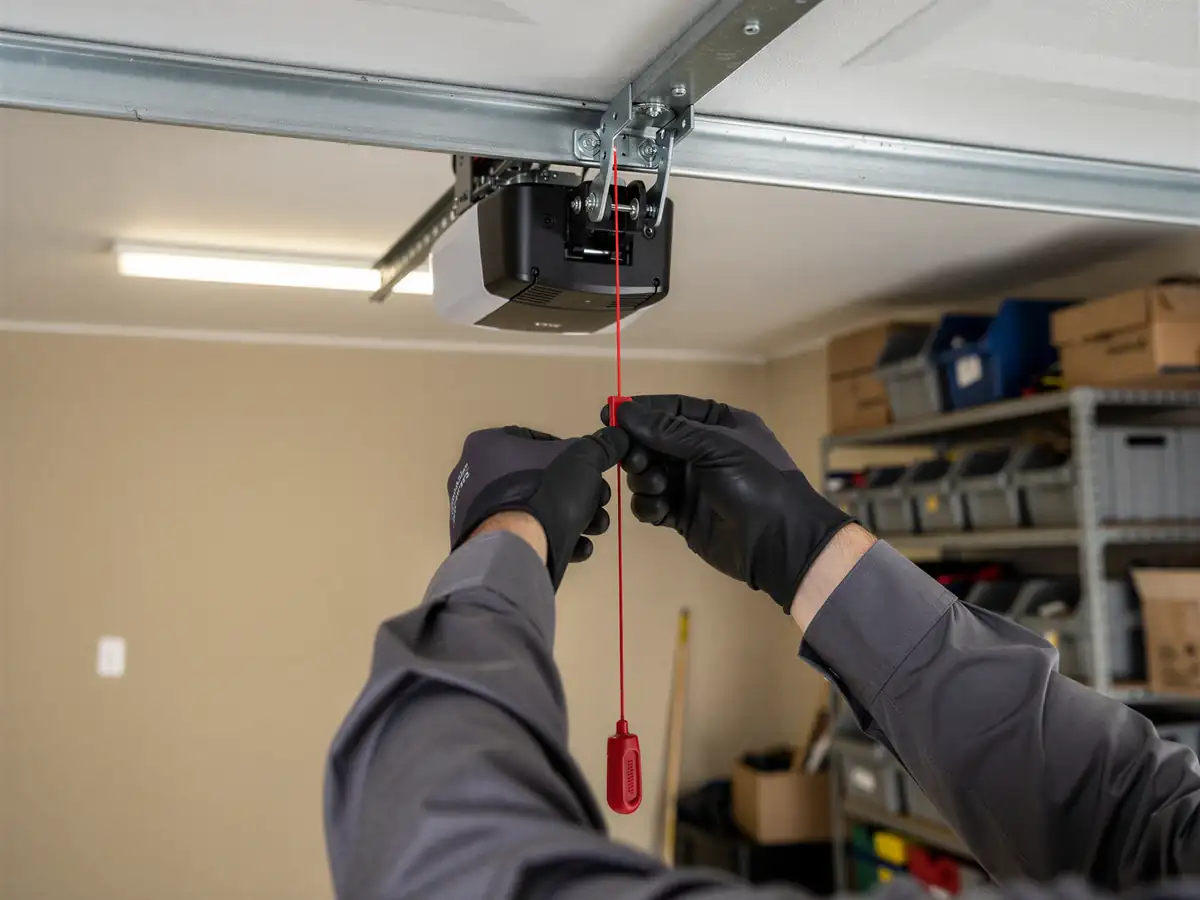
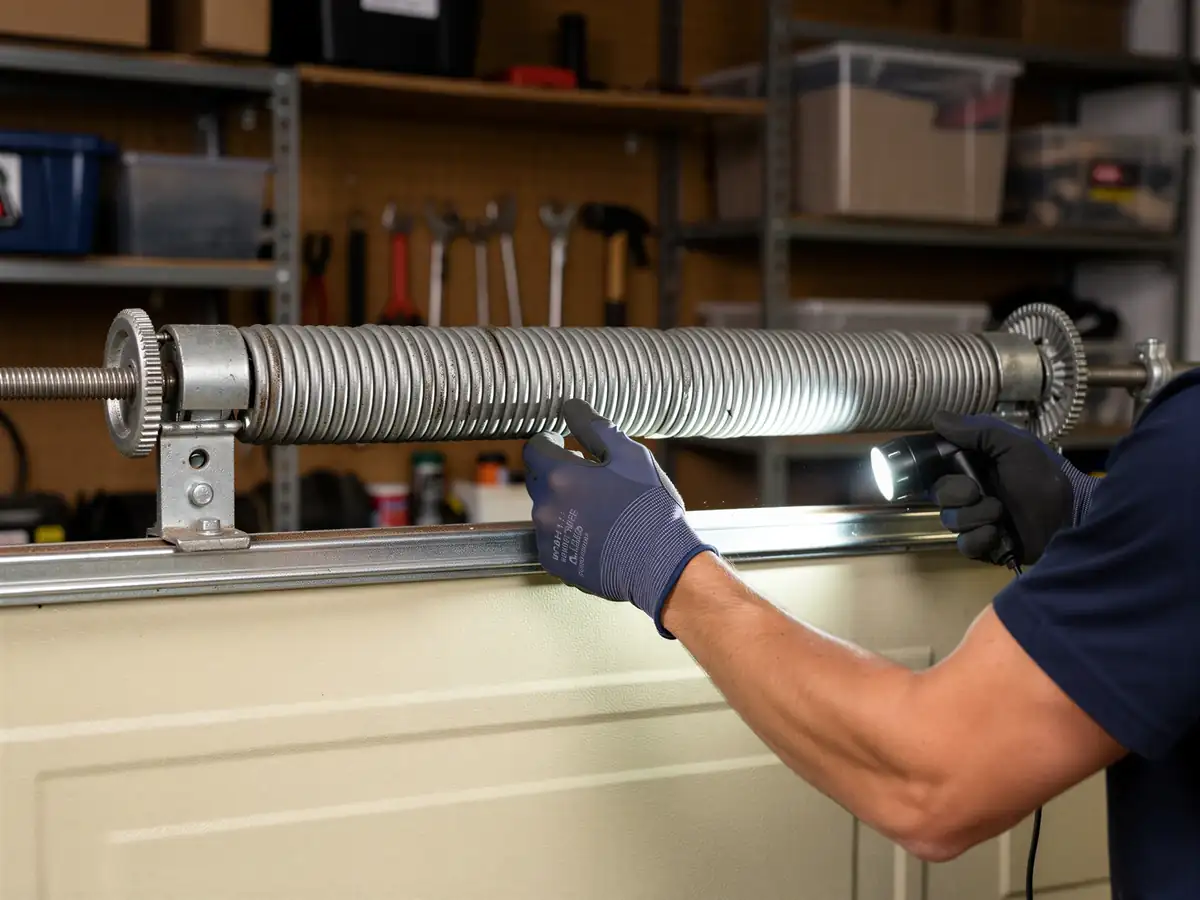
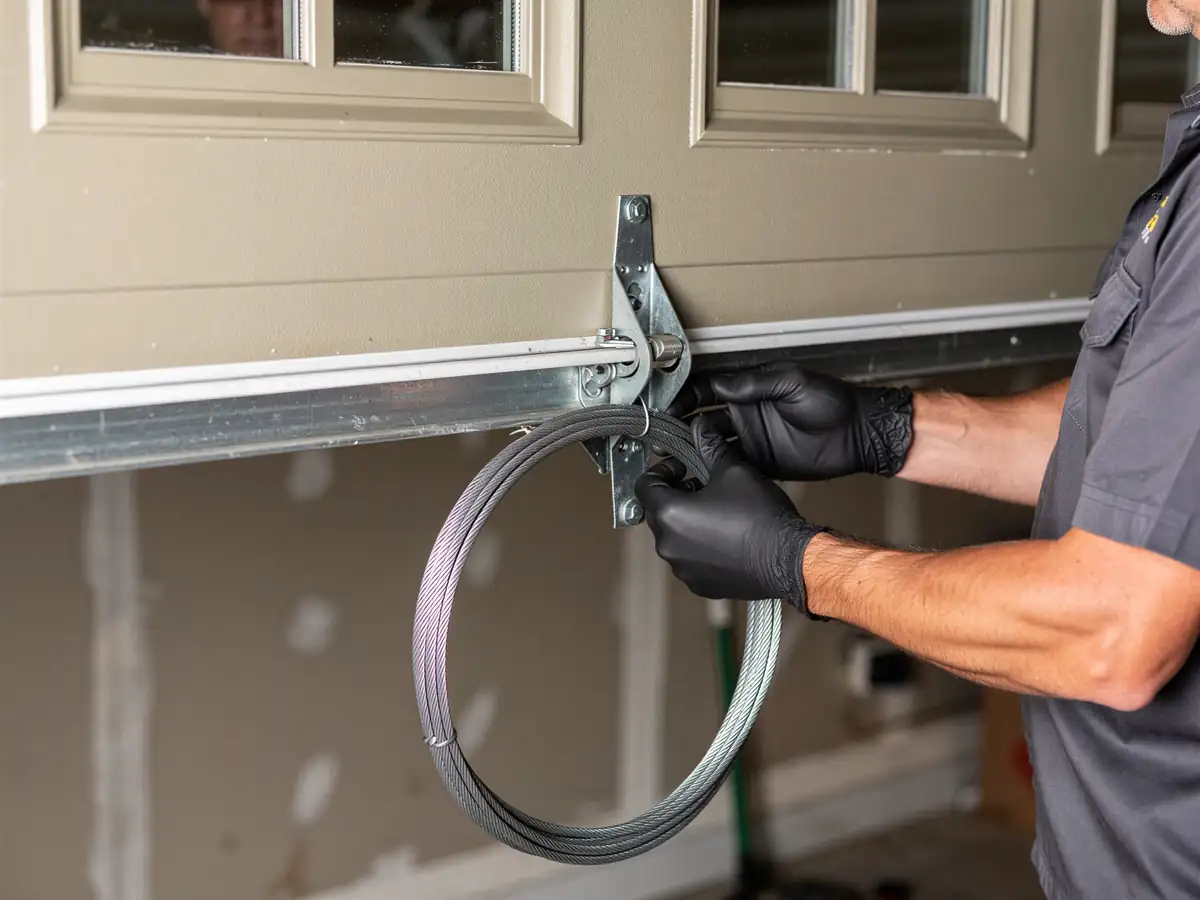
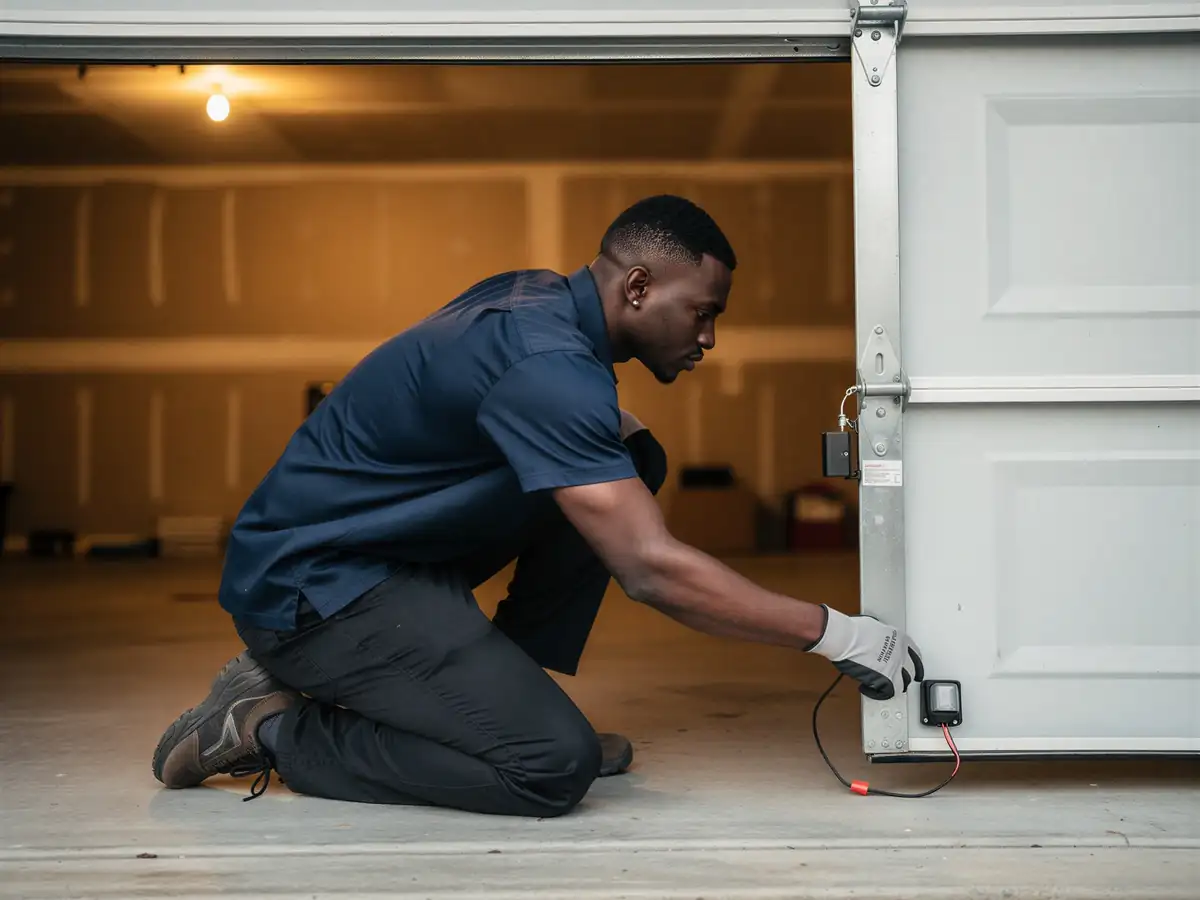
We stock common steel panel sections that fit this era's door widths, plus the end stiles and hinges that wear out on doors this age. What we don't carry on the truck is an exact cosmetic match for every embossing pattern still out there - a lot of these designs were discontinued by the manufacturer years ago. If your door has a pattern we can't match section-for-section, we'll tell you straight and give you the option of replacing the full door instead of chasing a mismatched panel.
We also carry hardware for the plain steel sectional sizes that were standard through the late 1970s and into the 1980s, since that's most of what we see out this way.
Can You Do This Yourself
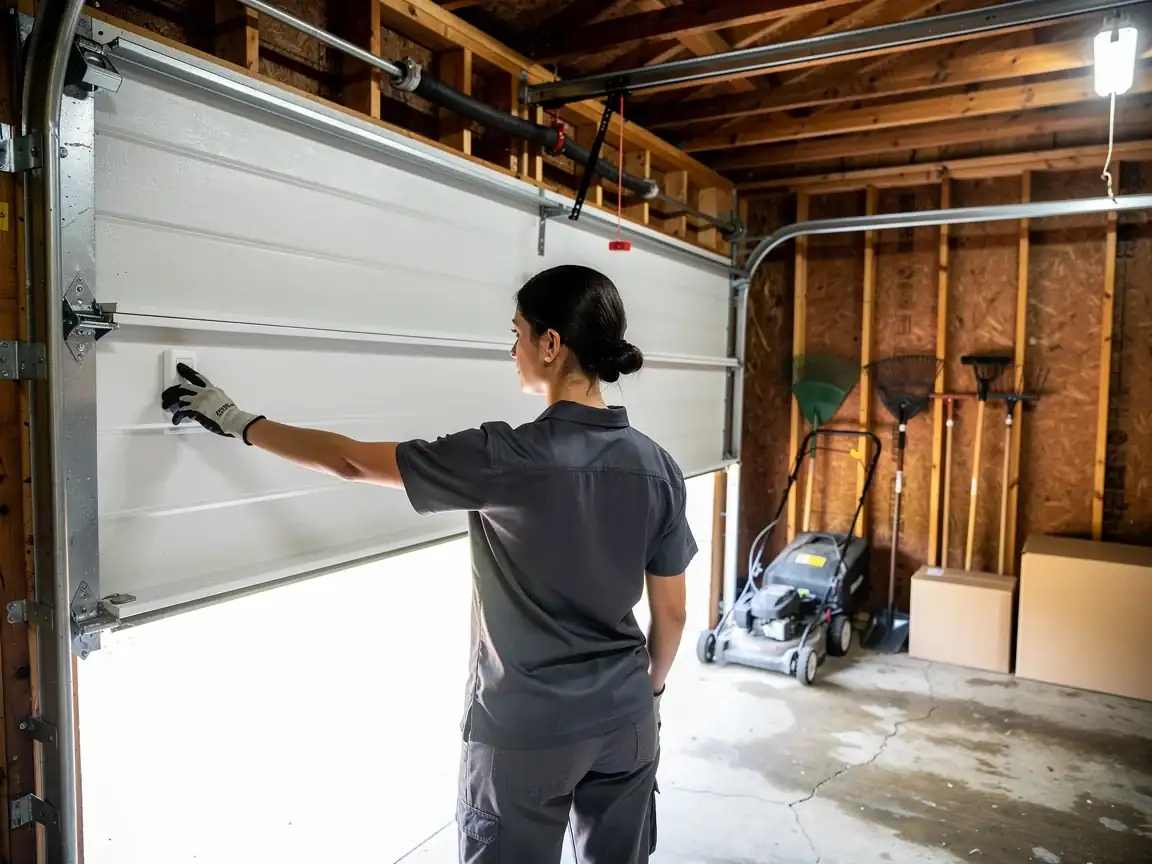
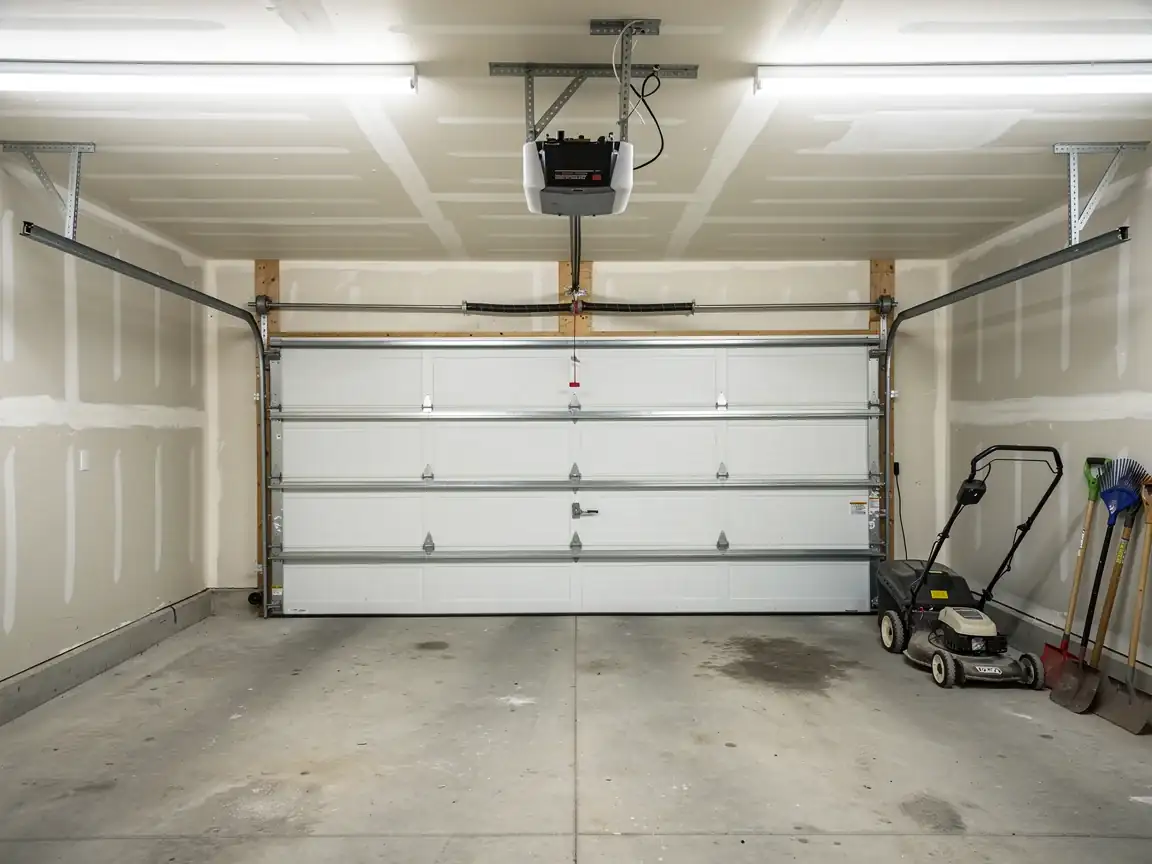
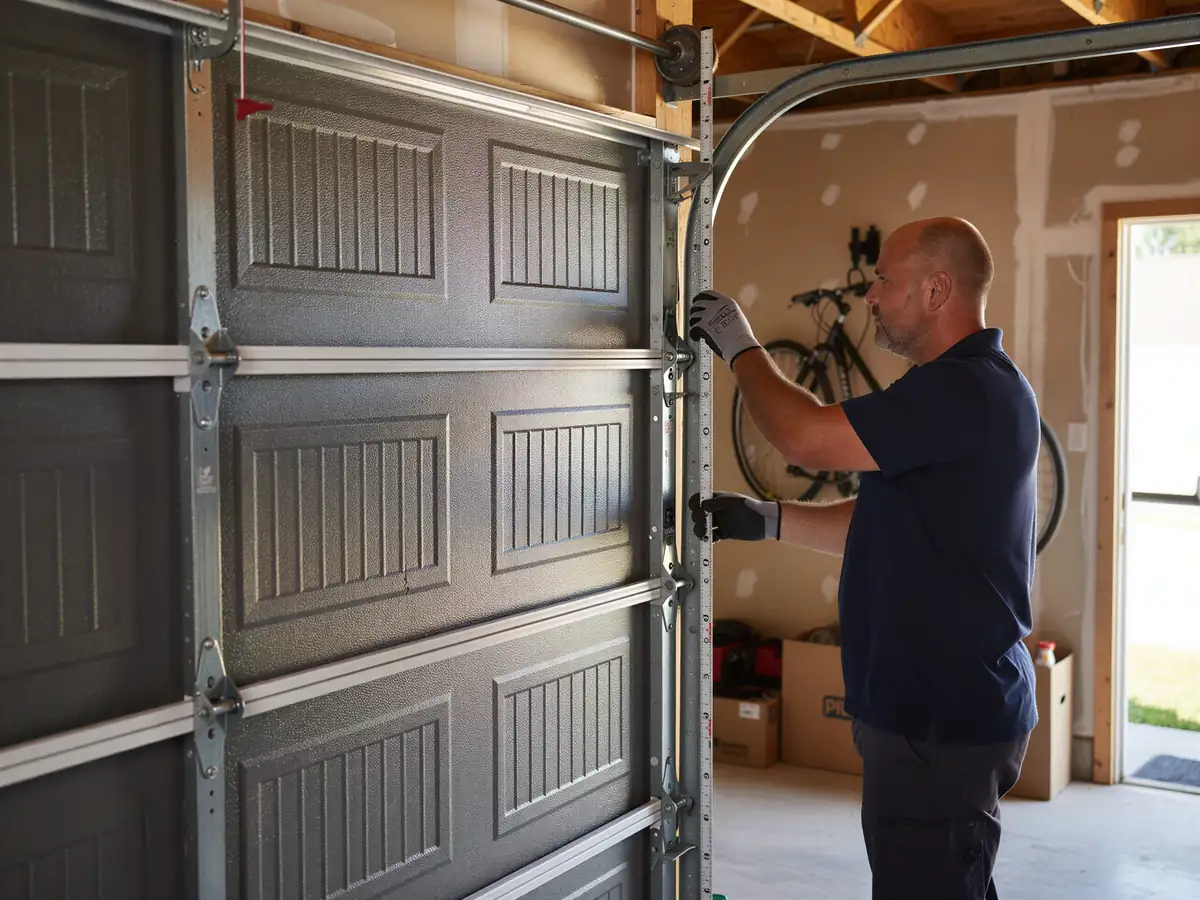
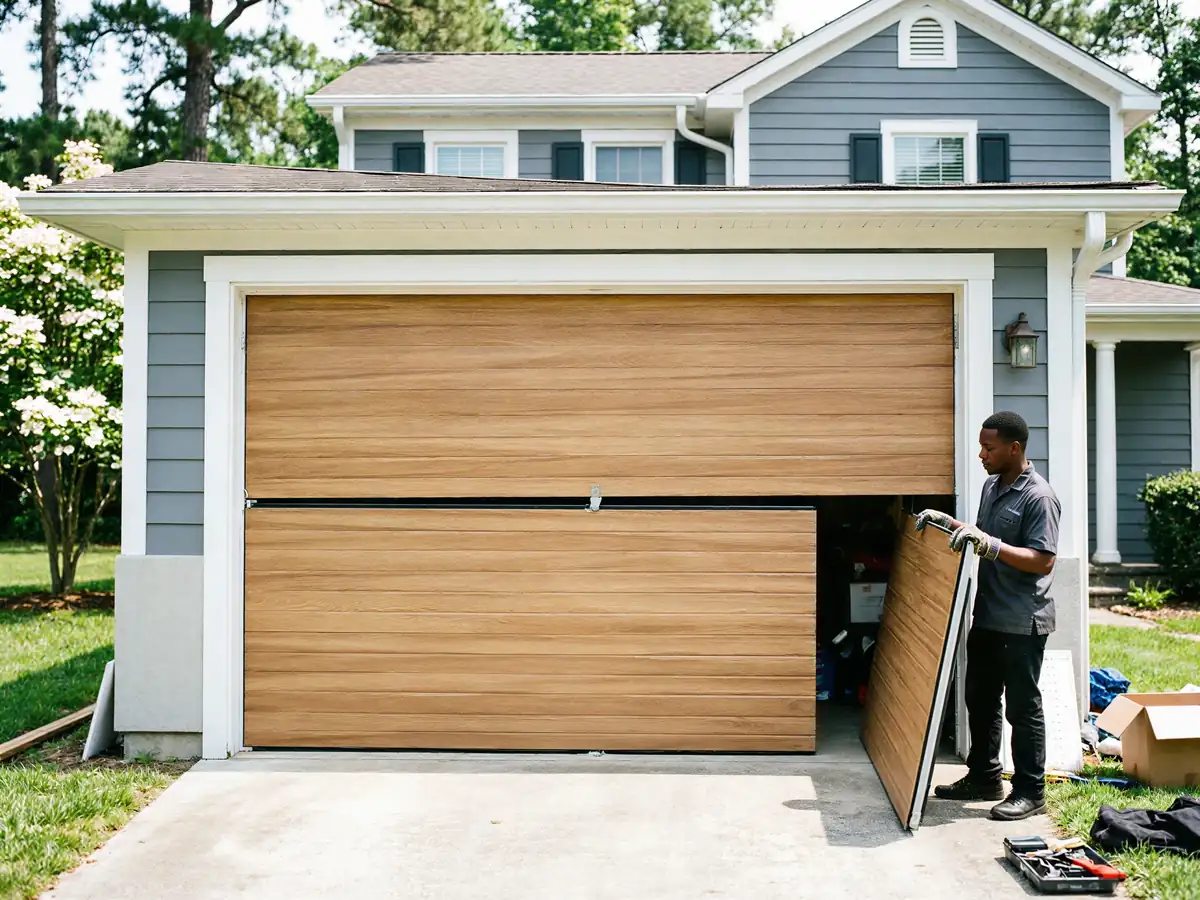
A single dented panel on a steel sectional door is a reasonable DIY job if the door is otherwise sound - the track is straight, the rollers turn free, and the spring isn't the one that failed. You unbolt the end hinges, slide the old section out, slide the new one in, and rehang. Most people can do this with basic hand tools in an afternoon.
Where it stops being a weekend job: if the door is original to a house built around 1977, the panel dimensions may not match anything sold today, which means you're hunting for a used or reclaimed section rather than ordering new. And if the dent has racked the frame of the section - not just dished the steel - a replacement panel won't sit flush no matter how carefully you fit it.
We won't talk you out of doing it yourself if the job is straightforward. What we will say is don't force a panel that's close but not exact - a door that doesn't sit true in the track puts load on the opener and the cables that it wasn't built for.
What Causes It Around Here
Huguley sits in a mild climate band with occasional freeze
So you're not dealing with the kind of deep freeze-thaw cycling that cracks concrete footings or warps wood doors elsewhere. The damage we see on panels out here is almost always mechanical, not weather: a bumper tap from a car, a basketball, a trailer hitch backed in wrong, or a panel that's simply thinned out from forty-plus years of steel fatigue at the hinge points.
On doors built in the 1960s and 70s mold
Which covers most of what's standing in Huguley and the rest of this service area - the steel gauge is thinner than what's used today, so a dent that a modern door would shrug off can crease an original panel enough that it binds in the track. That's the failure pattern we're called out for most: not a dramatic break, just a section that's slowly stopped tracking straight.
Getting It Booked In
We run out of Opelika, about 15 miles from Huguley, so there's no local branch here - we schedule the drive as part of the job, not as an add-on. Tell us the door's rough age and whether it's a full two-car or a single bay, and if you can get a photo of the section that's damaged, that helps us bring the right panel stock on the truck the first trip instead of a second one to measure.
If the panel we need isn't something we carry because the pattern's been discontinued, we'll say so up front rather than stall the job trying to force a part that doesn't exist anymore. In that case the honest option is usually a full door swap, priced out before we start, not a patch job that won't hold.