What Causes It Around Here
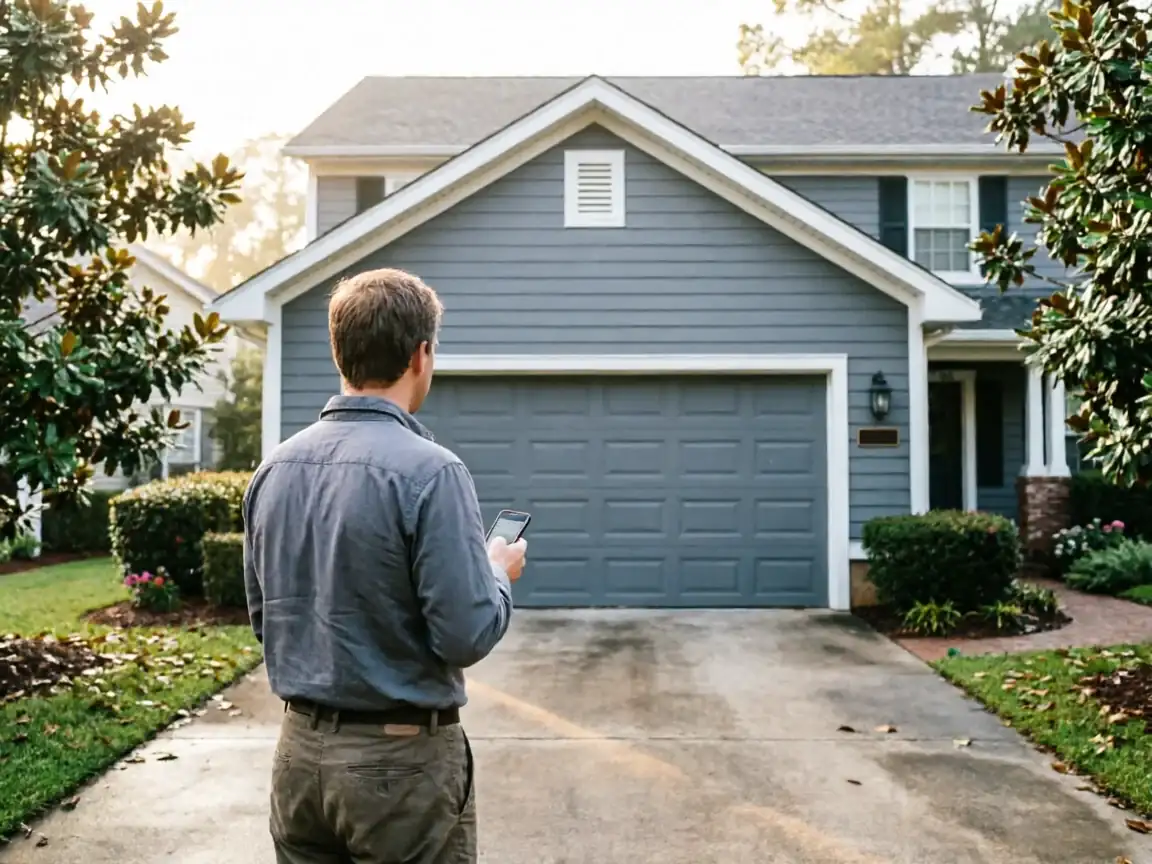
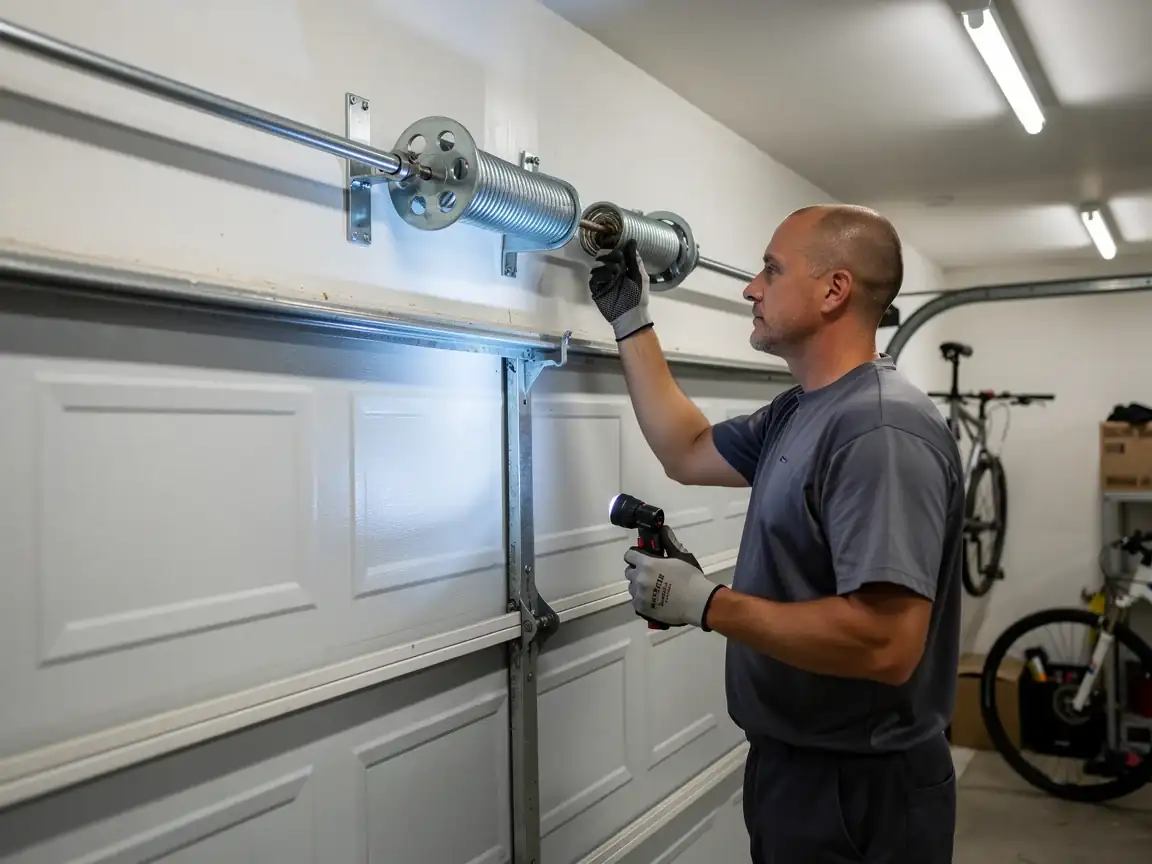
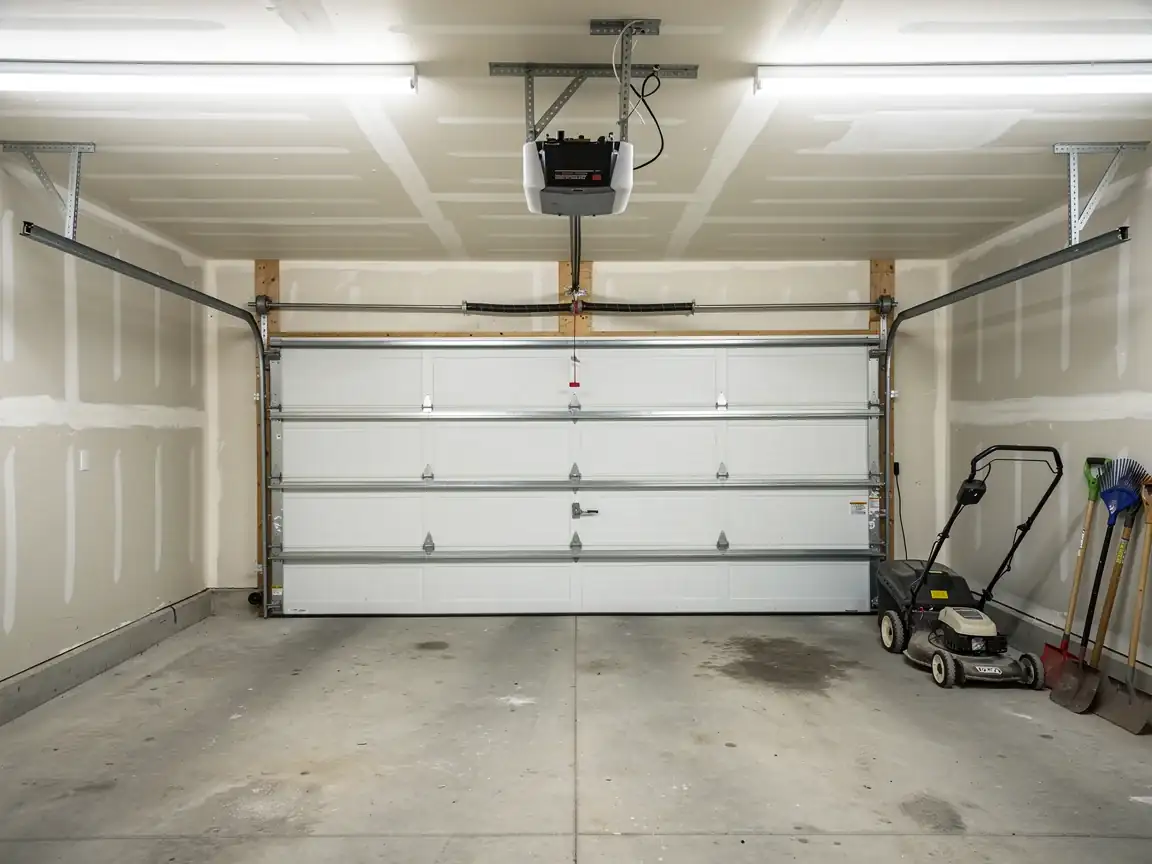
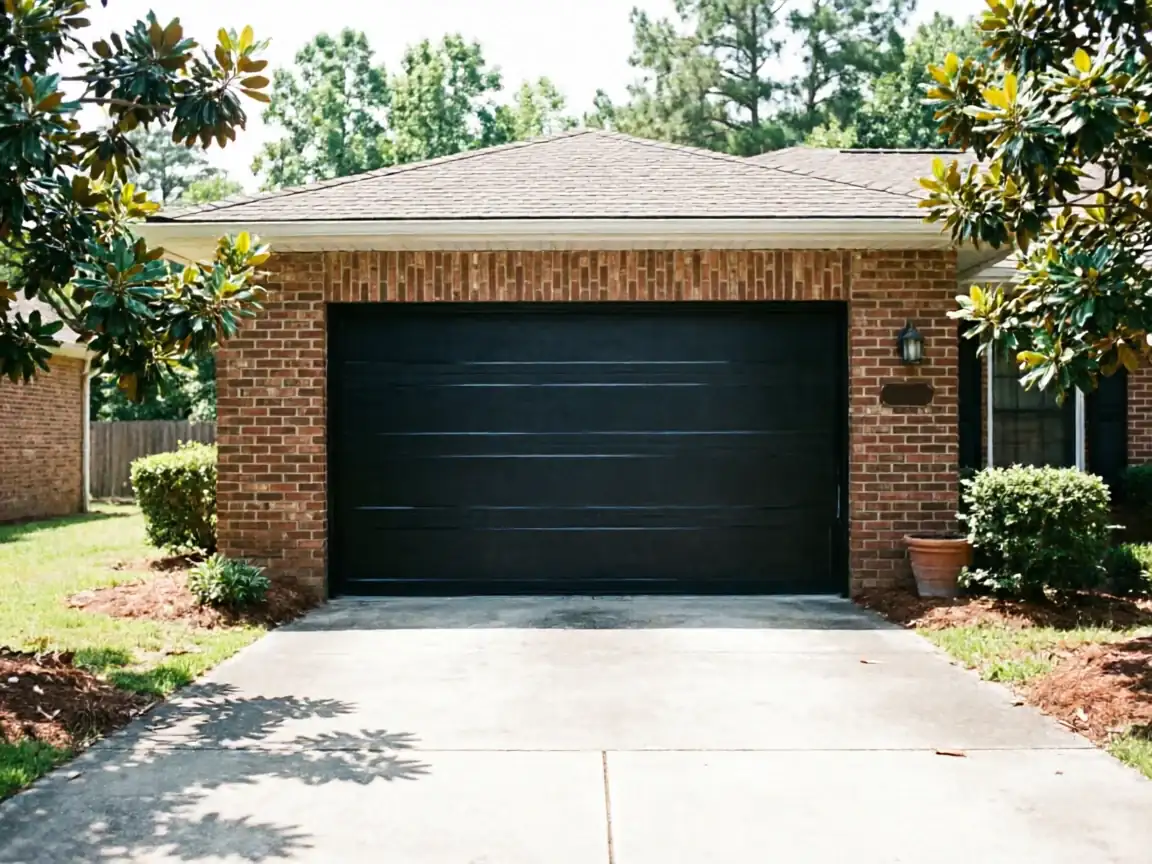
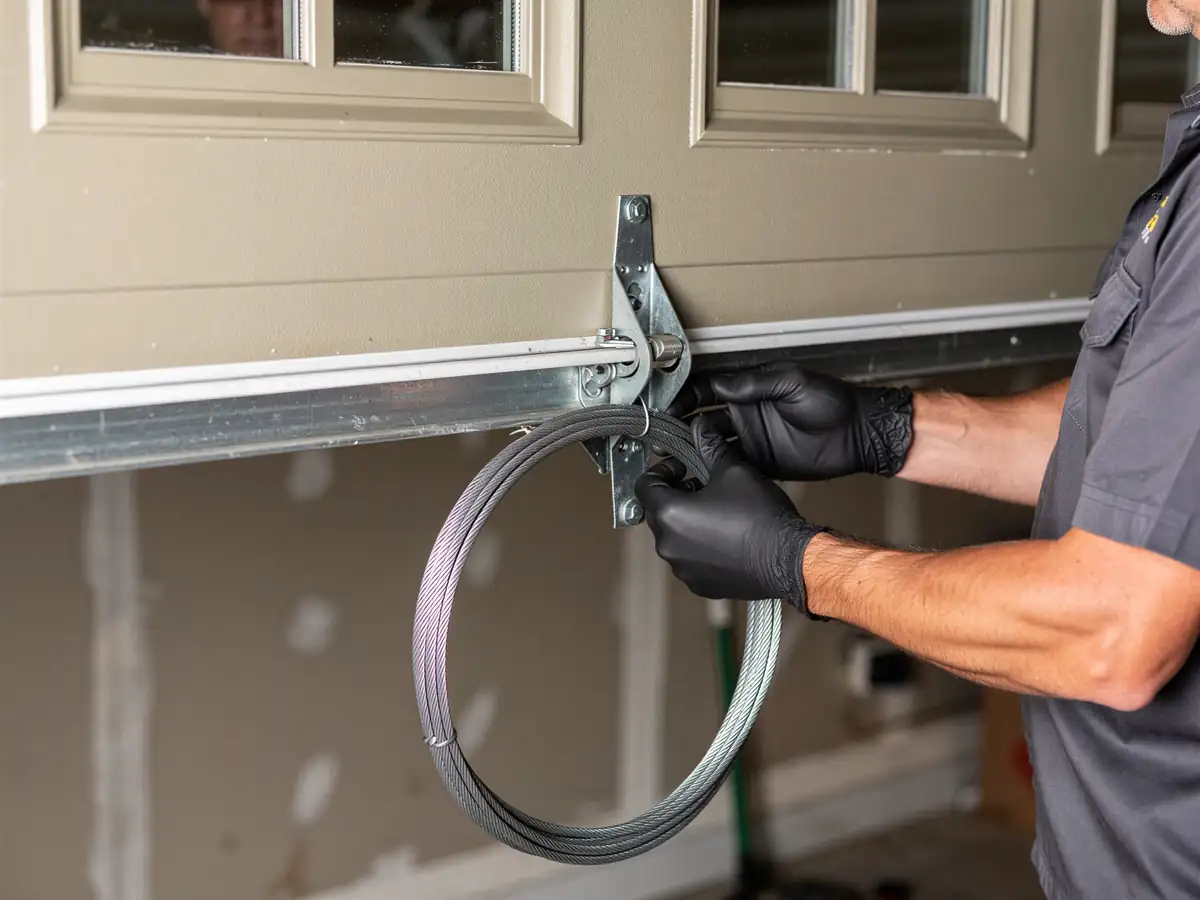
The cable itself rarely fails out of nowhere. In Valley, where the typical house went up around 1979, the problem usually starts with the drum or the spring it's attached to. Doors from that era often ran on extension springs with a cable routed through a pulley at the bottom bracket, and forty-plus years of opening and closing wears a groove into that cable strand by strand until one cold morning it lets go.
Houses built in the mid-60s through early-90s stretch across this part of the service area, and a lot of them still carry original or close-to-original hardware. Galvanized cable from that period wasn't always rated for the stretch a sagging door puts on it, and once the galvanizing wears through, rust does the rest. The climate here is mild with occasional freezes, so you don't get the ice-jam failures some regions see, but a cold snap still stiffens old lubricant and adds load right when the cable is at its weakest.
If your door is original to a house from that build window, the cable is suspect even if it looks fine from the ground. A frayed strand near the drum is easy to miss until it parts.
Can You Do This Yourself
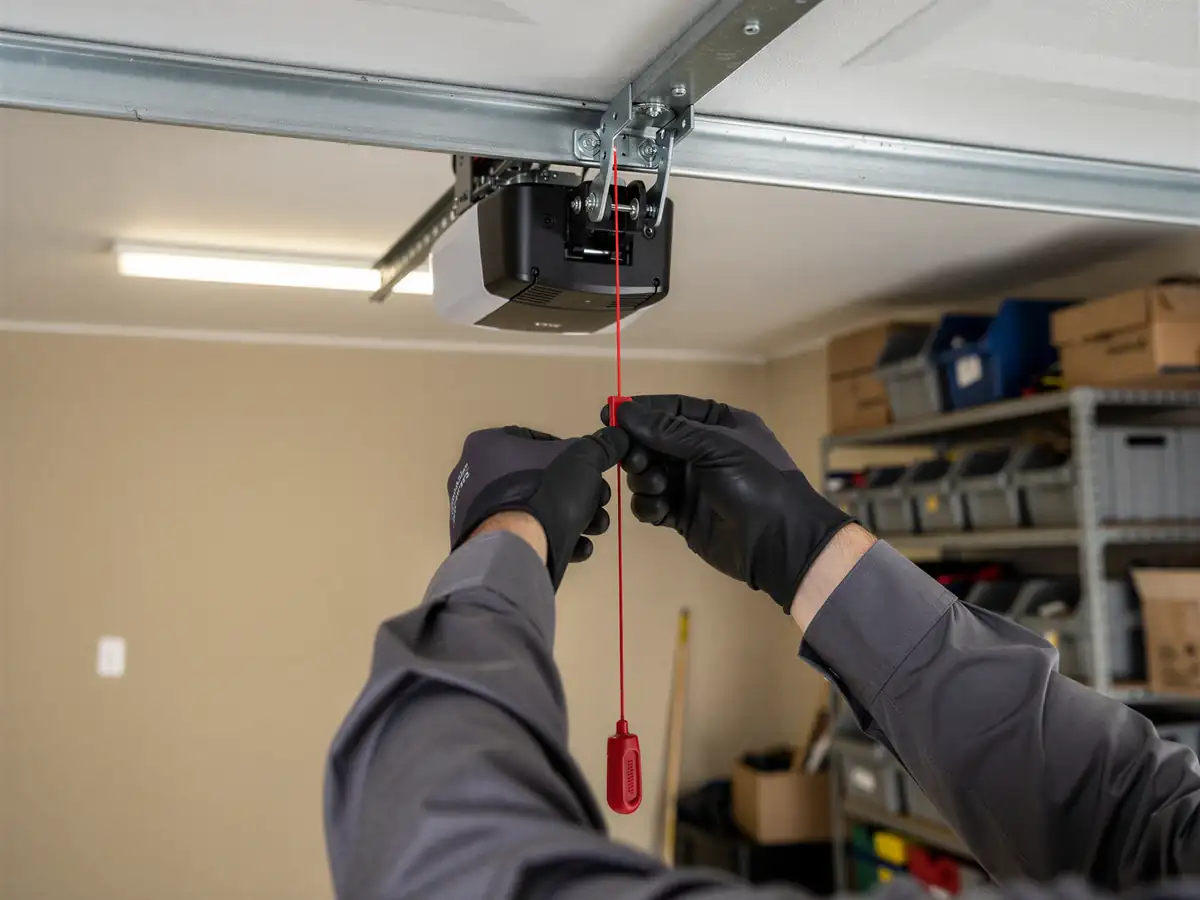
A cable job on a torsion or extension system means working against a spring that's holding real tension - the same tension that'll snap a cable in the first place. That's not a weekend-warrior repair, and we'd rather tell you that up front than sell you a kit.
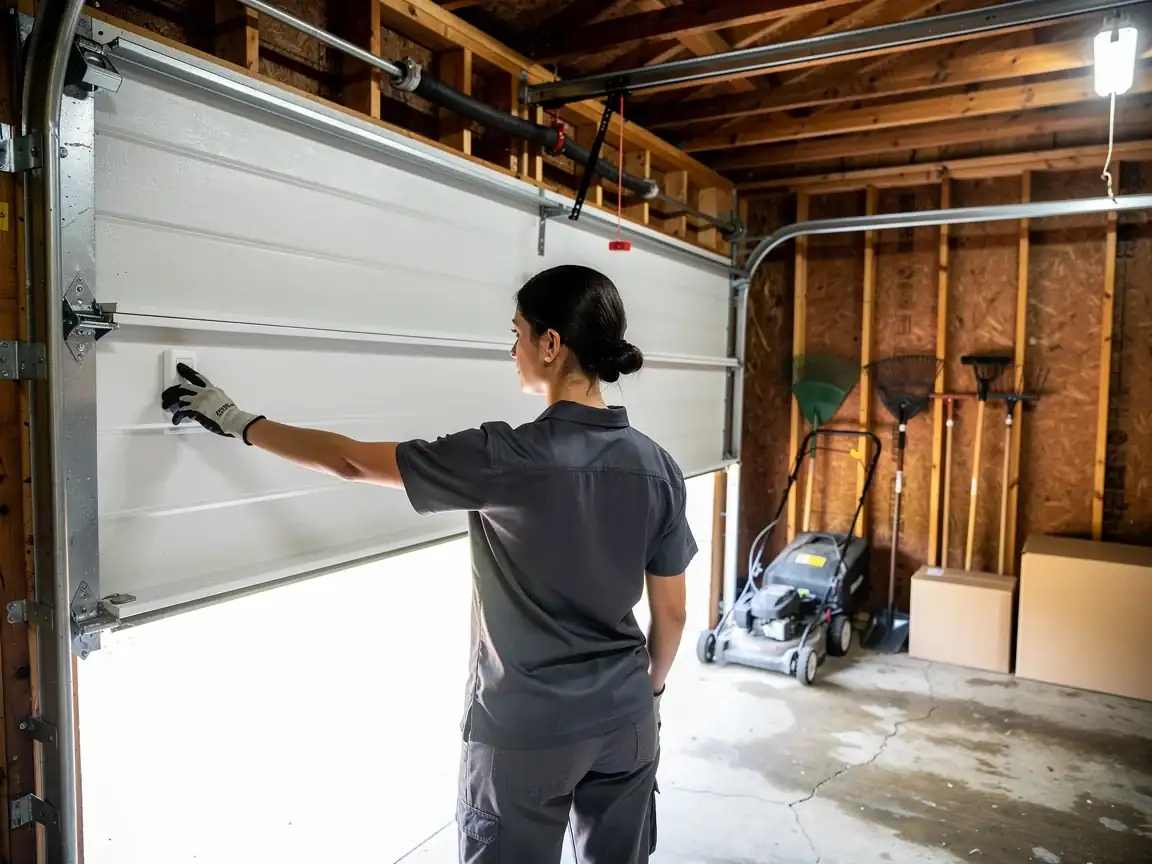
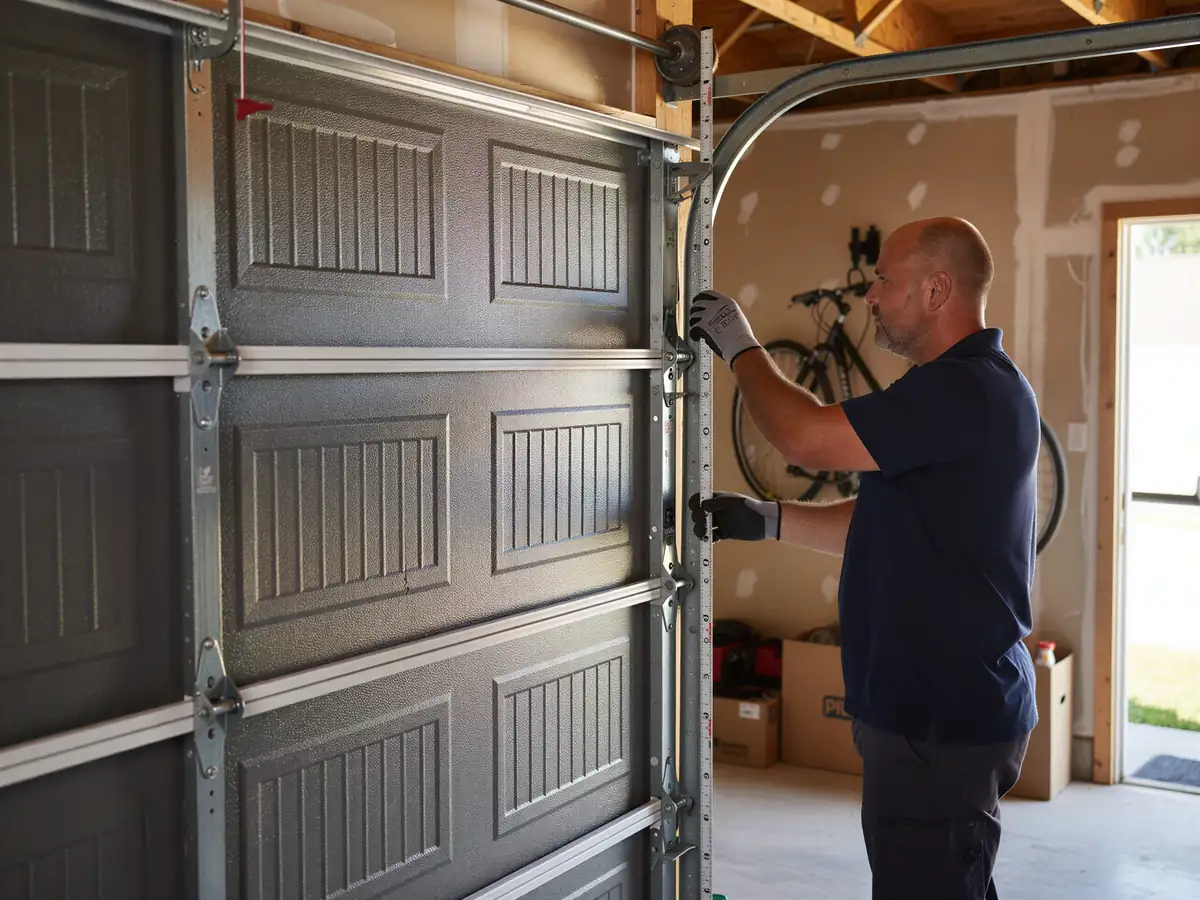
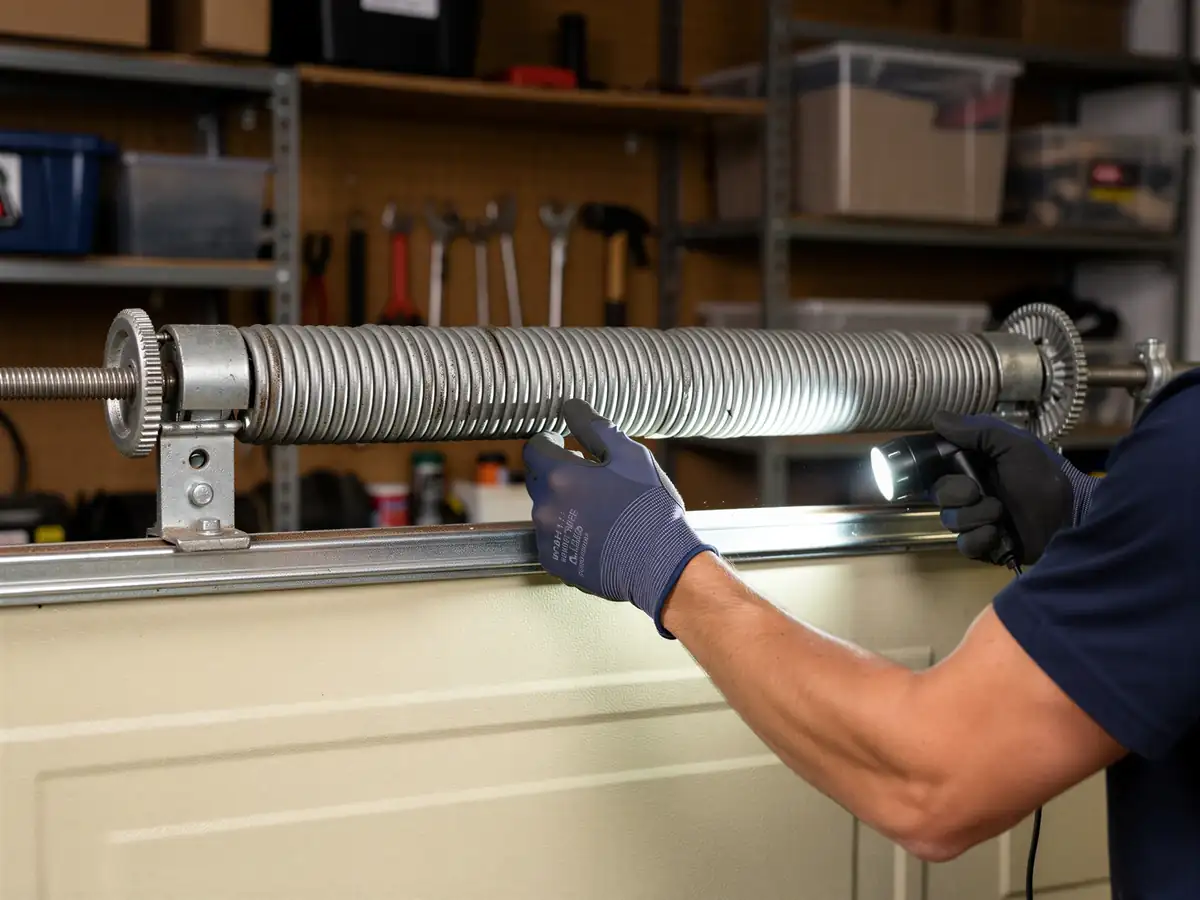
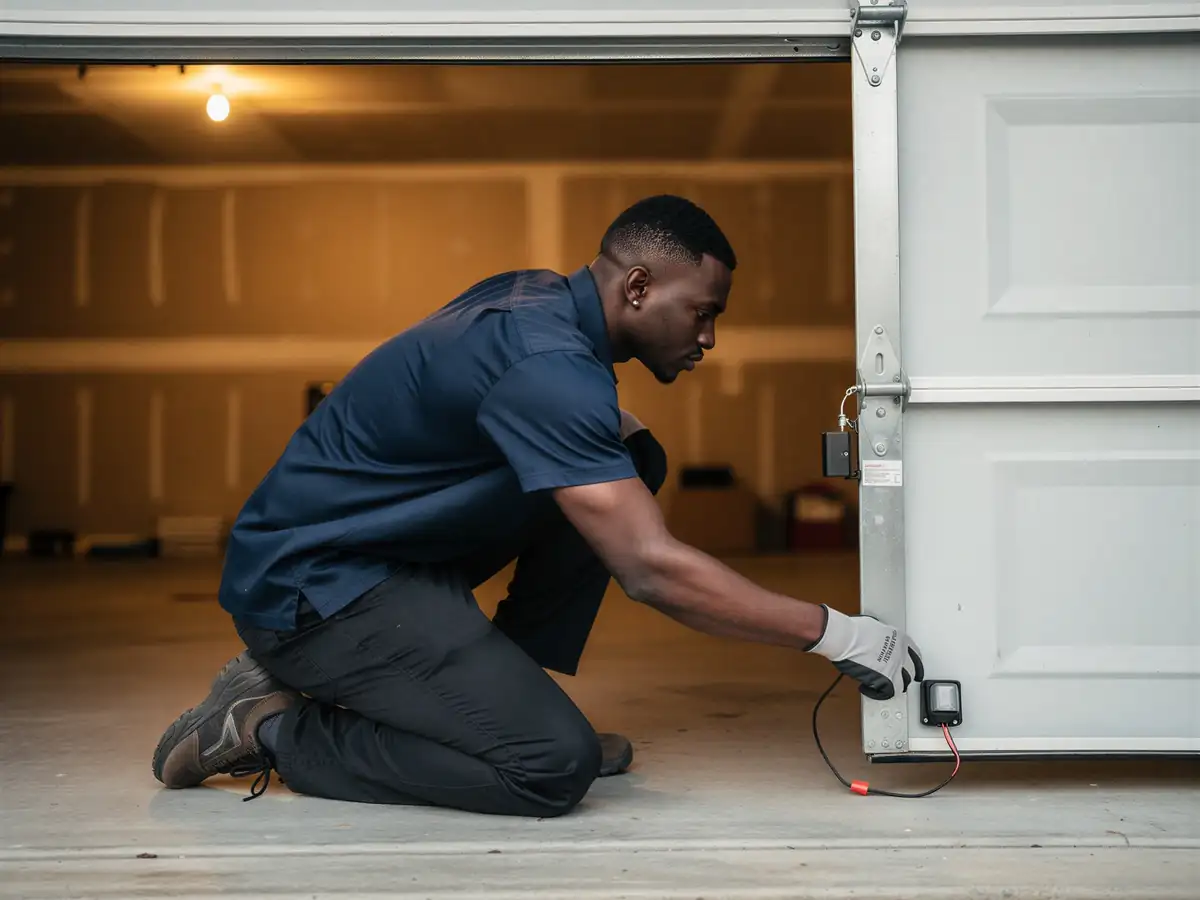
What you can safely check: whether the cable is fraying at the drum, whether the door is hanging crooked on one side (a sign the cable already let go on that side), and whether the bottom bracket is bent. None of that requires touching the spring. If you see any of it, stop using the opener - running a door on one good cable twists the track and turns a cable job into a track and roller job.
We don't recommend DIY cable replacement on a wound spring system. The risk of injury is real, and a door that drops while you're under it doesn't give you a second chance. Call it in.
The Symptom
Most calls start the same way
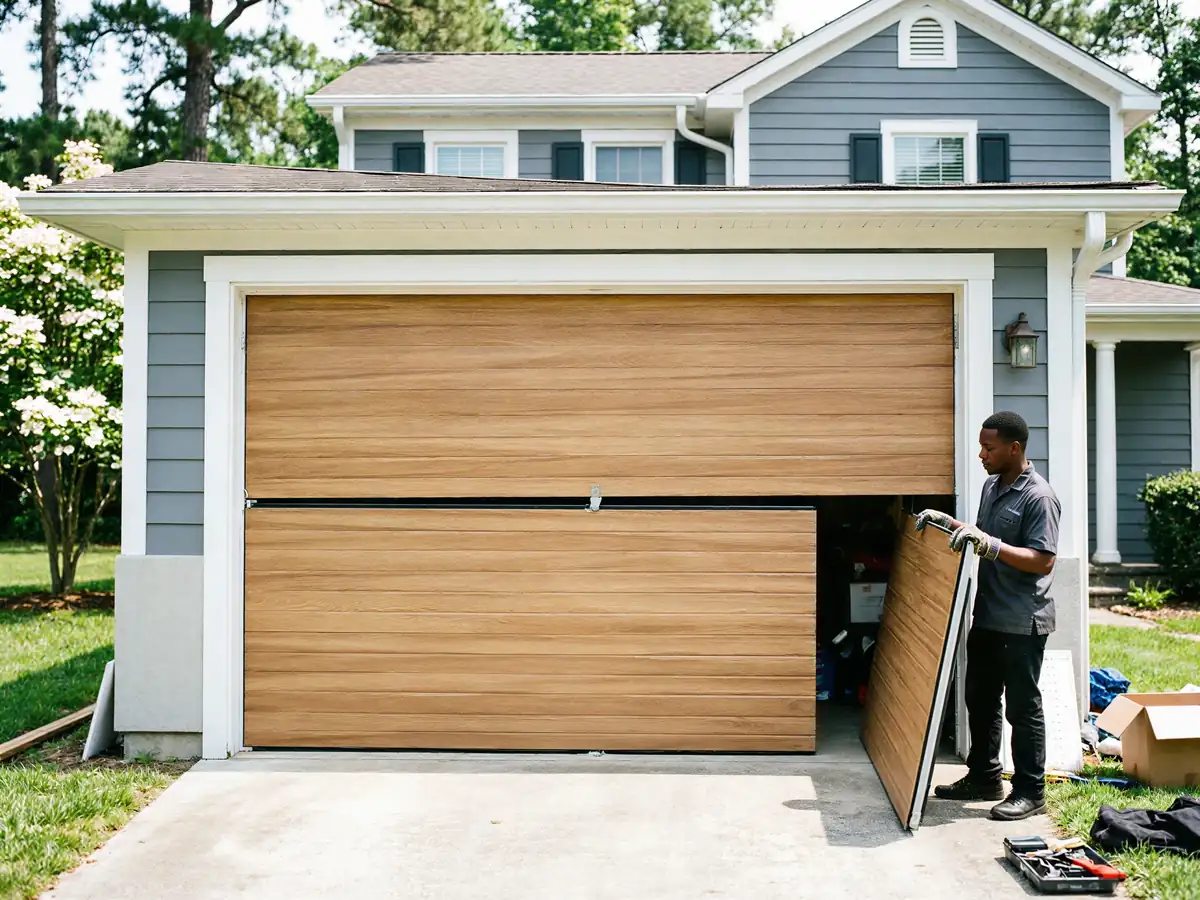
The door went up fine yesterday, and today one side is hanging low, or it won't move at all, or it came down harder and faster than it should have. Sometimes there's a loud bang first - that's usually the cable parting at the drum, not the spring itself.
On the older stock common around Valley, you'll sometimes see the cable has simply unwound off the drum without snapping
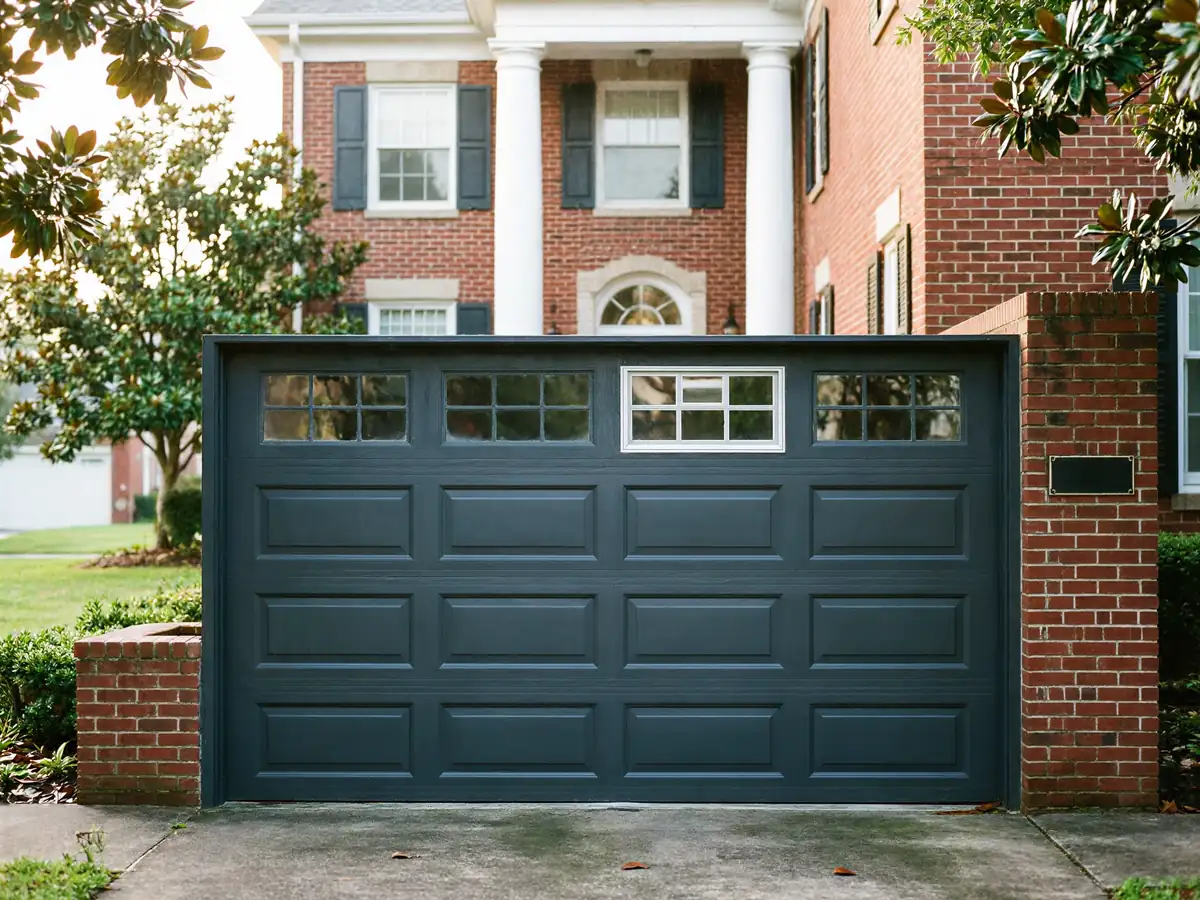
Which can look like total failure but is actually a faster fix. A door that's tilted at an angle in the opening, with one cable visibly loose or hanging, is the clearest sign - don't force the opener to try to close it level.
Where This Job Goes Sideways
A cable job gets complicated when the drum underneath it is also worn - on doors old enough to be original to a 1970s build, that's common, and swapping just the cable onto a grooved-out drum means you're back here within a year. We check the drum and the spring at the same visit so we're not replacing the same part twice.
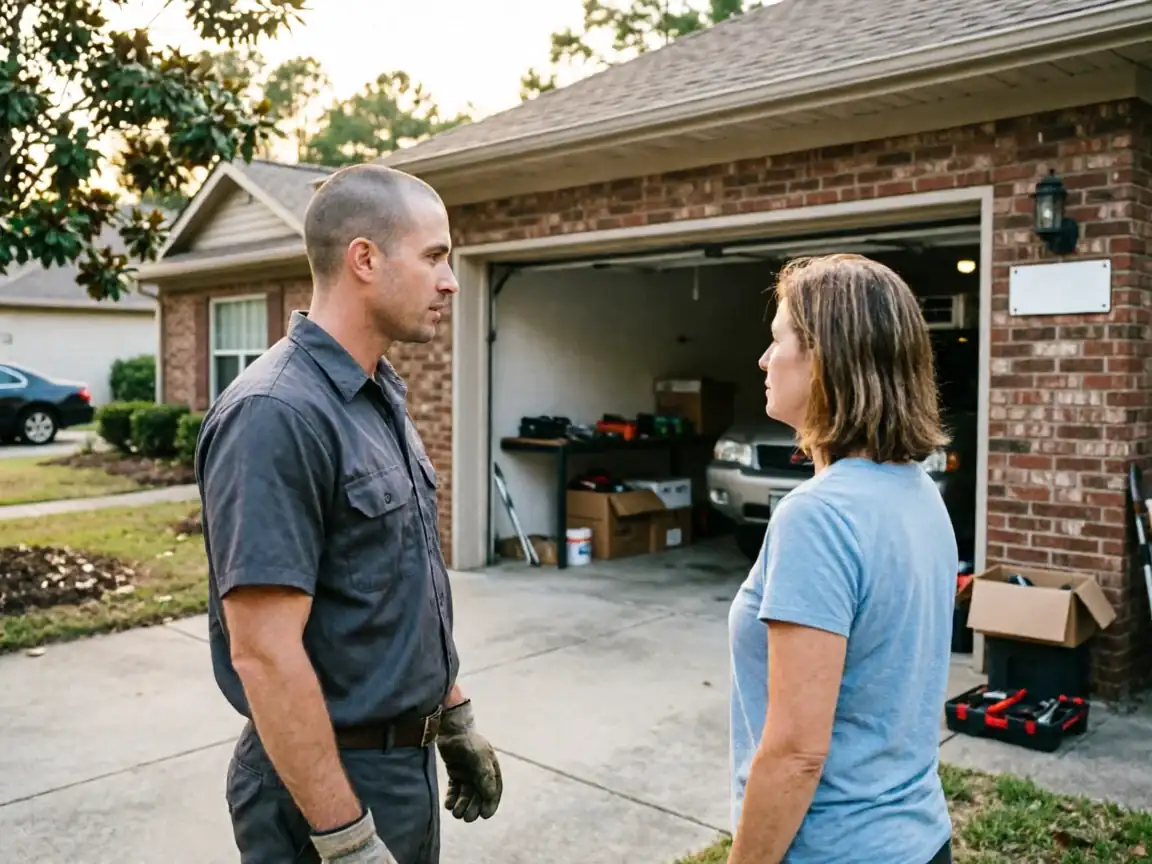
It also goes sideways when the track has already bent from the door hanging crooked too long. At that point it's not a cable call anymore, it's a track and possibly panel call, and we'll tell you that honestly rather than patch a cable and leave the real problem. We travel the 14 miles from Opelika for this work; we don't keep a standing stock of every drum size, so if yours is an odd or discontinued size, there can be a short wait on the part.