What Causes It Around Here
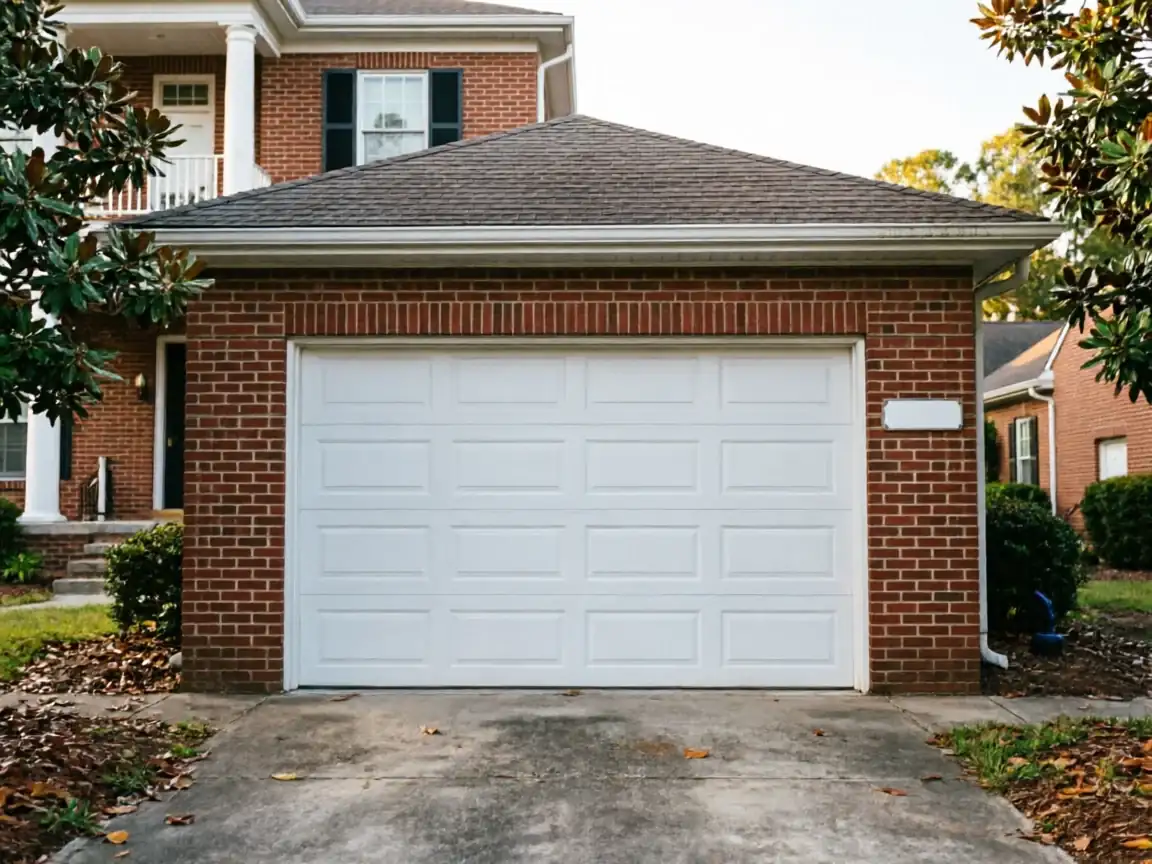
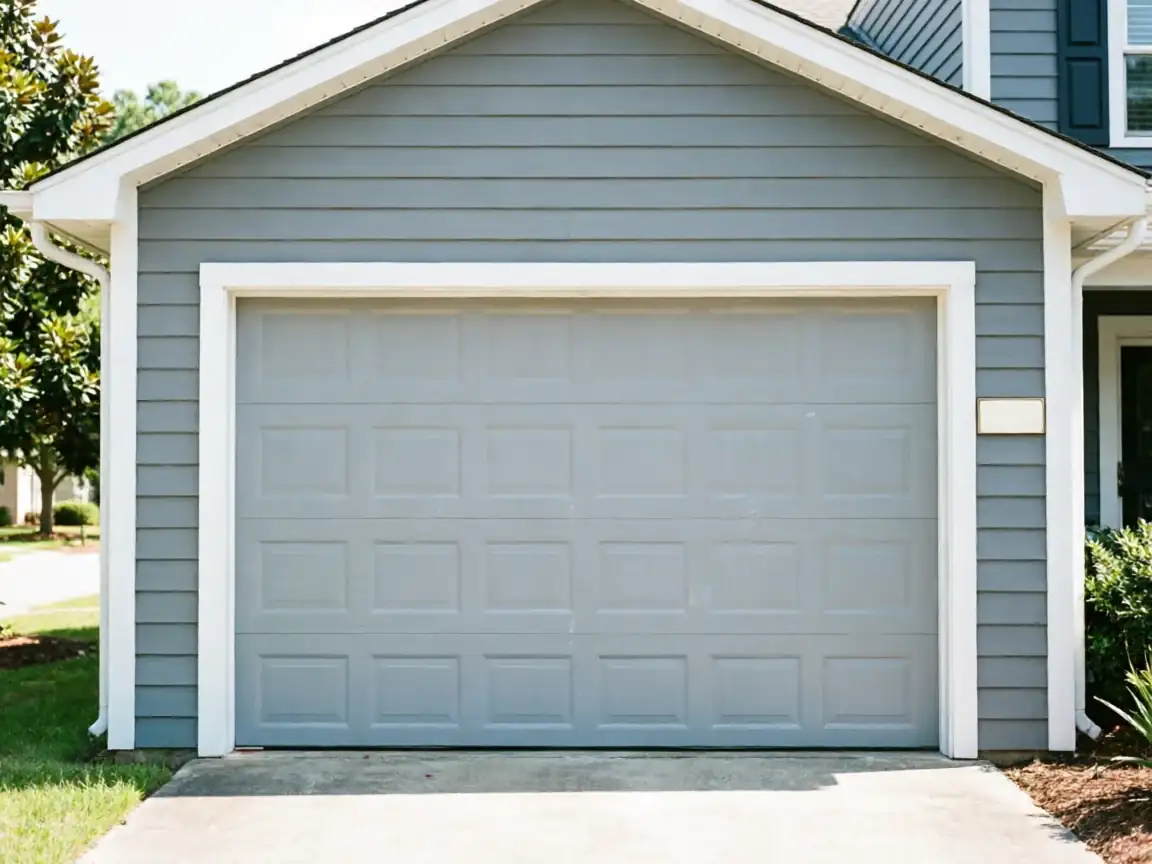
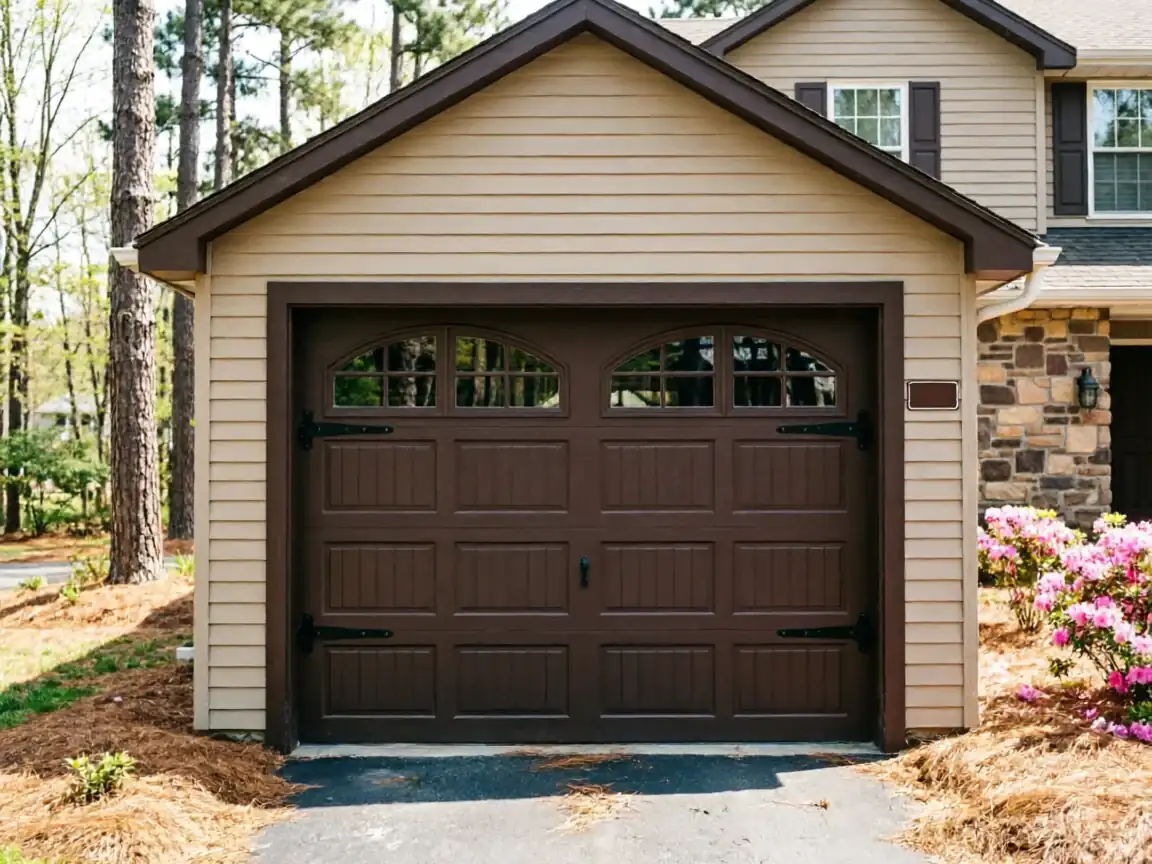
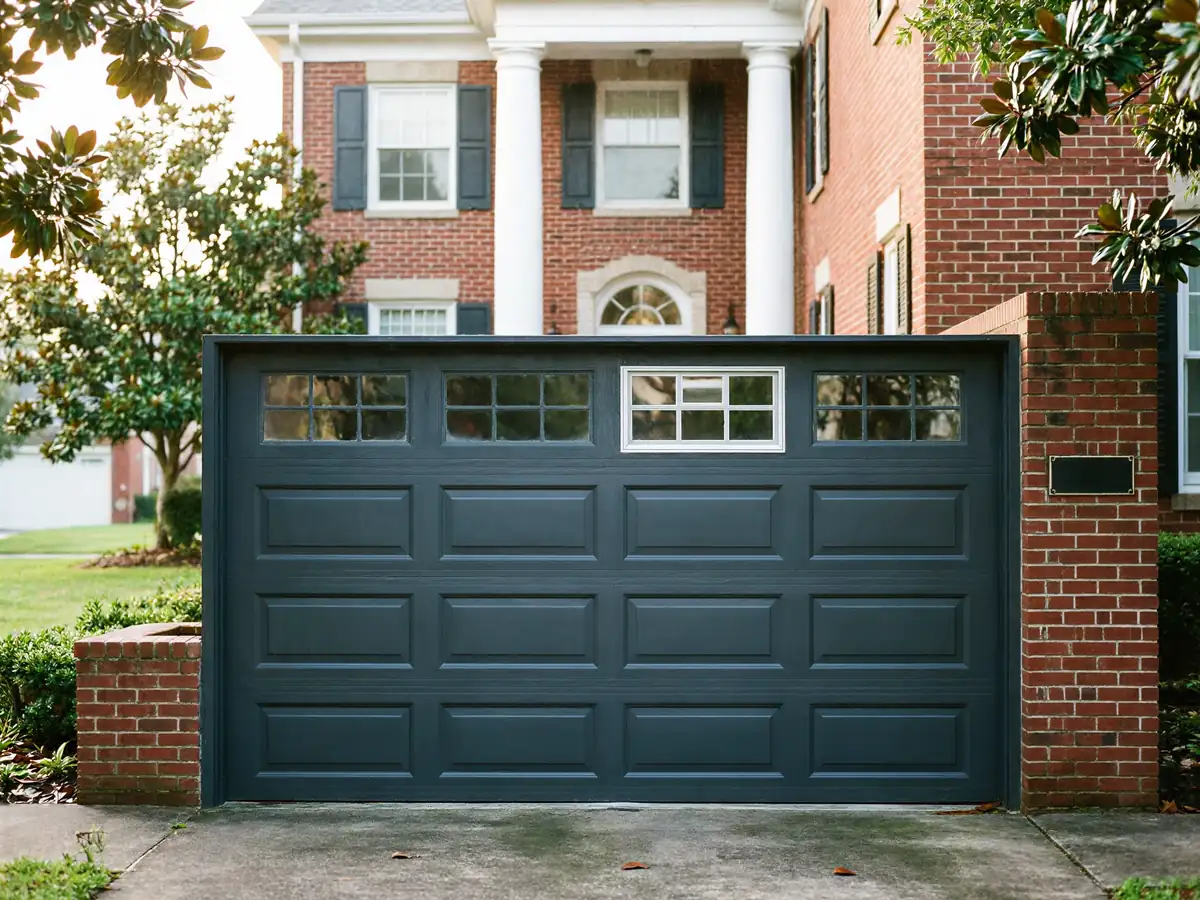
Across the wider Opelika service area, the median house was built in 1976 - right in the middle of a long 1965-to-1991 building run. Valley's own housing landed a bit later in that stretch, with a median build year of 1979. Three years doesn't sound like much, but on garage doors it's the difference between a house framed for an early steel sectional door and one framed for the slightly wider, slightly heavier panel styles that came in as that decade closed out. If your house is on the earlier end of Valley's range, you may still have an opening sized for a door nobody makes anymore, which means a new install isn't just a swap - it can mean reworking the jamb.
The climate here is mild with occasional freeze nights, not the kind of swing that cracks concrete or warps wood on its own. But it's enough, combined with 40-plus years on the original framing, that door openings have usually settled a little out of true. That's the real reason a new installation in Valley is rarely a drop-in job - it's a measuring job first.
Can You Do This Yourself
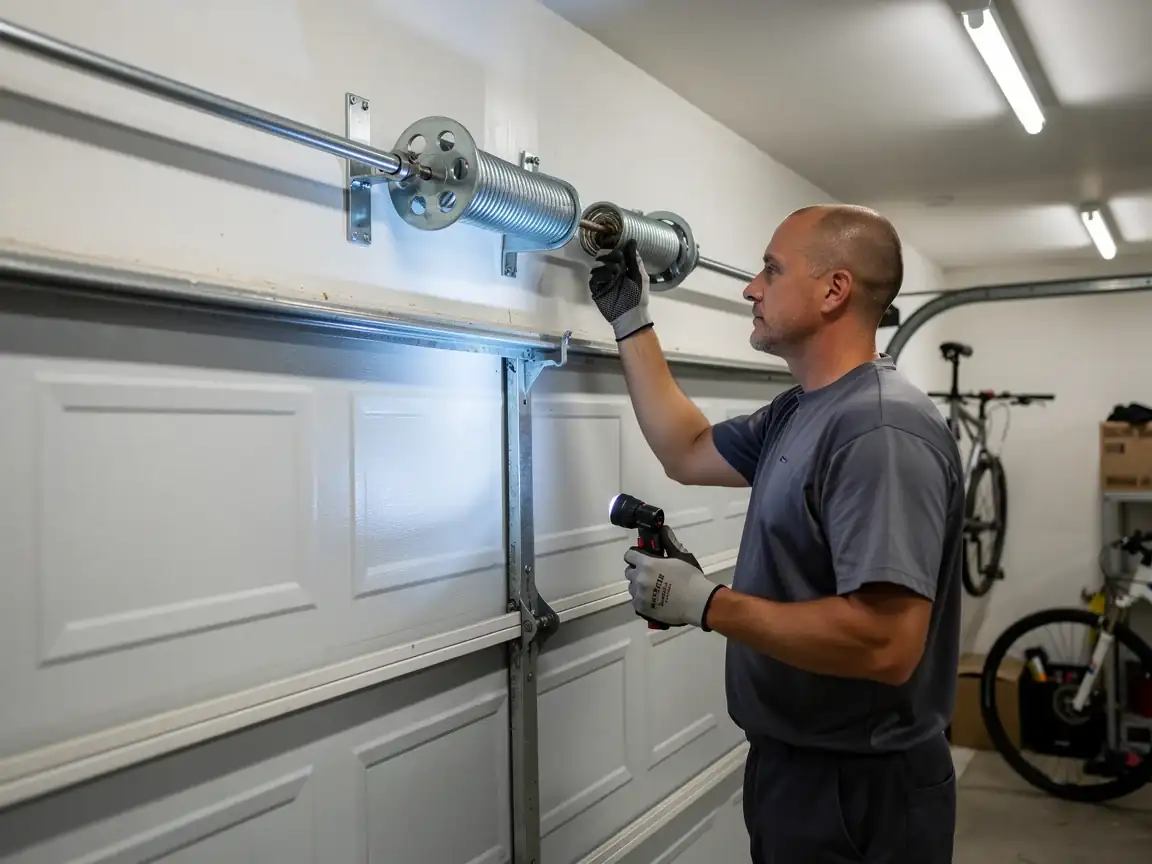
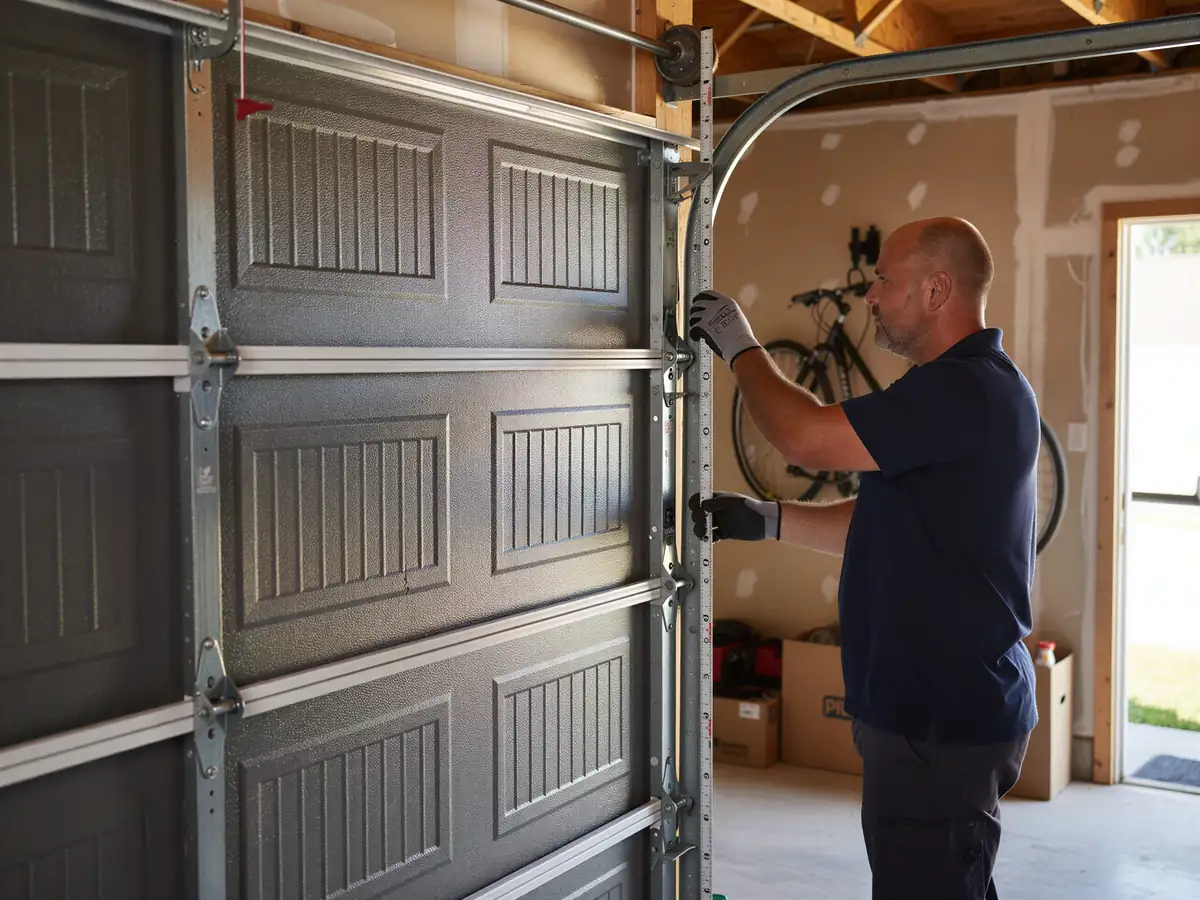
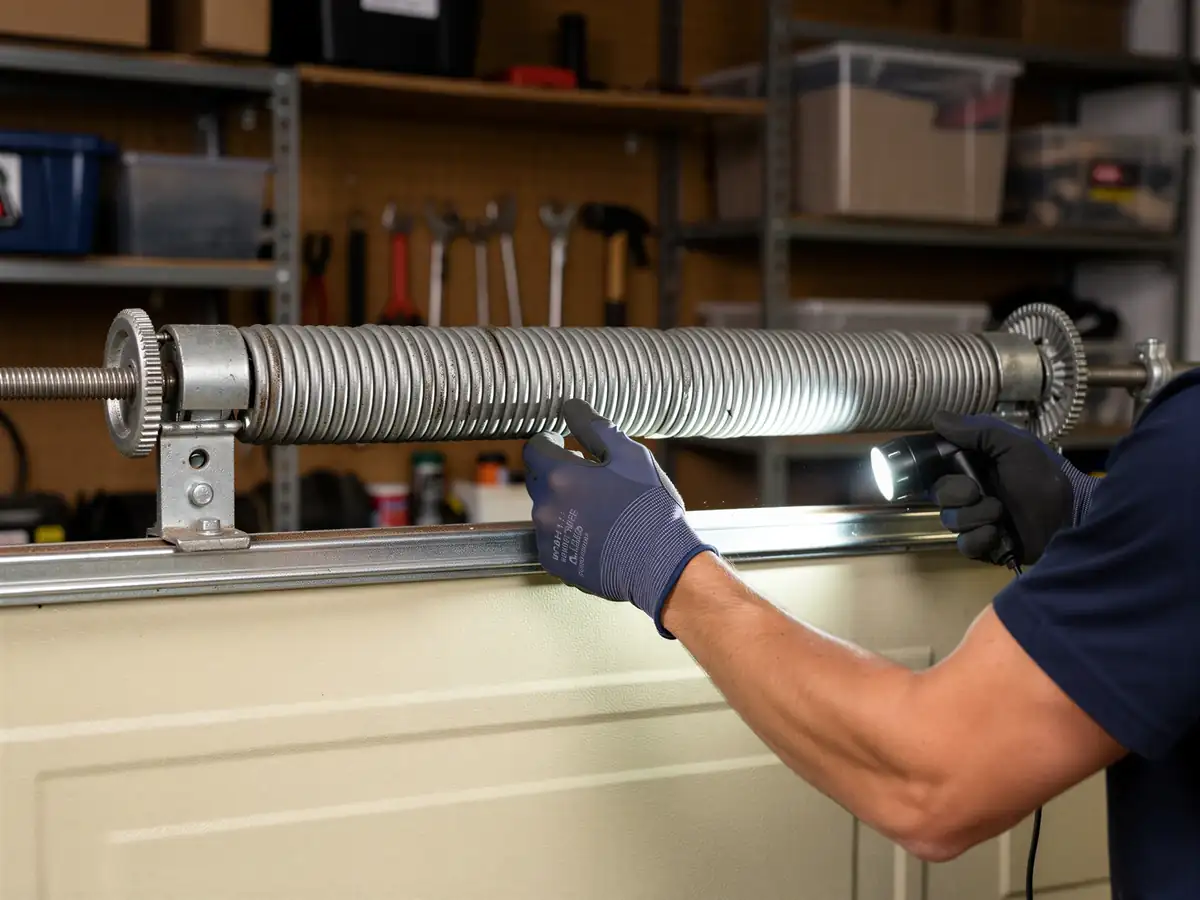
Hanging panels isn't the hard part. Getting the track plumb, the header properly supported, and the torsion spring wound to the right number of turns for the door's actual weight - that's where most DIY installs go wrong, and it's also where most of the injuries happen. A torsion spring under tension is not a part to learn on.
We'll say the honest thing: if your opening is square, your framing is sound, and you're putting in a like-for-like door, a careful homeowner with the right winding bars and a helper can do it safely. What we don't recommend is doing it alone, guessing at spring size from the old door's label, or reusing 40-year-old track with a new panel - the tolerances don't match and the door will bind within months. If you're not sure which situation you're in, that's worth a call before you buy the door, not after.
The Symptom
The most common call we get from this part of the service area isn't a door that won't open
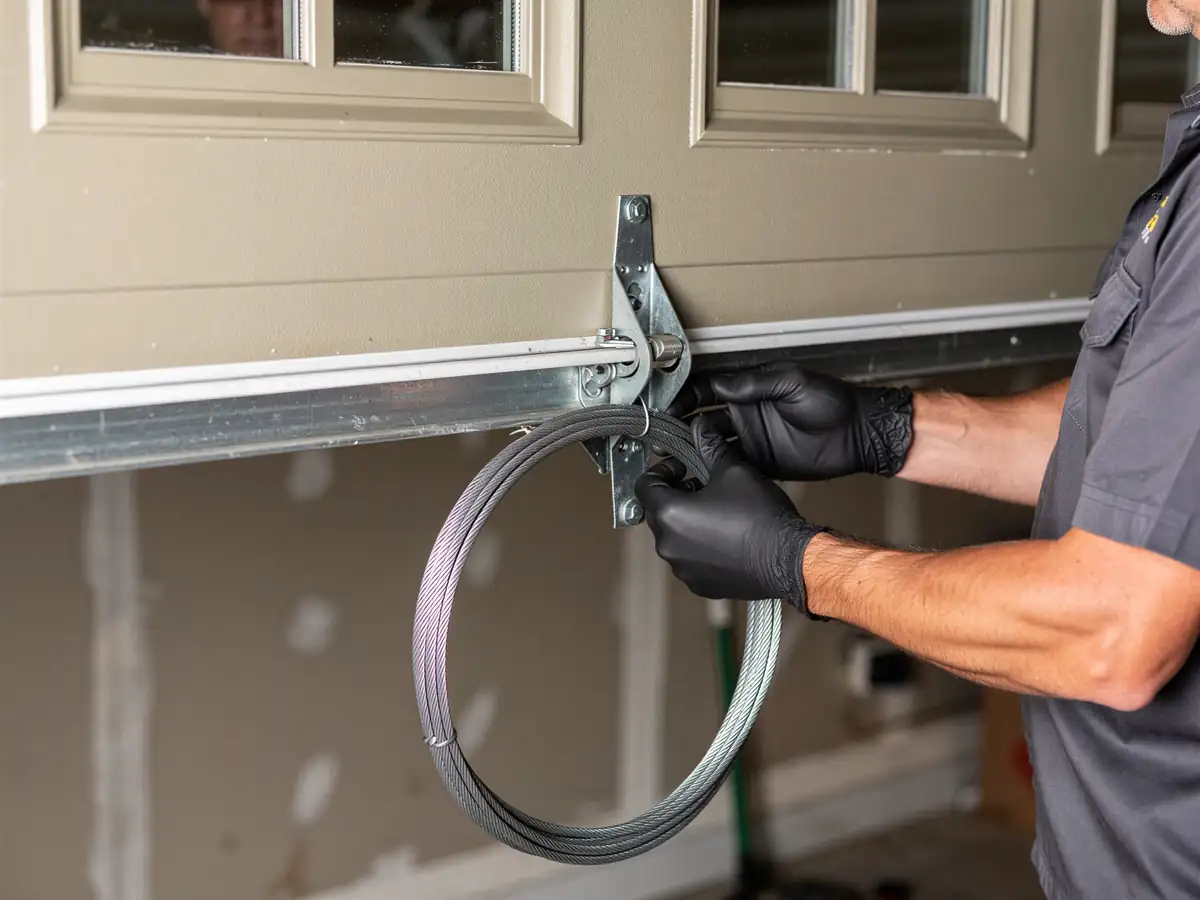
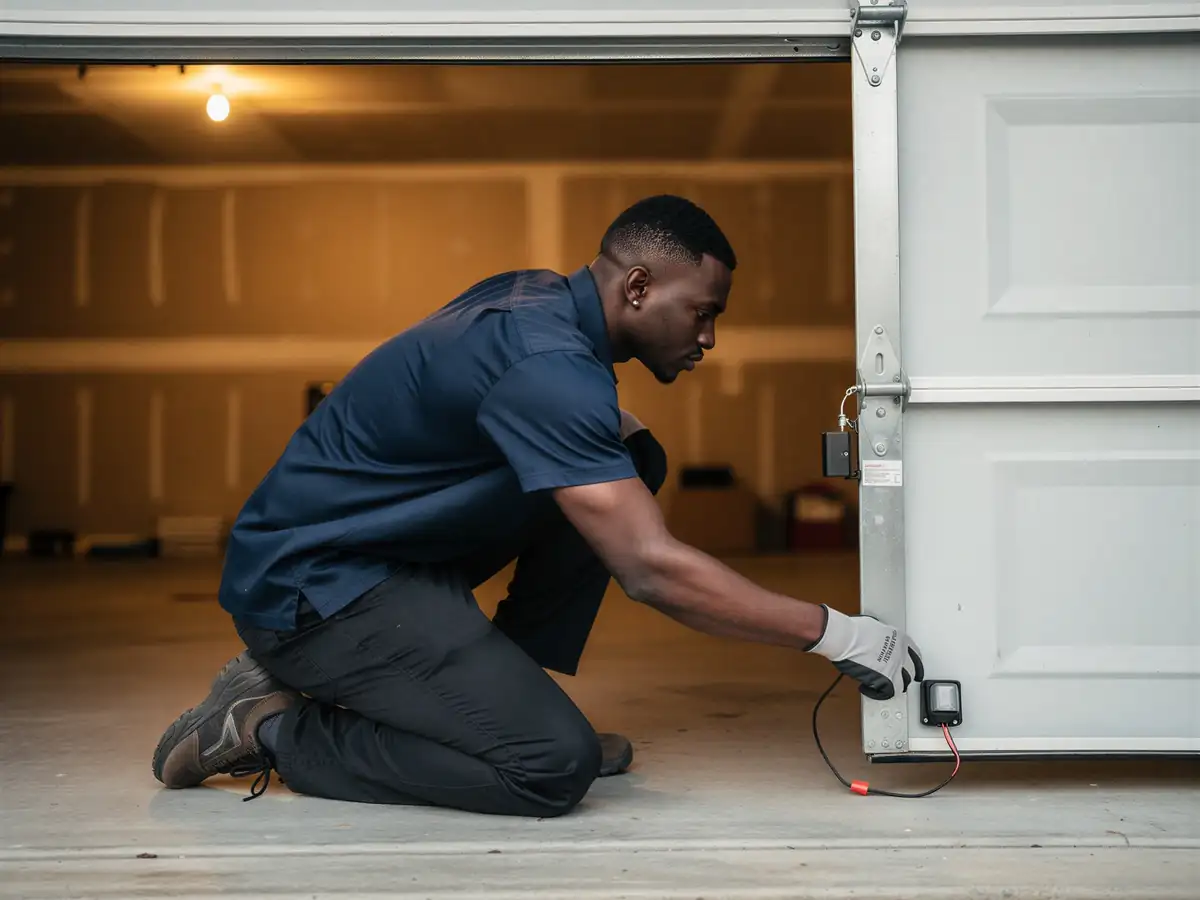
It's a door that opens unevenly, drags on one side, or groans partway up. On houses from Valley's 1979-ish build range, that's usually the original steel door that's been working for four decades: the panels have thinned at the bottom, the track has loosened from the jamb through years of seasonal give, and the spring is well past its rated cycle count.
On the handful of older homes closer to the 1960s end of the stock, the symptom looks different
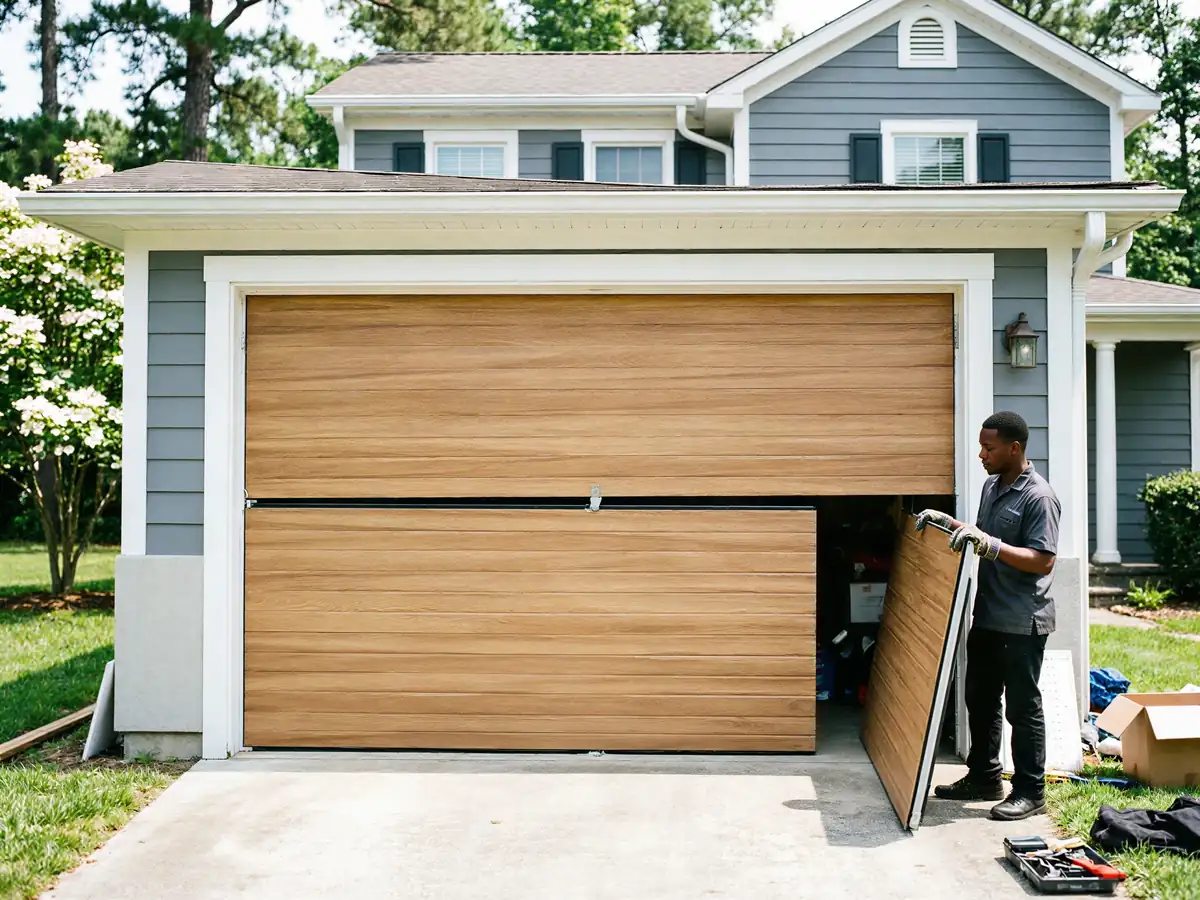
The opening itself is often slightly out of square, so a straight new door won't seat right against the weather seal no matter how carefully it's hung. Either way, the fix isn't the same fix. A new install on a worn-out track problem is wasted money if the jamb underneath hasn't been checked first.
Where This Job Goes Sideways
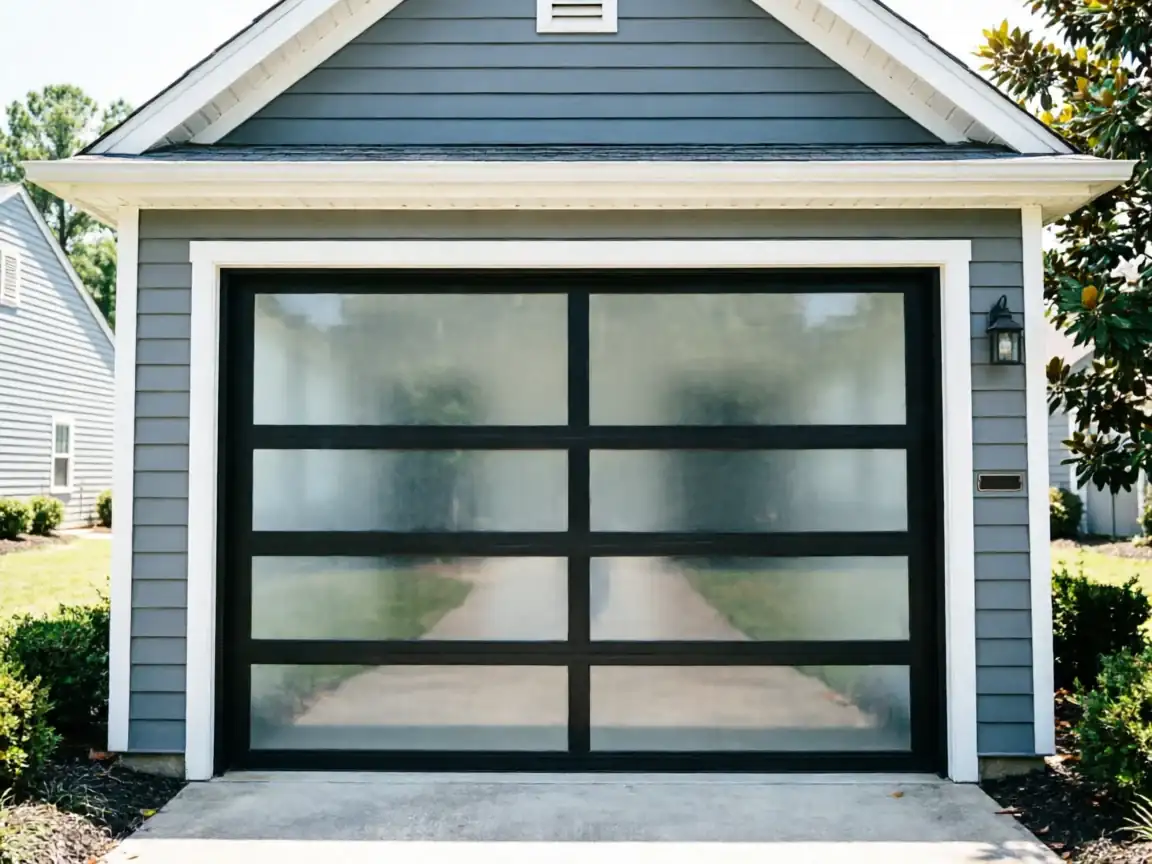
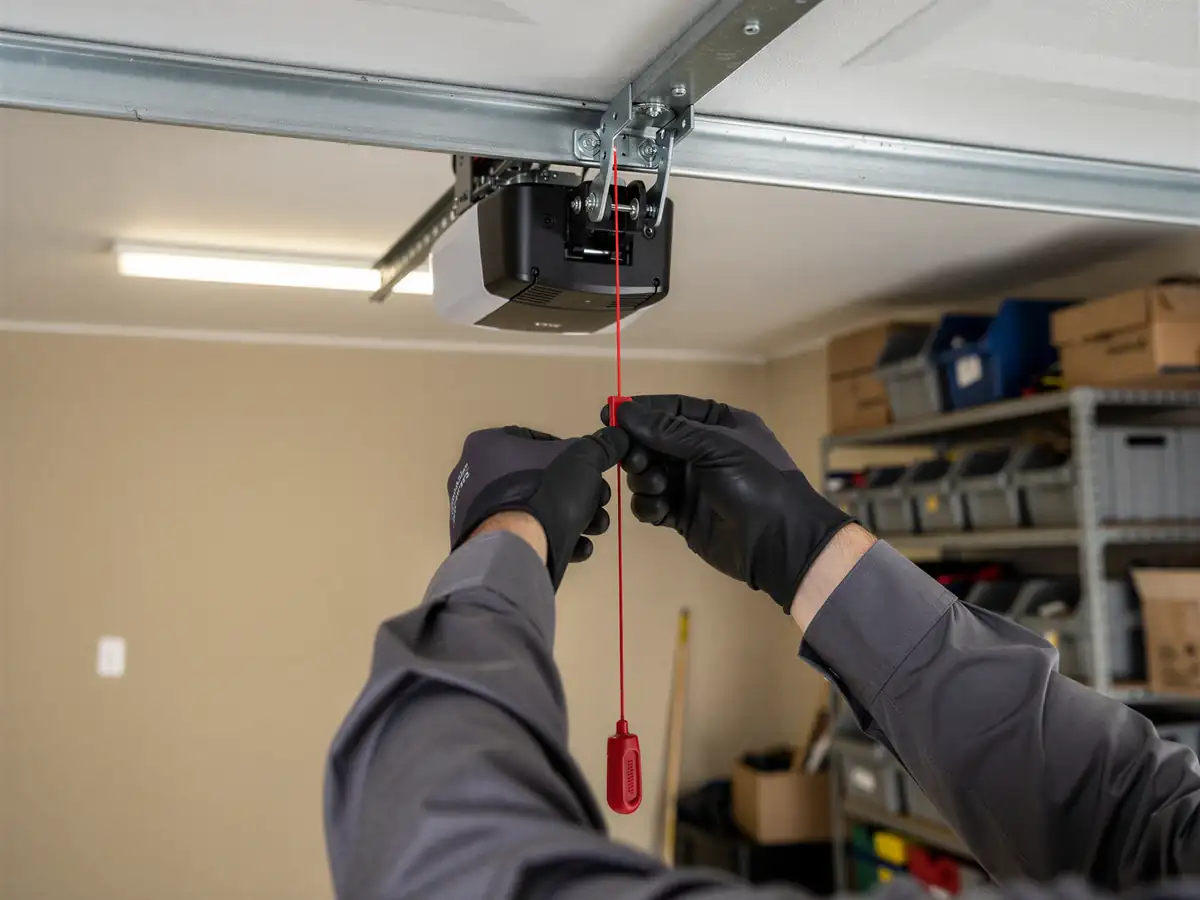
Two things trip up new installs in Valley specifically. First, the opener. A heavier insulated steel door - which more Valley households can afford to spec given a median income of $55,422, noticeably above the roughly $45,493 median across the broader 11,241-household service area - needs an opener rated for that extra weight. Reusing an old half-horsepower unit on a new insulated door is a common shortcut that burns out the opener in a year.
Second, the concrete pad. Houses from the late 1970s in this area often have a slab that's settled unevenly at the threshold, which means a new door can look perfectly hung and still not seal at the bottom corner. We check both before we quote the job, not after we've already ordered the door. If you're not sure whether you need a repair or a full replacement, our Valley repair page covers that call in more detail, and our main installation page out of Opelika has the broader rundown on door types and what we carry.