What Causes It Around Here
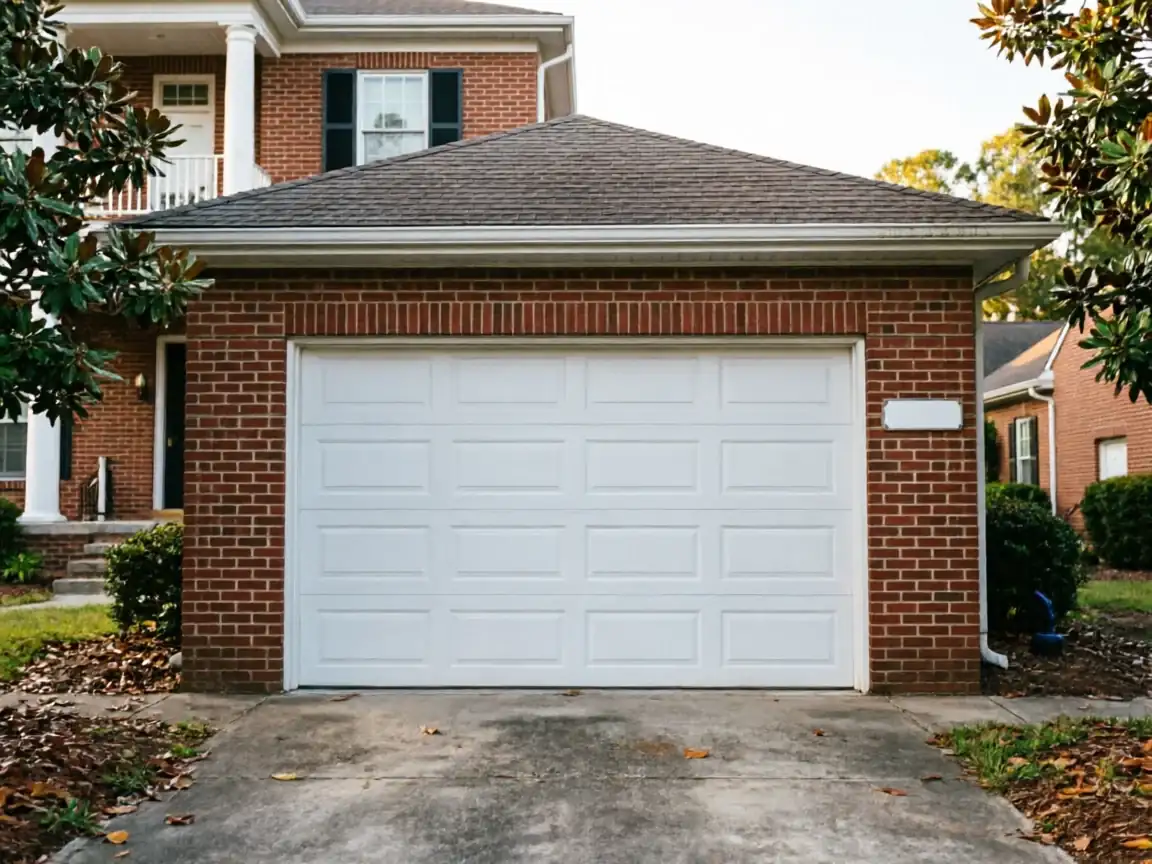
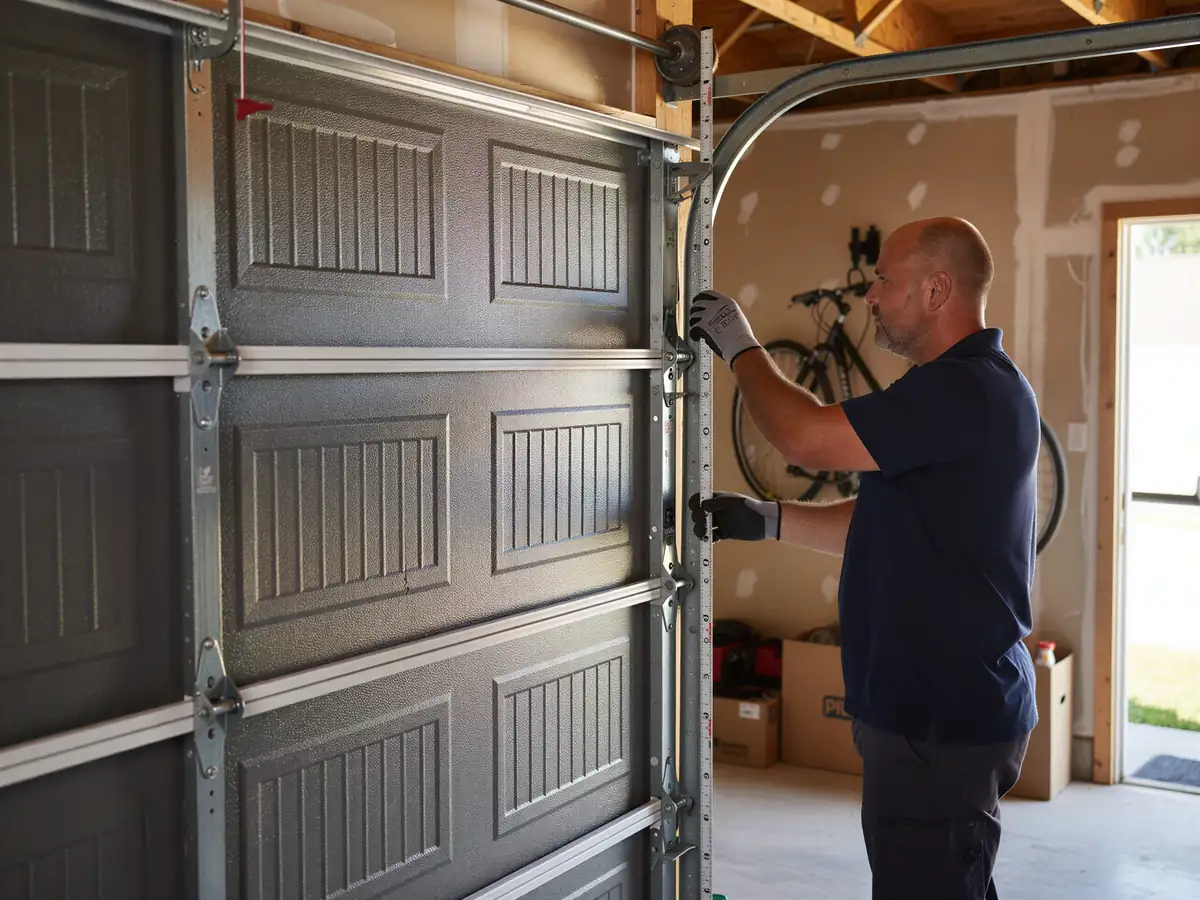
Valley is a smaller town than a lot of what we cover - about 4,038 households, which means the work here tends to repeat itself house to house instead of spanning every era of door ever made. Most of what we see was built around 1979, which puts a lot of these garages into the same narrow window of hardware: steel sectional doors on extension or early torsion springs, the kind that got installed as standard through the late 70s before manufacturers changed spring sizing again in the following decade. When a call comes in from this side of our area, we already have a decent guess at what's wrong before we even load the truck, because the door age narrows it down fast. That's useful for diagnosis, but it also means a lot of these doors are now past 40 years old, which is long past the working life of the original springs and most of the original rollers too. Replacement parts for 1979-era track hardware are still out there, but they aren't always the ones a big-box store keeps on a shelf, so sourcing takes an extra step sometimes. We travel from Opelika, about 14 miles, to reach Valley, so we're not a local depot sitting in town - we're the crew that comes out to you and brings the right parts for a door this age rather than guessing at a universal kit.
Can You Do This Yourself
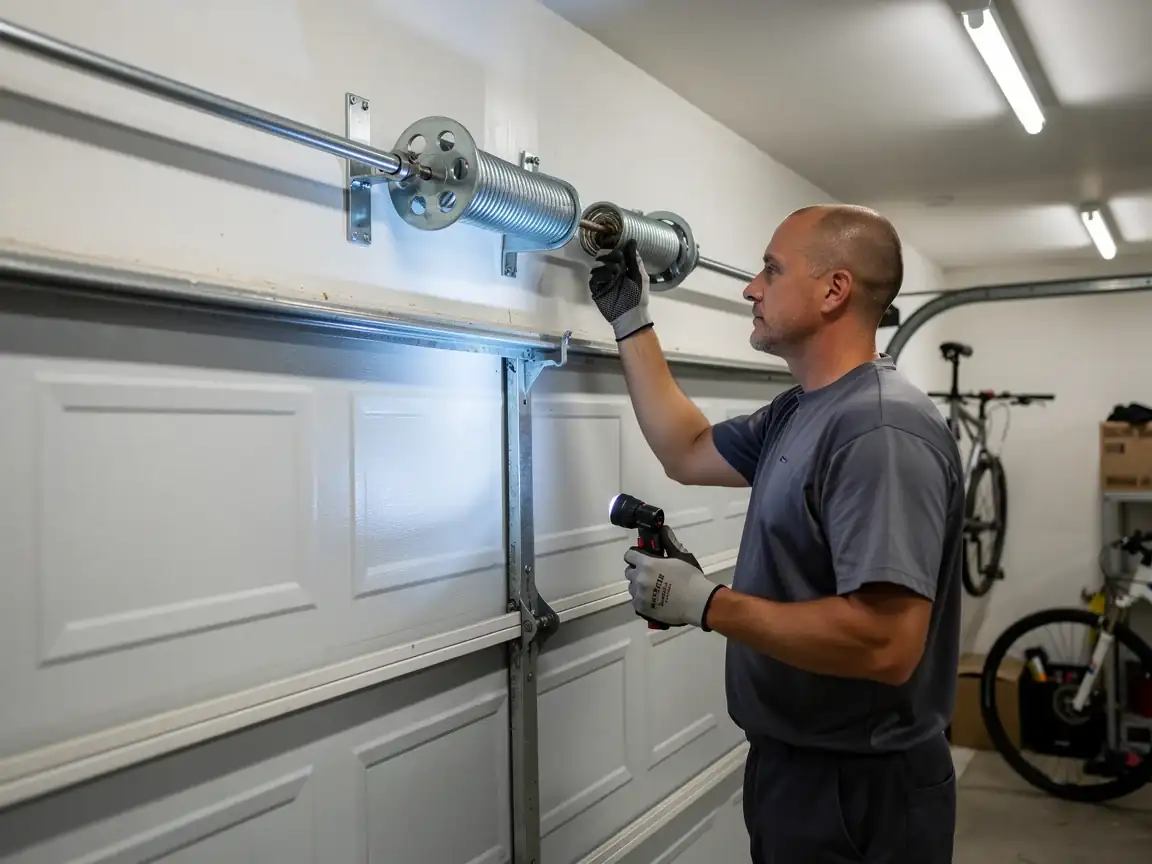
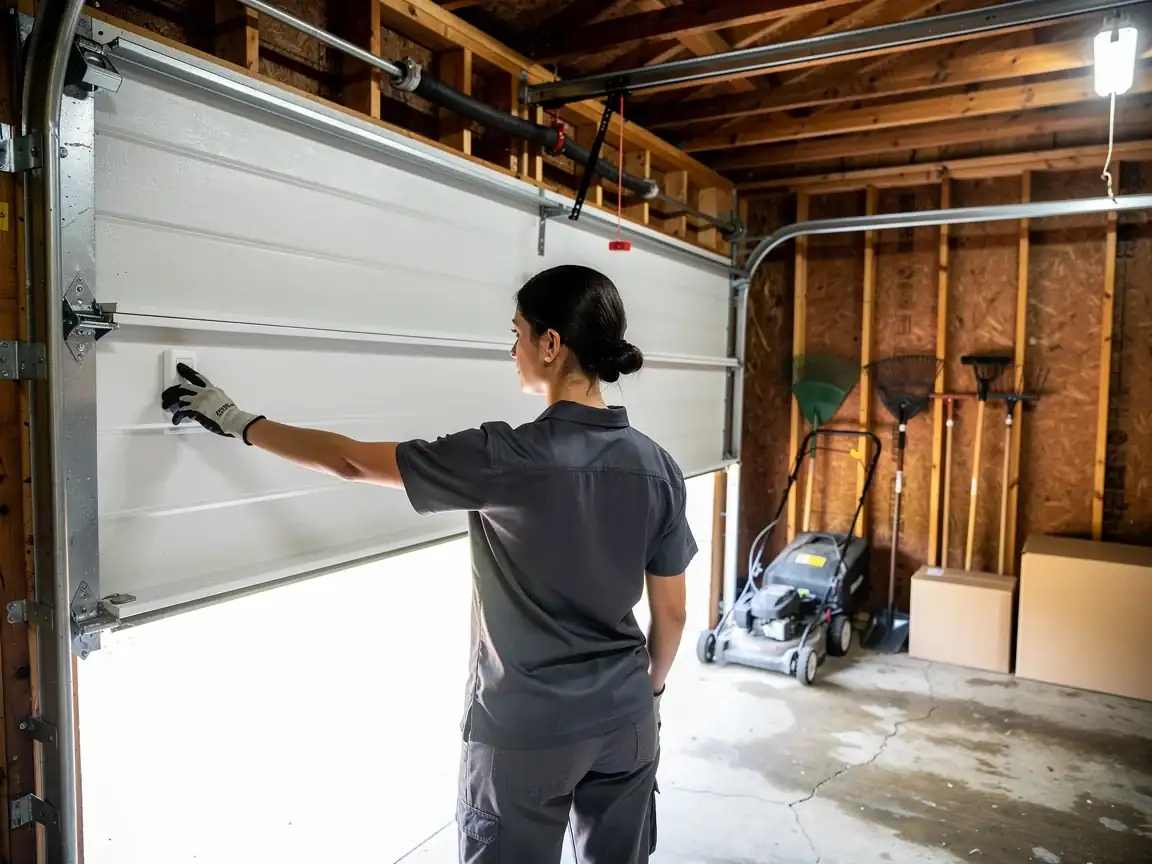
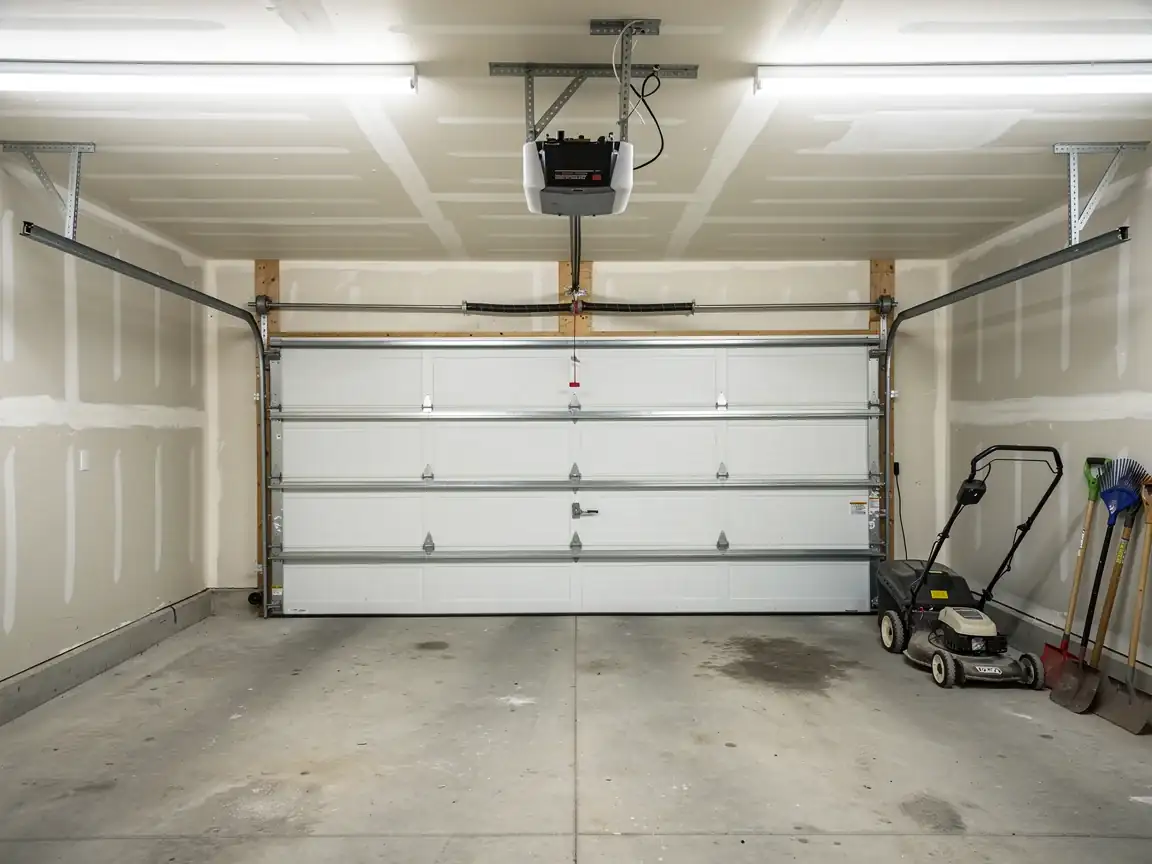
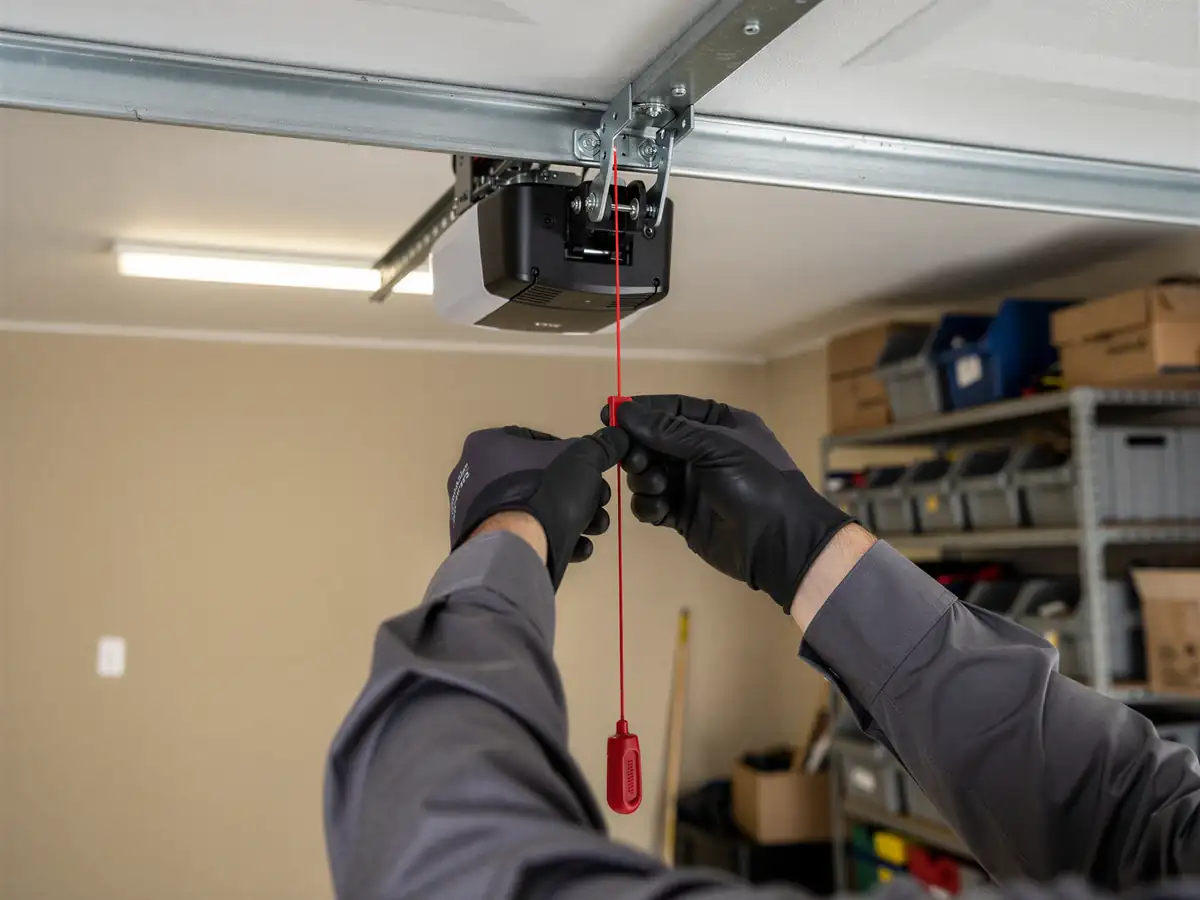
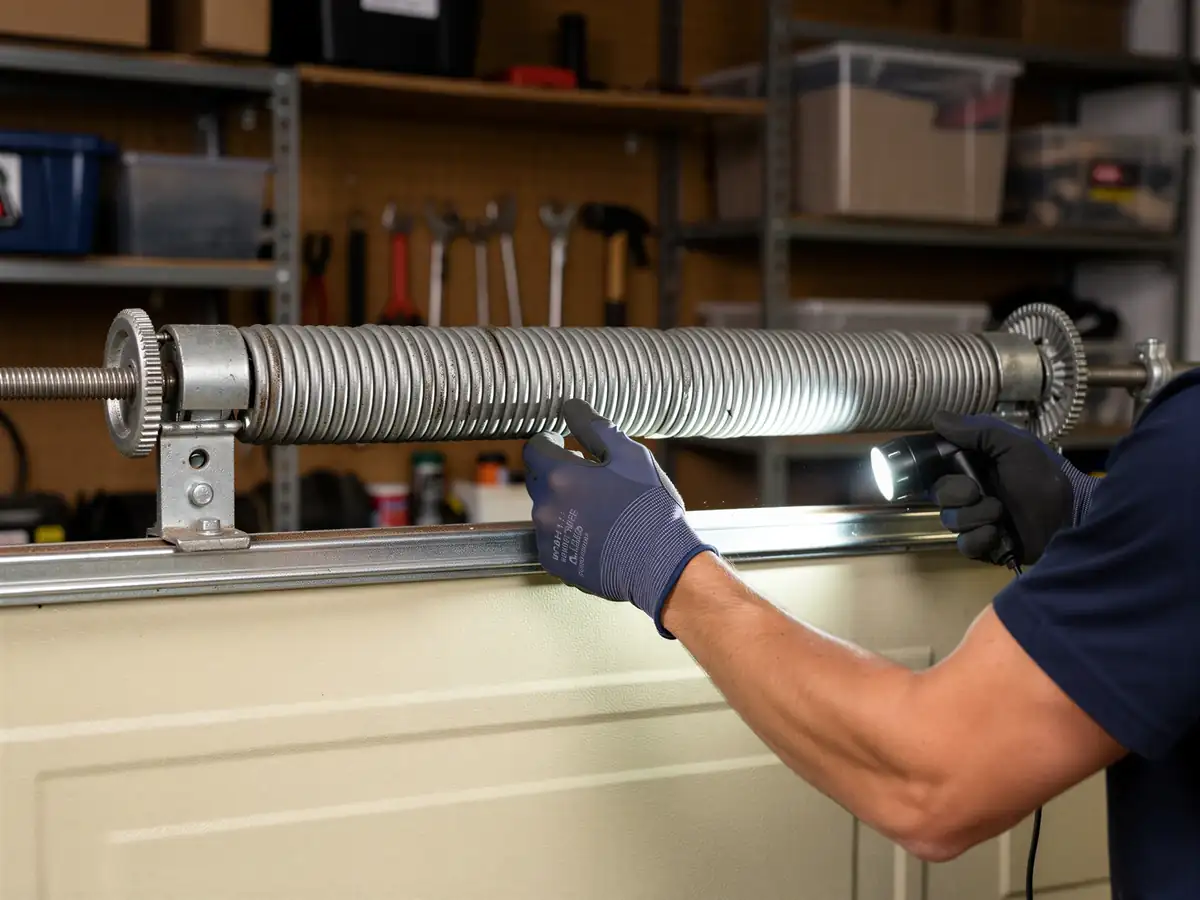
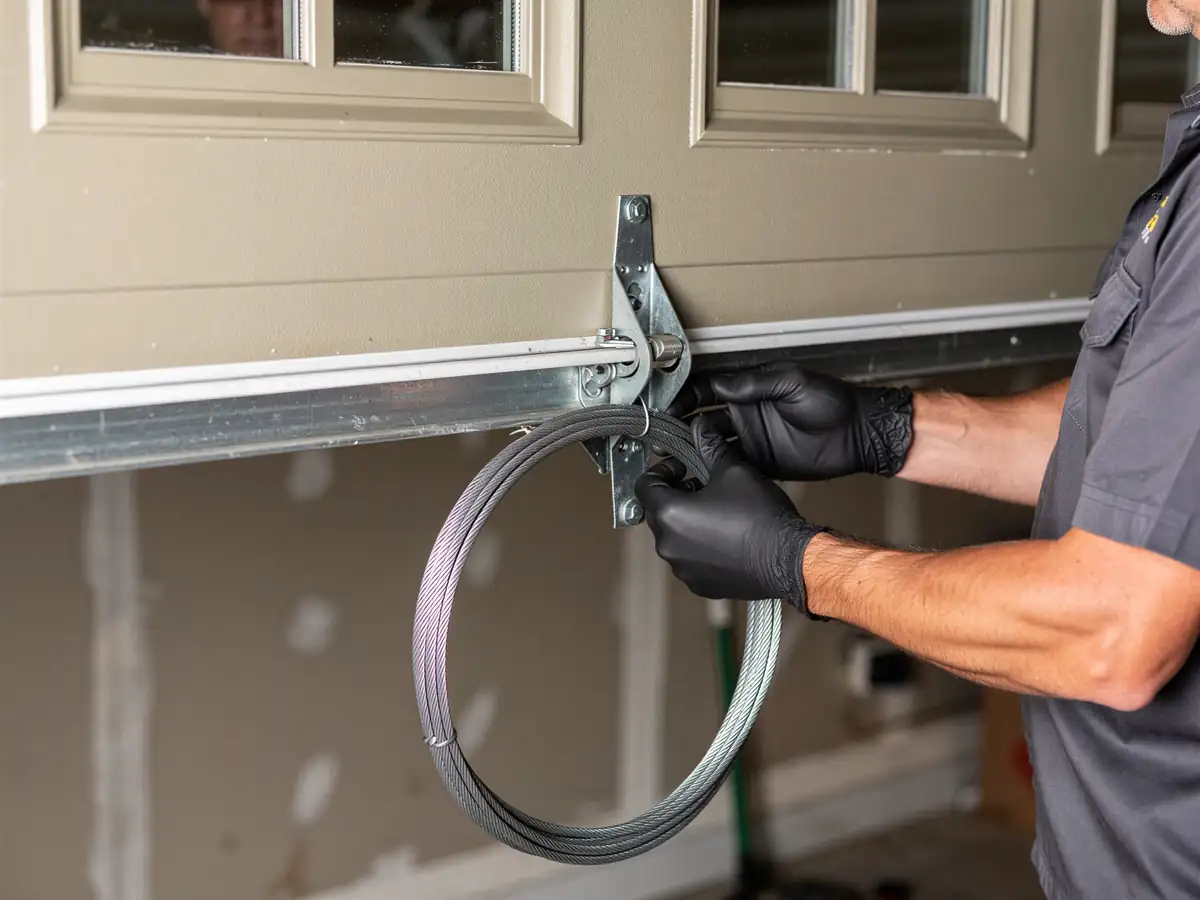
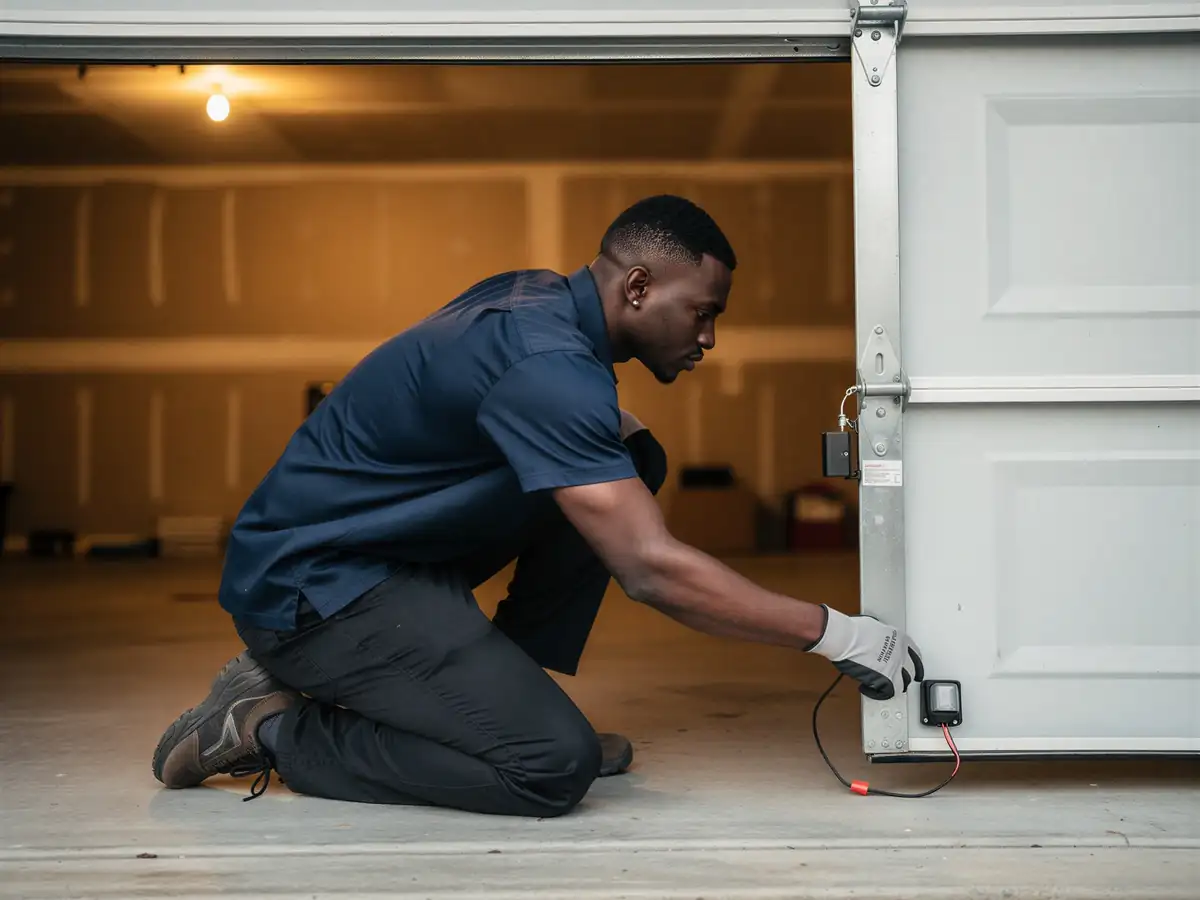
A torsion spring under tension is not a safe DIY project, full stop - that applies no matter how old the door is. But on a door built around 1979, there's an extra wrinkle: a lot of these systems use spring sizing and drum combinations that aren't what you'll find in a current hardware store kit, so even a confident DIYer can end up with a spring that's close but not matched, which wears out the opener and the cables faster than it should. Things you can safely check yourself: whether the tracks are visibly bent, whether the rollers are cracked or missing pieces, and whether the bottom panel shows rust or rot at the corners, which is common on doors this age in a mild climate with occasional freezes. If the opener is running but the door won't move, check the manual release cord first - it's a common false alarm. But once you're looking at a broken spring, a snapped cable, or a door that's come off track, that's a call-us job, not a weekend project. We'd rather walk you through what to check over the phone than have you find out the hard way what a loaded spring does when it lets go.
Where This Job Goes Sideways
The thing that turns a straightforward spring job into a bigger one is age stacking on age. A door from 1979 with a spring that's finally broken has also usually got 45 years on its cables, its rollers, and sometimes the hinges holding the panels together. Replace just the spring and leave worn cables in place, and you've fixed the symptom that got you to call but left the next failure sitting right behind it. We'll tell you straight when we see that - sometimes the honest answer is spend a little more now on the parts that are clearly near the end, rather than pay for a second truck trip in six months. We don't stock every obscure part for every vintage of door on the truck at all times; on occasion something has to be ordered in, and for Valley that means a short wait since we're coming from Opelika rather than working out of a shop in town. We'll tell you up front if that's the case rather than let you assume we're arriving with it already.