What Causes It Around Here
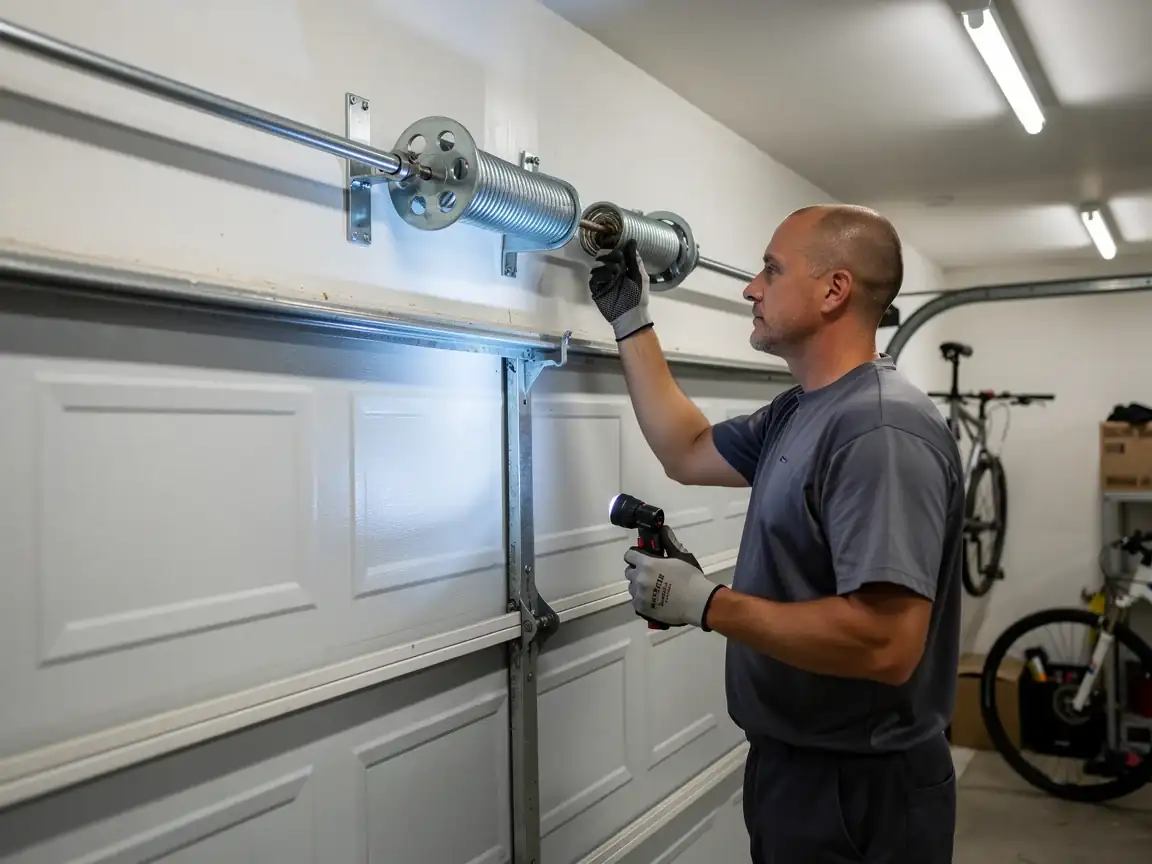
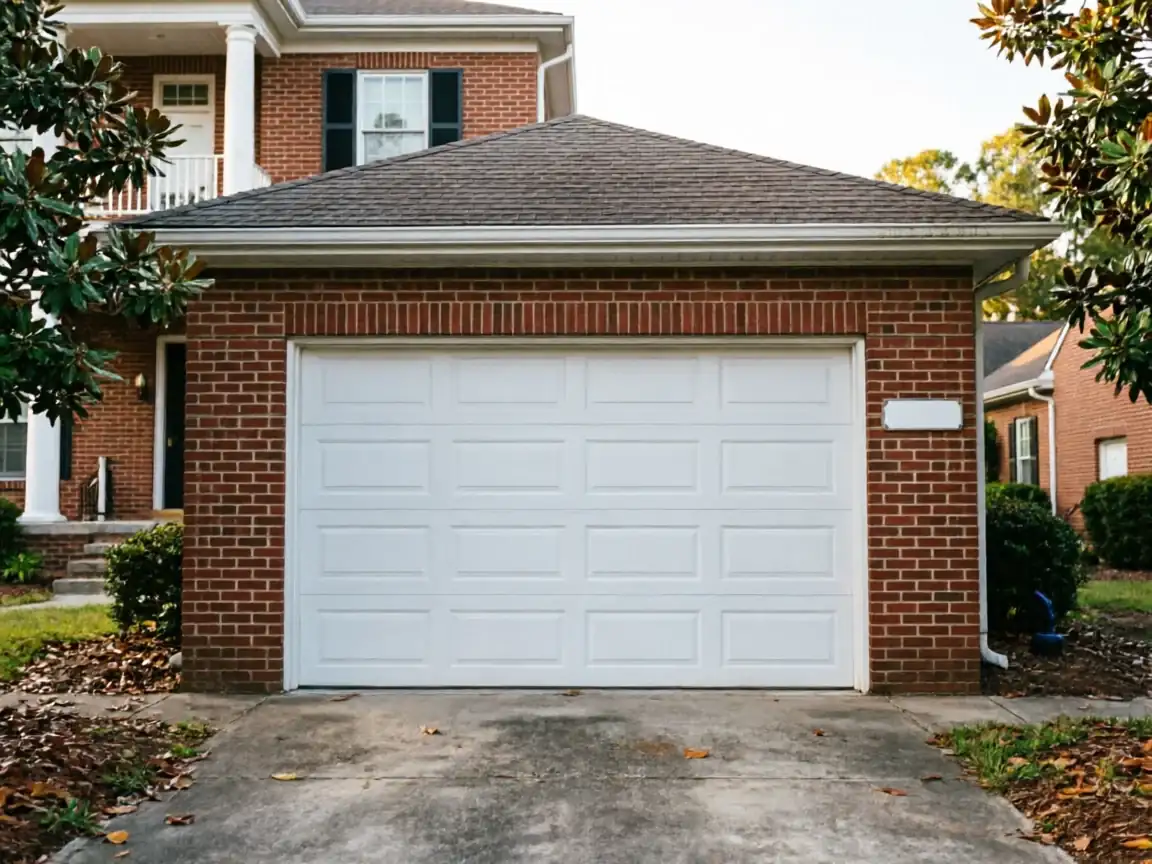
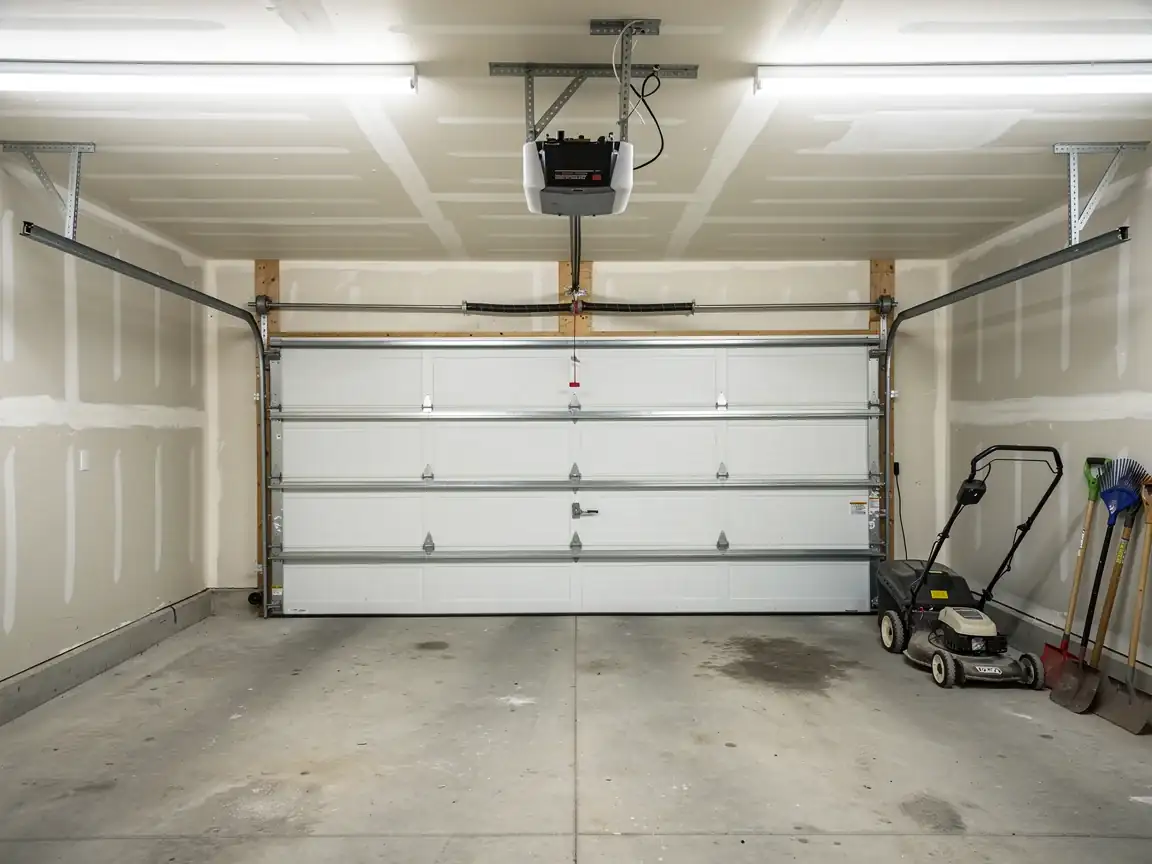
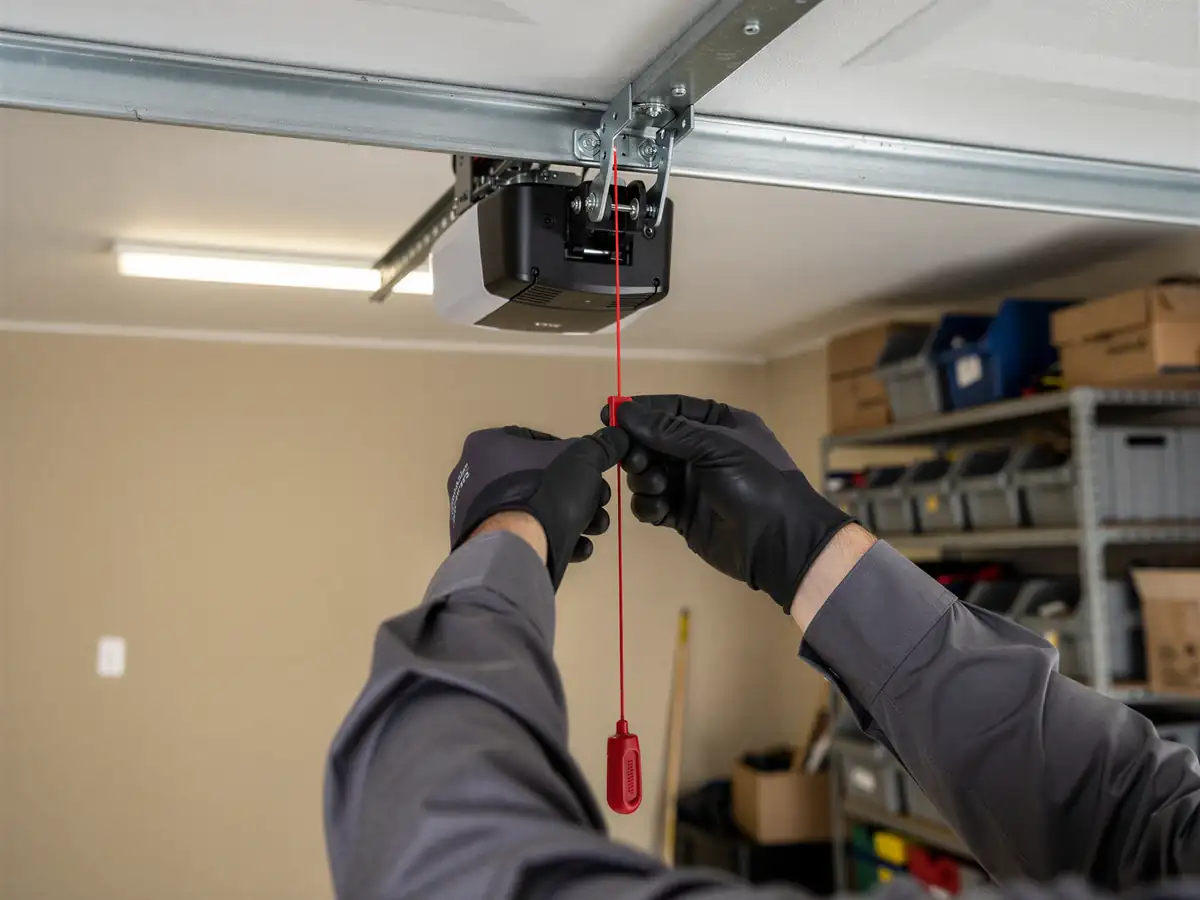
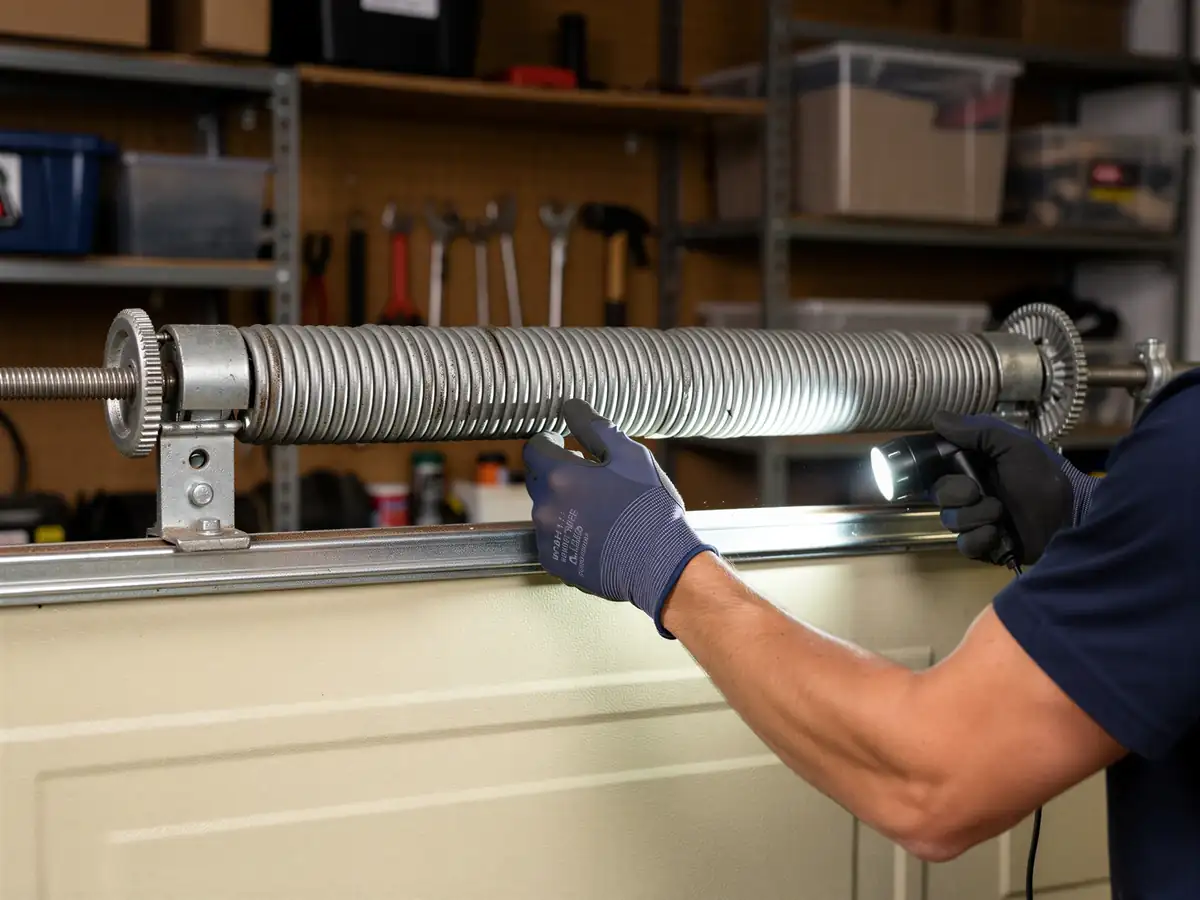
Most houses in Valley went up around 1979, putting the bulk of the neighborhood's garages in that late-70s to early-80s build window. A torsion spring is rated for somewhere around 10,000 cycles, which at normal use works out to roughly seven to ten years before it should be swapped. Do the math on a door that's over 40 years old and you're looking at a house that has likely gone through four or five spring replacements already - if the prior owner ever bothered. A lot of them didn't. We still find original rollers, original hinges, and sometimes original openers on doors from this era, because nobody thinks about garage door hardware until it fails loudly. The track hangers and the lag screws holding them to the framing are usually original too, since nobody replaces those unless the track itself gets bent. None of this is a Valley-specific defect - it's just what happens when a house sits for four decades with hardware that was never built to last that long. The fix isn't dramatic, but it does mean an inspection on a 1979-era door is less about "is something wrong" and more about "how many of these parts are past their rated life already."
Can You Do This Yourself
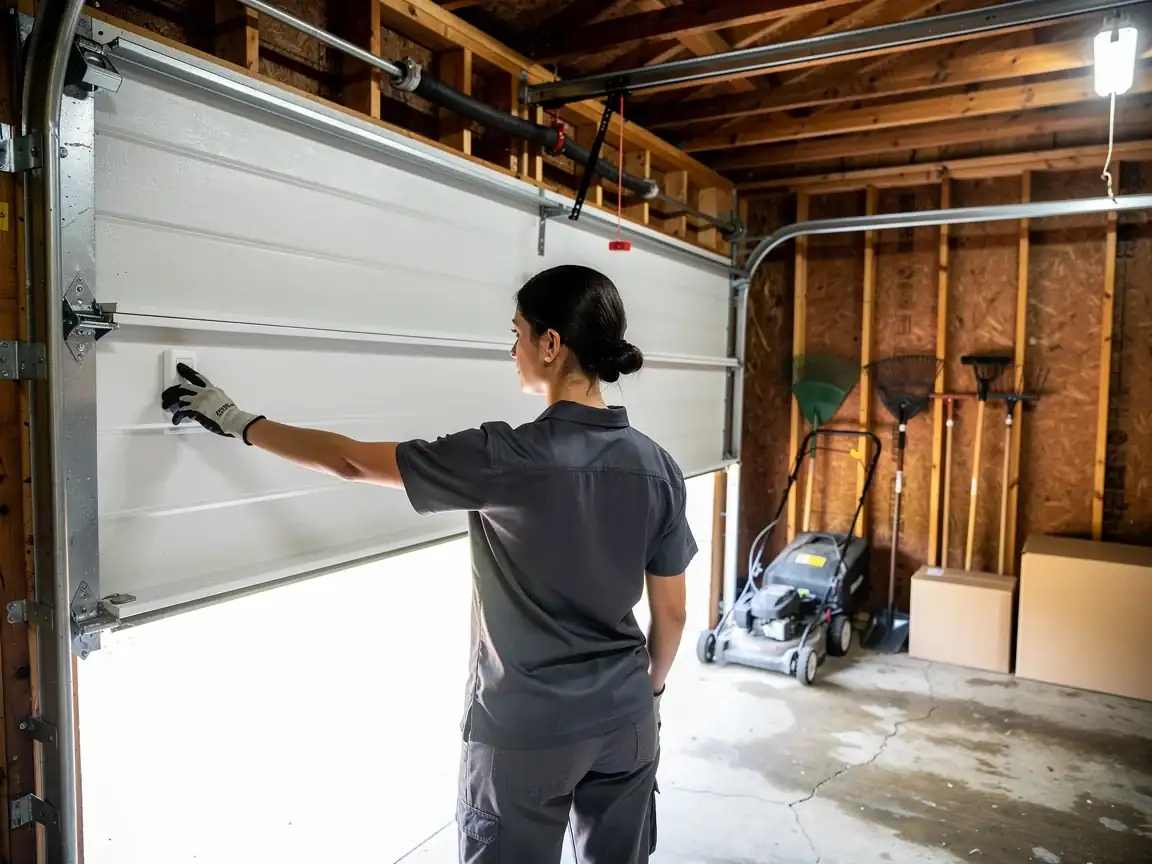
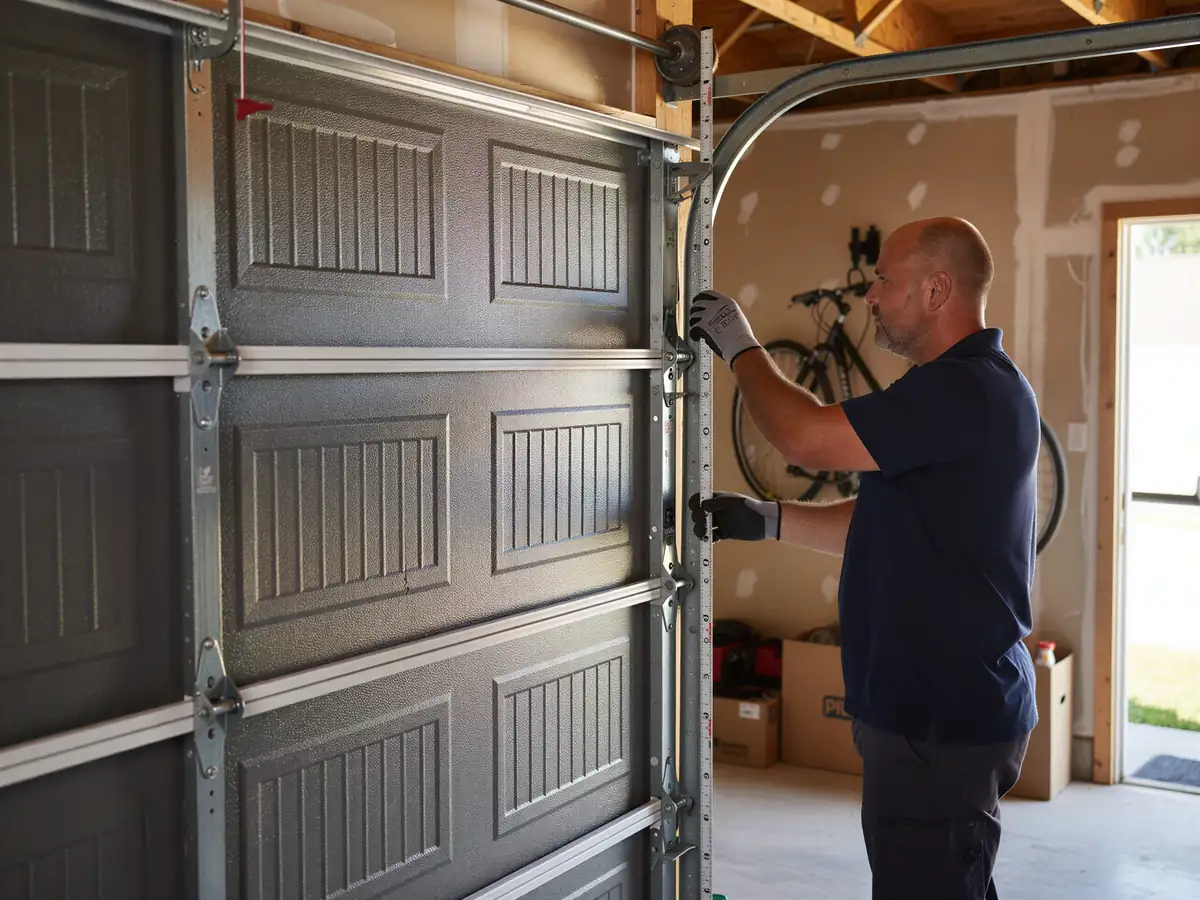
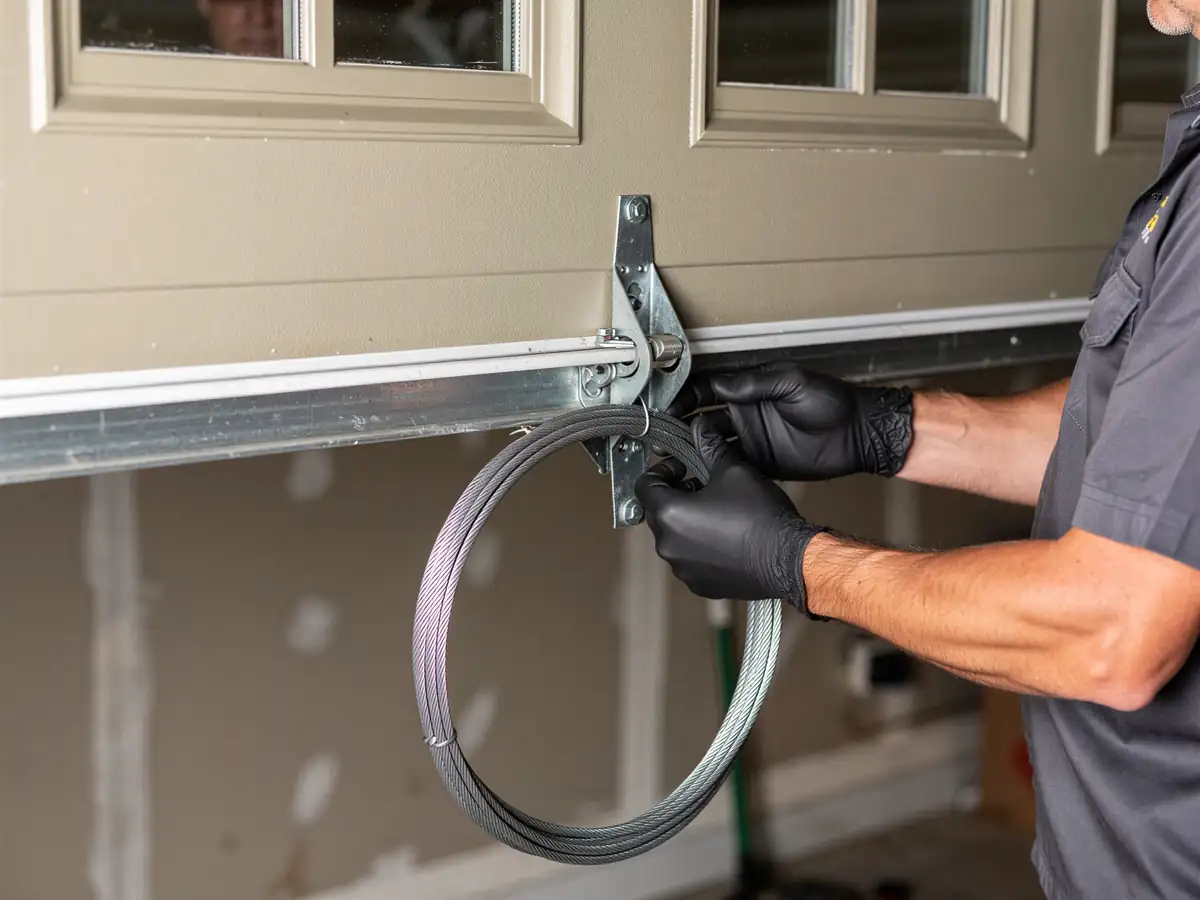
Lubricating hinges and rollers with a garage-door-specific lubricant, tightening visible bolts on the track brackets, and visually checking the cables for fraying are all things an owner can reasonably do twice a year. What you shouldn't do yourself is touch the torsion spring or try to adjust spring tension - that's the part that puts people in the ER, and on a door with original 1970s-80s hardware you don't know the fatigue history of the spring you're working next to. Opelika's winters stay mild with occasional freezes, so you're not dealing with the kind of deep-freeze metal contraction that cracks springs outright, but moisture and temperature swings still stiffen grease and loosen fasteners over a season. A reasonable DIY routine: clean the track, lube the moving metal parts, check the auto-reverse safety feature by setting a 2x4 under the door and testing it, and leave the spring, the cable drums, and anything load-bearing to someone who does it for a living.
Where This Job Goes Sideways
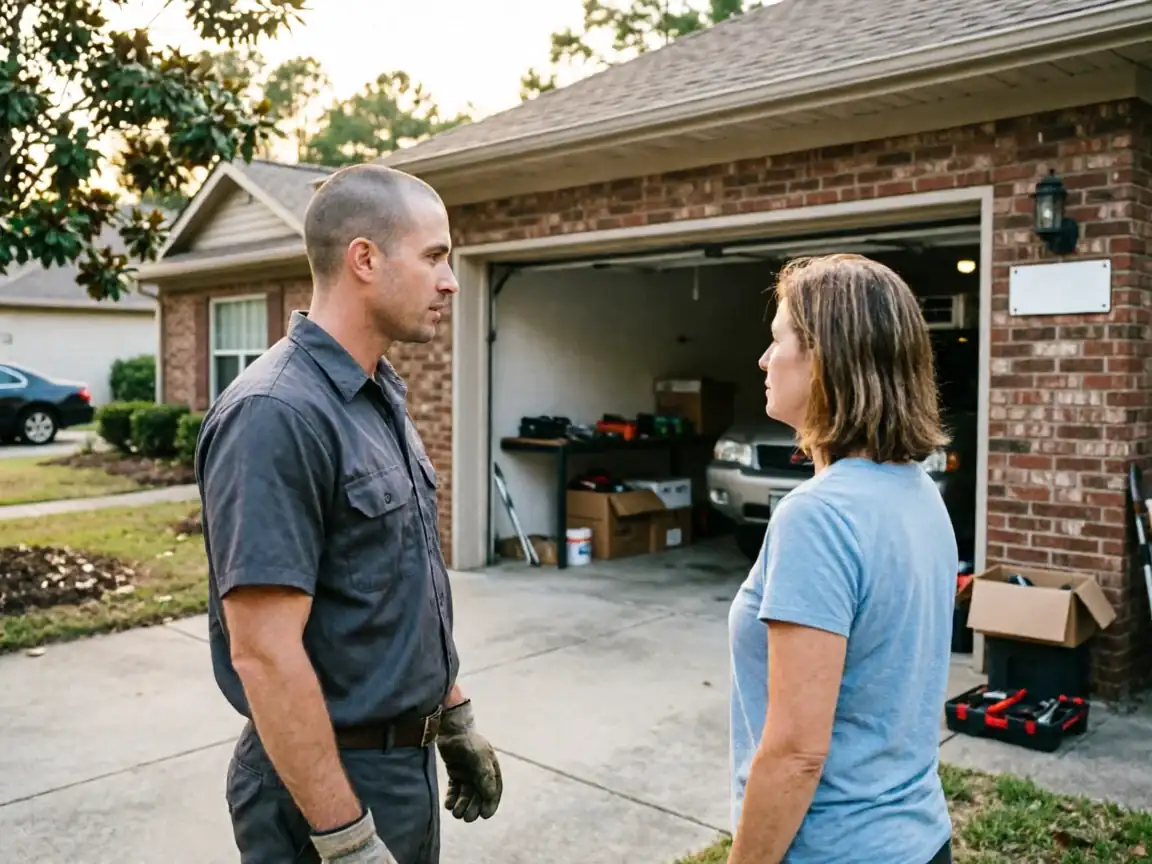
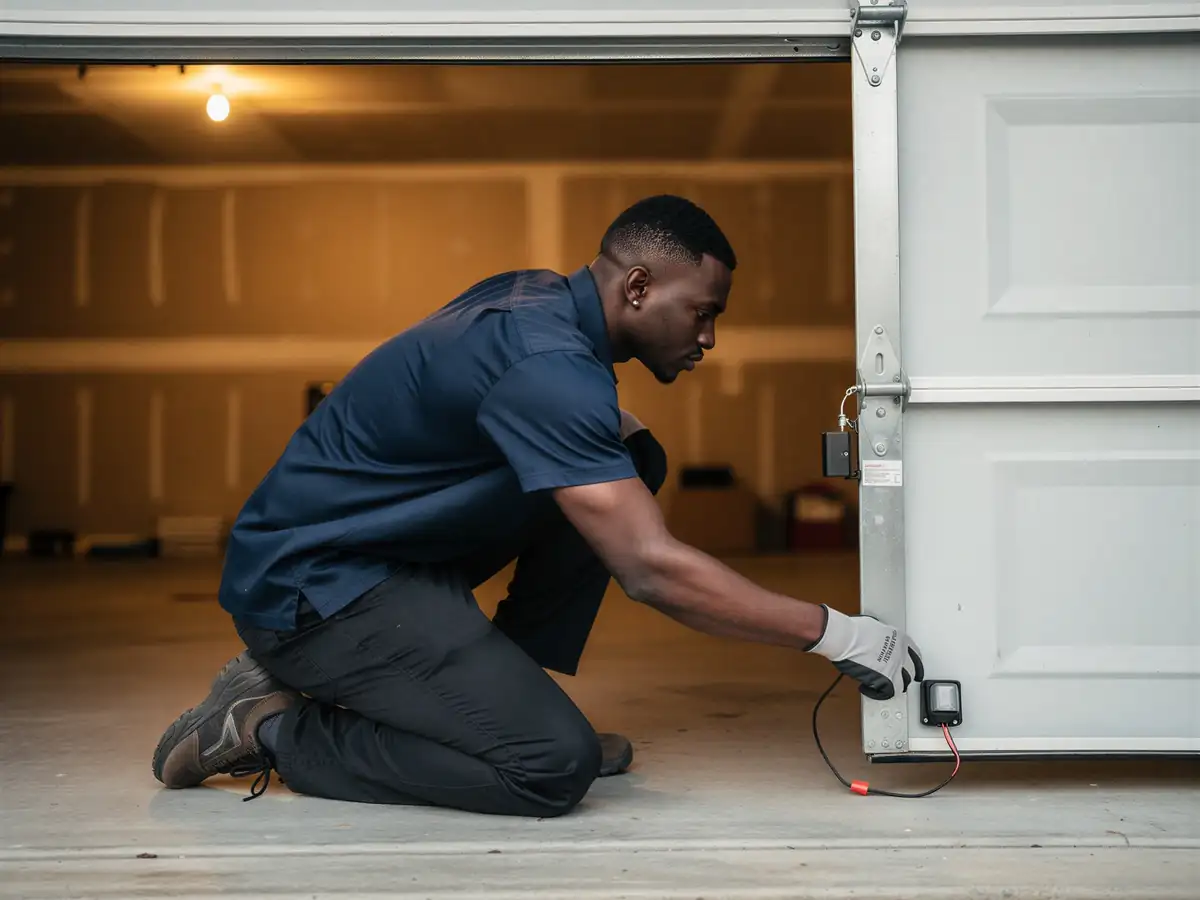
The job goes sideways when someone tries to fix the symptom without checking the parts around it. Replacing a worn roller on a door that's still running on a 1979-era spring just means you're back out in a year for the spring. We also won't pretend every maintenance visit ends in "just needs grease" - on hardware this old, it's common to find that the drums, the cables, and the spring all need attention at once, and patching one piece while ignoring the rest isn't honest work. One limitation worth saying plainly: we travel to Valley from Opelika, about 14 miles out, so this isn't a same-day drop-in the way it might be for a house two streets from the shop. We schedule maintenance visits in advance rather than treating them as emergency calls, and that's the right way to handle routine upkeep anyway - it's not a repair, it's prevention.