What Causes It Around Here
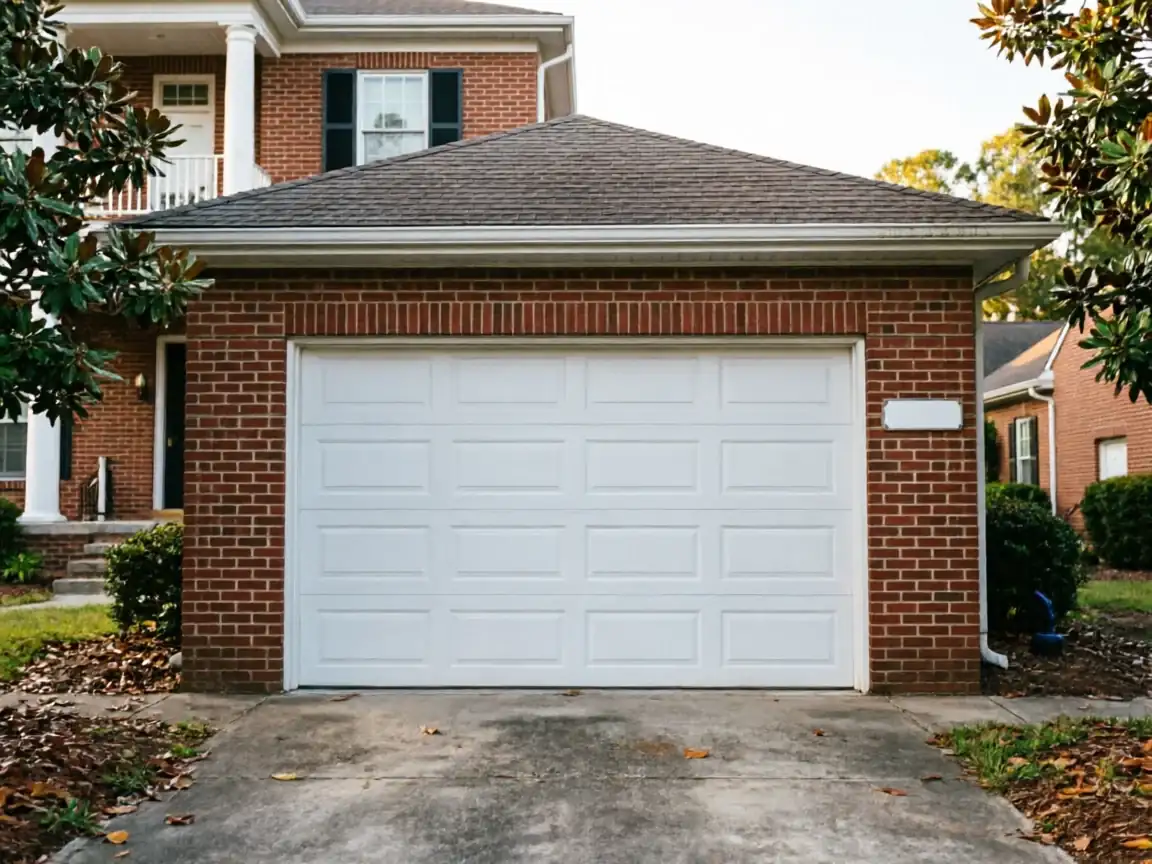
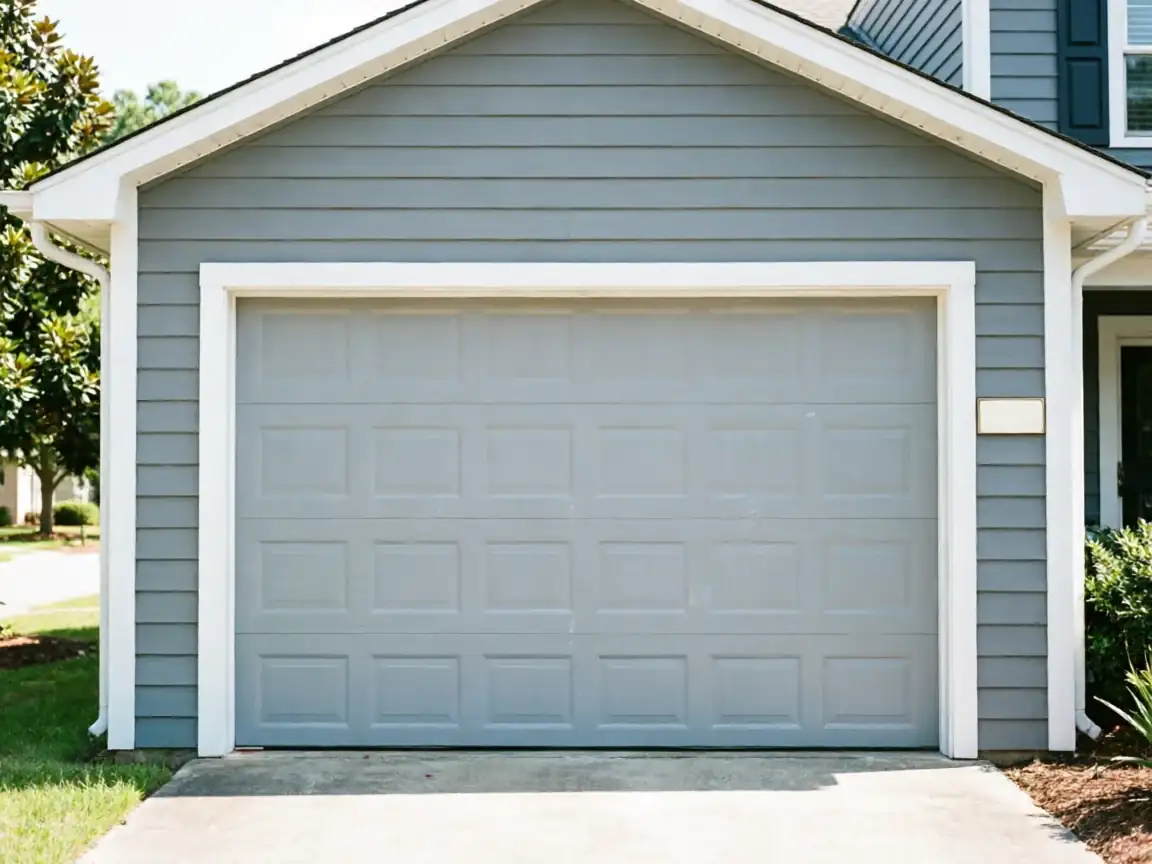
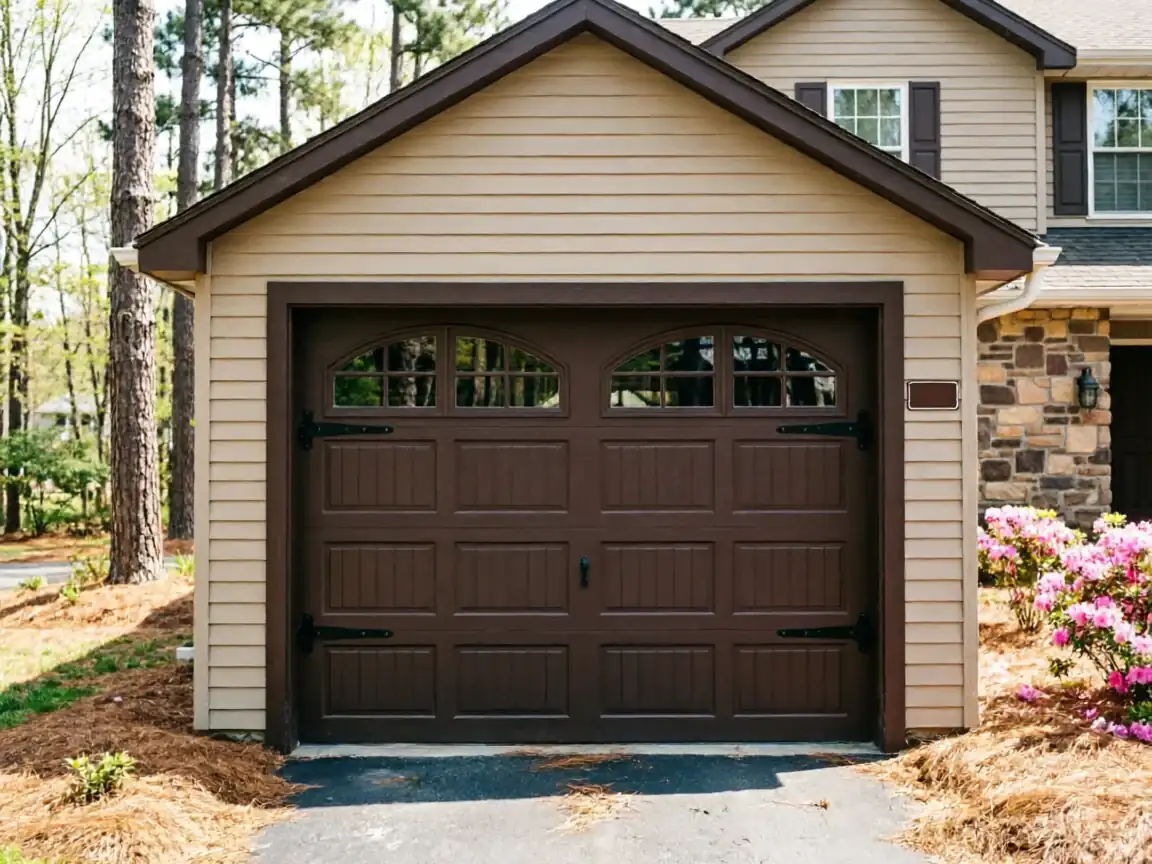
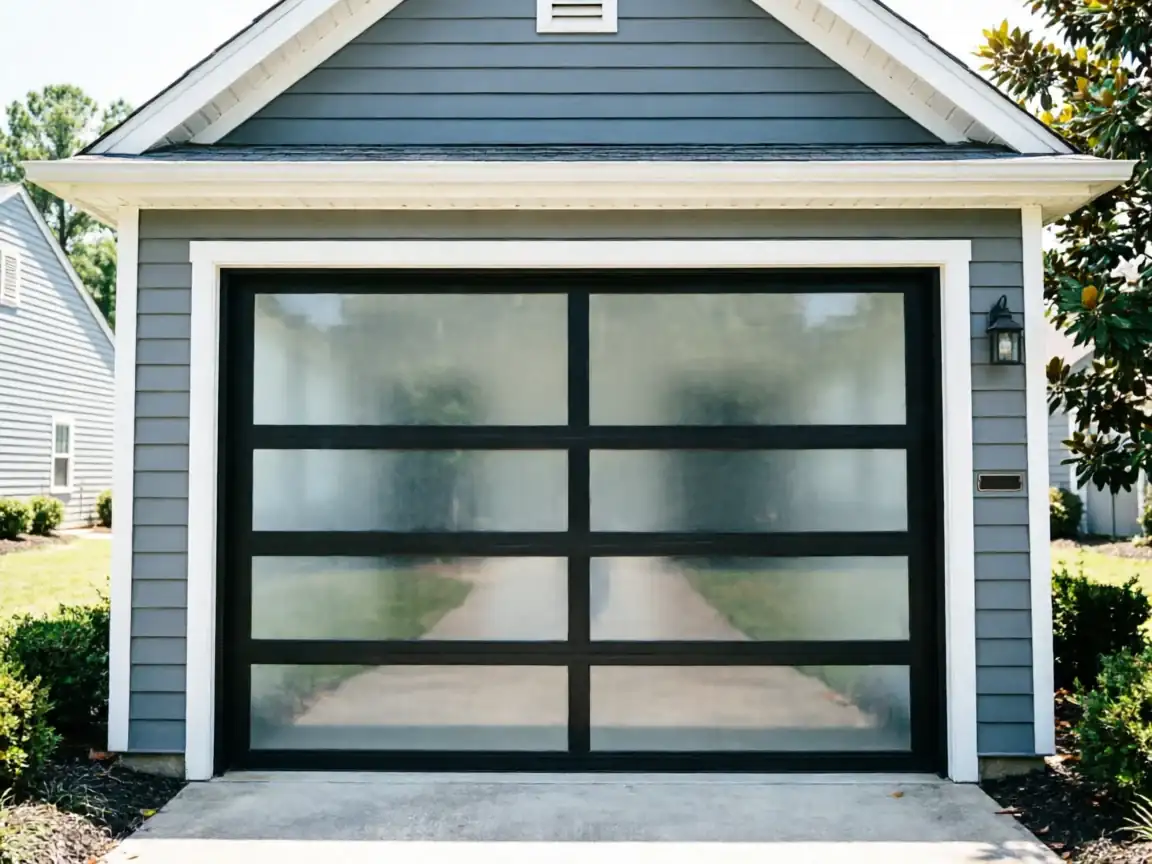
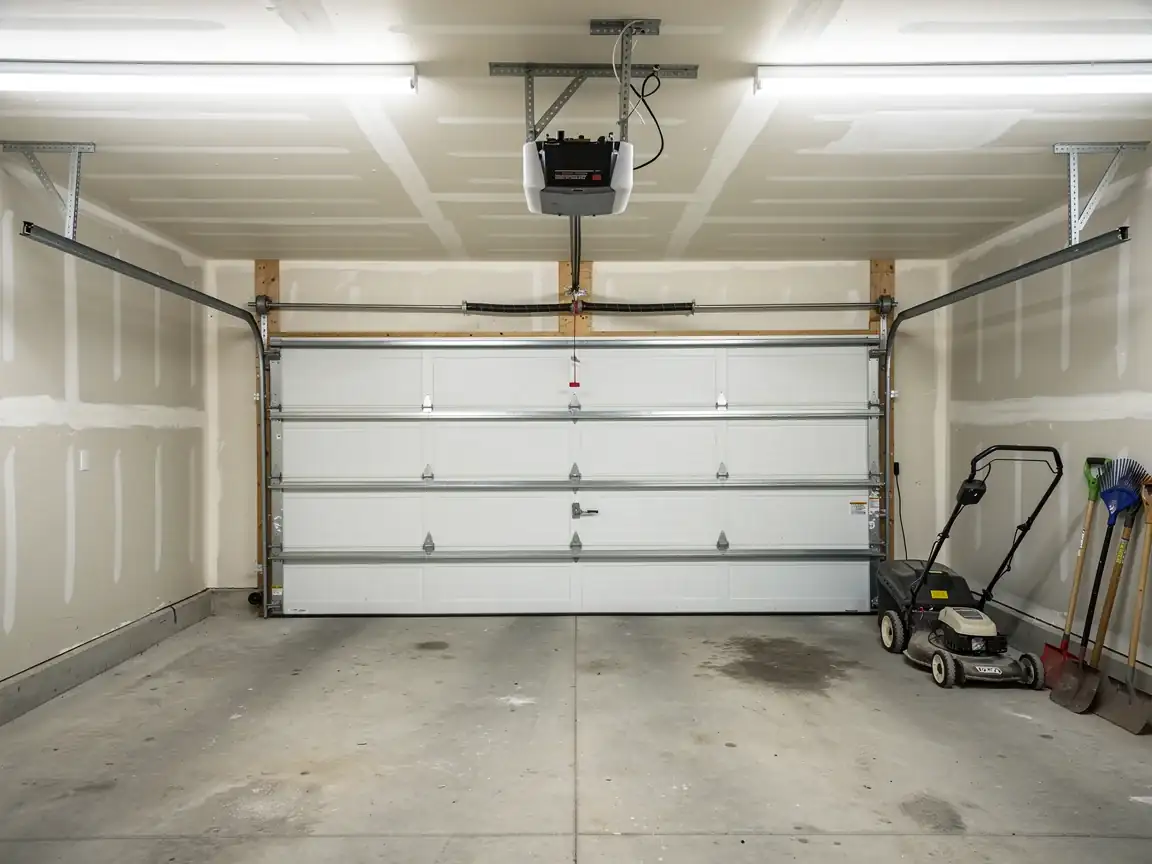
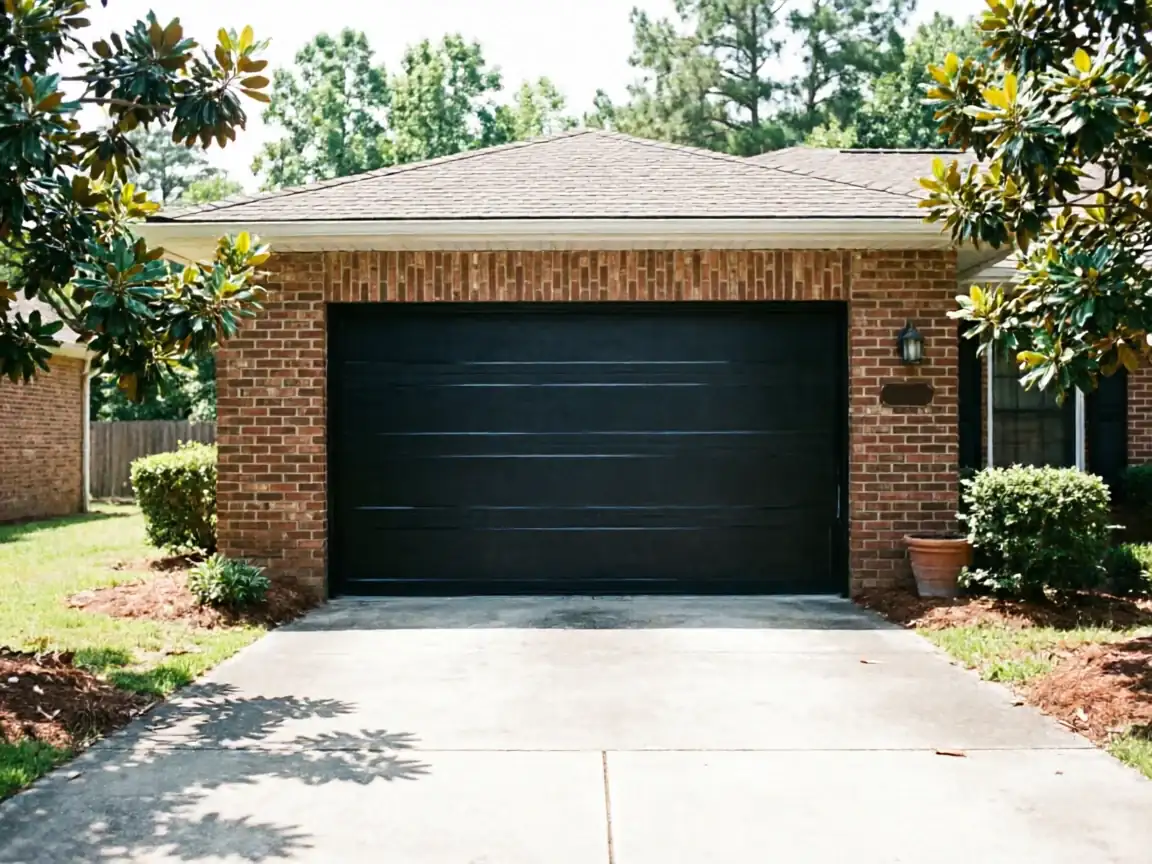
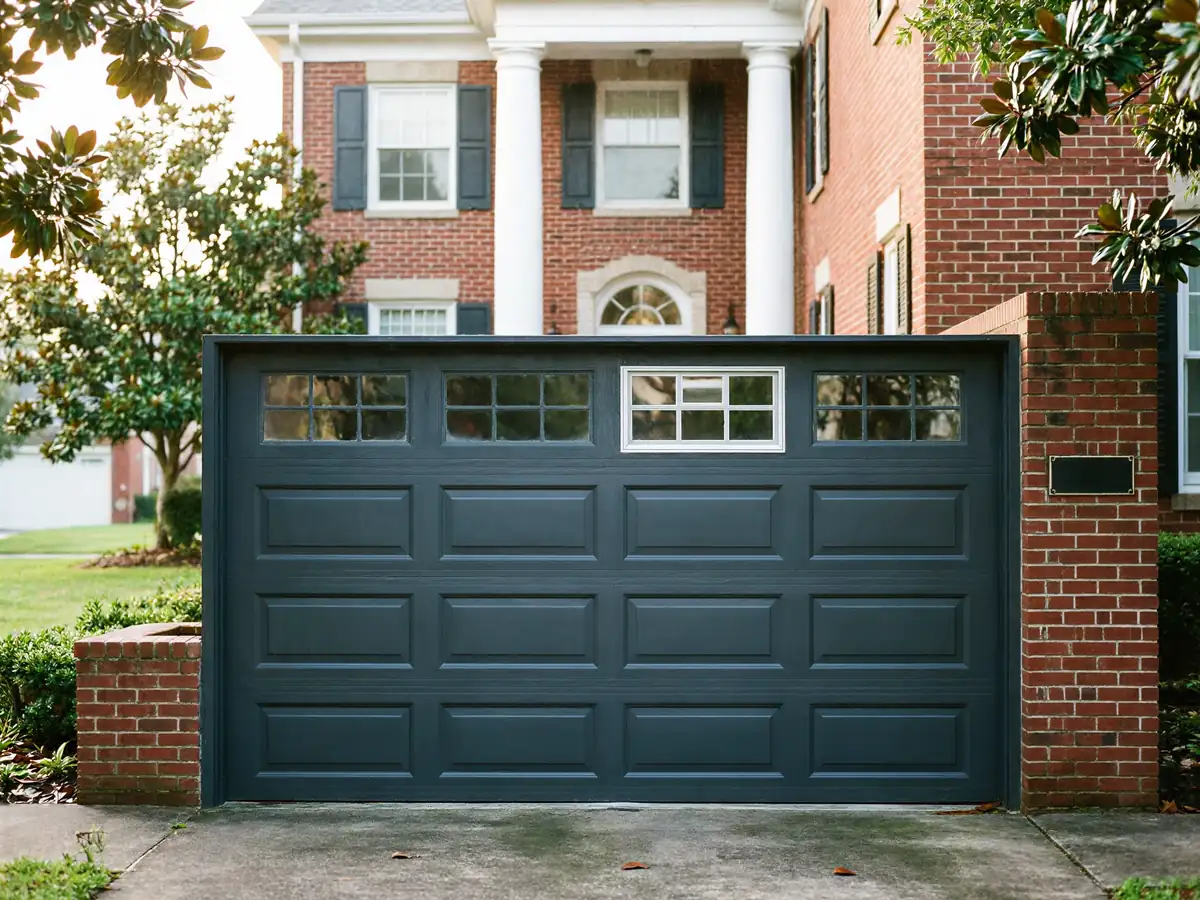
Most houses in Valley went up around 1979, which puts the typical garage door squarely in the steel era - thinner gauge panels than what's sold today, usually in narrower sections than a modern door. That matters for panel replacement because a dent or a crack on one of these doors often means hunting down a matching panel width, not just a matching color. A door from this build year was also sized to openers and track hardware that were standard then, which is a different fit than what shows up on a door installed in the last ten years. Cars back into these doors, trailer hitches clip the bottom panel, wind-driven branches crack a middle section - the damage is the same kind you'd see anywhere, but the fix is narrower here because the panel stock is narrower. We see this pattern across the areas we cover out of Opelika, and Valley's housing stock sits right in that same build window. The climate here stays mild with occasional freeze, so panels don't usually warp from heat the way they do further south, but a dented panel left alone through a cold snap can crack along the seam where the steel's already stressed.
Can You Do This Yourself
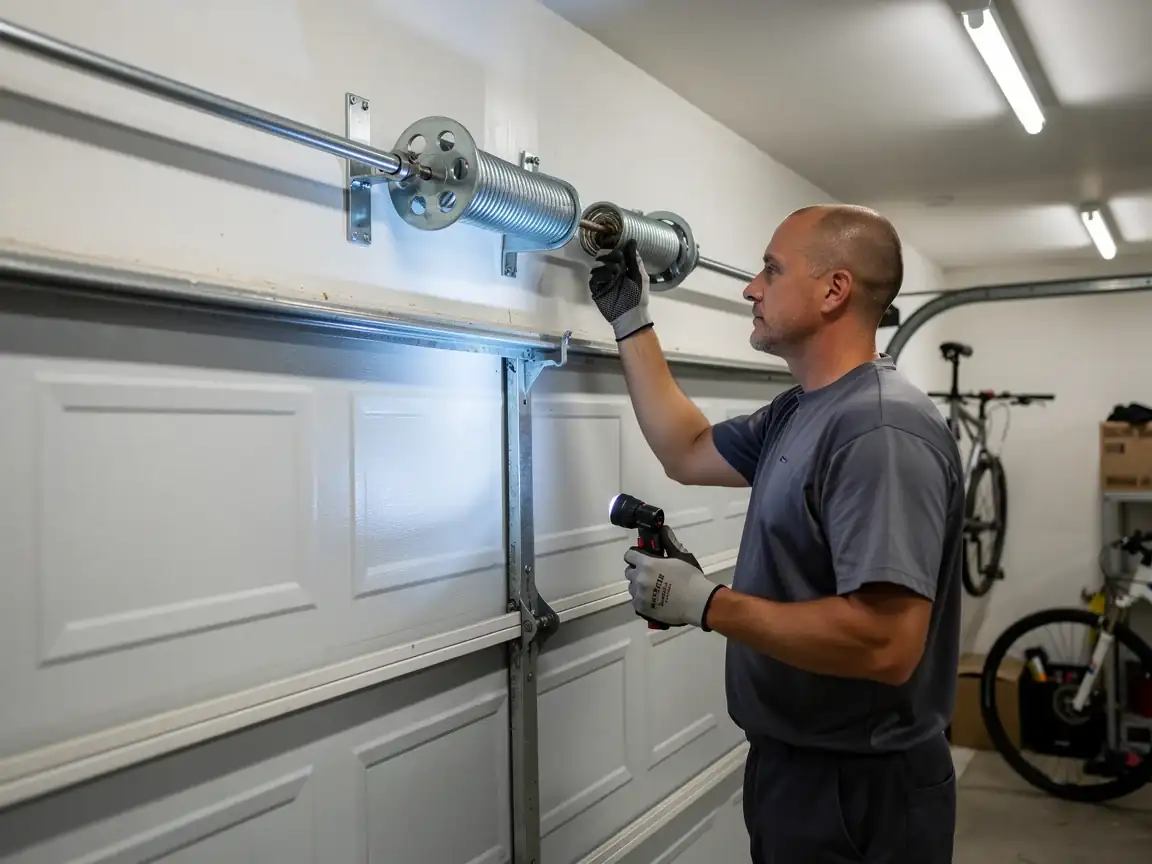
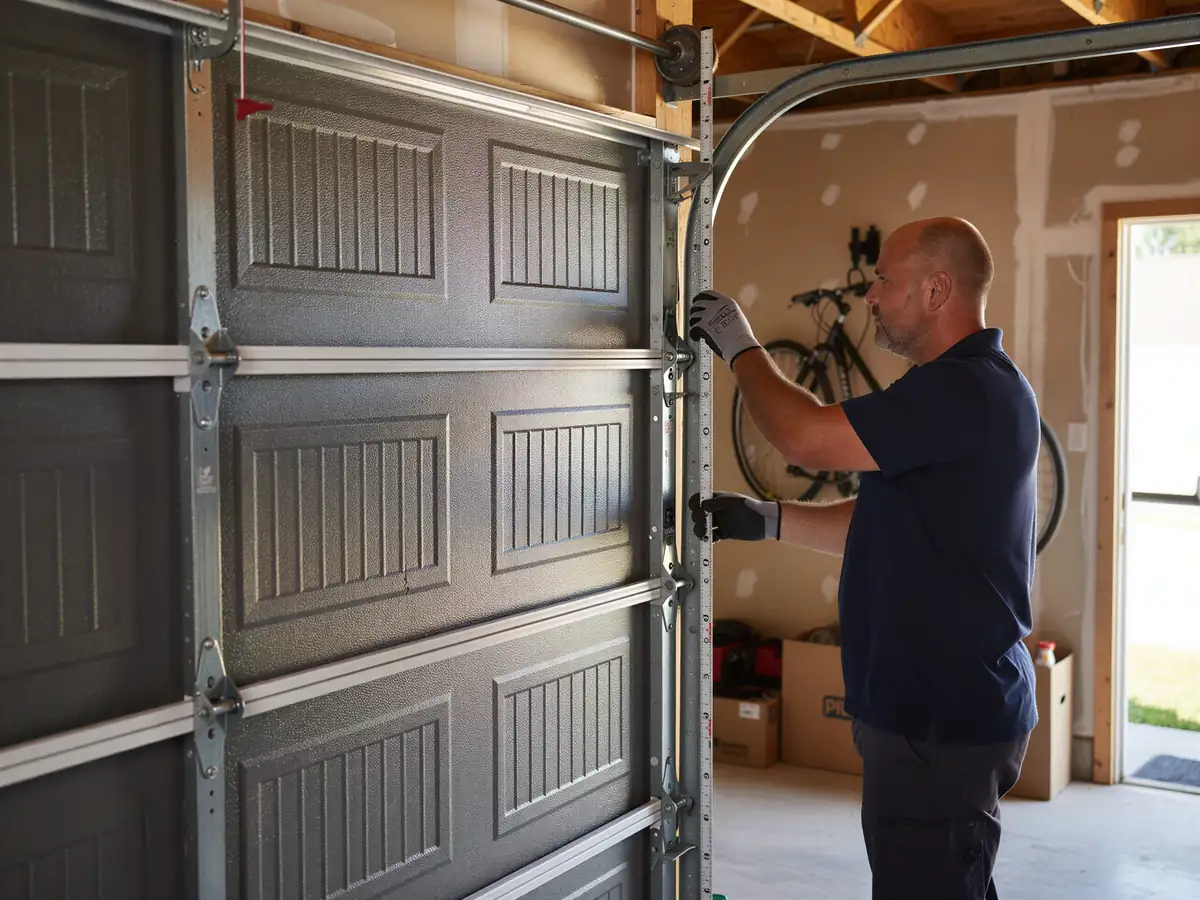
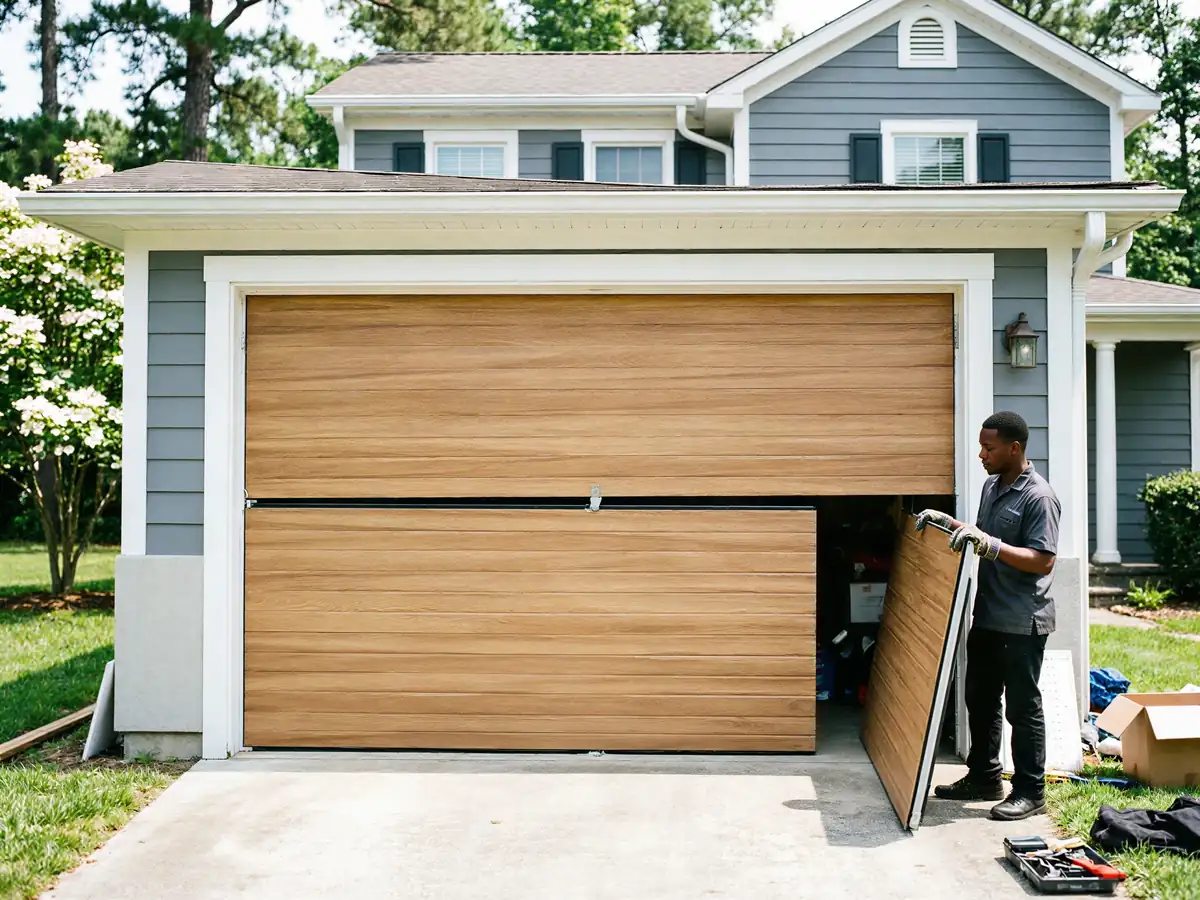
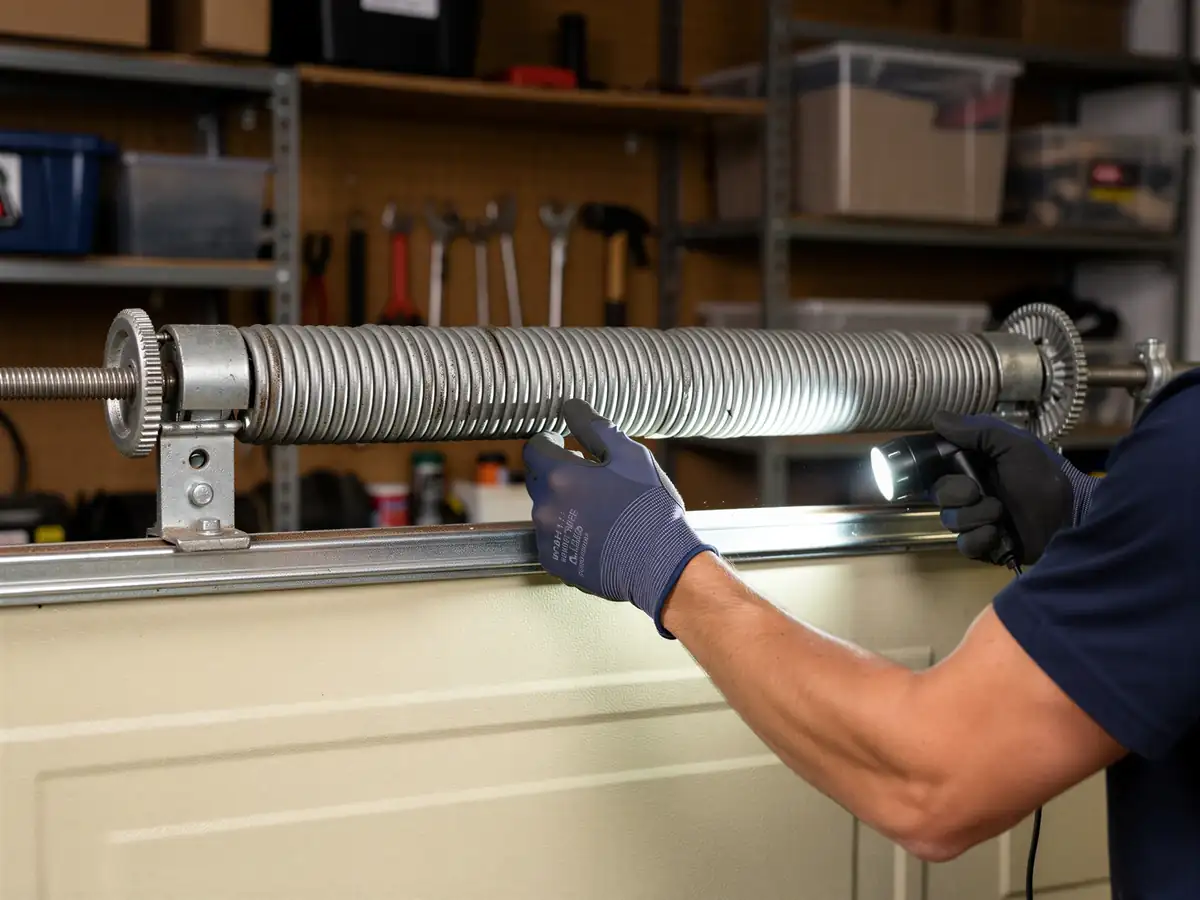
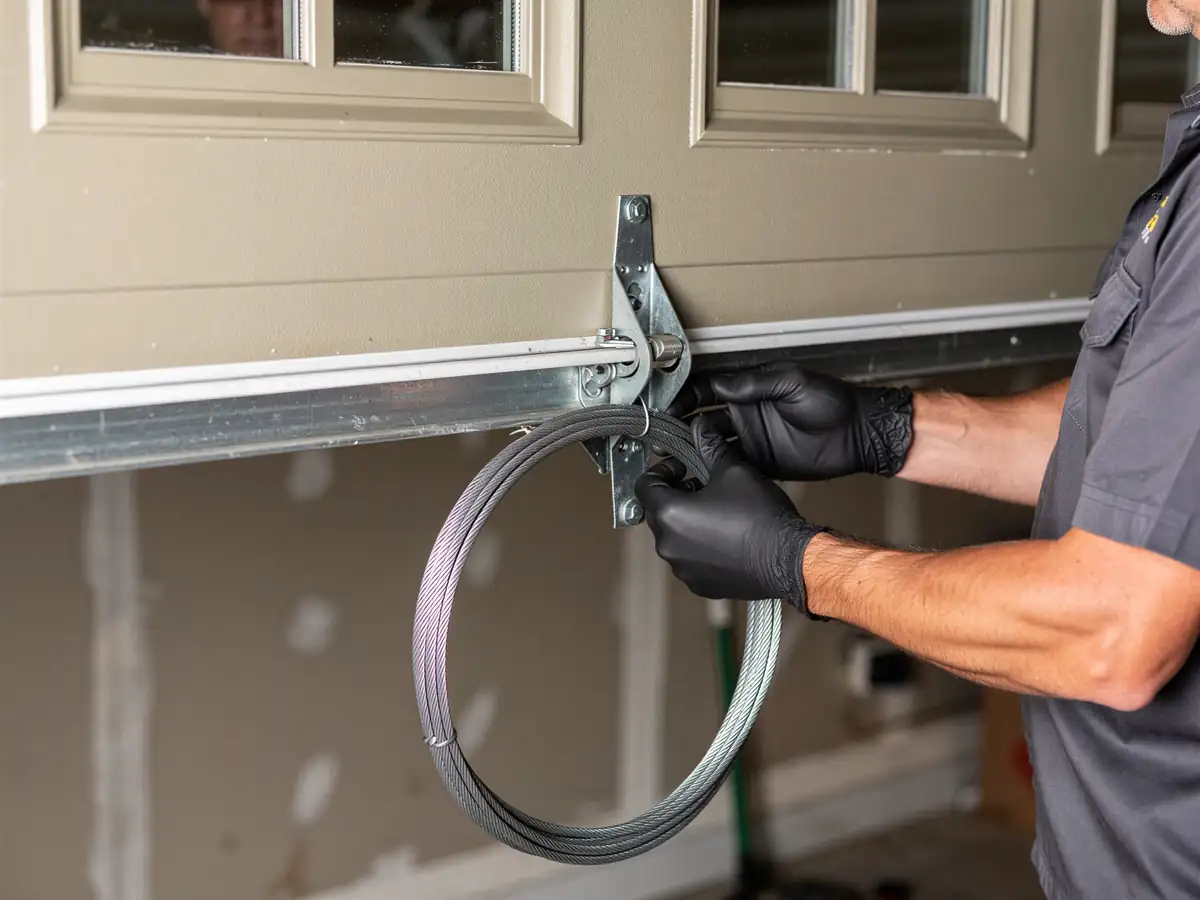
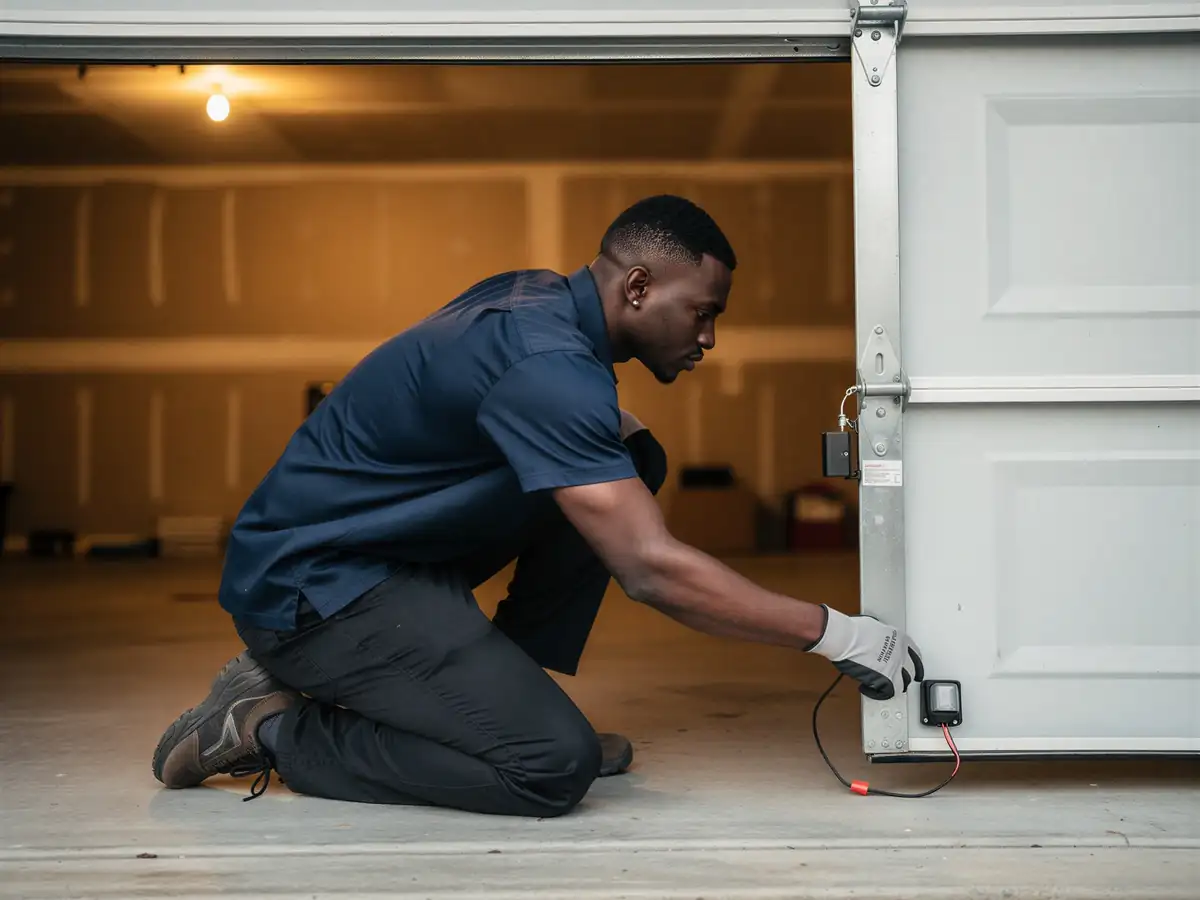
If it's a single bottom panel on a door that still rolls and seats fine otherwise, a confident DIYer can replace it - the panel bolts to the hinges and track rollers like any other section. The catch is sourcing the right panel. On a door built around the late 1970s, the section height and panel profile often don't match what a big box store carries off the shelf, so you're ordering from a supplier and waiting, or you're buying a universal panel that doesn't sit flush. We don't stock every legacy panel width ourselves either - that's the honest limit here, and sometimes the lead time on a matching part is longer than anyone wants. If the door has a broken spring or the track is bent along with the panel, stop and call - a loaded torsion spring and a panel job together is not a one-person afternoon.
Where This Job Goes Sideways
The job gets complicated when the panel style has been discontinued and nothing on the market matches the existing sections - at that point you're choosing between a mismatched panel that stands out or replacing more of the door than the damage requires. It also goes sideways when what looked like a single bad panel turns out to be a track that's been pulled slightly out of alignment by whatever hit the door, which means the new panel won't seat right until the track's corrected first. With household incomes in Valley running higher than some of the other areas we cover from Opelika, we also get more calls asking for a full door swap instead of a patch repair - that's a reasonable call on an older door with more than one damaged section, but it's not always the cheaper or faster path, and we'll say so before we quote it.