What Causes It Around Here
Valley's median household income sits at $55,422, well above the $45,493 median across the wider service area we cover out of Opelika. That number matters more than people think, because it sets where the repair-or-replace line actually falls. A household at this income level can usually justify a full opener swap or a new insulated door instead of nursing a 15-year-old unit along, where a lower-income household might need us to patch the same door twice.
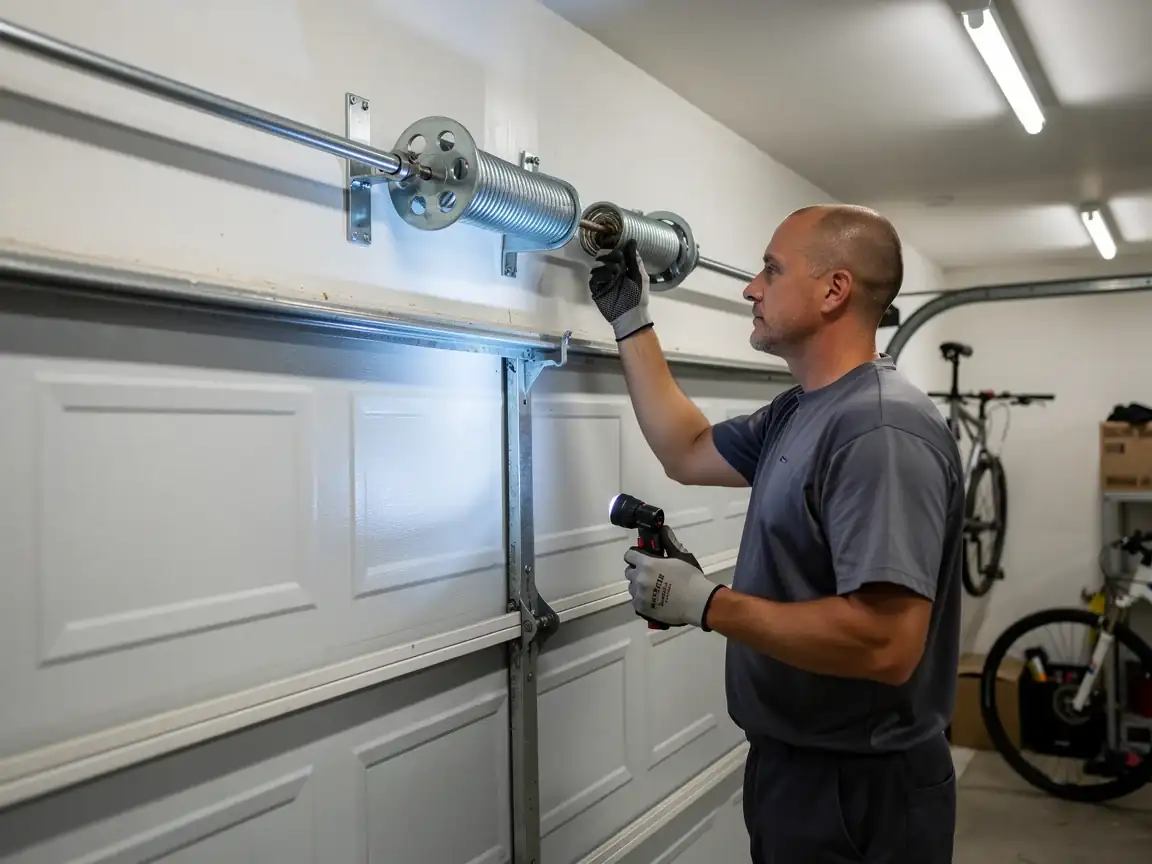
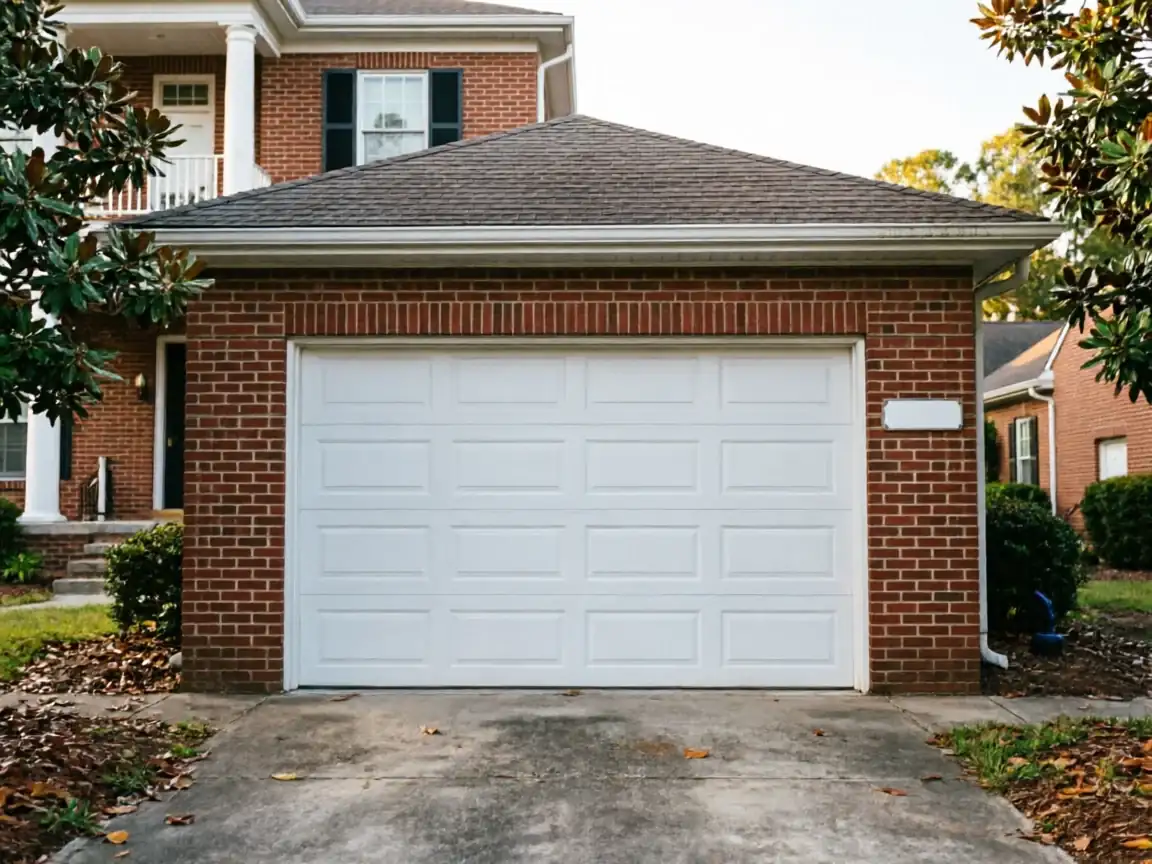
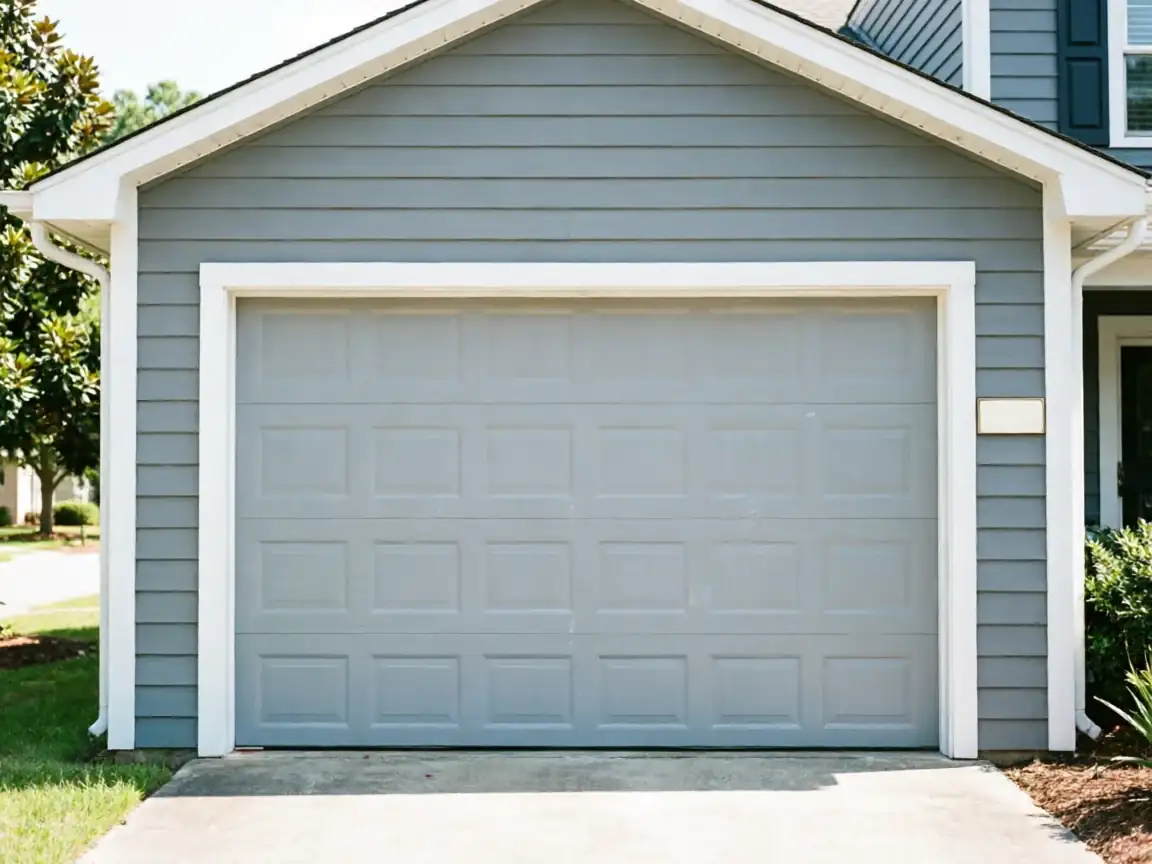
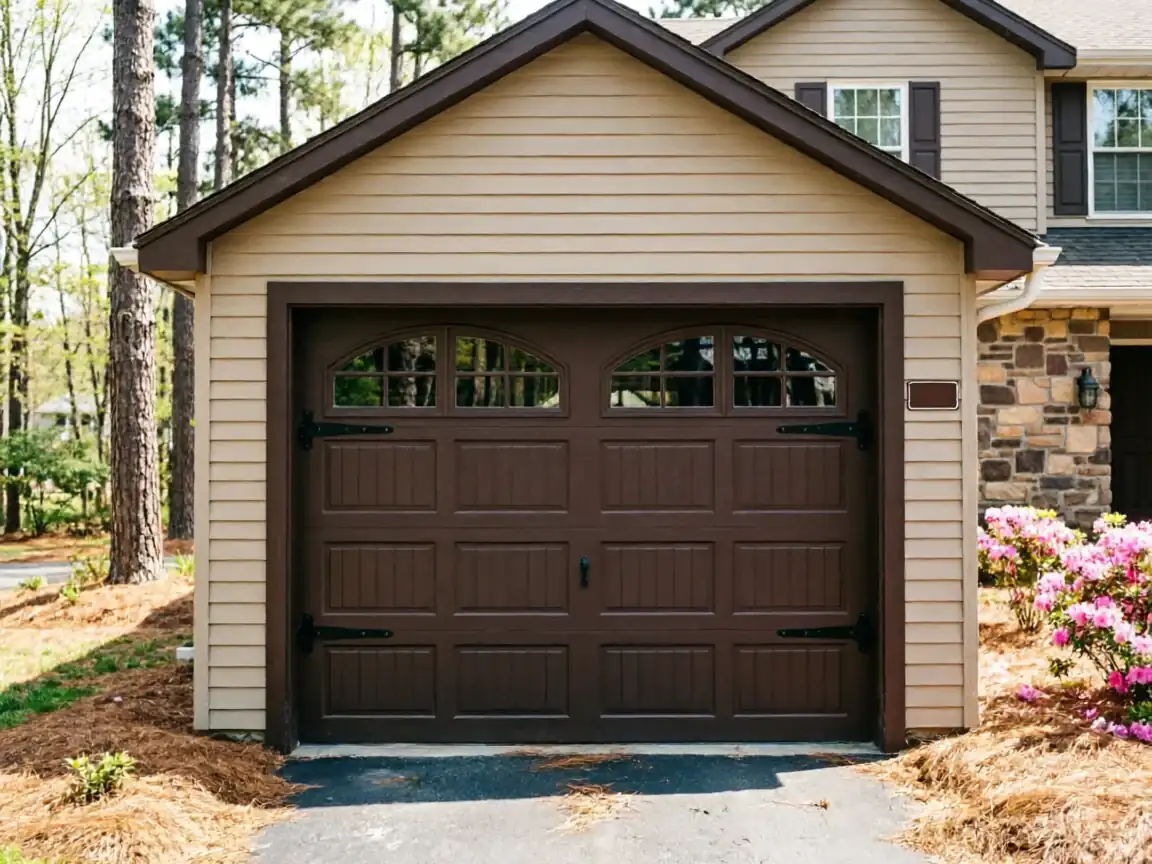
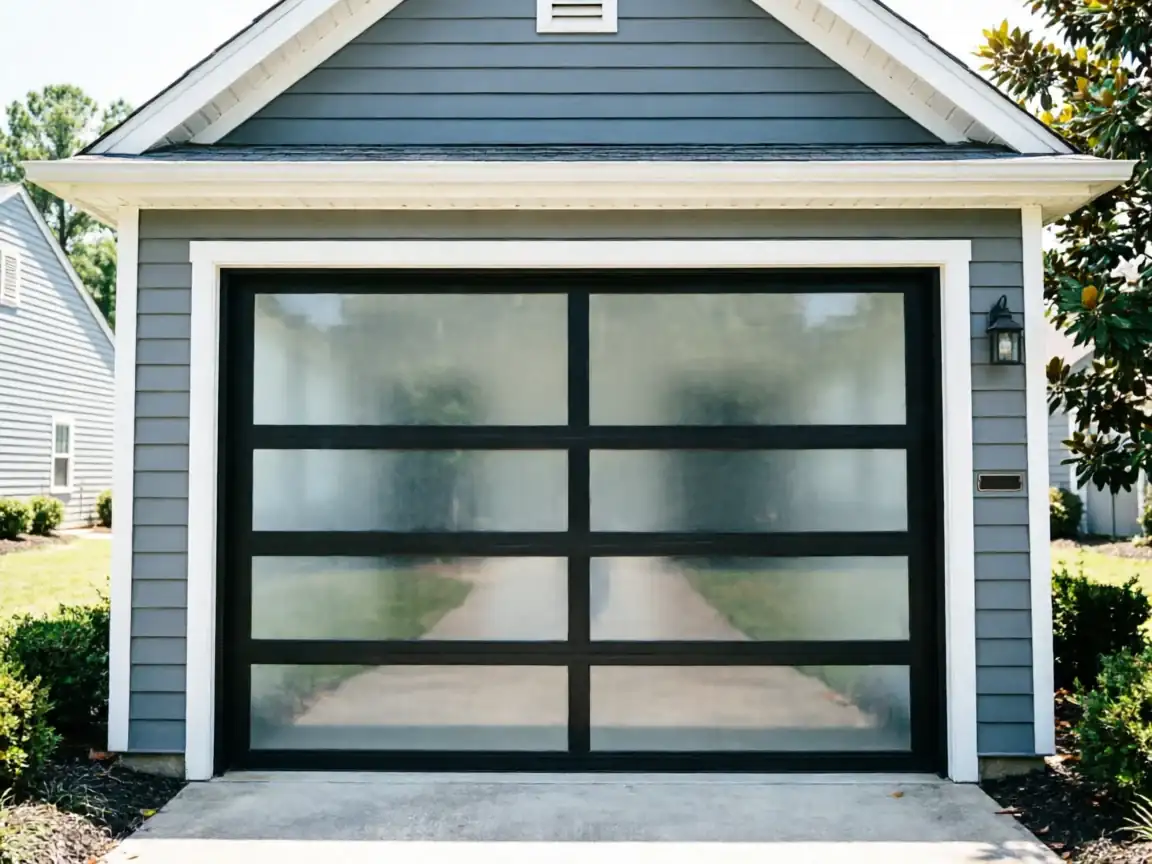
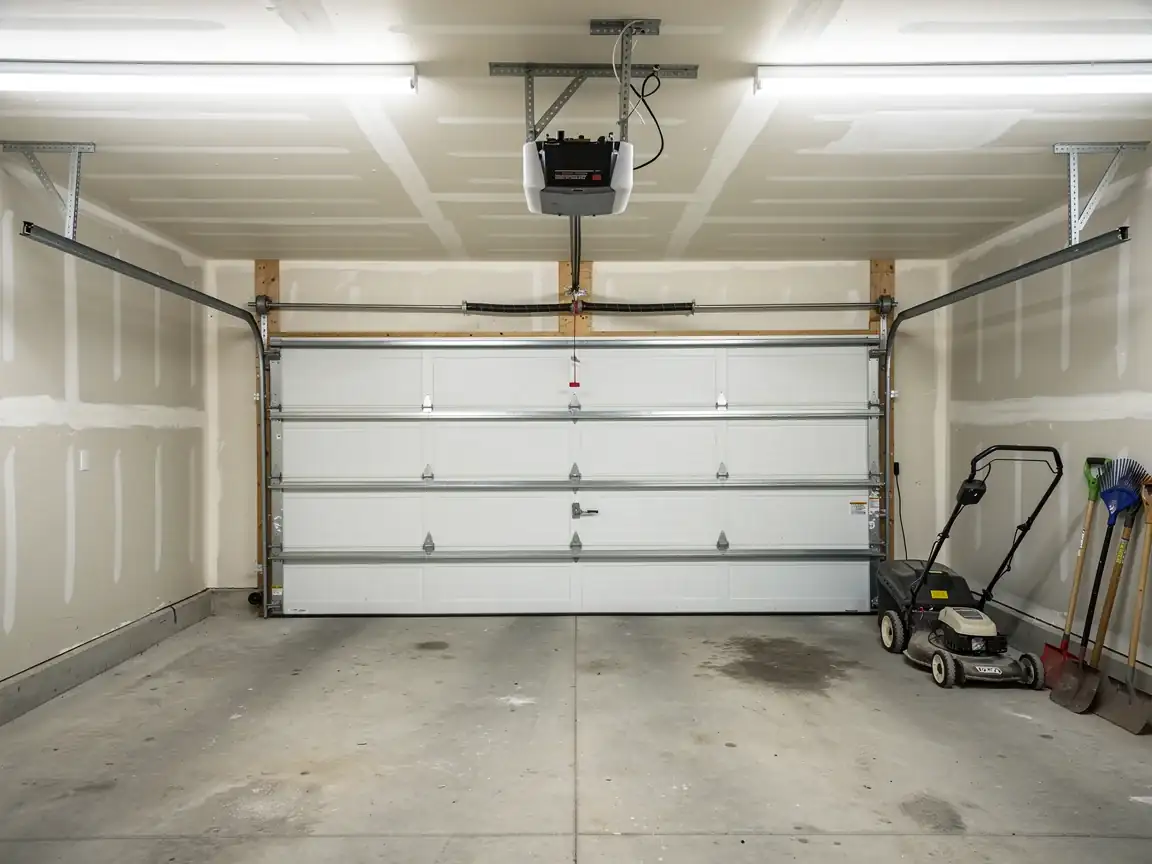
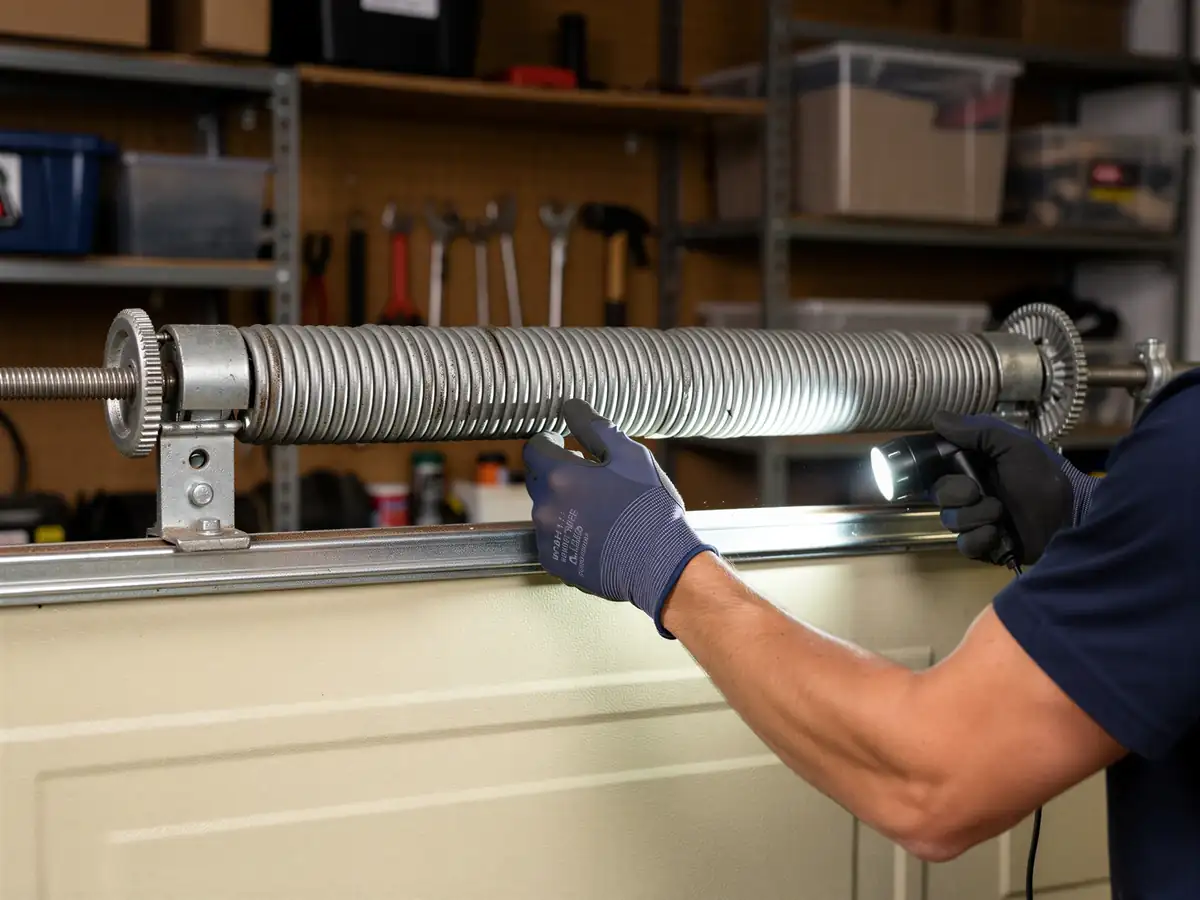
The housing stock backs this up. Valley's median build year runs 1979, a bit newer than the 1965-1991 span with a 1976 median that covers the broader area. That later build year usually means steel sectional doors on torsion springs rather than the older one-piece or extension-spring setups you still find on the oldest blocks nearby. Torsion hardware from the late 1970s has had forty-plus years to work loose at the bearing plate, and the springs themselves are well past any reasonable service life even if they haven't broken yet.
Climate here is mild with occasional freeze, so you don't get the hard freeze-thaw cycling that snaps springs outright, but humidity swings still work on steel fasteners and weatherstripping over four decades.
Can You Do This Yourself
Some of it, yes. Lubricating rollers and hinges, tightening visible bolts on the track brackets, and swapping weatherstripping are reasonable weekend jobs on a door from this era. Replacing a broken torsion spring is not - the spring is under enough stored tension to break a wrist or worse, and that's true whether the door is five years old or forty-five.
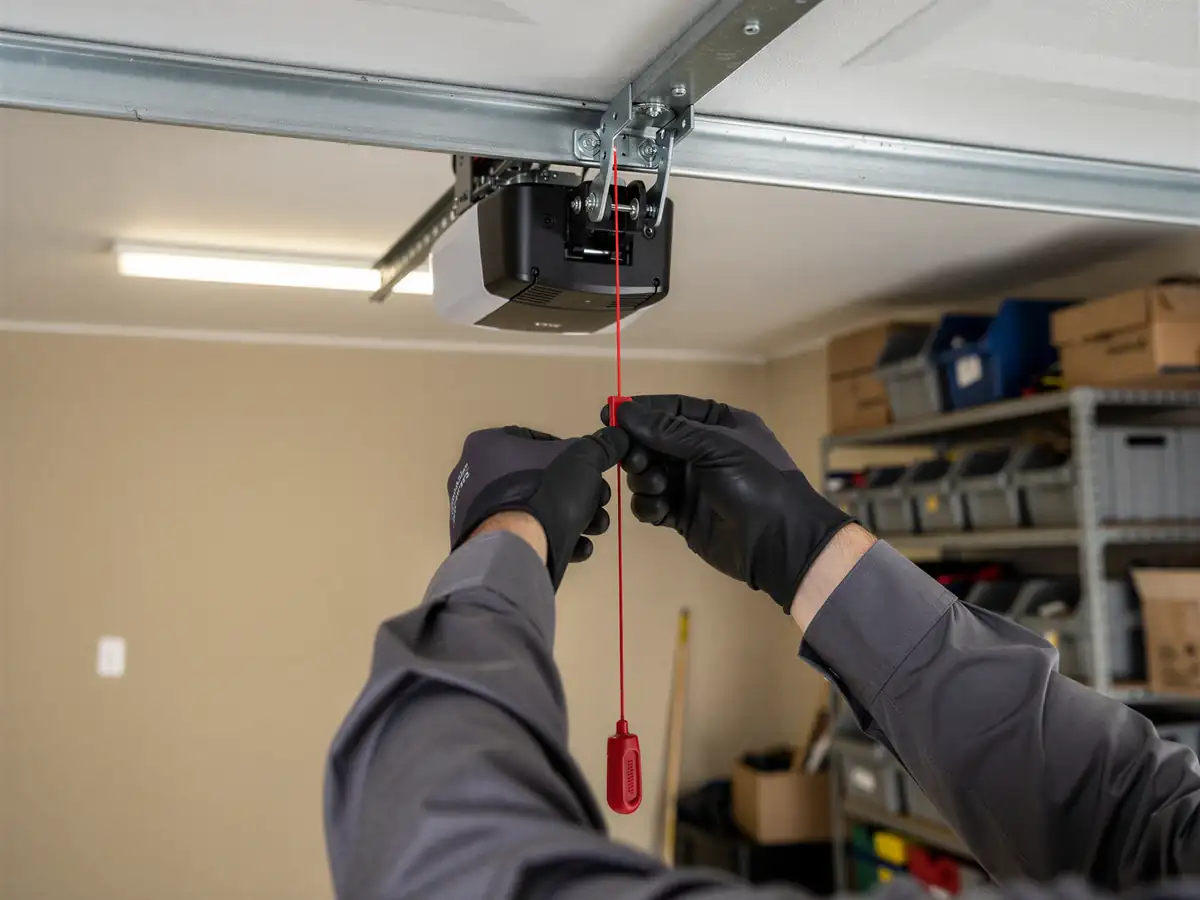
If your opener is from the original 1979-era build or close to it, don't try to rewire or rebuild the motor housing yourself. Parts for openers that old are often discontinued, and at that point the honest move is replacement, not repair - we'll say that plainly on the call, not just in the invoice.
We travel to Valley from Opelika, about 14 miles out, so we're not going to tell you to skip a $20 fix and pay a truck roll for something you can do with a wrench and ten minutes.
The Symptom
The complaint we hear most from this side of the service area is a door that opens fine but shudders or bangs partway through the cycle
Usually a sign the torsion spring has started to fatigue but hasn't fully let go yet. On a door built around 1979, that's close to end-of-life for the original spring regardless of how it looks.
A second common call is an opener that runs but doesn't fully seat the door
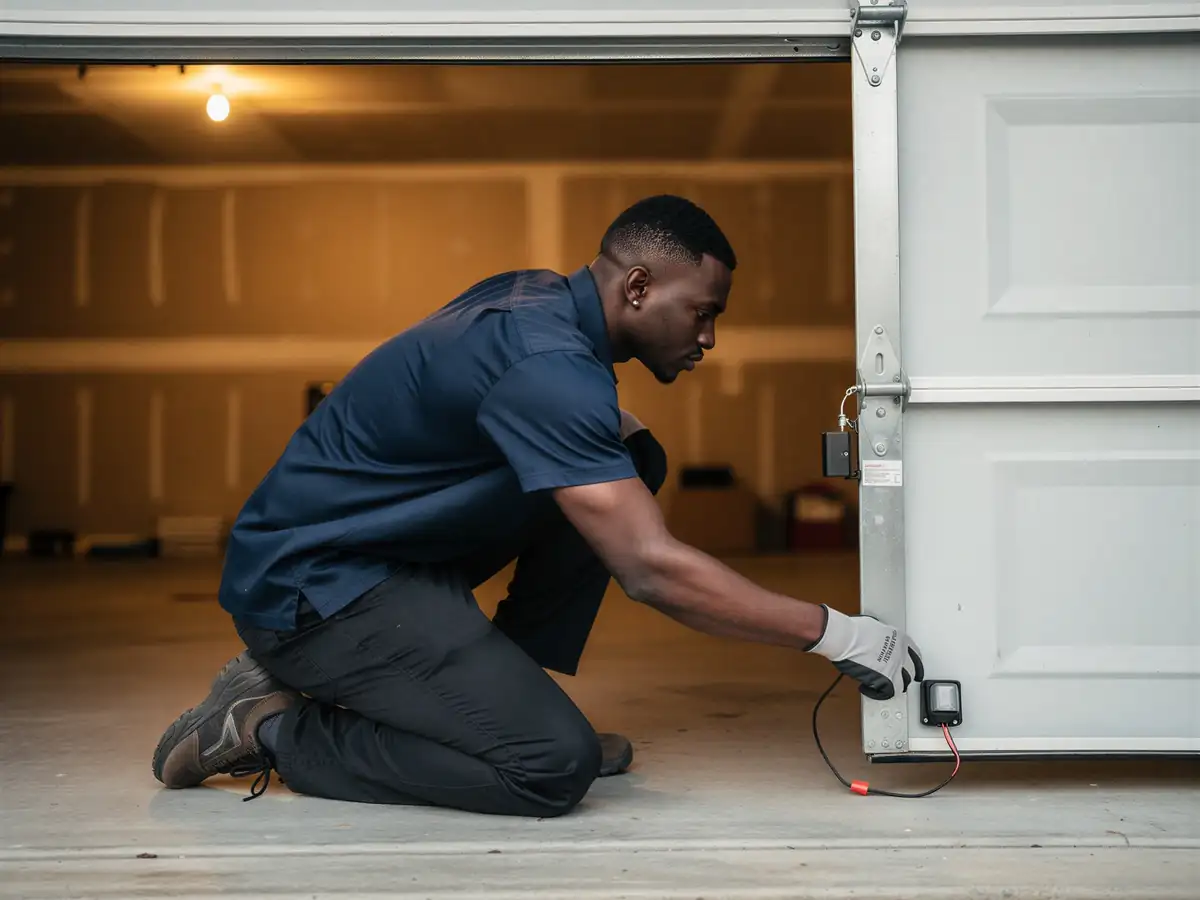
Leaving a gap at the bottom. That's often the travel limit switch drifting out of calibration, which is a fifteen-minute adjustment on most units from this build era, not a replacement.
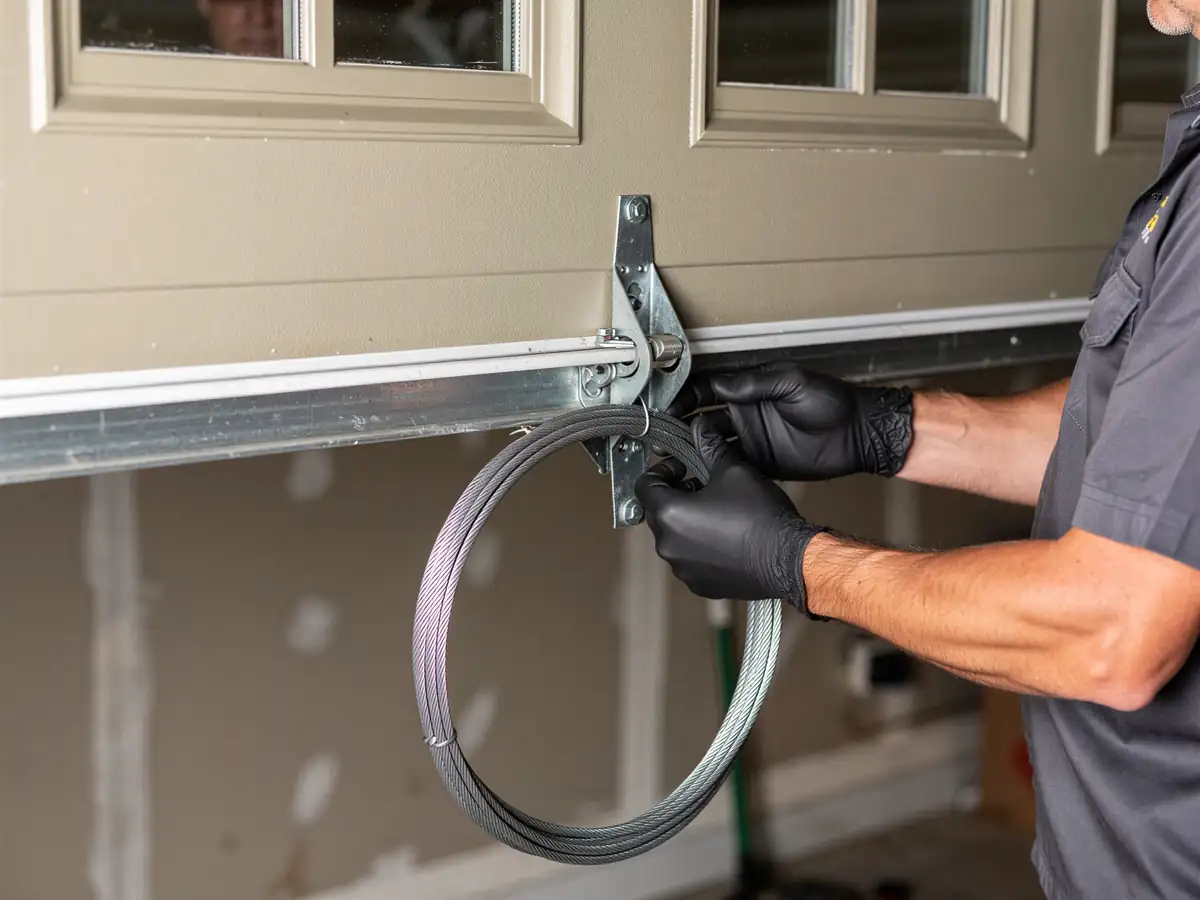
Less common, but worth naming: cables that have started to fray at the bottom roller bracket
On a door this age, if one cable shows wear, the other usually isn't far behind, and we'll check both rather than fixing the one you noticed.
Where This Job Goes Sideways
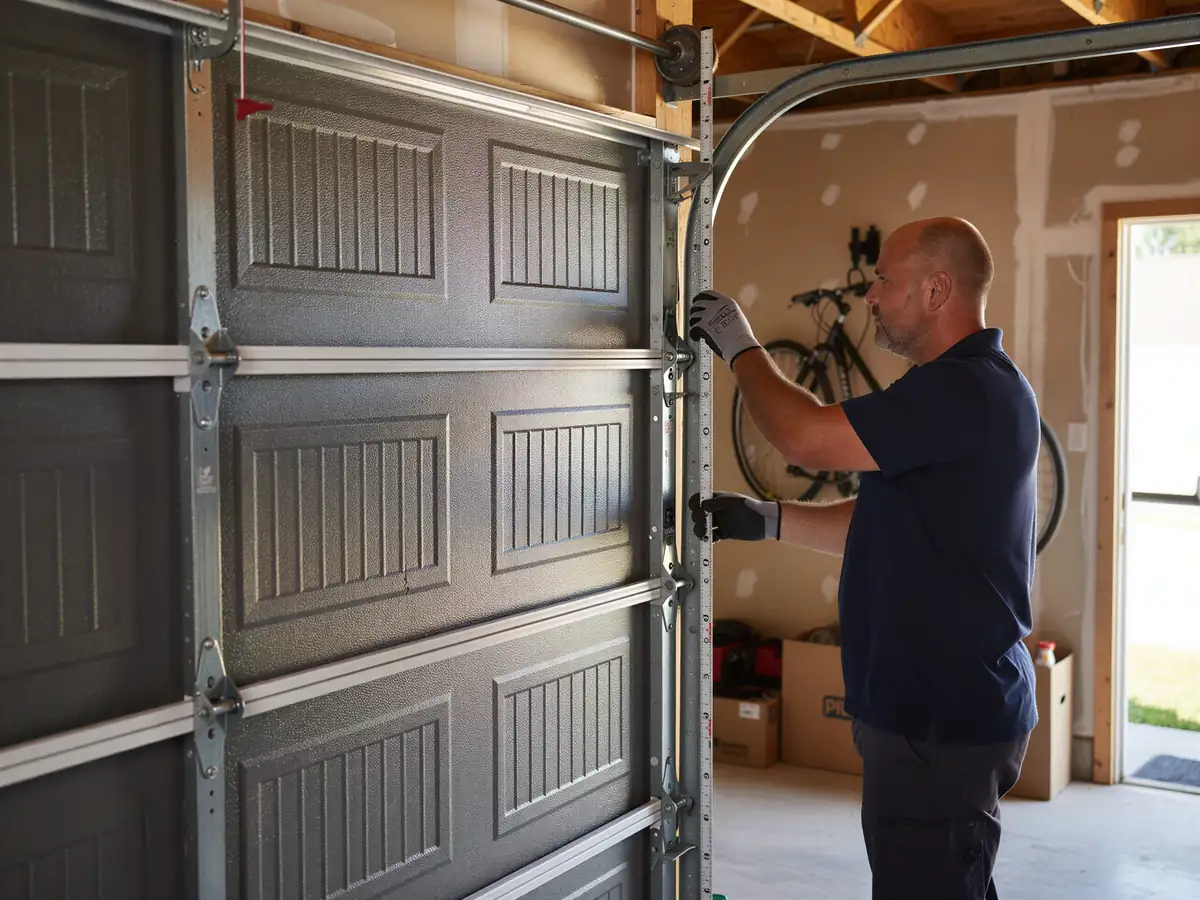
The job gets expensive fast when a homeowner replaces a broken spring but the drums or cable are already worn from running mismatched tension - then the new spring wears unevenly within months and it looks like a bad repair when it's really a skipped step. We check drums and cable wear any time we're replacing a spring, which adds a few minutes but saves a second call.
It also goes sideways when someone tries to match a 1979-era opener to a new smart opener kit bought off a shelf without checking the rail length or drive type first. Not every retrofit kit fits every old rail, and forcing it strains the header bracket.
Our honest limitation: if your opener's circuit board is a model that's been out of production for a decade or more, we're not going to chase down a part that doesn't exist. We'll tell you straight that replacement is the only real option, even though that's a bigger invoice than a repair. For more on how we handle service across the wider area, see our Opelika garage door service page; for Valley-specific repair booking, use the Valley garage door repair page.