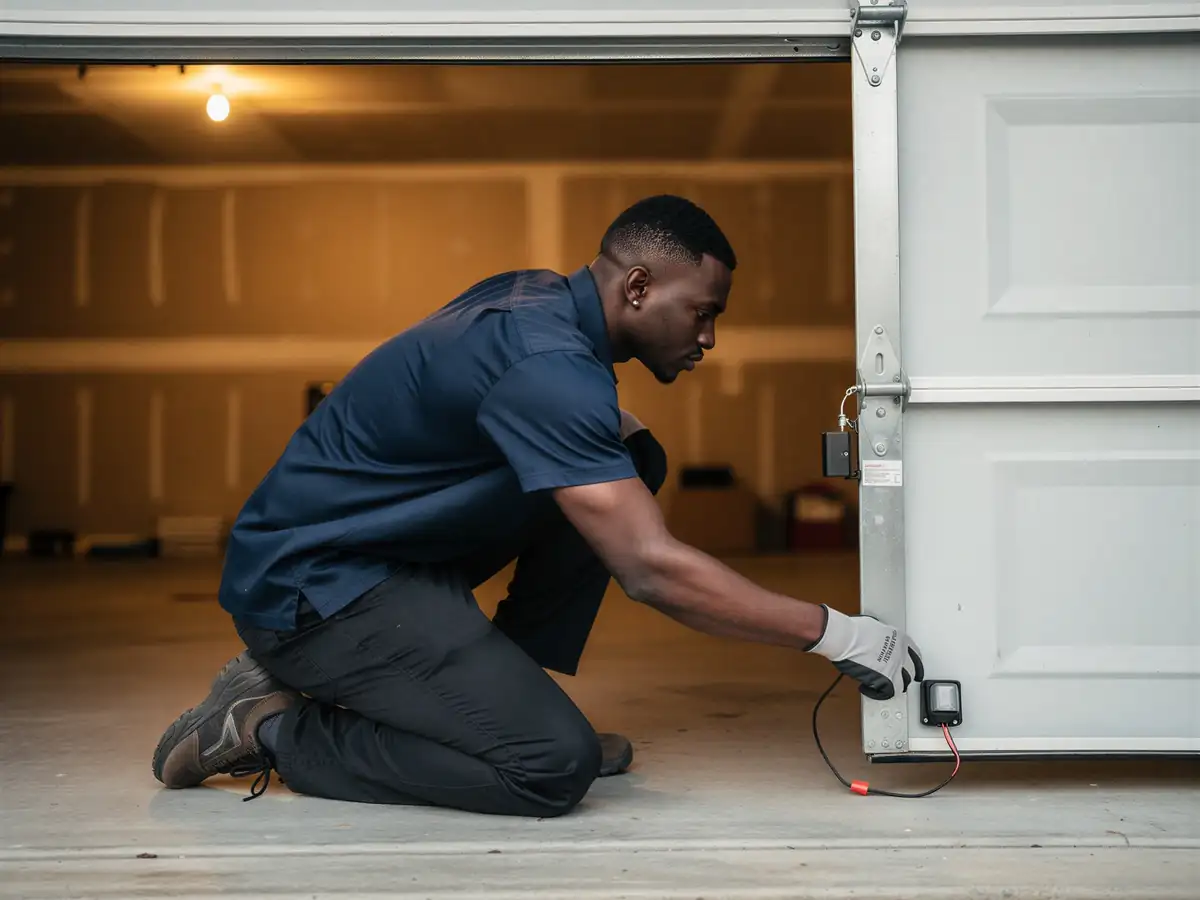
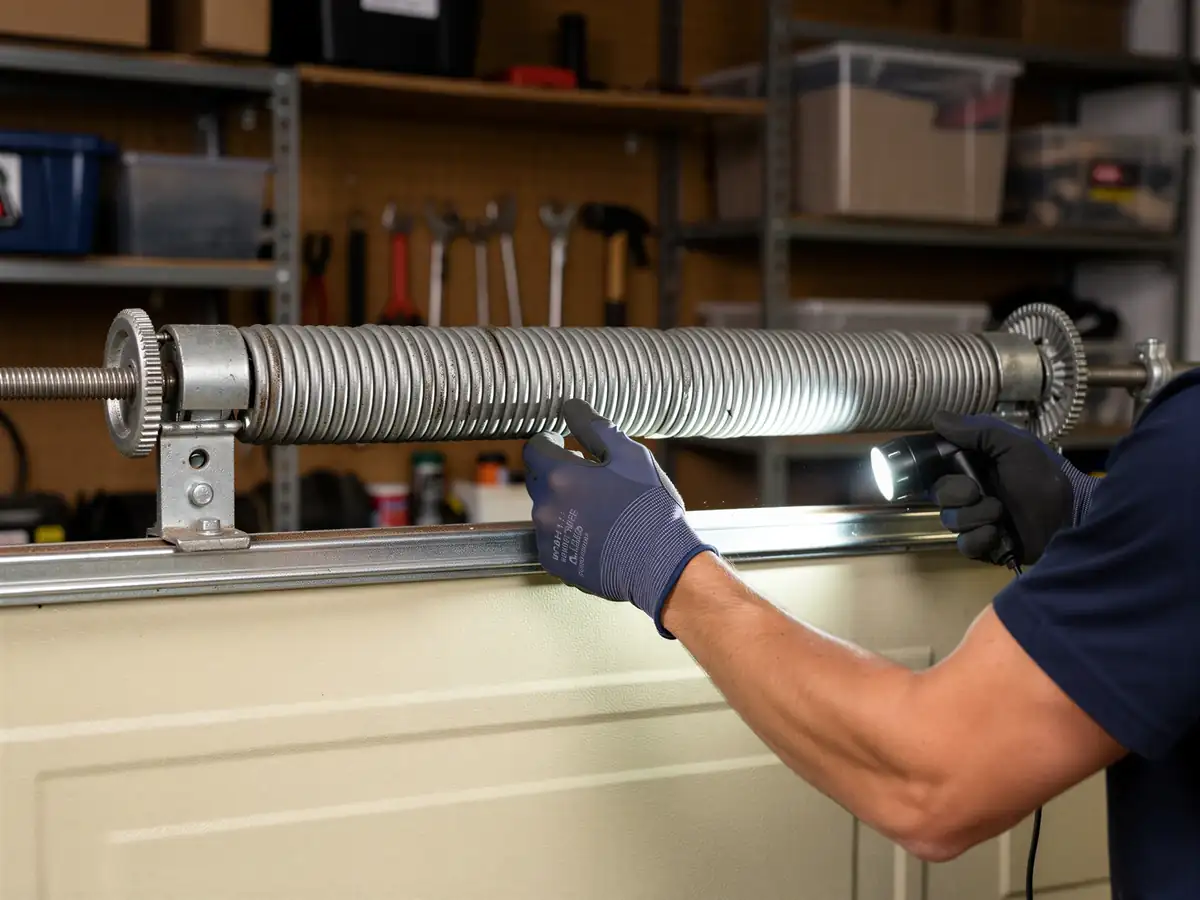
What Causes It Around Here
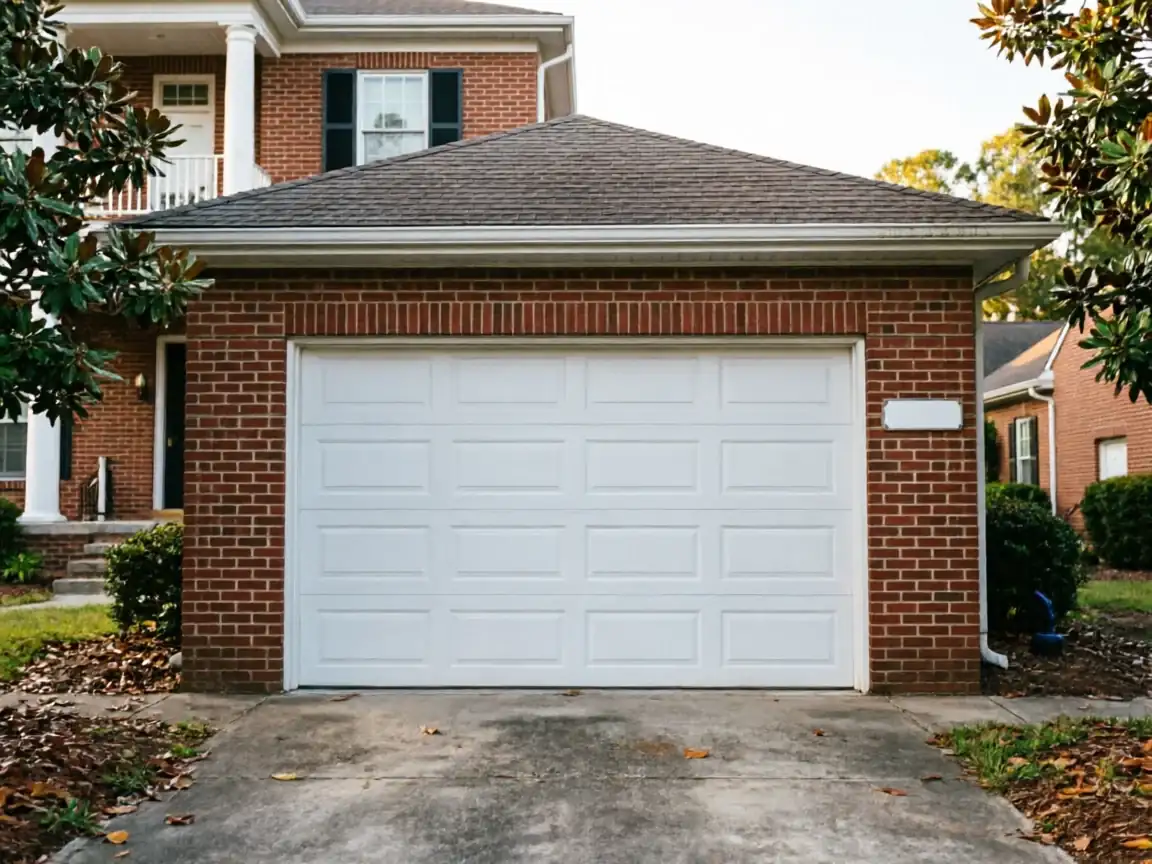
We run the fourteen miles out from Opelika to get to Valley, and that drive shapes how a spring call actually works here. There's no branch in town, so when we come out, we come loaded for what the housing stock usually needs rather than guessing twice. The median Valley house went up around 1979, a few years newer than the 1976 median across the rest of the service area, but still old enough that most of these garages have seen one spring already, sometimes two.
Torsion springs are rated in cycles, not years, and a door opening four times a day for over four decades runs through that rating regardless of the calendar. The region sits in a mild climate with occasional freeze, which isn't brutal on steel the way a harder freeze-thaw cycle would be, but it still stiffens lubricant and tightens tolerances on cold mornings, which is often when a tired spring finally lets go. Extension springs without containment cables show up more in the older end of this stock, and those are the ones we flag first when we're underneath a door that's original to the house.
Can You Do This Yourself
A torsion spring is wound under enough tension to break a bone or worse if the winding bars slip, and it is not a job we'll walk you through over the phone. Extension springs are lower tension but still dangerous without the right clamps, and a door that drops while you're under it doesn't give you a second chance.
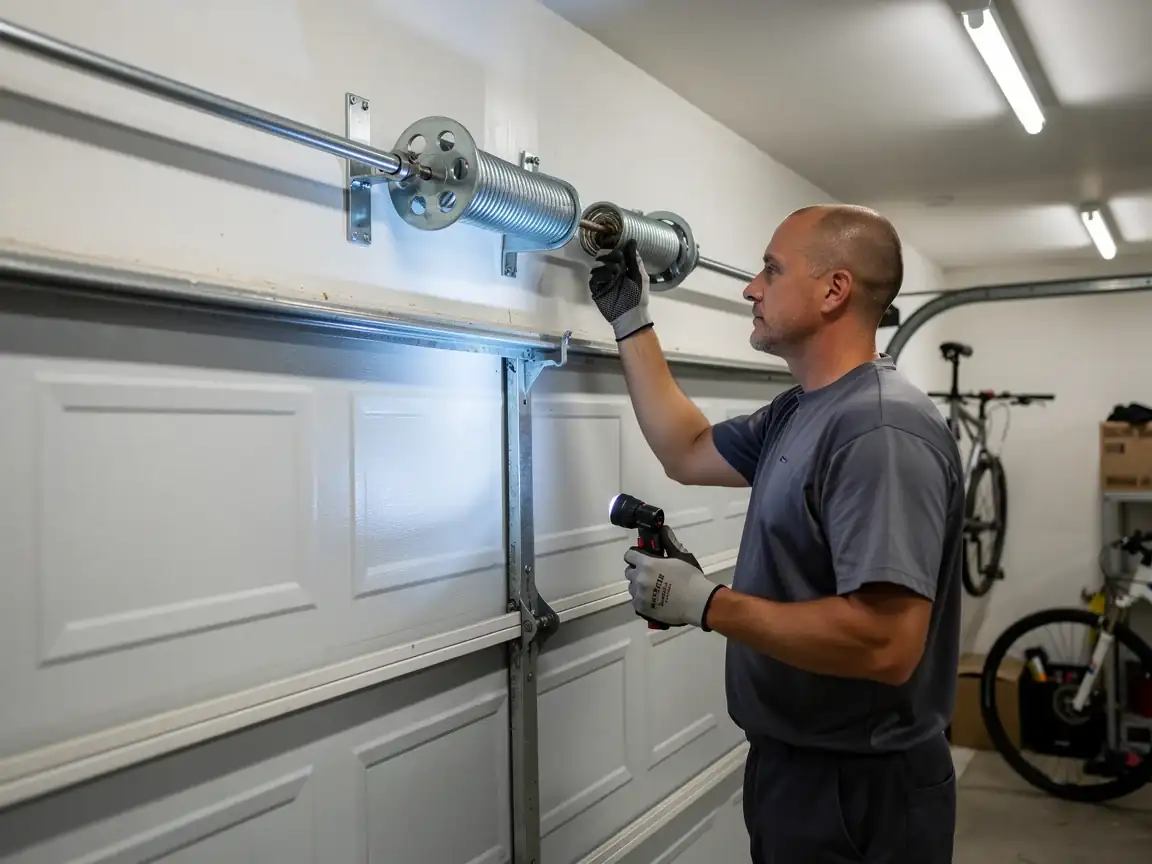
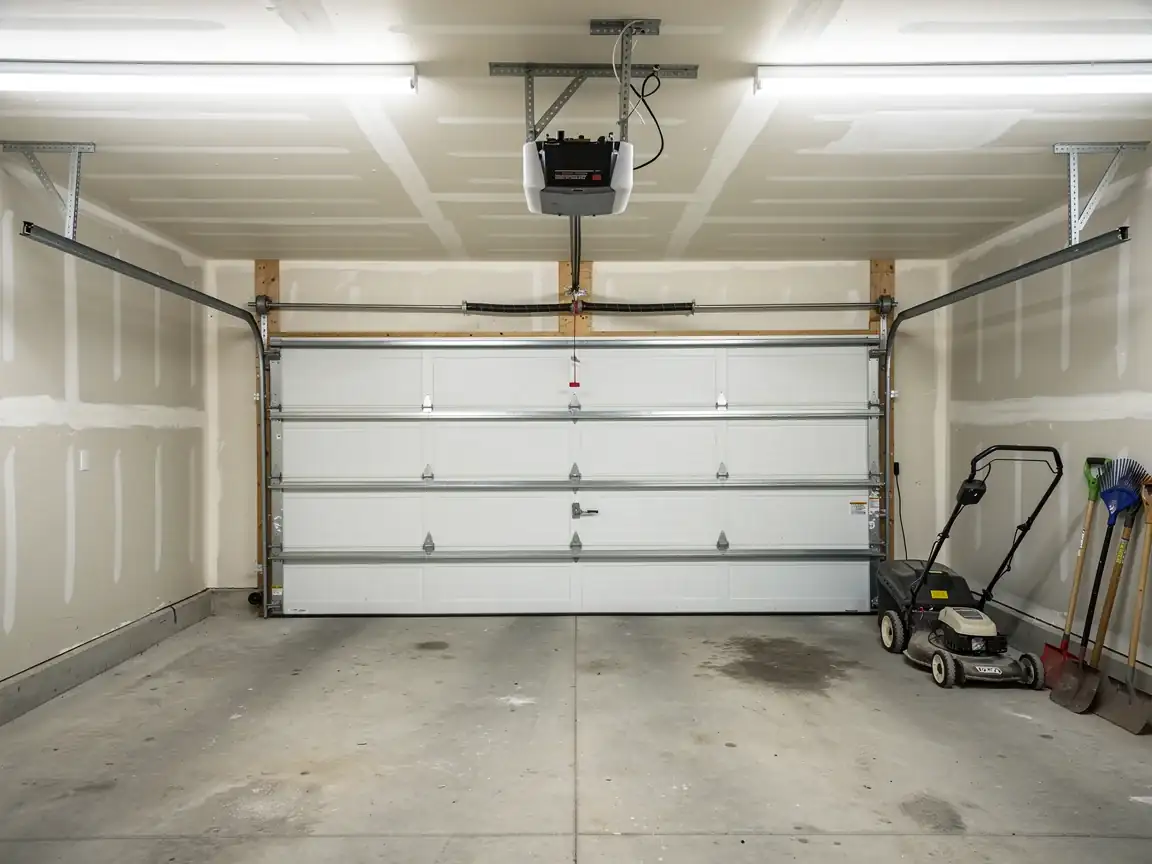
What you can safely check yourself: whether the door is a torsion-spring door (spring above the opening, horizontal bar) or an extension-spring door (springs running along the side tracks), and whether you've got one spring or two. That tells you what you're calling about before we ever load the truck. Past that point, the honest answer is to stop and call it in. We don't walk homeowners through spring replacement over the phone, and we wouldn't trust a shop that did.
The Symptom
The door that won't lift
Or lifts a few inches and stalls, is the classic torsion failure - the opener motor is fine, it's just fighting a spring that's no longer doing its share of the weight. A loud bang from the garage, often described as a car backfiring, is usually the spring itself letting go, not something hitting the door.
On older Valley doors, especially ones still running original extension springs from around 1979
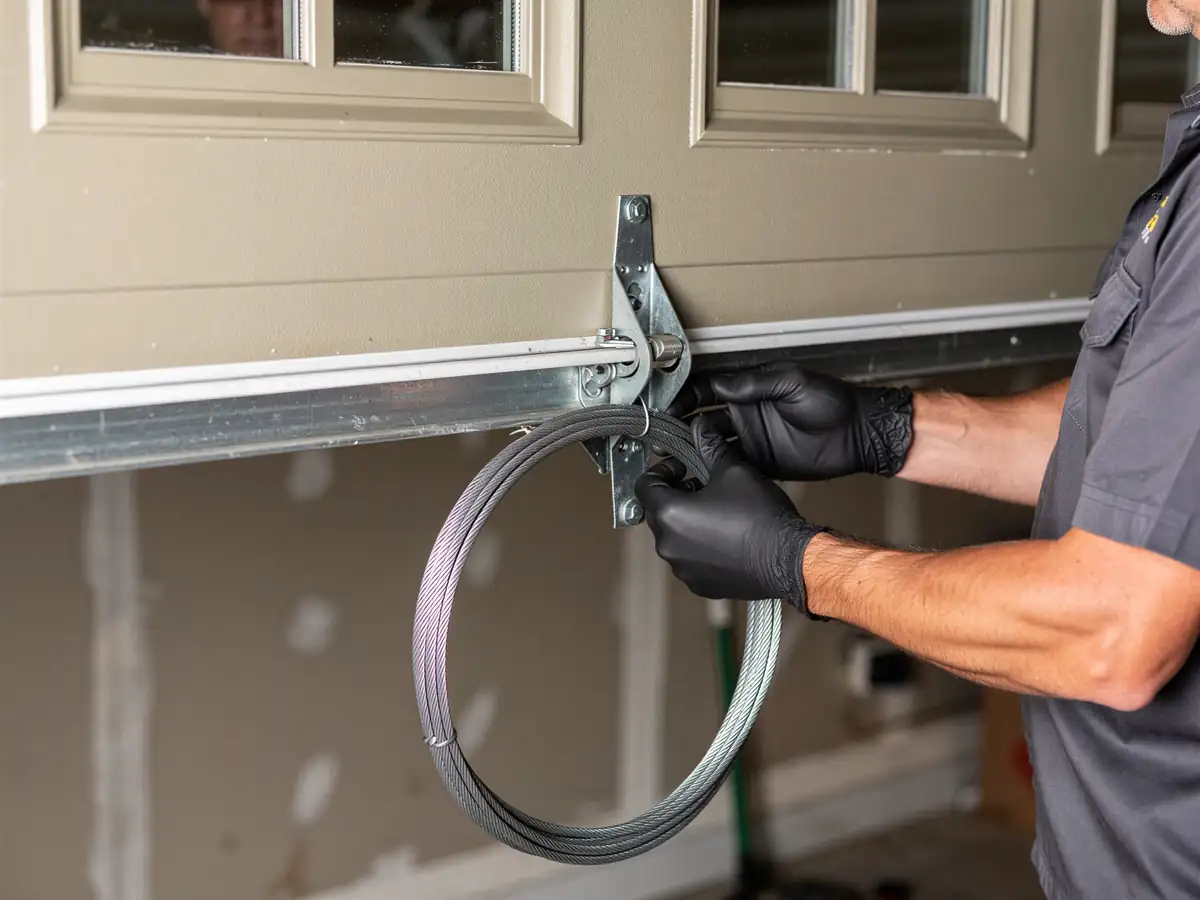
You'll sometimes see a cable gone slack on one side before the spring itself visibly fails - that's worth a call before it turns into a jammed track or a door hanging crooked. A door that closes unevenly, dropping faster on one side, points to one spring doing more work than the other, which is common once one side has already been replaced and the other hasn't.
Where This Job Goes Sideways
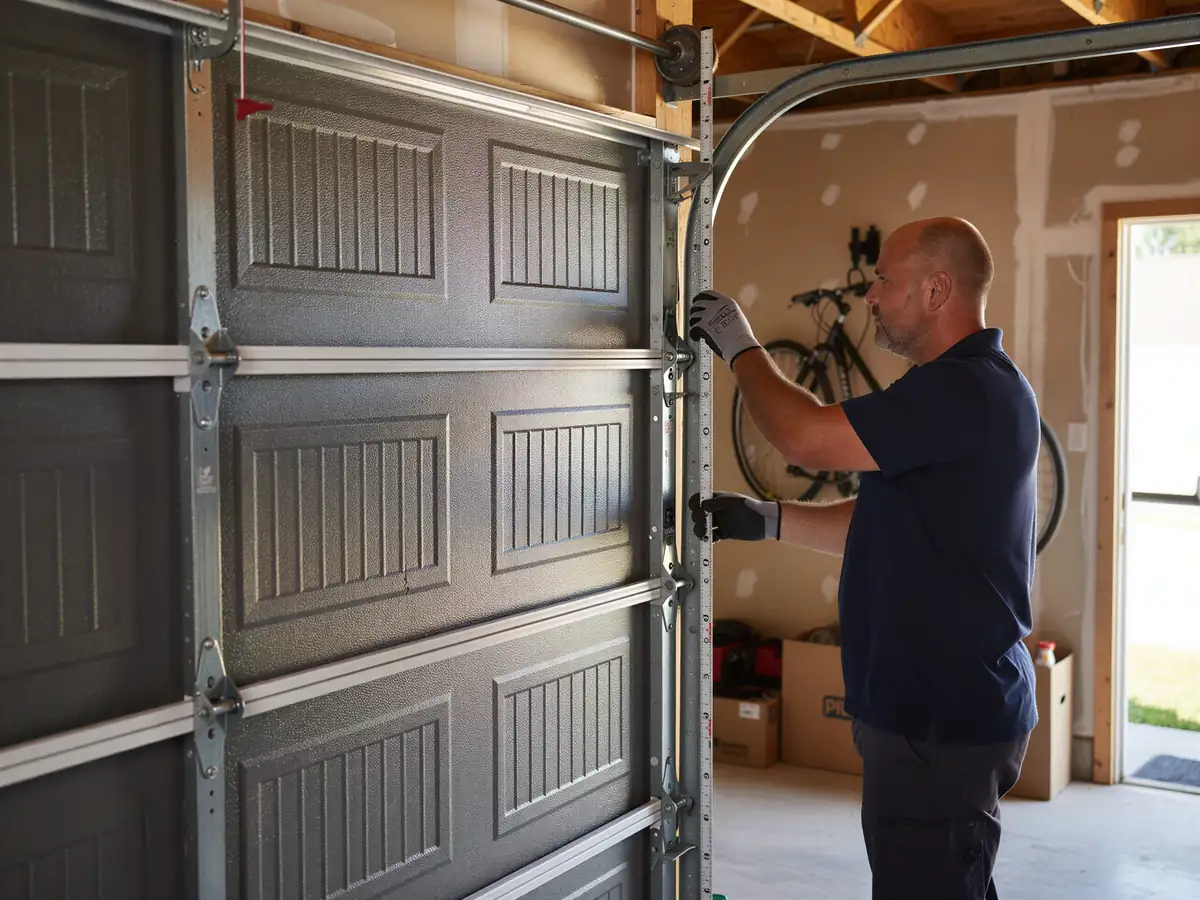
The spring itself is rarely the hard part - sourcing the right one is. Valley's homes split across different builders and eras even within that 1979 median, so wire gauge, coil diameter, and length vary more than people expect from one street to the next. Show up with a close-enough spring and you get a door that's noisy, short-lived, or lifts unevenly - not something we're willing to leave behind.
With $55,422 median household income in Valley, somewhat above the $45,493 average across the wider service area, we also see more owners ask us to weigh replacement against repair rather than default to the cheapest fix. On a door old enough to need a second spring in its life, replacing both at once rather than just the broken one is usually the better math, since the other one is close behind it on cycle count. Where this really goes sideways is when a repair gets done on just one side of a two-spring door and the second one lets go a few months later - we'd rather have that conversation up front.