What Causes It Around Here
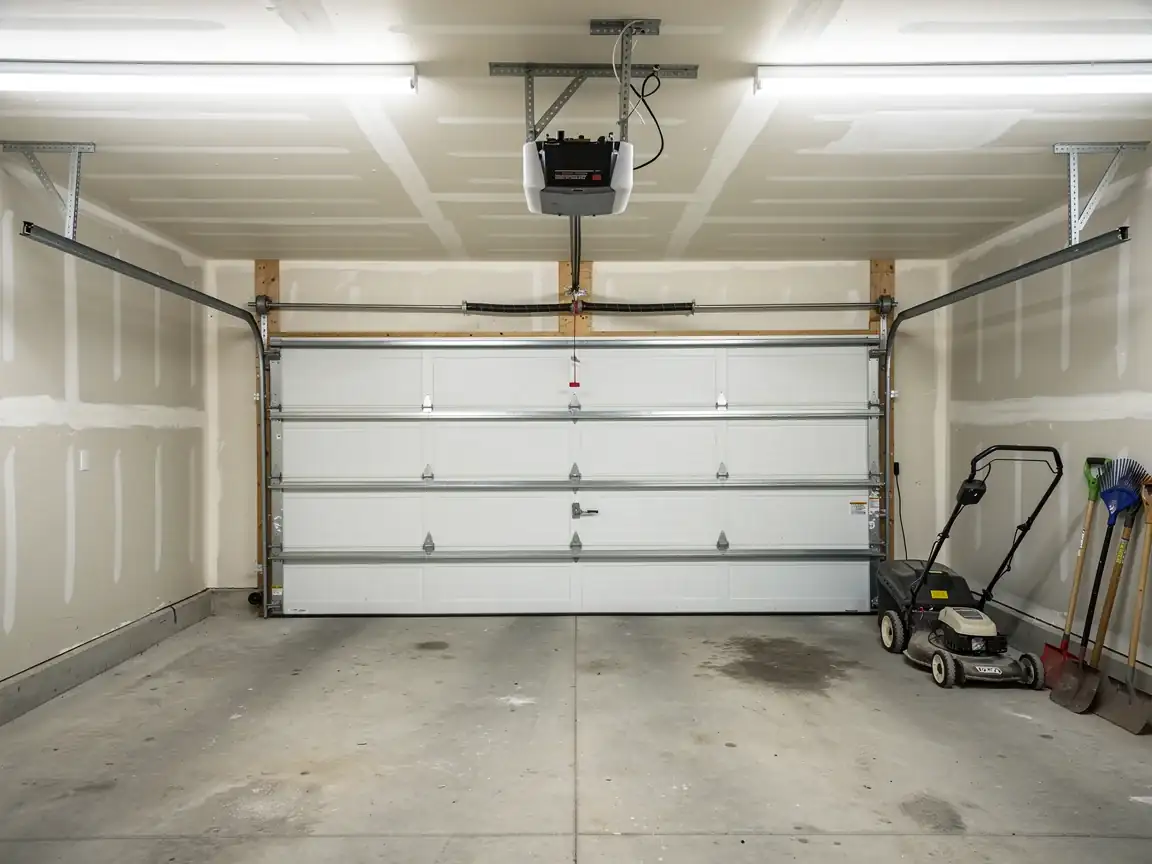
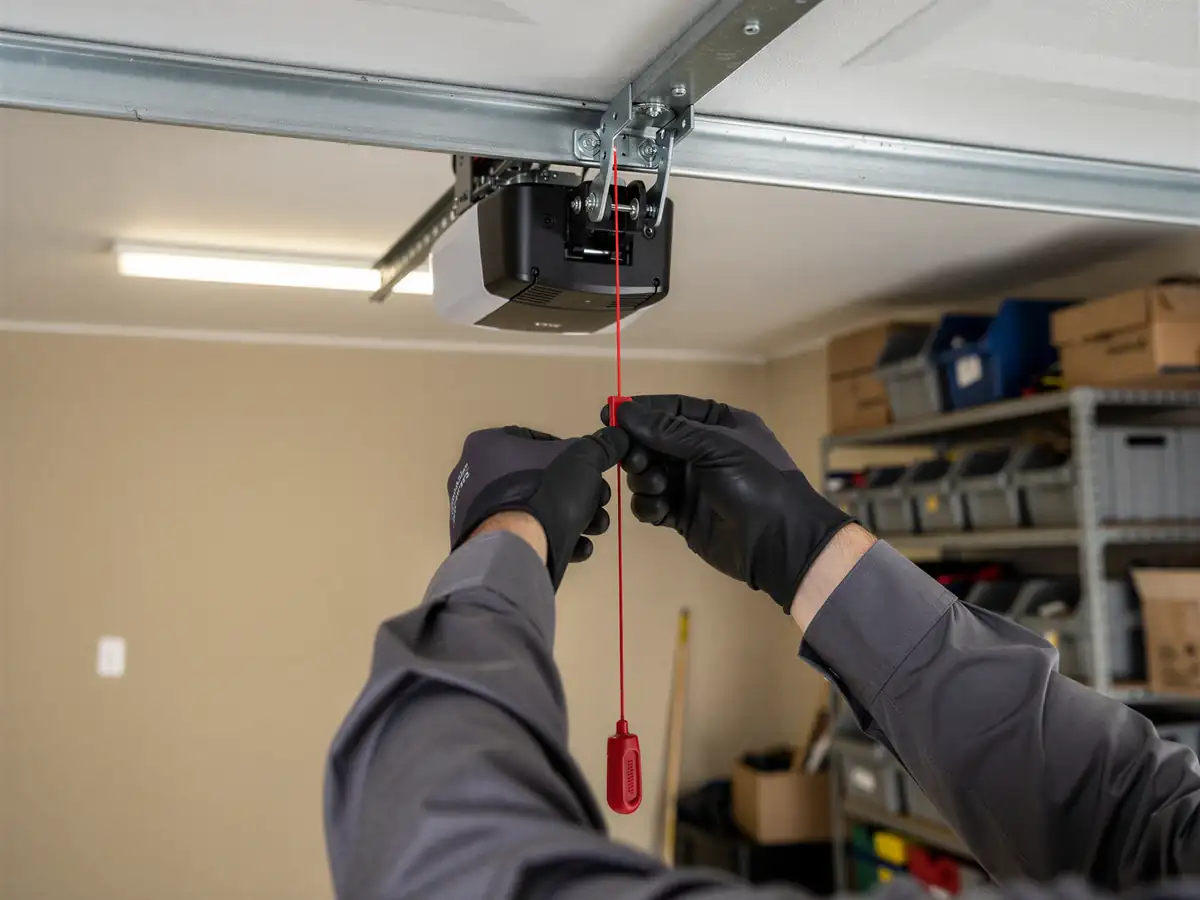
Valley's housing stock centers on 1979, which puts most of these garages a decade or two ahead of when openers became standard equipment in this part of the state. That means a lot of the units running on these doors today aren't original to the house - they were bolted on later, often a basic chain-drive model with a mechanical limit switch and a worm-gear motor that's been turning the same sprocket for twenty-plus years. The chain stretches, the sprocket teeth wear down to a point, and the limit switch drifts out of calibration so the door either stops short of the floor or keeps grinding after it should've stopped. Add in the area's mild climate with occasional freeze nights, and the grease in that gearbox thickens up on cold mornings just enough to make the motor strain on start-up - which is usually when a homeowner first notices the hum before the lift. None of this is dramatic. It's wear, on hardware that was never meant to run forty years without attention, in houses that didn't need an opener until someone added one after the fact. That's the pattern here more than a sudden failure.
Can You Do This Yourself
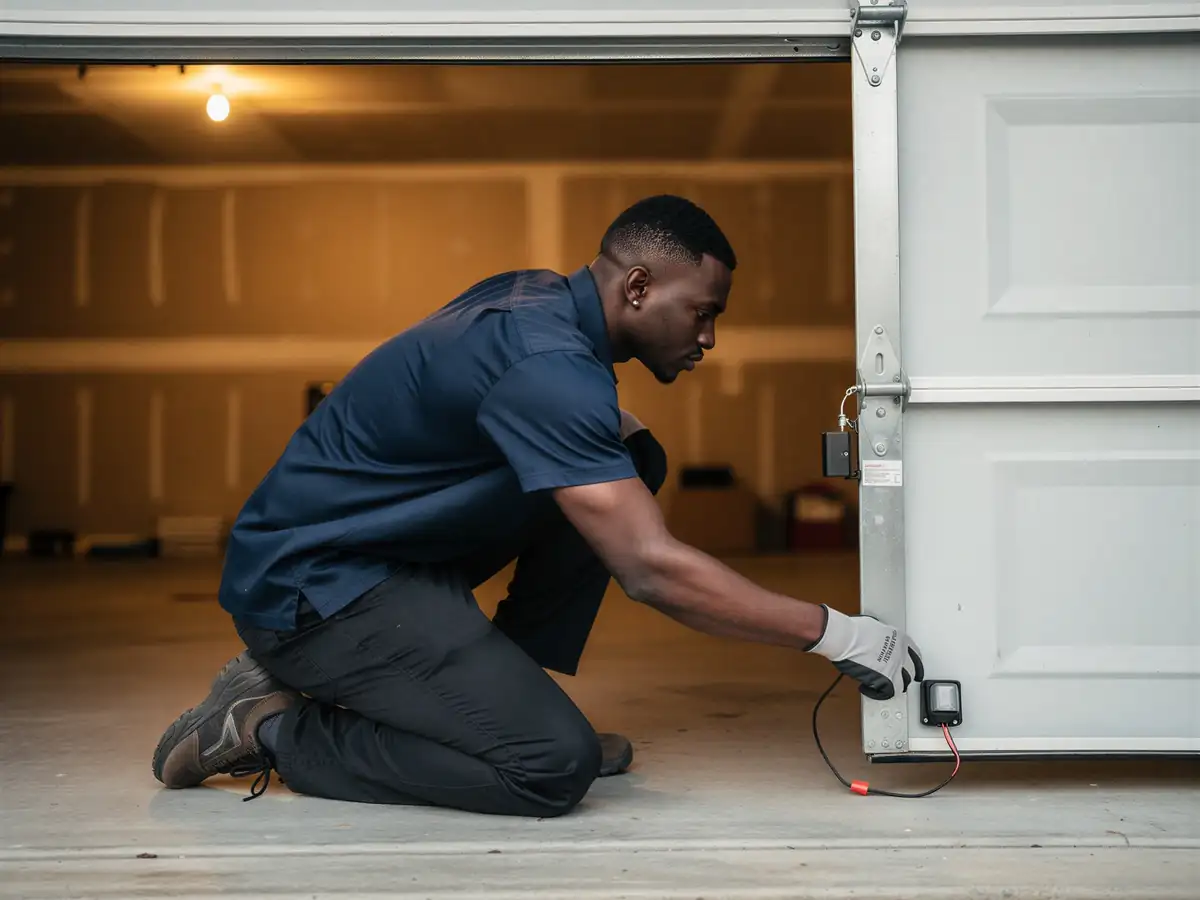
Some of it, yes. If the opener runs but the remote doesn't, check the batteries and the antenna position before anything else - that fixes more calls than people expect. If the wall button works but the remote doesn't, you may just need to reprogram the learn code, and that's a five-minute job with the manual. Where you should stop: anything involving the travel limits, the force setting, or the safety reversal mechanism. On a chain-drive unit from this era, those adjustments sit close to moving parts under spring tension, and getting the force setting wrong means a door that doesn't stop when it should. If the opener strains, reverses partway up, or makes a grinding sound that wasn't there last month, that's gear wear or a chain problem, not a settings issue - adjusting the dial won't fix worn-out metal. We'd rather talk you through the simple stuff on the phone than have you open the motor housing on a unit old enough that replacement parts for it are getting hard to find.
Where This Job Goes Sideways
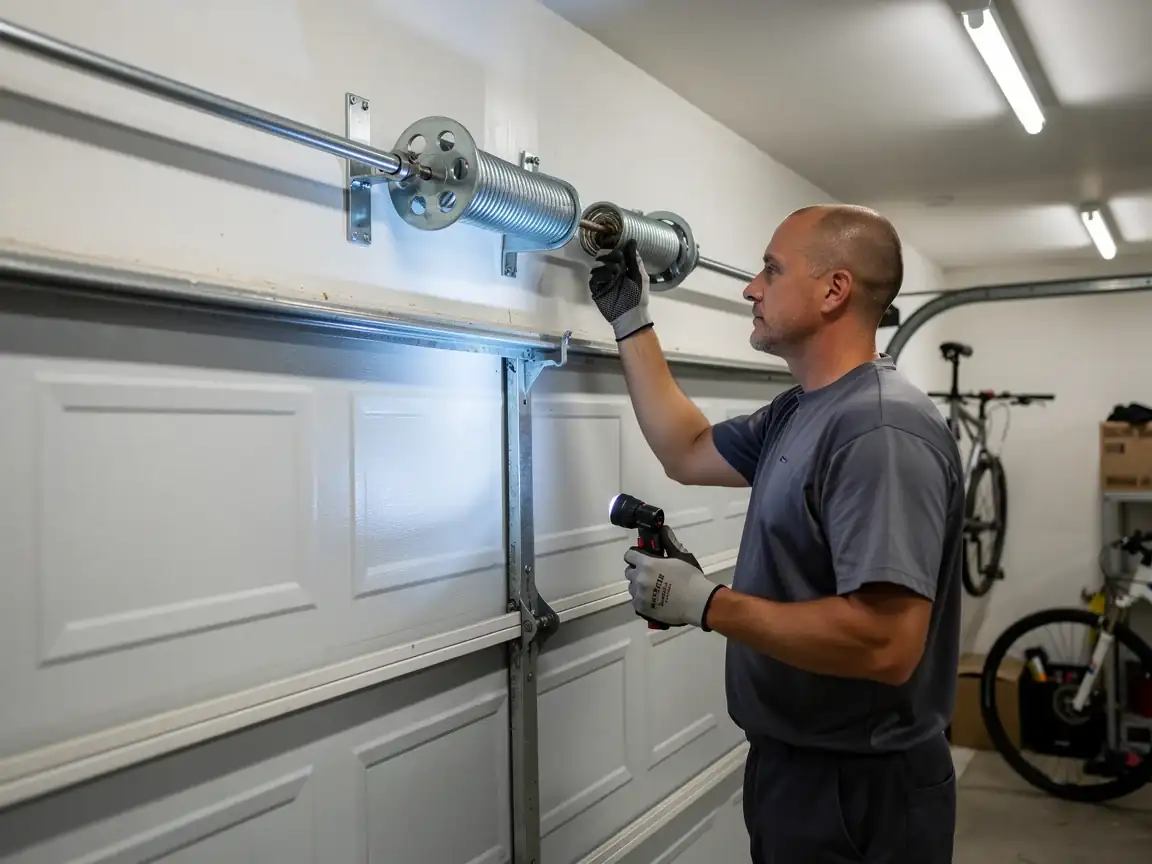
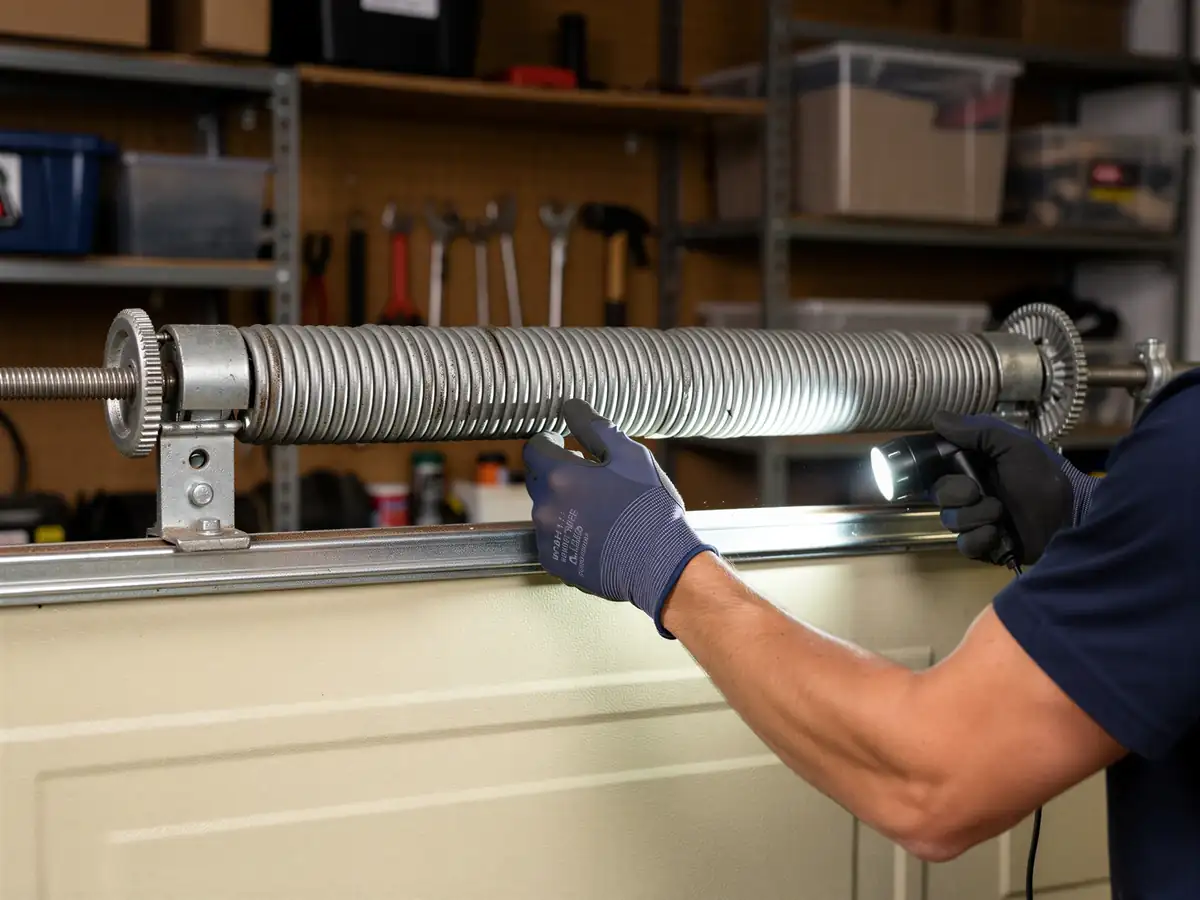
The job gets harder when the opener itself is original enough that the manufacturer doesn't make parts for it anymore - at that point we're not repairing, we're replacing, and we'll say so rather than hunt for a sprocket that isn't being made. It also goes sideways when someone's tried to fix the symptom by cranking the force setting up to push through a mechanical problem; that masks a worn gear for a while and then the motor burns out faster than it should have. We travel out from Opelika, about 14 miles to reach Valley, so we come prepared based on what you describe on the phone - but a garage with a second problem nobody mentioned, like a spring that's also on its way out, means a second trip or a longer first one. We'd rather hear everything upfront, including the stuff that seems unrelated, than find it halfway through a repair.